8 Reasons This Colorado Den Draws Hundreds Of Rattlesnakes Every Winter
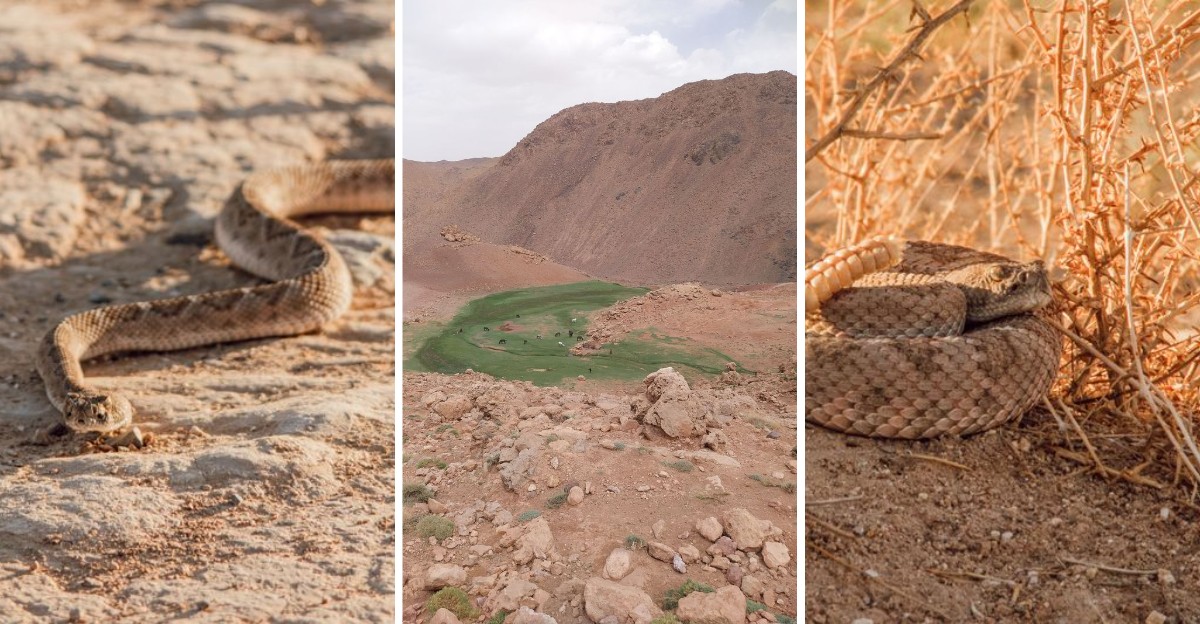
Picture a sprawling Colorado hillside that quietly outbooks any resort nearby. You would walk right past it without hearing one alarm. Wind moves across dry grass while your boots crunch gravel.
Underneath that dusty, sun-warmed slope, hundreds of bodies are settling in. Rattlesnakes travel back here each September from distant hunting grounds. Generations of them follow paths carved long before you existed.
Scales flick past rock warmed just enough for comfort. Little about this cracked stone hints at what waits below. Heat rises steadily from deep fissures, pulling cold-blooded travelers inward.
Sunlight bakes the surface just enough to matter for survival. Colorado’s plains hide this gathering in plain, ordinary sight. Geology, food, sunlight, and habit still pull them together here.
Your own curiosity probably wants real answers about why this happens. Reasons stack up once you start digging into this place. Stay with this, because the real story waits just underground.
1. Sun-Warmed Rock Slabs That Hold Heat Past Sundown
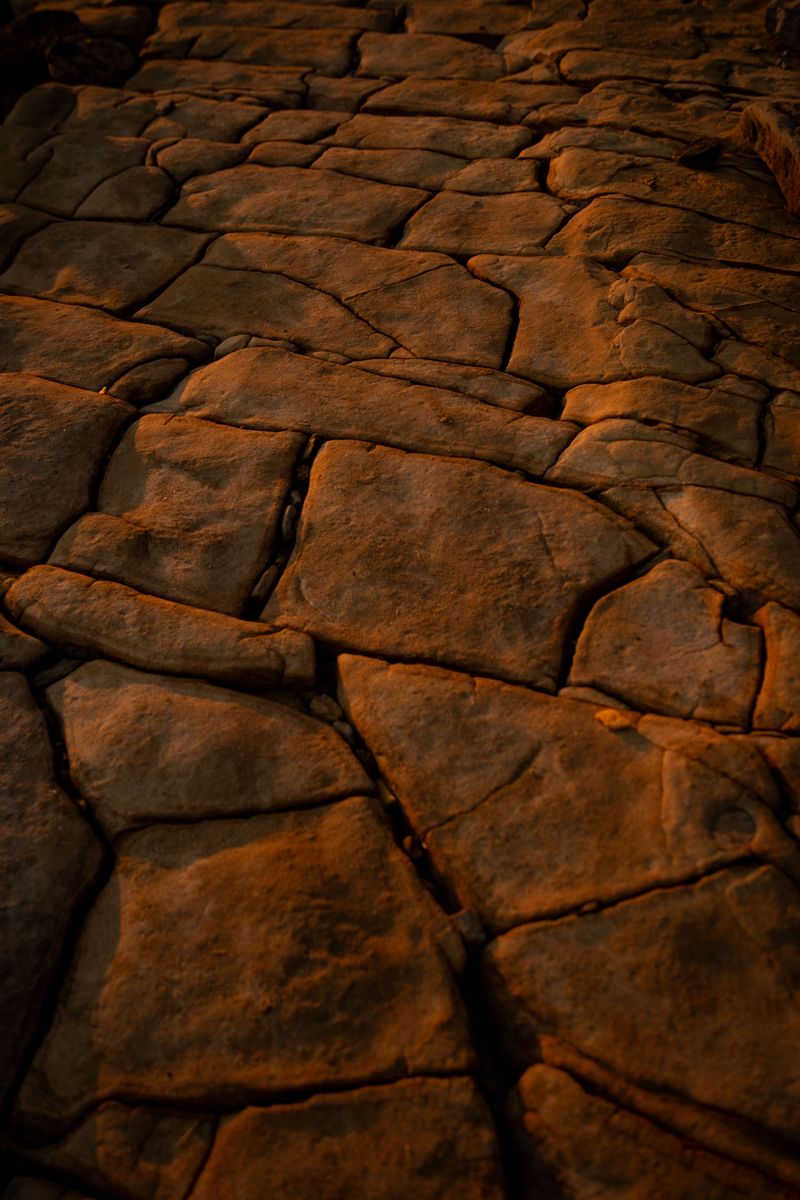
Picture a tilted slab of sandstone in early September, still glowing with warmth long after the sun drops behind the Front Range. That leftover heat is the first big magnet for snakes shopping for winter quarters.
Rock behaves like a battery. It soaks up solar energy all afternoon, then leaks that warmth back out through the chilly hours before dawn.
For a cold-blooded animal, those extra degrees are gold. Snakes cannot generate their own body heat, so they borrow it from stone, soil, and sunshine.
Dens along the foothills sit on broken, jumbled rock that traps warmth inside its cracks. The deeper you look, the steadier the temperature stays.
Field studies on prairie rattlesnake dens have found that surface rocks near den entrances tend to run noticeably warmer than open ground nearby.
Hikers feel the same effect. If you have leaned against a boulder at dusk and felt it push heat back into your jacket, you have experienced exactly what draws snakes in.
Practical tip: give sunny rock piles a wide berth on warm autumn afternoons. Snakes often stretch across the surface for one last basking session before slipping below.
Look before you sit, step, or drop a backpack. A few seconds of caution saves you a startling surprise.
The stored warmth is the foundation the whole den is built on. Take away the rock, and the rest of the winter plan falls apart.
2. Deep Cracks That Stay Above Freezing All Season
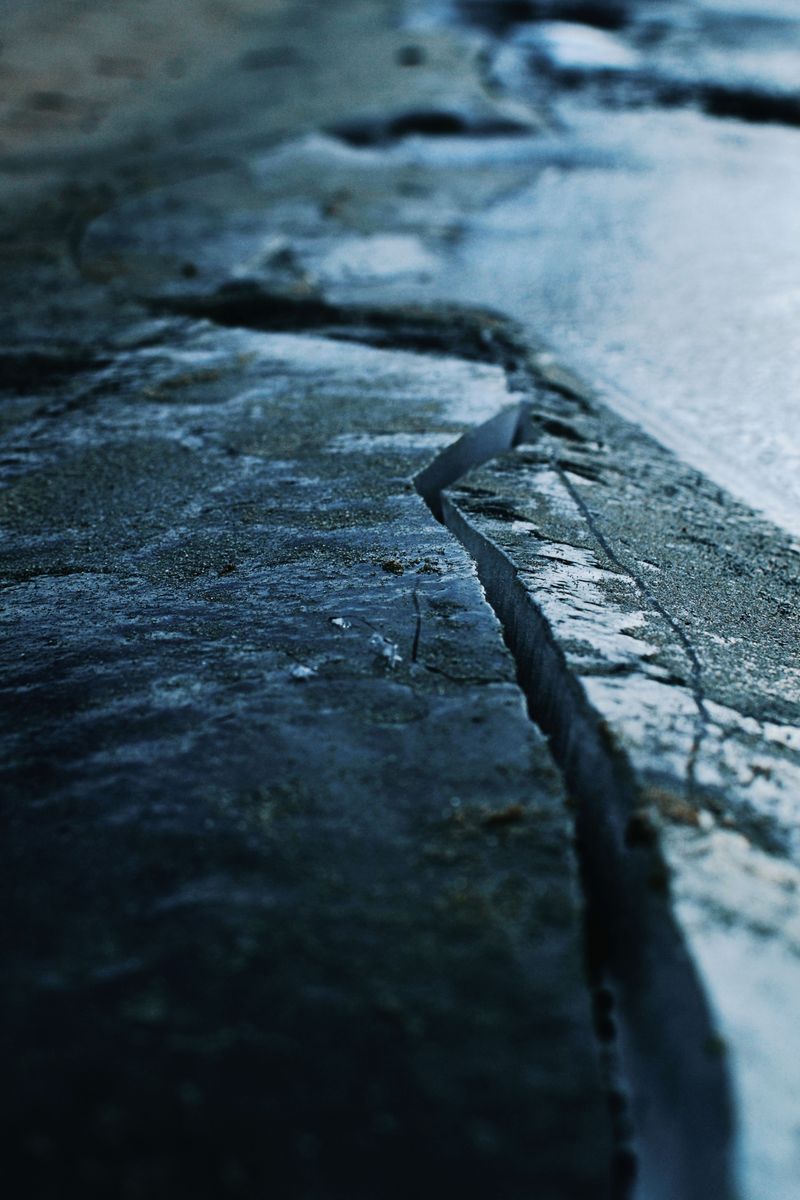
Below the rubble sits the real prize: a network of fissures that plunge well past the frost line. Colorado winters bite hard at the surface, but a few feet down the thermometer barely flinches.
Frost on the eastern plains can push well below the surface in a hard winter. Den chambers often sit deeper, where temperatures stay well above freezing.
Snakes are not hibernating the way a bear does. They enter brumation, a slowed-down state where the heart still ticks and the body waits out the cold.
Your Colorado Garden Changes Every Week. Your Plan Should Too.
Gardening in Colorado changes quickly throughout the season. Every Friday you’ll receive a simple weekly plan showing exactly what to plant, prune, fertilize, harvest, and protect so you never miss the right timing.
Staying a handful of degrees above freezing is the whole game. Too cold and tissues suffer, too warm and the animal burns through fat reserves before spring arrives.
Old rodent burrows, collapsed prairie dog tunnels, and natural rock seams all do the job. What counts is depth, drainage, and a snug pocket of still air.
Moisture is the hidden factor. A den that floods becomes useless, so winning sites shed water while holding enough humidity to keep skin from drying out.
Along the hogback ridges west of Denver, tilted rock layers are known to create long, angled cracks that form natural den passages. Those slanted passages hand snakes an easy downhill ramp into shelter.
Landowners can borrow the lesson. Rock piles, foundation gaps, and forgotten wells near grassland accidentally offer the same underground comfort.
Sealing those openings in early fall, before residents settle in, is the safer fix. Wait too long and you may shut animals inside for the season.
3. Scent Trails Handed Down Through Generations
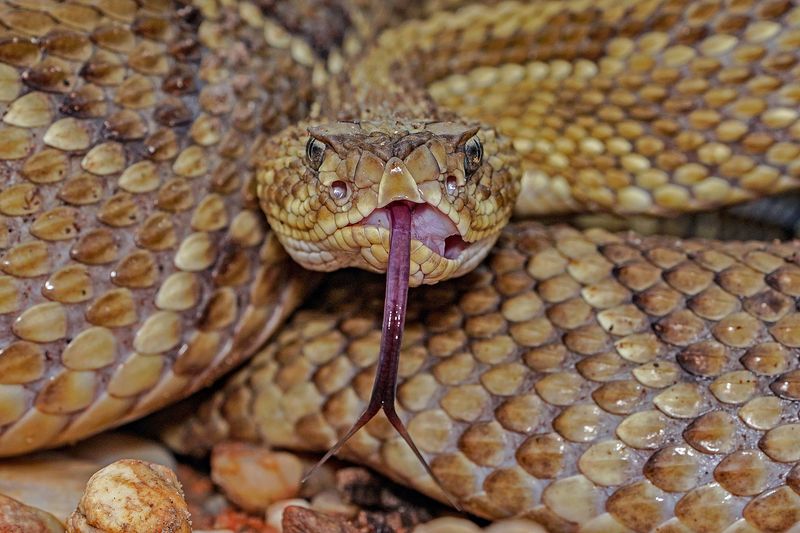
Here is the detail that stuns people: young snakes locate the den by following invisible chemical breadcrumbs. They flick their tongues, pick up pheromones left by older travelers, and trail along behind.
That forked tongue works as a sampling tool. It collects scent particles and delivers them to a sensory organ tucked in the roof of the mouth.
Herpetologists have documented juveniles born in late summer heading toward dens they have never visited before, guided by scent rather than memory.
Because of that, a single site can stay in service for a century or more. Knowledge of the address passes along like a family recipe, written in scent instead of ink.
Distances covered can be impressive. Prairie rattlesnakes may travel several miles between summer hunting grounds and their winter quarters.
Landmarks lend a hand too. Ridgelines, drainages, and rock walls funnel travelers along predictable routes, which is why crossings cluster in the same places season after season.
Drivers in parts of the Colorado plains see the result in September. Snakes moving toward dens often cross roads at dusk, when pavement still holds the day’s warmth.
If you live near open prairie, ease off the gas on rural roads during migration weeks. Give any snake on the shoulder room and time to finish the journey.
Scientists call the habit site fidelity, and it explains why a disturbed den struggles to recover. Snakes keep returning to a spot that may no longer serve them.
4. A Rodent Buffet Spread Across The Shortgrass Prairie
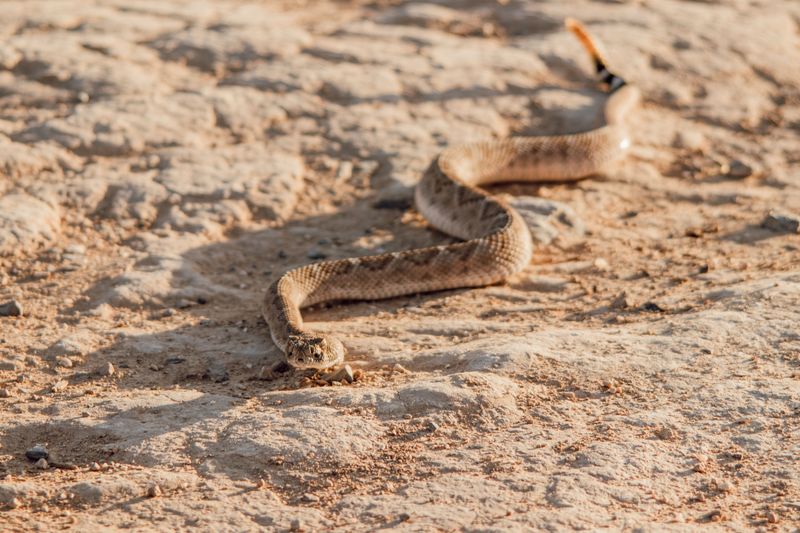
Location, location, location. The busiest dens tend to sit within easy traveling distance of a reliable food source.
Shortgrass prairie surrounding these hillsides supports deer mice, voles, ground squirrels, cottontails, and sprawling prairie dog towns. That is a grocery store with the lights left on.
A rattlesnake needs to pack on fat before the cold settles in. Late summer and early fall meals fuel the long, slow months underground.
Prairie dog colonies do double duty. They supply meals and thousands of ready-made tunnels that shelter snakes during summer and shoulder seasons.
Ambush hunting suits the terrain perfectly. A snake tucks beside a burrow entrance or a game trail, waits with remarkable patience, and lets dinner walk past.
Heat-sensing pits between eye and nostril let the animal detect a warm-bodied rodent in darkness. Think of it as built-in night vision that reads temperature instead of light.
Farmers and ranchers often notice the trade-off. Snake activity climbs where rodent numbers climb, which also means natural pest control across hay fields and pastures.
If you want fewer encounters near a house or barn, start with the food supply. Store grain in sealed bins, clear brush piles, and trim tall grass along fence lines.
Cut the rodent population and snake traffic usually thins out too. Habitat management beats reaching for a shovel, and it keeps the wider prairie food web working the way it should.
5. South-Facing Slopes Catch Every Bit Of Low Winter Sun
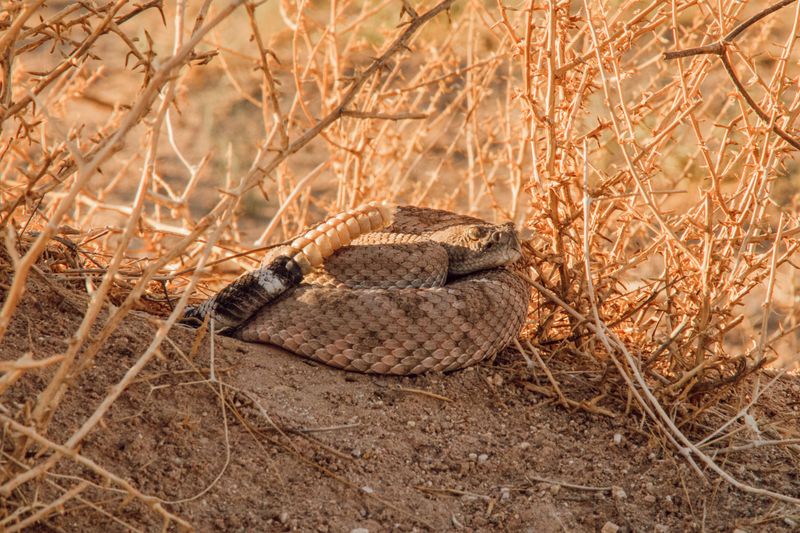
Aspect, meaning the direction a hillside faces, decides which slopes stay busy and which sit empty. In Colorado, south and southeast exposures win the contest.
The winter sun tracks low across the southern sky. Slopes angled toward that path soak up hours of direct light while shaded north faces stay locked under snow.
Walk a foothills ridge in January and the difference is obvious. One side shows bare, sun-dried grass, and the other side holds a white crust for weeks.
Snow cover matters more than you might expect. A clear entrance lets snakes emerge on mild days to drink, shift position, and grab a little warmth.
Those brief surface visits, sometimes called basking breaks, help animals rebalance body temperature and moisture. A den buried under drifts offers no such option.
Wind adds another wrinkle. Ridges that block cold northwest gusts keep the doorway calmer, drier, and several degrees friendlier.
Spring emergence depends on the same geometry. Sunny slopes warm earlier, so snakes on a southern exposure may appear in March while shaded sites wait until April.
Hikers can use the pattern. On an unseasonably warm February or March afternoon, sunny rocky slopes deserve extra attention and careful foot placement.
Photographers and naturalists use it too. Pick a south-facing hogback on a mild spring day and your odds of spotting wildlife climb sharply.
Small details of angle and sunlight shape where thousands of animals spend the cold half of the year.
6. Group Huddling Saves Precious Body Warmth
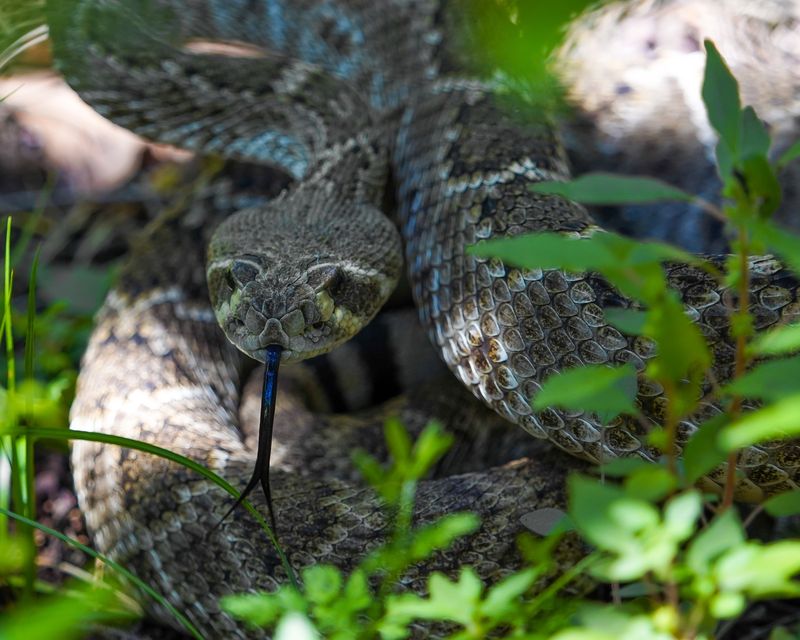
Rattlesnakes are often assumed to be solitary, but their winter behavior tells a different story. Come November, they pile together like commuters on a crowded train.
Dozens or even hundreds of bodies coil into a single mass. Some Great Plains rattlesnake dens, including sites documented in Nebraska and Wyoming, have been reported to host aggregations reaching into the thousands.
Physics explains the cuddle puddle. A tight cluster has less exposed surface, so warmth and moisture leak away more slowly than they would from lone animals.
Water loss is a genuine threat underground. Skin-to-skin contact traps humidity around the group and helps each snake hold onto precious fluids.
Species mixing has also been documented in some communal snake dens. Bullsnakes, racers, and garter snakes have been found sharing chambers with rattlesnakes, apparently untroubled by the rattling neighbors.
Aggression stays low during these months. Energy is scarce, metabolism runs slow, and squabbling would burn fuel nobody can spare.
Come spring, the whole crowd spills out over a few sunny days. Emergence can look dramatic, with snakes draped across rocks like tangled garden hose.
For anyone living nearby, spring and fall are the alert seasons. That is when concentrated numbers move through fields, driveways, and yards.
Keep pets leashed on foothills trails during those weeks. Curious dogs investigate rock piles with their noses first, which is exactly the wrong approach. Sociable behavior in an animal built for solitude is one of the stranger wildlife stories on the plains.
7. Mothers Return To The Same Nursery Rocks
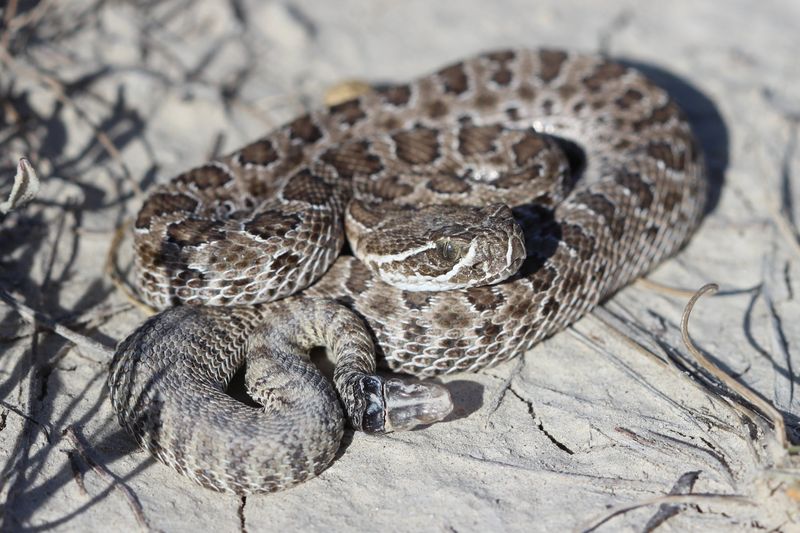
Female prairie rattlesnakes do something unusual among reptiles: they stick around after giving birth. Those maternal habits anchor the whole colony to one hillside.
Unlike many snakes, rattlesnakes hold their eggs internally and deliver live young. Litters of roughly four to twelve arrive in late summer, often right near the den.
The warm rock ledges around the entrance double as a nursery. Biologists call these spots rookeries, and they tend to be reused for decades.
Mothers stay with the litter for a week or two, until the babies shed their first skin. During that stretch she guards them and offers her body heat.
Newborns show up equipped. They carry venom and a small button on the tail that becomes a rattle after several sheds.
Because females may reproduce only once in two or three years, each litter counts. Choosing a proven, sheltered site raises the odds the young make it through winter.
Those youngsters then follow scent trails into the den for their first cold season. The cycle locks in another generation of loyal residents.
September visitors should keep this timing in mind. Females with young can be defensive, and babies are small, well camouflaged, and easy to overlook in dry grass.
Watch where you place hands and feet around rock ledges this month. Sit on a sunny flat stone without checking, and you may be sharing it with a family.
8. Quiet, Protected Ground With Few Human Interruptions
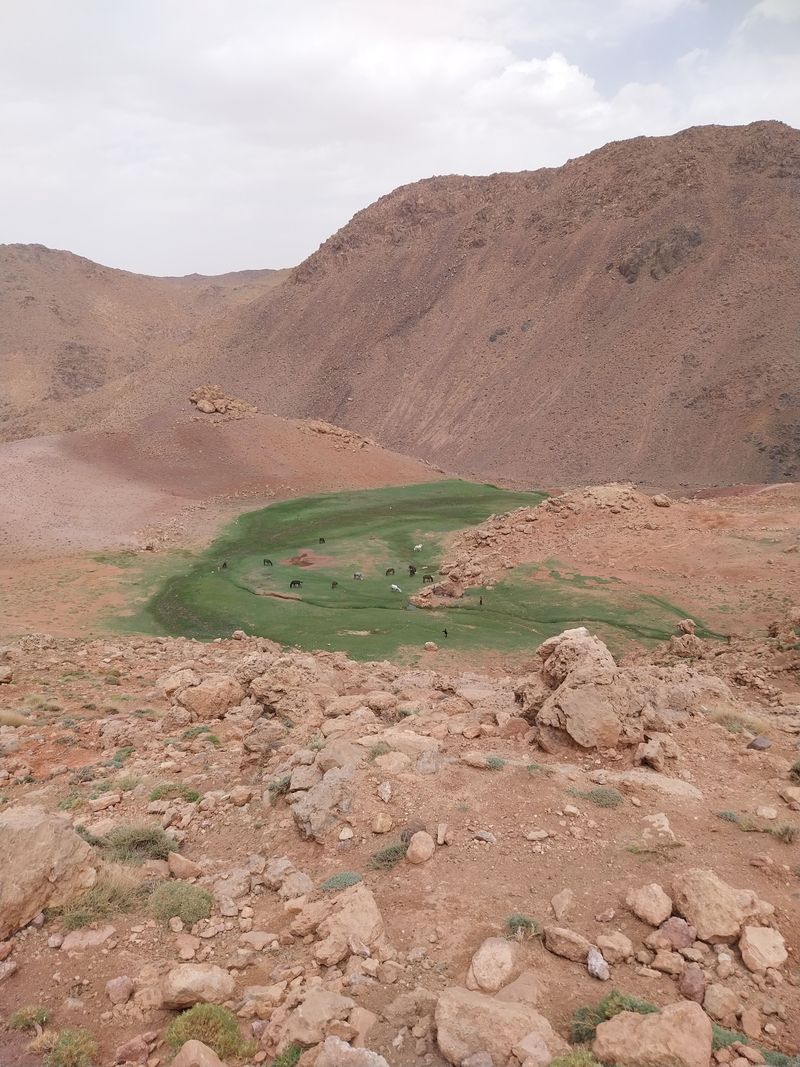
Ask why one hillside hosts thousands while similar rock nearby sits quiet, and the answer often comes down to who owns the land. Undisturbed ground keeps colonies intact.
Along the Front Range, open space districts, ranches, and military or research properties have shielded certain bluffs from bulldozers. Fewer roads mean fewer interruptions along ancient travel corridors.
Development hits dens hard. Housing, highways, and quarry work can erase an underground shelter that took thousands of years of geology to form.
Replacement is not simple. Snakes keep returning to the old address even when the rock has been hauled off, which wastes energy they cannot spare.
Protected parcels also preserve the surrounding prairie. Hunting grounds, rodent populations, and migration routes stay connected instead of getting chopped into islands.
Some Colorado open spaces are known to post seasonal signage near den areas. Land managers in some Colorado open space areas reroute trails or add temporary fencing during spring emergence and fall migration.
Visitors can help by respecting closures and staying on marked paths. Wandering off-trail near a rocky bluff disturbs animals and raises your own risk.
Reporting sightings to local wildlife offices or open space staff builds useful maps. Good data guides trail planning and public safety notices.
Rattlesnakes rarely win popularity contests, yet they trim rodent numbers and feed hawks, eagles, and bobcats. A quiet, protected hillside keeps that machinery running smoothly, which benefits ranchers, hikers, and the broader prairie alike.