Never Let North Carolina Transplants Dry Out During Hot Afternoons
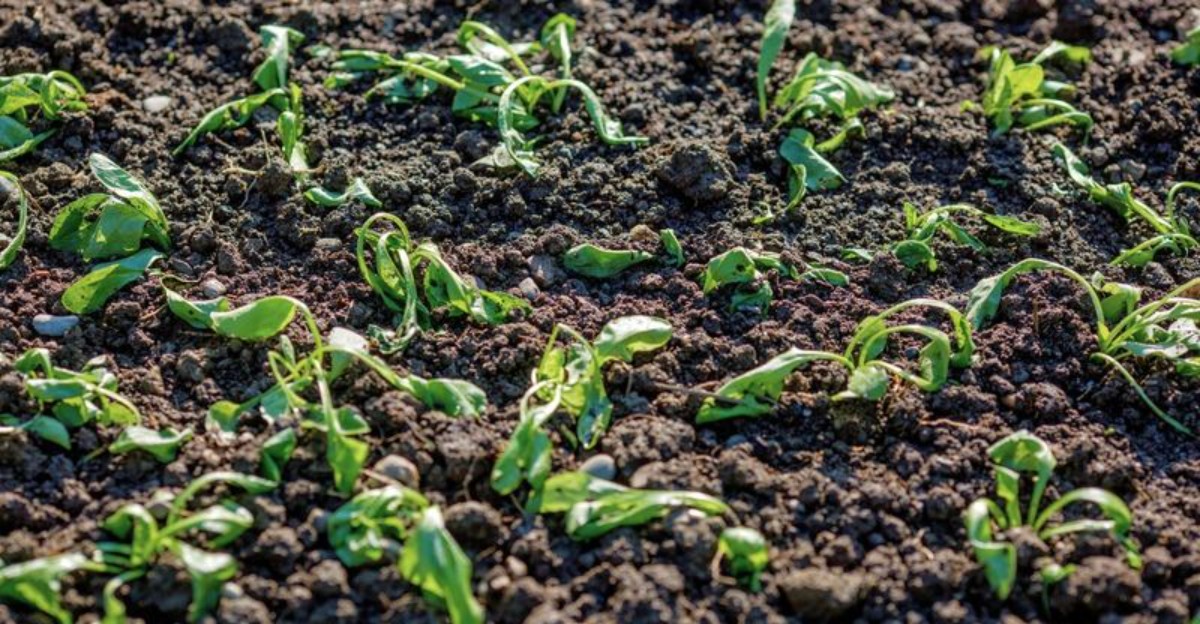
Transplant shock is one of the biggest threats young plants face in North Carolina, and hot afternoon sun makes that risk even worse.
Newly moved plants haven’t yet developed the root systems needed to pull up enough moisture to keep pace with what intense heat and sunlight demand from their leaves.
Even a few hours without adequate water during a scorching afternoon can cause wilting that’s hard to reverse, especially while roots are still adjusting to their new spot in the ground.
This vulnerable window typically lasts several days to a couple of weeks after transplanting, depending on the plant and the weather.
Keeping a close eye on soil moisture and watering proactively, rather than waiting for visible stress, gives transplants their best shot at settling in successfully through North Carolina’s hot stretches.
1. New Roots Cannot Reach Deep Moisture Yet
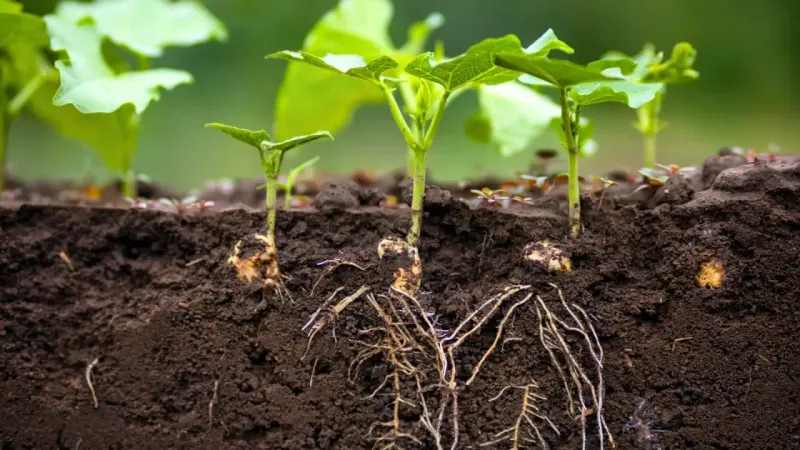
Picture a plant that just moved into your garden. Its roots are short, thin, and clustered right near the surface where you tucked it in.
Those tiny roots have not stretched out yet, so they can only sip water from the top inch or two of soil. Established plants send roots deep down where moisture hangs around even on hot days.
A brand new transplant simply does not have that reach. When the afternoon sun bakes the upper layer of soil, that shallow zone dries out first. And that shallow zone is exactly where your transplant is trying to drink.
If it goes dry, the plant has nowhere else to pull water from. This is why timing matters so much during the first couple of weeks. Your job is to keep that top layer damp until the roots grow long enough to fend for themselves.
Think of it as feeding a young plant by hand before it learns to find its own food. A helpful trick is to check the soil with your finger. Push it down about an inch, and if it feels dry, your transplant probably needs a drink.
Deeper roots take time to build, usually several weeks depending on the plant. During that window, consistent moisture near the surface acts like a safety net.
Once those roots dig down into the surrounding garden bed, your plant becomes far tougher and can handle hot spells with less fuss from you.
2. Transplants Can Lose Water Faster Than Roots Replace It
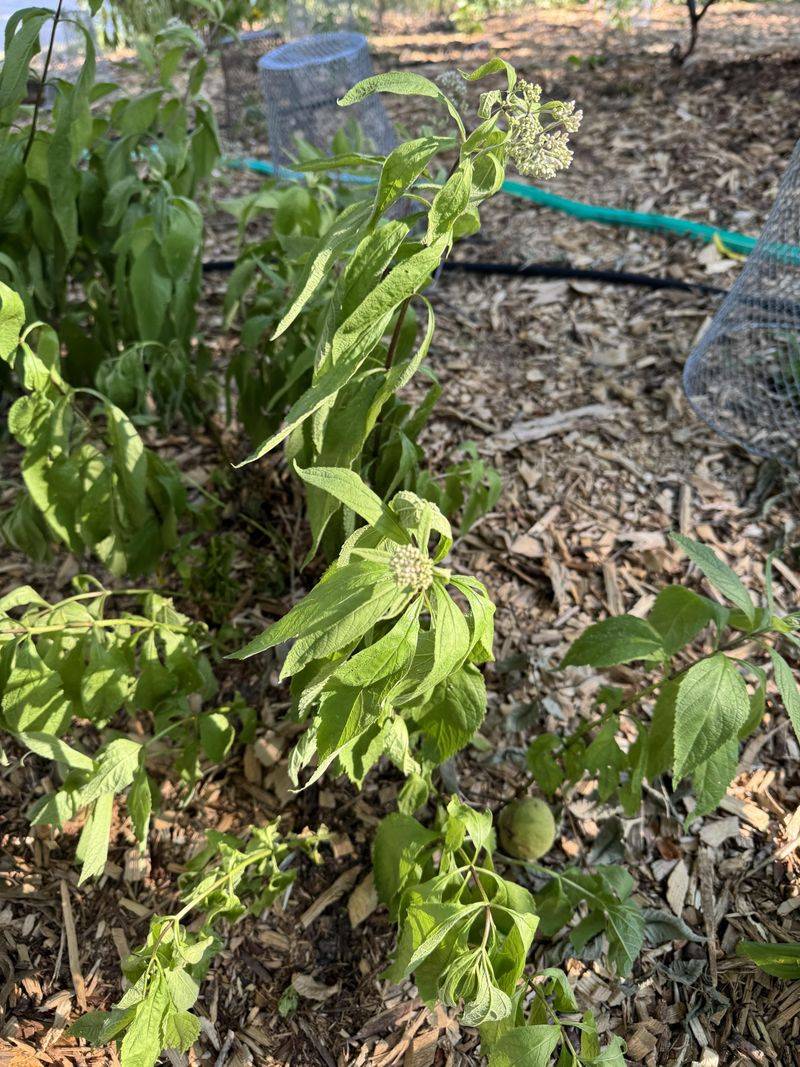
Leaves are busy little things. All day long they release water vapor through tiny pores, almost like they are breathing out moisture into the air.
On a hot, sunny, windy afternoon, that water loss speeds way up. Heat pulls moisture out faster, sunlight cranks up the plant’s activity, and wind sweeps damp air away from the leaves so even more escapes.
For a well settled plant, this is no big deal. Its strong roots pump up plenty of replacement water to keep everything balanced. A recent transplant plays a different game entirely.
Its roots may be limited or slightly bruised from the move, so they cannot deliver water as fast as the leaves give it up. When the outgoing water beats the incoming water, the plant droops.
Your North Carolina Garden Changes Every Week. Your Plan Should Too.
Gardening in North Carolina changes quickly throughout the season. Every Friday you’ll receive a simple weekly plan showing exactly what to plant, prune, fertilize, harvest, and protect so you never miss the right timing.
That sad, floppy look is your warning sign. You can lower the stress in a few simple ways. Planting on a cloudy day or in the evening gives roots a calmer start.
A bit of light shade during the hottest hours also cuts down on water loss. Watering before the heat peaks keeps the root zone stocked so the plant has moisture ready to move upward. Some gardeners even set up a temporary shade cloth for the first week.
Once you understand this tug of war between leaves and roots, watering makes a lot more sense. You are simply helping your transplant keep up until its roots grow strong enough to win the battle on their own.
3. Severe Wilting Can Damage Young Plants
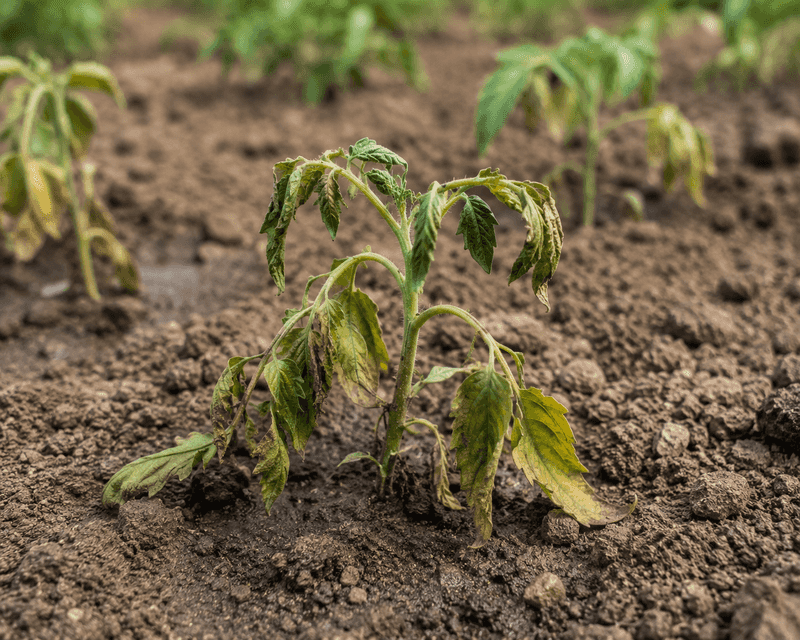
Not all wilting is the same. Sometimes a plant droops a little in the peak heat and then perks right back up once the sun eases off.
That mild, temporary wilting is normal and usually harmless. The plant is just protecting itself for a few hours. Trouble starts when wilting becomes severe and keeps happening day after day.
When a young transplant flops hard and stays limp into the evening, that signals real water stress. Leaf edges can turn brown, tender growth can scorch, and the whole plant slows down.
Each time this happens, your transplant loses energy it needs for growing new roots. Instead of settling in, it spends its strength just trying to survive the afternoon. Repeated stress like this stacks up and sets the plant back.
You can tell the difference by watching the recovery. If your plant bounces back within an hour or two after sundown, it handled the heat fine.
If it stays droopy the next morning, it needed water sooner.
The goal is to catch stress before it turns serious. Regular checks during hot spells let you step in with a drink before leaves get damaged.
Healthy transplants that avoid harsh wilting grow faster and look better all season. They also fight off pests and disease more easily because they are not already worn down.
A little attention during those brutal afternoons pays off with strong, leafy plants that reward you for weeks to come.
4. Dry Soil Delays Root Establishment
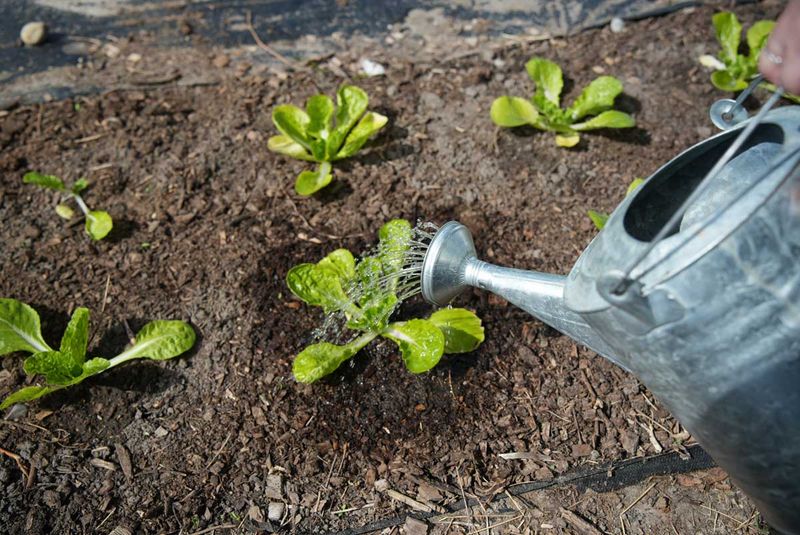
Roots are explorers. When the soil around a transplant stays evenly moist, those roots reach out eagerly into the surrounding garden bed.
Moisture is like an invitation. It softens the soil and tells the roots that good things wait just a little farther out. So they stretch, branch, and dig deeper week by week.
Dry soil throws up a wall. Hard, crusty ground is tough for delicate new roots to push through, and without moisture there is little reason for them to grow that direction.
Every time the soil dries out completely, the establishment process hits pause. The roots stall, the plant focuses on survival, and progress you gained slips backward. Then when you water again, it has to start rebuilding momentum.
Consistency is the real secret here. A transplant kept steadily moist for its first few weeks builds a wide, healthy root network much faster than one that swings between wet and bone dry.
You do not need to drown the plant to keep this going. A deep drink that soaks the root zone, followed by a check before the next watering, keeps things on track.
Think about it like helping a new neighbor unpack. Steady support in the beginning lets them settle in quickly and stand on their own.
Once those roots spread out and anchor firmly, your plant becomes a self sufficient part of the garden. It handles heat, wind, and dry spells with far less help, all because you kept the soil welcoming early on.
5. Fall Vegetables Still Face North Carolina Heat
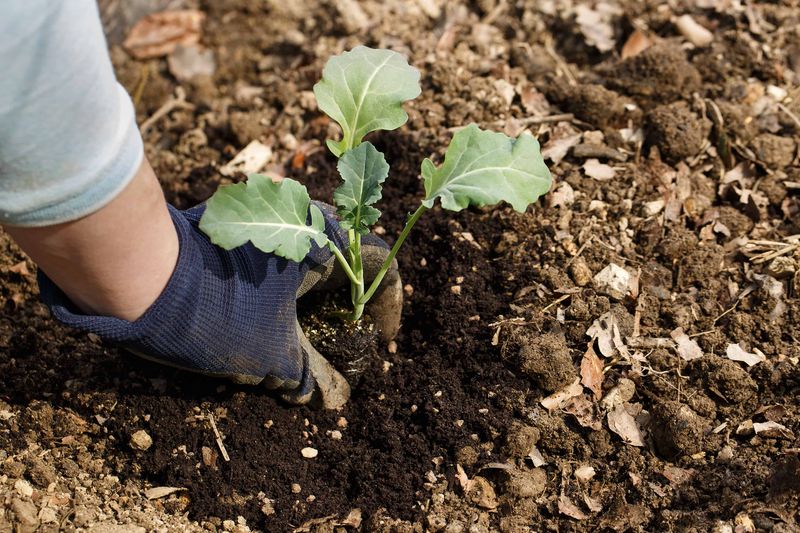
Cool season crops can fool you. Broccoli, cabbage, collards, and lettuce all love the crisp weather of autumn, so it is easy to forget how they start out.
In North Carolina, gardeners often plant these transplants in late summer or early September. That is when the calendar says fall is coming, but the thermometer says otherwise.
Those early weeks can bring blazing sun and temperatures that feel like the peak of summer. Your cool season transplants land right in the middle of it, and they feel every bit of that heat.
Just because a crop prefers cooler air does not mean its young transplant can shrug off a scorching afternoon. In fact, tender lettuce and leafy greens can struggle badly if their soil dries out during that first hot stretch.
The trick is to treat fall transplants with the same care you would give summer ones. Keep the root zone moist, water before the heat climbs, and offer a little shade if the sun turns brutal.
Some gardeners use shade cloth over their fall beds until the weather actually cools down. This simple step helps seedlings settle in without frying.
Once real autumn arrives, these plants take off and reward you with crisp, tasty harvests. But that payoff depends on getting them through the sneaky late summer heat first.
Keep an eye on the forecast, and do not let those September afternoons catch your cool season transplants thirsty. A watchful start leads to a bountiful cool weather crop.
6. Morning Watering Gives Transplants A Head Start
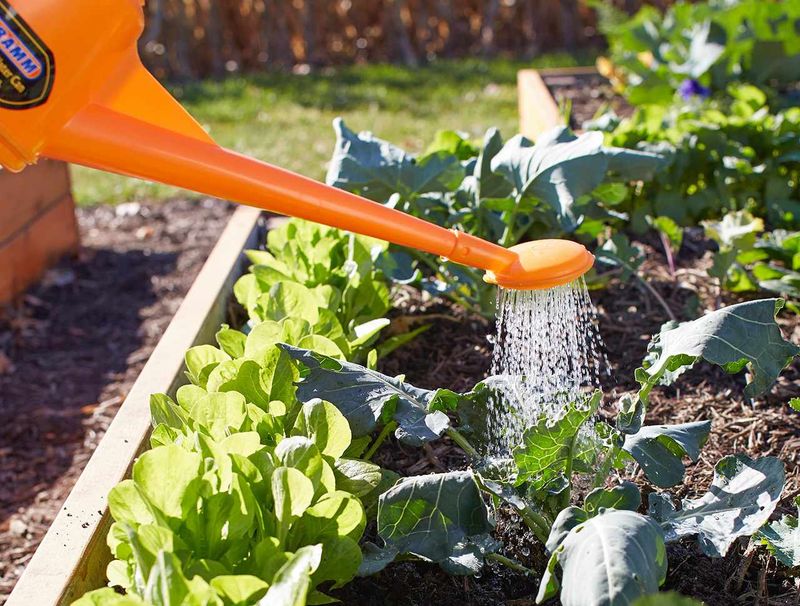
Morning is a gift for gardeners. When you water early, the soil soaks up moisture while the air is still cool and calm.
That timing means the root zone fills up before the afternoon sun arrives. Your transplant then has a full tank ready when the heat cranks up and its leaves start releasing water fast.
Water applied in the morning also has time to sink in properly. Less of it evaporates compared to a midday soak, so more actually reaches the roots where it counts.
Cooler morning temperatures reduce waste and let the plant drink steadily through the hardest part of the day. It is one of the simplest habits that makes a big difference.
That said, morning watering is not a magic shield. On unusually hot or windy days, even a well watered transplant can run low by late afternoon.
Checking your plants again in the afternoon is smart during extreme weather. If the soil near the roots feels dry and the leaves look stressed, give them another gentle drink.
Try to avoid soaking the leaves late in the evening, since wet foliage overnight can invite mildew and other problems. Aim the water at the base of the plant instead.
Build the morning routine into your day, maybe with your coffee, and your transplants will thank you with steady growth. A few minutes at sunrise sets them up to handle whatever the North Carolina afternoon throws their way.
7. Mulch Slows Moisture Loss Around New Roots
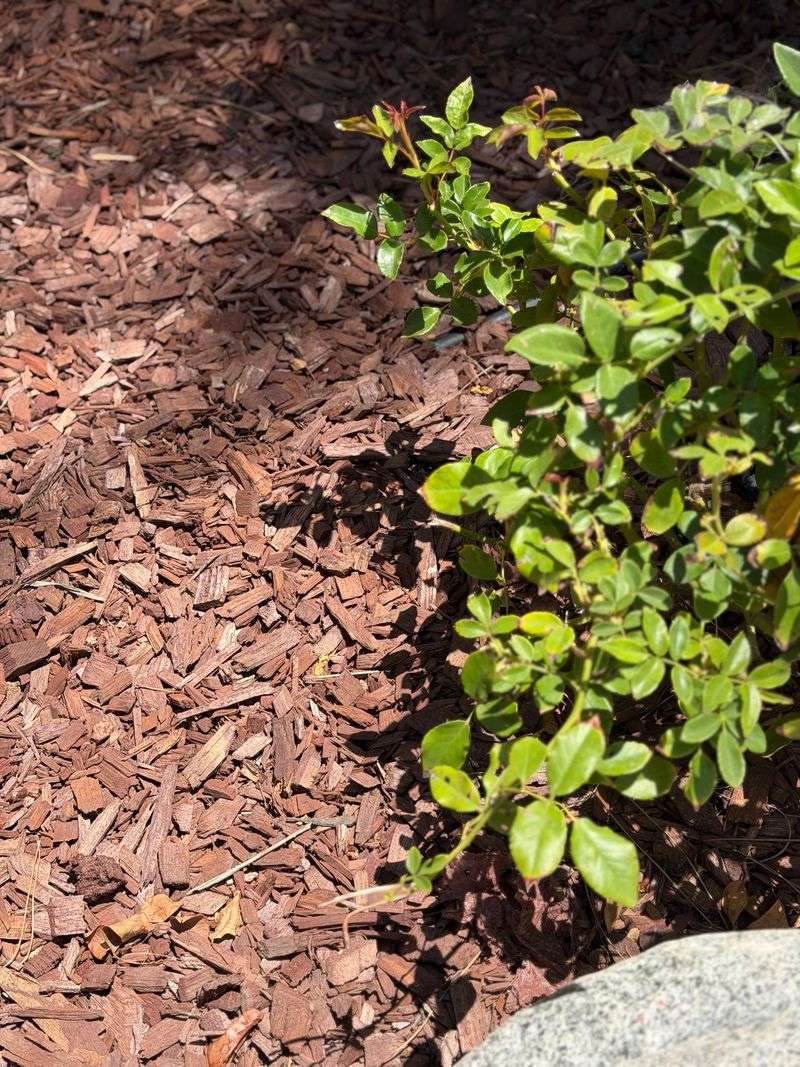
Mulch is like a blanket for your soil. A moderate layer of straw, shredded leaves, or bark spread around transplants keeps the ground shaded and cool.
That cover slows down evaporation in a big way. Instead of the sun baking moisture straight out of the dirt, the mulch traps it where the roots can use it.
Soil temperature stays steadier too. On a hot afternoon, mulched ground stays noticeably cooler than bare ground, and roots love that comfort.
For a young transplant still building its root system, this steady, moist environment is a huge help. It stretches the time between waterings and softens the shock of extreme heat.
There is a right way to spread it, though. Aim for a layer around two to three inches thick, which is enough to work without smothering anything.
Keep the mulch pulled back a couple inches from the stem or crown of each plant. Piling it right against the base can trap too much moisture there and lead to rot or pest problems.
Think of leaving a little breathing room around each plant like giving it a collar rather than a scarf. The roots get protected while the stem stays healthy.
Organic mulches also break down over time and feed your soil, so you get a bonus benefit as the season rolls on. Refresh the layer when it thins out.
With good mulch in place, your transplants hold moisture longer and face those hot afternoons far more comfortably.
8. Consistent Moisture Does Not Mean Soggy Soil
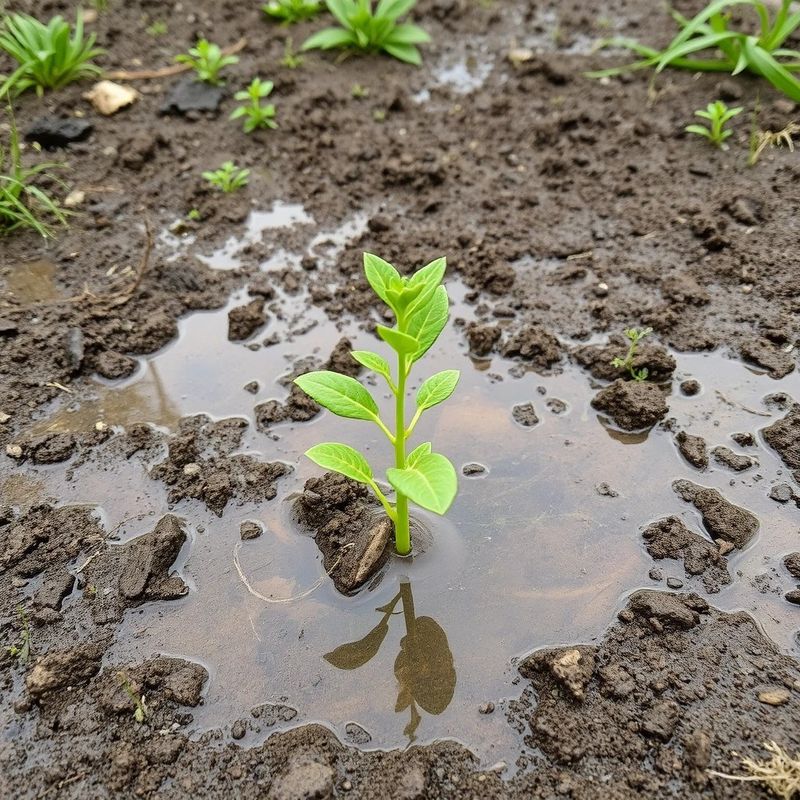
There is a sweet spot with watering, and finding it makes all the difference. Keeping the root zone evenly moist is the goal, not turning it into a swamp.
Too little water stresses your transplant, but too much causes its own trouble. Roots need air pockets in the soil to breathe, and constant sogginess drowns them out.
Waterlogged soil can lead to root rot, yellow leaves, and weak growth. Ironically, an overwatered plant can look just as sad as a thirsty one.
The balance you want is soil that feels like a wrung out sponge, damp but not dripping. Reaching that takes a little observation rather than a strict schedule.
Before you water, push a finger about an inch into the soil near the roots. If it feels moist, wait. If it feels dry, go ahead and give a good drink.
Good drainage plays a big role here too. Beds and pots that let extra water escape protect your transplants from sitting in puddles after heavy rain or generous watering.
If your soil holds water too long, mixing in compost improves both drainage and moisture balance over time. Raised beds also help in wet spots.
The finger check is your best friend all season long. It keeps you from guessing and from watering out of habit when the plant does not need it.
By aiming for steady moisture with healthy drainage, you guard your transplants against drought stress and soggy roots at the same time, giving them exactly what they need to flourish.