9 Reasons Why Florida Gardeners Use Cinnamon In Their Soil Mixes This December
December brings a shift to Florida gardens, with cooler air settling in and soil mixes getting a seasonal upgrade.
One unexpected ingredient is making its way into potting bins and garden beds across the state: cinnamon.
This kitchen staple has become a quiet favorite among gardeners looking to give their plants a little extra support during the changing weather.
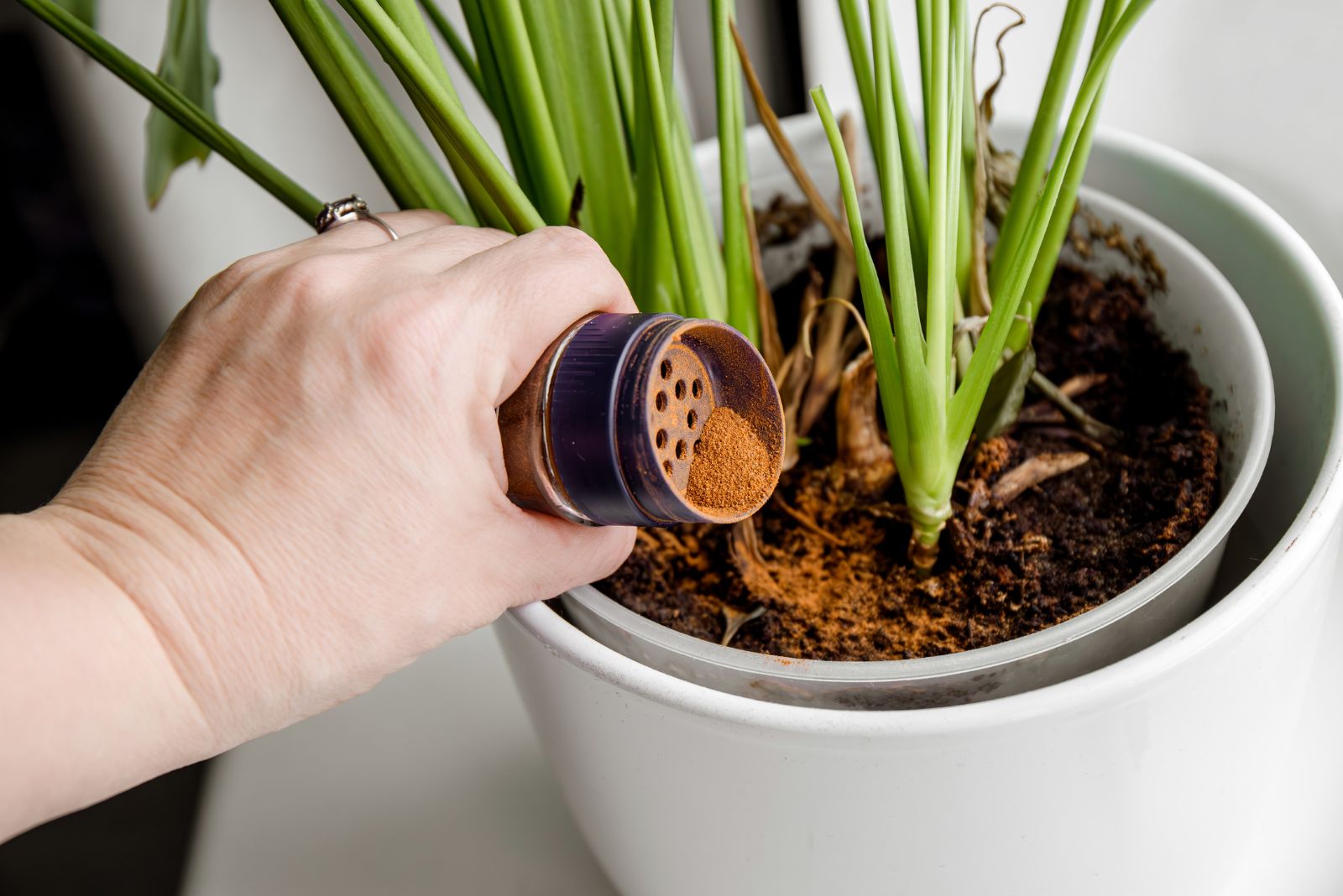
A sprinkle of cinnamon can freshen tired soil, guard tender roots, and help young seedlings stand tall as the season unfolds.
Many Florida gardeners treat it as a simple trick that keeps their plants in good spirits when the landscape slows down.
As days grow shorter and growth eases into a gentler rhythm, cinnamon steps in as a steady helper.
It blends tradition, practicality, and a touch of natural magic, turning everyday soil into a stronger home for winter gardens.
This small addition is making a big impression in yards across the Sunshine State.
1. Natural Fungus Fighter For Seedlings
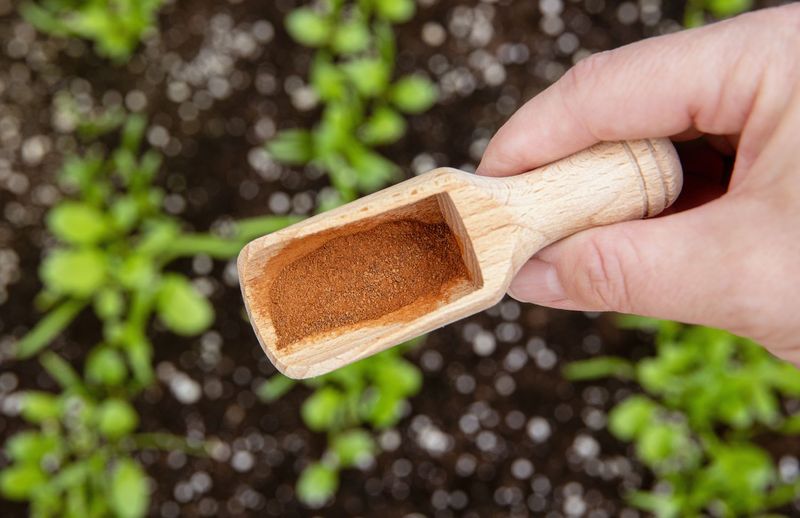
Seedlings face constant threats from fungal diseases, especially during Florida’s humid December weather.
Cinnamon contains natural compounds that stop fungus from spreading through your soil.
When you sprinkle cinnamon around young plants, it creates a protective barrier against damping-off disease.
Damping-off causes seedlings to collapse suddenly at the soil line, and it devastates entire trays of baby plants.
Florida’s moisture-rich environment makes this problem worse during the cooler months.
Gardeners throughout the state have found that a light dusting of cinnamon prevents this heartbreaking loss.
The spice works by disrupting fungal growth without harming beneficial soil organisms.
Unlike synthetic fungicides, cinnamon breaks down naturally and adds organic matter to your mix.
Many Tampa and Miami gardeners dust their seed-starting trays with cinnamon before planting.
You only need a small amount to see results.
A thin layer across the soil surface provides adequate protection for most seedlings.
This method works particularly well for tomatoes, peppers, and herbs that Florida gardeners start indoors during December.
The best part is that cinnamon costs much less than commercial fungicides.
One small jar from your pantry can treat dozens of seed trays throughout the winter planting season.
2. Prevents Root Rot In Container Plants
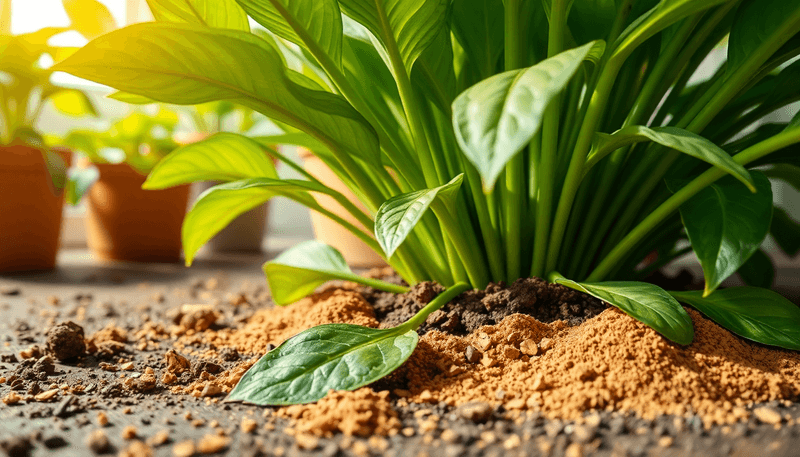
Container gardening dominates Florida landscapes, but root rot remains a constant concern for potted plants.
December rains can saturate containers quickly, creating perfect conditions for root diseases.
Cinnamon mixed into potting soil helps prevent these problems before they start.
Root rot happens when harmful fungi attack plant roots in overly wet conditions.
The antifungal properties in cinnamon create an environment where these harmful organisms struggle to survive.
Jacksonville and Orlando gardeners add cinnamon to their container mixes as standard practice.
For best results, blend one tablespoon of cinnamon per gallon of potting mix.
This ratio provides protection without overwhelming your plants with too much spice.
The cinnamon disperses evenly throughout the soil, reaching all areas where roots will grow.
Plants in treated containers show stronger root development and better overall health.
Their roots stay white and firm instead of turning brown and mushy.
Florida’s tropical and subtropical plants particularly benefit from this protective treatment.
Hibiscus, citrus trees, and ornamental palms in containers respond wonderfully to cinnamon-amended soil.
The treatment remains effective for several months, protecting plants through the entire winter season.
Gardeners report fewer plant losses and healthier growth when using this simple addition.
3. Repels Ants From Garden Beds
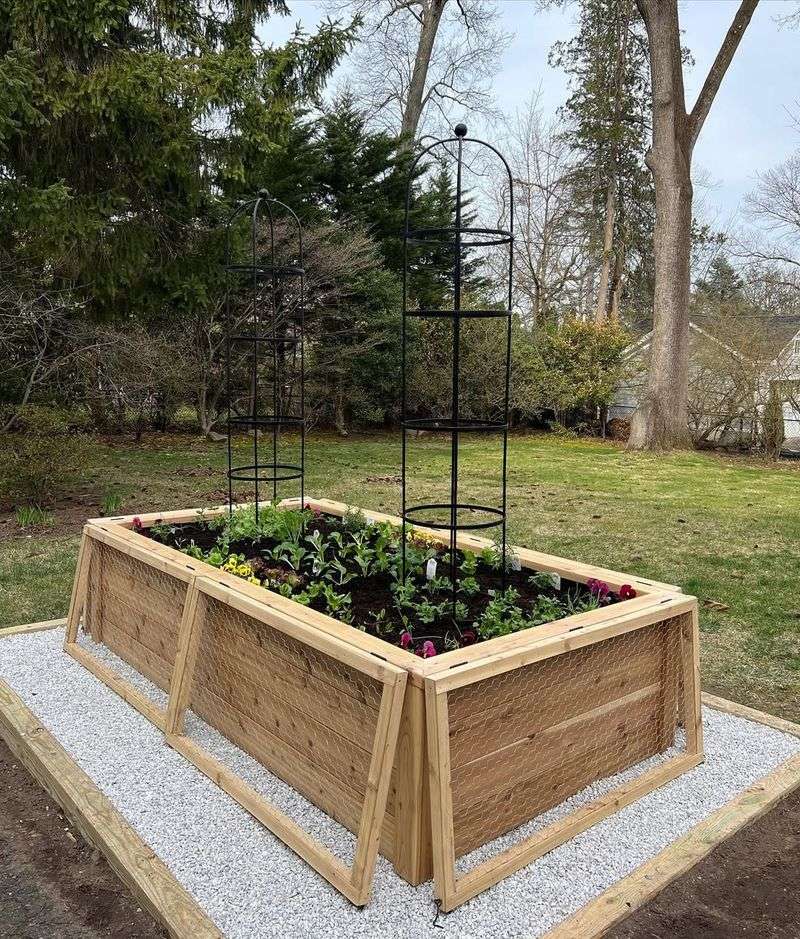
Fire ants and other ant species plague Florida gardens year-round, becoming particularly active during December’s mild weather.
These insects build colonies in garden beds, disturbing plant roots and creating unsightly mounds.
Cinnamon acts as a natural ant deterrent that keeps these pests away from your plants.
Ants dislike the strong smell of cinnamon and avoid areas where it has been applied.
The spice interferes with their ability to follow scent trails, confusing their navigation system.
Gardeners in South Florida find this method especially helpful for protecting vegetable beds.
Sprinkling cinnamon around the base of plants creates an invisible barrier that ants refuse to cross.
You can also mix it directly into the top inch of soil for longer-lasting protection.
This approach works better than many chemical ant repellents that harm beneficial insects.
The treatment needs reapplication after heavy rains, which Florida experiences even in December.
However, the low cost and safety of cinnamon make frequent applications practical.
Many Pensacola and Fort Myers gardeners keep a shaker bottle of cinnamon handy for quick touch-ups.
Beyond repelling ants, this method protects earthworms and other helpful soil creatures.
Your garden ecosystem stays balanced while unwanted pests stay away.
Children and pets can safely play in treated areas without exposure to toxic chemicals.
4. Speeds Up Wound Healing On Plants
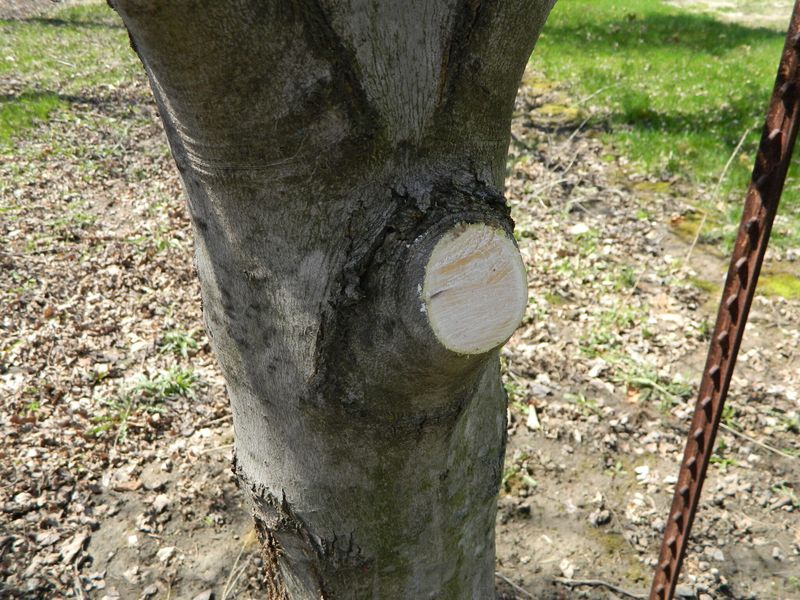
December pruning sessions prepare Florida plants for the coming growing season, but every cut creates an entry point for disease.
Professional gardeners have learned that cinnamon powder applied to fresh cuts promotes faster healing.
The spice forms a protective seal while preventing infection.
When you prune roses, fruit trees, or shrubs, the exposed plant tissue becomes vulnerable to bacteria and fungi.
Florida’s humid climate makes this risk even greater than in drier regions.
Dusting cuts with cinnamon immediately after pruning provides instant protection.
The antimicrobial compounds in cinnamon work like a natural bandage for your plants.
They stop harmful organisms from entering while the plant seals the wound with new tissue.
Gainesville and Tallahassee gardeners use this technique on everything from fruit trees to ornamental shrubs.
Simply dip a damp finger in cinnamon powder and press it against fresh cuts.
The moisture helps the powder stick while the cinnamon begins its protective work.
You can also keep a small container of cinnamon in your garden tool kit for convenience.
This method works equally well on accidental breaks or damage from storms.
Any time plant tissue gets exposed, cinnamon helps prevent problems.
Plants treated this way recover faster and show less stress from pruning, continuing their growth without setbacks or complications.
5. Improves Soil Drainage Properties
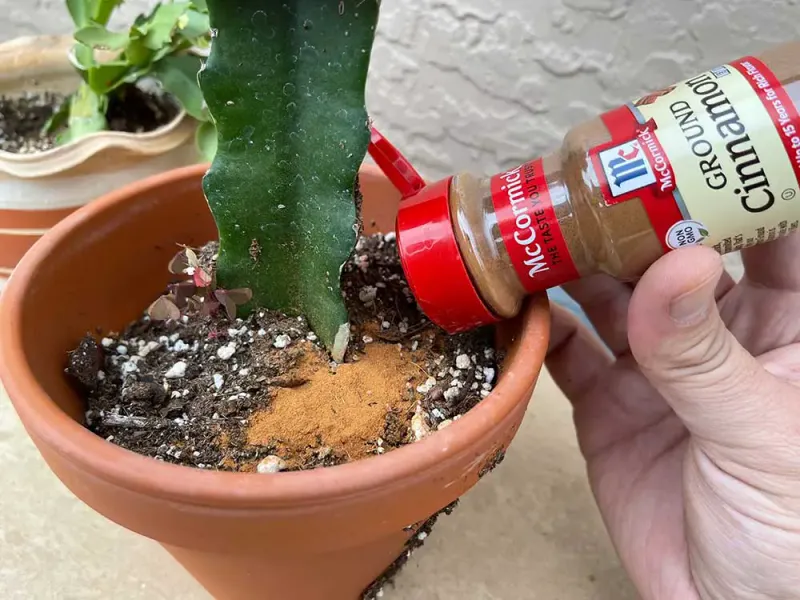
Heavy clay soils challenge many Florida gardeners, particularly in northern and central regions of the state.
Poor drainage leads to waterlogged conditions that stress plant roots and encourage disease.
Cinnamon added to soil mixes helps improve the overall structure and drainage capacity.
While cinnamon itself doesn’t physically alter soil texture, its antimicrobial properties keep soil healthier.
Healthy soil maintains better structure because beneficial organisms thrive without competition from harmful fungi.
These organisms create channels and improve the spaces between soil particles.
Gardeners in areas with drainage challenges mix cinnamon with compost and other amendments.
The combination creates an environment where good bacteria and fungi flourish.
These beneficial microbes produce substances that help soil particles clump together properly.
Better soil aggregation means water flows through more easily instead of pooling on the surface.
Plant roots can breathe and access nutrients more effectively in well-structured soil.
St. Petersburg and Sarasota gardeners notice significant improvements in beds treated with cinnamon-amended soil.
Adding one to two tablespoons of cinnamon per cubic foot of soil provides adequate benefits.
Mix it thoroughly with your existing soil or potting mix before planting.
The effects become more noticeable over time as the soil biology improves and plants establish stronger root systems in the healthier growing medium.
6. Deters Fungus Gnats In Potting Mix
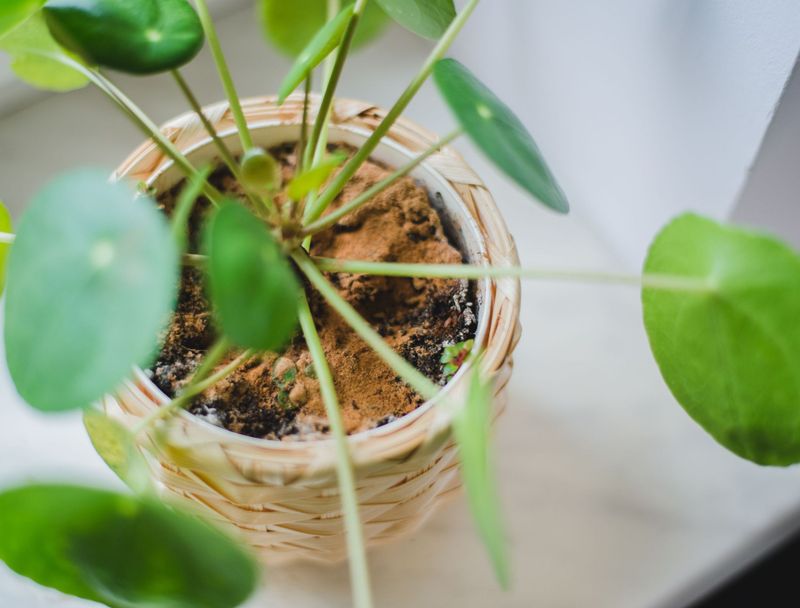
Fungus gnats become a nuisance in Florida homes during December when gardeners bring plants indoors for protection.
These tiny flying insects breed in moist potting soil, creating clouds of annoying pests around your houseplants.
Cinnamon disrupts their life cycle and keeps populations under control.
Adult fungus gnats lay eggs in damp soil, and their larvae feed on organic matter and fungi.
The antifungal properties of cinnamon reduce the food source for these larvae.
Without adequate nutrition, the young gnats cannot develop into adults.
Sprinkling a quarter-inch layer of cinnamon across the soil surface creates an effective barrier.
The strong aroma also repels adult gnats from landing and laying eggs.
Many Florida gardeners who maintain indoor plant collections swear by this method.
Unlike sticky traps that only catch adults, cinnamon addresses the root of the problem.
It prevents new generations from developing in your potting mix.
The treatment works particularly well for plants that prefer slightly drier conditions between waterings.
Reapply cinnamon after watering your plants since moisture can wash it deeper into the soil.
A light dusting every week or two maintains protection throughout the season.
Homeowners in Naples and West Palm Beach appreciate this chemical-free solution for managing indoor plant pests during the months when outdoor gardening slows down.
7. Protects Bulbs During Winter Storage

Florida gardeners who grow non-native bulbs often need to lift and store them during the warmer months.
December provides an opportunity to check stored bulbs and prepare spring-blooming varieties for planting.
Dusting bulbs with cinnamon before storage prevents mold and rot.
Tulips, daffodils, and other temperate bulbs require special care in Florida’s climate.
Moisture trapped in storage containers can lead to fungal growth that ruins entire collections.
The antimicrobial properties of cinnamon create a protective coating on each bulb.
Before placing bulbs in storage, roll them in cinnamon powder until lightly coated.
The spice absorbs excess moisture while preventing fungal spores from taking hold.
Gardeners throughout the state report significantly fewer losses when using this technique.
This method works equally well for caladium tubers, gladiolus corms, and dahlia roots.
Any underground plant structure benefits from cinnamon’s protective qualities during storage.
The treatment remains effective for months without needing reapplication.
Store treated bulbs in a cool, dry location away from direct sunlight.
Paper bags or cardboard boxes work better than plastic, which can trap humidity.
Check your stored bulbs monthly, and add fresh cinnamon if you notice any soft spots developing.
This simple step ensures healthy bulbs ready for planting when the time comes in your Florida garden.
8. Enhances Beneficial Soil Microbes
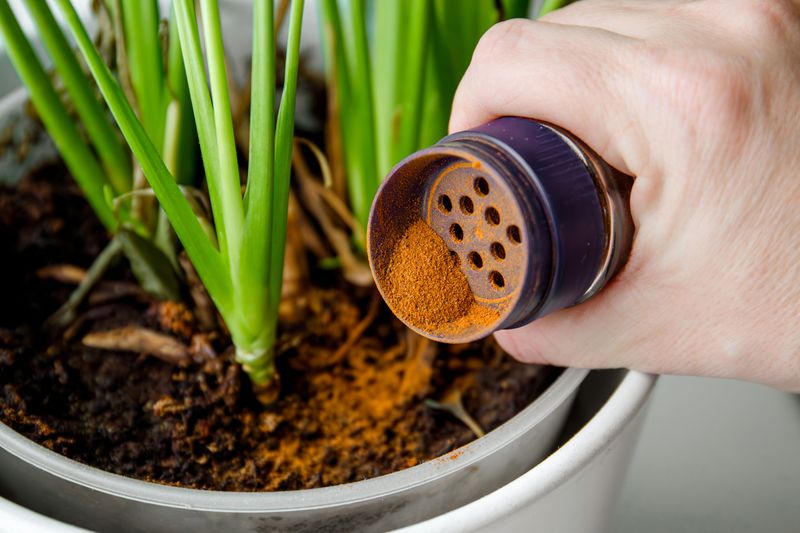
Healthy soil teems with billions of beneficial bacteria, fungi, and other microscopic organisms that help plants thrive.
These tiny helpers break down nutrients, protect roots, and improve overall soil quality.
Cinnamon selectively supports good microbes while suppressing harmful ones.
Not all fungi and bacteria benefit your garden, but cinnamon has a remarkable ability to distinguish between them.
Research shows that cinnamon inhibits pathogenic organisms more strongly than beneficial species.
This selective action helps maintain a balanced soil ecosystem.
Florida soils often struggle with maintaining healthy microbial populations due to heat and humidity extremes.
Adding cinnamon to your soil mix creates conditions where good organisms can outcompete bad ones.
The result is a more resilient growing medium that supports stronger plants.
Beneficial mycorrhizal fungi, which form partnerships with plant roots, tolerate cinnamon well.
These helpful fungi extend root systems and improve nutrient uptake.
Gardeners in Lakeland and Ocala notice better plant performance in cinnamon-treated beds.
Mix cinnamon into compost or worm castings before adding them to your garden.
This method distributes the spice evenly while enhancing the microbial benefits of organic amendments.
Your plants will show improved vigor, better disease resistance, and enhanced growth throughout the season as the soil biology flourishes.
9. Natural Solution For Mosquito Prevention
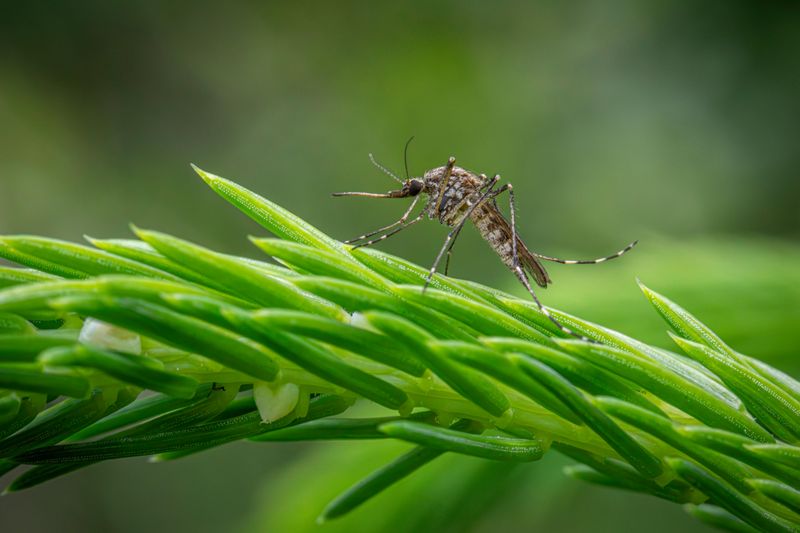
Standing water in plant saucers and garden features becomes a breeding ground for mosquitoes throughout Florida.
December’s cooler temperatures don’t eliminate these pests, and they remain active year-round in southern parts of the state.
Cinnamon offers a natural way to prevent mosquito larvae from developing.
Mosquitoes lay eggs in any standing water they find, including the drainage trays under potted plants.
The larvae that hatch need several days to develop into flying adults.
Adding cinnamon to standing water disrupts this development cycle.
The compounds in cinnamon are toxic to mosquito larvae but safe for plants and other organisms.
A light sprinkle of cinnamon powder across water surfaces creates a film that larvae cannot penetrate.
This method works in birdbaths, decorative water features, and plant saucers throughout your garden.
Gardeners in mosquito-prone areas of Florida find this technique particularly valuable.
The Everglades region, coastal areas, and wetland communities all benefit from this natural control method.
Unlike chemical larvicides, cinnamon breaks down naturally without harming the environment.
Reapply cinnamon after rain or when you refill water features.
The treatment costs pennies and provides peace of mind knowing you’re reducing mosquito populations safely.
Combined with other preventive measures, cinnamon helps create a more comfortable outdoor space for Florida gardeners and their families during every season.