7 Reasons Why Texas Gardeners Always Have Baking Soda By Their Side
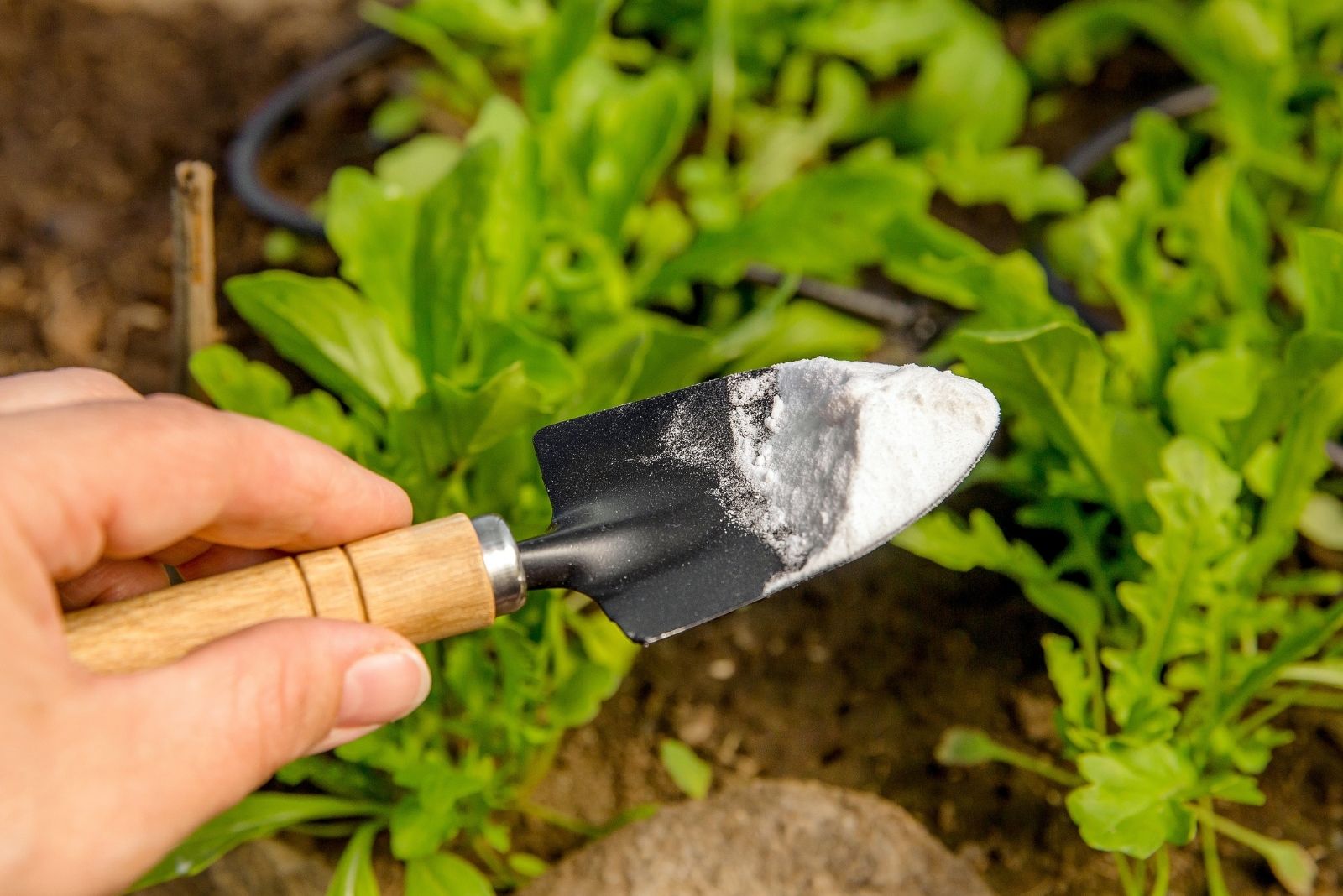
Texas gardeners know that some of the most useful garden tools don’t come from a shed or garden center. One humble item that almost always seems to be within reach is baking soda.
At first, it may sound surprising, but this simple household staple has earned a permanent spot in many Texas gardens. From battling common plant problems to solving everyday gardening frustrations, baking soda quietly proves its value time and time again.
There’s a reason Texas gardeners keep baking soda close by, especially with the state’s heat, humidity, and unpredictable growing conditions. Sometimes the simplest solutions work best.
A small box of baking soda can handle tasks that expensive products promise but don’t always deliver. It’s affordable, easy to use, and incredibly versatile.
When garden problems pop up, baking soda is often the first thing gardeners reach for. Understanding why this everyday item is so popular can change how you approach garden care across Texas.
1. Fights Fungal Diseases On Plants
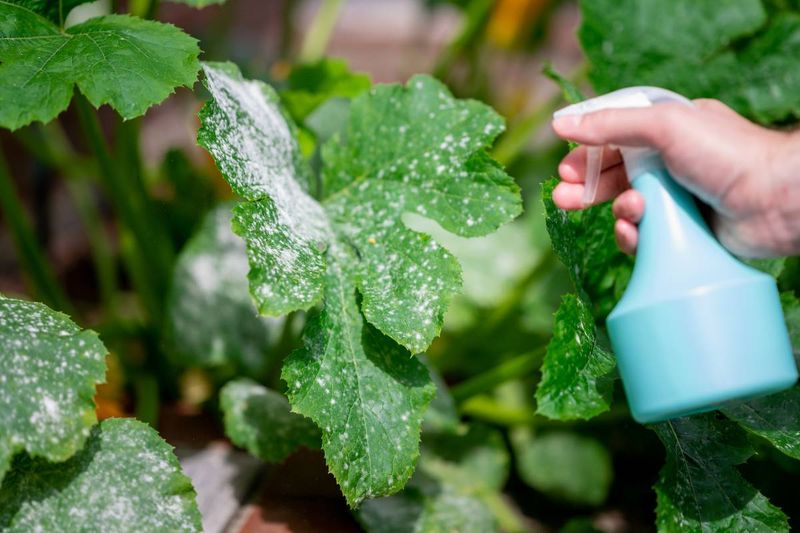
Fungal diseases can devastate gardens throughout Texas, especially during humid summer months when conditions are perfect for these problems to spread.
Powdery mildew, black spot, and other fungal issues plague roses, tomatoes, squash, and countless other plants that Texas gardeners love to grow.
Baking soda creates an alkaline environment on leaf surfaces that fungi simply cannot tolerate, making it an effective preventive treatment and mild remedy for early infections.
Mix one tablespoon of baking soda with a gallon of water and a few drops of liquid soap to help the solution stick to leaves. Spray this mixture on affected plants every few days, making sure to coat both the tops and undersides of leaves.
The soap acts as a spreader, ensuring the baking soda solution covers the entire leaf surface where fungi typically take hold.
Many Texas gardeners apply this spray early in the morning so leaves can dry before the intense midday sun arrives. This timing prevents leaf burn while giving the treatment maximum effectiveness.
The alkaline nature of baking soda disrupts the pH balance that fungi need to thrive, stopping their growth and preventing them from spreading to healthy plants nearby.
This method works particularly well in Houston, Dallas, and other humid Texas regions where fungal diseases are constant challenges.
Regular applications throughout the growing season can keep your plants healthier without resorting to harsh chemical fungicides.
Baking soda offers a safer alternative for gardens where children and pets play, and it won’t harm beneficial insects that help your garden flourish.
2. Tests And Adjusts Soil pH Levels
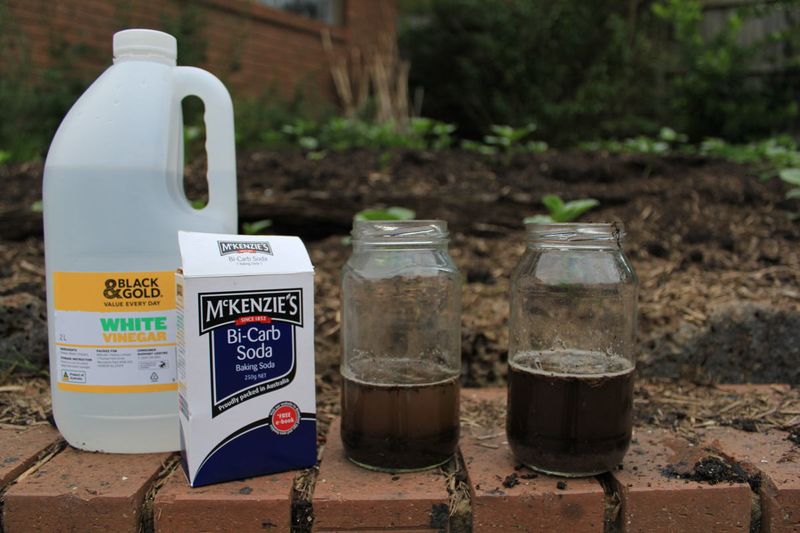
Soil pH dramatically affects how well plants can absorb nutrients, and Texas soils vary widely from one region to another. Alkaline soils dominate much of Central and West Texas, while East Texas tends toward more acidic conditions.
Before you can grow healthy vegetables and flowers, you need to understand what you’re working with beneath the surface.
Baking soda provides a simple way to test whether your soil is acidic. Take a small soil sample, add a bit of water to make it muddy, then sprinkle baking soda on top.
If the mixture fizzes and bubbles, your soil is acidic and might benefit from amendments to raise the pH for plants that prefer neutral or slightly alkaline conditions.
Beyond testing, baking soda can actually help adjust overly acidic soil in small garden areas or container plants. Sprinkling a light dusting of baking soda into the soil and working it in gently can gradually raise pH levels.
However, this approach works best for minor adjustments rather than dramatic changes, and you should always retest after applying any amendments.
Texas gardeners growing blueberries, azaleas, or other acid-loving plants need to be careful not to apply baking soda near these specimens. On the other hand, vegetables like asparagus, onions, and many herbs prefer slightly alkaline soil and may benefit from modest baking soda applications.
Understanding your soil pH helps you choose the right plants for your Texas location and gives existing plants the best chance to thrive in your specific conditions.
3. Deters Common Garden Pests Naturally
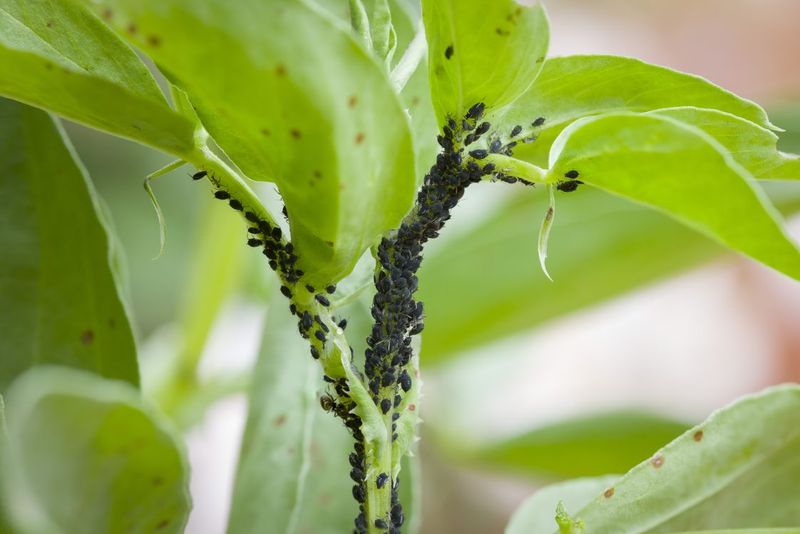
Garden pests can quickly turn a beautiful Texas garden into a frustrating battleground. Aphids, spider mites, and other soft-bodied insects love to feast on tender plant growth, especially during the long Texas growing season.
Rather than reaching for chemical pesticides that can harm beneficial insects like bees and ladybugs, many Texas gardeners turn to baking soda as a gentler deterrent.
Creating a pest-deterrent spray is straightforward and uses ingredients you probably already have at home. Combine one tablespoon of baking soda, one tablespoon of vegetable oil, and a few drops of dish soap in a gallon of water.
Shake the mixture thoroughly and spray it on plants where pests congregate, paying special attention to new growth and the undersides of leaves where insects often hide.
The baking soda disrupts the cell structure of soft-bodied pests on contact, while the oil smothers them and the soap helps everything stick to the insects and plant surfaces.
This combination won’t harm your plants when used correctly, but it can significantly reduce pest populations over time with regular applications.
Spray every few days until you notice pest numbers dropping, then switch to a weekly maintenance schedule.
This approach works especially well in San Antonio, Austin, and other Texas cities where gardeners want to grow food safely without chemical residues.
Baking soda sprays won’t eliminate every pest instantly like commercial pesticides might, but they offer a safer option for organic gardening practices that protect your family’s health and the environment.
4. Sweetens Tomatoes And Other Produce
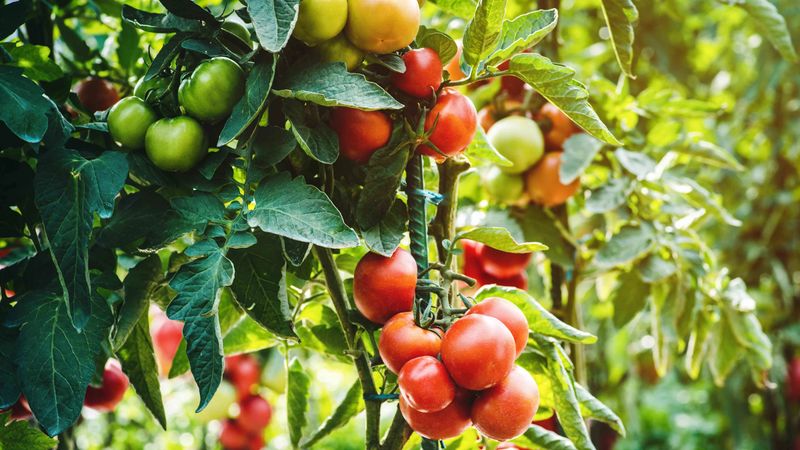
Every Texas gardener dreams of growing perfectly sweet, delicious tomatoes that burst with flavor. Soil chemistry plays a surprising role in how sweet your produce tastes, and baking soda can help tip the balance in your favor.
When tomato plants grow in slightly less acidic soil, they often produce sweeter fruit that makes all your gardening efforts worthwhile.
Sprinkling a small amount of baking soda around the base of tomato plants can reduce soil acidity in the immediate root zone. Use about a quarter cup per plant, spreading it in a circle around the stem but not touching it directly.
Water the area thoroughly after application to help the baking soda move into the soil where roots can benefit from the pH change.
This technique works because tomatoes prefer soil pH between 6.0 and 6.8, which is slightly acidic to neutral. If your Texas soil tests more acidic than this range, adding baking soda can bring it closer to ideal conditions.
The improved pH helps tomato plants absorb nutrients more efficiently, leading to healthier plants and better-tasting fruit throughout the harvest season.
Gardeners in Fort Worth, El Paso, and across Texas report noticeably sweeter tomatoes after using this method for a full growing season. The same approach can benefit other vegetables that prefer neutral soil, including peppers, beans, and cucumbers.
Just remember that a little goes a long way, and too much baking soda can create overly alkaline conditions that cause different problems, so always test your soil first.
5. Cleans And Sanitizes Garden Tools
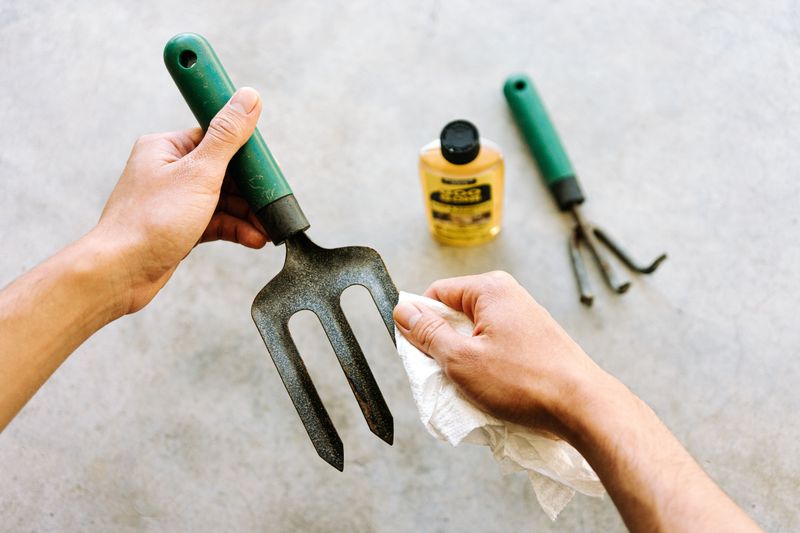
Garden tools carry diseases, fungi, and bacteria from one plant to another, spreading problems throughout your Texas garden faster than you might imagine.
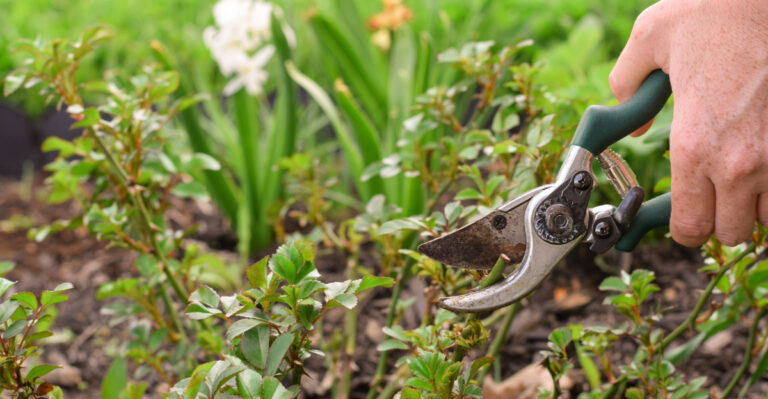
Pruning shears, trowels, and other equipment need regular cleaning to prevent cross-contamination, especially after working with sick plants or moving between different garden areas.
Baking soda provides an effective, non-toxic way to clean and sanitize your tools without expensive commercial products.
Create a thick paste by mixing baking soda with just enough water to form a spreadable consistency. Apply this paste to dirty tools using an old rag or scrub brush, working it into all the nooks and crannies where soil and plant residue accumulate.
The mild abrasive quality of baking soda scrubs away stuck-on dirt and plant sap without scratching metal surfaces or damaging tool finishes.
After scrubbing, rinse the tools thoroughly with clean water and dry them completely to prevent rust. For extra sanitizing power, you can soak tools in a solution of baking soda and water for about 30 minutes before scrubbing.
This deeper cleaning helps eliminate disease organisms that might be clinging to your equipment, protecting your plants from potential infections.
Texas gardeners who maintain their tools this way find they last longer and work better season after season. Clean tools make cleaner cuts on plants, which heal faster and resist disease better.
This simple maintenance routine takes just a few minutes but can prevent serious plant health problems down the road, making it time well spent for anyone serious about gardening success in Texas.
6. Neutralizes Compost Odors Effectively
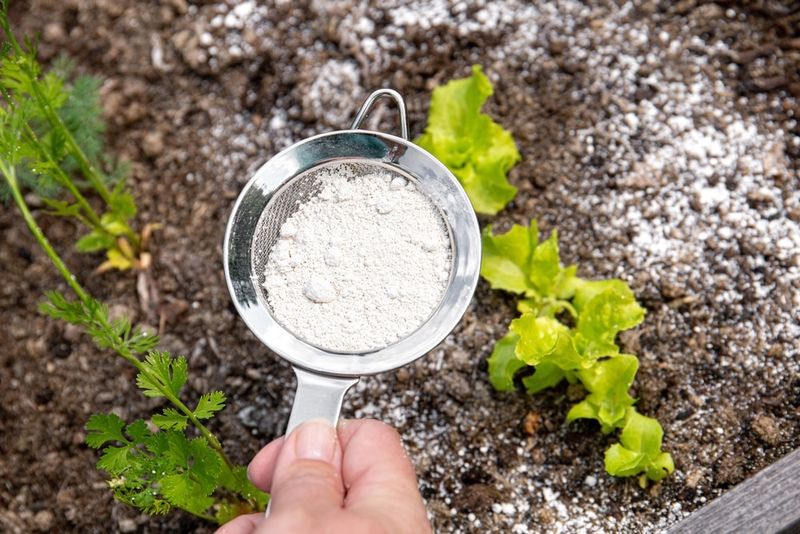
Composting turns kitchen scraps and yard waste into valuable soil amendment, but the process can sometimes produce unpleasant smells that bother you and your neighbors.
Texas heat accelerates decomposition, which is great for making compost quickly but can intensify odor problems if the compost pile becomes unbalanced.
Too much nitrogen-rich material like grass clippings or food waste creates anaerobic conditions that smell terrible.
Sprinkling baking soda over your compost pile helps neutralize acidic odors without slowing down the decomposition process. Add about a cup of baking soda per cubic yard of compost material when you notice smells becoming problematic.
The alkaline baking soda reacts with acidic compounds that cause bad odors, neutralizing them and making your compost pile much more pleasant to be around.
This trick works particularly well for compost bins in suburban Texas neighborhoods where space is limited and neighbors are close by. You can also sprinkle baking soda in the bottom of your kitchen compost container to prevent odors before they start.
The baking soda absorbs moisture and neutralizes smells, keeping your indoor collection bin fresh between trips to the outdoor compost pile.
Remember that proper composting technique matters more than any additive. Turn your compost regularly, maintain the right balance of green and brown materials, and keep the pile properly moist but not waterlogged.
Baking soda serves as a helpful tool when things go wrong, but a well-managed compost pile in Dallas, Corpus Christi, or anywhere else in Texas should rarely need odor control if you follow basic composting principles.
7. Removes Weeds From Cracks And Crevices
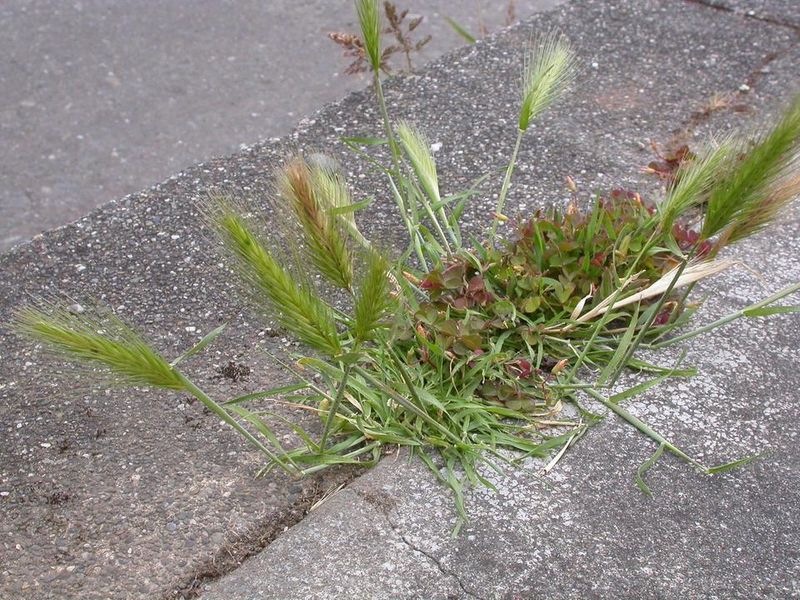
Weeds push through every crack in sidewalks, driveways, and patio pavers, creating an ongoing maintenance headache for Texas homeowners.
These persistent plants somehow find enough soil and moisture in the tiniest spaces to thrive, making your carefully maintained outdoor areas look neglected.
Chemical weed treatments work but contain harsh ingredients that can wash into storm drains and harm the environment, plus they pose risks to children and pets who play in the yard.
Baking soda offers a safer alternative for controlling weeds in hardscape areas where you don’t want anything growing. Simply wet the weeds slightly, then pour baking soda directly on them, making sure to coat the leaves and crown of each plant thoroughly.
The high concentration of sodium in baking soda draws moisture out of plant tissues, causing the weeds to dry out and wither within a few days.
This method works best on young weeds before they develop extensive root systems. For stubborn perennial weeds with deep roots, you may need to repeat applications several times to completely stop their growth.
Avoid using baking soda near desirable plants because it can affect them the same way it affects weeds, so save this technique for areas where nothing should be growing.
Texas gardeners appreciate that this approach keeps walkways and patios looking neat without exposing their families to toxic chemicals.
The treatment works especially well in Austin, Plano, and other Texas communities where people spend lots of time outdoors and want safe spaces for bare feet and playing children.
A box of baking soda costs just a few dollars and handles numerous weed problems throughout the season.