7 Reasons Why You Should Grow Blanketflower In Texas In 2026
If you want a garden that bursts with color and attracts buzzing pollinators, there’s one flower Texans are turning to more and more. Its bright, cheerful blooms light up beds and borders, and it thrives even under the hot Texas sun.
Blanketflower has earned a reputation for being tough, beautiful, and surprisingly easy to grow, making it a favorite for both new and seasoned gardeners.
This resilient perennial handles heat and drought better than many other flowers, keeping your garden lively through the long summer months.
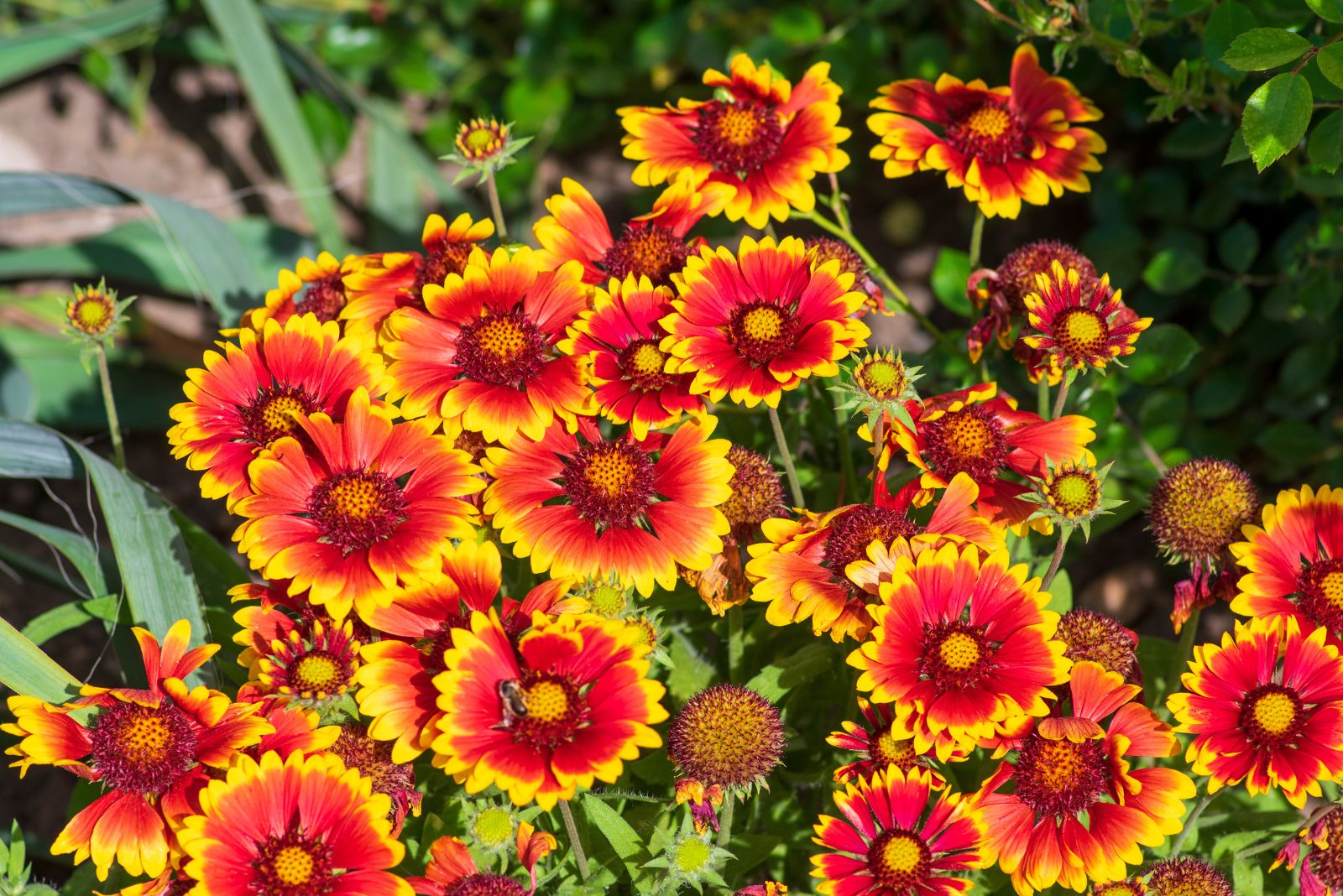
Its vibrant red, orange, and yellow petals bring energy and movement, while the blooms attract bees, butterflies, and other helpful pollinators.
Blanketflower also fits perfectly into mixed beds, containers, and wildflower gardens, adding texture and contrast that enhances any landscape.
With low maintenance requirements, long-lasting color, and a natural appeal for wildlife, growing blanketflower in Texas this year promises a garden that looks great, supports the environment, and keeps blooming season after season.
1. A Perfect Flower For Texas Heat
Texas summers are no joke. Temperatures can soar past 100 degrees Fahrenheit, and many flowers simply cannot keep up.
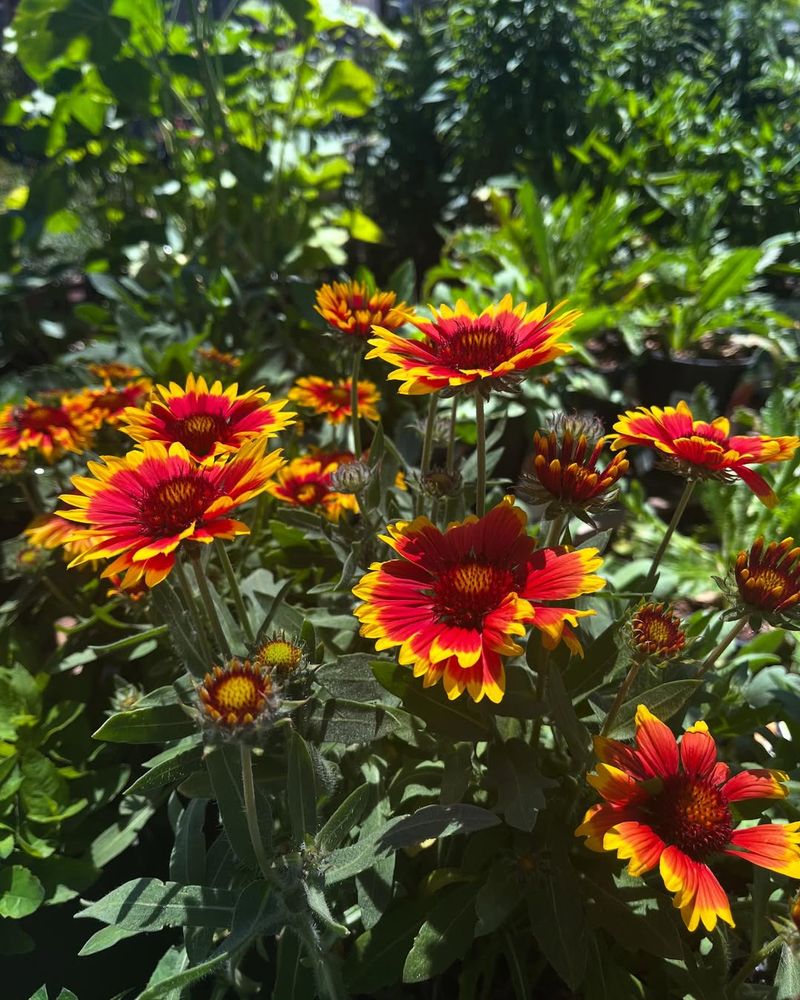
Blanketflower, however, was practically built for this kind of heat. Unlike delicate blooms that wilt and fade by July, Gaillardia keeps pushing out flowers even when the thermometer climbs to brutal levels.
Native to open prairies and sunny fields, blanketflower thrives in full sun. It actually performs better when it gets at least six to eight hours of direct sunlight each day.
In Texas, that is rarely a problem. The long, hot growing season here gives blanketflower plenty of time to establish itself and show off its gorgeous colors.
Gardeners across Texas, from the Hill Country to the Gulf Coast, have found that blanketflower outperforms many popular ornamentals during the toughest summer months. While other plants struggle, blanketflower stands strong.
Its deep root system helps it pull moisture from the soil even when surface conditions get dry and harsh.
Another great thing about blanketflower is that it does not need any special soil preparation to handle the heat. It adapts naturally to the conditions Texas throws at it.
If you have ever lost flowers to a scorching Texas summer, switching to blanketflower could completely change your gardening experience.
It is one of the most heat-tolerant flowering plants you can add to any Texas landscape, and in 2026, that kind of toughness is exactly what smart gardeners are looking for.
2. Exceptional Drought Tolerance
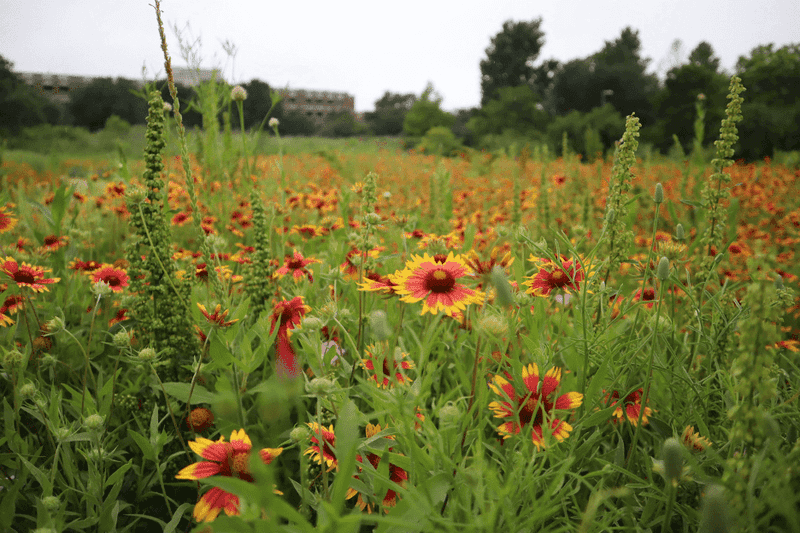
Water is precious in Texas. Droughts happen often, and watering restrictions are becoming more common across cities like San Antonio, Austin, and Dallas.
Growing plants that need frequent watering is not just expensive, it can also feel stressful. Blanketflower takes that worry off your plate almost completely.
Once blanketflower is established in your garden, it needs very little supplemental watering. Most Texas gardeners find that rainfall alone is enough to keep their blanketflowers healthy and blooming through the summer.
This makes it a standout choice for water-wise gardening and xeriscape landscaping, which focuses on using plants that can survive with minimal irrigation.
The secret behind blanketflower’s drought tolerance is its root system. Over time, it develops deep, strong roots that tap into moisture stored well below the soil surface.
Even during extended dry spells, those roots keep the plant hydrated enough to continue flowering. That is a huge advantage in a state where dry summers can stretch for weeks without a drop of rain.
For homeowners dealing with local watering restrictions, blanketflower is a practical solution that does not sacrifice beauty. You get a garden full of color without the guilt of wasting water.
Environmental awareness is growing fast in Texas, and more gardeners in 2026 are choosing plants like blanketflower that respect the land and its resources.
Making drought-tolerant choices today helps protect Texas water supplies for generations to come, and blanketflower makes that choice easy and beautiful.
3. Long Blooming Season
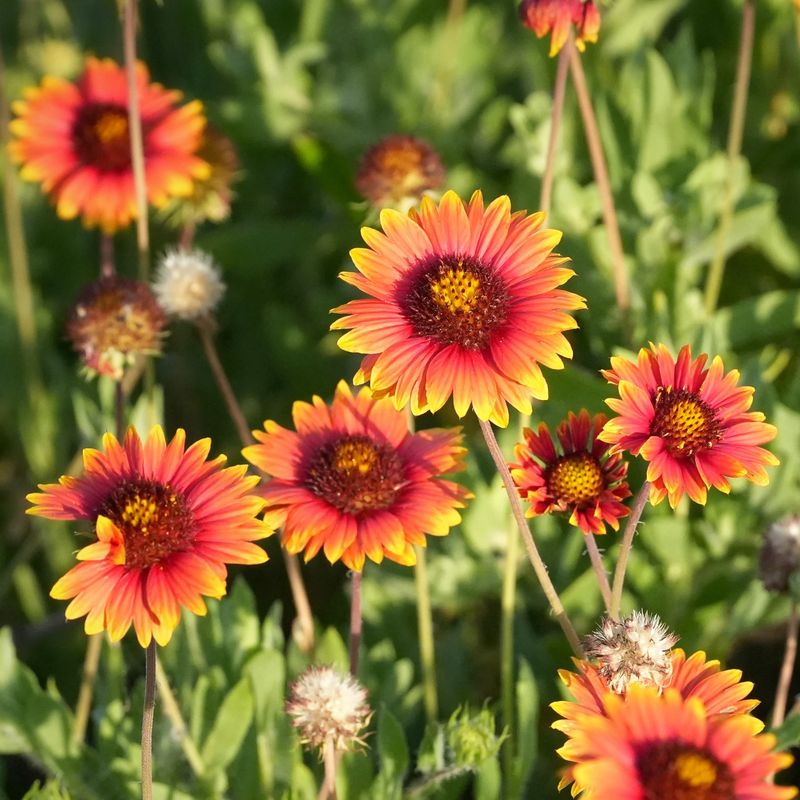
One of the most frustrating things in gardening is planting something beautiful, watching it bloom for two weeks, and then staring at bare stems for the rest of the season. Blanketflower refuses to do that to you.
In Texas, it typically starts blooming in late spring and keeps going strong all the way through fall, giving you months of continuous color.
Few flowering plants can match that kind of staying power. Most Texas gardeners start seeing blooms in April or May, and with a little care, those blooms keep coming until October or even November in warmer parts of the state.
That is nearly half a year of bright, cheerful flowers in your yard without needing to replant anything. Want even more flowers? Try deadheading.
Deadheading simply means removing spent blooms before they go to seed. When you clip off old flowers regularly, the plant puts its energy into producing new buds instead of making seeds.
The result is a fuller, bushier plant that blooms even more generously throughout the season.
For Texas gardeners who want a low-effort, high-reward flower, blanketflower delivers season after season. You do not need to replant it every year if you grow perennial varieties, which come back on their own.
Annual types also reseed themselves, so new plants often pop up the following spring without any extra work from you. In 2026, having a long-blooming, self-sustaining flower in your Texas garden is a smart and satisfying investment of your time and energy.
4. Native Strength And Adaptability
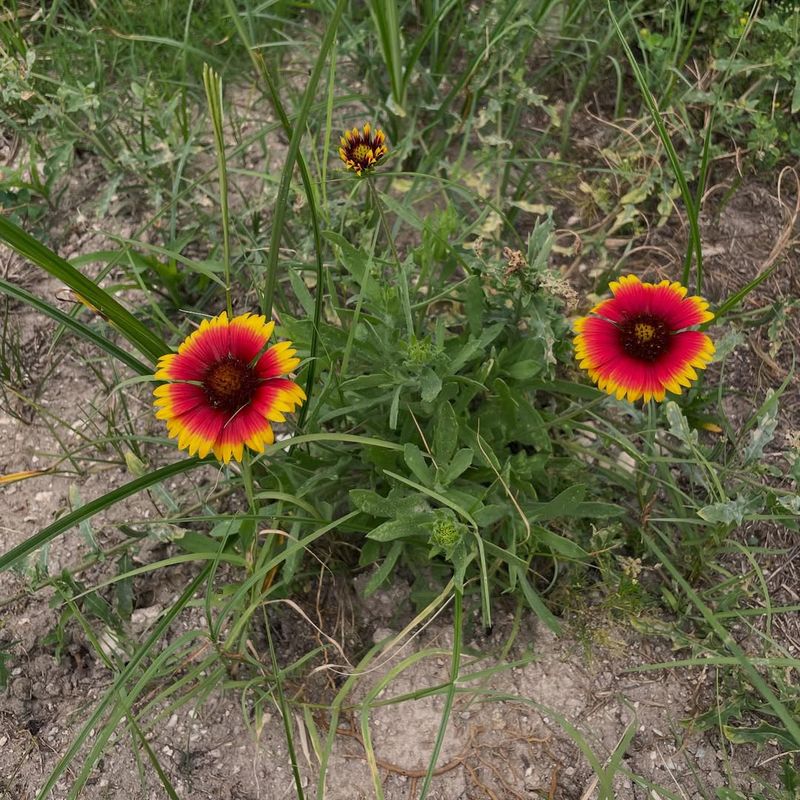
There is something special about growing a plant that actually belongs where you live. Many blanketflower varieties are native to Texas and the broader southern United States, which means they evolved right alongside the local soil, weather, and wildlife.
That deep connection to the land gives them a natural advantage that non-native plants simply cannot match.
Because blanketflower is already adapted to Texas conditions, it does not need the extra coaxing that exotic ornamentals often require. It handles clay soils, sandy soils, and rocky Hill Country ground with equal ease.
It shrugs off sudden temperature swings, late spring freezes, and the kind of scorching August afternoons that send other plants into shock.
Native plants also tend to be more resilient over time. They have spent thousands of years adjusting to local pest pressures, rainfall patterns, and soil chemistry.
That means less intervention from you and fewer problems overall. A native blanketflower planted in a Texas yard is working with nature, not against it.
Choosing native plants is also a way to honor and preserve the natural heritage of Texas. Organizations like the Lady Bird Johnson Wildflower Center in Austin actively encourage Texans to plant natives like Gaillardia to restore and protect local ecosystems.
In 2026, as more people become aware of the importance of ecological gardening, planting native blanketflower is both a practical and meaningful choice.
It connects your garden to the broader landscape of Texas in a way that feels genuine and rooted in something real and lasting.
5. A Pollinator Magnet
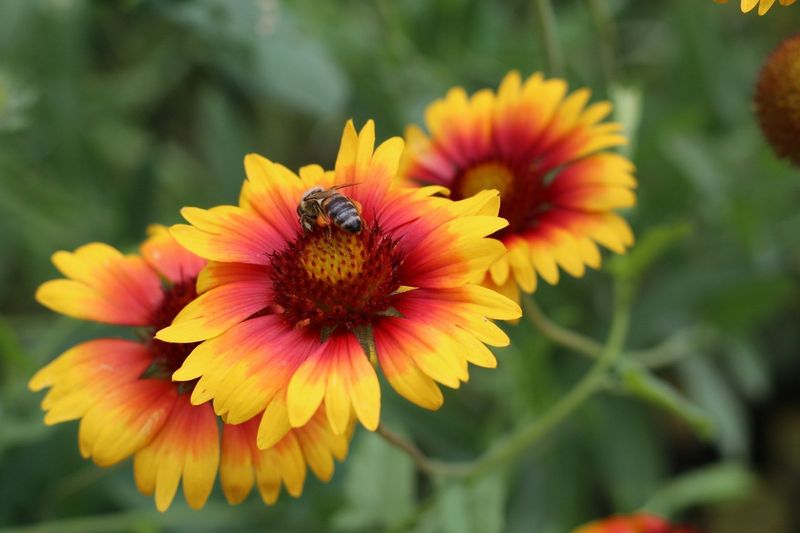
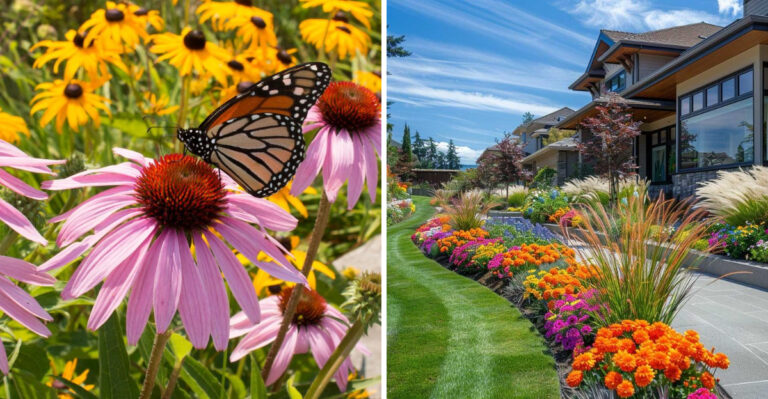
Walk past a patch of blanketflower on a warm Texas morning and you will quickly notice the buzz of activity. Bees, butterflies, and other beneficial insects are drawn to these flowers like a magnet.
The open, daisy-like shape of blanketflower blooms makes them especially easy for pollinators to access, which is why so many insects keep coming back.
Monarch butterflies, which pass through Texas during their famous migration, are among the visitors that stop to feed on blanketflower nectar. Native bees, including bumblebees and sweat bees, also love these blooms.
By planting blanketflower in your Texas garden, you are essentially setting out a welcome mat for some of nature’s most important workers.
Pollinators play a critical role in food production and ecosystem health. Without them, many fruits, vegetables, and wild plants would struggle to reproduce.
Texas has seen a decline in pollinator populations in recent years, partly due to habitat loss and the widespread use of pesticides.
Creating a pollinator-friendly garden with plants like blanketflower is one of the most impactful things a homeowner can do to help reverse that trend.
Blanketflower pairs beautifully with other Texas native plants like black-eyed Susan, salvia, and prairie verbena to create a full-season pollinator buffet. Gardeners in 2026 who want to make a real environmental difference do not have to look far.
Planting a few blanketflowers is a small action with a surprisingly large ripple effect on the local Texas ecosystem and the creatures that depend on it.
6. Low Maintenance And Beginner-Friendly
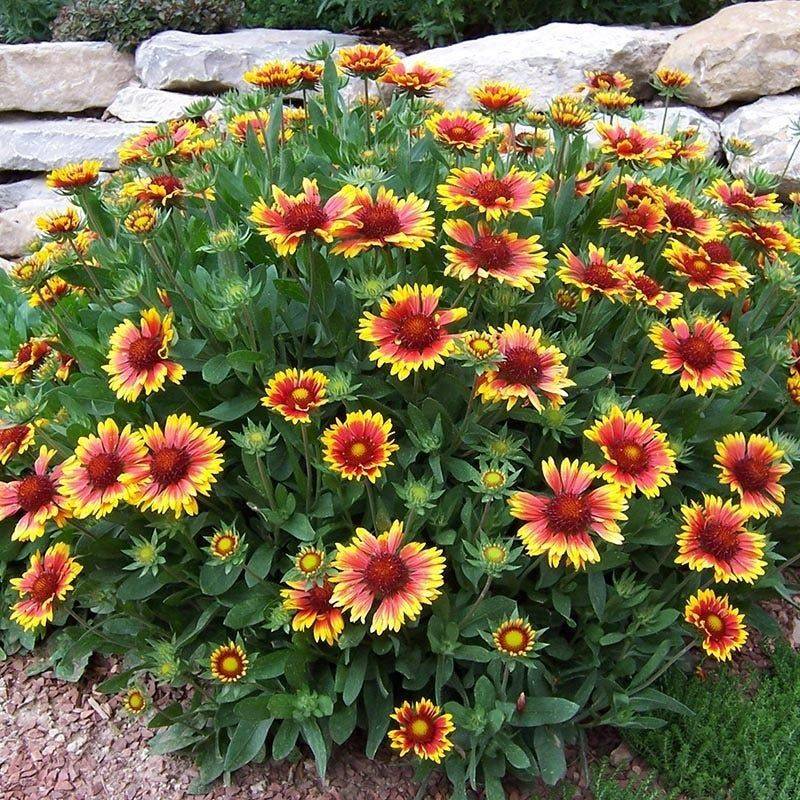
Not everyone has hours to spend fussing over their garden every week, and that is perfectly okay. Blanketflower is one of those rare plants that genuinely thrives on neglect.
Once it is in the ground and settled in, it mostly takes care of itself. That makes it an ideal choice for busy homeowners, first-time gardeners, and anyone who wants a beautiful yard without a demanding maintenance schedule. Poor soil? No problem.
Blanketflower actually prefers lean, well-drained soil over rich, heavily amended garden beds. In fact, too much fertilizer can cause the plant to produce more leaves than flowers.
Texas soils, which range from sandy coastal loam to rocky limestone, suit blanketflower just fine without much improvement needed.
Pest and disease problems are also minimal with blanketflower. It is naturally resistant to many of the common issues that plague other garden flowers in Texas.
Deer tend to leave it alone, which is a major bonus for gardeners in suburban and rural parts of the state where deer browsing is a constant frustration.
For anyone just starting out with gardening in Texas, blanketflower is one of the best confidence builders you can find. Plant it, water it a bit while it gets established, and then step back and watch it grow.
There is no complicated pruning schedule, no special feeding routine, and no need for constant attention.
In 2026, simple and rewarding gardening experiences like this are exactly what new Texas gardeners are looking for, and blanketflower delivers every single time.
7. Perfect For Modern Texas Landscaping Trends
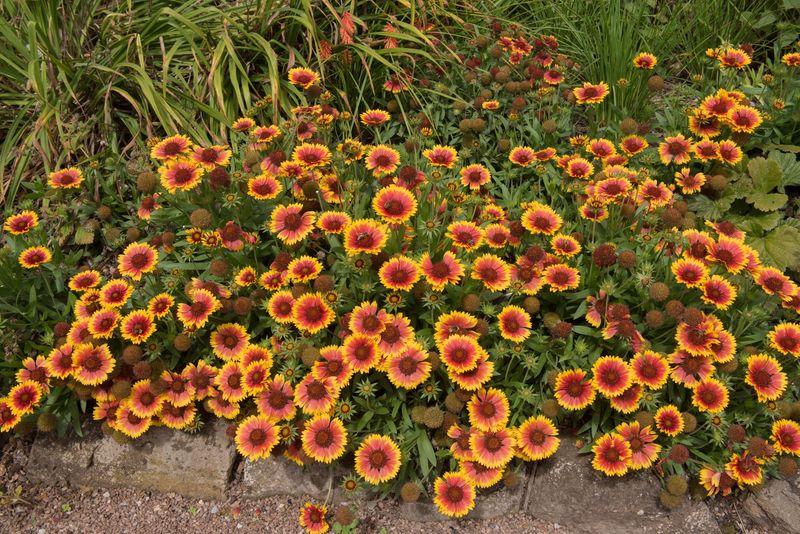
Gardening trends in Texas are shifting fast. More homeowners are moving away from thirsty lawns and high-maintenance flower beds toward landscapes that are eco-friendly, water-smart, and climate-resilient.
Blanketflower fits right into that movement and looks stunning doing it. In 2026, it is showing up everywhere from neighborhood front yards to community park designs across the state.
One of the reasons blanketflower works so well in modern Texas landscaping is its versatility. It looks equally at home in a wildflower meadow, a formal garden border, or a decorative container on a patio or porch.
You can mix it with ornamental grasses, succulents, and other native plants to create layered, textured landscapes that look professionally designed without costing a fortune.
The bold colors of blanketflower, rich reds, warm oranges, and sunny yellows, also photograph beautifully.
For homeowners who take pride in their curb appeal or share their garden on social media, blanketflower delivers the kind of visual impact that gets noticed. It brings energy and warmth to any outdoor space in a way that feels uniquely Texan.
Sustainability is a growing priority for Texas homeowners, local governments, and landscape designers alike. Choosing plants like blanketflower supports that shift toward greener, more responsible land use.
It reduces the need for irrigation systems, chemical fertilizers, and frequent replanting. In a state as large and diverse as Texas, every garden that embraces climate-resilient plants like blanketflower contributes to a healthier, more sustainable future for the entire region and its communities.