Reasons Why Your Hydrangea Produced Fewer Blooms This Year
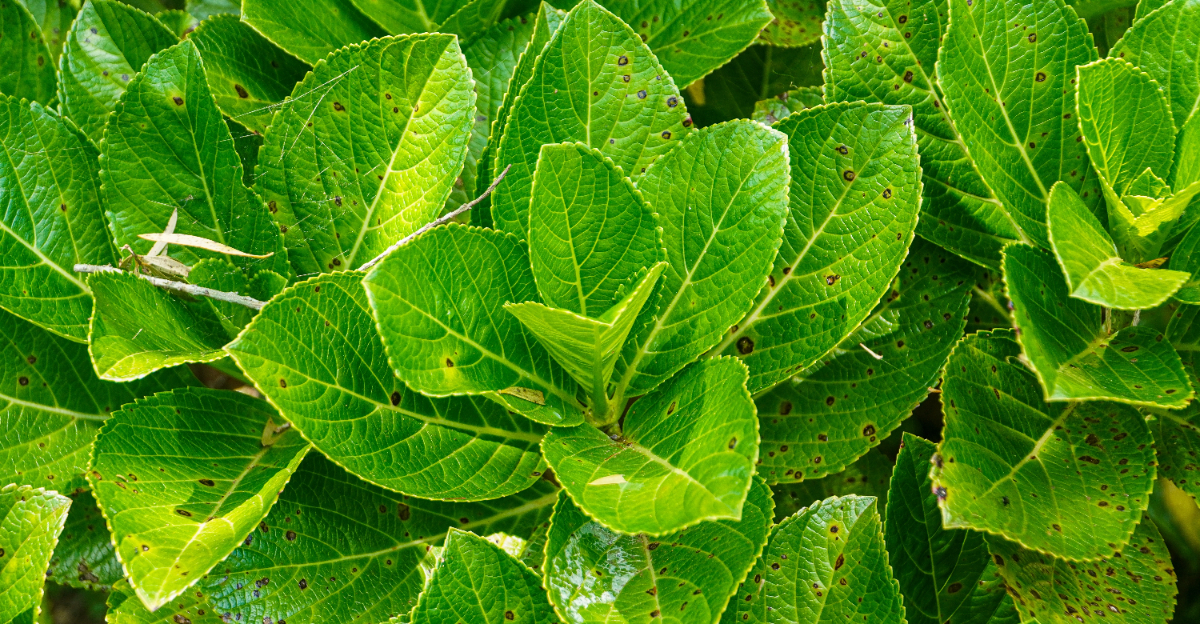
Something shifted in your hydrangea bed this season, and you already sense it. Fewer blooms opened than last year, and you noticed before anyone mentioned it.
Petals that used to crowd your beds now sit sparse and uneven. Soil, sunlight, and pruning timing all quietly shaped what happened to your shrub. Nothing about this happened to your garden by accident.
Your local weather patterns only tell part of your story. Even your most careful routines can’t fully explain this shift. Behind every stalled bud sits a cause you rarely suspected.
Every choice made earlier this year is still playing out in your beds.
1. Pruning Timing That Works Against Next Year’s Buds
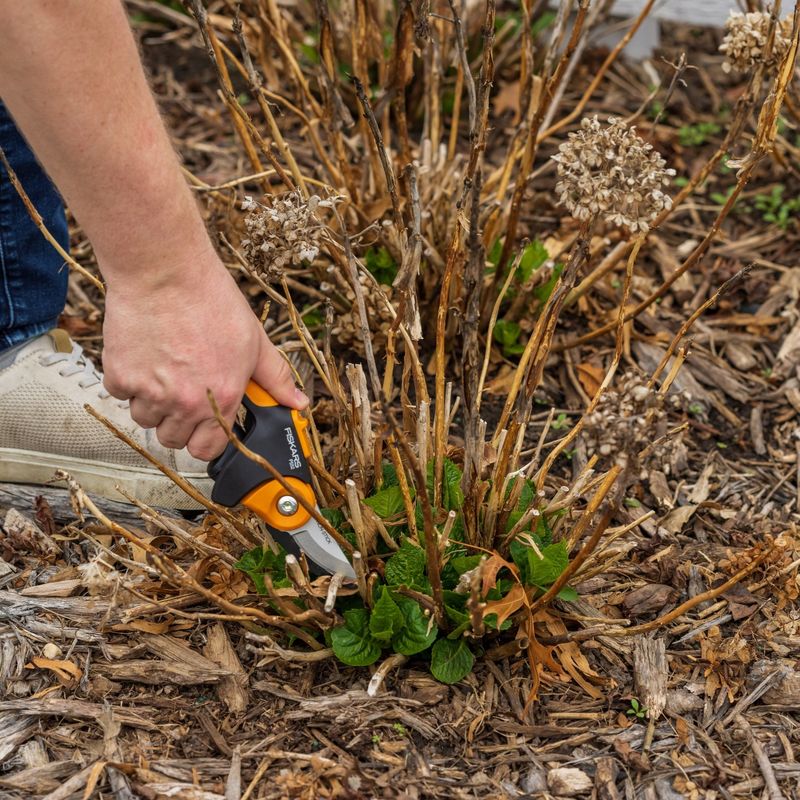
You grabbed your pruning shears and got to work, feeling productive. But that well-meaning trim may have cost you every bloom for next season.
Many hydrangea varieties set their flower buds on old wood. That means the plant forms next year’s buds in late summer and fall.
If you prune after August, you are cutting off the exact buds that would have opened beautifully in spring. Bigleaf hydrangeas and oakleaf types are the most common old-wood bloomers.
These varieties need their stems left alone through winter. The dormant-looking canes are actually holding precious future flowers inside.
The fix is straightforward: stop pruning in late summer and fall. If your plant needs shaping, do it right after blooms fade in early summer.
That window gives the shrub enough time to form new buds before cold weather arrives. Some gardeners feel the urge to tidy up their yard in autumn.
Cutting back hydrangeas during fall cleanup is one of the most common mistakes out there. It feels right but goes directly against the plant’s natural cycle.
Smooth hydrangeas and panicle types bloom on new wood, so they handle fall pruning better. Knowing your specific variety changes everything about your pruning schedule.
Check the label or do a quick search to find out exactly what type you have growing in your yard.
2. Cold Snaps That Damage Buds Before Spring
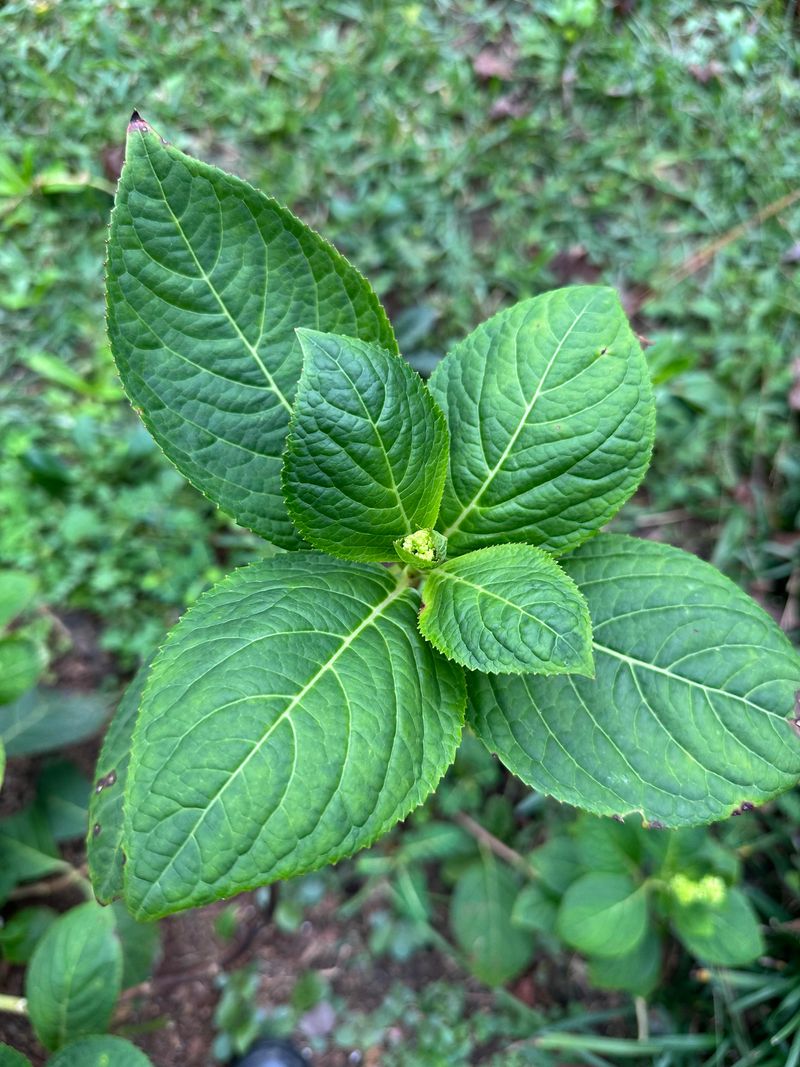
A late frost can wipe out an entire season of hydrangea blooms in a single night. The buds form months before spring, making them vulnerable to sudden cold.
When temperatures dip below freezing after buds have begun to swell, the tissue inside gets damaged. From the outside, the stem looks fine.
But the bloom potential inside that bud is already gone. This is especially common in areas with unpredictable springs.
One warm week tricks the plant into pushing growth early. Then a hard freeze rolls in and damages the progress the shrub worked to build.
Old-wood bloomers face the biggest risk because their buds overwinter on exposed canes. A harsh winter with no insulating snow cover leaves those buds exposed to brutal temperature swings.
Even a brief dip to around 20 degrees Fahrenheit can cause serious bud damage. Protecting your plant is possible with a little planning.
Cover the shrub loosely with burlap before the first hard freeze. You can also pile a thick layer of mulch around the base to protect the root zone and lower stems.
Container plants have an easier path to protection since you can move them to a garage or shed. In-ground plants need a windbreak or fabric cover on the coldest nights.
Catching a frost warning early and acting fast gives your hydrangea a real fighting chance at a full bloom season next year.
3. Nitrogen Levels That Favor Leaves Over Flowers
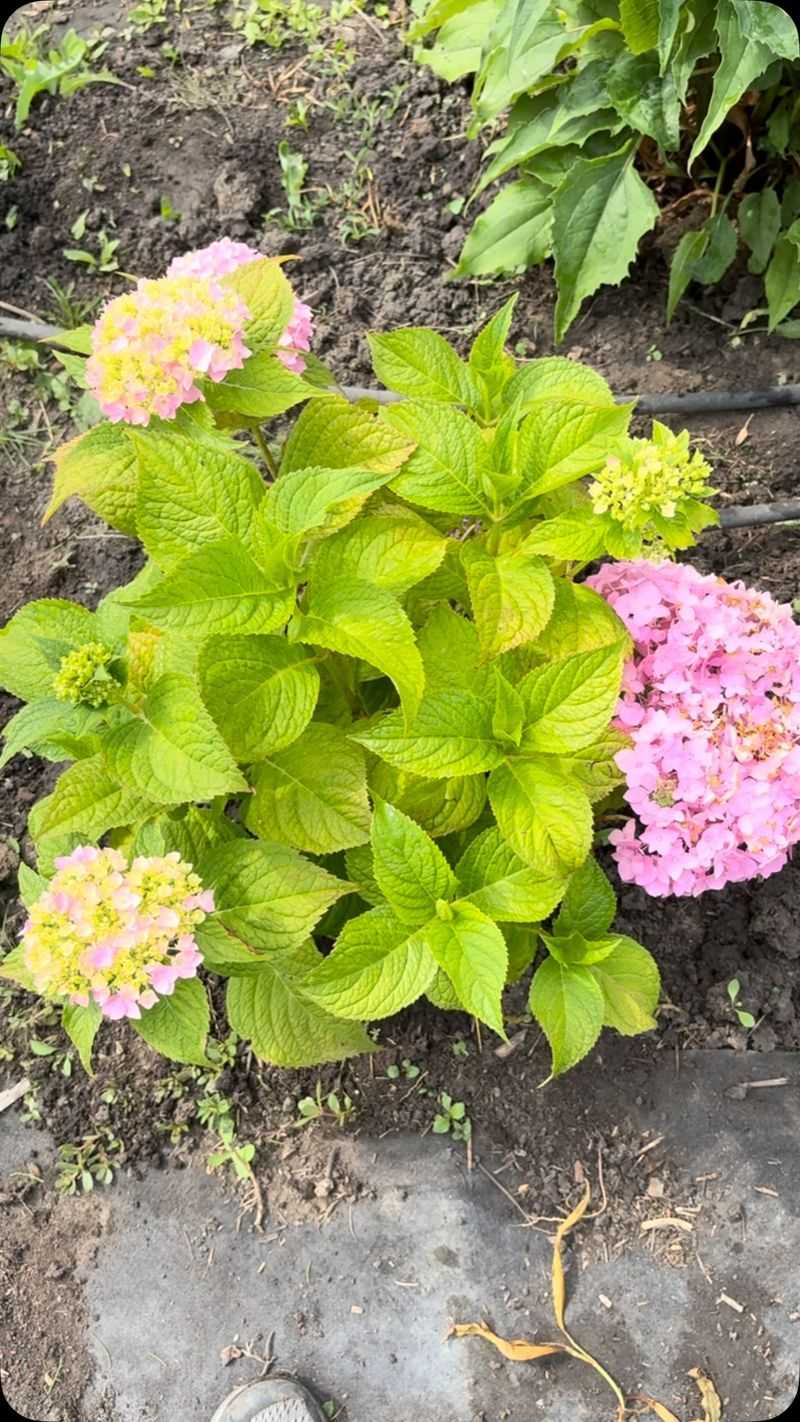
Your hydrangea looks green and full. So why is there not a single flower in sight?
Too much nitrogen is often the answer. Nitrogen pushes plants to grow lush, dark green foliage at the expense of blooms.
When the soil is loaded with it, the shrub puts all its energy into leaves instead of flowers. This happens most often when gardeners use a general lawn fertilizer near their plants.
Lawn fertilizers are high in nitrogen because grass needs it. Hydrangeas sitting near a fertilized lawn can absorb that excess through their roots without you even realizing it.
Over-fertilizing with a balanced granular fertilizer also causes the same problem. More fertilizer does not always mean more flowers.
With hydrangeas, it often means the opposite. The solution starts with a soil test.
Knowing what your soil already contains helps you feed only what is missing. A fertilizer labeled for flowering shrubs will have a lower nitrogen ratio and a higher phosphorus number, which supports blooms.
Look for a formula with a middle number higher than the first number on the bag. That middle number represents phosphorus, the nutrient often linked to flower production.
Switching to a bloom-boosting fertilizer in early spring can shift your plant’s focus back to producing those gorgeous clusters you have been waiting for all season.
4. Sunlight Patterns That Shape Bloom Production
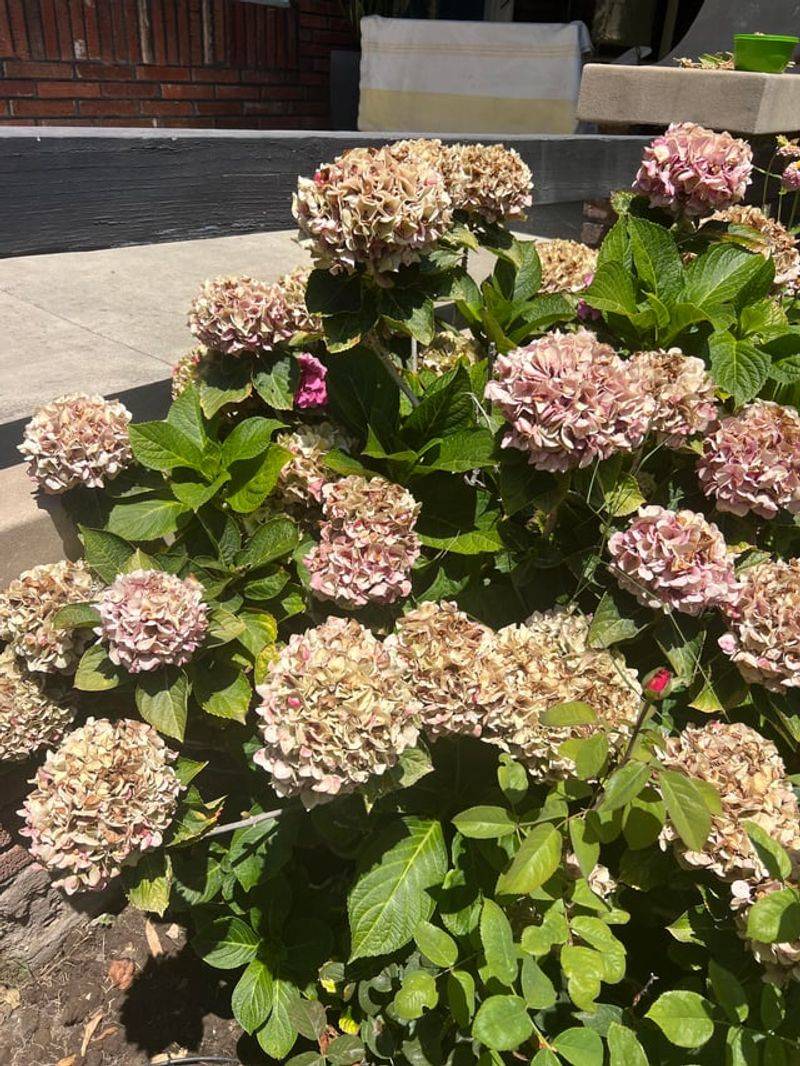
Sunlight is one of the most overlooked reasons hydrangeas fail to bloom well. Getting the light balance wrong throws off the entire flowering cycle.
Most hydrangeas need about four to six hours of direct sun each day. Too little light and the plant simply does not have enough energy to produce flowers.
Too much harsh afternoon sun stresses the plant and reduces bloom quality in a different way. A common scenario plays out when a tree that was once small grows into a large, shading canopy.
What used to be a sunny spot for your shrub becomes deep shade over just a few years. The hydrangea keeps growing but stops blooming because the light it needs has slowly disappeared.
Morning sun is ideal for most varieties. It provides bright, energizing light without the scorching heat of afternoon rays.
East-facing locations tend to produce the most consistent bloomers in most American climates. If shade is the problem, you have a couple of options.
Pruning the tree overhead to let in more light is one route. Moving the shrub to a sunnier location is another, though transplanting requires care and the right timing in early fall or early spring.
Observe your yard at different times of day before deciding on a fix. Knowing exactly where the sun falls and for how long gives you a clear picture of what your hydrangea is actually working with each day.
5. Old Wood Versus New Wood Confusion
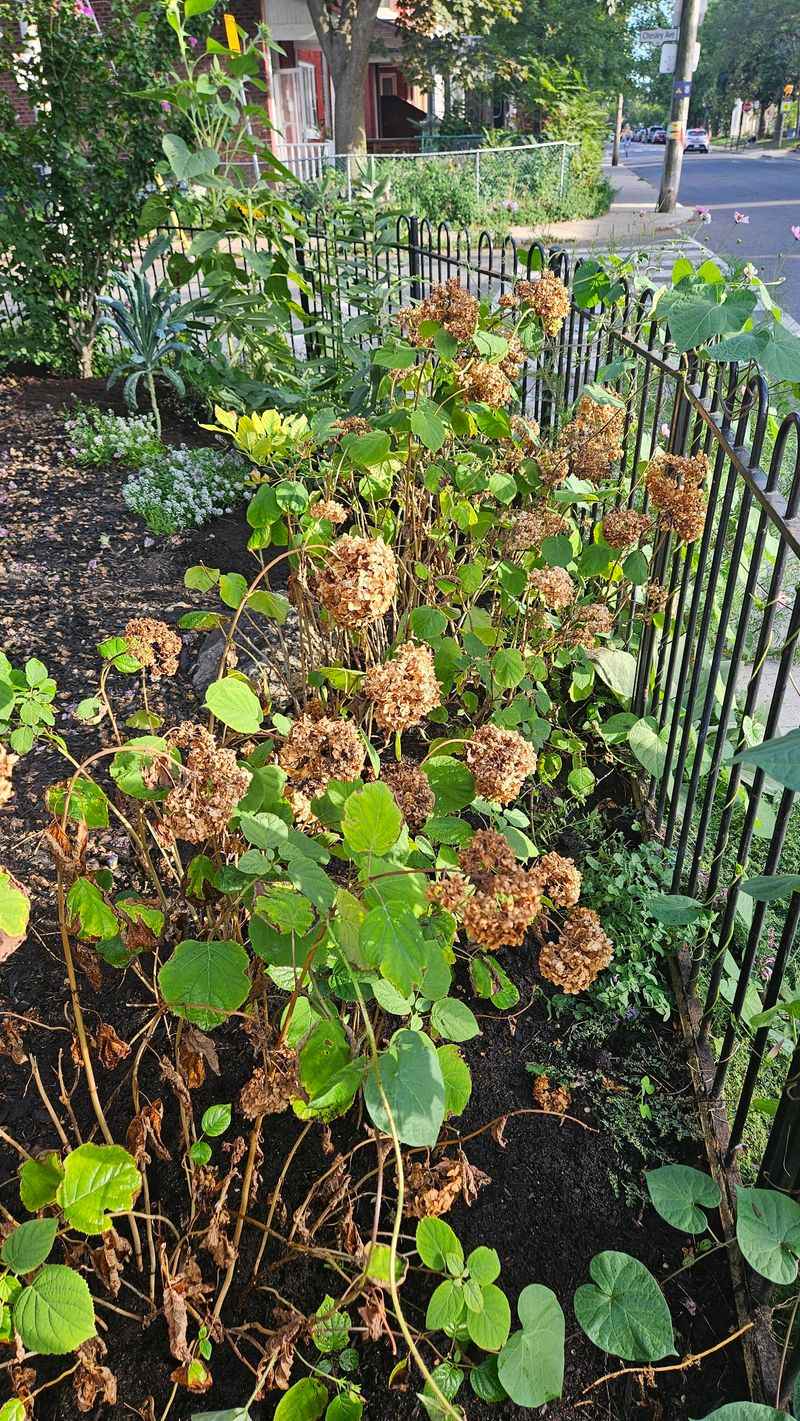
Not all hydrangeas are the same, and treating them like they are can cost you a full season of blooms. The old wood versus new wood distinction is one of the most important things to understand about this plant.
Old-wood bloomers form their flower buds the season before they open. Bigleaf, mountain, and oakleaf hydrangeas fall into this group.
If those buds get removed by pruning or damaged by frost, the plant has no backup plan for that year. New-wood bloomers work differently.
Smooth hydrangeas, like Annabelle, and panicle types, like Limelight, form buds on fresh growth each spring. These varieties can be cut back hard in late winter and still produce a spectacular show by midsummer.
Mixing up these two groups leads to real frustration. A gardener who prunes a bigleaf hydrangea in fall the same way they prune an Annabelle will end up with zero flowers from the bigleaf.
The techniques that help one variety actually hurt another. Identifying your variety before doing any maintenance work saves you from a wasted season.
Check the plant tag, research the name online, or bring a stem sample to a local garden center for help. Most staff can identify common varieties quickly.
Once you know what you have, the right care becomes obvious. Matching your approach to your specific variety is one of the fastest ways to fix a blooming problem that has puzzled you for years.
6. Soil Nutrients Depleted Over Time
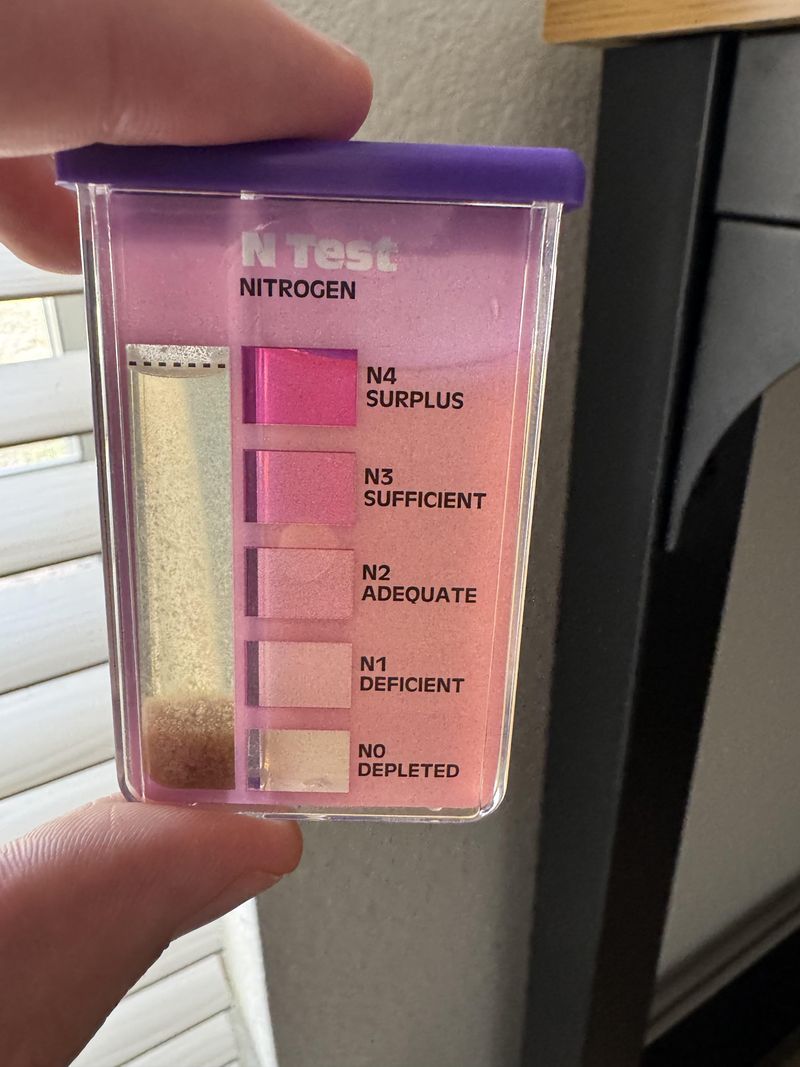
Soil does not stay rich forever. Over the years, plants pull nutrients out of the ground, and rain washes more away with every storm.
A hydrangea planted in great soil five years ago may now be sitting in ground that is nutritionally exhausted. The plant looks alive, but it is working with far less than it needs to produce strong blooms.
Depleted phosphorus and potassium are the most common deficiencies linked to poor flowering. Phosphorus supports root strength and flower development.
Potassium helps the plant manage stress and stay healthy through temperature swings. Without enough of both, the shrub focuses on basic survival rather than putting energy into producing flowers.
A simple soil test from a garden center or your local cooperative extension office tells you exactly what is missing. These tests are inexpensive and give you a clear nutrient report.
Acting on real data beats guessing far more reliably than trial and error. Amending the soil with compost each spring adds a slow-release boost of organic nutrients.
Compost improves soil structure while feeding the plant over several months. It is a valuable long-term investment for any garden bed.
Adding a phosphorus-rich fertilizer in early spring, before buds begin to swell, gives the plant a targeted boost right when it needs it most. Consistency matters more than a single heavy feeding.
Small, regular soil improvements build the foundation that brings your hydrangea back to its full, blooming potential year after year.
7. Root-Bound Growth In Containers Or Crowded Beds
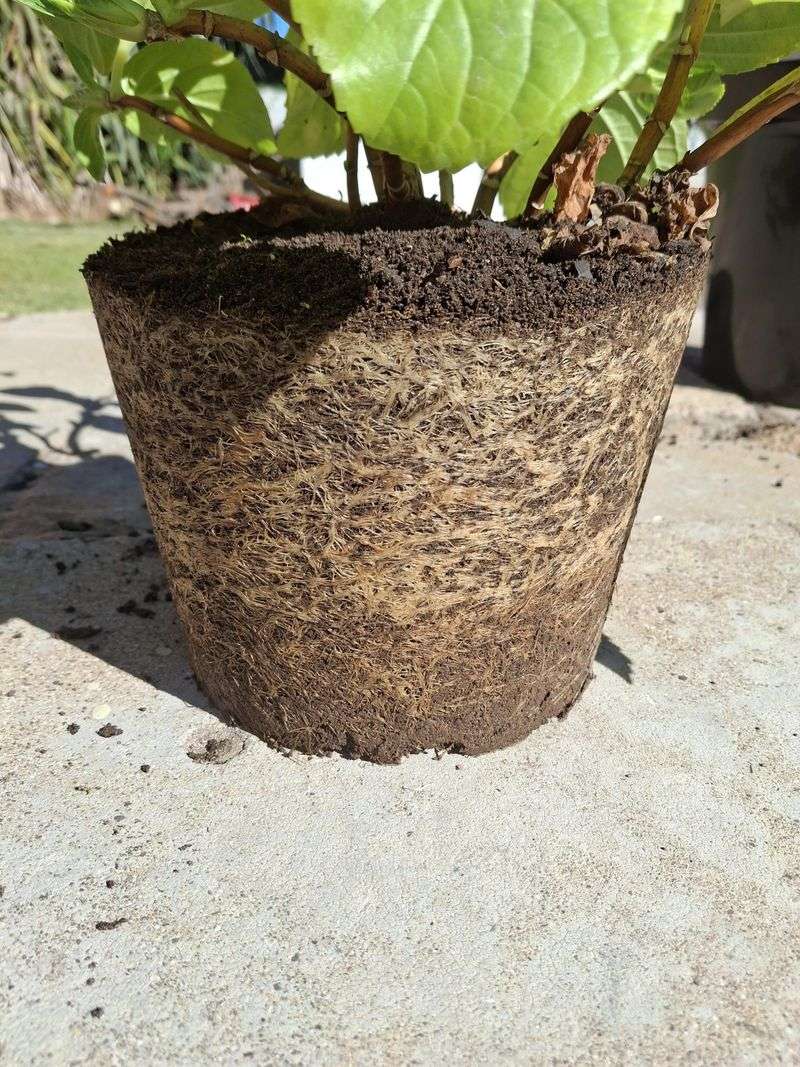
A hydrangea squeezed into too small a space sends a clear signal when it stops blooming. Roots that have nowhere left to grow start to limit everything above ground.
Container-grown hydrangeas face this problem more often than in-ground plants. When roots fill every inch of a pot and begin circling the bottom, the plant becomes root-bound.
A root-bound shrub struggles to absorb water and nutrients efficiently, which directly limits flower production. Signs of a root-bound plant include wilting even after watering, roots poking out of drainage holes, and soil that dries out faster than usual.
The plant is not failing because of neglect. It has simply outgrown its home.
Moving to a container that is two sizes larger gives the roots room to spread and the plant room to thrive. Use fresh potting mix with good drainage when repotting.
Spring is the best time to make this move before the growing season kicks into full gear. In garden beds, overcrowding causes a similar issue.
Hydrangeas planted too close to other large shrubs or trees compete for nutrients, moisture, and space underground. That competition takes a toll on blooming over time.
Thinning out nearby plants or transplanting your hydrangea to a less crowded spot can make a dramatic difference. Give the shrub at least three to five feet of space on all sides.
That breathing room allows roots to expand freely and the plant to focus its energy where you want it most, on producing blooms.
8. Age And Maturity Of The Plant Itself
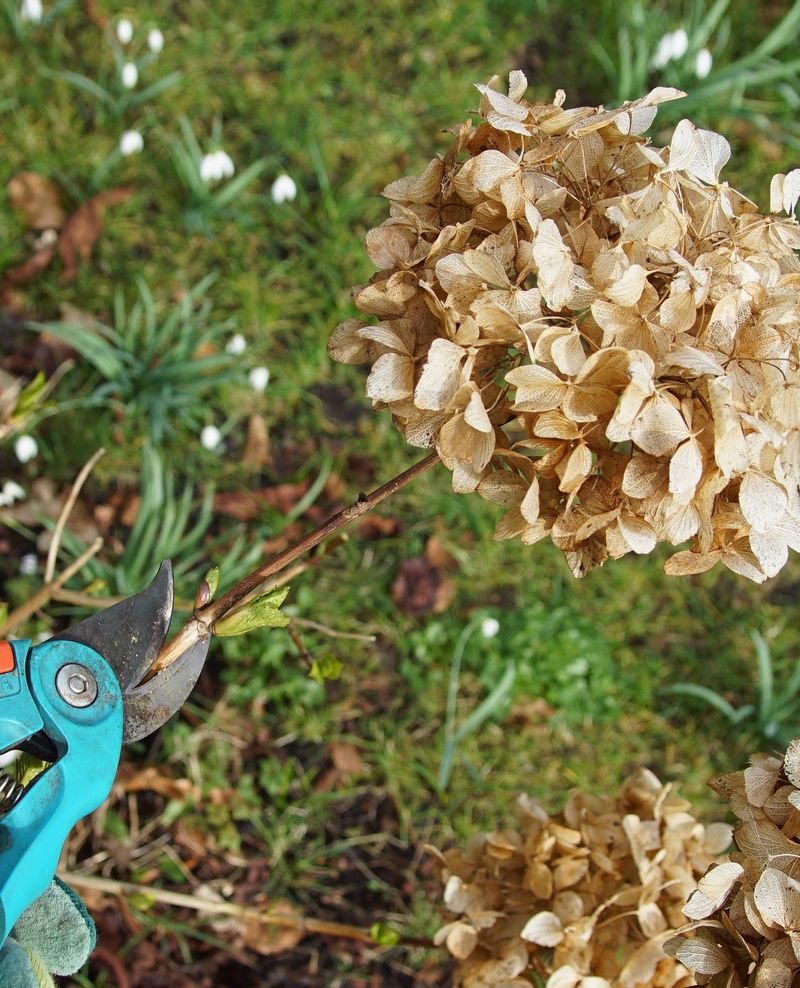
Sometimes the reason your hydrangea has fewer blooms is simply that it is still figuring things out. Young plants spend their first year or two building roots, not flowers.
A newly planted hydrangea puts most of its energy underground. Establishing a strong root system is the plant’s first priority.
Blooming comes later, once the foundation is solid enough to support it. Most hydrangeas need at least two to three years in the ground before they bloom reliably.
Some varieties take even longer. If your plant is young, the lack of flowers is not a failure on your part or the plant’s part.
It is just biology doing its job. On the other end of the spectrum, very old hydrangeas can also slow down.
A shrub that has been in the same spot for fifteen or twenty years may be showing its age through reduced vigor. Older wood becomes less productive over time, and the plant benefits from renewal pruning to stimulate fresh growth.
Renewal pruning involves cutting one-third of the oldest, thickest canes down to the ground each year. This gradual approach encourages new stems to grow from the base.
New stems are more productive bloomers than old, woody ones. Patience and proper timing are the two tools that work best with age-related bloom issues.
Young or established, understanding where your hydrangea is in its life cycle helps you give it exactly what it needs to produce a stunning bloom season.