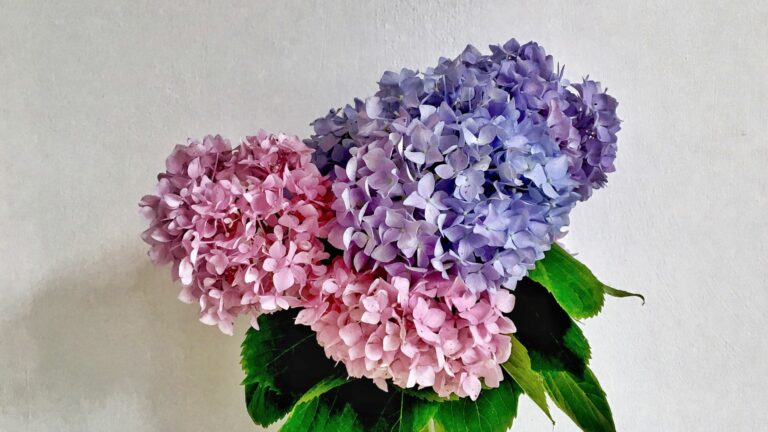
8 Real Reasons Your Hydrangeas Leaf Out But Never Bloom
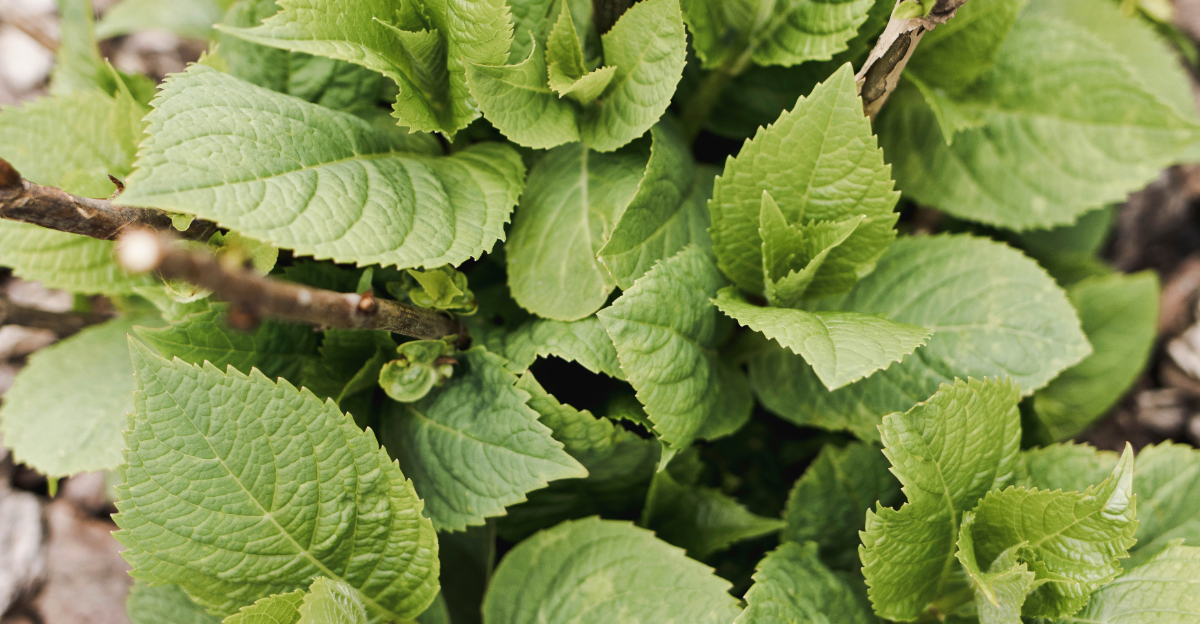
You planted hydrangeas expecting a summer full of color. Instead, you got leaves. Lots of them. Lush, healthy, thriving leaves, and not a single bloom in sight.
It is one of the most common frustrations in the garden, and it has a way of making even experienced gardeners second-guess everything they thought they knew about plants.
Here is the thing: your hydrangea is not broken. It is actually telling you something. The plant is putting all its energy into foliage for a reason, and that reason is almost always something you can fix.
The eight reasons below cover every likely culprit. Some will surprise you. At least one will probably sound very familiar. Work through the list, find your issue, and your hydrangeas will reward you with exactly the blooms you have been waiting for.
1. Pruning At The Wrong Time Of Year
Grab your calendar before you grab your pruning shears. Timing is everything when it comes to hydrangeas, and cutting at the wrong moment can wipe out an entire season of blooms.
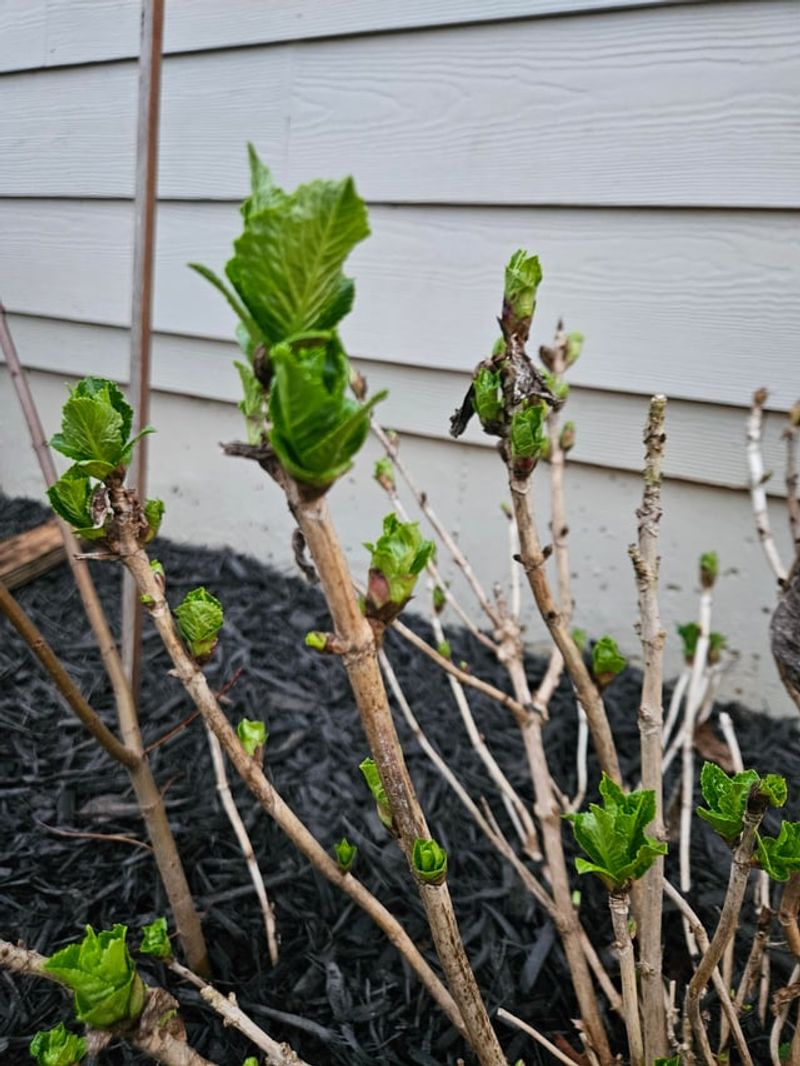
Many hydrangea varieties, especially bigleaf types, bloom on old wood. That means the flower buds form on last year’s stems, not on new spring growth.
When you prune in fall or early spring, you are literally cutting off the buds before they ever get a chance to open. The plant looks fine after a trim, but the blooming potential is gone.
The safest time to prune most hydrangeas is right after they finish blooming in summer. That small window gives the plant time to set new buds before winter arrives.
Smooth hydrangeas and panicle types are a little more forgiving since they bloom on new wood. But if you are unsure which variety you have, hold off on pruning altogether for one season.
A simple label stuck in the soil at planting time can save you years of confusion. Knowing your exact variety takes the guesswork out of every pruning decision you will ever make.
Watch what happens naturally. If your plant tries to bloom in summer and fails, check the stems you removed in spring for tiny bud nubs. Those nubs are the evidence you need.
Switching your pruning schedule can feel scary, but it is one of the easiest fixes in the garden. One season of patience often unlocks years of gorgeous blooms.
2. Too Much Nitrogen In The Fertilizer
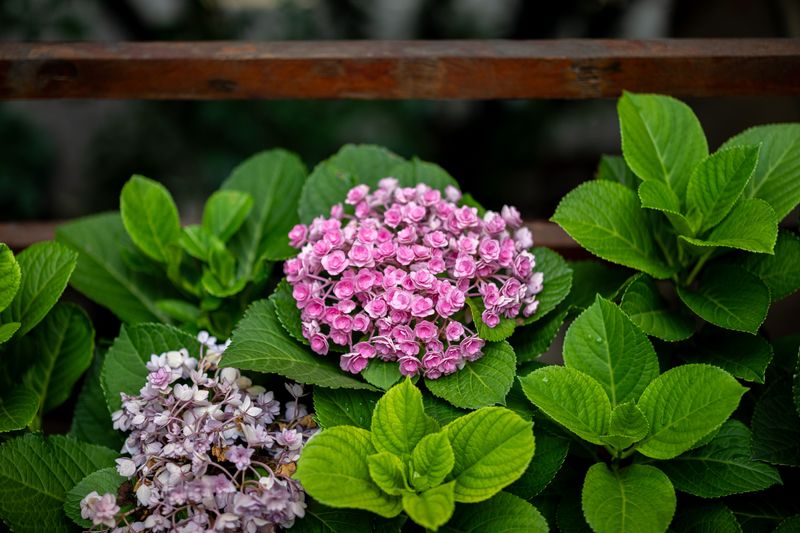
Lush green leaves without flowers is a classic sign of nitrogen overload. Your hydrangea is basically on a leafy green diet when it should be focused on making blooms.
Nitrogen is the nutrient that pushes plants to grow stems and leaves fast. When there is too much of it in the soil, the plant goes into full vegetative mode and skips flowering entirely.
This often happens when gardeners use a general lawn fertilizer near their garden beds. Lawn fertilizers are packed with nitrogen because grass loves it, but hydrangeas have different priorities.
Check the numbers on your fertilizer bag. The three numbers represent nitrogen, phosphorus, and potassium in that order. A high first number means lots of nitrogen, which is not what your blooming shrub needs.
For hydrangeas, look for a balanced fertilizer or one with a higher middle number. Phosphorus supports root development and flower production, making it your best friend right now.
Applying fertilizer at the right time also matters a lot. Feed your hydrangeas in early spring and again in midsummer, but stop by August so the plant can harden off before cold weather hits.
If you recently added compost or amended your soil heavily, that could be contributing too. Rich organic matter breaks down slowly and keeps releasing nitrogen long after you have forgotten you added it.
Soil tests from your local extension office are cheap and incredibly useful. Knowing exactly what your soil has and lacks takes all the guesswork out of feeding your plants right.
3. Not Enough Sunlight Reaching A Hydrangea
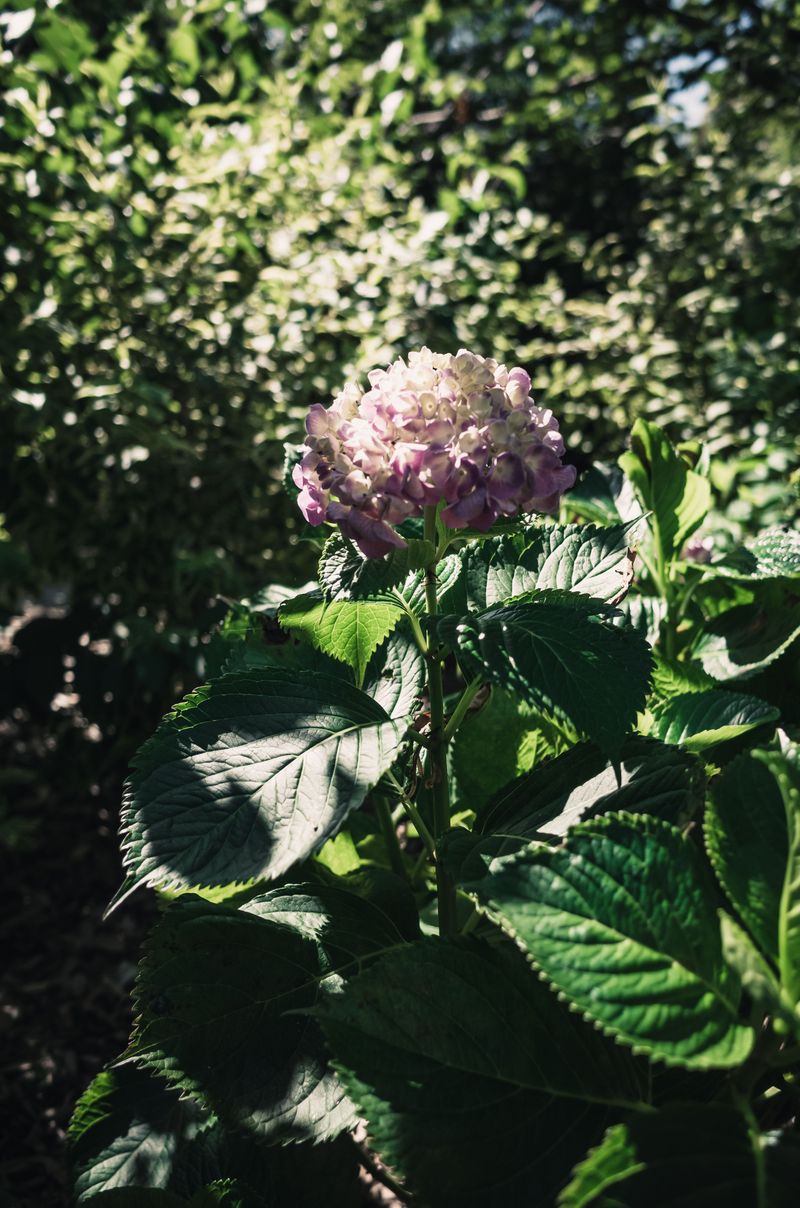
Shade is not always a hydrangea’s friend, even though many gardeners assume it is. Too little sun is one of the sneakiest reasons your plant refuses to flower.
Most hydrangeas need at least four to six hours of direct sunlight each day. Morning sun is ideal because it is gentle and warm without scorching delicate petals.
Trees grow taller every year, and what was once a sunny spot can slowly become a shaded one. Your hydrangea might have bloomed beautifully five years ago and struggled ever since as the canopy filled in.
Walk around your yard at different times of day and watch where the light falls. A spot that looks bright at noon might actually be deeply shaded during the morning hours when hydrangeas do their best work.
Moving an established hydrangea is possible, but it takes some planning. The best time to transplant is in early fall or early spring when the plant is not under heat stress.
If moving is not an option, consider trimming back nearby branches to let more light filter through. Even a modest increase in sun exposure can make a noticeable difference in bloom production.
Plants are incredibly responsive when given what they need. Improving light conditions is one of those changes that often shows results within a single growing season.
4. Winter Temperatures Damaged The Buds
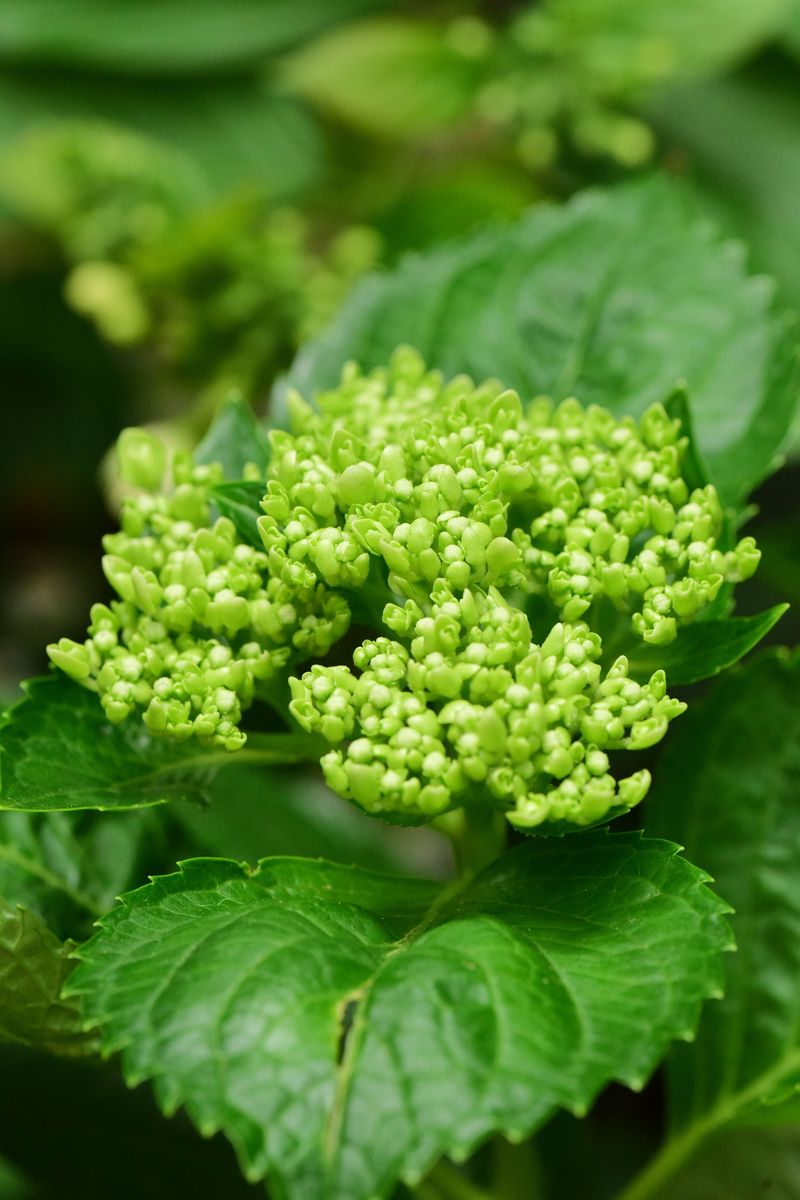
Winter can be brutal on hydrangea buds, especially for bigleaf varieties that set their buds in late summer. A single hard freeze can wipe out every potential bloom for the coming season.
The buds sit on the stems all winter, exposed to whatever the weather throws at them. In mild winters, they survive just fine and burst into gorgeous color by early summer.
But in regions with unpredictable late frosts, those buds can freeze solid and turn brown. The plant itself survives and leafs out normally, but the blooming ability is already gone before spring even begins.
Look for soft, mushy, or dark brown stem tips in early spring. Healthy buds feel firm and have a slight green tinge when you scratch the surface gently with a fingernail.
Protecting your hydrangeas in fall can save next year’s blooms. A thick layer of mulch around the base insulates the roots, and burlap wrapping around the stems can shield buds from harsh wind and freeze cycles.
Choosing cold-hardy varieties is another smart move for gardeners in zones four through nine. Varieties like Endless Summer and Let’s Dance are bred to rebloom even if early buds get damaged.
A little preparation in autumn can mean the difference between a flowerless spring and a summer packed with color. Protect those buds now and let future you enjoy the reward.
5. Inconsistent Watering Through The Growing Season
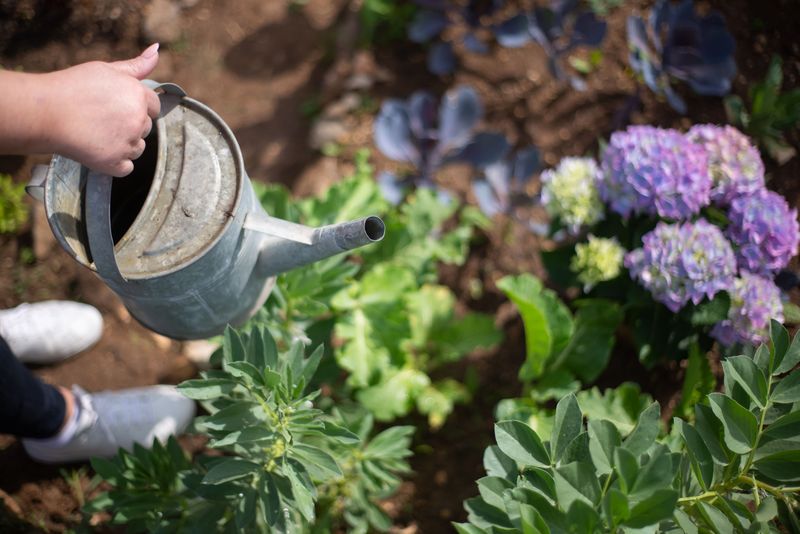
Hydrangeas are dramatic about water, and they will let you know when they are not happy. Wilting leaves and curling edges are their way of sending an SOS signal to you.
Stress from inconsistent watering does more than make the plant look sad. It actually disrupts the internal processes the plant needs to set and develop flower buds properly.
A hydrangea that bounces between soaking wet and bone dry is constantly in survival mode. When a plant is just trying to stay alive, producing flowers becomes a low priority on its list.
Aim for deep, consistent watering about two to three times per week during the growing season. Sandy soils dry out faster and need more frequent attention than clay-heavy soils do.
Mulching around the base of the plant makes a real difference for moisture retention. A two to three inch layer of shredded bark or wood chips keeps the soil cooler and holds water much longer.
Drip irrigation or soaker hoses are worth considering if you have a busy schedule. They deliver water slowly right to the root zone, which is exactly where hydrangeas need it most.
Consistent moisture also helps the plant absorb nutrients more effectively from the soil. When water and nutrients flow steadily, the plant has everything it needs to finally push out those long-awaited blooms.
6. The Plant Is Still Too Young To Bloom
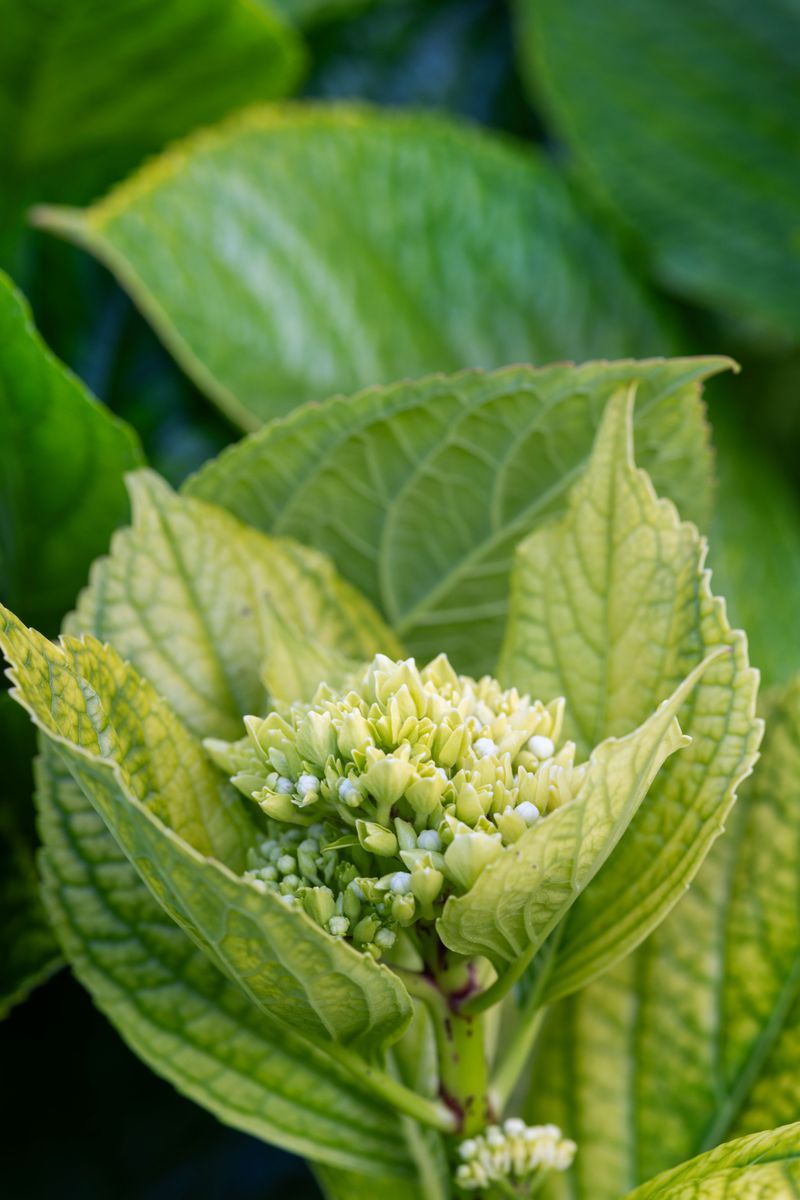
Patience is genuinely a gardening virtue, especially with hydrangeas. A newly planted shrub is spending all its energy on building roots, not putting on a flower show for you.
Most hydrangeas need at least two to five years in the ground before they bloom reliably. The first season or two are all about establishing a strong root system underground.
It can feel frustrating to watch a plant just sit there doing nothing visible. But beneath the soil, something important is happening that will eventually support years of spectacular blooming.
Young plants from a nursery sometimes bloom in their first year because they were grown under controlled conditions. Once transplanted, they often skip a season or two while adjusting to their new home.
Resist the urge to push a young plant with extra fertilizer to speed things up. High-nitrogen feeding at this stage can actually delay blooming even further by encouraging leafy growth over root development.
Give a young hydrangea consistent water, good sunlight, and a little patience. Those three things go further than any product you could buy at the garden center.
Mark the planting date in your garden journal and give the plant a fair timeline. By year three, most healthy hydrangeas are ready to reward your patience with their first real flush of blooms.
7. Pest Or Disease Pressure
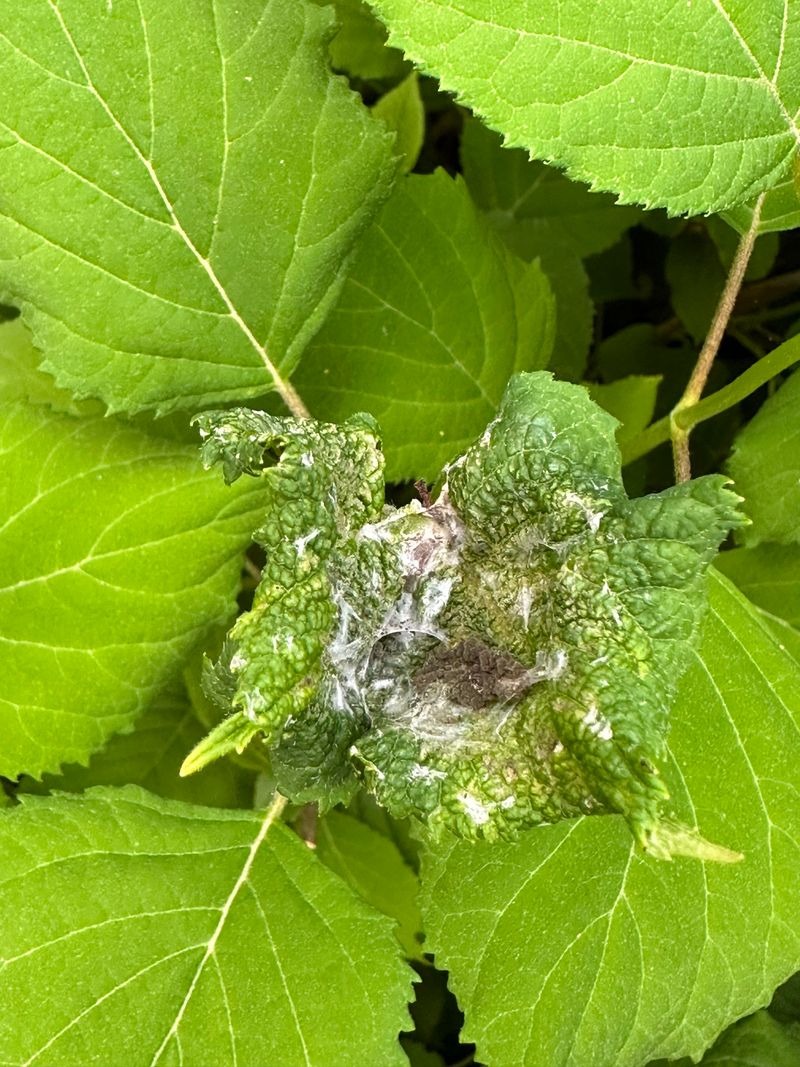
A plant under attack does not have the luxury of making flowers. When pests or disease move in, the hydrangea shifts every bit of energy toward basic survival instead.
Aphids are one of the most common offenders, clustering on new growth and sucking out plant juices. They reproduce fast, and a small infestation can spiral into a serious problem within days.
Powdery mildew is another frequent visitor, coating leaves with a chalky white film. It weakens the plant gradually and creates enough stress to suppress blooming for an entire season.
Spider mites thrive in hot, dry conditions and are nearly invisible to the naked eye. The first sign is often a dusty, stippled look on the leaves, followed by fine webbing on the undersides.
Treating these issues early makes a huge difference in how quickly the plant recovers. Insecticidal soap, neem oil, and horticultural oil are all effective and relatively gentle on beneficial insects nearby.
Good air circulation around the plant helps prevent fungal diseases from taking hold. Avoid overhead watering whenever possible, since wet foliage is an open invitation for mildew and leaf spot.
A healthy, pest-free hydrangea has the resources to focus on what you actually want from it. Clear the threats, and the blooms you have been waiting for will have a real chance to appear.
8. Deer Browsing The Buds In Early Spring
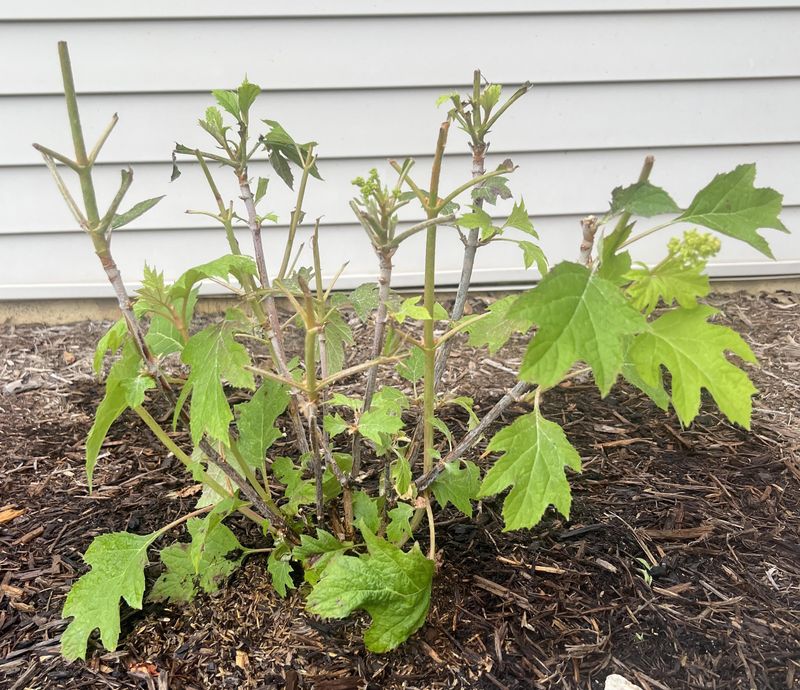
Deer are breathtaking creatures until they wander through your garden at dawn. If your hydrangeas leaf out but never bloom, a hungry deer might be quietly undoing all your hard work before you even notice.
Deer browse on tender new growth in early spring when other food sources are still scarce. Hydrangea buds are soft, sweet, and perfectly positioned right at browsing height for an average-sized deer.
The damage often happens overnight or in the early morning hours, so many gardeners never actually catch the culprit in the act. You just walk outside one morning and notice the tips are gone.
Browsed stems have a clean, angled cut that looks almost like someone snipped them with scissors. This is different from insect damage, which tends to look more ragged and uneven along the edges.
Fencing is the most reliable solution for serious deer pressure in your area. A fence of at least eight feet tall is typically needed since deer are surprisingly athletic jumpers when motivated.
Deer repellent sprays can also help, especially when applied consistently through early spring. Products containing putrescent egg solids or predator urine tend to work better than scent-based options alone.
Motion-activated sprinklers are another surprisingly effective deterrent that startles deer without harming them. Protecting your hydrangeas starts with keeping those hungry visitors out of the garden entirely.