8 Reasons You Should Never Leave Leaves On Your Lawn Over Winter
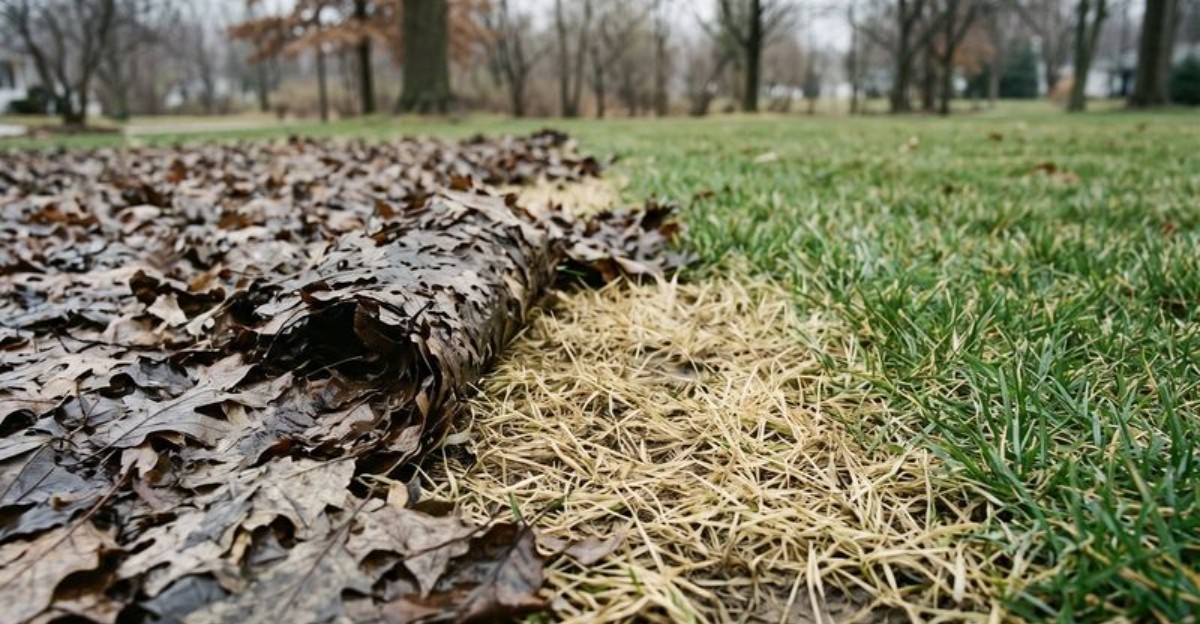
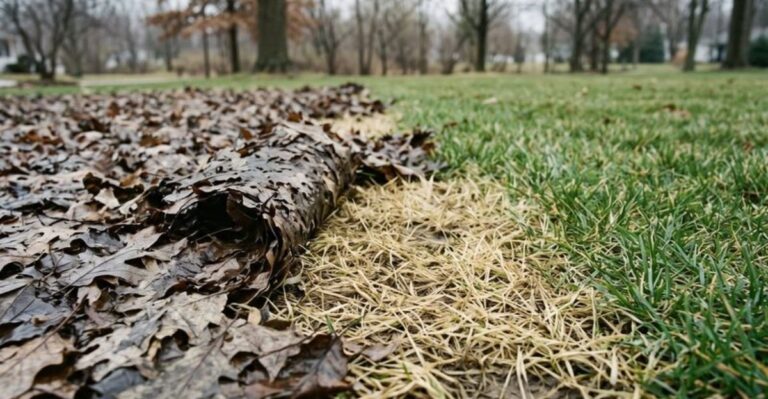
Some lawn fungi actually grow beneath snow, spreading slowly at temperatures hovering just above freezing all winter long. They adore a damp, dark cover, and your yard might be quietly offering them one right now.
Cool-season grasses keep making a little food on mild winter days whenever sunlight reaches their thin green blades. Smother them for months, and spring often reveals matted patches that look like someone spilled fuzzy gray cobwebs.
I skipped my fall cleanup one busy year and paid for it with a patchy, sulking lawn in April. You build your turf all season, so it feels rough watching a few cold months undo that effort.
Turf researchers have even tested a simpler fix that surprised plenty of tidy suburban homeowners. What exactly is hiding under that cozy brown blanket stretched across your grass this season?
1. Gray Snow Mold Loves A Soggy Leaf Blanket
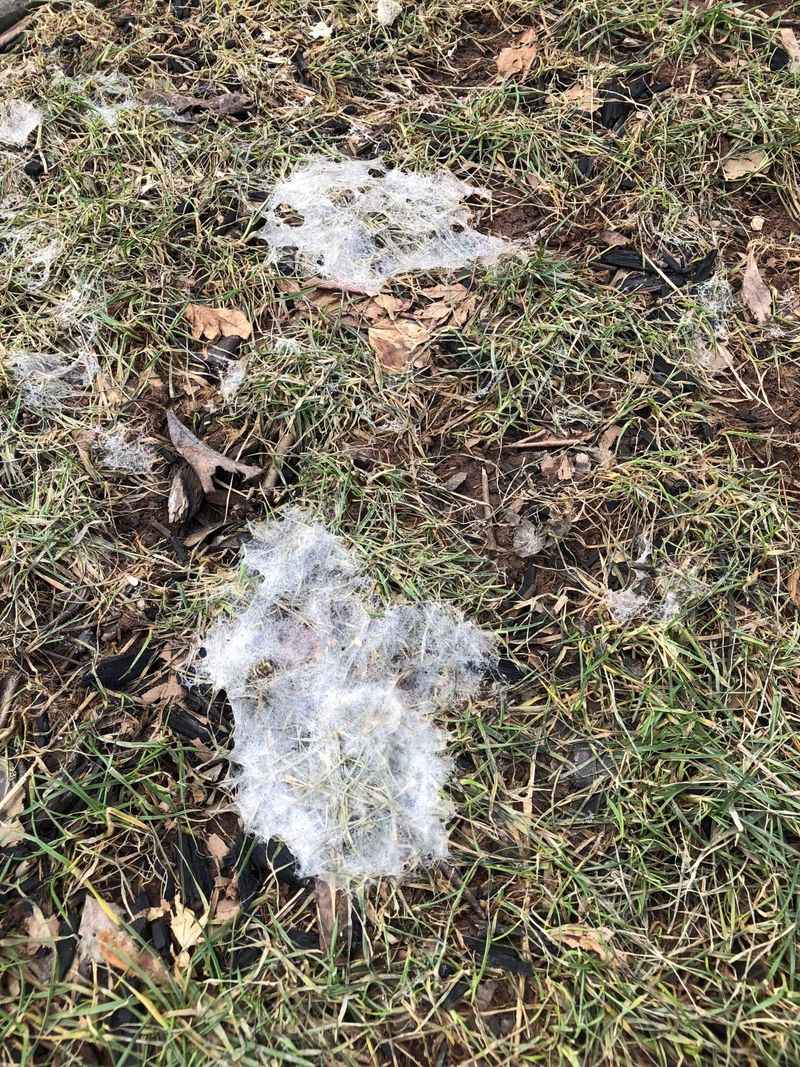
Melting snow sometimes uncovers round, crusty patches on a lawn that look like someone dropped wet gray cotton everywhere. That eerie surprise is usually snow mold, and a heavy leaf layer gives it an especially comfortable home.
Two main types show up in northern yards, called gray snow mold and pink snow mold by turf specialists. Gray snow mold comes from Typhula fungi, while pink snow mold is caused by a fungus named Microdochium nivale.
Both fungi enjoy cool temperatures near freezing, plenty of moisture, and very little fresh air moving across the turf. Wet leaves trapped under deep snow create those exact conditions for weeks, sometimes stretching well into the early spring months.
Honestly, the first time I spotted snow mold, I worried my entire front lawn had given up for good. Most gray snow mold damage stays on the leaf blades, so the grass usually recovers once things dry out.
Pink snow mold can be tougher, because it sometimes reaches the crowns and leaves thinner patches that need extra attention. Gently raking matted spots in spring helps air and sunlight reach the grass, which speeds up recovery noticeably.
Prevention starts in fall, and clearing heavy leaf cover before the first lasting snowfall is one of the easiest steps. Keep mowing until the grass stops growing too, since long floppy blades also mat down and hold onto moisture.
University extension experts also suggest avoiding heavy nitrogen feedings late in the season, because lush tender growth invites fungal trouble. A tidy, slightly shorter lawn heading into winter gives snow mold far fewer places to settle in and spread.
2. Voles Carve Tunnels Under Cozy Leaf Cover
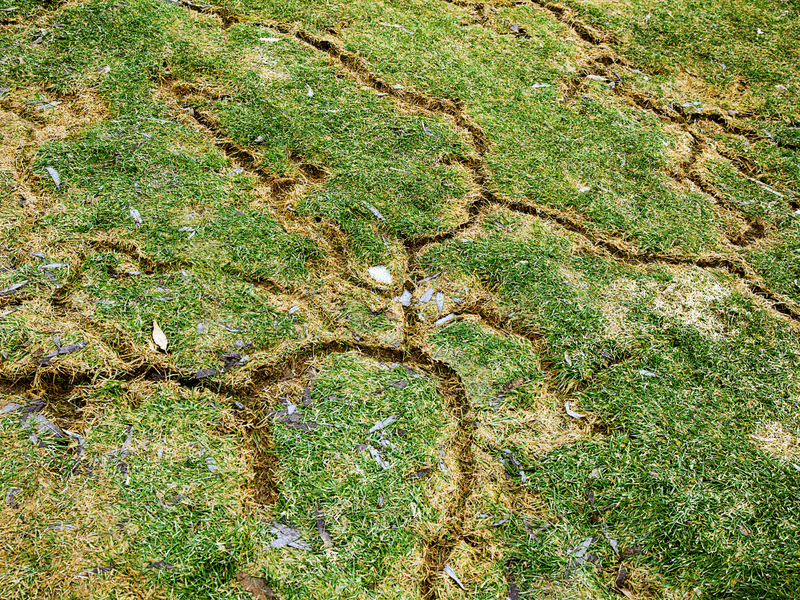
Spring snowmelt sometimes reveals winding trails across the grass, like a tiny highway system someone sketched with a dull crayon. Those squiggly paths usually belong to meadow voles, small brown rodents that stay busy under snow all winter.
Voles do not hibernate, so they spend cold months chewing grass blades and roots while staying hidden from hungry predators. Thick leaf cover plus snow gives them an extra layer of protection from hawks, owls, and curious neighborhood cats.
I learned this the hard way when a corner of my lawn looked like a tangled map one chilly March morning. The runways were shallow surface trails, not deep tunnels, but they still left the turf thin and very ragged.
Meadow voles are often confused with moles, yet they are quite different animals with very different eating habits. Moles mostly hunt grubs and earthworms underground, while voles nibble plant material along trails right at the soil surface.
Most lawns bounce back from vole runways once spring growth kicks in, especially after a little light raking and fertilizing. Badly chewed sections may need some fresh seed, but the roots below often survive better than the surface suggests.
Keeping your grass short and clearing piles of leaves before snow arrives removes much of the cover voles prefer. Pay extra attention near shrub borders and fences, since voles love moving along edges where shelter feels close by.
Mice also appreciate deep leaf piles near foundations, and they may wander indoors once temperatures drop sharply in late fall. A clear strip of lawn around your house makes the whole yard a little less inviting for these visitors.
3. Matted Leaves Starve Grass Blades Of Winter Sunlight
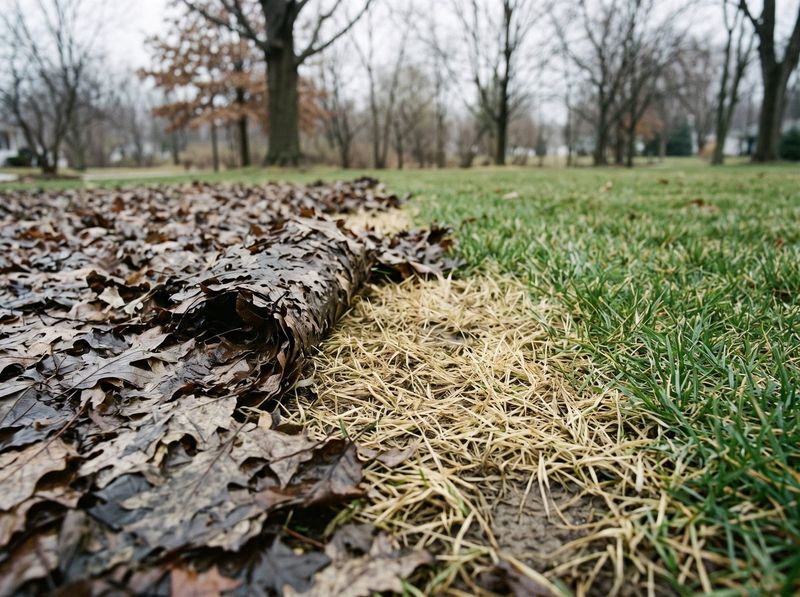
Grass blades work like tiny solar panels, and cool-season turf keeps soaking up light long after the mower goes quiet. Bury those blades under a soggy brown quilt, and that gentle winter energy supply shuts down surprisingly fast.
Kentucky bluegrass and fine fescues stay partly green through mild spells, quietly storing sugars down in their crowns and roots. Those stored carbohydrates fuel the first push of fresh growth once soil temperatures finally start climbing in spring.
A light scattering of leaves rarely causes real trouble, because sunshine still slips through the little gaps between them. Problems start once you can barely see the grass, especially after a hard rain presses those layers flat.
I like a quick sneaker test, walking across the yard and checking how much green still peeks through underfoot. If your shoes mostly crunch on leaves instead of turf, it is probably time to pull out the mower.
Mowing over dry leaves with a mulching blade chops them into dime-sized bits that settle down between grass blades. Turf research found these shredded pieces break down nicely without harming healthy lawns over time.
Heavier drifts under big oaks or maples usually need raking, since even a good mower can only shred so much. Move that extra material onto garden beds or a compost pile, where it can feed soil and shelter insects.
Your grass spent the whole season building reserves, so giving it light now protects all that hard green work. A few hours of cleanup in autumn often saves weeks of patching and reseeding when the next spring arrives.
4. Ticks Hide Out In Damp Leaf Litter
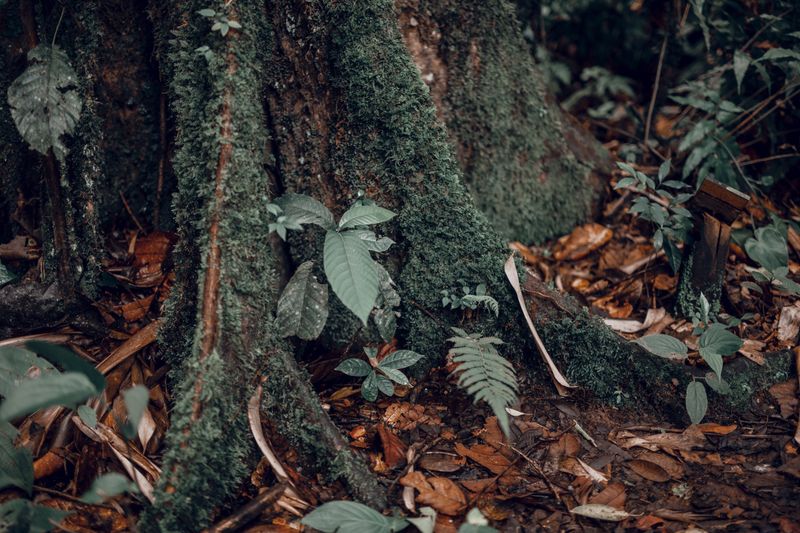
Blacklegged ticks are tougher than most people expect, and many simply tuck themselves into moist leaf litter to wait out winter. On mild sunny days, some adults even become active again, searching for a passing host near the ground.
Leaf litter keeps humidity high, which matters because ticks dry out quickly in open, sunny, well-mowed grass. Researchers at the CDC and many university extensions point to leaf removal as a simple way to reduce backyard tick habitat.
I started taking this seriously after finding a tick on my sleeve during a warm January cleanup session outdoors. That little shock reminded me that winter does not mean every outdoor critter has packed up and gone away.
You do not need a spotless yard to make a real difference, just a smarter approach to where leaves end up. Rake them away from play areas, patios, and paths where your family and pets spend the most time.
Wooded edges are prime tick territory, so a strip of wood chips or gravel between lawn and trees helps a lot. Health agencies often suggest this simple barrier because ticks prefer not to cross dry, open ground in the sun.
Keep leaves you want for pollinators and fireflies tucked into garden beds well away from busy lawn spaces and doors. That compromise helps beneficial insects overwinter safely while keeping tick-friendly hiding spots out of everyday walking zones.
After working in the yard, do a quick tick check on yourself, your kids, and any dogs that tagged along. Tossing outdoor clothes into a hot dryer for a few minutes also helps catch any hitchhikers you missed.
5. Smothered Turf Opens The Door For Spring Weeds

Weeds are opportunists at heart, and a weak lawn coming out of winter looks like an open invitation to them. Every thin spot left behind by a soggy leaf mat becomes valuable real estate for some very pushy plants.
Healthy, dense turf shades the soil surface, which keeps many weed seeds from getting the light they need to sprout. Once grass thins out under months of leaf cover, sunshine reaches bare soil and those waiting seeds wake right up.
Common chickweed and henbit are two early culprits that often show up in thin lawns during cool spring weather. Both are winter annuals, sprouting in fall and spreading quickly where grass struggles to hold its ground.
Last spring, I counted more chickweed in my shady side yard than anywhere else, right where leaves had piled deepest. That patch taught me that weed control actually starts months earlier, with a rake and a little autumn effort.
Clearing leaves helps your grass stay thick, and thick grass rarely leaves much room for unwanted seedlings to settle in. Think of every healthy blade as a tiny umbrella shading out the competition from the soil below it.
If thin spots do appear in spring, overseeding with a grass type suited to your region fills gaps before weeds claim them. Early fall remains the best seeding window for cool-season lawns, but spring patching still helps plenty in a pinch.
Pulling a few young weeds by hand on damp days is satisfying, especially before they flower and drop seeds again. Small steps like that, combined with fall leaf cleanup, keep your lawn looking lush instead of scrappy and spotted.
6. Wet Leaf Mats Choke Air And Water From Roots
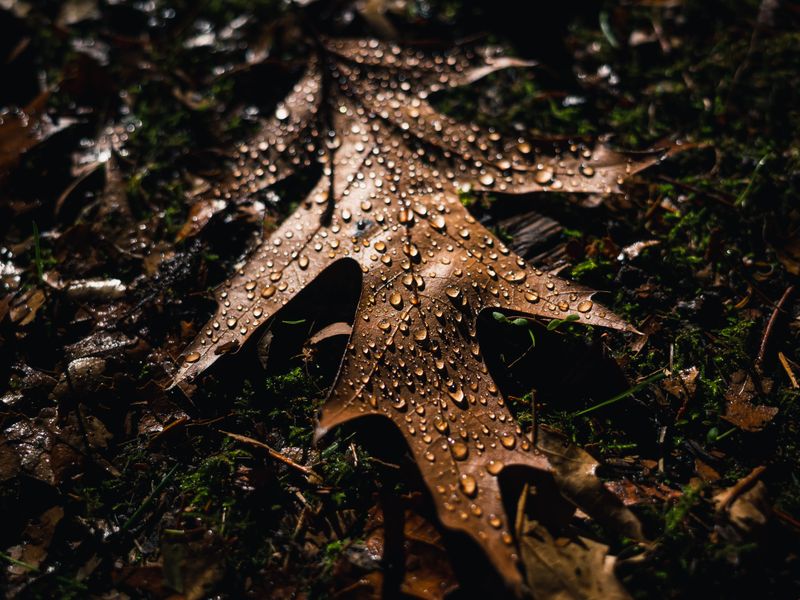
Lift a corner of a soggy leaf mat in late winter, and you will often find pale, flattened grass gasping underneath. The smell can even turn a little sour, a clear hint that air has not reached the surface for weeks.
Grass roots need oxygen just like the rest of the plant, and soil microbes depend on fresh air exchange too. Wet whole leaves stick together like papier mache, forming a dense layer that slows air and water movement into the ground.
Maple leaves are famous for this, because their broad flat shape lies down neatly and seals tight after rain. Oak leaves are tougher and curlier, so they often blow around more, but deep piles still trap plenty of moisture underneath.
Honestly, I used to think leaves would just melt into the soil and feed everything by spring like magic. Whole leaves break down slowly in cold weather, so most of them are still sitting there in a soggy layer come March.
Shredded leaves are a different story, since smaller pieces let air through and decompose much faster than whole ones. Mulching them with the mower adds organic matter gradually, which helps soil structure instead of smothering the grass above it.
If your lawn already feels hard and compacted, core aeration in early fall gives roots room to breathe and grow deeper. Pairing aeration with good leaf management helps water soak in rather than pooling on the surface after storms.
Healthy soil life is the secret engine behind a great lawn, even though you rarely see it working. Keeping that underground world supplied with air through winter makes a noticeable difference once warm weather returns.
7. Buried Lawns Green Up Late In Spring
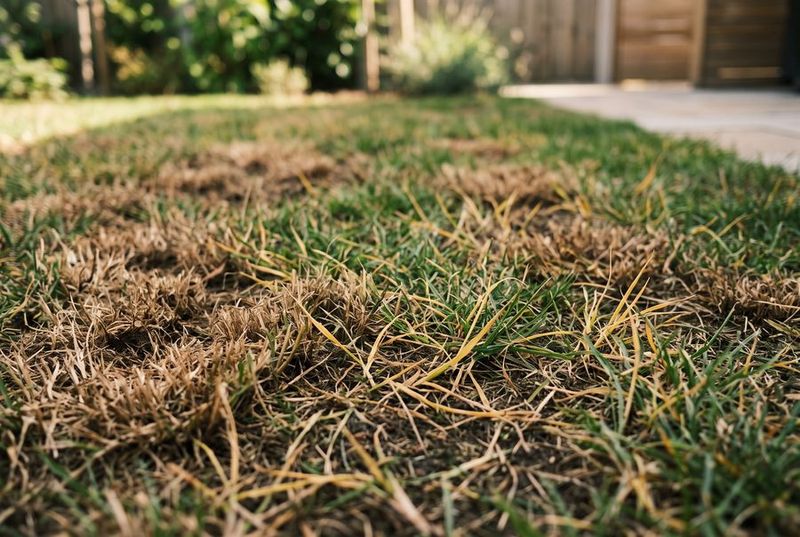
Every spring, I play a little game of spotting which neighborhood lawns turned green first and guessing their fall habits. The early risers almost every time belong to folks who cleared their leaves before snow settled in for the season.
Grass that sat under a dark, wet blanket all winter often emerges pale yellow, thin, and noticeably slower to recover. It has used up stored energy without much chance to recharge, so new growth takes a while to catch up.
Meanwhile, uncovered turf soaks up early sunshine and starts pushing fresh blades as soon as soil temperatures allow. That head start can mean a thicker, greener lawn weeks before shaded, smothered sections finally begin perking up again.
A late start matters more than you might expect, because spring is when cool-season grasses build strong root systems. Roots that grow deep in April and May help turf handle summer heat and dry spells much better later on.
If parts of your lawn wake up slowly, resist the urge to dump heavy fertilizer on them right away. Many extension specialists suggest waiting until the grass is actively growing, so nutrients feed new blades rather than weeds.
Light raking to fluff matted areas and a bit of overseeding on bare spots usually gets things moving in the right direction. Water new seed gently and often, keeping the surface moist until tiny green shoots poke through the soil.
Patience helps too, since most lightly stressed lawns recover on their own once warm weather settles in properly. Still, clearing leaves next fall means you can skip the waiting game and enjoy that early green glow.
8. Slick Wet Leaves Turn Walkways Into Slip Zones
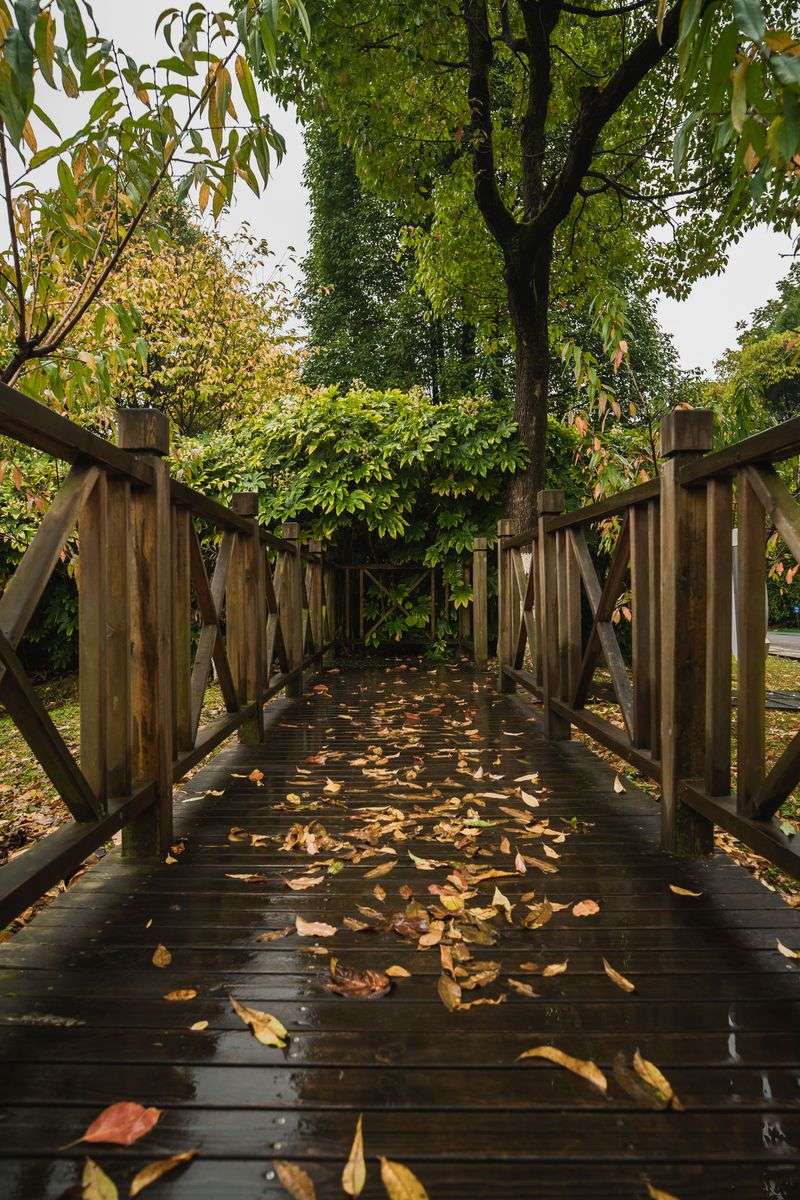
Wet leaves on pavement can feel almost as slick as ice, which surprises plenty of people stepping out to grab the mail. Railroads even deal with leaf residue on tracks each fall, because crushed leaves create a slippery film on steel rails.
Around the house, that same slick coating forms on sidewalks, steps, and driveways after a rainy week in autumn. Add a dusting of snow on top, and you have a hidden hazard that nobody can spot until they slide.
I once watched my teenage nephew do an impressive cartoon slip on our leafy back steps one drizzly November evening. He laughed it off, but I swept those steps the very next morning and have kept them clear ever since.
Leaves also clog storm drains and gutters, which leads to puddles that refreeze overnight into slippery patches by the morning. Clearing drains near your curb helps water flow away, and many towns appreciate residents who keep those grates open.
A sturdy push broom or leaf blower handles paths quickly, especially if you tackle them before the leaves get soaked. Try to clear walkways after big leaf drops rather than waiting for one giant cleanup weekend at the end.
Gutter cleaning matters too, since packed leaves can cause overflowing water to spill onto paths and freeze into slick sheets. Just use a stable ladder and have someone nearby, because safety on the ground should not create risks up high.
Clean paths make winter chores easier, from shoveling snow to rolling trash bins down the driveway each week. Your lawn benefits from leaf cleanup, but honestly, your ankles and knees might appreciate it even more.