8 Recipes That Turn Hard Green Figs Into Something Great
The milky sap from certain unripe fruit can curdle a pot of warm milk into cheese. Mediterranean cooks have used that sticky sap as a handy plant-based rennet for many hundreds of years.
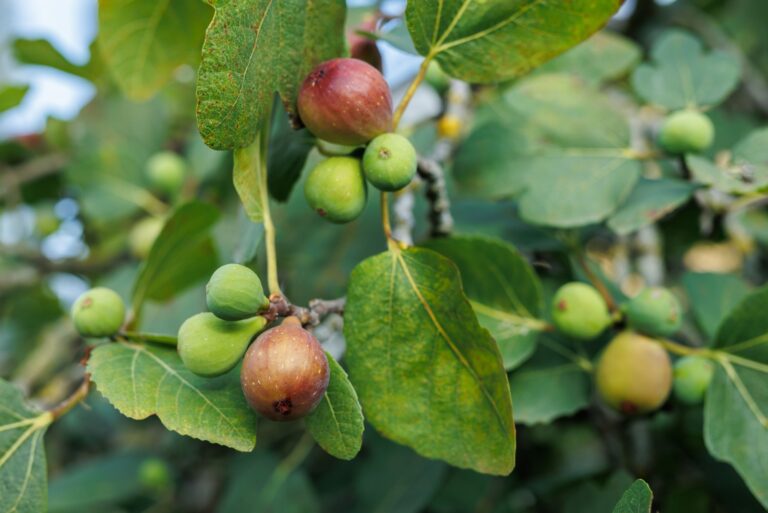
The same sap makes hard, unripe fruit taste bitter and leaves an itchy rash on bare hands. Cooks in Greece and Turkey learned to boil it away, turning stubborn little globes into tender treats.
I used to toss every green straggler into the compost pile after the first cool snap of autumn. After I tested a few old family recipes, those rock-hard leftovers became my favorite part of the harvest.
You might notice your own tree still clinging to dozens of firm fruits as the weather cools. So why let them drop and rot when a pot of simmering syrup could change their whole story?
1. Spiced Green Fig Jam Simmers Into Amber Gold
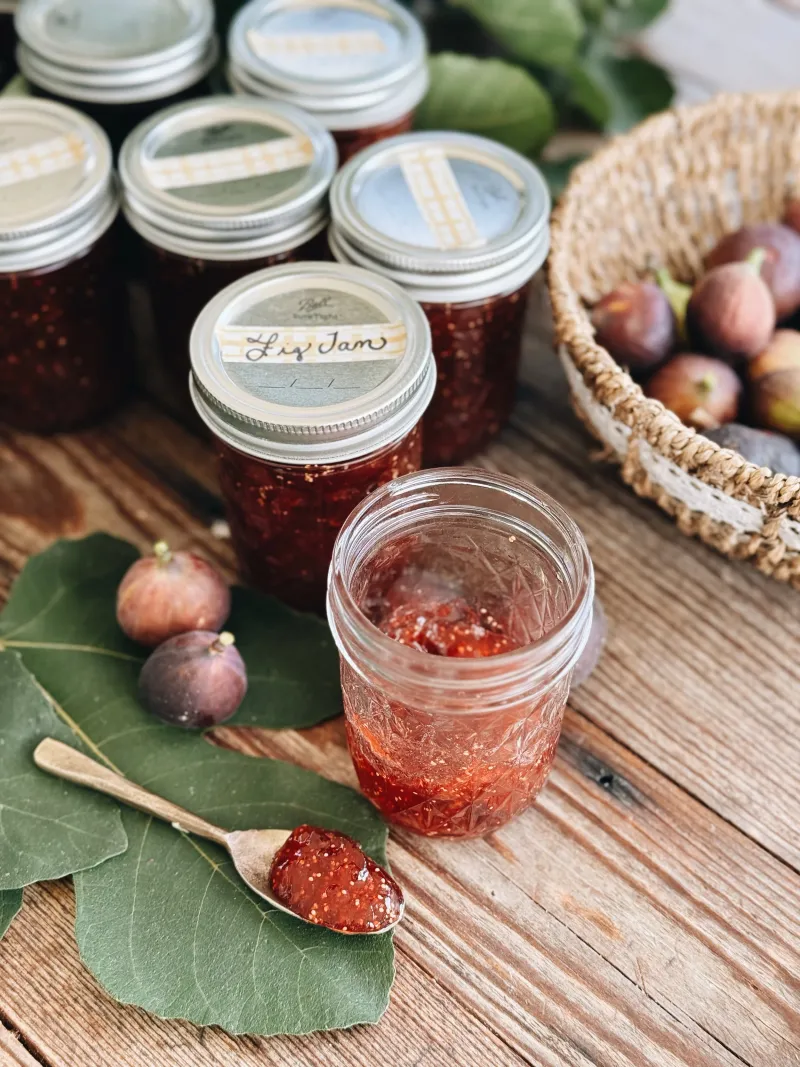
My kitchen smelled like cinnamon and warm honey the first afternoon I turned a bowl of hard figs into jam. Those pale green marbles slowly melted into a glossy spread that tasted like late summer in a jar.
Start by trimming the stems and slipping on kitchen gloves, because the milky latex can irritate sensitive skin. Boil the figs in fresh water for ten to fifteen minutes, then drain and rinse them well.
Repeat that boil and rinse routine two or three times until the bright green skins fade toward olive. Each fresh pot of water carries away more bitterness, so resist the urge to skip a round.
Once the figs feel tender, chop them roughly and add sugar along with a generous squeeze of lemon juice. Toss in a cinnamon stick or a few whole cloves, tied in cheesecloth for easy removal later.
Simmer the pot gently and stir often, since thick fig jam loves to scorch on the bottom. A spoonful dropped onto a chilled plate should wrinkle slightly when you nudge it with a finger.
For shelf storage, follow tested canning guidelines from your local extension office and process filled jars properly. Small batches can simply live in the fridge for a few weeks if canning feels like too much.
I like this jam swirled into oatmeal on chilly mornings, though toast works just as nicely. Your stubborn end-of-season figs suddenly become the jar everyone asks about at slow weekend family breakfasts.
2. Whole Green Figs Become Greek Spoon Sweets
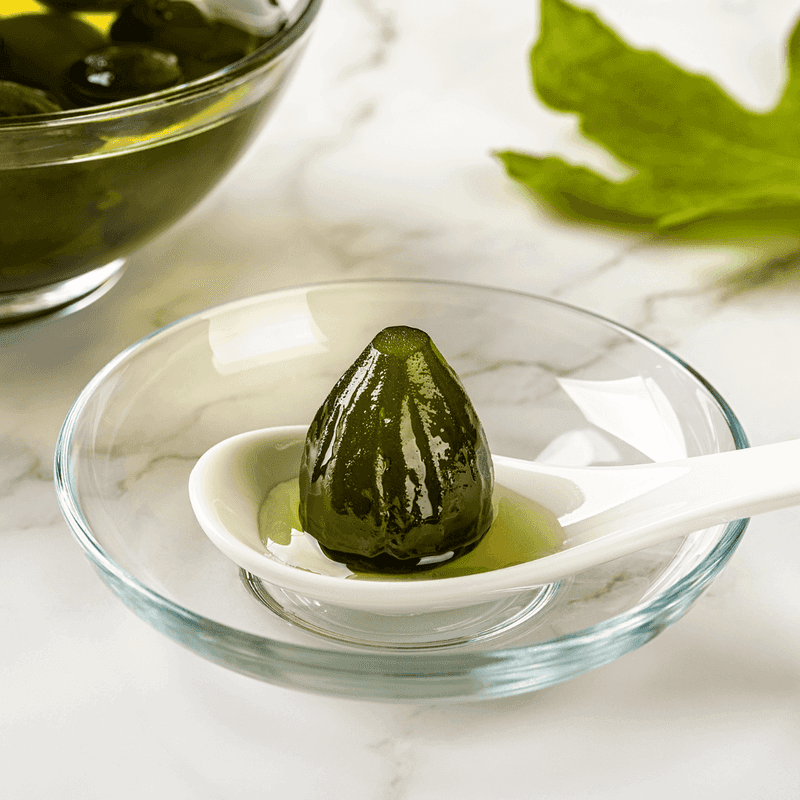
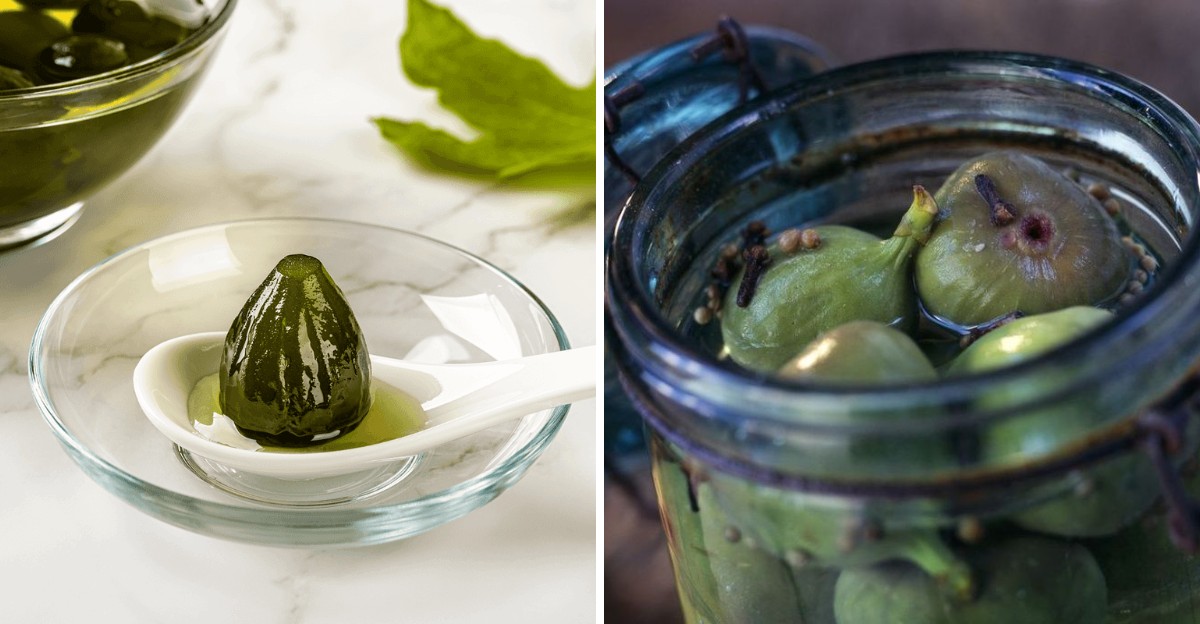
In Greek homes, guests are often welcomed with a tiny spoonful of syrupy fruit and a cold glass of water. Whole green figs called sykalaki are one of the most treasured versions of this sweet tradition.
The tradition is called glyko tou koutaliou, which simply means spoon sweet, and it shows real kitchen patience. I find the slow process strangely relaxing, like knitting with a saucepan instead of a ball of yarn.
Choose small, firm figs about the size of a walnut, and cut a tiny cross into each base. Soak them overnight in salted water, which starts drawing out the sticky sap before any cooking begins.
The next day, many cooks boil the figs briefly with a pinch of baking soda to soften the skins. Rinse them thoroughly afterward and boil again in plain water until a toothpick slides through easily.
Now the figs rest in a hot sugar syrup for several hours, often overnight, soaking up sweetness slowly. A final gentle simmer turns them glossy and translucent while they still hold a pleasant, springy bite.
A few drops of lemon juice near the end help keep the syrup from crystallizing in the jar. Some families add a vanilla bean or a strip of orange peel for a softer floral note.
Serve one fig over thick Greek yogurt and drizzle a little syrup on top for an easy dessert. You might find yourself saving the smallest green figs on purpose, just to make another batch next year.
3. Sweet Pickled Green Figs Add Tangy Crunch
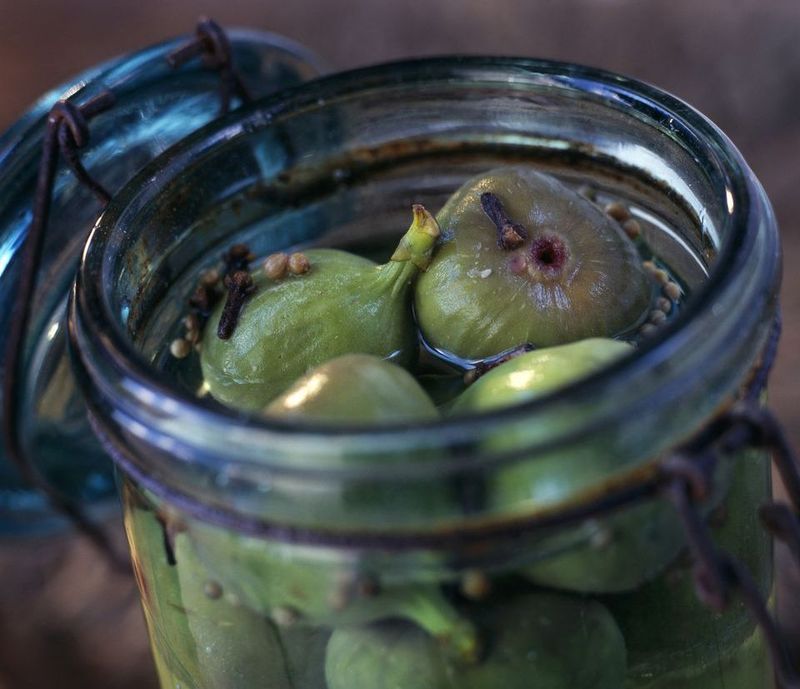
Pickles and figs sound like an odd couple until you taste one beside a slice of sharp cheddar. The sweet and sour bite wakes up your whole mouth, and firm green figs hold up beautifully in brine.
Unripe fruit actually works better here than soft ripe figs, which tend to collapse into mush in hot vinegar. That sturdy texture you once grumbled about suddenly becomes the star of the whole show.
Begin with the familiar routine of repeated boiling and rinsing until the figs lose their harsh, bitter edge. Prick each one a few times with a fork so the pickling liquid can seep deep inside.
Heat apple cider vinegar with sugar in a wide pot, stirring until the grains dissolve into the liquid. Slices of fresh ginger and a few crushed cardamom pods give the brine a warm, slightly peppery perfume.
Simmer the figs in the spiced liquid for about twenty minutes, or until they look plump and darker. Pack them into clean jars, pour the hot brine over the top, and leave a little headspace.
Refrigerated pickled figs taste best after resting for about a week, which gives the flavors time to settle. For pantry storage, rely on a tested recipe and proper water bath processing from extension sources.
I like tucking them next to roast pork, though they also shine on a crowded snack board. Your guests will probably ask what they are, and watching them guess gets more fun every single time.
4. Chunky Green Fig Chutney Loves A Cheese Board
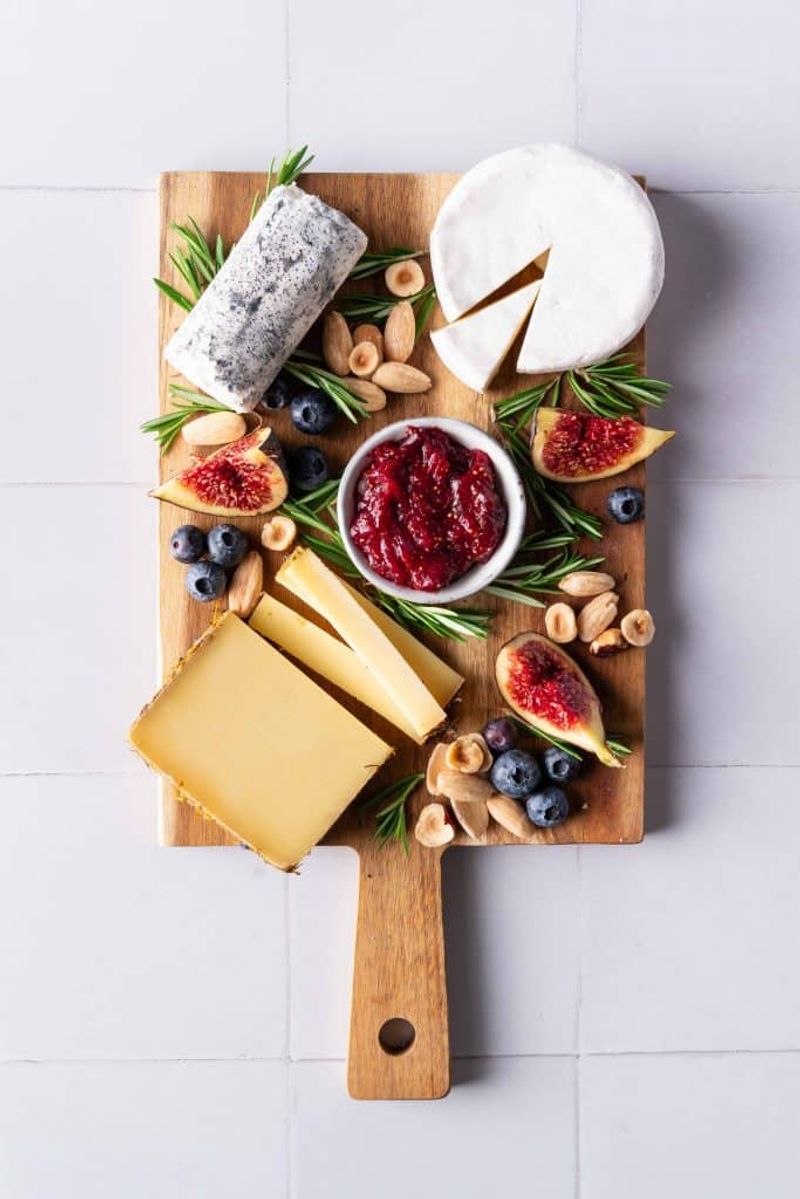
Chutney might be the most forgiving recipe on this list, because a few lumpy figs only improve the texture. Firm unripe fruit keeps its shape through the long simmer, giving each spoonful a satisfying chew.
The word chutney comes from India, where cooks have blended fruit with spices and vinegar for generations. British households later adopted the idea, and now it shows up beside cheese plates around the world.
Prep your figs with the usual boiling and rinsing rounds, then chop them into chunks about the size of grapes. Dice a sweet onion and a tart apple while the figs drain in a colander.
Combine everything in a heavy pot with apple cider vinegar and brown sugar, plus grated fresh ginger. A cinnamon stick and a pinch of red pepper flakes add warmth without overpowering the mellow figs.
Let the mixture bubble slowly for about an hour, stirring more often as it thickens toward the end. The chutney is ready when a spoon dragged across the pot leaves a clear trail for a moment.
Flavors keep improving for several days, so I try to make chutney a week before I plan to serve it. Store jars in the fridge, or follow tested canning steps if you want them to last through winter.
Spread a spoonful on a grilled cheese sandwich and you will look at plain toast a little differently afterward. It also pairs nicely with roast chicken or a crumbly wedge of aged white cheddar.
5. Candied Green Figs Glisten Like Little Jewels
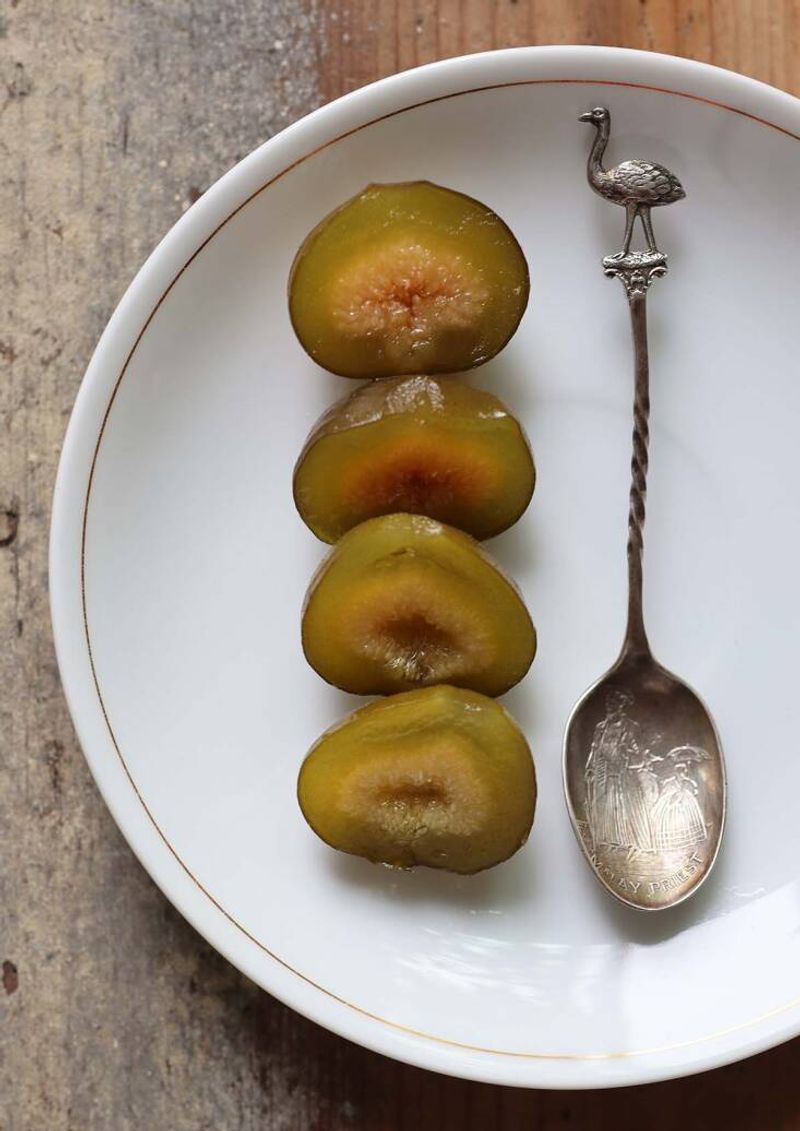
Patience gets a sweet reward with candied figs, which can take several days of simmering and resting. The finished fruit looks like stained glass, glowing a deep amber green when you hold one to the light.
Candying works by slowly replacing water inside the fruit with sugar, which also helps it keep much longer. Rushing that swap leaves the figs shriveled and tough, so give each step the time it deserves.
After the usual repeated boiling to remove sap and bitterness, lay the softened figs in a wide pan. Pour over a light sugar syrup flavored with lemon zest, then bring everything to a brief gentle boil.
Turn off the heat, cover the pan, and let the figs sit quietly in the syrup overnight. Each following day, stir in a little more sugar and bring the syrup back to a short boil.
Over three or four days, the figs turn plump and translucent as the syrup becomes heavy and glossy. A split vanilla bean tucked into the pan adds a cozy bakery scent that fills the whole house.
For a drier candy, lift the figs onto a rack and warm them in a very low oven. They should feel tacky rather than wet, with a shiny outer layer that firms up as they cool.
I wrap a few in parchment for holiday gifts, and they disappear faster than any cookie I bake. You can also chop them into fruitcake or scones for little pockets of chewy, sunny sweetness.
6. Roasted Green Figs With Rosemary And Goat Cheese
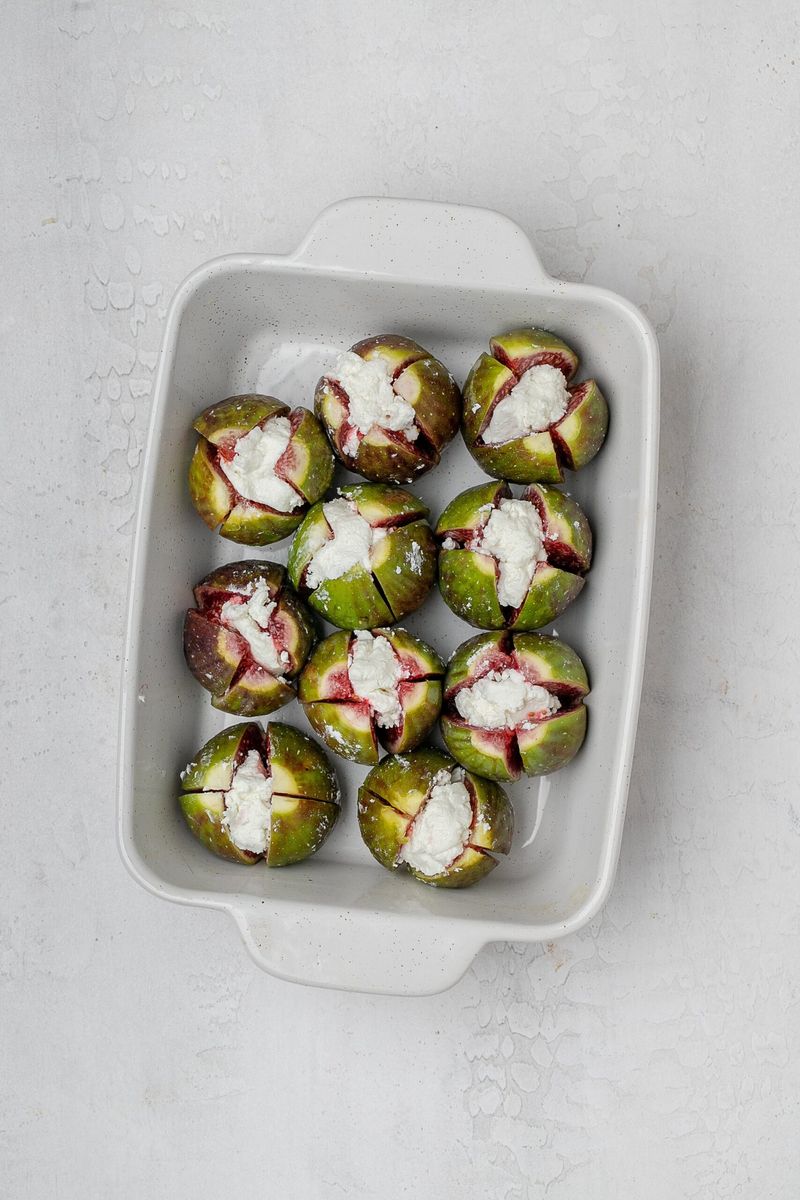
Hot ovens do surprising things to humble fruit, and pre-softened green figs caramelize at the edges beautifully. The sticky, golden cut sides practically beg you to grab one straight off the baking sheet.
Raw unripe figs stay tough and bitter in the oven, so the boiling step matters here too. Simmer them in two or three changes of water until a knife slips in with only slight resistance.
Pat the figs dry with a clean towel, since extra water keeps them from browning properly. Slice each one in half from stem to base so the pretty interior faces upward on the pan.
Toss the halves with olive oil and fresh rosemary, then add a light drizzle of honey for gloss. A splash of balsamic vinegar deepens the color and gives the finished figs a gentle, pleasant tang.
Roast them at around 400 degrees Fahrenheit for fifteen to twenty minutes, flipping once halfway through. Watch the last few minutes closely, because honey can go from caramel to scorched surprisingly fast.
Spoon fresh goat cheese or creamy ricotta onto a platter and scatter the warm figs right over it. A sprinkle of flaky salt and cracked black pepper makes the sweetness taste even brighter and fuller.
I served this at a fall potluck once, and nobody believed the figs came from my struggling backyard tree. You may discover that your hardest leftovers make the most impressive appetizer of the whole season.
7. Savory Green Fig And Red Onion Compote
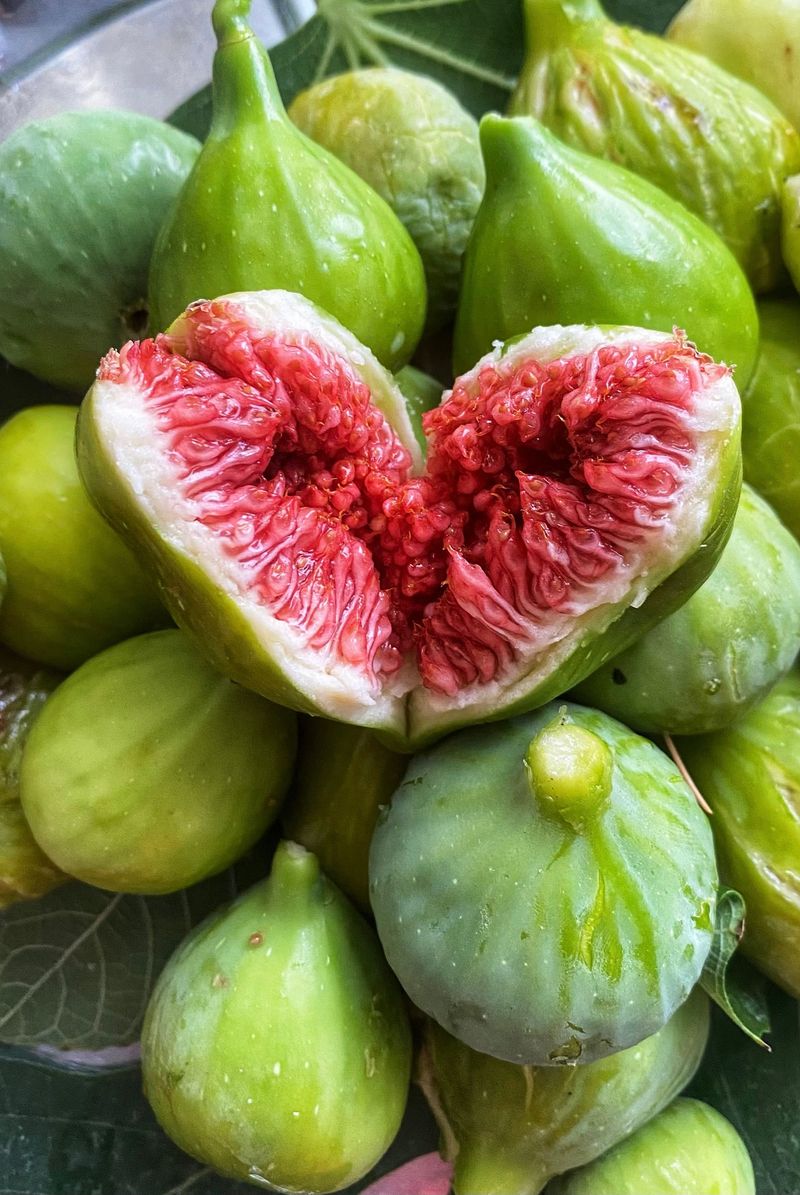
Red onions and green figs share a pot surprisingly well, melting together into a jammy mix with a savory backbone. This compote leans less sugary than jam, which makes it a natural partner for hearty dinner plates.
Think of it as the grown-up cousin of fig jam, built for roasted meats rather than breakfast toast. It also takes far less time, since you only cook it until the ingredients soften and glaze.
Prepare your figs with the standard boiling and rinsing method, then chop them into small, even pieces. Slice two red onions thinly and cook them slowly in olive oil until they turn soft and sweet.
Add the chopped figs along with a spoonful of brown sugar and a generous splash of balsamic vinegar. Fresh thyme leaves and a few grinds of black pepper bring an earthy note that suits the figs nicely.
Keep the heat low and stir every few minutes for about thirty minutes, adding water if it looks dry. The finished compote should look glossy and loose, a little softer than chutney but thicker than a sauce.
Spoon it warm over pork chops or roast chicken for an easy weeknight dinner upgrade at home. Leftovers keep in the fridge for about a week and taste great on burgers or toasted sandwiches.
I love how this recipe rescues figs that an early frost might otherwise ruin on the branch. You get a jar of something fancy from fruit that once seemed headed straight for the compost bin.
8. Green Fig And Ricotta Crostini For Easy Entertaining
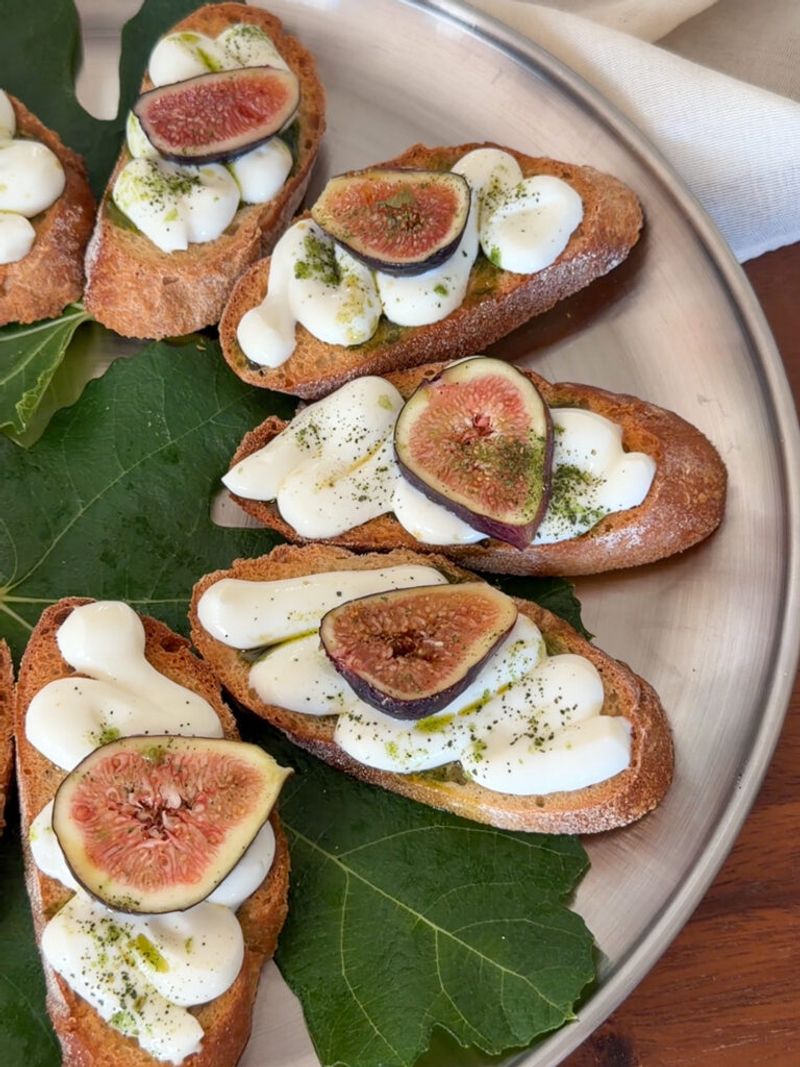
Party snacks rarely start with fruit you almost threw away, yet these crostini disappear from every platter I bring. Crunchy toast topped with creamy cheese and glazed fig slices feels much fancier than the effort it takes.
Slice a baguette on a slight angle and brush each piece lightly with good olive oil. Toast them in a hot oven for about eight minutes, until the edges turn crisp and golden brown.
Your green figs need their usual boiling and rinsing rounds first, so they turn tender and lose bitterness. Once cooled, cut them into thin slices that will lie flat across the toasted bread.
Warm a spoonful of honey with a splash of balsamic vinegar in a small skillet over low heat. Slide the fig slices in for a minute or two, just long enough to coat them with a shiny glaze.
Spread each toast with ricotta or soft goat cheese, then layer the glazed figs neatly on top. Crushed pistachios add a pleasing crunch, and torn fresh mint brings a cool, garden-fresh finish to each bite.
Assemble the crostini right before serving, because the bread softens if the toppings sit on it too long. You can prep the figs and toasts a day ahead, which makes hosting feel much more relaxed.
My favorite trick is setting out the parts separately and letting guests build their own little toasts. Kids especially love piling on extra pistachios, and somehow nobody leaves a single crumb behind on the platter.