8 Reasons Your Cucumber Plants Wilt Even After Watering
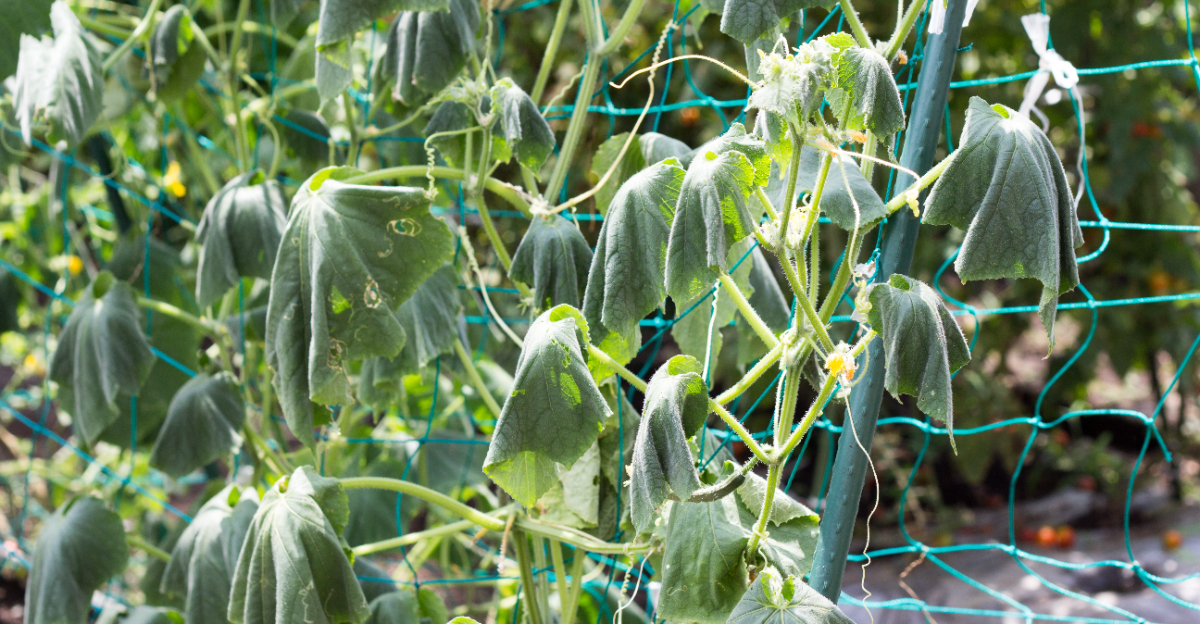
You watered your cucumbers. They wilted anyway. That feels like a betrayal. Here is the thing, water is not a cure-all. Cucumbers are dramatic growers that respond to everything happening around and beneath them.
Soil conditions, sudden heat, a pest boring through the stem, a fungus quietly eating the roots. The damage often starts long before the leaves give you any hint.
What makes this especially tricky is that overwatering and underwatering produce the same sad, droopy result. So does bacterial wilt. So does root rot. You could be treating the wrong problem entirely and not realize it until the plant is gone.
Eight things cause cucumbers to wilt after watering. Some are happening at the surface. Others are deeper, in the roots, in the vascular tissue, in the soil itself. Here is how to tell them apart.
1. Root Rot Prevents Water From Reaching Cucumber Leaves
Something sneaky is happening underground, and your cucumber plants are paying the price. Root rot is one of the top reasons cucumber plants wilt even after watering.
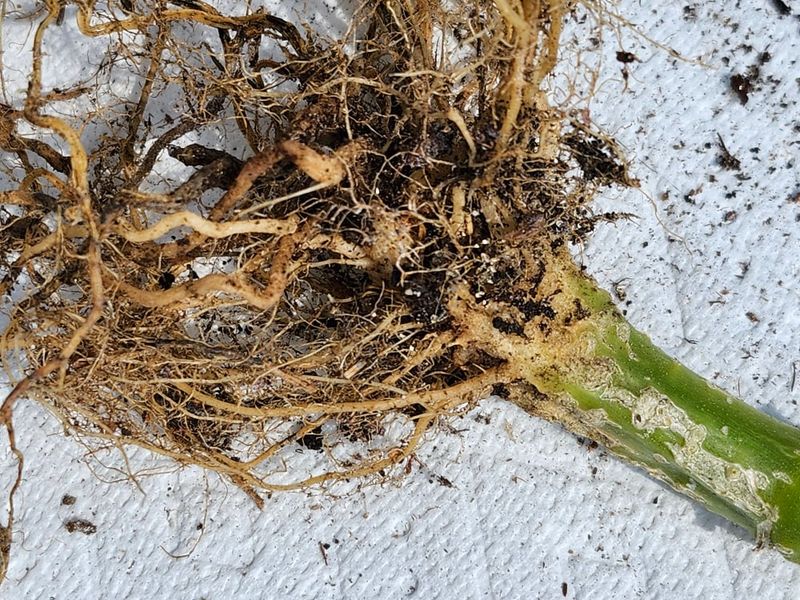
Healthy roots act like tiny straws, pulling water up into the plant. When rot sets in, those roots turn dark, mushy, and useless.
The damage usually comes from overwatering or poor drainage in your garden bed. Water sits around the roots too long and creates the perfect home for harmful fungi.
Water molds like Pythium and Phytophthora love wet, oxygen-starved soil. They attack root tissue quickly and spread before most gardeners notice anything wrong.
You might think watering more will help a wilting plant, but with root rot, more water makes things worse. Adding water to already soggy soil speeds up the fungal damage.
Check your soil before watering by sticking your finger two inches deep. If it still feels wet, hold off and let it dry out first.
Good drainage is your best defense against this problem. Raised beds and well-amended soil with compost or perlite help water move through instead of pooling.
If you pull up a plant and see brown, slimy roots, root rot has already taken hold. Remove affected plants and treat the soil with a fungicide labeled for water molds, such as those containing mefenoxam or fosetyl-al, before replanting.
Preventing root rot starts with smart watering habits and soil that breathes. Your cucumbers will reward you with strong, healthy growth when their roots can actually do their job.
2. Inconsistent Watering Stresses Cucumber Plants More Than You Think
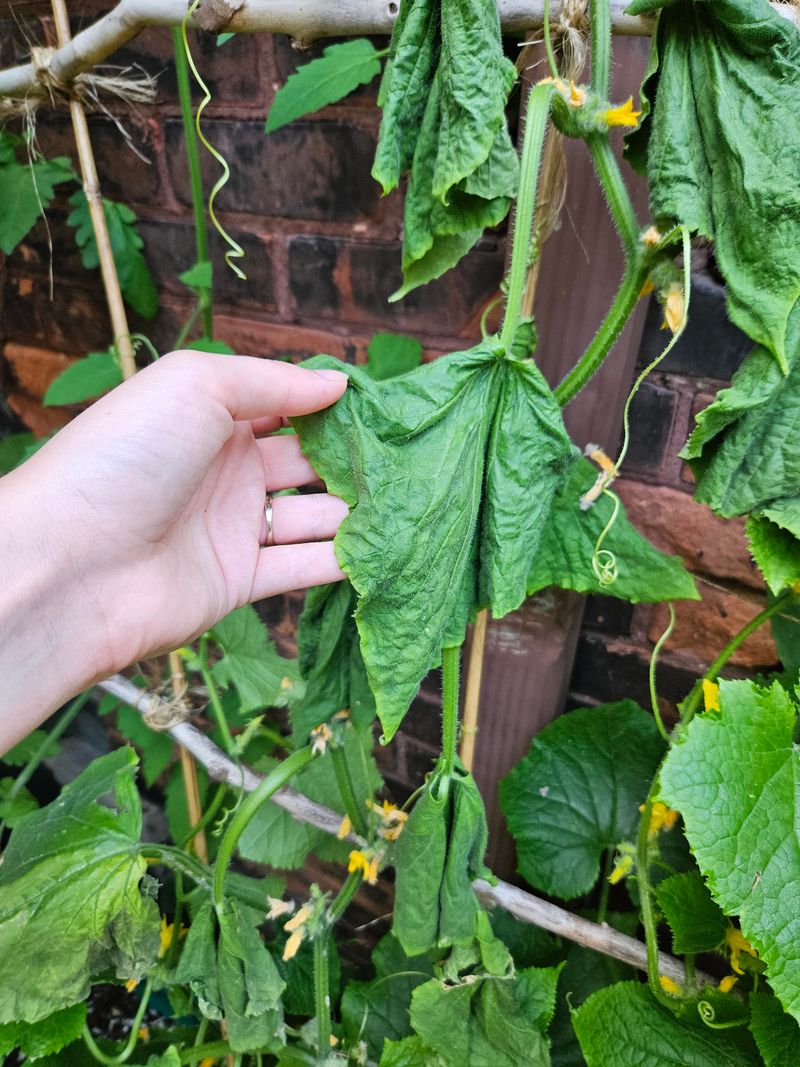
Cucumbers are drama queens when it comes to water. Skip a day, then flood them the next, and they will absolutely let you know they are unhappy.
Inconsistent watering is one of the sneakiest causes of wilting in cucumber plants. The plant gets confused by the constant cycle of drought and flood.
When soil dries out completely, plant cells lose their firmness and the leaves droop fast. Then when water finally arrives, the roots struggle to absorb it evenly.
This stress cycle weakens the entire plant over time. You might notice yellow edges on leaves or bitter-tasting cucumbers as side effects of uneven hydration.
Cucumber plants generally do well with around one inch of water per week, though exact needs vary with temperature, soil type, and growth stage. Splitting that into two or three sessions per week works better than one big drenching.
Drip irrigation is one of the most reliable ways to keep soil moisture consistent. It delivers water slowly and directly to the root zone, reducing stress and waste.
Mulching around your plants also helps lock in moisture between watering sessions. A two-inch layer of straw or wood chips can make a big difference in hot weather.
Morning watering is best because it gives plants time to absorb moisture before afternoon heat kicks in. Evening watering can leave leaves wet overnight, which invites fungal issues.
Getting into a steady watering routine takes the guesswork out of gardening. Your cucumbers will stop wilting and start thriving once the moisture supply becomes reliable and predictable.
3. Heat Causes Cucumber Plants To Wilt Temporarily
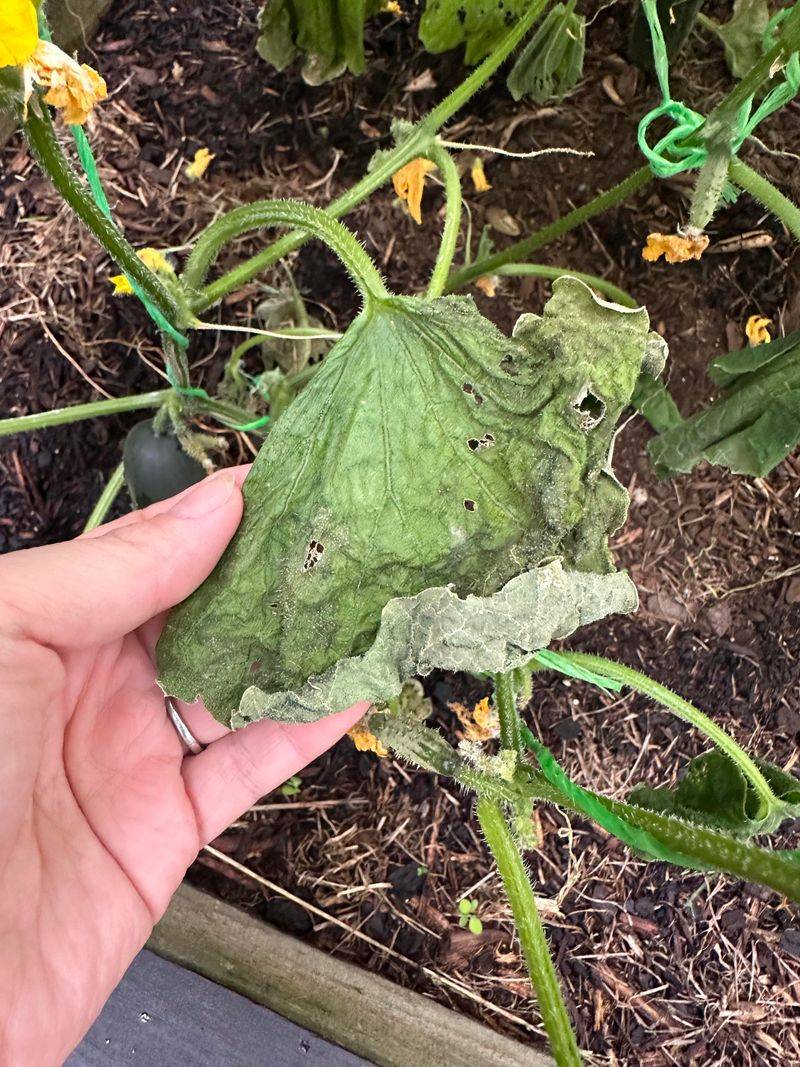
Some afternoons, your cucumbers just need a break from the sun. High heat causes cucumber plants to wilt temporarily, even when the soil has plenty of moisture.
This type of wilting is actually a survival strategy, not a sign of damage. The plant closes its leaf pores to slow water loss during peak heat hours.
Temperatures above 90 degrees Fahrenheit can trigger this response in cucumbers. The leaves may look limp and sad by 2 p.m. but bounce back by evening.
If your plants perk up once the sun goes down, heat stress is likely the culprit. No extra watering is needed in that case, so resist the urge to flood the soil.
Shade cloth is one of the simplest tools for protecting cucumbers during brutal summer heat. A 30 to 50 percent shade cloth placed over your plants can help lower leaf temperature during peak heat hours.
Positioning your cucumber trellis to catch morning sun and afternoon shade also helps. East-facing garden beds often give plants the best of both worlds.
Avoid working the soil or disturbing roots during the hottest part of the day. Stress compounds when plants are already struggling to regulate their temperature.
Watering in the early morning ensures the root zone stays cool and moist before the heat peaks. Wet soil absorbs heat more slowly, which protects roots from temperature spikes.
Heat wilting is the most harmless reason on this list. Knowing the difference between heat stress and disease saves you from making the wrong move at the wrong time.
4. Transplant Shock Disrupts Cucumber Water Uptake
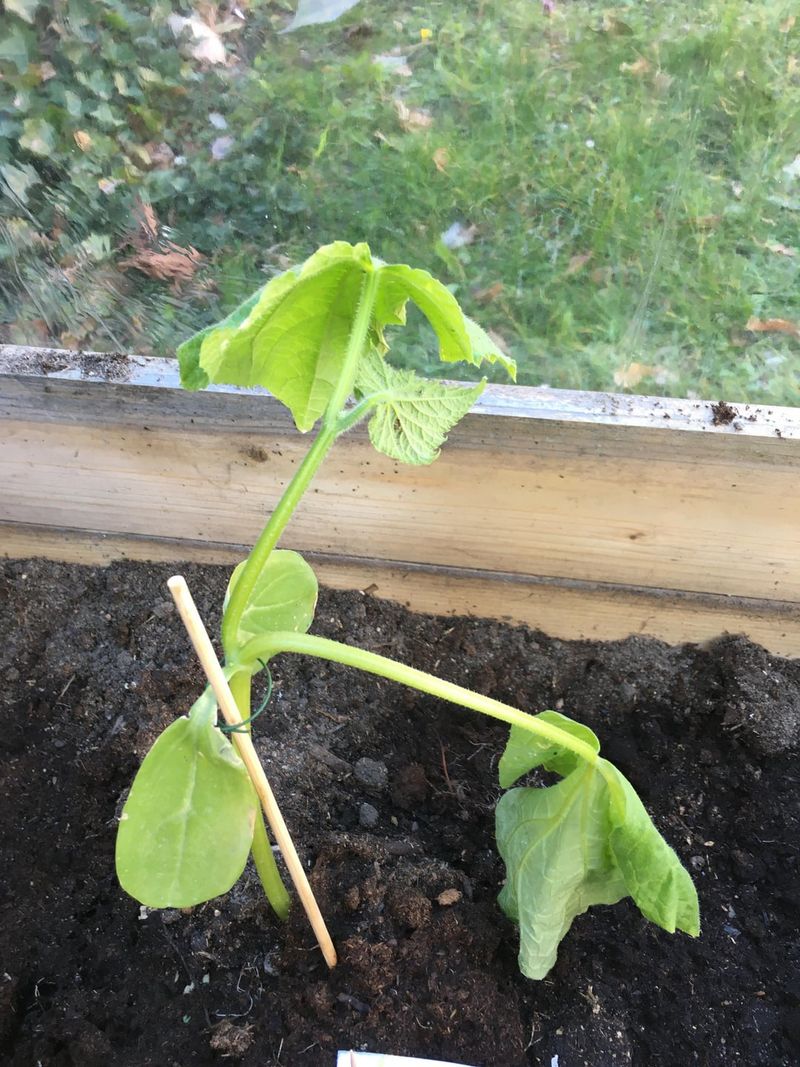
Moving a plant from a cozy pot to the open garden is a big deal. Transplant shock hits cucumber seedlings hard, often causing wilting that puzzles new gardeners.
When roots get disturbed during transplanting, the plant temporarily loses its ability to absorb water efficiently. Even in moist soil, the leaves droop because the water supply chain is broken.
Cucumber roots are sensitive and do not love being handled. That is why many experienced growers start cucumbers directly in the ground instead of transplanting seedlings.
If you must transplant, do it on a cloudy day or in the early evening. Cooler conditions reduce the stress load on the plant while it adjusts to its new home.
Water the seedling thoroughly right after planting to help roots make contact with surrounding soil. This step is critical for jumpstarting recovery and reducing shock duration.
Avoid fertilizing immediately after transplanting. Fresh fertilizer can burn already-stressed roots and slow down recovery instead of speeding it up.
Some gardeners apply diluted seaweed extract after transplanting. It contains compounds that may support root development, though results vary.
Keep the soil consistently moist for the first week after transplanting, but do not overdo it. The goal is steady moisture, not soaking wet conditions that invite fungal problems.
Many cucumber transplants recover within one to two weeks, depending on conditions and how carefully they were handled. Watching a wilted seedling straighten up and push out new growth is one of gardening’s best rewards.
5. Cucumber Mosaic Virus Affects Plant Hydration
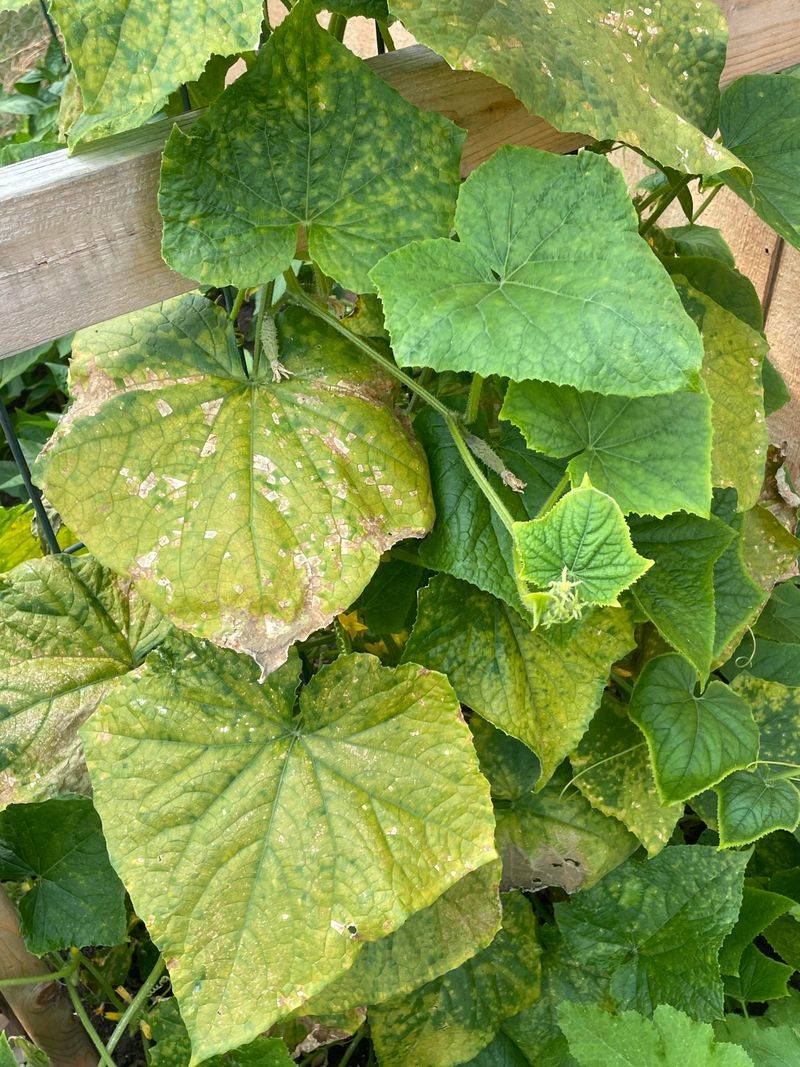
Cucumber Mosaic Virus sounds intimidating, and honestly, it kind of is. This disease disrupts the internal systems that keep cucumber plants hydrated and productive.
The virus spreads mainly through aphids, those tiny soft-bodied insects that feed on plant sap. One infected plant can quickly become a problem for your entire garden row.
Symptoms include mottled yellow and green leaves, curled or distorted foliage, and yes, wilting. The wilting happens because the virus interferes with the plant’s ability to move water and nutrients properly.
Infected fruit often looks lumpy, pale, or misshapen, which is another clue that the virus is at work. These cucumbers are generally considered edible, but the bitter taste and poor development make them not worth harvesting.
There is no cure for Cucumber Mosaic Virus once a plant is infected. Removing and disposing of affected plants quickly helps prevent the spread to healthy ones nearby.
Controlling aphids is the most effective way to stop this virus from spreading. Use insecticidal soap, neem oil, or introduce natural predators like ladybugs to your garden.
Reflective mulch placed around plant bases confuses aphids and reduces their landing rate. This approach can help reduce aphid activity around your plants.
Choosing virus-resistant cucumber varieties is your strongest long-term protection. Many seed catalogs label resistant varieties clearly, making it easy to plan ahead for next season.
Staying on top of pest control keeps this virus from becoming a recurring nightmare. A healthy, aphid-free garden is a garden where your cucumbers can actually thrive.
6. Bacterial Wilt Blocks Water Movement In Cucumbers
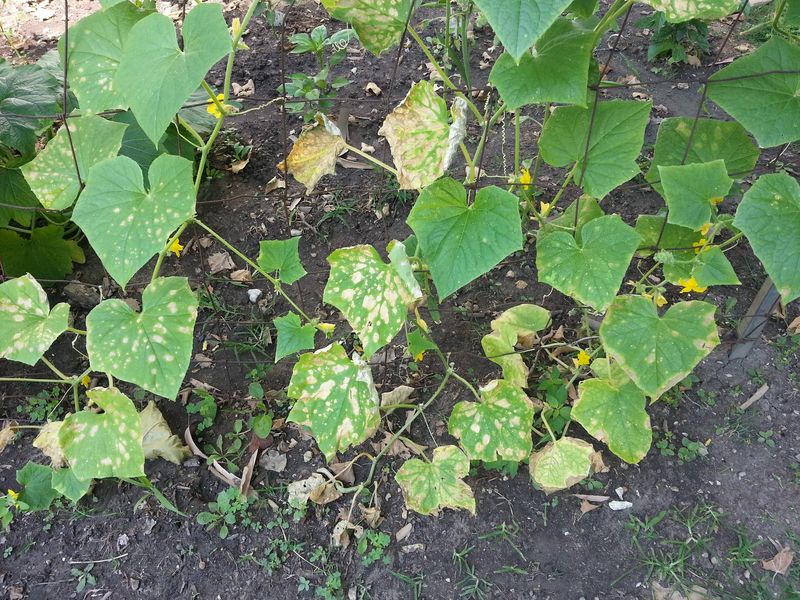
Bacterial wilt is one of those garden problems that seems to come out of nowhere fast. One day your cucumber looks fine, and the next it collapses completely, even in moist soil.
The bacteria responsible, Erwinia tracheiphila, travels through cucumber plants via striped and spotted cucumber beetles. These beetles feed on leaves and deposit bacteria that then moves into the water-conducting tissue.
Once inside, the bacteria multiply and form a sticky substance that physically blocks the plant’s vascular system. Water cannot move from the roots to the leaves, so the plant wilts no matter how much you water.
A simple field test can help you confirm bacterial wilt. Cut a wilted stem and press the two cut ends together, then slowly pull them apart.
If you see thin, thread-like strands stretching between the pieces, bacterial wilt is likely present. That sticky thread is actually the bacterial ooze clogging the plant’s internal plumbing.
There is no effective treatment once bacterial wilt takes hold in a plant. Removing infected plants quickly limits the spread to neighboring cucumbers in your garden.
Controlling cucumber beetles is the key to preventing this disease entirely. Row covers placed over young plants stop beetles from feeding before the plants are established.
Floating row covers are most effective when applied right after planting, before beetles have a chance to reach young leaves. Remove them once flowers appear so pollinators can access the blooms and do their work.
Catching cucumber beetles early is the real battle here. Stay vigilant, act fast, and your cucumber crop has a fighting chance against this aggressive bacterial disease.
7. Fusarium Crown And Root Rot Damages Cucumber Plants
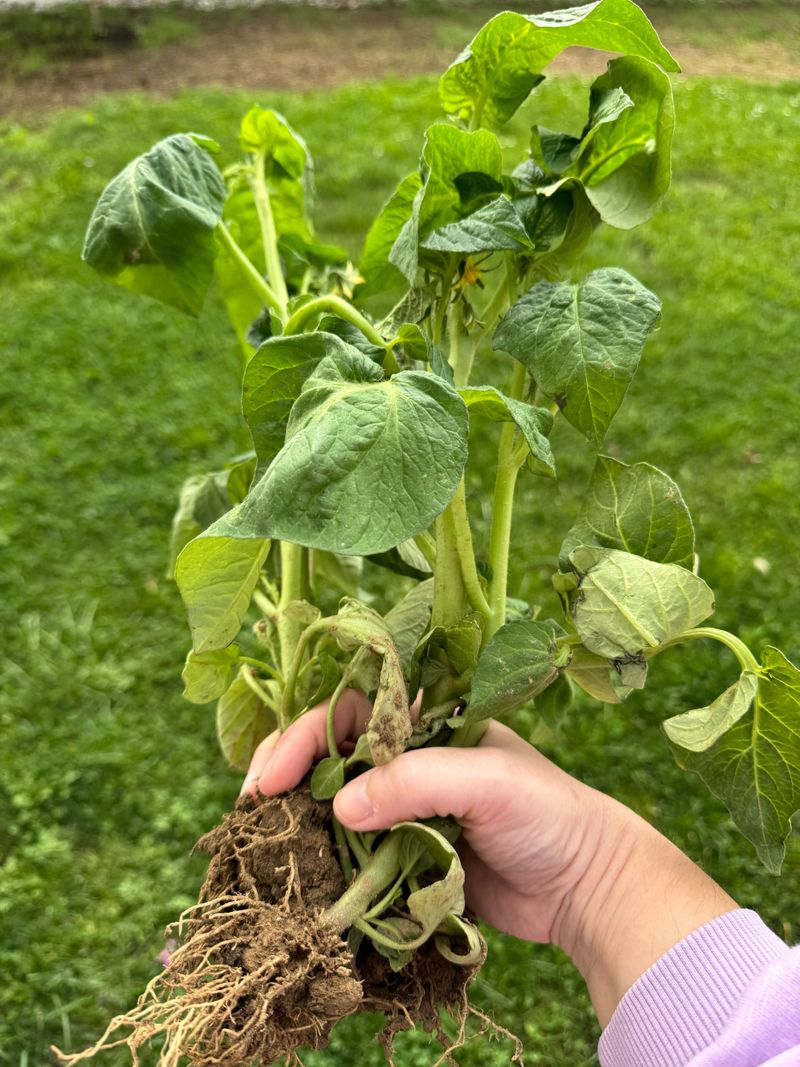
Fusarium crown and root rot is a fungal disease that attacks cucumbers right where they are most vulnerable. It targets the crown and roots, cutting off the plant’s access to water from the ground up.
The fungus, Fusarium oxysporum, lives in the soil and can survive there for years. It infects plants through wounds or natural openings at the base of the stem.
Early symptoms include yellowing lower leaves and a general look of fatigue in the plant. As the disease progresses, the crown area turns brown and the entire plant wilts and collapses.
If you slice the base of an infected stem, you will see brown or reddish discoloration inside. That internal staining is a hallmark sign of Fusarium infection in cucumbers.
Warm, wet soil conditions favor Fusarium development, making summer gardens especially vulnerable. Overwatering and poor drainage create the exact environment this fungus loves most.
Crop rotation is one of the most effective prevention strategies available to home gardeners. Avoid planting cucumbers or other cucurbits in the same spot for at least three years.
Solarizing your soil before planting can reduce some soilborne pathogens, though Fusarium oxysporum can persist at deeper soil levels even after treatment. It works best as part of a broader soil management strategy.
Resistant cucumber varieties are increasingly available and worth seeking out at your local nursery. Pairing resistant seeds with good soil management gives you the strongest protection against this persistent fungus.
Fusarium is difficult to eliminate once it establishes in the soil, but consistent crop rotation and resistant varieties can help keep it in check.
8. Stem Damage From Pests Cuts Off Water To Cucumber Plants
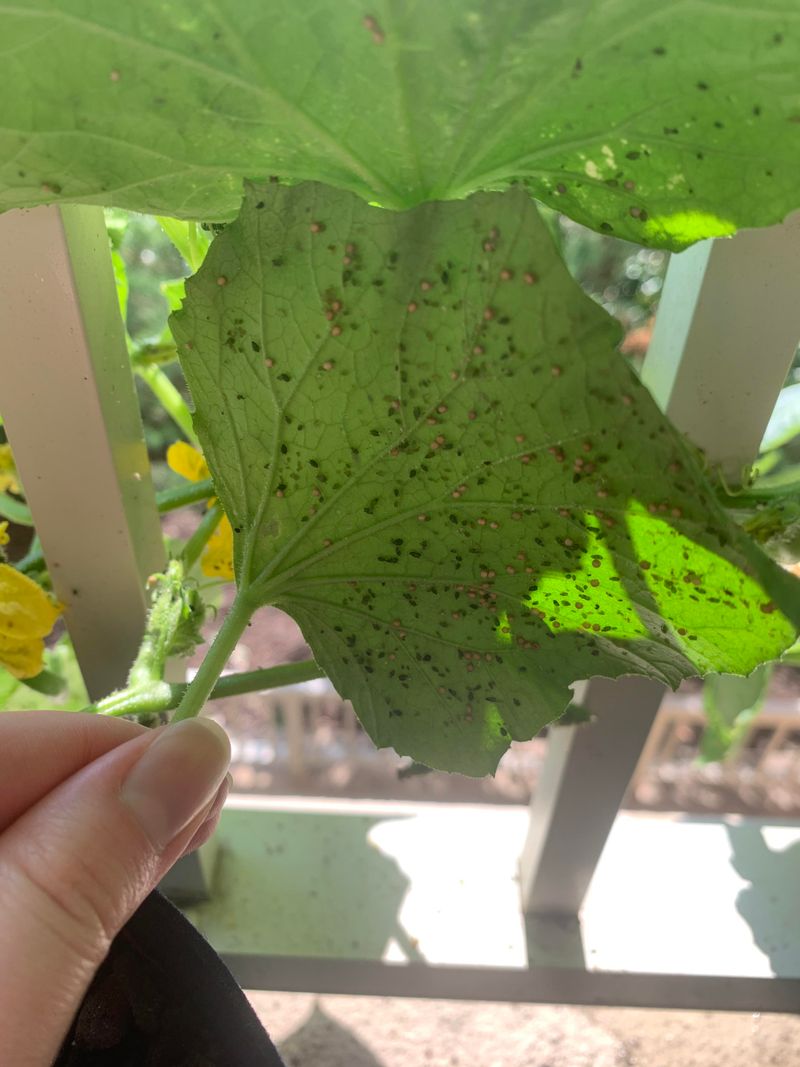
Picture your cucumber plant as a building with one main water pipe running through the center. If a pest chews through that pipe, the whole structure above it suffers immediately.
Squash vine borers primarily target squash and zucchini, but can occasionally affect other cucurbit family plants, including cucumbers. Their larvae tunnel inside the stem and feed on the tissue that carries water upward.
You might notice sudden wilting on one side of the plant or across the entire vine. Look at the base of the stem for small entry holes or a sawdust-like material called frass.
That frass is the larva’s waste, and it is a clear sign something is living and feeding inside. Acting quickly when you spot it gives you the best chance of saving the plant.
Manually removing larvae by slitting the stem works better on thicker-stemmed plants like squash. On cucumbers, mounding moist soil directly over the damaged area is a more practical approach.
Cutworms are another pest that damage stems at or just below the soil surface. They can sever a young cucumber stem overnight, causing the plant to collapse without warning.
Placing cardboard or plastic collars around seedling stems at planting time blocks cutworm access. Push the collar an inch into the soil and leave two inches above ground for best results.
Checking your plants every morning takes only a few minutes and catches problems early. When you catch stem damage before it progresses, your cucumber plants have a real shot at recovery.
Pest damage to stems is fixable when spotted in time. Stay observant, stay proactive, and your cucumber plants will keep producing all season long.