10 Reasons Your Fiddle Leaf Fig Has Brown Spots
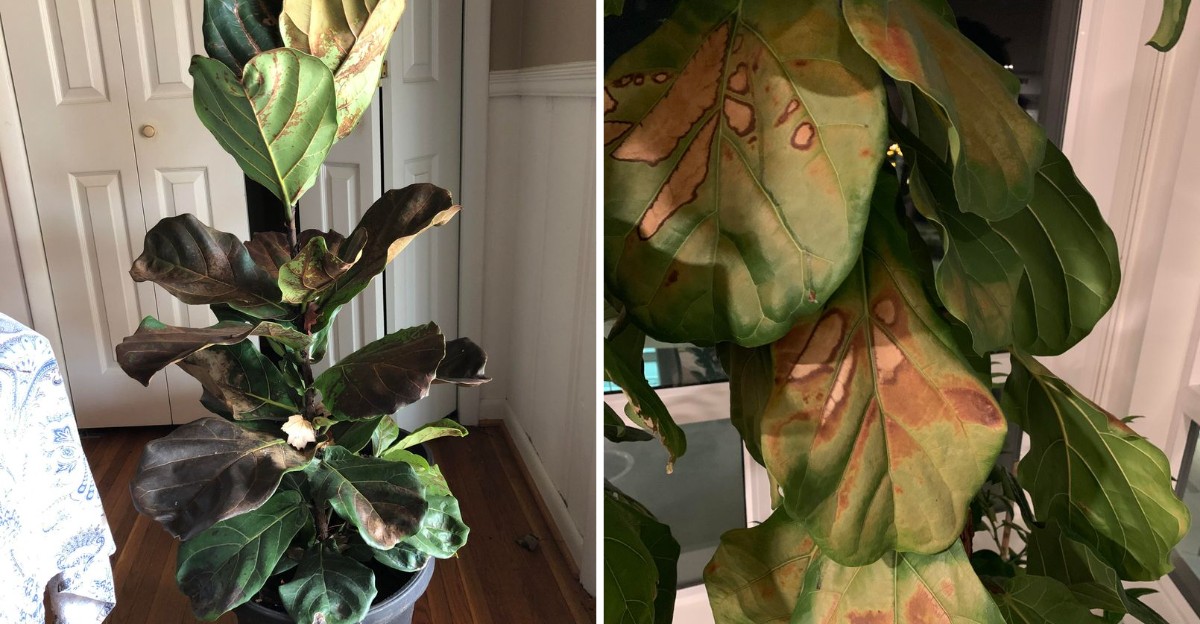
You walk past your favorite houseplant one crisp morning and spot a strange brown blotch staring back. Your coffee goes cold as you lean closer, squinting like a detective inspecting a very leafy mystery.
Yesterday it looked glossy and proud, soaking up soft autumn light near the window like a movie star. Today it seems moody, and you wonder if you said something rude while dusting its giant leaves.
Brown spots feel personal, because you watered it, praised it, and even gave it a clever little name. The truth is that leaf marks are clues about what your plant needs, and they are worth reading carefully.
Some clues point to water, some to light, and a few point to tiny uninvited guests hiding nearby. Once you learn the language, fixing the problem becomes far less scary and a lot more satisfying.
So grab that cold coffee, pull up a chair, and get ready to play plant detective with me. Your leafy roommate is dramatic, sure, but at least it has not started rearranging the furniture yet.
1. Soggy Soil Starts The Trouble
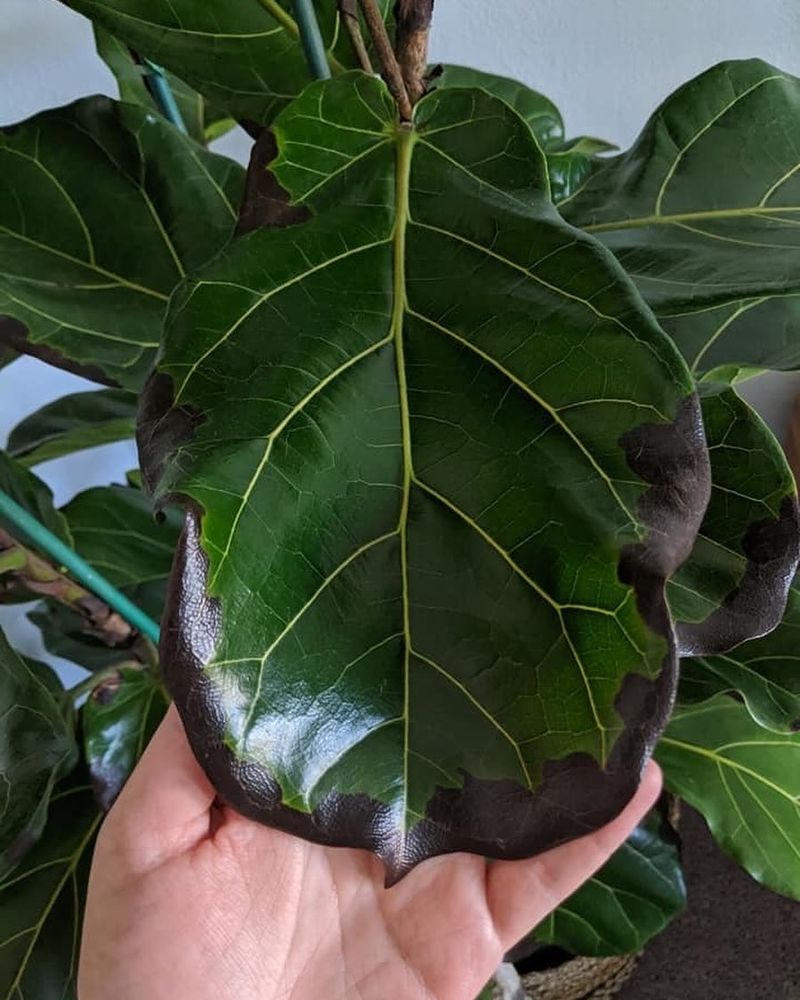
Picture a kitchen sponge that stays wet for weeks, and you will understand how roots feel in soggy soil. Overwatering is a common reason for dark brown spots, especially ones that start near the middle of the leaves.
Roots need fresh air as much as water, and constantly wet soil pushes out the oxygen they depend on. Without that air, roots turn mushy and brown, a condition called root rot that quickly shows up on leaves.
Early October makes this problem sneakier, since cooler days and shorter light slow down how fast indoor plants drink. A watering schedule that worked in warmer weeks can suddenly leave the pot soaking wet for days on end.
Before watering, push your finger about two inches into the soil and feel carefully for any lingering dampness. If it still feels cool and moist, wait a few more days and check again before adding any water.
Make sure your pot has drainage holes, and empty the saucer underneath so roots are not sitting in puddles. If the soil smells sour or roots look black, repot into fresh, chunky mix and trim the damaged parts.
2. Thirsty Roots Throw A Fit
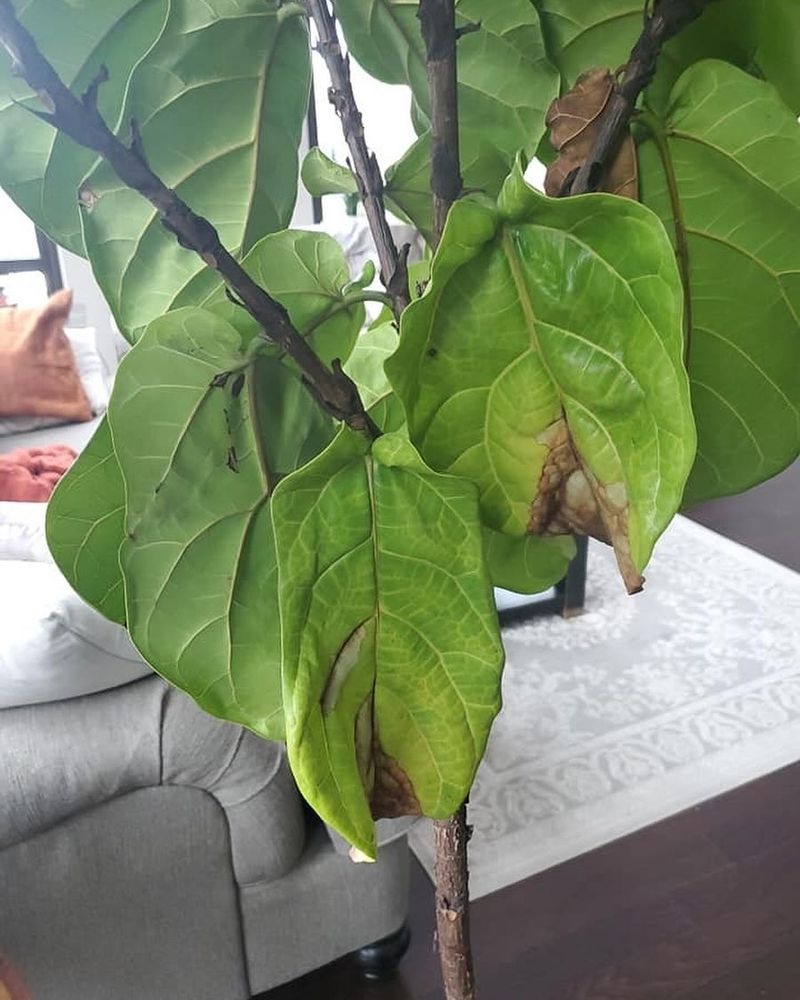
Forgetting to water happens easily, especially when busy fall schedules fill up with school events and soccer games. Underwatered leaves usually show light brown, crispy spots along the edges instead of dark, soft patches in the center.
You might also notice leaves drooping, curling inward, or dropping from the lower branches like tired old paper fans. When the soil pulls away from the pot sides and feels bone dry, your plant needs water.
The fix is simple but should be done slowly, because dry soil can repel water at first like wax. Water in small amounts, let it soak in for a minute, then keep going until water drains from the bottom.
Some plant owners like bottom watering, which means setting the pot in a tray of water for about thirty minutes. Roots slowly sip what they need, and the whole root ball gets evenly moist without messy overflow on floors.
Sadly, crispy brown areas will not turn green again, but new leaves will grow healthy once watering becomes steady. Set a phone reminder to check the soil every week, and your plant is more likely to put out glossy new growth.
3. Cold Drafts Chill The Leaves
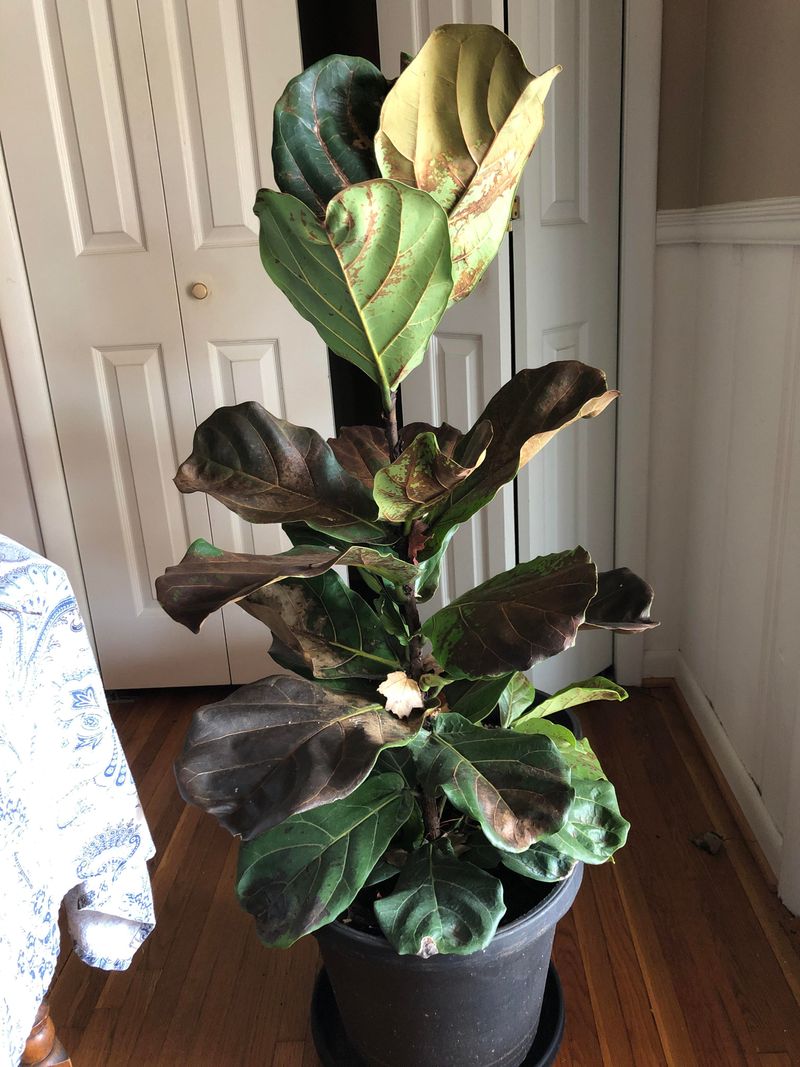
Fiddle leaf figs come from the warm, steamy rainforests of western Africa, so chilly air feels like a shock. They prefer temperatures between sixty-five and seventy-five degrees Fahrenheit, which is about the same range most people enjoy comfortably indoors.
Early October brings crisp nights, and a leaf pressed against a cold window can develop dark brown or black patches. Cold damage often appears as spots that look almost bruised, sometimes showing up a few days after the chilly event.
Drafty doors are sneaky troublemakers too, since whenever someone steps outside, a blast of cool air can rush in. Air conditioning vents that still run on warm fall afternoons can also chill leaves more than you might expect.
Walk around your plant and feel for moving air with your hand, like you are searching for a hidden breeze. If you notice a draft, move the pot a few feet away from doors, vents, and chilly window glass.
Leaves should stay at least several inches from windows as nights get colder through October and into chilly November. A cozy spot with bright, filtered light and steady warmth helps keep your tropical friend comfortable all season.
4. Harsh Sun Scorches The Leaves
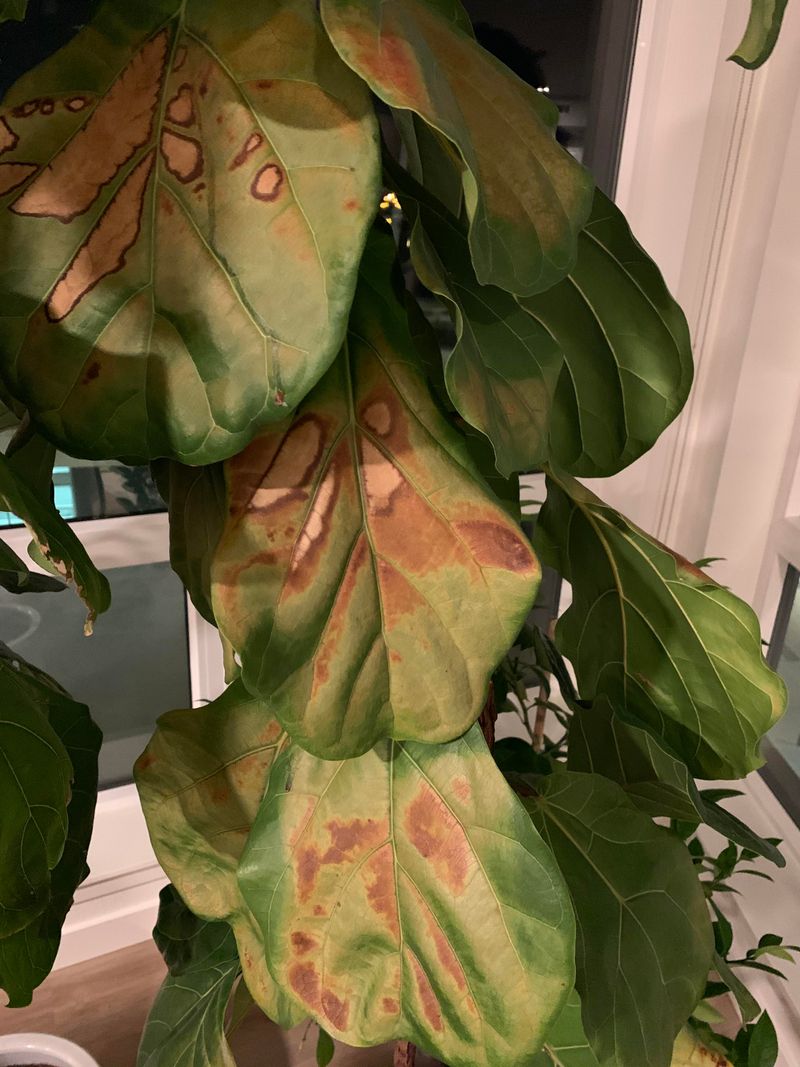
Sunburn is not just a beach problem, because plants can get scorched too when light hits them too hard. Sunburned leaves show pale tan or light brown patches, usually on the side facing the brightest window in the room.
Fiddle leaf figs love bright light, but too much direct sun can scorch their leaves. Moving a plant from a shady corner straight into a sunny spot is a lot like skipping sunscreen on vacation.
Fall sunlight sits lower in the sky, so it can shine deeper into rooms and reach leaves it missed before. Wet leaves sitting in strong direct sun may also mark more easily, so water the soil rather than the foliage.
A sheer curtain works wonders by softening strong afternoon light while still letting your plant enjoy plenty of brightness. East-facing windows are often the sweet spot, giving gentle morning sun without the intense heat of later afternoon hours.
When changing locations, move your plant closer to the light a little at a time over one or two weeks. Scorched spots will stay, but you can trim badly damaged leaves with clean scissors to keep things looking tidy.
5. Bacteria Sneak In Quietly
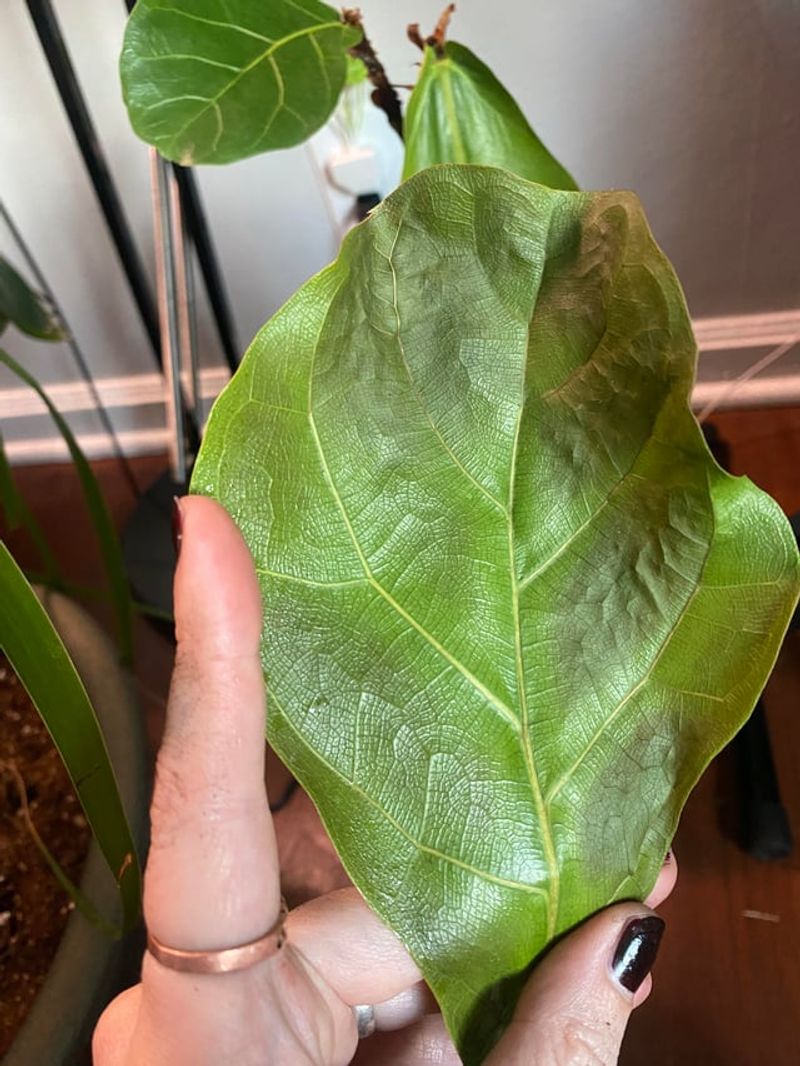
Did you know some brown spots are caused by germs so small you would need a microscope to see them? Bacterial leaf spot is one of those troublemakers, and it loves warm, wet conditions with poor air flow around leaves.
Unlike root rot spots, bacterial spots often start small and can show up on leaves of different ages. Many have a yellow ring around the brown center, a bit like a tiny fried egg.
The spots can spread quickly if leaves stay damp for long periods, especially in stuffy rooms without much air movement. Splashing water during watering can carry bacteria from one leaf to another, so aim the spout at the soil.
Start by removing any leaves with heavy spotting, using clean scissors, disinfected between each careful cut. Keep the infected plant away from other houseplants for a few weeks so the problem does not travel around.
A small fan on low boosts air circulation, so leaves dry faster and bacteria spread less. Copper-based sprays labeled for houseplants can help in stubborn cases, so check the label and follow the directions.
6. Tiny Pests Feed On Leaves
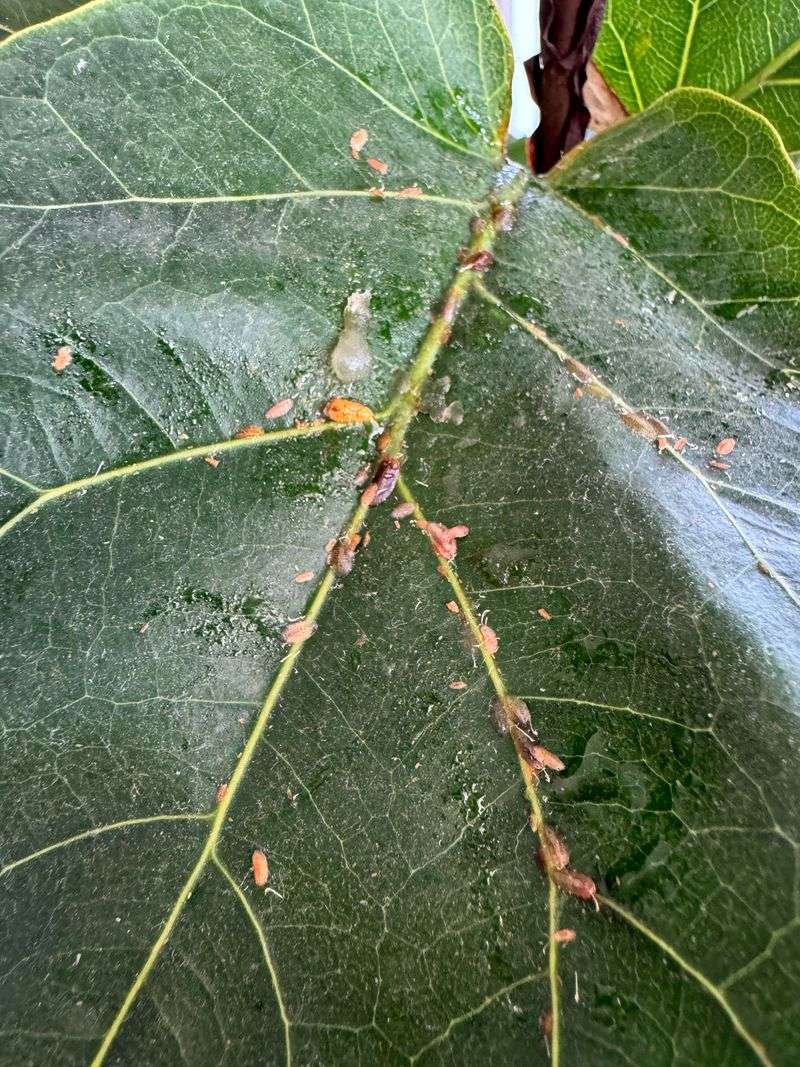
Tiny freeloaders like spider mites, scale, and thrips can turn a healthy leaf into a speckled mess in weeks. The bugs suck juices from the leaves, leaving behind small brown or yellow dots that slowly grow and merge.
Fall is a sneaky time for pests, because plants brought inside from patios often carry hitchhikers you cannot see. Warm, dry indoor air from heaters also makes spider mites extra happy, since they thrive in those cozy conditions.
Grab a flashlight and a magnifying glass, then check the undersides of leaves where most pests like to hide. Look for fine webbing, sticky residue, tiny moving specks, or bumpy brown shells stuck along the stems and veins.
Wiping each leaf with a damp cloth removes many pests and dust at the same time, which is a bonus. For bigger infestations, spray insecticidal soap or neem oil on both sides of the leaves every week or so.
Scale insects stick tight, so gently scrub them off with a soft toothbrush or a damp cloth. Fun fact: spider mites are actually related to spiders, not insects, which explains their talent for spinning delicate webs.
7. Dry Air Crisps The Edges
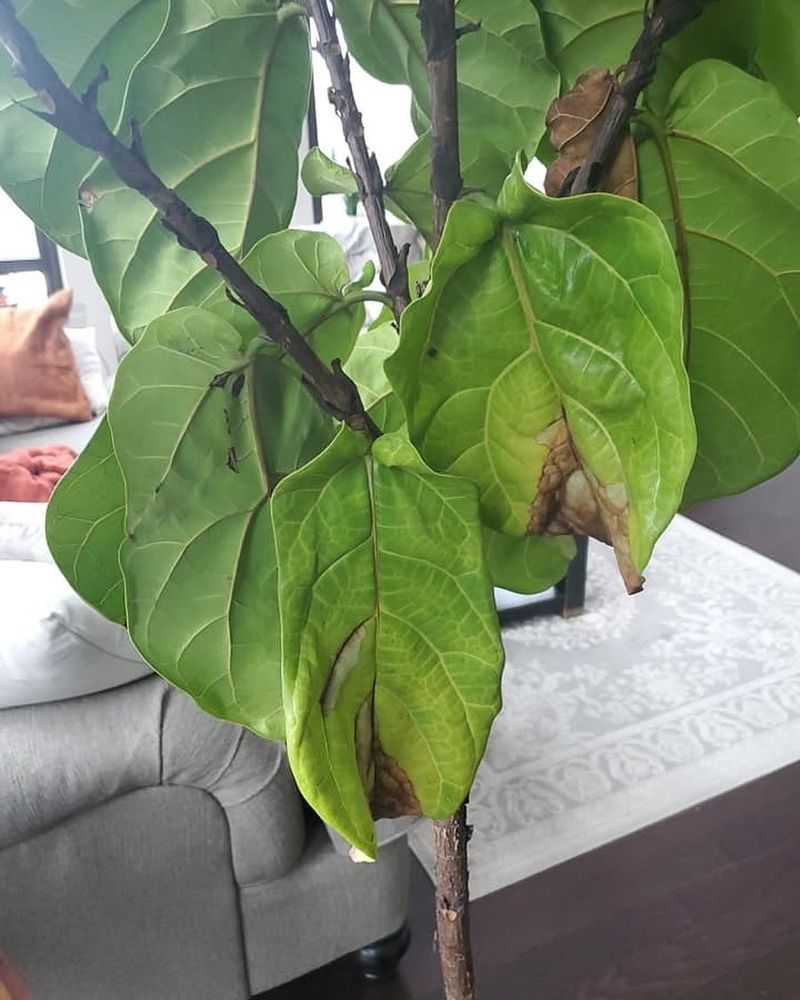
Turning on the furnace for the first time each fall feels cozy for people, but plants often disagree quite strongly. Heating systems dry out indoor air quickly, and tropical plants can respond with crispy brown edges on their leaves.
In their rainforest homes, fiddle leaf figs enjoy humidity levels between forty and sixty percent most of the year. Many homes drop well below that in fall and winter, sometimes reaching levels far below what the plant prefers.
A cheap humidity meter, called a hygrometer, shows you how dry your room really is. They are inexpensive and take the guessing out of keeping your leafy buddy comfortable this season.
Running a small humidifier nearby is an easy fix, especially when set to keep the room around fifty percent. Grouping plants together also helps, since they release moisture through their leaves and create a cozy mini jungle effect.
A pebble tray adds only a small amount of humidity, so it works best as a bonus alongside a humidifier. Keep plants away from heater vents and radiators, because that blast of hot air is basically a leafy hair dryer.
8. Extra Fertilizer Burns The Roots
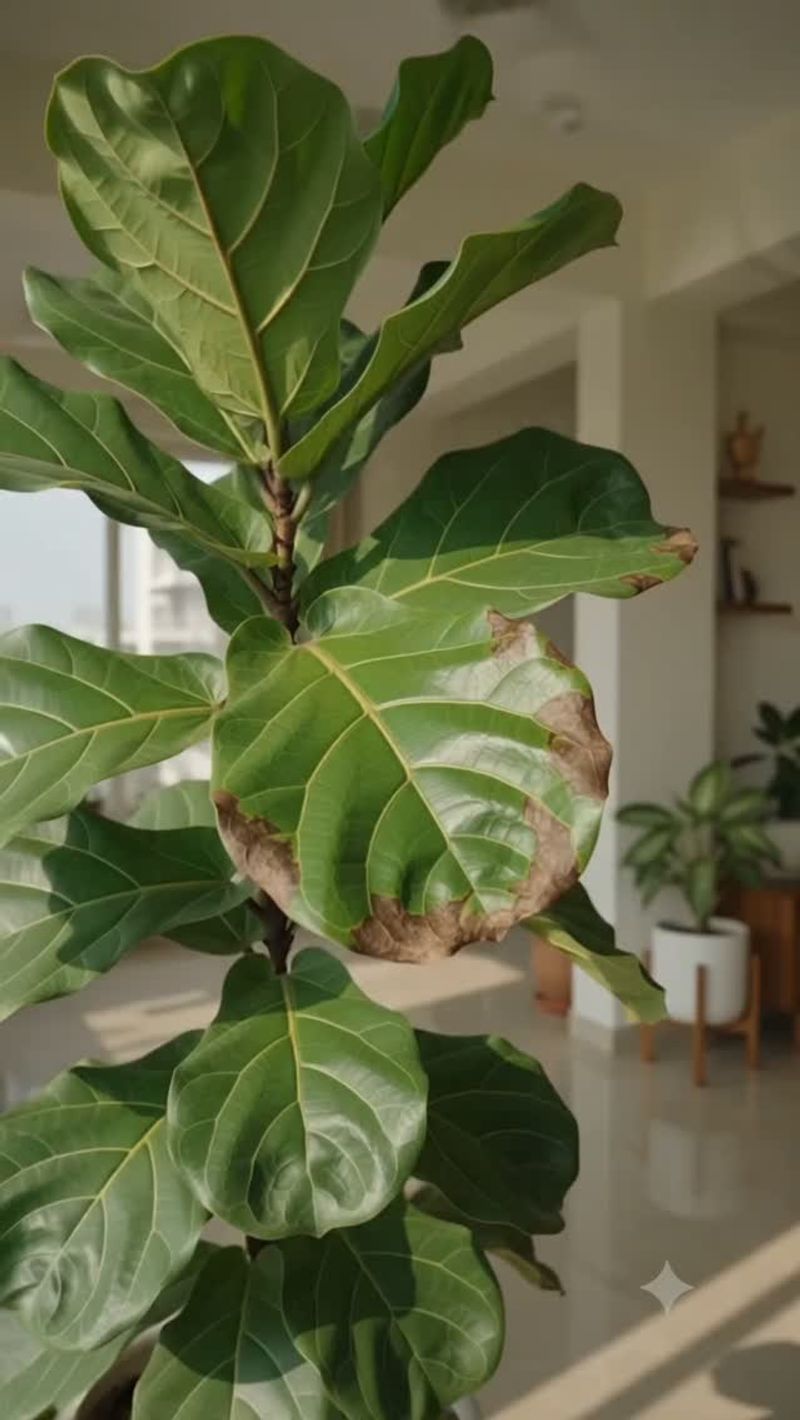
More food sounds like a kind gift, yet too much fertilizer can actually harm your plant instead of helping it. Extra fertilizer leaves salts in the soil that burn tender roots and cause brown, crispy tips on the leaves.
Sometimes you can spot a white, crusty layer on top of the soil or around the rim of the pot. That crust is built-up salt, and it is a clear sign your plant has been getting more than it needs.
Timing matters too, because plants slow their growth in fall and cannot use as much food as before. Early October is a great time to cut back, feeding just once a month or pausing until spring arrives.
To clear out extra salts, slowly pour lots of plain water through the soil and let it drain out fully. Gardeners call this flushing, and doing it every few months keeps the soil fresh and roots much happier and healthier.
When you do feed, choose a fertilizer made for fiddle leaf figs and mix it at half the suggested strength. Feeding lightly and regularly usually works better than one big meal, just like snacks beat a giant holiday feast.
9. Moving Day Sparks Stress
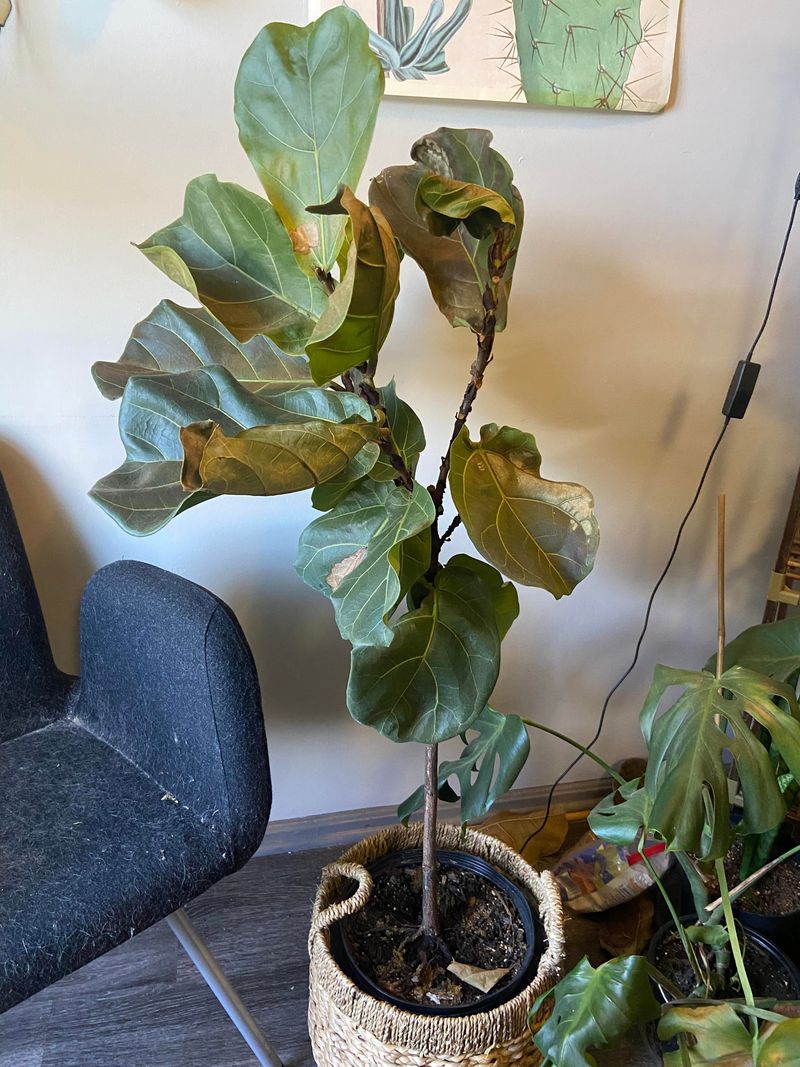
Fiddle leaf figs are known for being sensitive to change, and even a short trip across the living room can upset them. After a move, these plants may show brown spots, droop, or drop a few leaves as they adjust to new surroundings.
Bringing home a brand-new plant from the store is a big adjustment for it. Light, temperature, and humidity all change at once, and the plant needs time to figure out its new home.
Many people also shuffle plants around in fall, moving them away from chilly windows or closer to brighter spots. Those changes can be smart, but doing them too often leaves the plant confused and a bit stressed out.
Pick a good location with bright, indirect light and try to leave the plant there for the whole season. Resist the urge to repot, fertilize, or prune right after a move, since that piles on even more stress.
Give it three or four weeks to settle in, and keep watering and care as steady and predictable as possible. With patience, you may soon see a fresh, bright green leaf unfurling at the top like a flag.
10. A Tight Pot Slows Growth
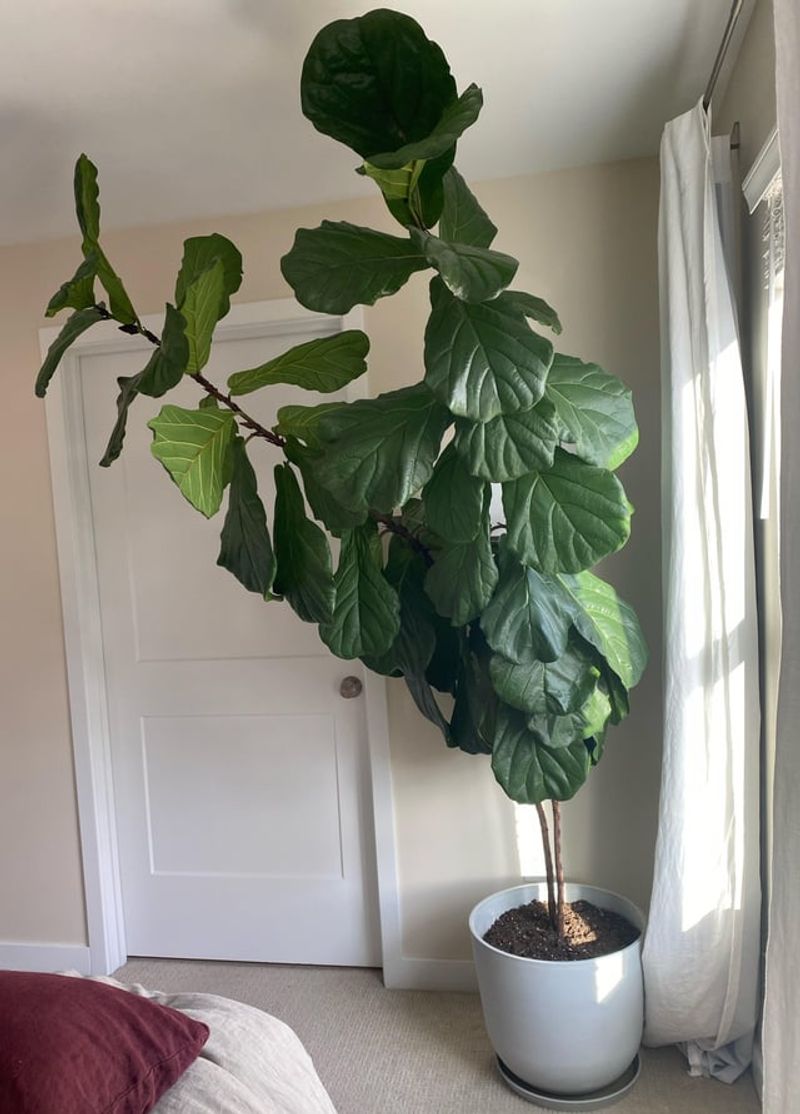
Imagine wearing shoes two sizes too small all day long, and you will know how root-bound plants feel. When roots fill every inch of the pot, they struggle to soak up water and nutrients the leaves need.
The result is often brown spots, slow growth, and soil that dries out just a day after a good watering. You might even see roots poking out of the drainage holes, like curious worms searching for more wiggle room.
Gently slide the plant out of its pot and take a peek at the root ball to check things out. If roots are circling tightly around the edges with little soil showing, your plant is ready for a bigger home.
Here is the tricky part, since fall is not the best time for repotting a slow-growing fiddle leaf fig. Unless the plant is badly stuck or the roots are rotting, waiting until late winter or spring is often smarter.
When the time comes, choose a pot only one or two inches wider, because oversized pots hold too much water. Fill it with a chunky, well-draining mix, and your plant will stretch its roots and reward you with bold leaves.