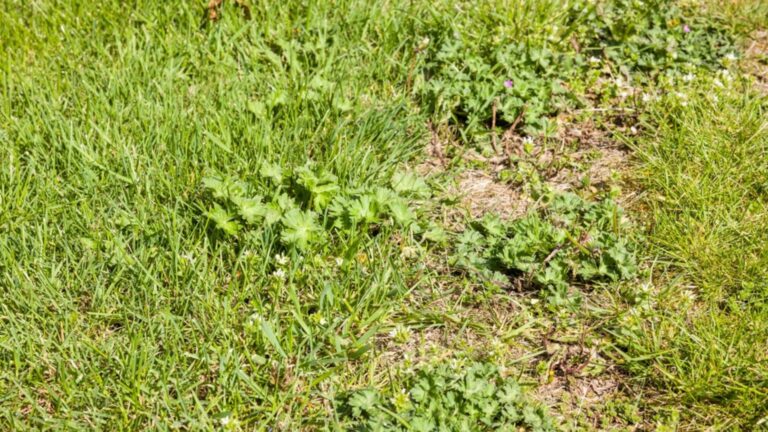
8 Reasons Your Garden Suddenly Has More Weeds After Summer
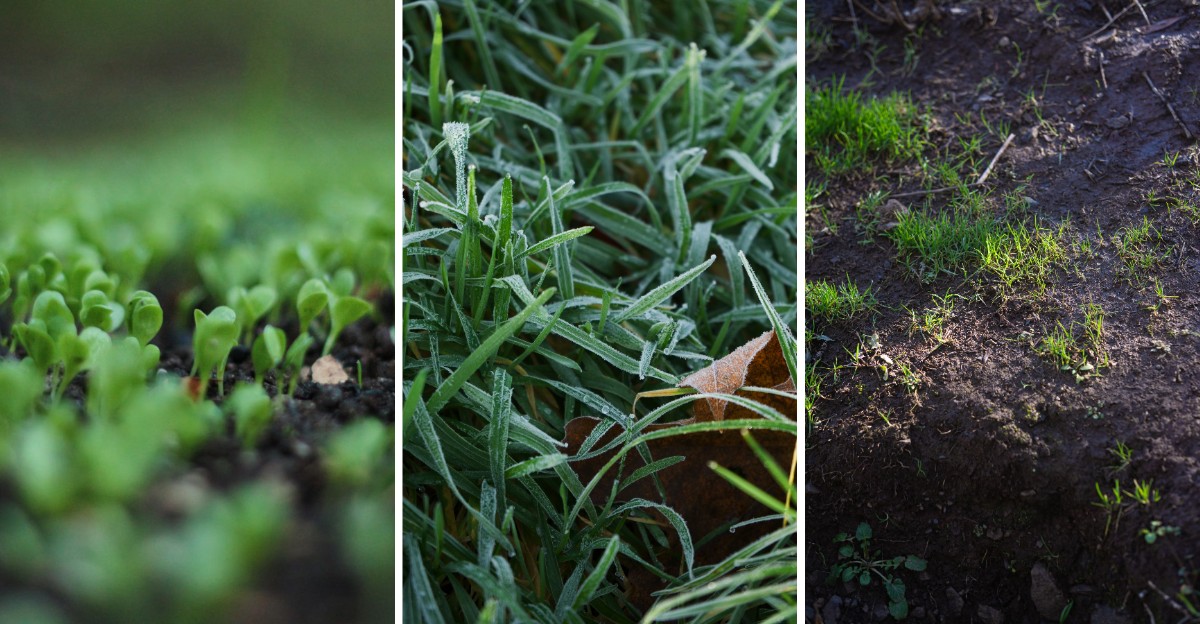
Strangers have taken over your garden beds without asking. Weeds don’t wait for invitations before settling in. They root fast and spread even faster. Roots settle in before you even notice the change.
Cleared soil rarely stays empty for long. Warm ground stores seeds for seasons, patiently waiting. Rain softens the surface enough for sprouts to break through.
Shade from summer growth hides early arrivals until August fades. Heat masked the evidence until cooler nights arrived. Busy weekends hand weeds the head start they need.
Your garden isn’t ignoring you, it’s simply reacting to conditions. Soil holds memory longer than you’d expect. Understanding this shift changes how you approach cleanup.
Timing outweighs effort when regrowth moves this quickly. Knowledge turns frustration into a sharp, workable strategy. You’re about to discover exactly why this happens and how to manage it fast.
1. Summer Heat Thinned Out Your Ground Cover
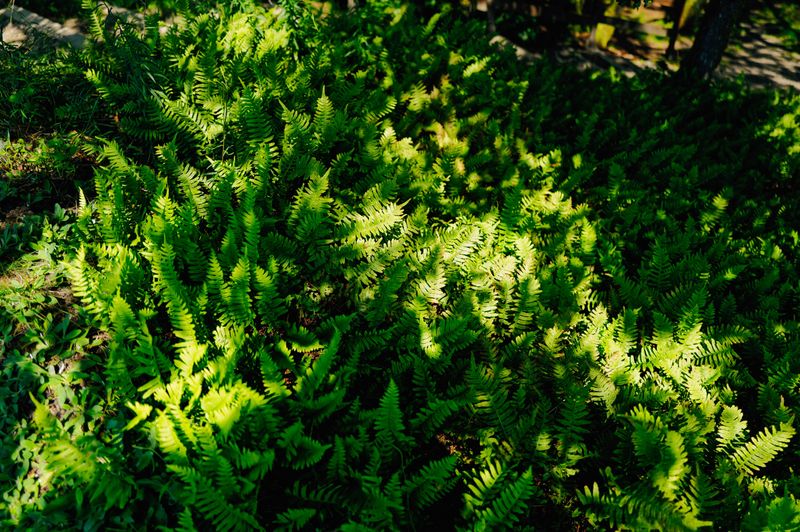
Picture your garden back in July, when the sun bore down steadily. Many plants slowed their growth or dropped leaves across the soil.
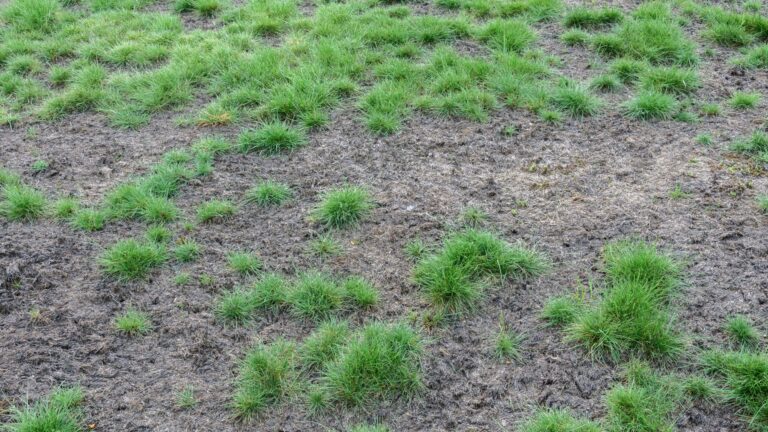
Bare ground allows seeds to establish quickly, often before anything else takes root. Sunlight hits that exposed dirt directly, warming it and waking seeds that waited patiently for months.
Gaps between your vegetables and flowers widened slowly, usually without anyone in the house noticing. By early September, those same gaps look like green carpet instead of clean brown soil.
Fixing the problem starts with filling space rather than yanking individual sprouts every single weekend. Dense plantings, low groundcovers, and tighter spacing leave far less room for uninvited green guests.
Autumn is a surprisingly friendly planting season, since the soil stays warm and rain returns. Clover, creeping thyme, or a fast cover crop can blanket bare patches within a few weeks.
Farmers have used cover crops to shield their soil between growing seasons for generations. Their logic stayed simple, because covered ground behaves much better than exposed, sunbaked, cracked ground.
Shade matters more than most gardeners expect when they manage a crowded September vegetable bed. Taller crops such as kale or chard throw shadows that slow unwanted seedlings considerably.
Walk your beds this weekend and mark every bare spot with a small wooden stick. Those marked patches are exactly where next spring’s frustrations quietly begin making their plans.
2. Late Rains Woke Up Dormant Seeds
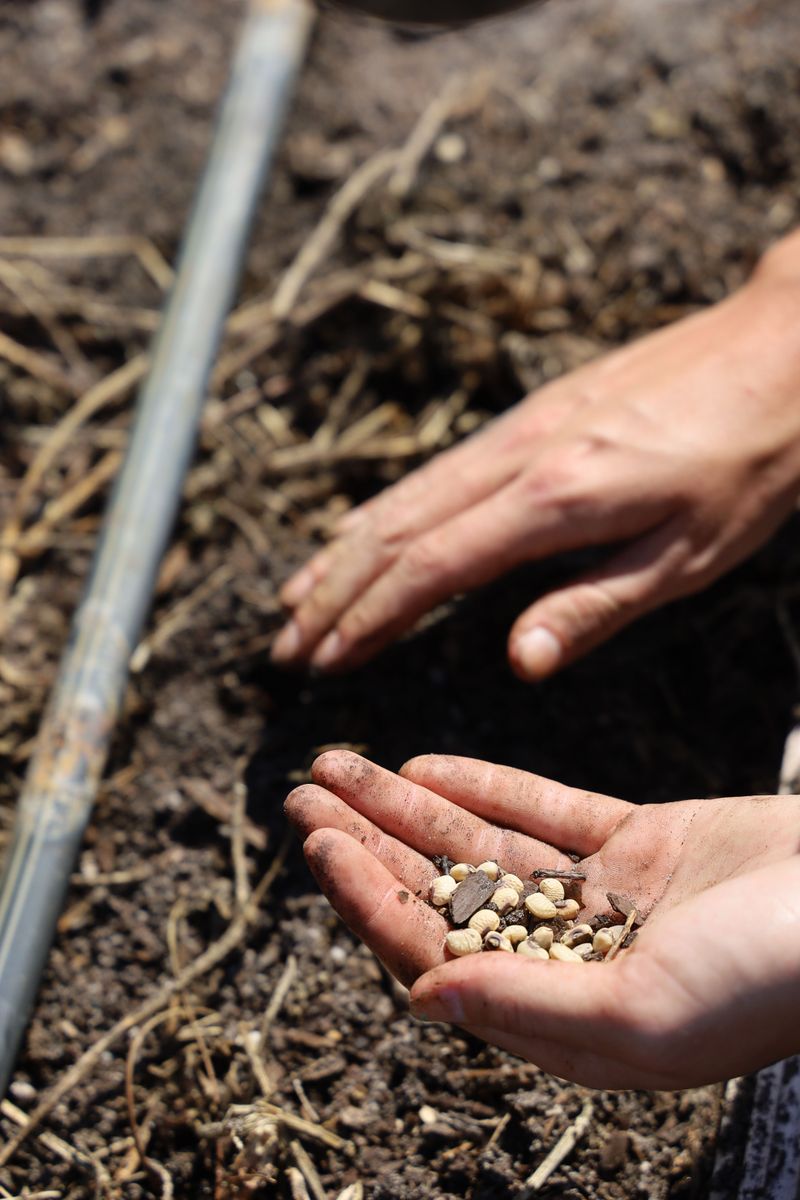
Rain after a dry stretch feels like a gift, though the soil throws its own celebration. Seeds that sat still through drought soak up moisture and sprout almost overnight together.
Some seeds can rest in soil for years, waiting for the exact conditions they prefer. Moisture, warmth, and a little light flip an internal switch that gardeners cannot see.
September storms often deliver steady, soaking rain instead of the quick summer downpours we remember. Slow water sinks deeper, reaching seeds buried an inch or two below the surface.
A single square foot of garden soil can hold a surprising number of viable seeds. That number surprises many gardeners, yet it explains the rapid growth after wet weather.
Timing your cleanup right after rain makes the job noticeably easier on your hands. Damp soil releases roots smoothly, while dry ground snaps stems and leaves roots behind.
Avoid deep digging during fall unless you truly need it for planting or repairs. Every turn of the shovel lifts buried seeds up into the sunlight they crave.
Try the stale seedbed trick, a technique long used by market gardeners. Water an empty bed, wait ten days, then hoe the seedlings before planting anything.
Think of rain as an alarm clock that the soil set months ago. You cannot silence it, but you can be standing there ready with a hoe.
Mulch applied right after a rainy week helps lock that moisture away from waiting seeds. Wet soil under mulch stays useful for your plants and useless for everything else.
3. Vacation Gaps Let Small Sprouts Mature
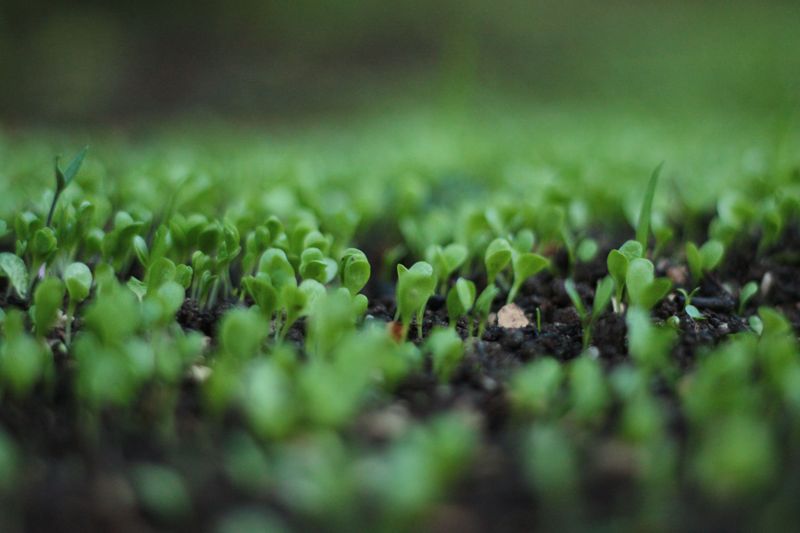
Two weeks at the beach sounds harmless until you see what happened at home. Sprouts that measured half an inch in July now stand knee high and confident.
Growth speeds up noticeably during warm, humid stretches. Unwanted plants grow faster than most vegetables, which can frustrate gardeners but stays accurate.
Missing ten days of pulling can mean missing the entire window before seeds form. Once flowers appear, the odds shift against you quickly.
Ask a neighbor to walk through once while you travel, even just for fifteen minutes. Offer tomatoes, zucchini, or cold drinks as payment, since gardeners rarely refuse fresh produce.
Before leaving, cut back anything flowering near your beds, fence lines, and compost pile. Removing flowers buys time, because plants must restart the whole seed production process again.
Heavy mulch laid before vacation works like a security guard for your open soil. Three inches of straw or shredded leaves slows sprouting while you sip something cold.
Drip irrigation on a timer waters your plants without soaking every inch of surrounding ground. Targeted water feeds tomatoes rather than the opportunists crowding the pathway beside them.
September cleanup after travel feels overwhelming, so break it into fifteen minute daily sessions. One bed each evening beats one miserable Saturday spent regretting your summer plans entirely.
Consider your absence a controlled experiment proving exactly how much your attention matters. The results arrive fast, stand tall, and wave at you from the driveway.
4. Tired Mulch Stopped Blocking The Light
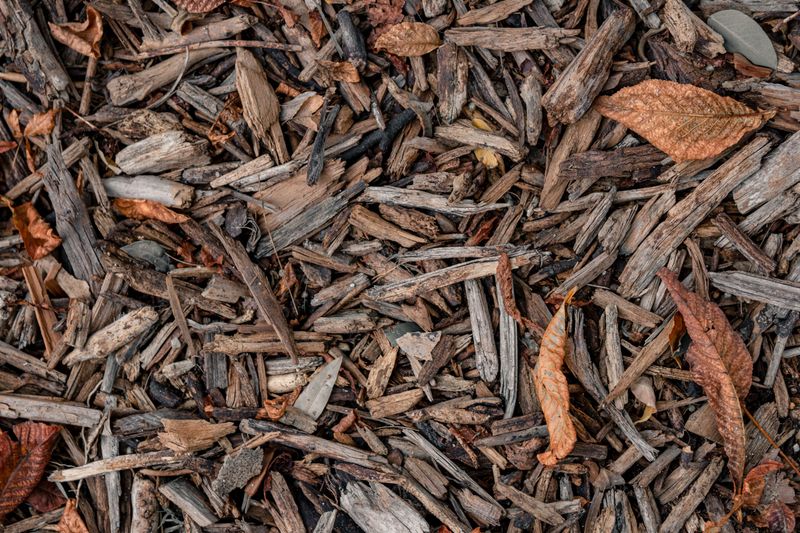
Mulch spread in April looked thick, tidy, and honestly rather professional back on day one. Five months later it has thinned, faded, and settled into a compacted layer.
Organic mulch breaks down constantly, feeding soil life while shrinking in depth every week. What began at three inches might measure barely one inch by late September.
Light reaching the soil surface is the trigger many small seeds have been awaiting. Thin mulch lets that light slip through, and germination follows almost immediately afterward.
Check depth by pushing a finger straight down until you feel firm soil underneath. Anything under two inches needs topping up before cool weather truly settles in.
Shredded leaves, straw, and fine bark all work well for fall refreshing projects. Autumn leaves cost nothing, and your neighbors may happily hand over their bagged piles.
Pull existing sprouts before adding new mulch, otherwise you simply tuck them into bed. Burying small green plants rarely stops them, since many push through with annoying determination.
Keep mulch a couple inches away from stems and trunks to prevent rot problems. Volcano shaped mounds against bark look neat but harm trees over several quiet years.
Wood chips from a local arborist often arrive free if you ask politely enough. Many crews prefer dropping loads nearby instead of driving across town to dump them.
Refreshing mulch takes one afternoon and saves considerable time on future pulling. That trade sounds good to anyone who values their weekends even slightly.
5. Harvested Beds Turned Into Open Real Estate
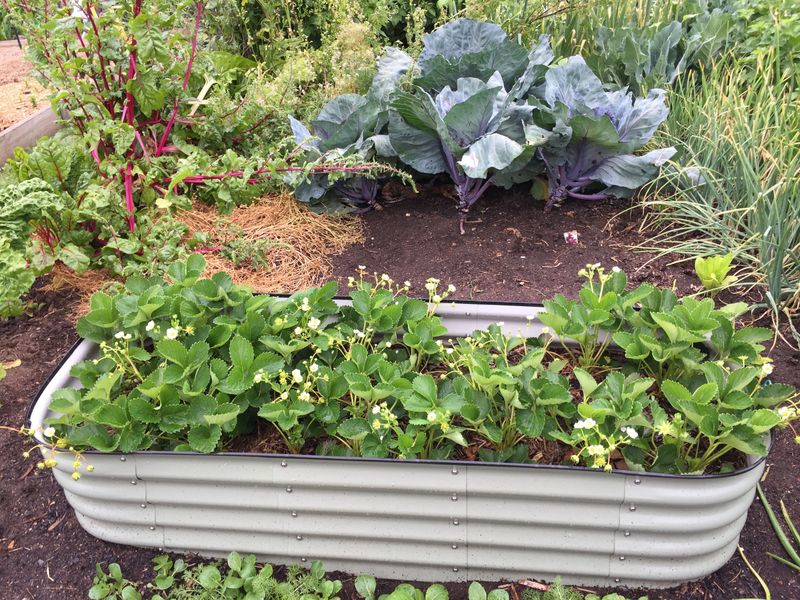
Pulling out finished beans and cucumbers feels triumphant for a day or two. Then the empty bed sits there, sunny and bare, left open to new growth.
Vacant soil rarely stays vacant, because nature treats open ground as unfinished business. Something will grow there, and the decision belongs to you or to whatever blows by.
Fall crops like spinach, radishes, lettuce, and garlic fill those spaces with real purpose. Planting them in September gives harvests while denying room to unwanted competitors nearby.
Cover crops such as winter rye or crimson clover protect soil through the cold months. Roots hold structure, leaves block light, and spring soil arrives softer and richer.
A tarp thrown over an empty bed also works when planting feels like too much. Darkness underneath stops sprouting entirely and warms soil for easier planting later on.
Old timers called bare autumn ground wasted ground, and the phrase still holds up. Their gardens stayed productive because something useful occupied every square foot nearly year round.
Clear spent plants promptly instead of letting them collapse and shade the soil unevenly. Mixed debris hides sprouts nicely, and you will find them much later than preferred.
Label whatever you plant, since fall seedlings and volunteers look confusingly similar early on. Popsicle sticks and a marker solve that mystery cheaply and quickly.
Treat open beds as vulnerable spots in your garden. Something will settle in, and removing it gets harder each passing week.
6. Cooler Nights Favored Fall Growing Species
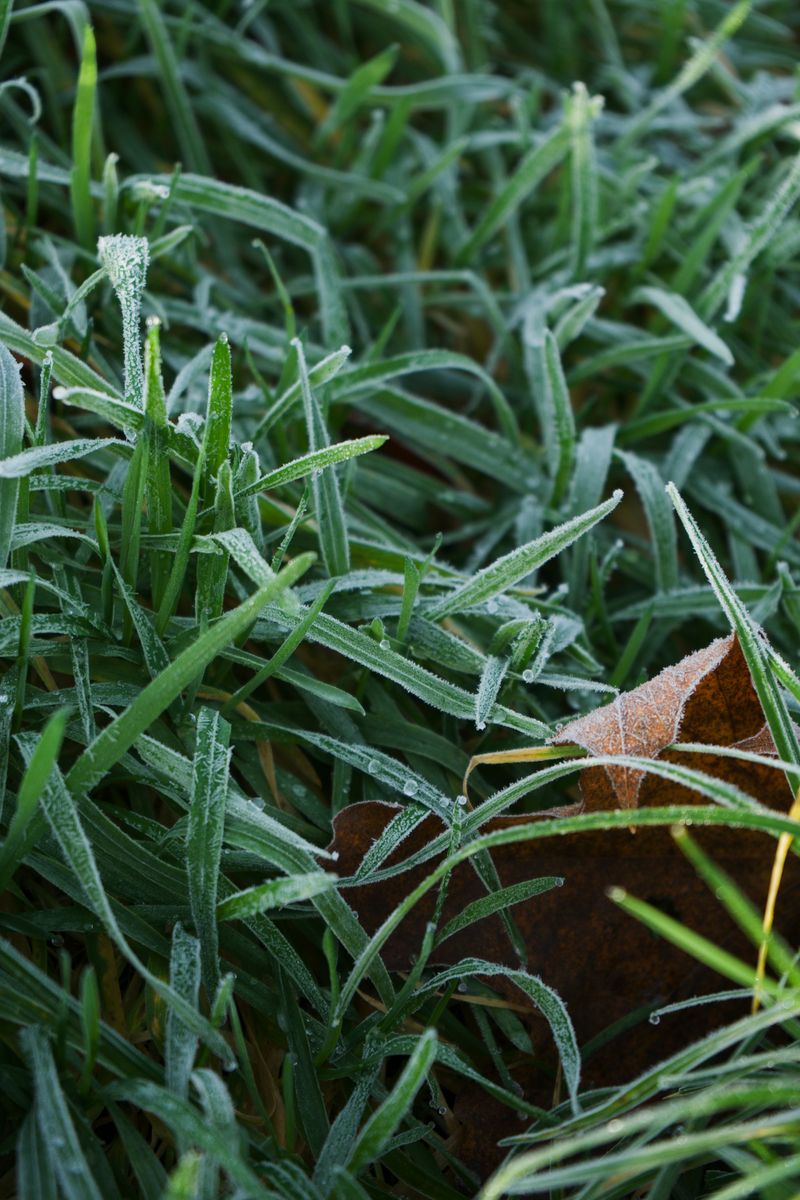
Not every unwanted plant enjoys July heat, and several actively prefer sweater weather instead. Chickweed, henbit, and annual bluegrass wait all summer for temperatures to finally drop.
Cool season types germinate when nights slide into the fifties and soil stays moist. September delivers those conditions perfectly, which explains the fresh green fuzz across your beds.
Warm season varieties fade while this second crew arrives, so the garden rarely empties. Two shifts of workers, essentially, and neither one requested a paycheck from you.
Recognizing which type you face changes your whole timing strategy for the coming weeks. Fall sprouts often overwinter quietly, then spread rapidly across your garden during early spring warmth.
Pulling them now, while roots stay shallow, prevents a much bigger March surprise later. Small plants surrender easily, whereas established ones fight back with stubborn taproots underneath.
Pre emergent products applied in early fall can block germination in lawns and pathways. Read labels carefully, though, because some products also stop your fall seeds from sprouting.
Chickweed tastes decent in salads, which surprises people hearing it for the first time. Foragers have eaten it for centuries, so your problem might become tomorrow’s side dish.
Watch shaded, damp corners first, since cool season plants settle there earliest each autumn. North facing beds and areas under shrubs usually show the very first green patches.
Think of September as a shift change rather than the end of the season. New staff, same garden, and nobody bothered to send you the schedule.
7. August Seed Heads Dropped Thousands Of Seeds
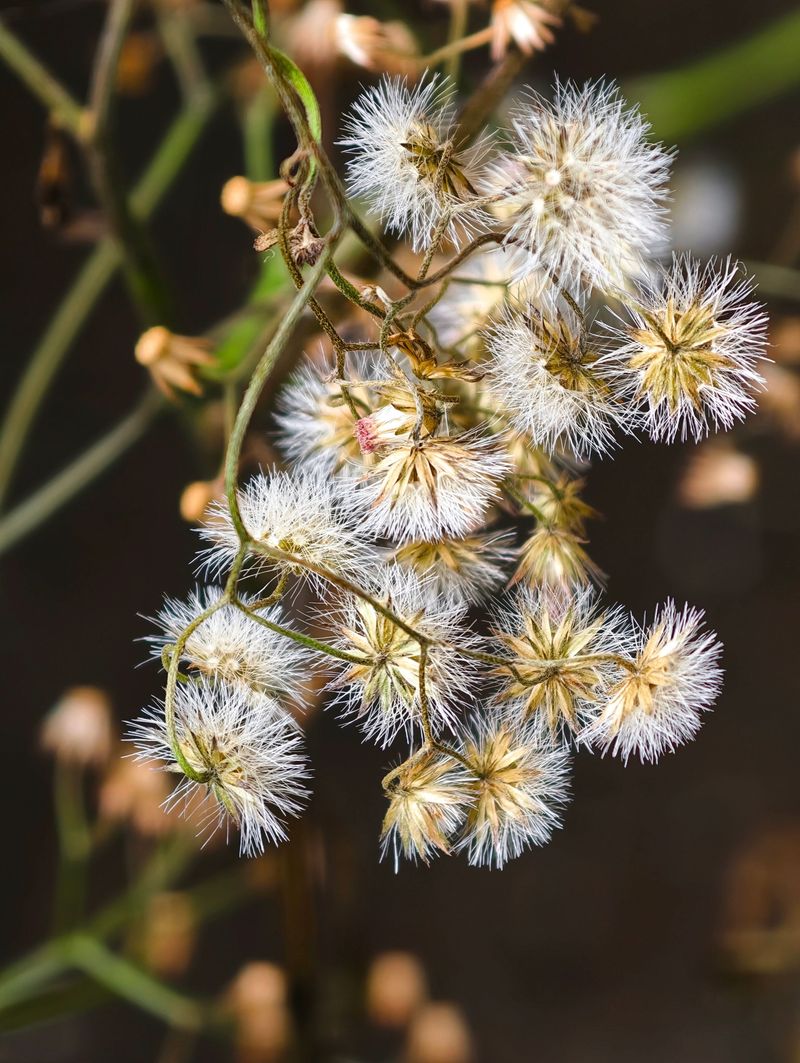
One overlooked plant in August can produce more seeds than your entire vegetable harvest. Pigweed alone can release tens of thousands of seeds from a single healthy specimen.
Seeds scatter through wind, rain splash, shoe treads, pet fur, and passing wheelbarrow tires. Your garden basically hosted a distribution center while you focused on ripening tomatoes instead.
Cutting flower heads before they mature interrupts the entire cycle at its weakest point. Even five minutes of trimming during August prevents enormous amounts of September work.
Bag anything carrying seeds rather than tossing it onto your backyard compost pile. Home compost rarely gets hot enough to destroy seeds hiding inside those dried heads.
Check fence lines, alley edges, and behind the shed where nobody bothers looking closely. Neglected border strips supply seeds to the tidy beds you actually care about.
An old saying warns that one year of seeding brings seven years of weeding. Farmers repeated that line long before modern tools existed, and experience still supports it.
Mow or trim rough areas before flowering finishes, ideally during mid or late summer. Timing beats effort here, since cutting afterward just spreads the seeds around further.
Keep scissors near the back door for quick snips whenever you spot seed stalks. Thirty seconds of action beats an hour of regret sometime next April or May.
Every seed head removed now is a small argument you win against next spring. The garden keeps score, quietly, and it has an excellent memory.
8. Stressed Lawns And Garden Plants Lost Ground
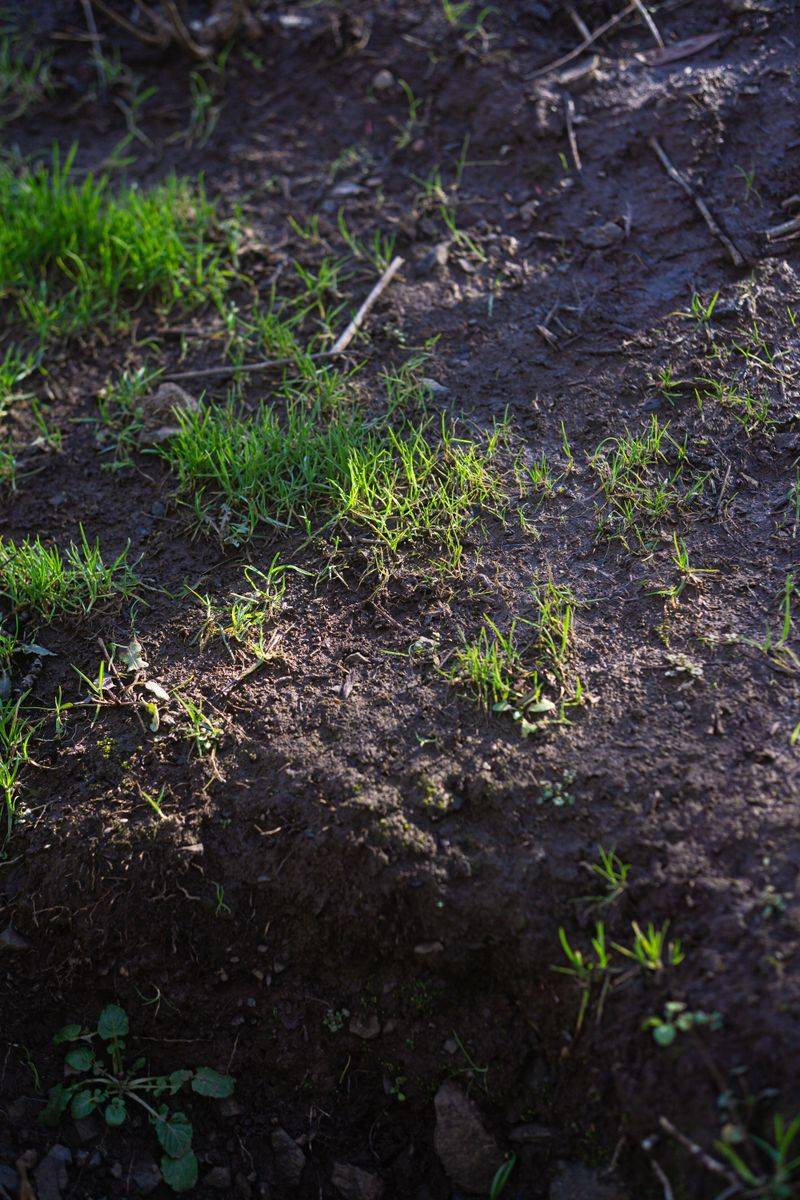
Drought, heat, and foot traffic leave lawns thin, patchy, and noticeably weakened. Weak turf cannot compete, so opportunists claim every thin spot without much resistance.
Healthy grass crowds out invaders through sheer density rather than chemicals or constant effort. Thick turf blocks light at soil level, which stops most seeds from starting.
September is often a strong month for overseeding cool season lawns in many climates. Warm soil and cooler air create ideal rooting conditions before real winter finally arrives.
Mow slightly higher, around three inches, to shade soil and encourage deeper root systems. Short scalped lawns bake quickly and invite trouble faster than most homeowners realize.
Stressed vegetables and shrubs show the same pattern inside garden beds and borders. Weak plants leave gaps, and those gaps fill themselves with whatever grows fastest nearby.
Deep, infrequent watering builds stronger roots than daily sprinkles across the surface soil. Surface moisture mostly benefits shallow rooted invaders rather than the plants you paid for.
Compacted soil from summer parties and play deserves aeration before autumn rains arrive. Loosened ground lets grass roots spread while draining water away from standing surface puddles.
Feed lawns with a proper fall fertilizer to rebuild strength lost during intense heat. Strong grass entering winter means fewer bare patches waiting for spring opportunists ahead.
Think of your garden as space that rarely stays empty. Fill it with plants you chose, or unwanted growth will take over.