7 Reasons Your Roses Stop Blooming In Pennsylvania Heat
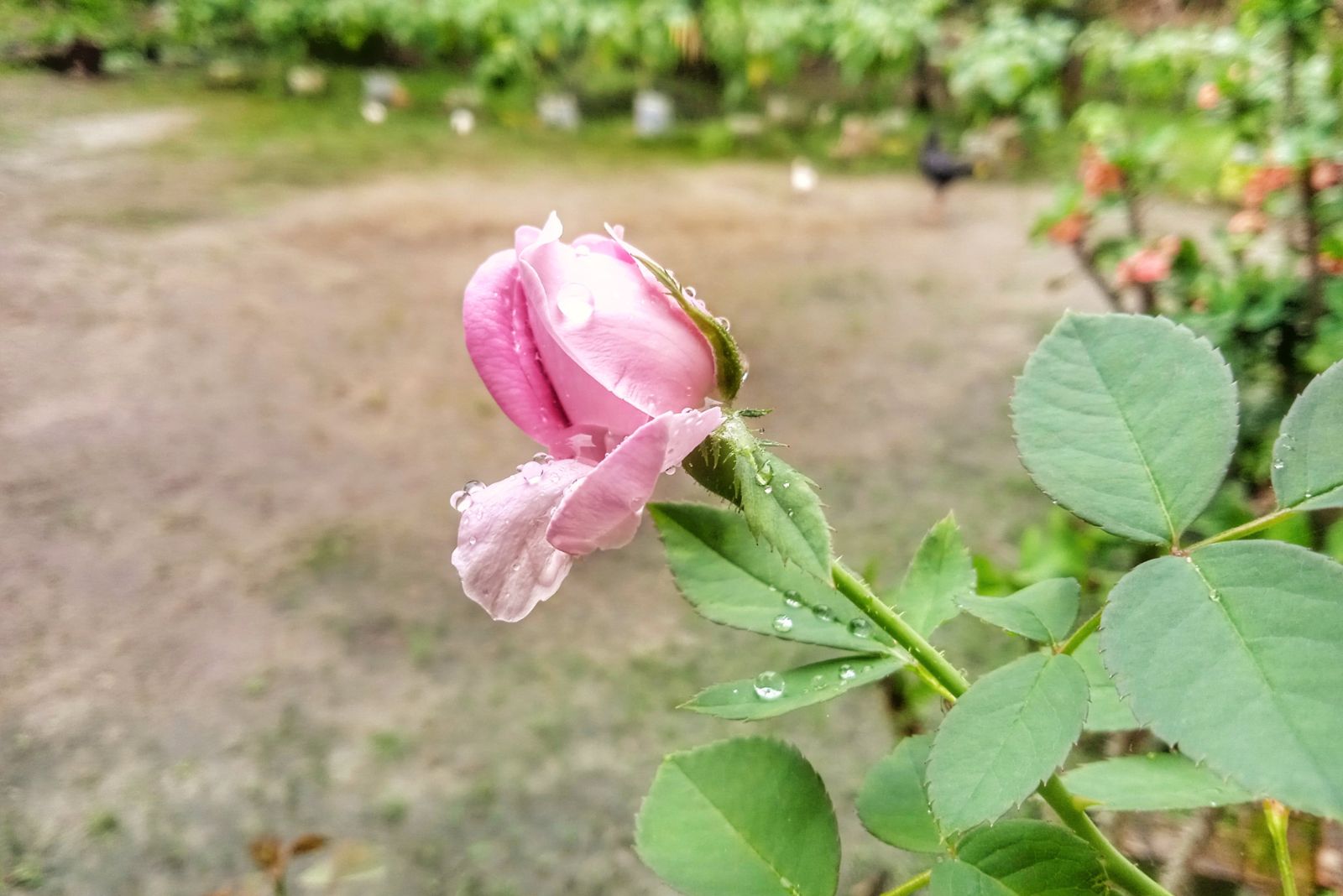
Pennsylvania roses have a pattern that most gardeners recognize after their first full season with them. Spring arrives, the roses respond beautifully, and for a few glorious weeks everything looks exactly the way it did in the catalog photo.
Then June turns into July, the humidity builds, the temperatures climb, and those reliable bloomers start looking less reliable. The flowers slow down, space out, or stop coming altogether, and the roses that were the highlight of the garden start blending into the background.
This mid-season slowdown isn’t random, and it isn’t inevitable. There are specific reasons Pennsylvania roses pull back during the heat of summer, and most of them are addressable once you understand what’s actually driving the problem.
Some come down to care decisions made earlier in the season. Others relate to variety selection or environmental factors that are more manageable than they appear.
Getting to the bottom of why your Pennsylvania roses stop blooming in summer is the first step toward a garden that keeps delivering color all the way through fall.
1. High Humidity Stress
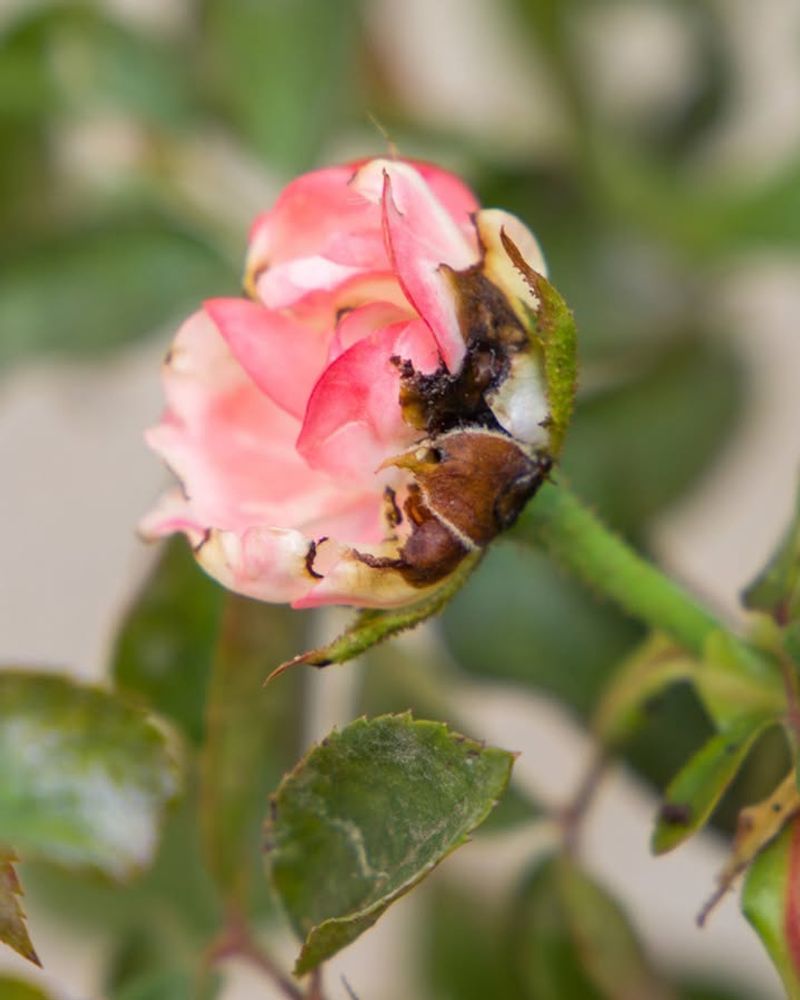
Pennsylvania summers bring a sticky, heavy kind of humidity that most plants struggle with, and roses are no exception.
When the air holds a lot of moisture and temperatures climb, roses shift their energy away from producing flowers and focus instead on just surviving the heat.
This is a natural stress response, but it can leave your garden looking bare and disappointing right when you want it to look its best.
High humidity makes it harder for roses to cool themselves through a process called transpiration. Think of it like sweating.
When the air is already full of moisture, the plant cannot release its own water vapor efficiently, which causes the whole system to slow down. Blooming takes a lot of energy, and a stressed rose simply will not spend that energy on flowers when it is trying to stay cool.
One of the best things you can do is water your roses early in the morning. Morning watering lets the soil absorb moisture before the heat of the day hits.
Avoid wetting the leaves, since wet foliage in humid conditions only makes things worse. Mulching around the base of your plants also helps keep the soil temperature stable and reduces ground-level moisture evaporation.
Choosing heat-tolerant rose varieties like Knock Out roses can also make a huge difference. These types are bred to handle tough conditions and tend to keep blooming even when Pennsylvania summers turn especially brutal.
Small adjustments in your routine can go a long way toward keeping your roses healthy and productive through the heat.
2. Too Much Nitrogen Fertilizer
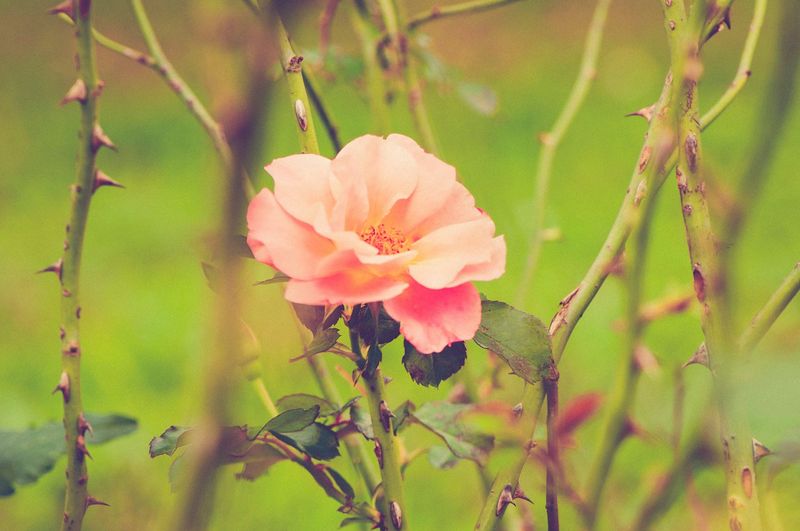
You might think feeding your roses more fertilizer would help them bloom better, but too much of the wrong kind can actually work against you. Nitrogen is the nutrient that drives leafy, green growth, and roses definitely need some of it.
The problem happens when there is too much nitrogen in the soil, because the plant puts all its energy into growing big, beautiful leaves instead of producing flowers.
Your Pennsylvania Garden Changes Every Week. Your Plan Should Too.
Gardening in Pennsylvania changes quickly throughout the season. Every Friday you’ll receive a simple weekly plan showing exactly what to plant, prune, fertilize, harvest, and protect so you never miss the right timing.
Overfertilizing with a high-nitrogen formula is one of the most common mistakes home gardeners make. You end up with a rose bush that looks full and lush but barely has a single bloom on it.
During hot Pennsylvania summers, this problem gets even worse because the heat speeds up how quickly soil nutrients become available to the plant. What seemed like a reasonable amount of fertilizer in spring can become an overload by July.
Switching to a fertilizer that is specifically designed for blooming plants makes a real difference. Look for products labeled for roses or flowering shrubs, and check that the middle number on the label, which represents phosphorus, is higher than the first number.
Phosphorus is the nutrient that supports flower production. You should also reduce how often you fertilize during peak summer heat.
Once every six to eight weeks is usually plenty during hot spells. Always water your roses well before and after applying any fertilizer to avoid burning the roots.
Reading the label carefully and following the recommended amounts will protect your plants and encourage more consistent blooming through the season.
3. Poor Air Circulation
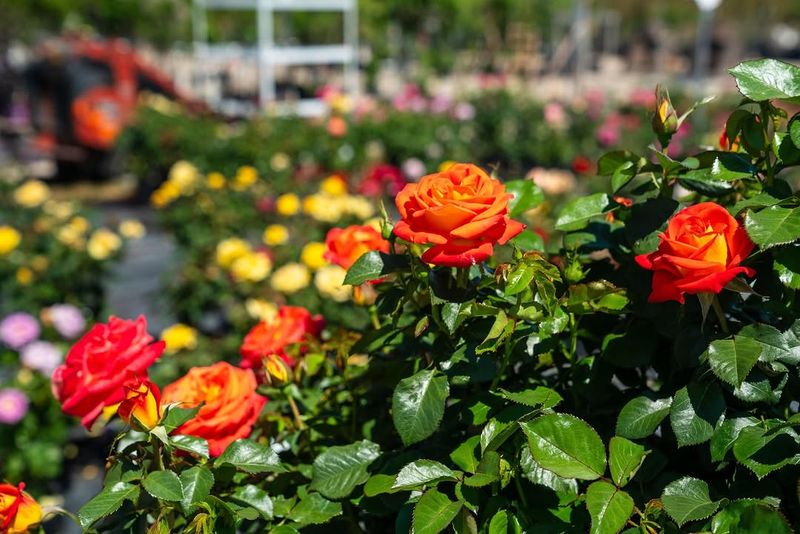
Crowded plants are unhappy plants, especially when summer heat and humidity are already pushing them to their limits. When rose bushes are planted too close together, air cannot flow freely between them.
Stagnant air traps heat and moisture right around the leaves and stems, creating the perfect environment for disease and stress. Roses that are constantly battling these conditions simply do not have the energy left to produce blooms.
Poor air circulation also keeps foliage wet for longer after rain or watering, which encourages fungal problems to take hold. Even if your roses look healthy on the surface, the lack of airflow could be quietly weakening them from the inside out.
Over time, this kind of chronic stress leads to fewer flowers, smaller blooms, and a plant that struggles to recover between heat waves.
Fixing this issue starts with proper spacing when you plant. Most rose varieties need at least three to four feet of space between plants to allow good airflow.
If your roses are already too close together, careful pruning can open up the canopy and let air move through more freely. Remove any crossing branches and cut back growth that points inward toward the center of the plant.
Thinning out dense sections improves both airflow and light penetration. Avoid planting roses right next to fences or walls where air movement is naturally limited.
Raised beds and open garden spots tend to work better for roses in Pennsylvania because they provide the breathing room these plants need to stay healthy and keep blooming strong all summer long.
4. Inconsistent Watering
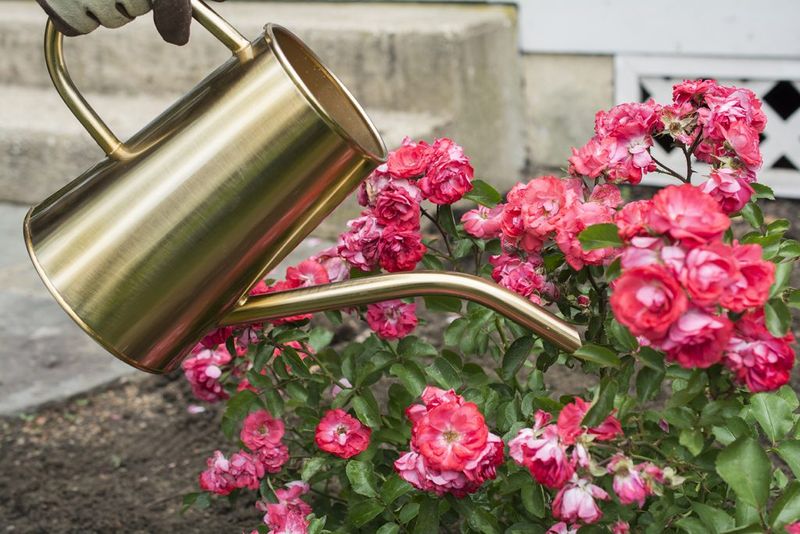
Roses are a little picky when it comes to water, and who could blame them? Getting the balance right matters more than most people realize.
When the soil swings back and forth between bone dry and soaking wet, roses get stressed out fast. That kind of inconsistency sends mixed signals to the plant, and blooming is usually the first thing to suffer when a rose is confused and struggling to stay stable.
During Pennsylvania summers, rainfall can be unpredictable. You might get a heavy downpour one week and then two weeks of dry, scorching weather the next.
Without a consistent watering routine to fill in the gaps, your roses end up riding a roller coaster of wet and dry cycles. This stress causes buds to drop before they open and can slow down or completely stop new flower production for weeks at a time.
Aim to give your roses about one to two inches of water per week, and try to keep that amount steady throughout the growing season.
Deep, slow watering is much better than quick surface sprinkles because it encourages roots to grow deeper into the soil where moisture stays more consistent.
A soaker hose or drip irrigation system works really well for this. Check the soil before watering by sticking your finger about two inches deep.
If it feels dry at that depth, it is time to water. Adding a two to three inch layer of mulch around the base of your plants helps the soil hold onto moisture between watering sessions and keeps roots cooler during heat waves.
5. Failure To Deadhead Old Flowers
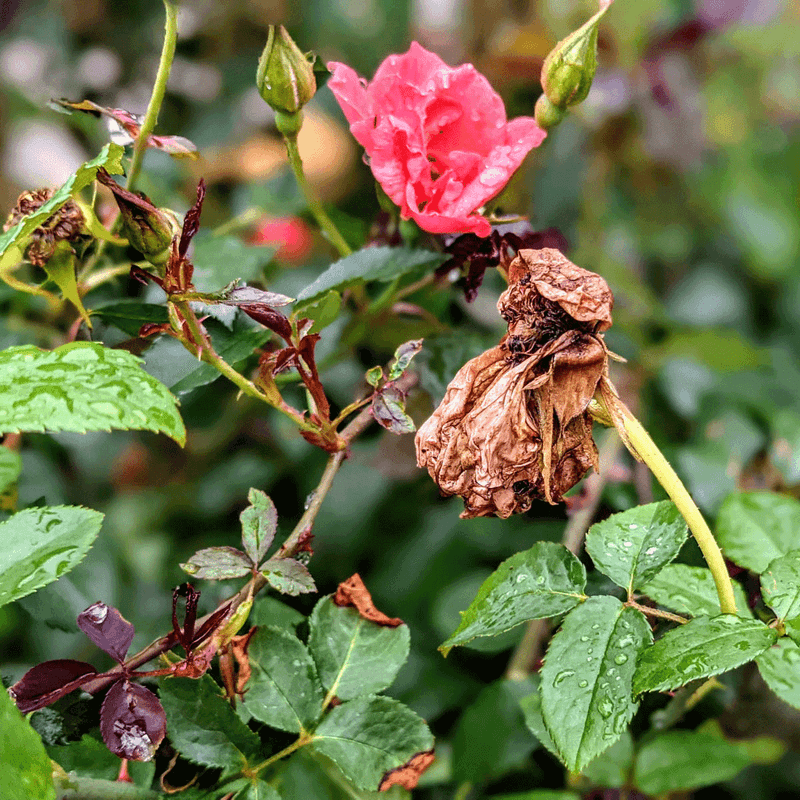
Here is something that surprises a lot of new rose growers: leaving old, spent flowers on the plant can actually slow down future blooming. When a rose finishes flowering, it starts working on producing seeds inside the old bloom.
That process uses up a significant amount of the plant’s energy. If the plant is busy making seeds, it has less energy available to push out new buds and flowers, especially during the draining heat of a Pennsylvania summer.
Deadheading is the simple practice of removing faded or finished flowers before the plant can start forming seeds. It sounds almost too easy to make a real difference, but regular deadheading can dramatically increase how often your roses bloom throughout the season.
Many gardeners see a noticeable improvement in flower production within just a couple of weeks of starting a consistent deadheading routine.
To deadhead properly, use clean, sharp pruning shears and cut the spent flower stem back to just above a leaf set that has five leaflets. This spot on the stem is where new growth is most likely to sprout.
Make your cut at a slight angle to help water run off and prevent moisture from sitting on the cut end. Do this every few days during peak bloom season, especially in summer when roses can fade quickly in the heat.
Keeping your pruning tools clean between cuts also helps prevent spreading any disease from one stem to another. Make deadheading a regular part of your garden routine and your roses will reward you with a much longer and more generous blooming season all summer long.
6. Black Spot And Fungal Disease
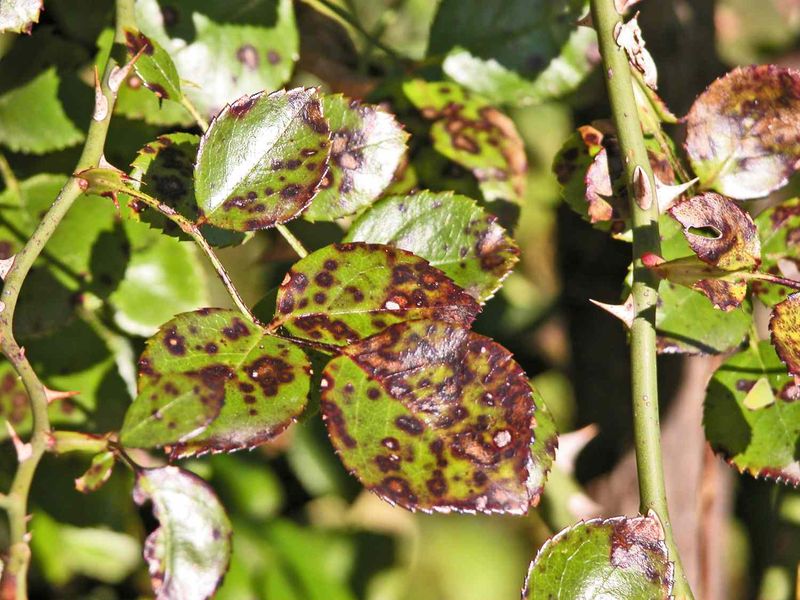
Walk through any Pennsylvania garden in mid-July and you are almost guaranteed to spot it: those telltale dark circular spots spreading across rose leaves.
Black spot is a fungal disease, and it thrives in exactly the kind of warm, humid conditions that Pennsylvania summers deliver so reliably.
Once it takes hold, it spreads fast, and a plant fighting off a serious fungal infection simply does not have the reserves to keep producing flowers.
The fungus works by attacking the leaves, causing them to yellow and fall off prematurely. When a rose loses too many leaves, it loses its ability to photosynthesize efficiently, which is the process it uses to make food and energy.
Less energy means fewer blooms. Left untreated, black spot and other fungal diseases like powdery mildew can completely shut down flowering and weaken the entire plant over the course of a single season.
Prevention is your best strategy when it comes to fungal disease. Water at the base of the plant rather than overhead to keep foliage as dry as possible.
Remove any fallen leaves from around the base of the plant immediately, since the fungus can survive in dry leaf material on the ground. Applying a fungicide early in the season, before symptoms appear, gives you a much stronger defense than trying to treat an active infection.
Neem oil and copper-based fungicides are popular choices that work well for many home gardeners.
Selecting disease-resistant rose varieties is also a smart long-term solution that reduces how much maintenance and treatment you need to do throughout the season to keep your plants blooming beautifully.
7. Not Enough Sunlight
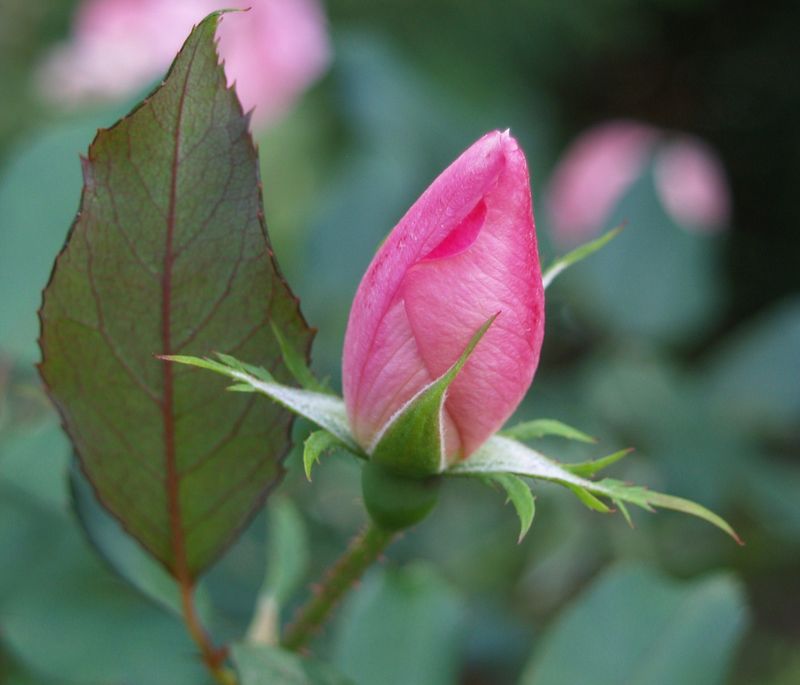
Sunlight is fuel for roses, plain and simple. Most rose varieties need at least six hours of direct sun every single day to bloom consistently and stay healthy.
When they do not get enough light, the results show up quickly in the form of leggy stems, sparse foliage, and very few flowers. In Pennsylvania, where trees and structures can cast long shadows during summer, sunlight is something every rose grower needs to think carefully about.
A common mistake is planting roses in a spot that gets plenty of sun in spring when trees are still leafing out, only to find that the same spot becomes deeply shaded by July when the tree canopy is full. By the time you notice the problem, the roses have already been struggling for weeks.
Shaded roses also tend to be weaker overall, which makes them more vulnerable to disease and pest damage on top of the reduced blooming.
If your roses are not getting enough sun, consider transplanting them to a sunnier location in early spring or fall when they are not actively growing. Moving a rose during the heat of summer is hard on the plant, so timing matters.
If transplanting is not an option, pruning back nearby shrubs and lower tree branches can help increase the amount of light reaching your roses. Reflective mulches can also bounce additional light toward the base of the plant.
When planting new roses, always observe a spot throughout the day before committing, making sure it gets strong, direct sun for at least six to eight hours to support healthy and abundant blooming all season long.