15 Reasons Your Snake Plant Isn’t Growing This Winter In New York (And How To Fix It)
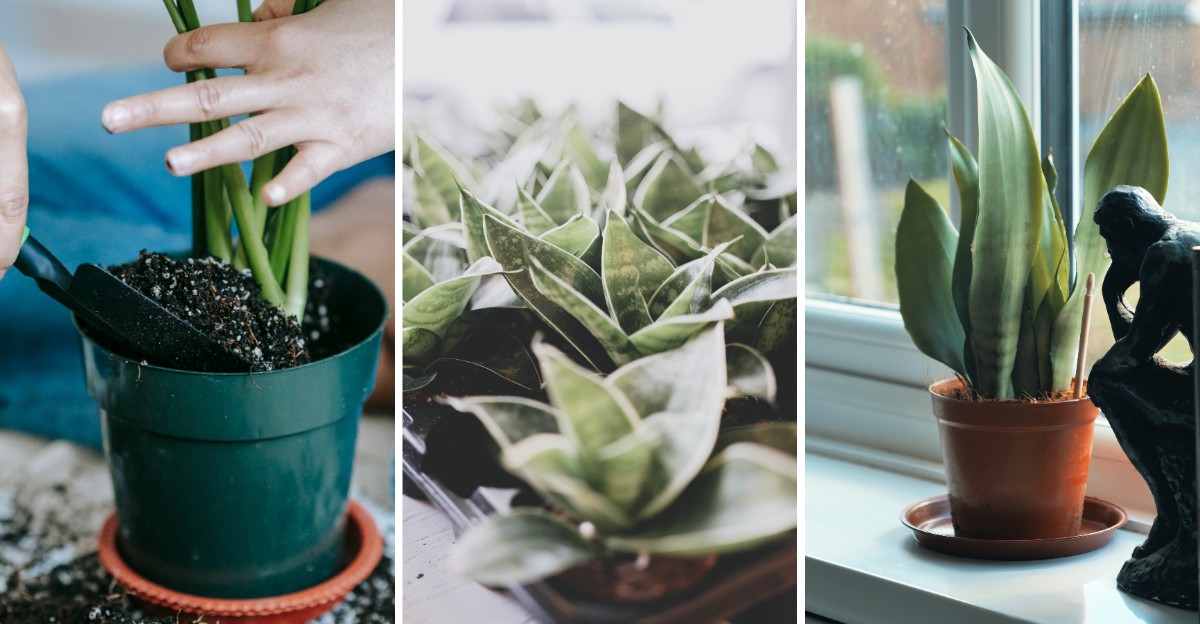
You stare at those upright blades, and they refuse to budge. Autumn across New York has rewritten the rules on your windowsill.
Daylight shrinks, and your plant answers by pausing growth. Glass chills after dark in New York, yet your couch feels cozy.
Radiators dry the air, and your leaves lose moisture quietly. Resting is normal for this species, so you can exhale.
Yet some causes hide in plain sight, and you can spot them. Dusty blades and cramped roots can also stall your plant.
Overwatering tops the suspect list, since cold soil stays soggy for weeks. Test the soil with your finger before you pour another drop.
Move the pot about a foot away from that frosty window glass. Catching them early protects your investment and your sanity. Meanwhile, your green houseguest skips chores and still looks fabulous.
Shorter Days Leave Less Light To Grow On
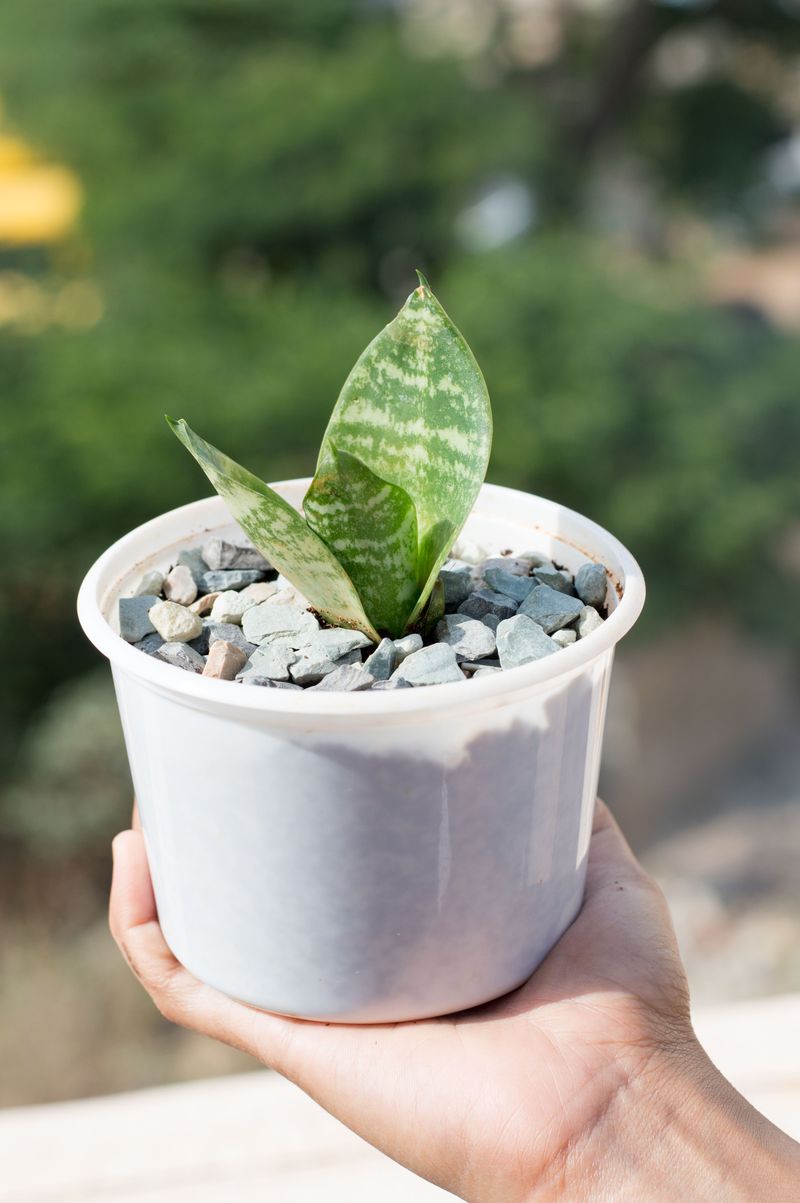
By late October, New York loses about four and a half hours of daylight compared to June. Your plant feels that drop, even if you hardly notice it while rushing to the subway.
Light is the energy leaves use to make their own food, and less light means slower new growth. Snake plants handle dry air better than most, but sitting right beside a hot radiator can still dry the leaf tips.
Count how many hours of real, direct sunlight actually reach your pot on a normal day. If the answer is under four, a quiet pause is likely instead of a fresh growth spurt.
Your Plant Is Taking Its Natural Winter Rest
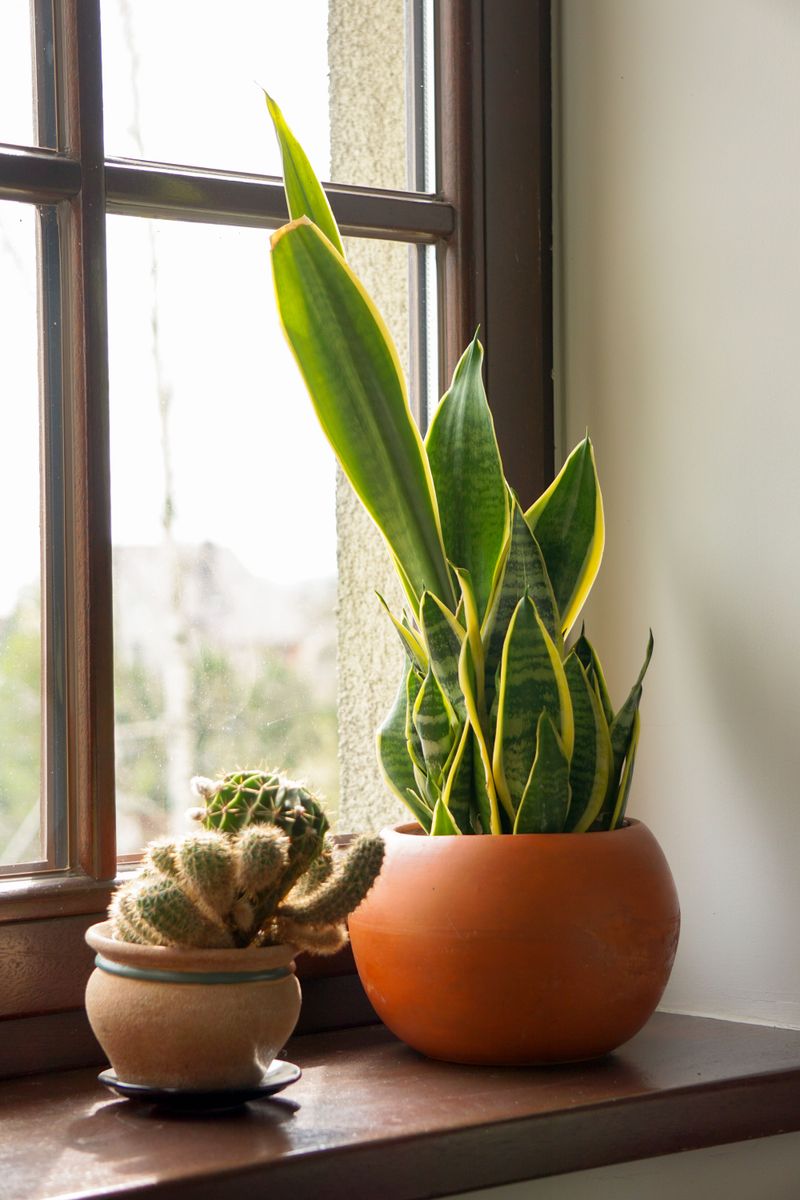
Think of winter as a long nap your plant has been planning since summer ended. Snake plants come from warm parts of Africa, yet they still slow down when seasons shift.
During this rest, roots stay quietly busy while the leaves hold still above the soil. This is typically normal, and pushing it to grow now can do more harm than good.
Treat the pause like a teenager sleeping in on Saturday morning after a long week. Give it space, keep conditions steady, and wait for spring to wake it up.
Cold Window Glass Chills The Leaves
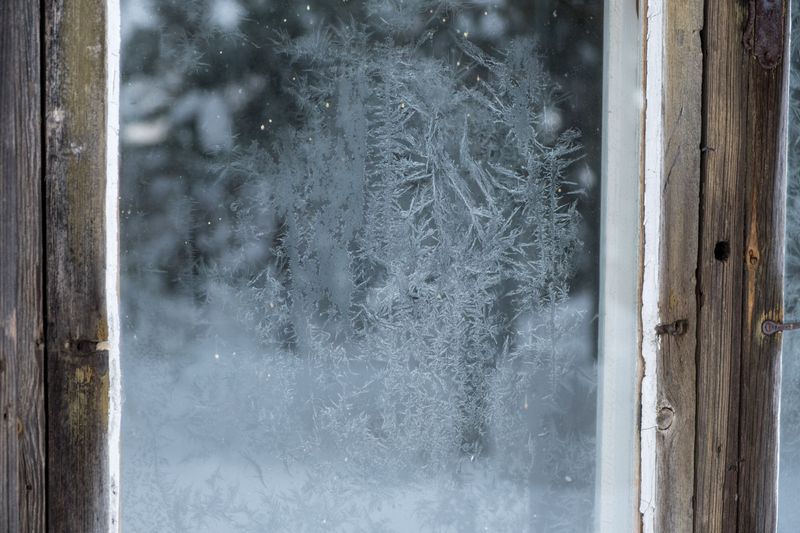
Touch a window in a prewar apartment on a November night, and you will feel the chill instantly. Leaves pressed against that glass feel the same cold, only they cannot move away.
Snake plants dislike temperatures below 50 degrees Fahrenheit, and drafty single panes can easily dip lower after dark. Cold stress slows growth and can damage leaf tissue.
Slide the pot six to twelve inches back from the glass on frosty nights. A small gap keeps the light coming while saving the leaves from sudden cold.
Radiator Heat Dries Out The Air

Clank, hiss, and bang mean the radiators are back, and your apartment air is drying out fast. Steam heat can drop indoor humidity below 20 percent, which is very dry.
Snake plants handle dry air better than most, but sitting right beside a hot radiator is different. Leaves can crisp at the tips, and growth may slow as the plant conserves moisture.
Your New York Garden Changes Every Week. Your Plan Should Too.
Gardening in New York changes quickly throughout the season. Every Friday you’ll receive a simple weekly plan showing exactly what to plant, prune, fertilize, harvest, and protect so you never miss the right timing.
Keep the pot at least three feet from any heat source. A tray of pebbles and water adds only a little moisture, so a humidifier makes a bigger difference.
Too Much Water Is Stressing The Roots
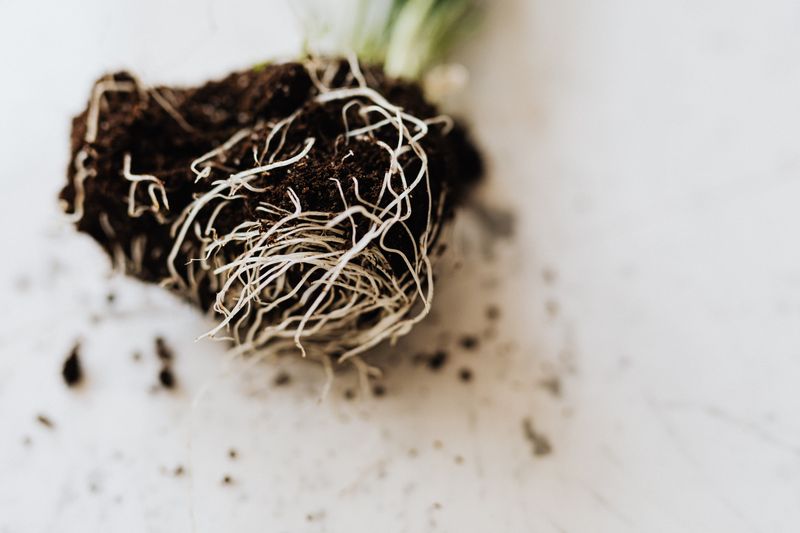
Overwatering is the top way people accidentally hurt snake plants, especially once the weather cools down. Cold soil holds moisture for weeks, and roots sitting in soggy dirt start to rot.
Mushy leaf bases and a sour smell from the pot are warning signs you should not ignore. A plant with root rot diverts energy away from new leaves.
In winter, water roughly once a month, or only when the soil feels dry two inches down. Your finger is a better tool than any calendar reminder on your phone.
The Pot Has No Drainage Holes
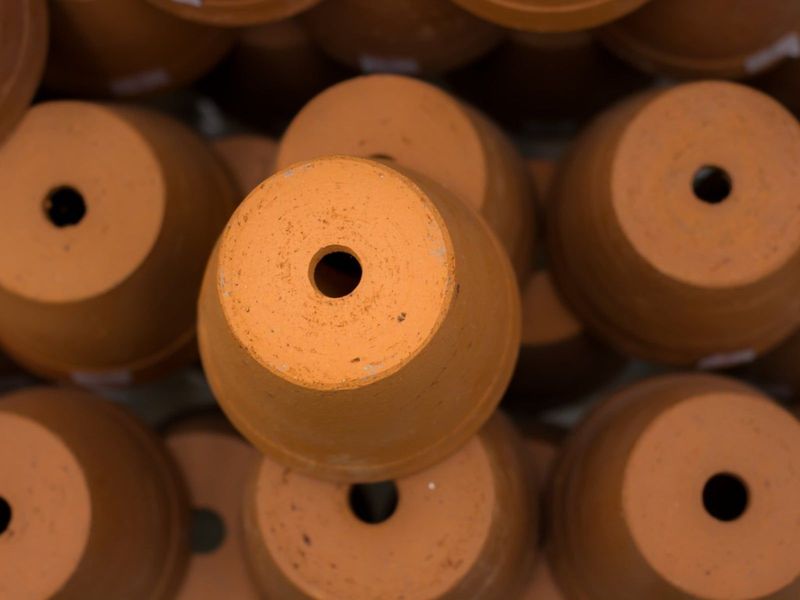
That cute ceramic pot from a SoHo boutique might be the culprit in your living room. Without holes in the bottom, extra water pools underneath where you cannot see it.
Snake plants dislike constantly wet roots, and trapped water turns roots soft and brown over time. Damaged roots cannot pull in nutrients, so the leaves above simply stop growing.
Lift the plant out and peek at the bottom of the pot this weekend. If there are no holes, use it as a cover with a plastic nursery pot inside.
Dense Potting Mix Is Limiting Airflow To The Roots
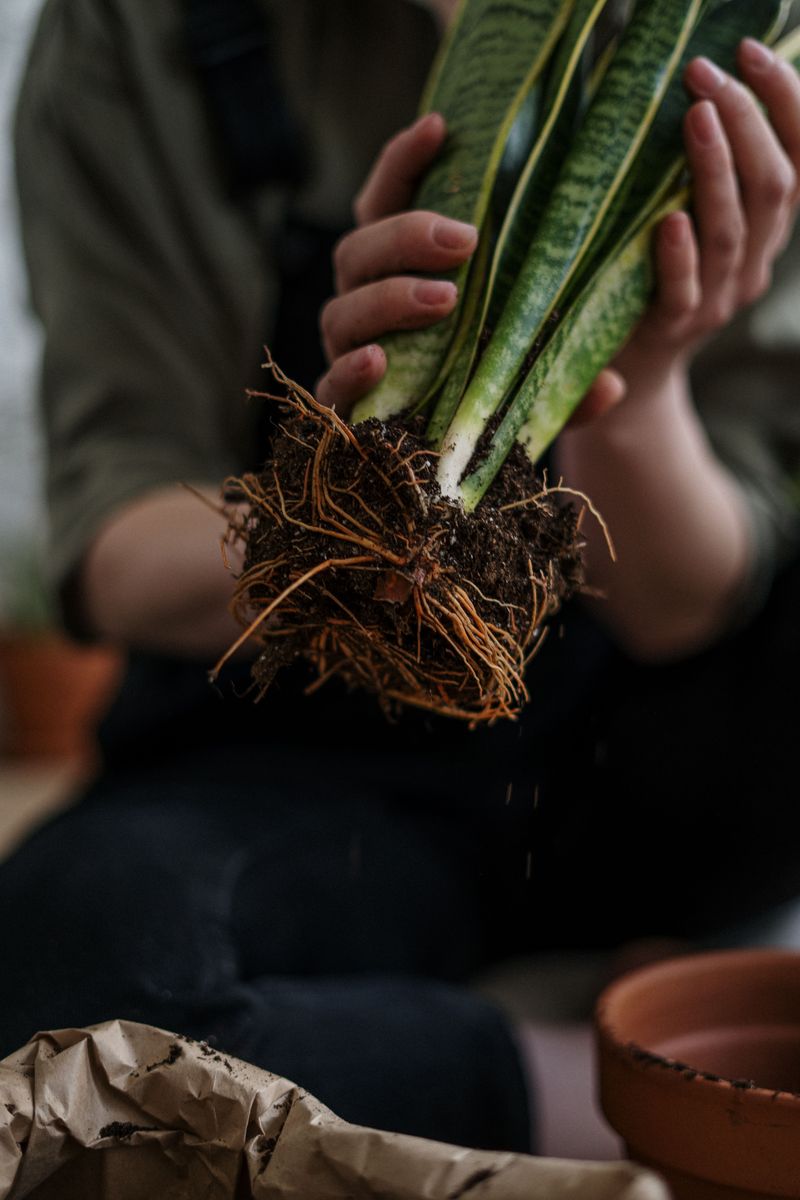
Regular potting mix feels soft and fluffy, but for a plant adapted to dry, well-drained ground it holds too much water. Dense soil stays damp much longer during chilly months, and roots get limited oxygen.
Snake plants evolved in rocky, sandy ground where water drains away quickly. Their roots need air pockets as much as they need moisture.
A cactus and succulent mix, or regular soil blended with perlite and coarse sand, works far better. Save the repotting itself for spring, but buy the right mix now so you are ready.
The Roots Have Run Out Of Room
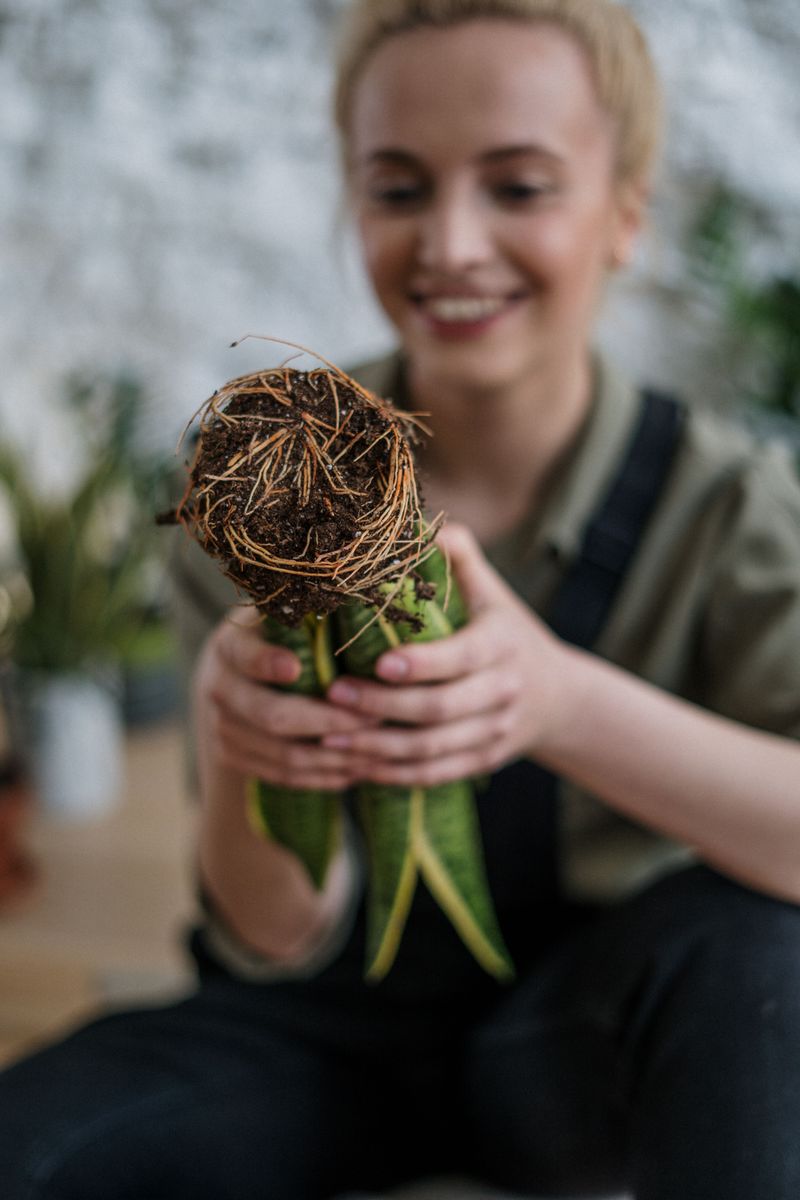
Have you ever seen a plastic pot bulging or even cracking from the inside out? Snake plants grow thick underground stems called rhizomes that can push hard enough to split containers.
Oddly, these plants like being a bit snug, but there is a limit to their patience. Once roots circle tightly around the pot several times, new shoots have nowhere to go.
Check for roots poking from drainage holes or soil lifting up near the rim. Note it now and plan to move up one pot size when warmer weather returns in April.
Feeding It Fertilizer In The Cold Months
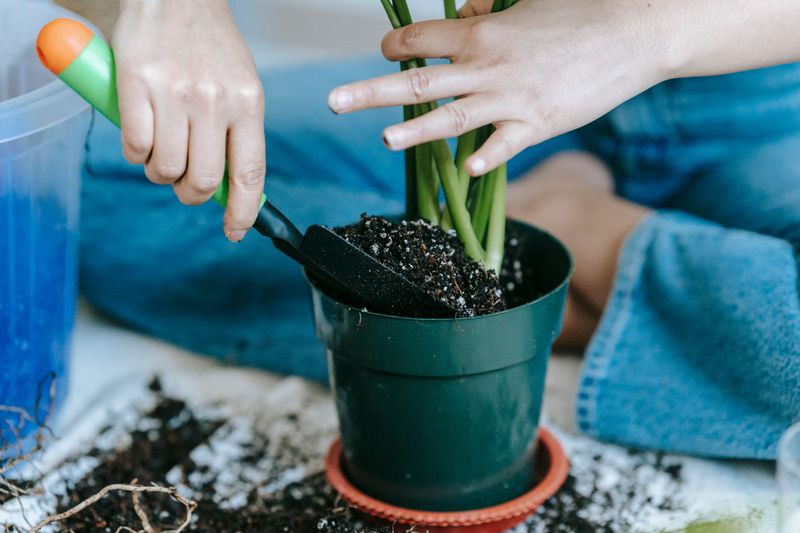
Picture a friend handing you a giant pizza right after you finished a huge Thanksgiving dinner. That is roughly how your resting plant feels about fertilizer in late fall and winter.
Without active growth, the plant cannot use extra nutrients, so salts build up in the soil. Those salts can burn roots and leave brown, crispy edges on the leaves.
Stop feeding by early October and pick it back up around March or April. If you notice white crust on the soil surface, flush the pot with plain water once.
Pests May Be Feeding Unnoticed
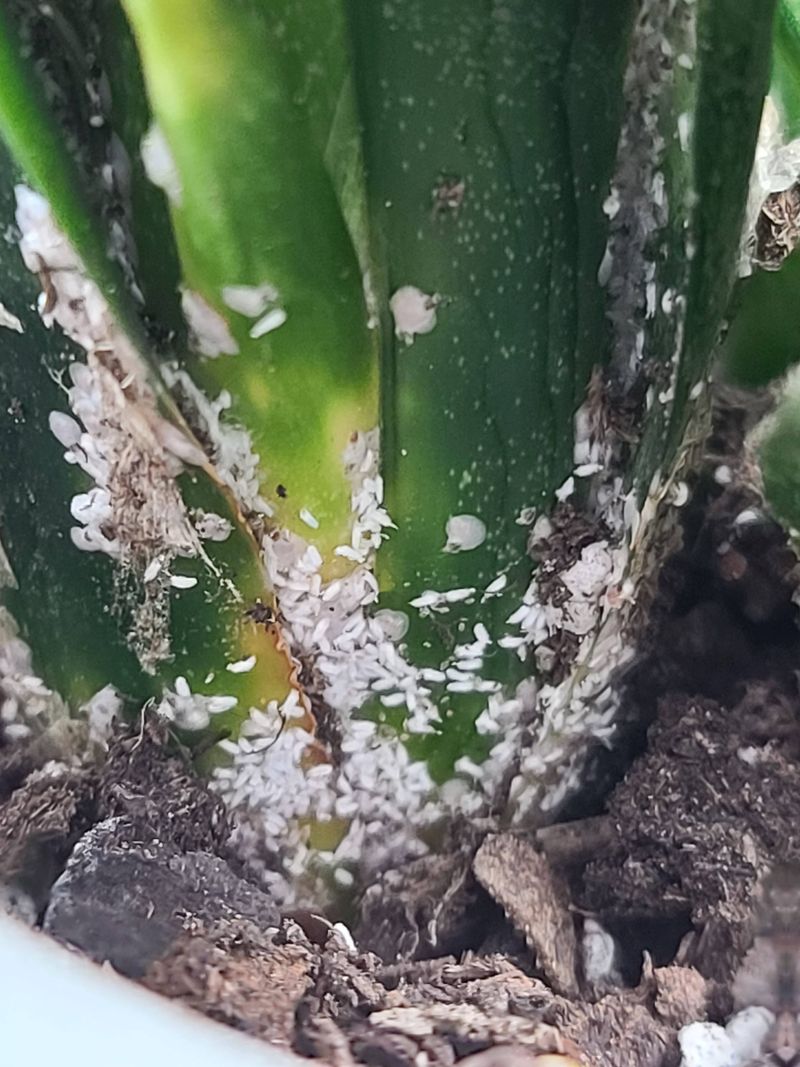
Mealybugs look like tiny bits of cotton tucked between leaves, and they love warm, dry apartments. Spider mites are even harder to spot, leaving faint speckles and fine webbing behind.
Indoor heating creates favorable conditions for these pests to multiply while you bundle up. They feed on sap, reducing the energy your plant has for growth.
Grab a flashlight and inspect leaf bases and undersides once every couple of weeks. Wipe mealybugs off with a cotton swab dipped in rubbing alcohol, and treat spider mites with a rinse or insecticidal soap. Repeat weekly until gone.
You Moved It To A New Spot Recently
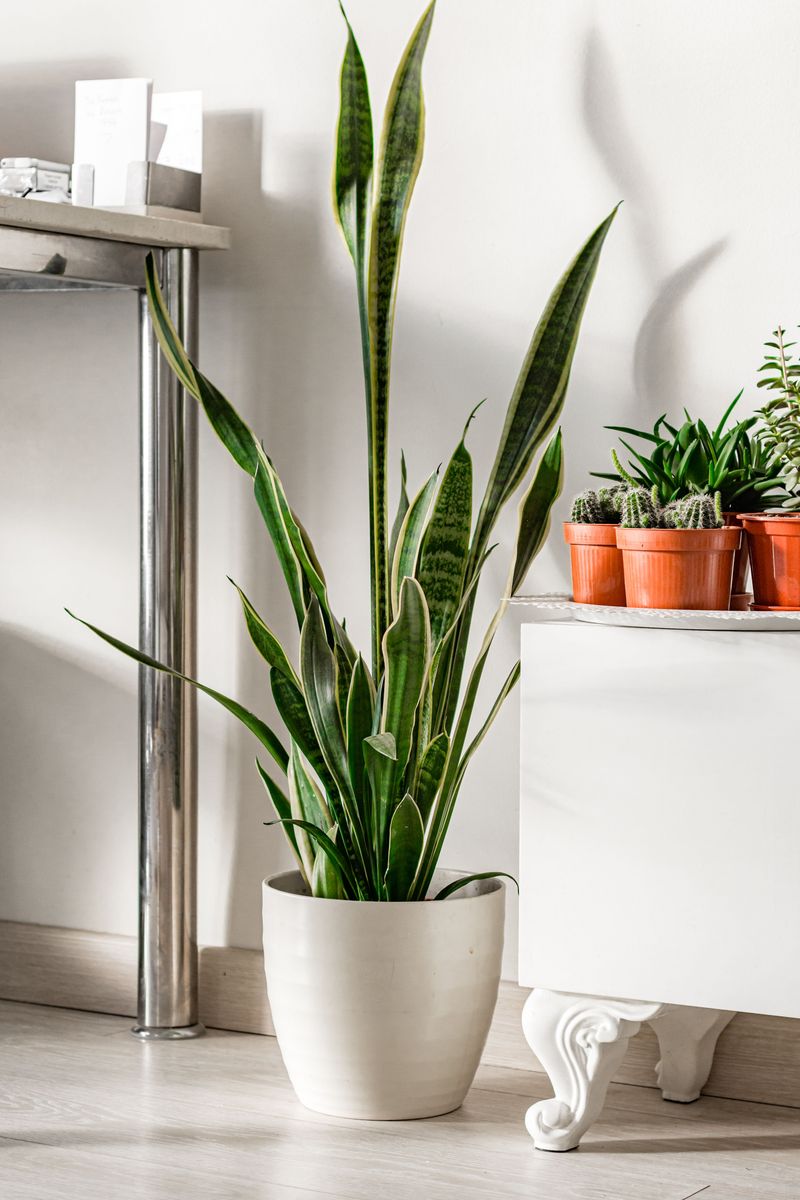
Bringing a plant in from a fire escape or balcony in October can feel like a kind gesture. Your plant, however, may treat the move as a significant change to its routine.
Light, temperature, and humidity all change at once, and the plant needs weeks to adjust. During that settling period, growth may pause while the roots and leaves adjust.
Pick one bright, steady spot and let the plant stay there for the whole winter. Shuffling the pot around every few days can prolong its adjustment.
A North-Facing Window May Not Provide Enough Light
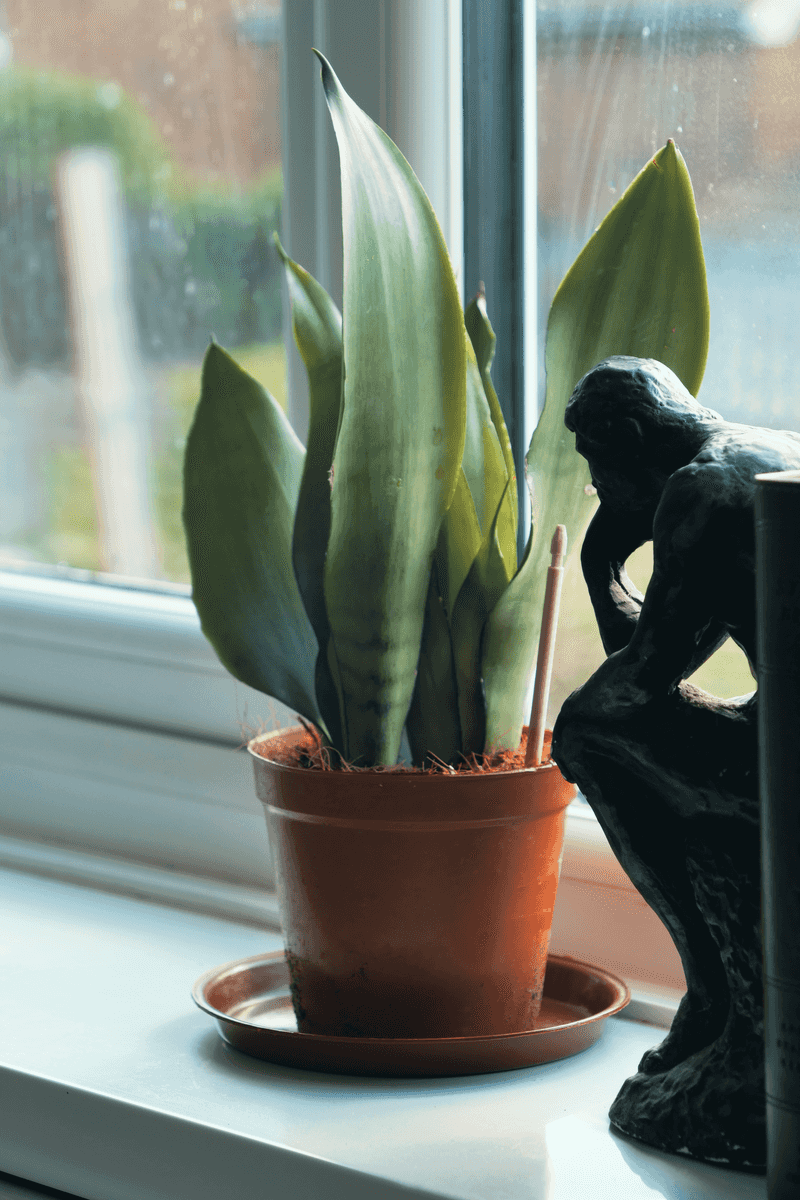
Not all windows are created equal, especially in a city packed with tall brick buildings. A north-facing window in Manhattan gets no direct sun from November through February.
Snake plants tolerate low light, but tolerating it is not the same as growing in it. Neighboring towers and narrow airshafts also block more light than you might expect.
Your plant may look perfectly fine, but it is operating on limited light all season.
Use a free light meter app on your phone for a rough comparison of different spots around your home. South and west windows usually win during winter, so test those spots first.
Dust Is Blocking The Leaves
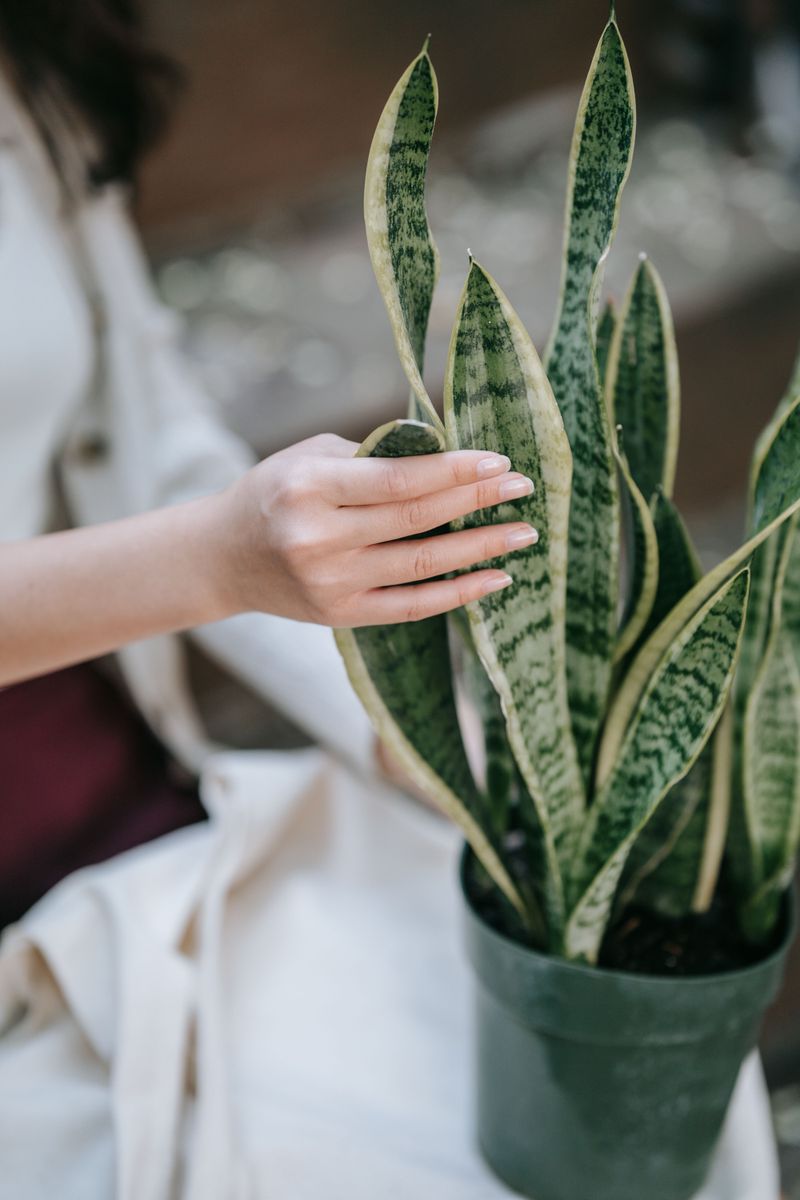
Those upright leaves are basically solar panels, and city dust can settle on them quickly. Soot, radiator grime, and household dust form a thin film that blocks light.
In a season when light is already scarce, even a light coat of dust can reduce growth. Less light reaching the leaf surface means even slower growth through the winter.
Once a month, wipe each leaf gently from base to tip with a damp, soft cloth. Skip leaf shine sprays, since they can clog the tiny pores leaves use to breathe.
Cold Water Can Stress The Roots
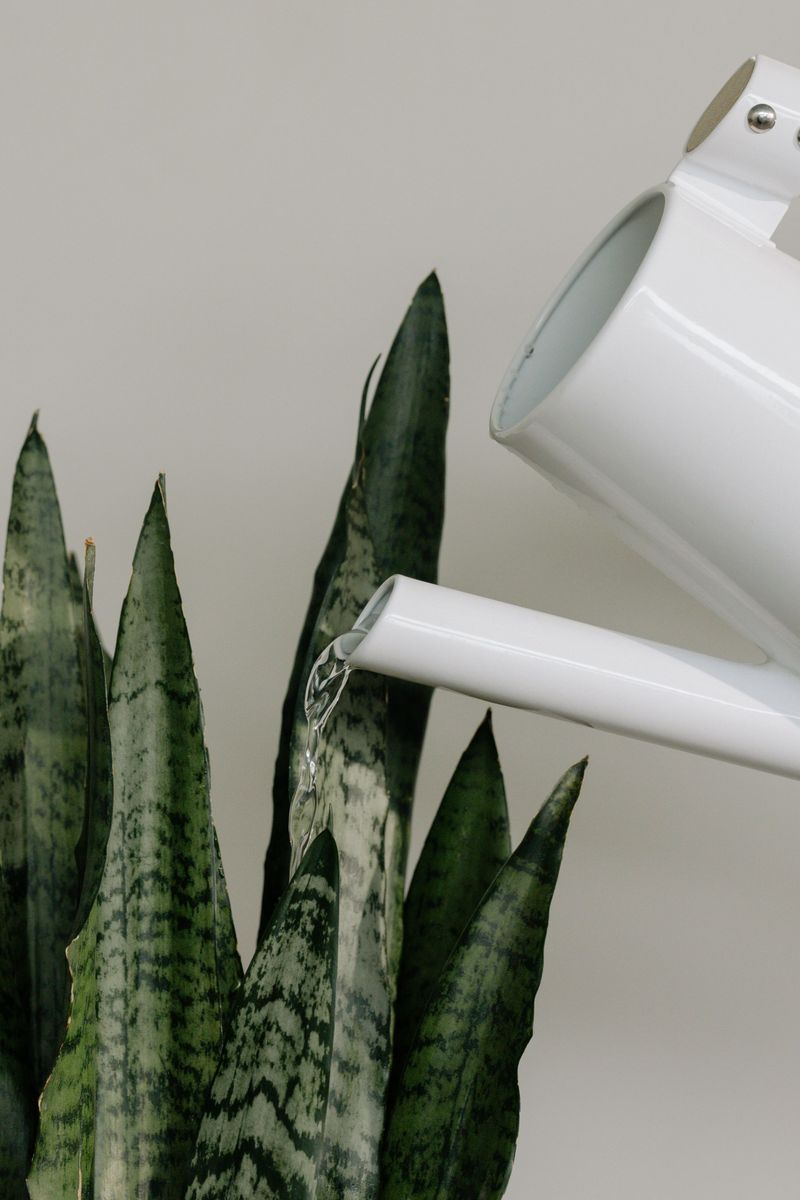
Tap water in New York can come out icy cold in winter, especially from older pipes. Pouring that straight onto warm roots is like jumping into the ocean in March.
Sudden cold can stress the root system and slow down what little growth is happening. Snake plants prefer gentle, steady conditions, and that includes the temperature of every drink.
Fill a watering can the night before and let it sit at room temperature. Letting it rest overnight also allows some chlorine to escape, which your plant will quietly appreciate.
The Plant Is Simply A Slow Grower
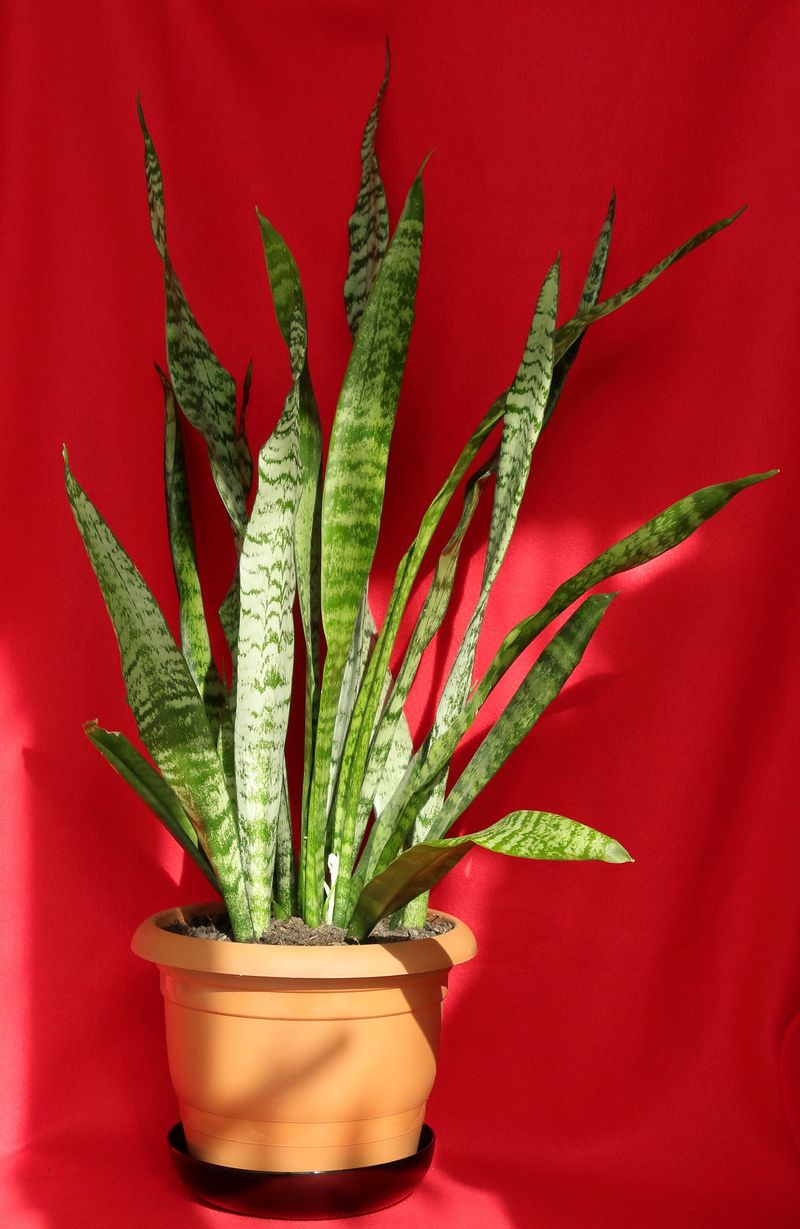
Patience is part of the deal with snake plants, even during the sunniest summer months. Many varieties produce a modest number of new leaves each year, even under ideal conditions.
Compact types like Hahnii, often called bird’s nest snake plants, grow even more slowly. Comparing your plant to a speedy pothos is like comparing a turtle to a jackrabbit.
Snap a photo of your plant on the first of each month, then compare them in spring. You will likely spot more progress than your quick daily glances ever revealed before.
Add A Grow Light For Extra Brightness
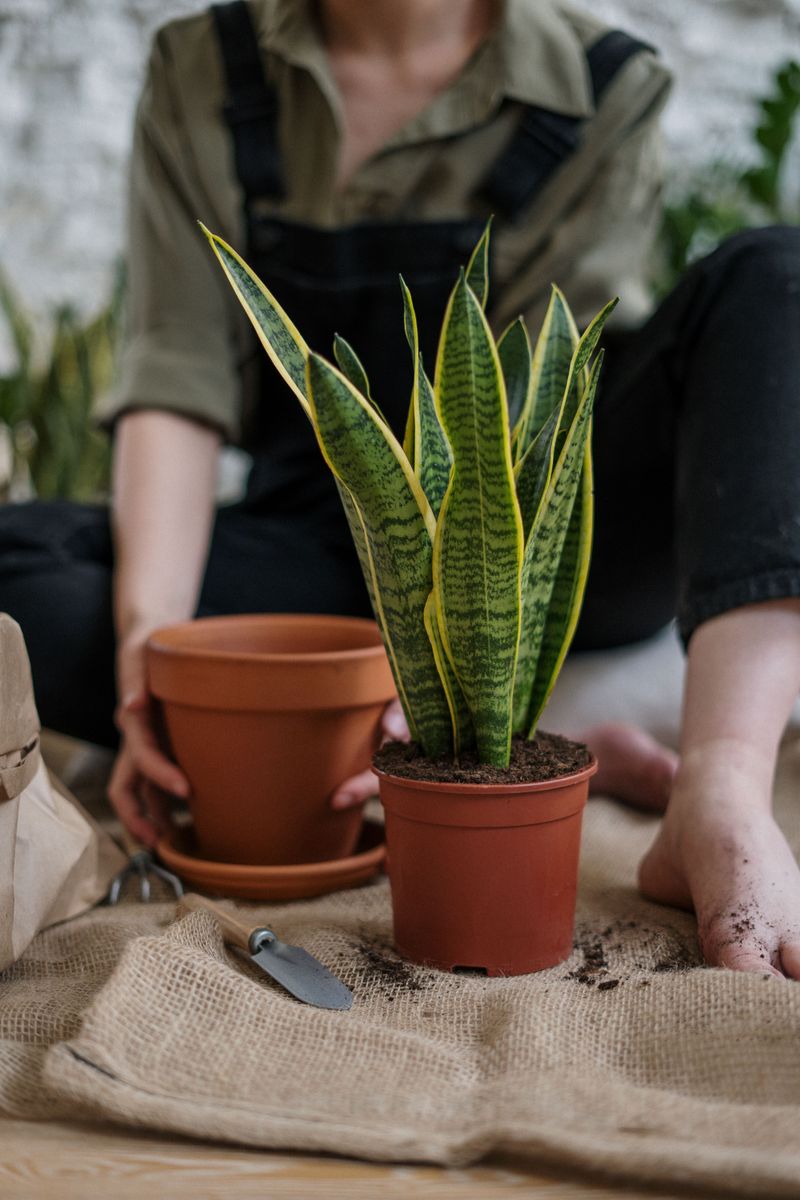
A simple LED grow light works like pocket-sized sunshine for a dim apartment corner or shelf. Full-spectrum bulbs approximate natural daylight, giving leaves the energy that shorter days reduce.
Set the light about 12 to 18 inches above the plant for best results. Run it for 10 to 12 hours a day, and use a timer to stay consistent.
Clip-on lamps work great on bookshelves, while stand-up versions suit floor plants nicely. Some plant owners see fresh shoots within weeks of adding steady light, though results vary.
Switch To A Smart Winter Watering Schedule
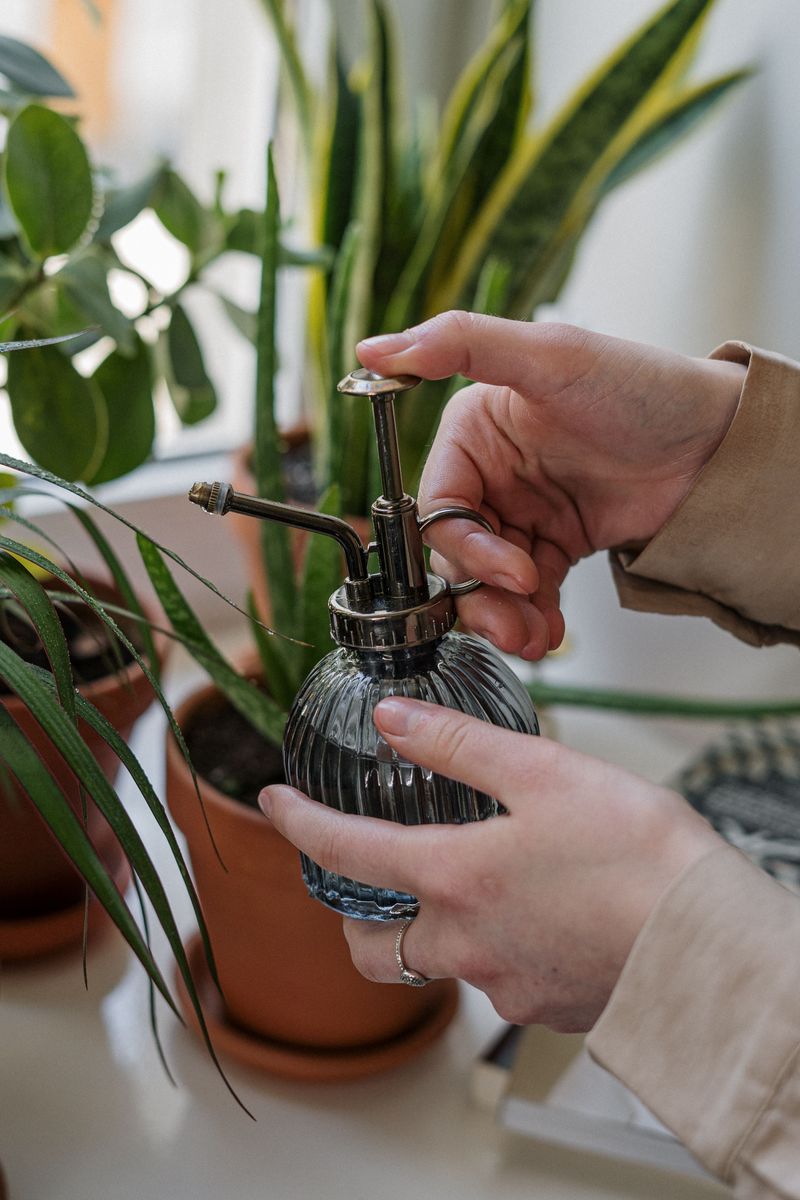
Less is more once the radiator clicks on and daylight fades around four thirty. A good winter rhythm means watering every three to five weeks, depending on your home.
Push a wooden chopstick into the soil and pull it out after a minute. If it comes out clean and dry, it is time to give the plant a drink.
Water slowly until it drains from the bottom, then empty the saucer within ten minutes. Jot the date on a sticky note by the pot so you are not guessing next time.
Choose Gritty Soil And A Terracotta Pot For Spring
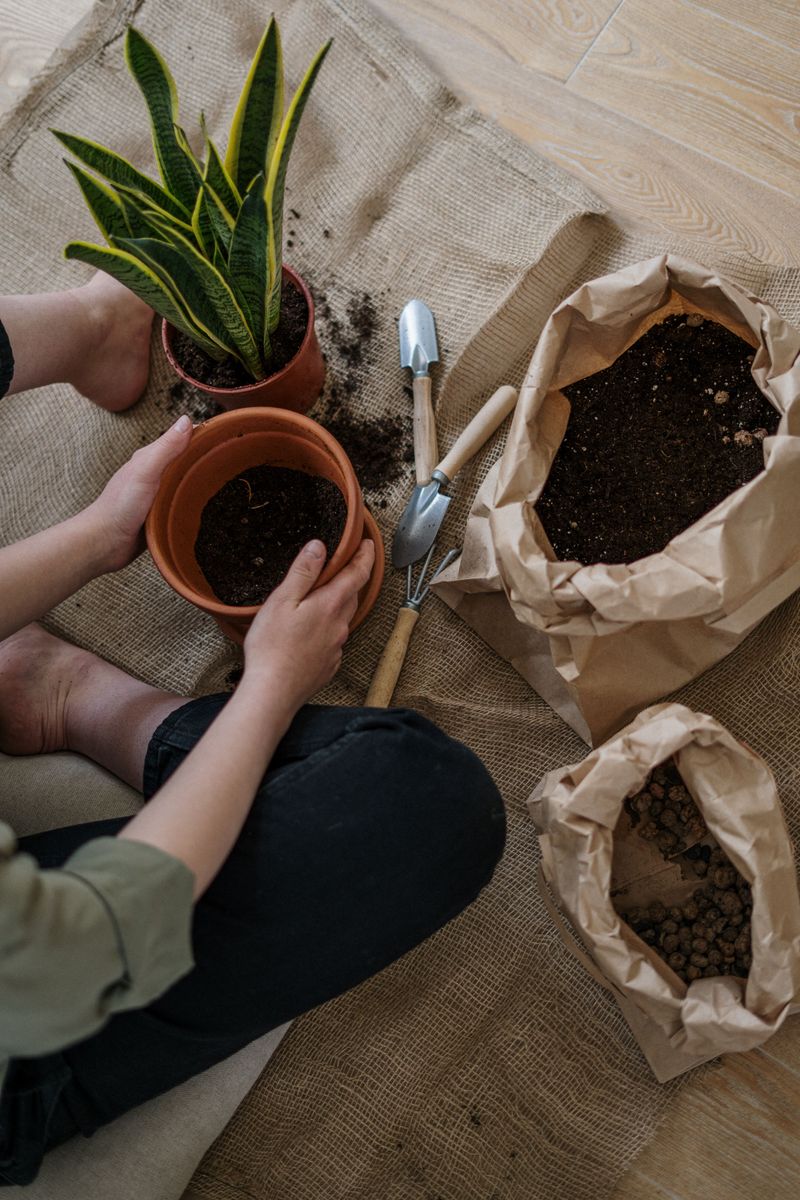
Terracotta is a quiet hero for anyone who tends to love plants a little too much with water. The clay breathes, pulling extra moisture out of the soil and keeping roots healthier.
Pair it with a fast-draining cactus mix, and you build a home that feels like native ground. Wait until spring for a full repot unless roots are rotting right now.
If rot is present, trim mushy roots with clean scissors and let them dry for a day. Then settle the plant into fresh, dry mix and hold off watering for a week.
Raise The Humidity Around Your Plant
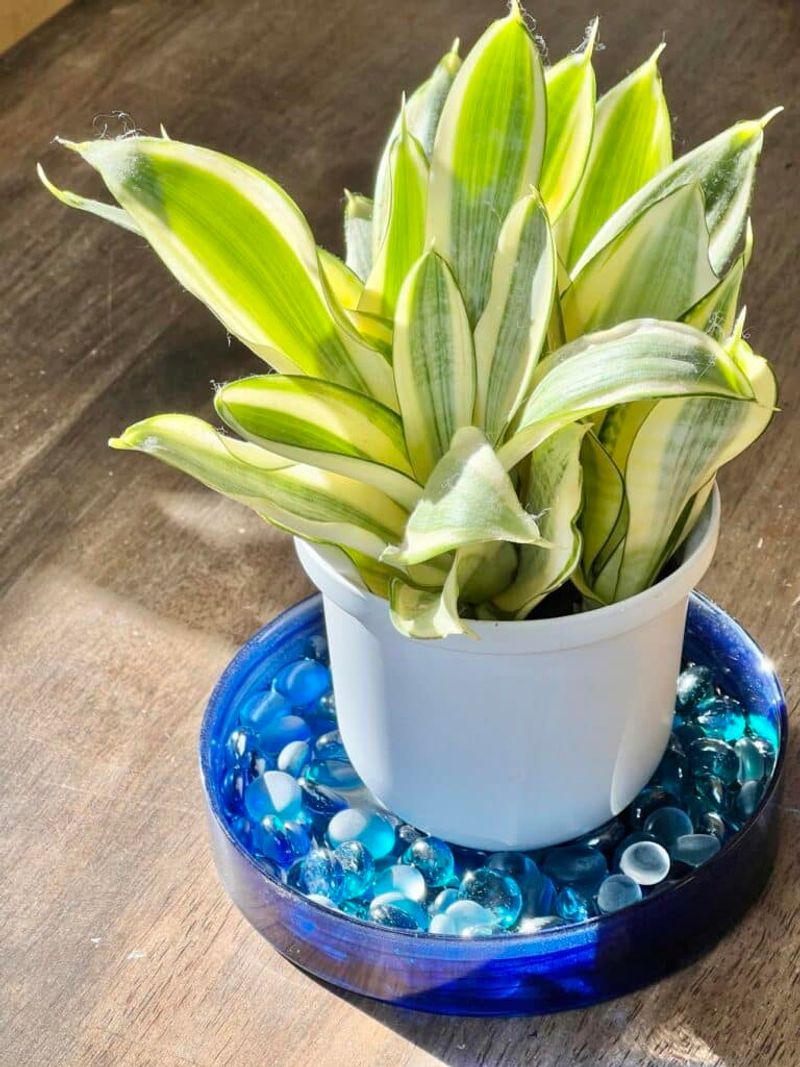
Snake plants are not humidity hogs, but radiator-dried air can still push them past their comfort zone. Bumping moisture up a little helps leaves stay plump and ready to grow.
Group a few houseplants together, since they release a small amount of moisture that slightly raises humidity nearby. A small cool-mist humidifier nearby also helps, and your skin will thank you too.
Aim for indoor humidity somewhere around 40 percent during the coldest stretch of winter. An inexpensive digital hygrometer from any neighborhood hardware store lets you track the numbers at a glance.
Keep Temperatures Warm And Steady
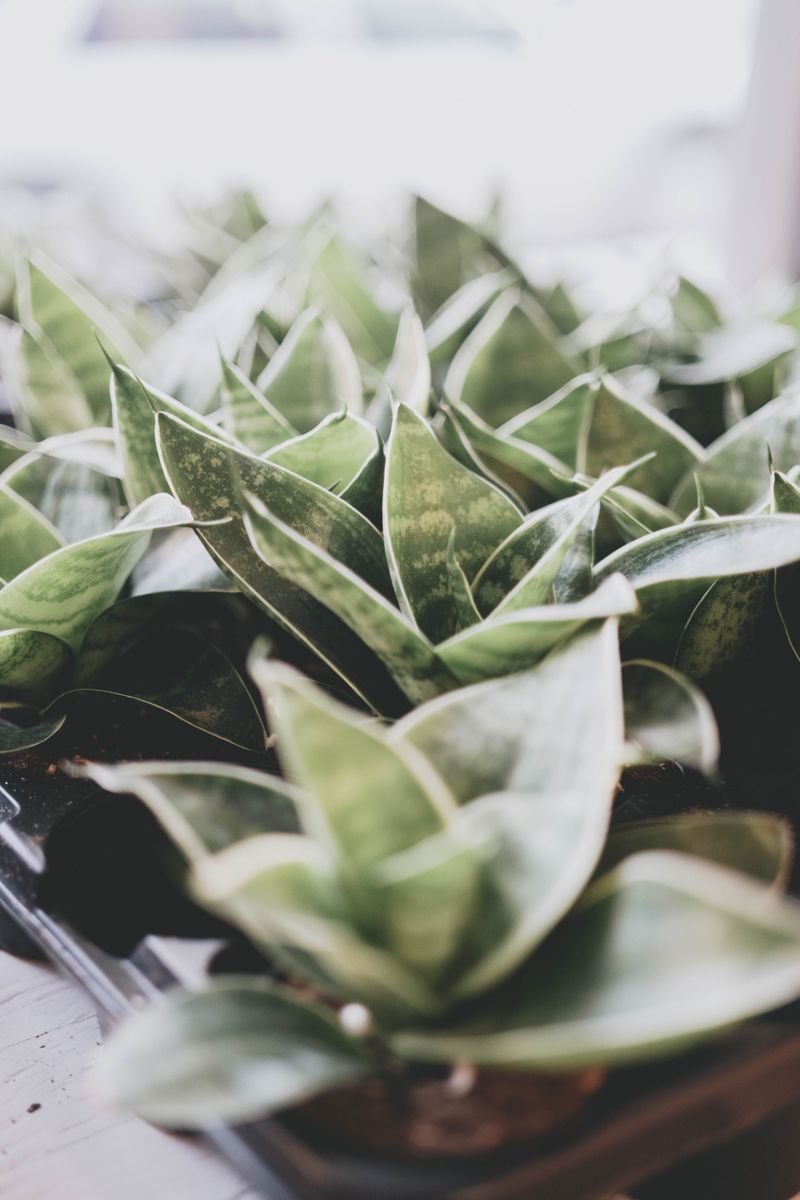
Snake plants feel happiest between 60 and 85 degrees, which happens to match most cozy apartments. Trouble starts when temperatures swing sharply between a hot radiator and a drafty window.
Watch out for spots near front doors, AC units left in windows, and chilly fire escape openings. Those little blasts of cold air can slow growth.
A cheap thermometer near the pot tells you what your plant really experiences day and night. Keep things steady, and your plant will reward you with fresh spikes when spring arrives.