What Finger Lakes Vineyard Owners Do The Week Before First Frost That You Should Copy
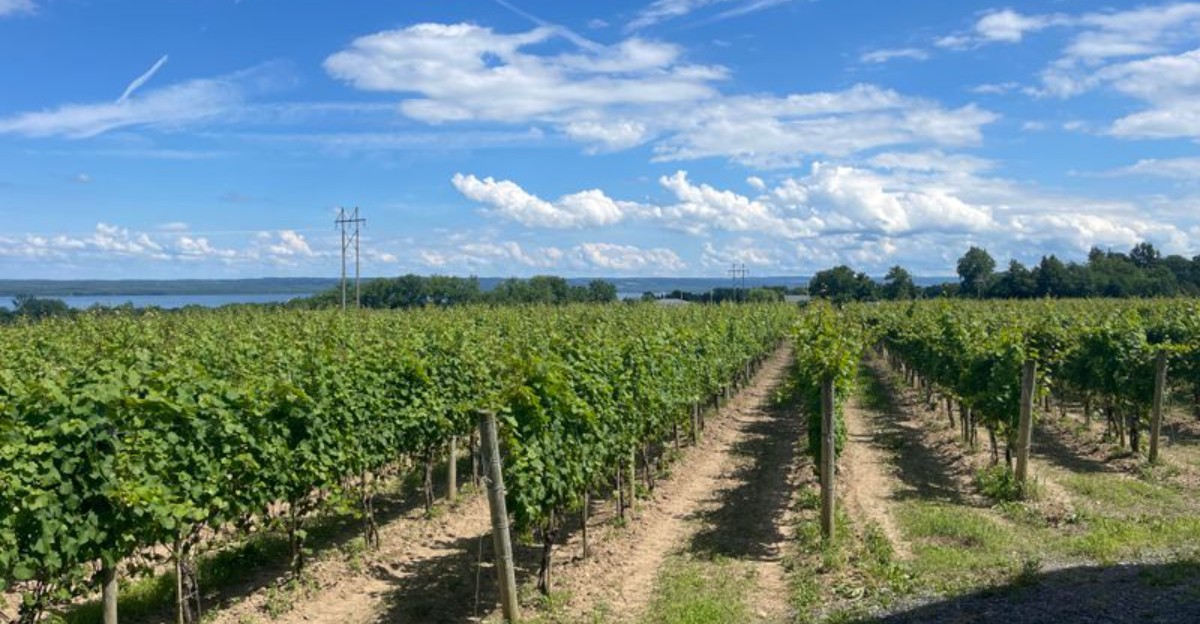
Autumn feels different in upstate New York. The air smells like damp leaves, cold stone, and crushed grapes drifting from Finger Lakes vineyards.
For growers, that scent signals a narrowing window before frost. The final days bring a flurry of work as crews monitor temperatures, finish harvests, clean tools, and protect young vines.
Those routines are not just for vineyards. Many translate surprisingly well to backyard gardens and raised beds.
A few simple habits can help plants enter winter in better shape. Borrow the vineyard routine, adapt it to your yard, and give your garden a stronger start next spring.
Watch The Weather Before Frost Reaches Low Spots
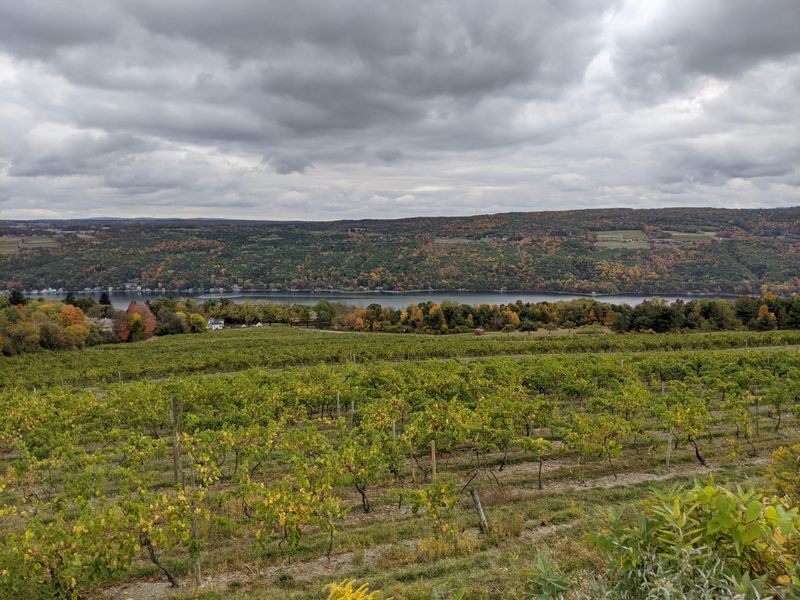
Cold air behaves a lot like water. It slides downhill and pools in the lowest spot it can find.
Finger Lakes growers learned this the hard way over generations. That is why the best vineyard blocks sit mid-slope, where chilly air keeps draining past the vines instead of settling around them.
The lakes themselves help too. Deep glacial water holds summer heat and releases it slowly through autumn, pushing the first hard frost later for lakefront sites.
Your yard has the same hidden map. A dip near the back fence or a flat corner behind a hedge will frost before the raised bed on your slope does.
During the final week, growers check hourly forecasts instead of the weekly summary. Damage starts once the reading slips below 32 degrees and tender green tissue is still exposed.
Clear, calm nights are the risky ones. Wind and cloud cover mix the air and hold warmth near the ground, so a breezy evening often passes without harm.
Set a cheap outdoor thermometer in your lowest garden spot. Compare it to your phone app for a few mornings and you may find a five degree gap.
Solid fences and thick shrubs act like dams for cold air. Opening a gate or trimming a gap lets that heavy air keep moving downhill.
Keep a simple notebook by the door. Jot the date, the low reading, and what showed damage the next morning.
Next fall, those scribbled notes become your own forecast, tuned to your exact yard.
Harvest Tender Crops Before Cold Damages Them
Harvest in this region stretches from September into late October, and sometimes it creeps into November. Riesling and Cabernet Franc hang the longest, ripening slowly while nights turn sharp.
Waiting adds flavor, but waiting also adds risk. An early freeze can strip leaves off the vines before the last bins are full, cutting off the sugar supply mid-ripening.
Vineyard owners watch the forecast and harvest vulnerable grapes before damaging cold arrives. Use the same approach with tender vegetables in your garden.
Finger Lakes growers balance that gamble every year. They taste berries, measure sugar and acid, and pick the moment the numbers line up with the forecast.
European vinifera grapes feel the cold more than native and hybrid types. That difference alone shapes which blocks get picked first when a cold front shows on radar.
Your New York Garden Changes Every Week. Your Plan Should Too.
Gardening in New York changes quickly throughout the season. Every Friday you’ll receive a simple weekly plan showing exactly what to plant, prune, fertilize, harvest, and protect so you never miss the right timing.
Your garden can use the same frost-first thinking. Tomatoes, peppers, basil, squash, eggplant, and beans are highly sensitive to freezing temperatures.
Pull them all before that first cold night, even the fruit that looks stubbornly green. Ripening happens indoors on a counter or in a paper bag with a banana.
Herbs deserve a rescue too. Cut basil stems, strip the leaves, and freeze them in olive oil inside an ice cube tray.
Some crops actually improve after a chill. Kale, carrots, parsnips, and Brussels sprouts turn sweeter, so leave those in place and enjoy the bonus.
Pick when fruit is dry if possible. Keeping harvested produce dry and handling it gently helps reduce storage problems.
Give yourself a full day of buffer. Frost forecasts shift, and nobody regrets picking a little early.
Clear And Clean Harvest Tools Before Storage
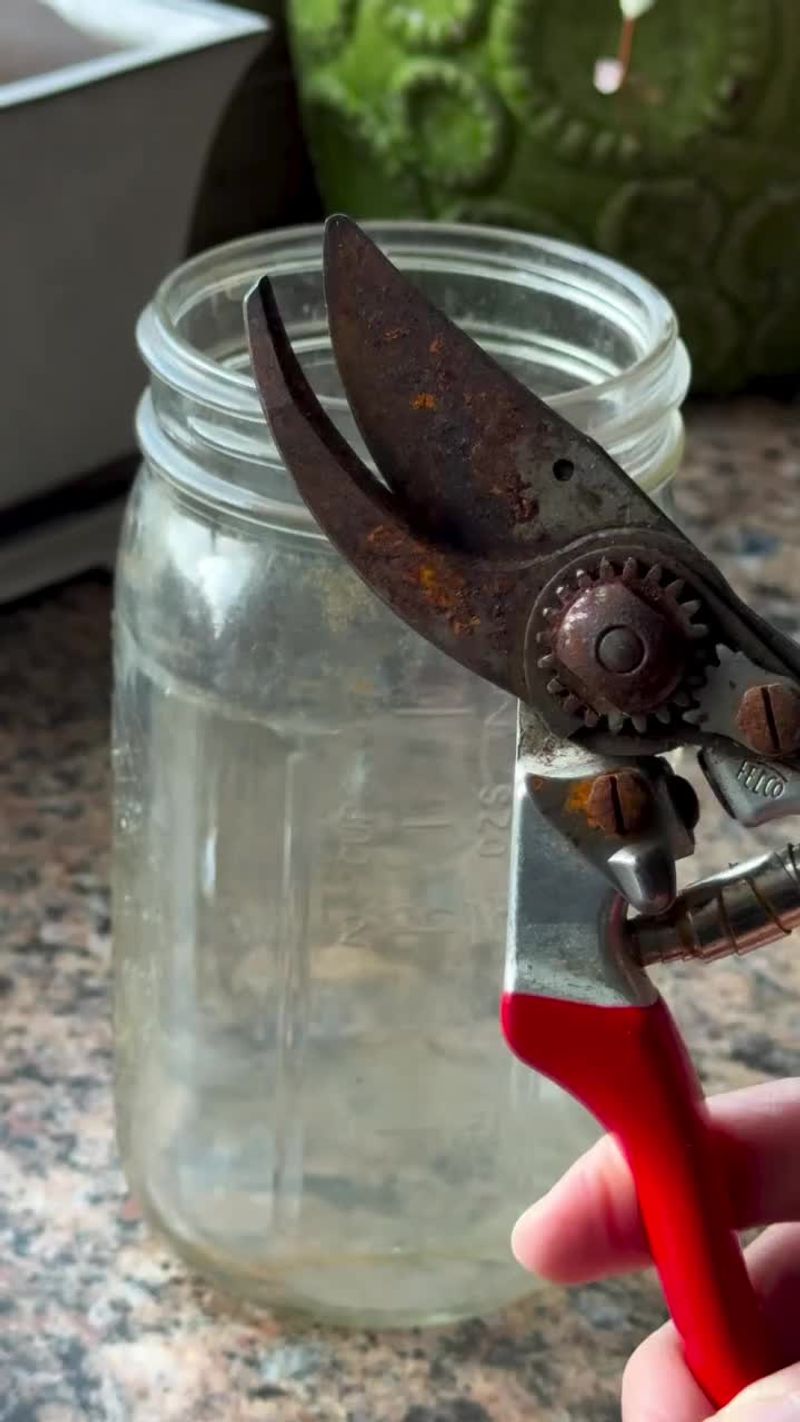
Walk into a tidy vineyard shed in November and the shears gleam. There is a reason for that, and it has nothing to do with showing off.
Dirt clinging to metal traps moisture against the surface. Over a damp winter, that moisture turns into rust that ruins an edge.
Crews start by scrubbing caked soil away with a stiff brush or steel wool. Then tools get a bath in warm soapy water and a full rinse.
Drying matters more than most people think. A tool put away slightly damp will pit and stain by spring.
Pruners and snips get disinfected next. A properly diluted bleach solution or 70 percent rubbing alcohol can help reduce pathogens that travel from vine to vine.
Grapevine trunk diseases spread through dirty cuts. Sanitizing in fall means clean blades for the heavy pruning work that starts in late winter.
Sharpening comes after cleaning. A honed blade slices cleanly, which helps plants seal wounds faster and saves your hands real effort.
Finish metal parts with a thin coat of light oil. Even a wiped-on film of mineral oil keeps moisture off through months of storage.
Wooden handles need attention too. Linseed oil or beeswax polish keeps them from drying out and splitting in cold air.
Store everything in a dry shed or garage, hung up rather than piled on a damp concrete floor. Growers treat good tools like investments, because replacing them every few seasons adds up fast.
Check Plants For Winter-Ready Growth
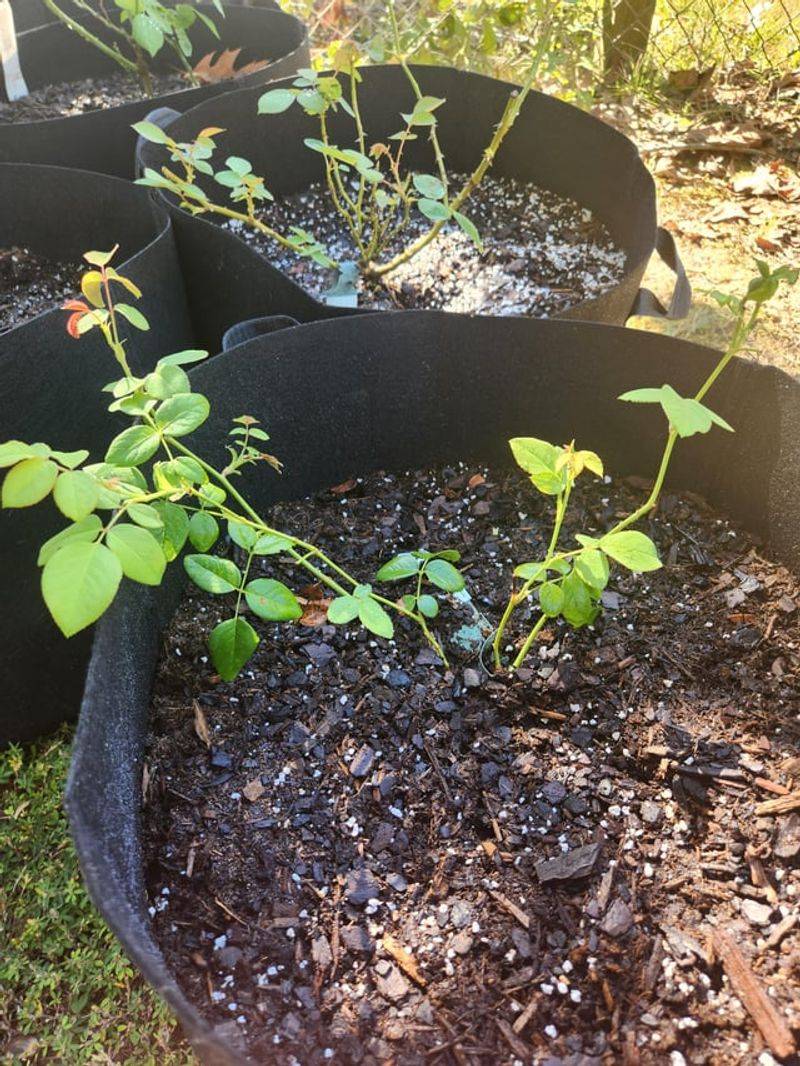
Here is something growers watch closely that gardeners often ignore. Soft, leafy new growth in October is a warning sign, not a success.
Grapevines need to harden off before winter hits. Canes shift from green and bendy to brown and woody, a change called periderm formation.
That woody tissue survives cold far better. Green shoots still growing in late fall get damaged by the first serious freeze.
Fertilizer timing drives a lot of this. Finger Lakes vineyard managers stop nitrogen by midsummer so vines are not pushed into a late growth spurt.
Water gets dialed back too when conditions allow. Avoiding excessive irrigation can help limit late-season vegetative growth as vines prepare for winter.
What goes into storage is carbohydrates and nutrients, packed into trunks and roots. Those reserves fuel next spring’s first flush of leaves.
Young vines often wear plastic grow tubes through the season. Crews pull those off in fall so the little plants can feel the cooling air and acclimate.
Apply the same thinking at home. Avoid unnecessary late-season nitrogen feeding on shrubs, roses, fruit trees, and perennial beds.
Squeeze a stem between your fingers as a quick test. Firm and woody means ready, while soft and rubbery means the plant needs more time.
Leaf drop is a good sign. When foliage yellows and falls on schedule, dormancy is arriving the way it should.
Let plants slow down naturally instead of coaxing one more round of growth.
Protect Young Plants In Exposed Garden Spots
The weakest point on a grafted grapevine is not the roots or the trunk. It is the graft union, that knobby joint where rootstock meets vinifera.
Cold finds that spot first. Lose the graft union and you lose the whole vine’s identity, since the rootstock alone will not give you the grape you planted.
Growers solve it with soil. The practice is called hilling up, and it means pushing a mound of dirt right over the union before the ground freezes.
In the colder corners of the region, at least eight inches of soil goes over each vine. That blanket keeps the temperature swings underneath much gentler.
Straw and compost pile on around young vine bases for extra insulation. Some vineyards bury whole young canes, which takes real labor but works remarkably well.
Variety choice matters on wind-scoured sites. Cold-hardy hybrids handle exposure that vinifera struggles with, so tough spots get tough plants.
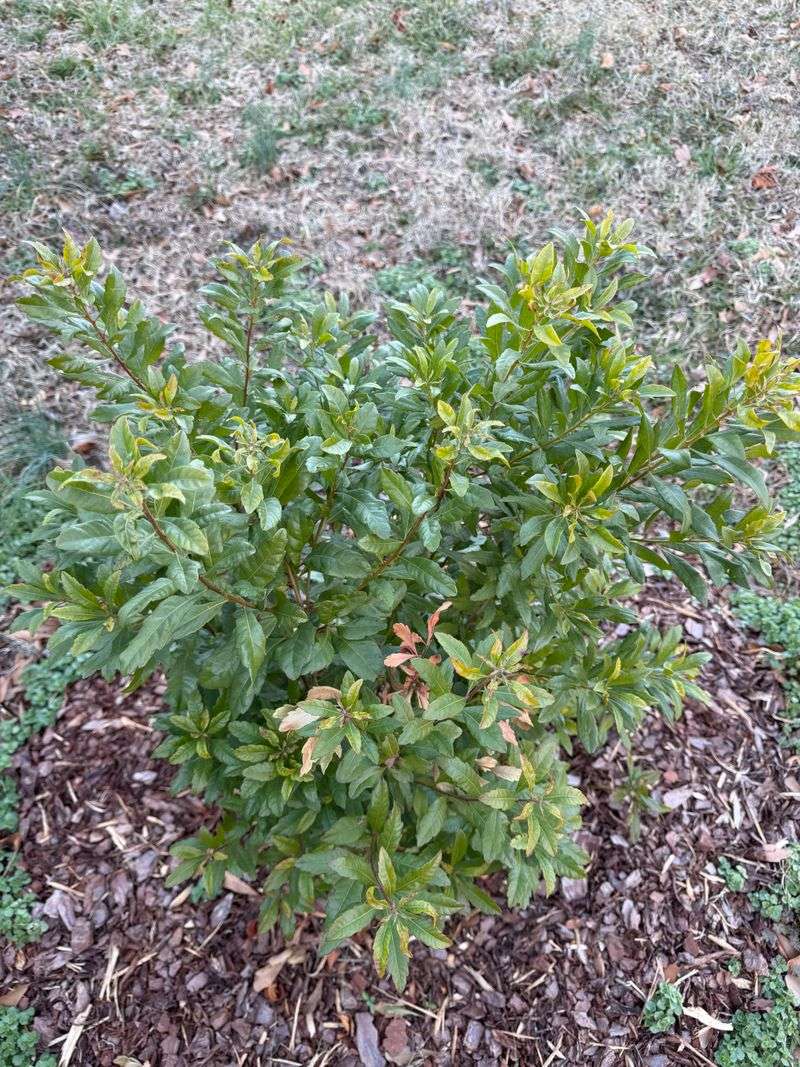
Your garden version is straightforward. Mound soil, shredded leaves, or compost around the bases of tender plants that need extra winter protection, keeping the material away from trunks and crowns.
Wait until the ground begins to freeze before adding winter mulch. Applying it too early can provide shelter for rodents and contribute to rot around crowns.
Burlap screens on the windward side help small shrubs. Wind dries out stems just as much as cold damages them.
Come spring, pull the mounds away gradually. Plants need to wake up without a sudden shock.
Keep Soil Covered Before Winter Rains Arrive
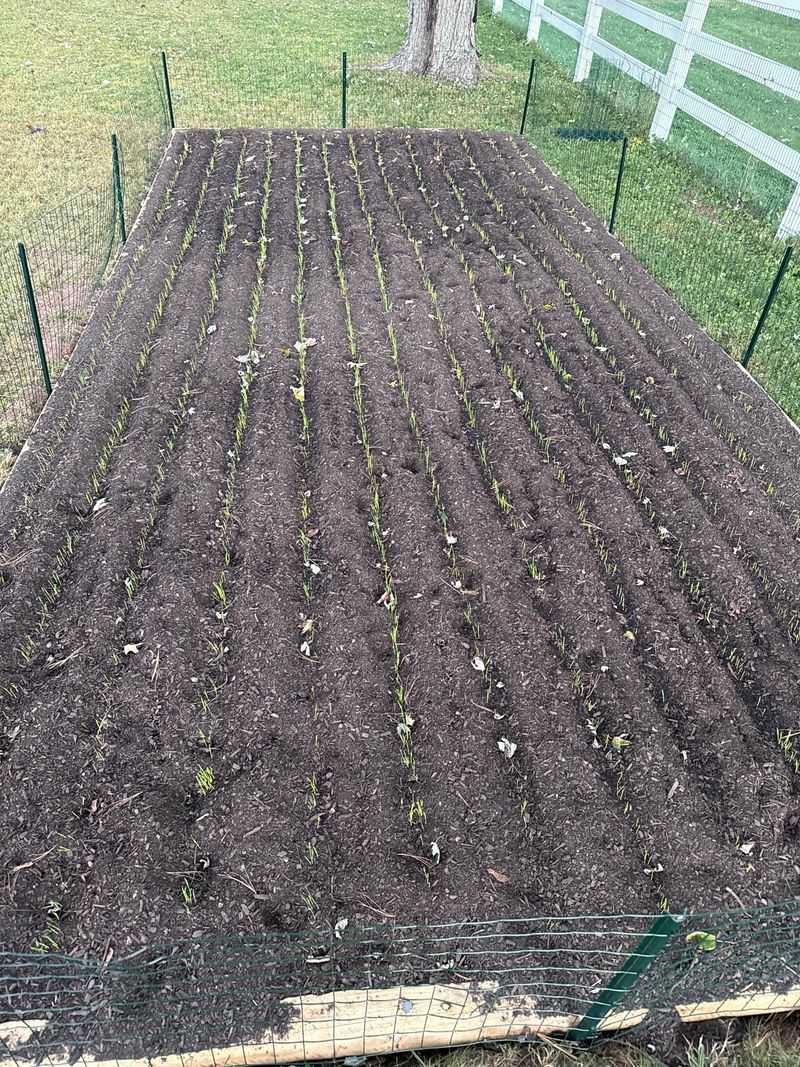
Bare dirt over a wet winter is a slow leak. Rain and melting snow carry topsoil and nutrients downhill, and neither comes back on its own.
Vineyard crews in the Finger Lakes answer with cover crops. Rye, clover, and other legumes go in between rows during fall.
Those plants hold the ground in place through storms. Their roots grip the soil while the vines sleep above.
Benefits pile up beyond erosion control. Cover crops feed soil microbes, improve structure, and add organic matter as they break down.
Cover crops can compete with vines for some available nutrients and water, which can help manage overly vigorous growth in some vineyard settings.
Mulch does related work closer to the trunk. A layer around the vine base insulates roots and shields graft unions from freezing.
Home gardens respond the same way. Sow winter rye, crimson clover, or hairy vetch in empty beds as soon as the last crop comes out.
Short on time? Chopped leaves, straw, or old compost spread three inches deep will do plenty of good.
Skip whole leaves laid flat. They mat together into a soggy layer that blocks air and water.
Mow or turn cover crops under a few weeks before spring planting. Decomposing greenery releases nutrients right when seedlings want them.
Fields left covered all winter are better protected from erosion, and cover crops can improve soil structure over time. Your back will notice the difference in April.
Test Garden Soil After The Final Harvest
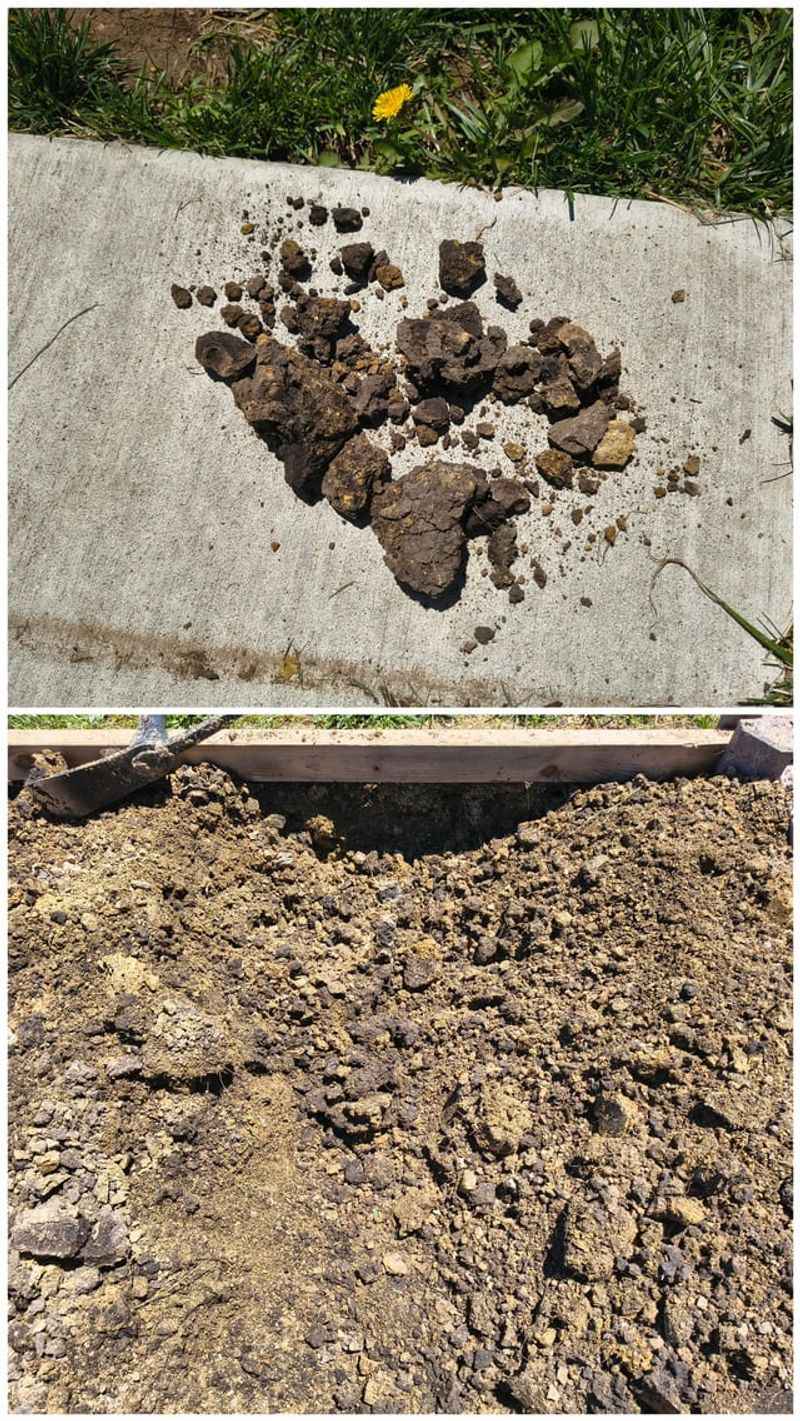
Guessing about soil is expensive. Testing costs about the price of a sandwich and tells you exactly what your ground is missing.
Finger Lakes vineyards sit on well-drained, nutrient-rich ground shaped by glaciers. Even so, composition shifts block by block, with pH and drainage varying across short distances.
That variation is why growers sample instead of assume. A slope near Seneca Lake can read very differently from one two miles inland.
Fall is the smart window. Harvest is finished, the soil is not frozen, and labs are less backed up than they will be in March.
Results give you a plan. Knowing pH and nutrient levels lets you apply amendments before the next growing season instead of reacting mid-summer.
Lime works especially well applied in autumn. Raising pH takes months, so fall applications have time to act before roots get busy.
Collect samples the right way. Take small scoops from six or eight spots, mix them in a clean bucket, and send one blended sample.
Dig to the recommended sampling depth for the plants you’re testing. Keep samples from different beds or planting areas separate when their soil needs differ.
Keep beds separate if they get different treatment. A blueberry patch and a tomato bed want very different numbers.
Cooperative extension offices across New York run affordable tests with clear recommendations. Hold onto the reports and compare year to year.
Watching those numbers shift over time teaches you more than any general gardening advice ever will.
Mark Cold Spots That Frost Reaches First
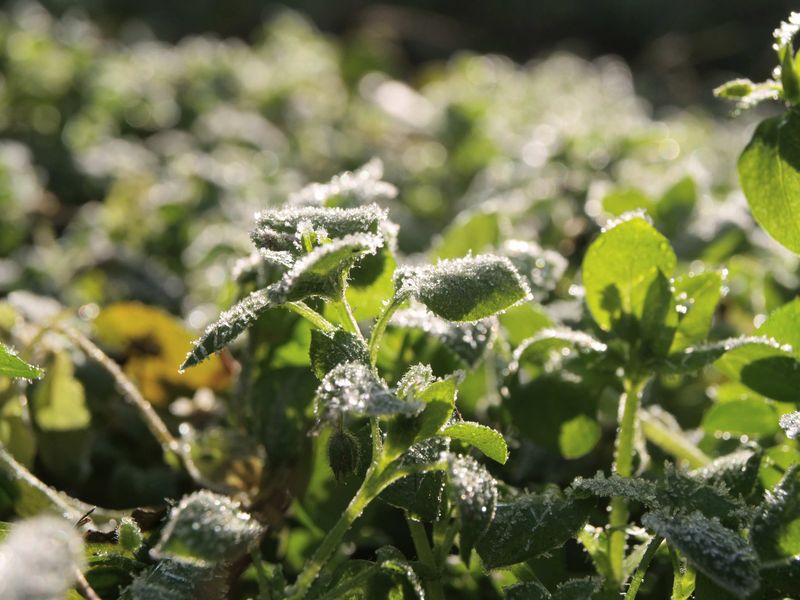
A veteran grower can point to the exact row where frost lands first. That knowledge did not come from a book, it came from years of cold mornings and careful notes.
Mapping frost pockets is one of the quietest high-value jobs in the region. Knowing where cold settles shapes planting decisions, variety choices, and where protection gets aimed.
Low spots and valley bottoms take the hit earliest. Cold air rolls downhill and stacks up wherever it cannot escape.
Mid-slope ground stays warmer, provided nothing blocks the flow. A treeline or building at the bottom of a hill turns a good site into a trouble spot.
Distance from the lakes matters enormously. Vineyards far from that moderating water see earlier frosts and colder winter lows than lakeshore blocks a few miles away.
Historical records fill in the picture. Growers review past low temperatures and frost-free day counts before committing a single vine to the ground.
Do a smaller version yourself. On the morning after a light frost, walk out early with your phone and photograph where white patches linger.
Drive a stake with bright tape into each cold zone. Those markers save you from guessing next October.
Sketch a rough yard map and shade the problem areas. Add notes about which plants showed damage and which shrugged it off.
Reserve the frosty corners for hardy crops and late-planted greens. Save the warm pockets for things that hate the cold.
Check Irrigation And Drainage Before The Ground Freezes
Nothing ruins a spring morning like a split irrigation line. Water expands as it freezes, and trapped water inside a hose or pipe turns into a slow-motion crack.
Finger Lakes crews drain everything before the ground locks up. Lines get blown clear, valves get opened, and low points get checked twice.
Disconnect outdoor hoses from the spigot first. A connected hose holds water right against the faucet, which is where burst pipes usually begin.
Coil hoses loosely and store them indoors. Tight coils crack at the bends once the plastic goes stiff in the cold.
Shut off the supply to outdoor systems, then open every drain point. Drip tape, emitters, and filters all hold water you cannot see.
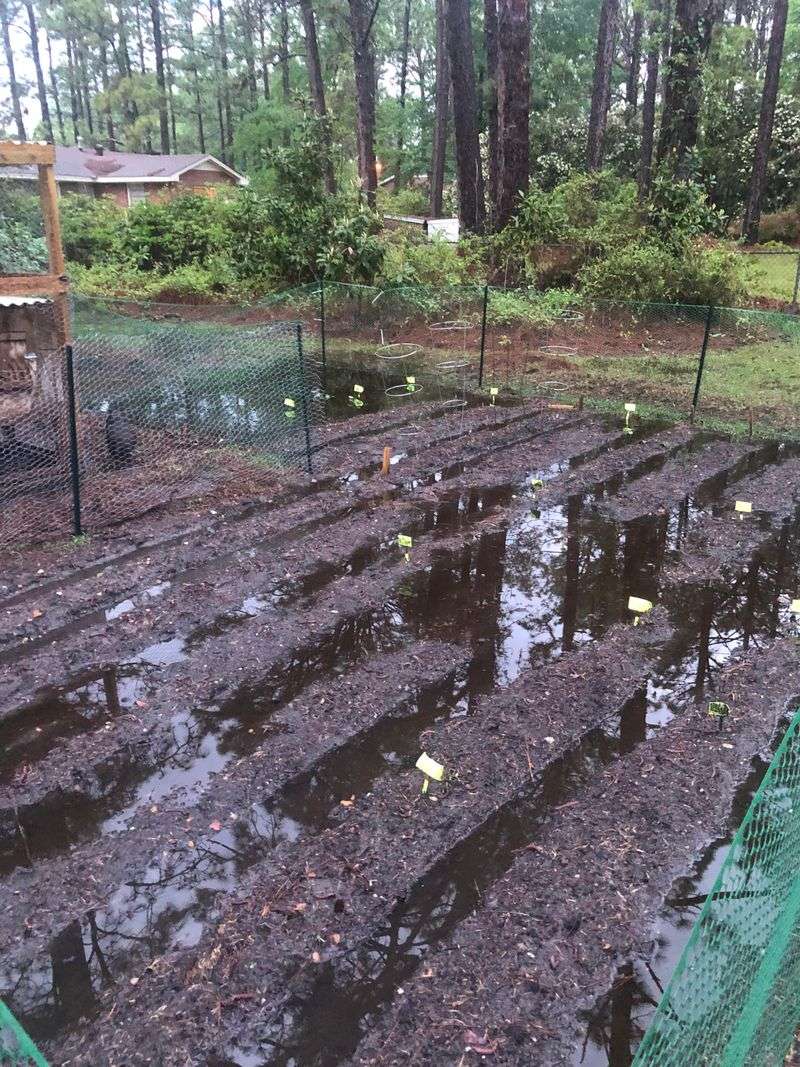
Drainage deserves equal attention. Grapevines suffer in soggy ground, where waterlogging invites root problems and weak growth.
Regional soils help here. Loam, clay, and gravel mixed together give roots the airy, quick-draining conditions they prefer.
Walk your yard after a heavy rain and look for puddles. Spots that hold water for hours need a French drain, a swale, or a raised bed.
One more piece surprises people. Vines and perennials still need moisture going into dormancy, since bone-dry soil stunts spring growth.
Give beds a deep soak before the freeze if fall has been unusually dry. Continue watering plants as needed until the ground freezes.