8 Reliable Container Plants For Texas Chilly Nights And Bright Afternoons
Texas weather can keep gardeners on their toes. One day feels mild and sunny, the next brings a sharp drop in temperature after sunset.
Container plants feel those swings even more than plants in the ground. Their roots sit closer to the surface, which means chilly nights and bright afternoons can take a toll if you choose the wrong varieties.
The good news is that some plants handle this back and forth with ease. They stay sturdy when the air cools down and continue to look fresh when the sun comes out strong the next day.
With the right picks, your patio, porch, or balcony can stay colorful and healthy through changing conditions.
Choosing reliable container plants saves time and frustration. You will not need to rush outside to cover pots every time the forecast shifts.
Instead, you can enjoy steady growth, bright foliage, and blooms that hold up under Texas skies from morning chill to afternoon glare.
1. Pansies
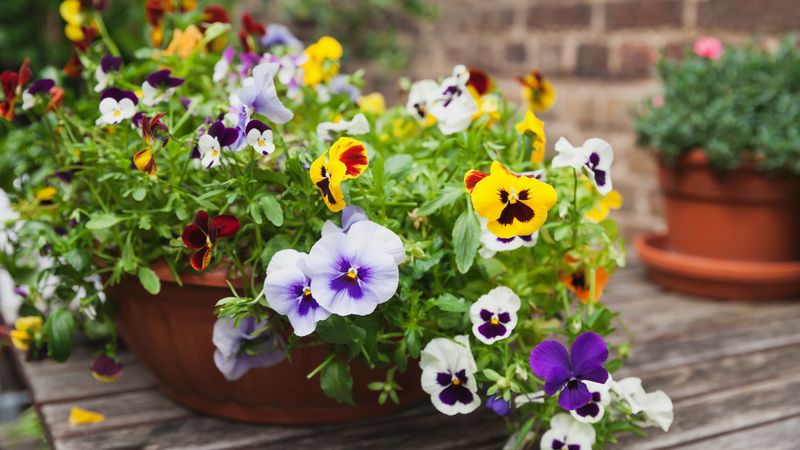
Pansies bring cheerful faces to your containers when many other flowers take a break. These cold-weather champions actually prefer cooler temperatures and will reward you with continuous blooms from fall through early spring in Texas.
Their bright petals come in nearly every color you can imagine, from deep purples to sunny yellows and even bi-colors that look hand-painted.
What makes pansies perfect for Texas containers is their ability to handle those temperature roller coasters. When afternoon sun warms your patio to 70 degrees but nighttime temperatures drop into the 30s, pansies just keep blooming.
They can survive light frosts without missing a beat. Most summer flowers would struggle with these swings, but pansies were built for it.
Plant them in containers with good drainage and place them where they’ll get at least six hours of bright sunlight.
The more sun they receive during cooler months, the more flowers they’ll produce. Water them when the top inch of soil feels dry, but don’t let them sit in soggy conditions.
Deadhead spent blooms regularly to encourage fresh flowers. This simple task takes just a few minutes but keeps your pansies looking their best.
In Texas, pansies often bloom continuously from October through April, giving you months of reliable color when your garden needs it most.
They’re also budget-friendly since a few plants quickly fill a container with lush growth and abundant flowers.
2. Snapdragons
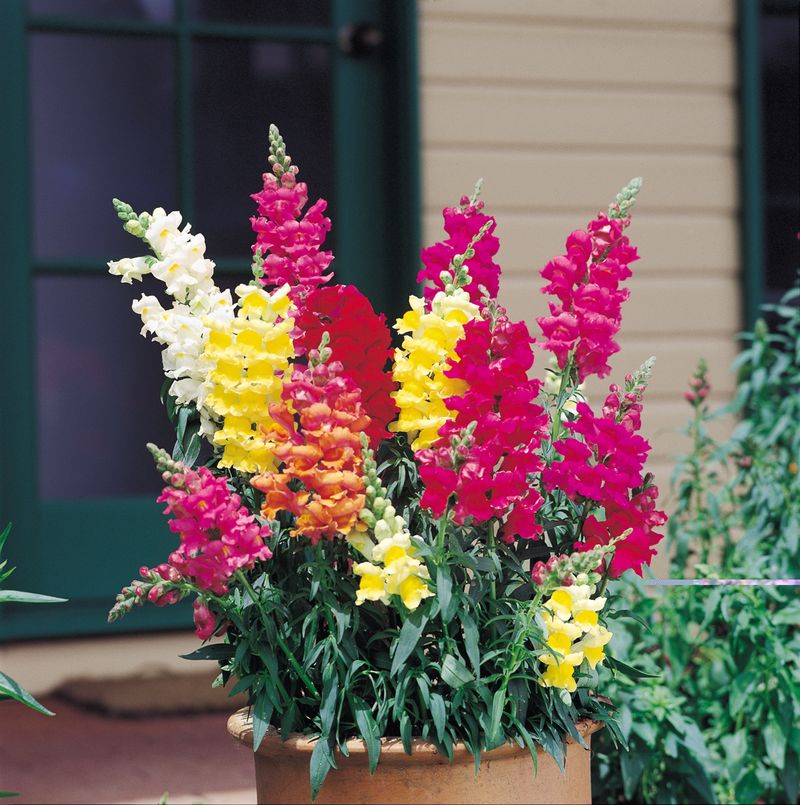
Snapdragons stand tall and proud in containers, offering vertical interest that many other plants can’t match. Their tower-like flower spikes come loaded with blooms that actually look like tiny dragon mouths that snap open and closed.
Kids love squeezing the sides of individual flowers to watch them “talk.” Colors range from soft pastels to bold reds and oranges.
These plants absolutely love the temperature conditions Texas offers during transitional seasons. Cool nights signal them to grow strong stems and produce more flower buds, while sunny afternoons give them the energy they need for spectacular blooms.
Snapdragons are surprisingly cold-tolerant and can handle temperatures down into the mid-20s without serious damage.
Choose taller varieties for dramatic container displays or dwarf types for smaller pots. Either way, snapdragons need containers at least 8 inches deep to support their root systems.
They prefer full sun in Texas during fall, winter, and early spring. Water them regularly but allow the soil to dry slightly between waterings.
One great feature is their long blooming period. A single planting can give you flowers for months if you keep them deadheaded and fed with occasional light fertilizer.
In Texas, snapdragons planted in October often bloom straight through until May. They make excellent cut flowers too, so you can bring their beauty indoors.
Their tolerance for both bright sun and chilly nights makes them nearly perfect for Texas container gardening.
3. Ornamental Kale
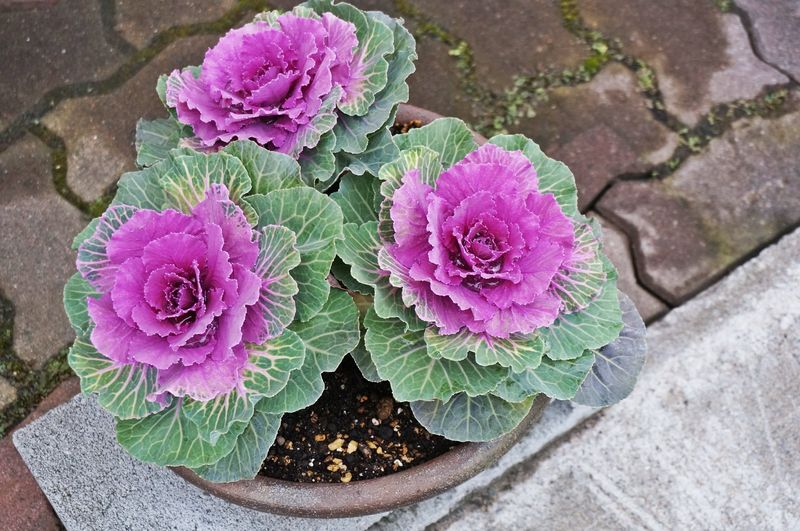
Ornamental kale transforms container gardens into works of art with its incredibly colorful, ruffled leaves. Unlike regular kale you’d eat in salads, ornamental varieties are bred specifically for their stunning appearance.
The leaves develop deeper, richer colors as temperatures cool, showing off purples, pinks, whites, and greens in eye-catching combinations.
Cold weather actually improves ornamental kale rather than hurting it. Light frosts make the colors more vibrant and the leaves even sweeter tasting if you decide to harvest some for cooking.
This plant can handle freezing temperatures that would damage most flowering plants. At the same time, it thrives in the bright afternoon sun that Texas offers during fall and winter months.
Plant ornamental kale in containers with excellent drainage since it doesn’t like wet feet. These plants grow best in full sun to partial shade, making them adaptable to different spots around your Texas home.
They need consistent moisture but won’t tolerate waterlogged soil.
The rosette shape of ornamental kale makes it look almost like a giant flower sitting in your pot. Each plant can grow quite large, sometimes reaching 15 inches across, so give them plenty of space.
They’re extremely low-maintenance once established and rarely have pest problems during cooler months.
In Texas, you can enjoy ornamental kale from October through March, providing months of reliable beauty. They also pair beautifully with pansies or snapdragons in mixed container arrangements.
4. Swiss Chard
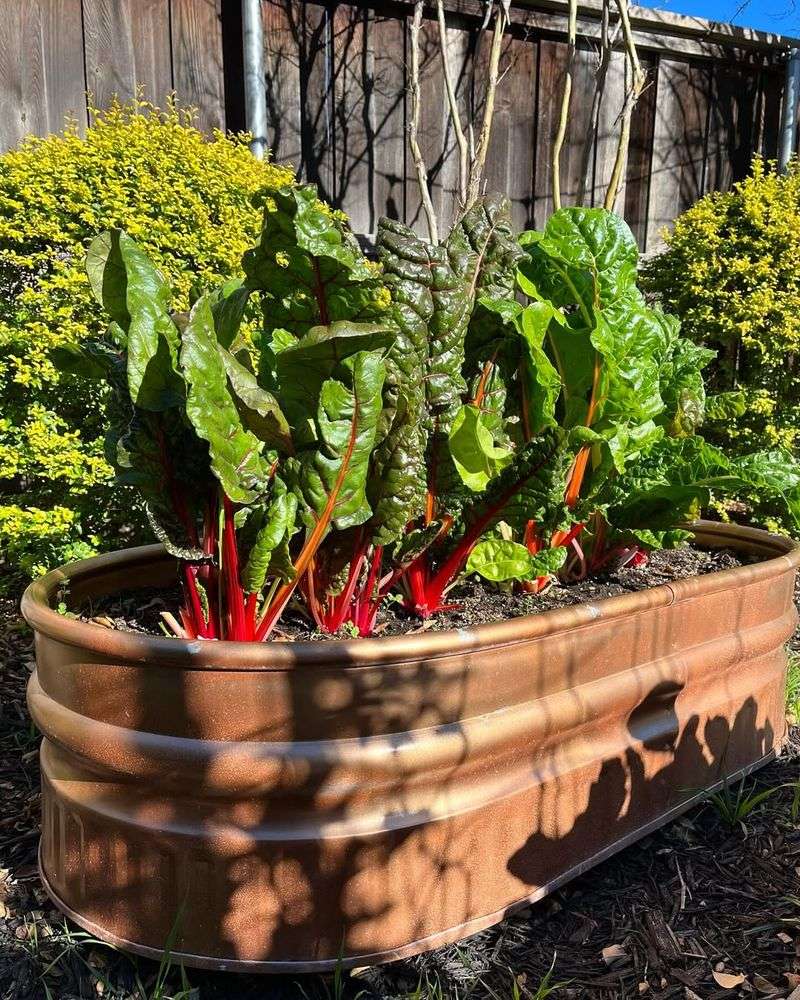
Swiss chard brings both beauty and function to container gardens with its stunning rainbow-colored stems and deep green leaves. The stems come in brilliant reds, sunny yellows, bright oranges, and even hot pinks that look almost too colorful to be real.
This tough leafy green handles temperature swings like a champion, making it ideal for Texas containers.
Cool nights actually prevent Swiss chard from bolting, which means it won’t rush to produce seeds and become bitter. The plant keeps producing fresh, tender leaves for months when grown in fall and winter conditions.
Bright afternoon sun gives it the energy to grow vigorously, while cooler evenings keep the leaves sweet and mild-tasting.
Plant Swiss chard in containers at least 10 inches deep with rich, well-draining soil. It needs regular watering to keep those gorgeous leaves crisp and healthy.
Full sun to partial shade works well, though in Texas you’ll get the best growth with at least six hours of direct sunlight daily.
Harvest outer leaves as needed, and the plant will keep producing new growth from the center. This cut-and-come-again feature means one plant provides fresh greens for weeks or even months.
Swiss chard rarely has pest problems during cooler months in Texas. The colorful stems add ornamental value that rivals many flowers, so your edible container garden looks absolutely beautiful.
It’s practically carefree and incredibly productive, making it perfect for both experienced and beginning gardeners across Texas.
5. Parsley
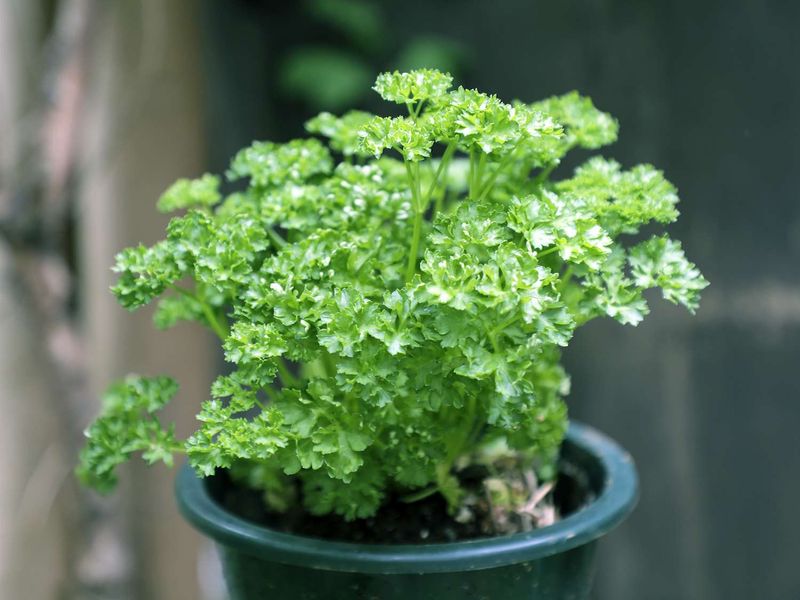
Parsley proves that herbs can be just as tough as ornamental plants when conditions get challenging. This kitchen staple survives temperatures that dip close to freezing while continuing to produce fresh, flavorful leaves.
Both curly and flat-leaf varieties work beautifully in containers, giving you options based on your cooking preferences and visual taste.
The combination of cool nights and bright days that Texas offers during fall, winter, and early spring creates perfect growing conditions for parsley.
Cool temperatures keep the leaves tender and flavorful, while sunny afternoons provide the light energy parsley needs for steady growth. Unlike basil and other warm-season herbs, parsley actually prefers these cooler conditions.
Choose containers at least 8 inches deep since parsley develops a surprisingly long taproot. It grows well in full sun to partial shade, though you’ll get bushier plants with more sun exposure.
Keep the soil consistently moist but not waterlogged, and parsley will reward you with abundant harvests.
One parsley plant produces enough leaves for regular kitchen use throughout the season. Snip outer stems first, allowing the center to keep producing new growth.
Parsley is also incredibly versatile in mixed containers, pairing well with flowering plants or other herbs. In Texas, fall-planted parsley often grows continuously until late spring.
It’s virtually pest-free during cooler months and requires minimal care beyond regular watering.
The dense, bright green foliage adds lovely texture to container arrangements while providing fresh herbs just steps from your kitchen door.
6. Dianthus (Pinks)
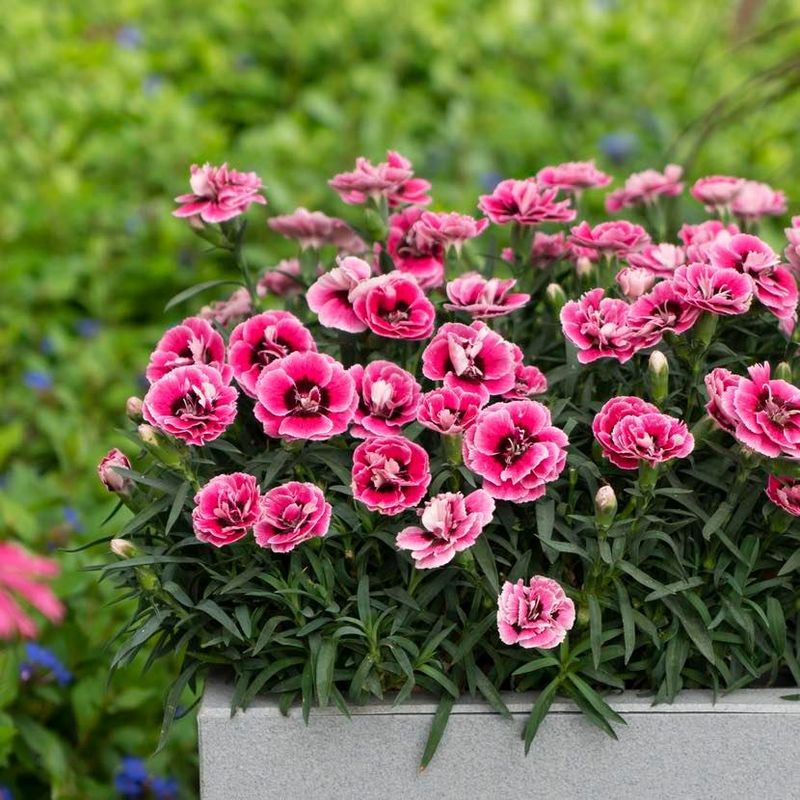
Dianthus flowers, commonly called pinks, pack serious charm into compact plants perfect for container growing. Their fringed petals look hand-cut by tiny scissors, and many varieties release a sweet, spicy fragrance that smells like cloves.
Colors include various shades of pink, red, white, and even some with contrasting eyes or edges that create stunning patterns.
These cool-season bloomers handle light frosts without complaint while thriving in the sunny conditions Texas containers offer. Dianthus actually prefers cooler temperatures and will bloom most heavily when nights stay chilly but days warm up nicely.
The plants stay compact and tidy, rarely growing more than 10 inches tall, which makes them ideal for smaller containers or the front edge of larger mixed plantings.
Plant dianthus in well-draining soil and place containers where they’ll receive full sun. They’re somewhat drought-tolerant once established but bloom best with regular watering.
Avoid overhead watering since wet foliage can sometimes lead to problems. Instead, water at the soil level.
Deadheading spent blooms encourages dianthus to produce more flowers throughout the season. The grass-like foliage stays attractive even between bloom cycles, so your containers never look bare.
Dianthus is also quite wind-tolerant, making it excellent for exposed patios or balconies across Texas. Many varieties are surprisingly long-lived and may return for multiple seasons if given minimal winter protection.
Their combination of beautiful flowers, lovely fragrance, and tough constitution makes dianthus a container gardening favorite throughout Texas.
7. Lavender
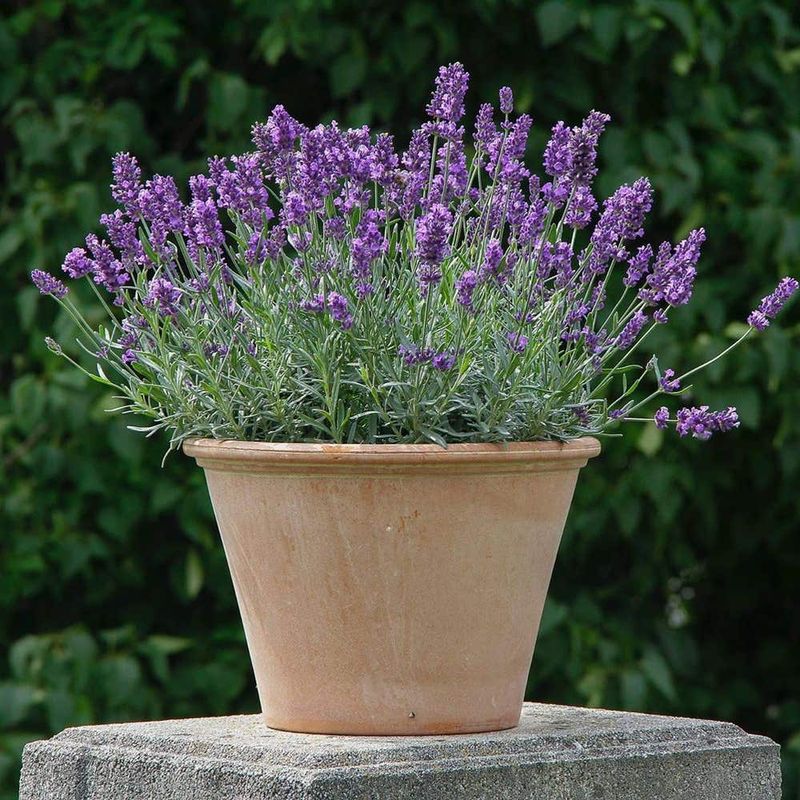
Lavender brings Mediterranean beauty and heavenly fragrance to Texas container gardens. Once established, these aromatic plants handle bright sunshine and temperature fluctuations remarkably well.
The silvery-green foliage looks beautiful year-round, while purple flower spikes appear in spring and often rebloom if you trim them back after the first flush.
The key to success with lavender in containers is providing excellent drainage. These plants absolutely hate wet feet and will struggle in heavy, moisture-retentive soil.
Use a container with drainage holes and fill it with a fast-draining potting mix, perhaps amended with extra perlite or sand. Place your lavender where it receives full sun for at least six hours daily.
Lavender actually prefers the cooler nights that Texas experiences during fall, winter, and spring. The temperature swings don’t bother established plants at all.
In fact, many lavender varieties can survive surprisingly cold temperatures, especially when grown in containers that can be moved to protected spots during extreme weather.
Water lavender sparingly, allowing the soil to dry between waterings. Overwatering causes more problems than underwatering with this plant.
Trim back flower stems after blooming to encourage bushier growth and potentially trigger a second bloom cycle.
The harvested flowers dry beautifully and retain their fragrance for months. In Texas, lavender provides year-round structure and seasonal blooms with minimal care.
The aromatic foliage also helps repel certain pests naturally, making it a smart choice for container gardens near outdoor living spaces where you want to discourage mosquitoes.
8. Petunias
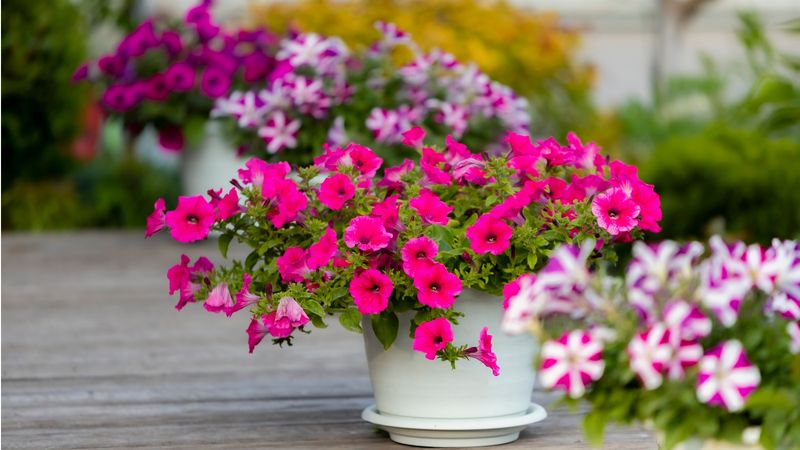
Petunias surprise many gardeners with their ability to handle cooler temperatures better than expected.
While often thought of as purely summer flowers, petunias actually perform beautifully during Texas fall and spring when nights cool down but afternoons stay sunny and bright.
Their trumpet-shaped blooms come in nearly every color imaginable, including stripes, spots, and dramatic dark varieties that look almost black.
Modern petunia varieties are incredibly tough and bloom continuously with minimal care. They handle the temperature swings common in Texas during transitional seasons without skipping a beat.
Cool nights slow their growth slightly but also reduce pest problems and help plants conserve energy for flower production when the sun returns each afternoon.
Plant petunias in containers with good drainage and place them in full sun for best blooming. They’re somewhat forgiving about watering but perform best when kept evenly moist.
Fertilize every couple of weeks with a balanced fertilizer to support their heavy blooming habit.
Newer petunia varieties are self-cleaning, meaning spent flowers drop off naturally without deadheading. However, occasionally trimming back leggy growth encourages bushier plants and more blooms.
Wave petunias and other spreading types work beautifully in hanging baskets or large containers where they can cascade over the edges. In Texas, petunias planted in fall often bloom through winter and into late spring, providing months of reliable color.
They’re low-maintenance, widely available, and consistently deliver beautiful results in containers across the state.