10 Scented Flowers That Fill Your Garden With Heavenly Fragrance
Florida gardens come alive with warmth, sunshine, and air that carries scent far and wide. In this climate, flowers do more than look good.
They perfume the breeze, turning patios, walkways, and open windows into places that feel calm and inviting.
A fragrant bloom drifting through humid air can stop someone in their tracks, wrapping the moment in comfort and familiarity.
Scent lingers longer in Florida, making the right flowers feel like quiet scene stealers from morning through night.
Scented flowers pull double duty in the garden.
They bring beauty to beds and borders while filling the space with sweet, rich aromas that rise and fall with the day.
Some release their fragrance under the hot sun, others wait for evening to make their move.
Together, they create layers of scent that shift like a gentle tide.
A Florida garden filled with fragrance becomes more than a visual show.
It turns into an experience that draws people outside and invites them to stay awhile.
These flowers transform ordinary spaces into retreats, proving that sometimes the most powerful garden feature is not what you see, but what you breathe in with every step.
1. Roses
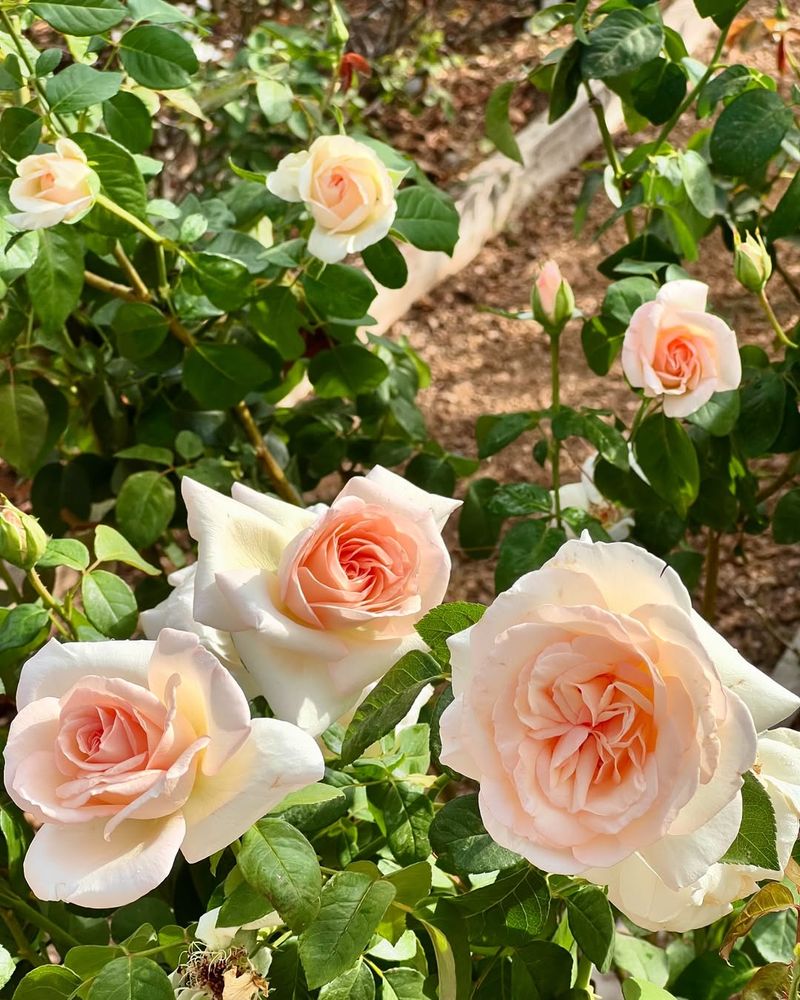
Nothing beats the timeless elegance and intoxicating perfume of a rose in full bloom.
Florida gardens have featured these beloved flowers for generations, and their popularity shows no signs of fading.
Old garden roses and English roses tend to have the strongest fragrances, with scents ranging from fruity and citrusy to spicy and sweet.
Plant roses in a sunny spot where they’ll receive at least six hours of direct sunlight daily.
They prefer well-draining soil enriched with compost or aged manure.
Water deeply at the base of the plant rather than overhead to prevent fungal diseases.
Deadheading spent blooms encourages more flowers throughout the growing season.
Prune roses in early spring before new growth appears, removing dry or damaged canes.
Popular fragrant varieties include ‘Double Delight’ with its creamy red-edged petals, ‘Mr. Lincoln’ with deep red blooms, and ‘Gertrude Jekyll’ with classic pink flowers.
David Austin roses are particularly prized for their incredible scents combined with beautiful old-fashioned flower forms.
Many Florida gardeners enjoy roses that bloom nearly year-round, while others treasure their summer display.
The fragrance intensifies on warm, humid days, filling entire yards with their signature perfume that makes roses the undisputed queen of scented flowers.
2. Lavender
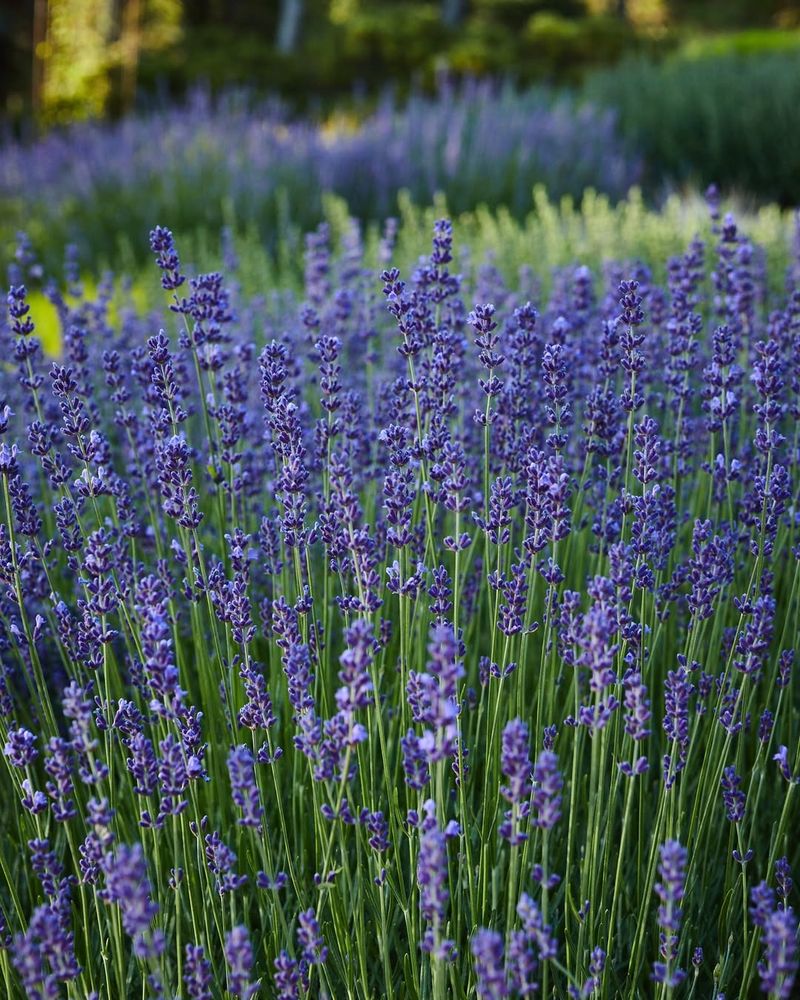
Picture yourself brushing against silvery-green stems and releasing clouds of calming, herbal fragrance into the air.
Lavender brings that Mediterranean magic to Florida gardens.
This hardy perennial asks for very little yet gives so much in return.
Full sun and excellent drainage are the keys to growing healthy lavender plants.
They actually prefer lean, sandy soil over rich garden beds.
Overwatering is the biggest mistake gardeners make with lavender, these plants evolved in dry regions and hate wet feet.
English lavender varieties handle cold winters better than their French and Spanish cousins.
‘Hidcote’ produces deep purple flowers with intense fragrance, while ‘Munstead’ offers slightly lighter blooms.
Harvest lavender stems just as the flowers begin opening for the strongest scent.
Bundle them with rubber bands and hang upside down in a dark, airy space to dry.
The dried flowers retain their fragrance for months, perfect for sachets, wreaths, or homemade beauty products.
Bees and butterflies absolutely adore lavender, making it an excellent choice for pollinator gardens.
Plant it along walkways where people will brush against it, releasing that distinctive aroma that instantly relaxes and refreshes everyone who passes by.
3. Jasmine
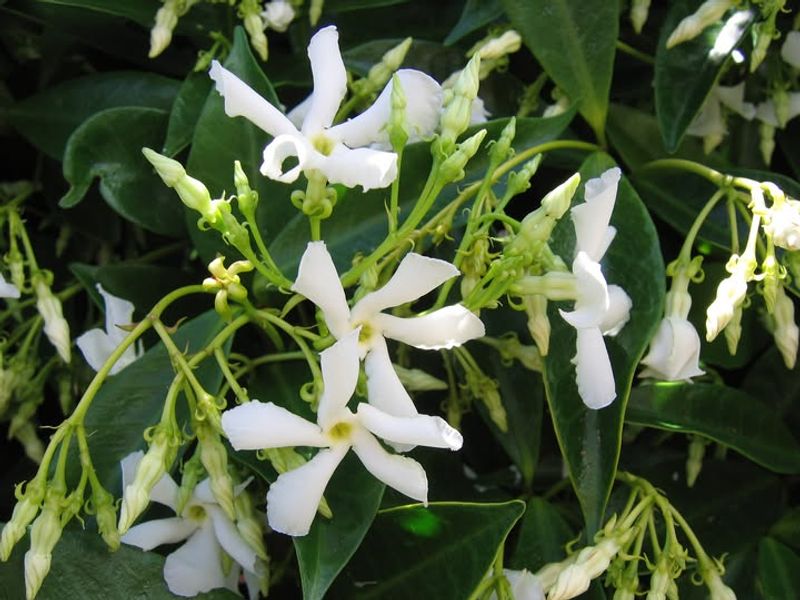
Few fragrances can match the exotic, intoxicating sweetness that jasmine releases into warm evening air.
Florida gardeners have long appreciated this romantic climber that transforms fences, arbors, and pergolas into fragrant focal points.
Confederate jasmine and star jasmine are popular choices in warmer regions, while winter jasmine works in cooler climates.
These vigorous vines need sturdy support structures to climb.
Plant them near patios, bedroom windows, or entryways where you’ll enjoy their perfume most.
Jasmine thrives in full sun to partial shade and appreciates regular watering during the growing season.
The white flowers typically bloom in spring or summer, depending on your location and the variety you choose.
Some types produce flowers sporadically throughout the year in frost-free areas.
Pruning after flowering helps maintain a neat appearance and encourages bushier growth.
Jasmine responds well to fertilizing during the growing season with a balanced plant food.
In northern states where jasmine won’t survive winters outdoors, grow it in containers that can be moved inside when temperatures drop.
Arabian jasmine makes an excellent houseplant that perfumes entire rooms when it blooms.
The fragrance intensifies as temperatures rise, so summer evenings become particularly magical when jasmine surrounds your outdoor living spaces with its unforgettable tropical sweetness.
4. Gardenia
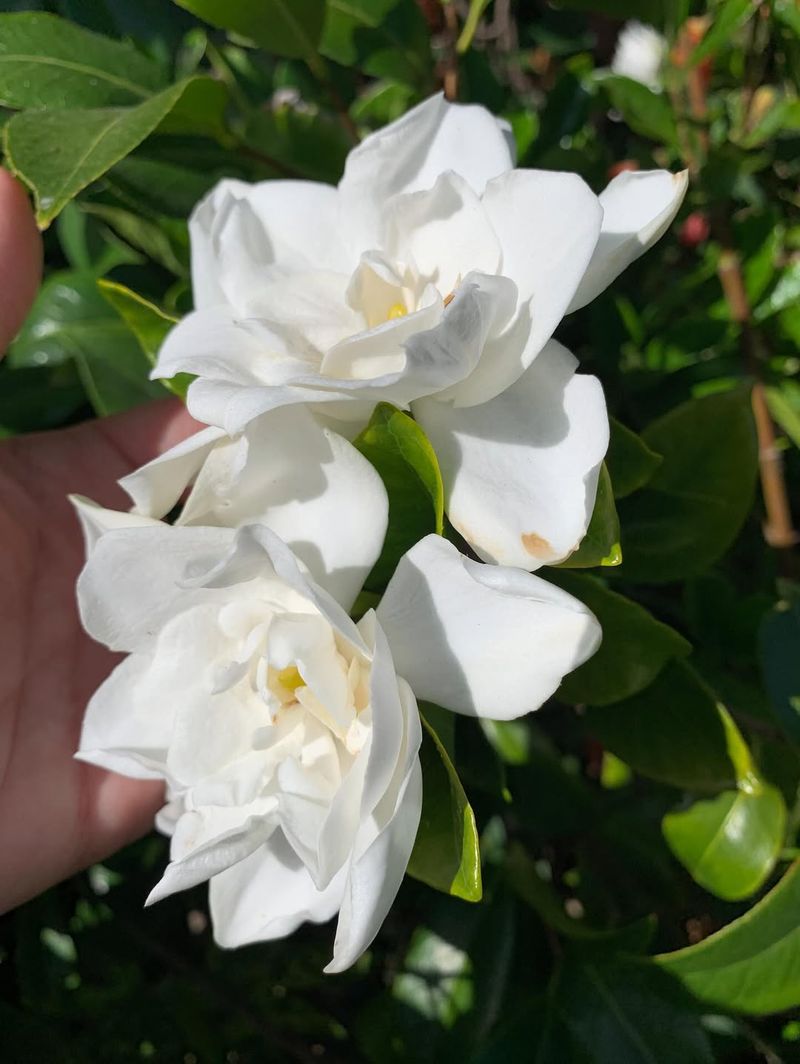
Gardenias deliver one of the most luxurious, creamy-sweet fragrances you’ll ever experience in a garden.
These glossy-leaved shrubs are garden royalty in places where warm, humid conditions suit them perfectly.
The waxy white flowers emerge in late spring and summer, each bloom releasing waves of perfume that can scent an entire yard.
Acidic soil is absolutely essential for healthy gardenias, they need a pH between 5.0 and 6.0 to thrive.
Amend your planting area with sulfur or peat moss if your soil is too alkaline.
Consistent moisture and high humidity keep the plants happy and blooming.
Morning sun with afternoon shade works best in most locations.
Too much direct afternoon sun can scorch the leaves, while too much shade reduces flowering.
Yellow leaves often indicate iron deficiency, which is common when soil pH creeps too high.
Apply chelated iron fertilizer specifically formulated for acid-loving plants.
Popular varieties include ‘August Beauty’ for its long blooming season and ‘Frost Proof’ for slightly better cold tolerance.
Even so, gardenias struggle in areas with harsh winters.
Wear the flowers in your hair or float them in a bowl of water to bring their incredible fragrance indoors.
Just one bloom can perfume an entire room with that signature scent that reminds many people of special occasions and celebrations.
5. Sweet Pea
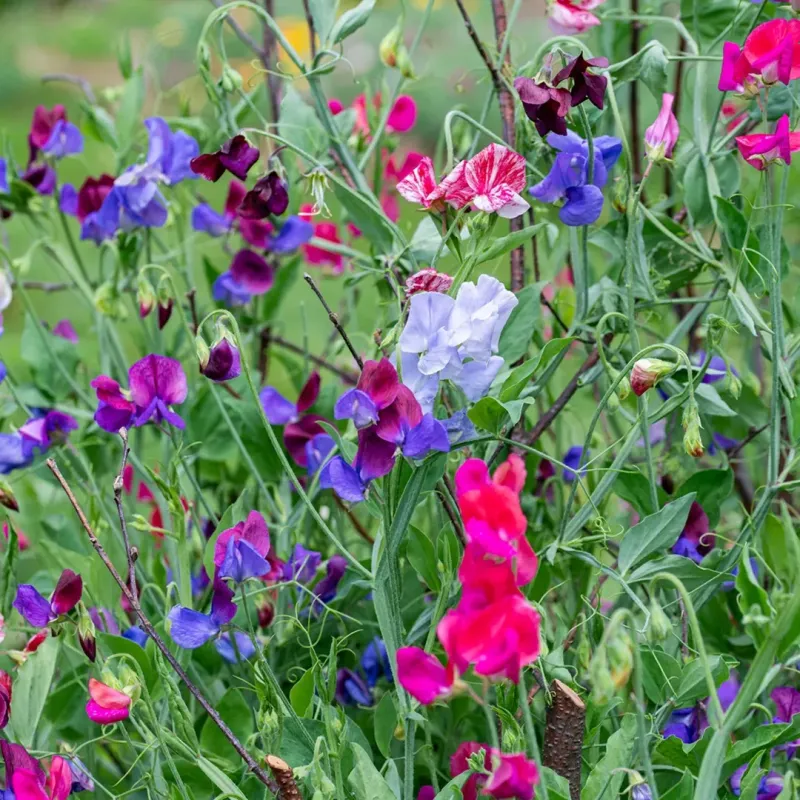
Sweet peas bring old-fashioned charm and delightful fragrance to spring gardens in Florida.
These climbing annuals have been beloved since Victorian times, when gardeners prized them for their ruffled blooms and honey-sweet perfume.
Modern varieties offer incredible color ranges, though some bred for larger flowers have lost their fragrance, always check that you’re buying scented varieties.
Cool weather brings out the best in sweet peas.
Plant seeds directly in the garden in early spring in northern states or in fall in southern regions.
They prefer rich, well-draining soil and appreciate regular feeding throughout their blooming period.
Provide tall supports like trellises, teepees, or netting for the tendrils to climb.
The vines can reach six feet or more, creating vertical interest in flower beds.
Pick flowers frequently to encourage more blooms, the more you cut, the more they produce.
Sweet peas make wonderful cut flowers that fill vases and rooms with their delicate scent.
Once hot summer weather arrives, sweet peas typically finish blooming and can be removed to make room for warm-season flowers.
Heirloom varieties like ‘Cupani’ offer the strongest fragrance with deep purple and maroon flowers.
Plant them near porches or windows where their sweet perfume can drift indoors on spring breezes.
6. Honeysuckle
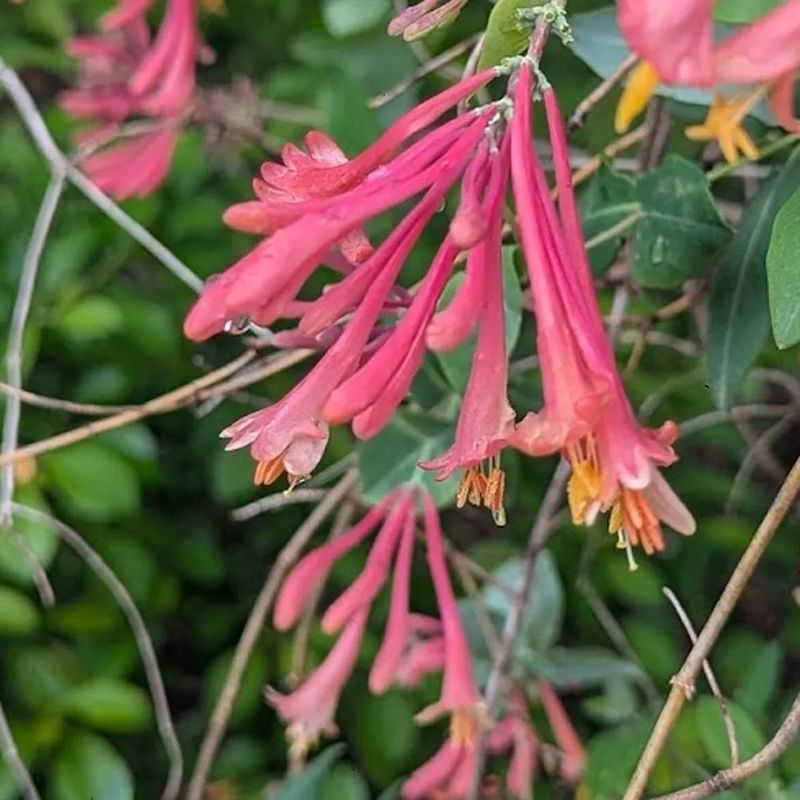
Remember pulling honeysuckle flowers as a kid and tasting that single drop of sweet nectar?
This nostalgic vine brings back childhood memories while attracting hummingbirds to gardens across Florida.
The tubular flowers release their strongest fragrance in the evening, perfuming patios and decks with a sweet, fruity scent.
Japanese honeysuckle grows so vigorously that it’s considered invasive in many areas, check local guidelines before planting.
Native trumpet honeysuckle offers a better choice for most gardeners, providing beautiful red-orange flowers that hummingbirds prefer.
Goldflame honeysuckle combines the best qualities with fragrant flowers, reasonable growth habits, and excellent hummingbird appeal.
It blooms from late spring through summer.
These tough vines tolerate various soil types and grow in full sun to partial shade.
They’re fairly drought-tolerant once established, making them suitable for low-maintenance landscapes.
Prune honeysuckle in late winter or early spring to control its size and shape.
Some varieties can grow twenty feet or more if left unchecked.
The fragrance carries beautifully on warm evening breezes, making honeysuckle perfect for planting near outdoor seating areas.
Tthe scent mingles with jasmine to create magical summer nights.
Watch for hummingbirds visiting the flowers throughout the day, they’re frequent visitors who appreciate the nectar-rich blooms as much as you’ll appreciate the wonderful fragrance.
7. Lilac
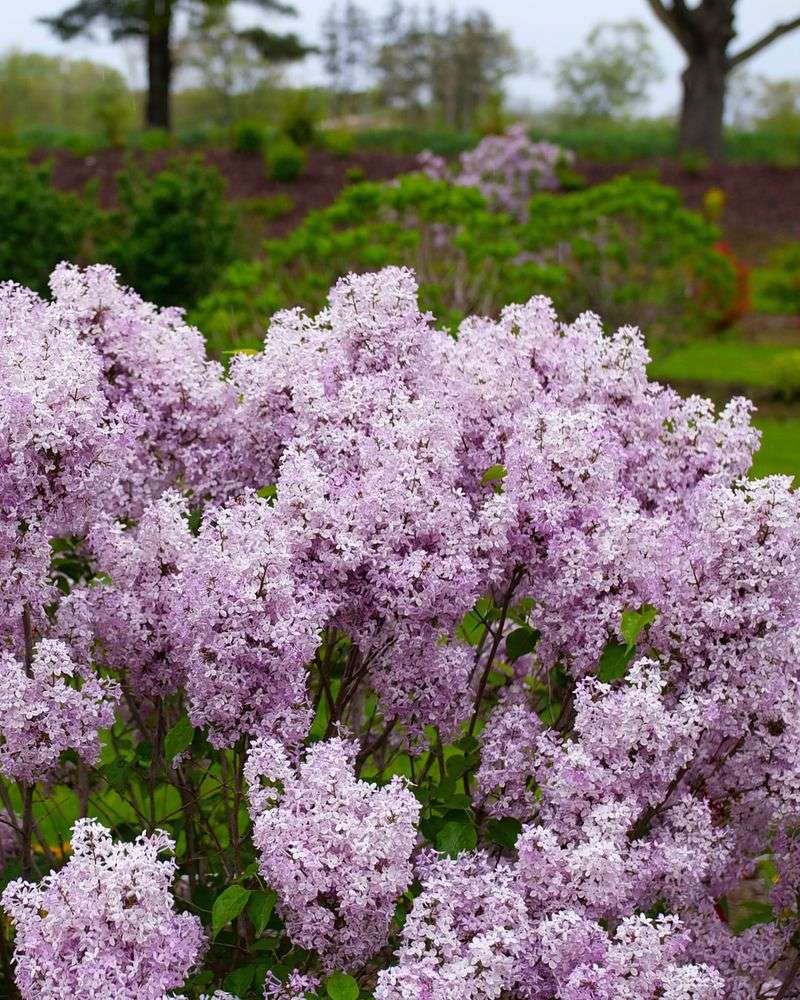
Spring wouldn’t be complete without the sweet, nostalgic fragrance of lilacs filling the air.
The cone-shaped flower clusters appear for a few precious weeks, releasing a perfume that many people associate with childhood memories and Mother’s Day celebrations.
Lilacs absolutely require winter chill to bloom well, they struggle in southern states where winters stay mild.
Plant them in full sun with good air circulation to prevent powdery mildew on the leaves.
Common lilac varieties can grow quite large, reaching fifteen feet tall and wide at maturity.
Dwarf varieties like ‘Bloomerang’ stay smaller and even rebloom in fall in some locations.
The classic purple lilac offers the strongest fragrance, though white, pink, and even yellow varieties also smell wonderful.
French hybrid lilacs produce extra-large flower clusters with intense perfume.
Prune lilacs immediately after flowering if needed, they set next year’s flower buds in summer, so late pruning removes next spring’s blooms.
Remove suckers that sprout from the base to maintain a tidy appearance.
Cut branches just as the flowers begin opening and bring them indoors for fragrant bouquets.
The scent fills entire rooms, though the blooms last only about a week in vases.
Plant lilacs near windows, patios, or walkways where their brief but glorious fragrance can be fully appreciated during their spring display.
8. Hyacinth
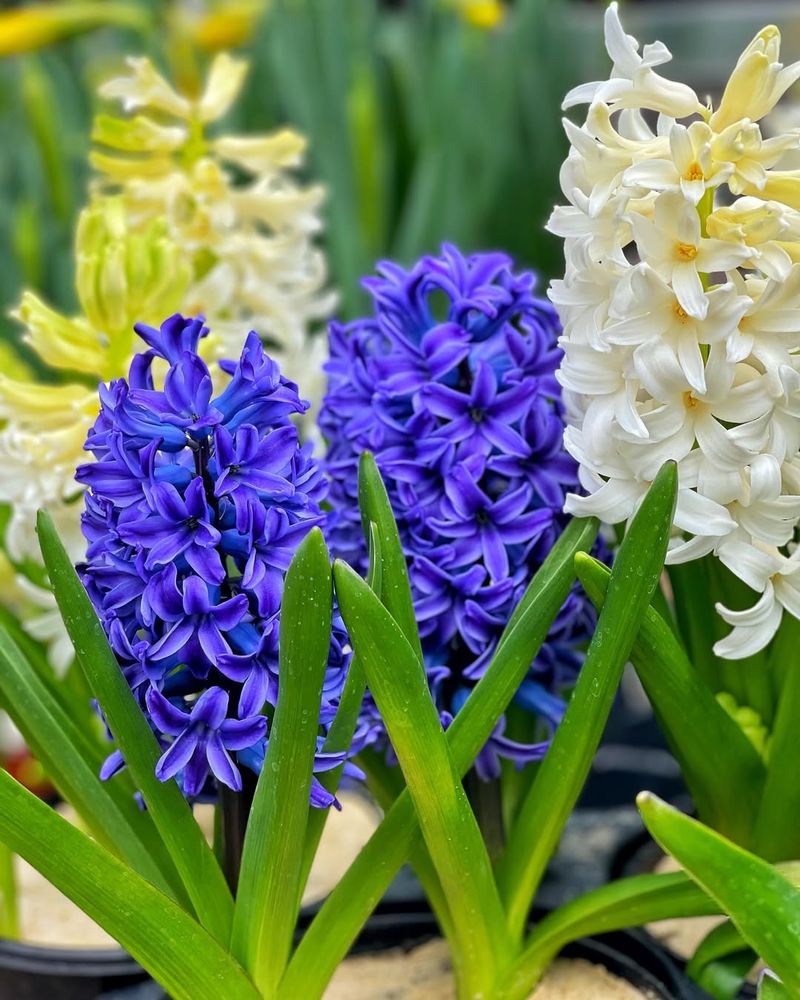
Hyacinths pack an incredible amount of fragrance into their compact flower spikes.
These spring-blooming bulbs announce the end of winter with their powerful, sweet perfume that can scent entire gardens.
Plant them in fall for a spectacular spring show that coincides with daffodils and early tulips.
Each bulb produces a thick stem crowded with small, star-shaped flowers in shades of pink, purple, white, yellow, or blue.
The fragrance is intense, sometimes almost too strong for small indoor spaces.
Plant hyacinth bulbs about six inches deep in well-draining soil enriched with compost.
They prefer full sun to partial shade and need consistent moisture during their growing season.
After flowering, allow the foliage to yellow naturally before removing it.
The leaves gather energy to store in the bulb for next year’s display.
Hyacinths work beautifully in containers, allowing you to move the fragrance to porches, patios, or doorways.
Force bulbs indoors in special hyacinth vases for winter blooms that perfume your home.
The flowers typically last two to three weeks in the garden, depending on temperatures.
Cooler weather extends the bloom time and intensifies the fragrance.
Plant them in groups near entryways or along paths where their powerful perfume creates the most impact during those first warm days of spring.
9. Peony
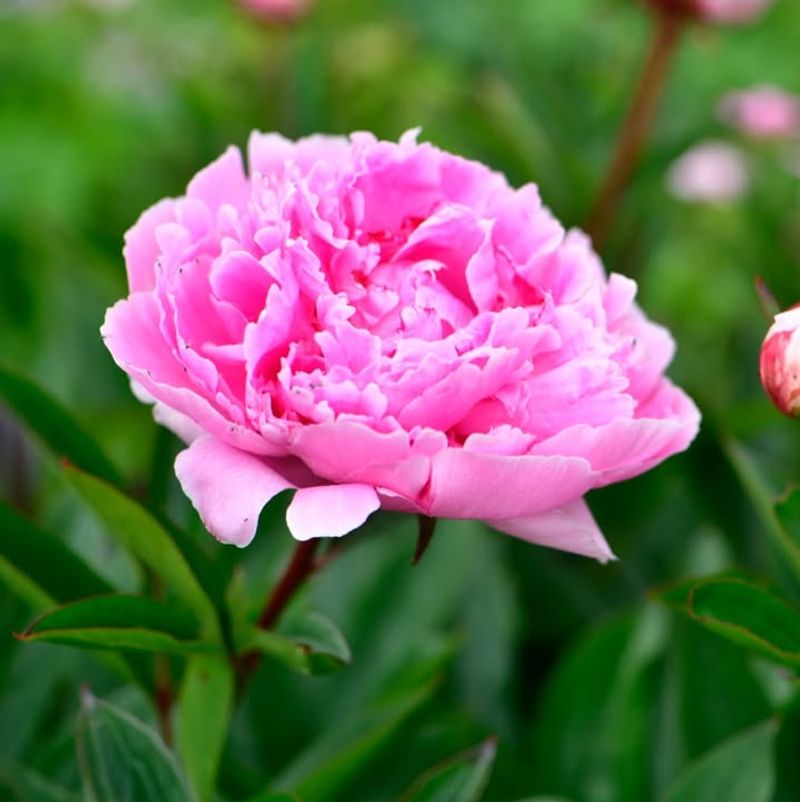
Peonies combine stunning beauty with a sweet, rosy fragrance that makes them garden favorites.
These long-lived perennials can bloom in the same spot for fifty years or more, becoming family heirlooms passed down through generations.
The huge, ruffled flowers appear in late spring, creating a spectacular but brief display.
Not all peonies are fragrant, some varieties bred for double flowers or specific colors have little to no scent.
Look for classic varieties like ‘Sarah Bernhardt’ with soft pink blooms or ‘Festiva Maxima’ with white petals flecked with red for the strongest fragrance.
Plant peony roots in fall with the eyes (growth buds) only one to two inches below the soil surface.
Planting too deep is the most common reason peonies fail to bloom.
They need full sun and well-draining soil to thrive.
Peonies dislike being moved once established, so choose their location carefully.
The heavy flowers sometimes need support to prevent stems from flopping, especially after rain.
Install peony rings or stakes early in the season before the plants grow tall.
Cut flowers just as the buds begin showing color for the longest vase life.
The fragrance intensifies as the blooms open fully indoors.
Ants on peony buds are normal, they’re attracted to the sweet nectar and don’t harm the plants at all.
10. Dianthus
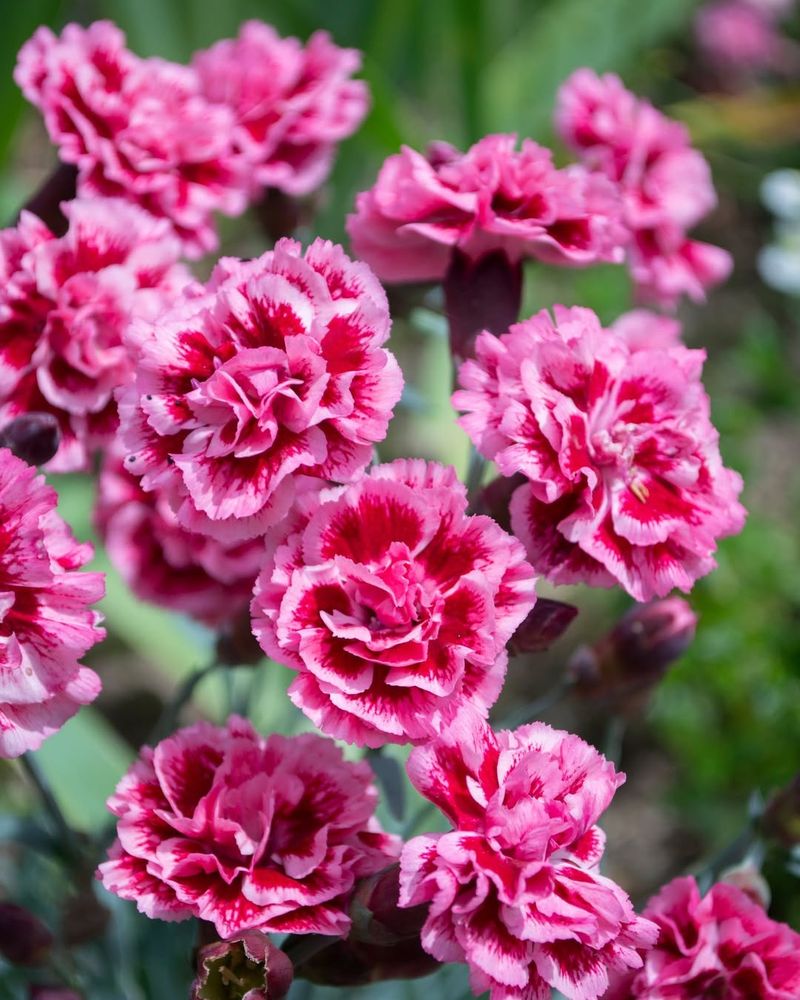
Dianthus flowers deliver a spicy, clove-like fragrance that’s surprisingly strong for such dainty blooms.
Also called pinks or carnations, these cheerful flowers have been grown in Florida gardens for centuries.
The fringed petals come in shades of pink, red, white, and bicolors, often with contrasting eyes or edges.
Cottage pinks and sweet William are popular garden varieties that grow well throughout most of the United States.
They prefer full sun and well-draining, slightly alkaline soil, unlike most flowering plants that like acidic conditions.
These tough little plants tolerate drought once established and actually bloom better when not overfertilized.
Too much nitrogen produces lush foliage but fewer flowers.
Deadhead spent blooms regularly to encourage continuous flowering from late spring through summer.
Some varieties rebloom in fall when temperatures cool down.
The gray-green foliage stays attractive even when plants aren’t blooming, providing nice texture in flower beds and borders.
Dianthus works beautifully as edging along paths or in rock gardens.
Cut flowers last well in vases and fill rooms with their distinctive spicy-sweet perfume.
The scent is particularly strong in the evening and on warm days.
Plant dianthus near seating areas or along frequently used paths where you’ll brush against the foliage and enjoy their wonderful clove scent.