10 Scented Plants Texans Use To Freshen Outdoor Spaces
Outdoor spaces in Texas take on a different feel when scent becomes part of the experience, especially during long warm months when patios and yards are used more often.
Heat, sun exposure, and dry stretches can weaken fragrance in some plants, which is why not every scented option performs well in Texas conditions.
Many homeowners plant for looks alone and are disappointed when flowers smell faint or lose their fragrance as summer intensifies.
Texas gardens favor scented plants that handle heat while releasing aroma steadily instead of only during short bloom windows. Choosing the right plants keeps outdoor spaces pleasant even during peak warmth.
Some plants release fragrance when brushed past, making walkways and seating areas feel more inviting without extra effort.
Others fill the air during evening hours, adding atmosphere when outdoor spaces are most enjoyable.
Using the wrong plants often results in short-lived scent or constant maintenance to keep them performing.
Well-chosen scented plants quietly refresh Texas outdoor spaces without overpowering them or demanding constant attention.
1. Gardenia
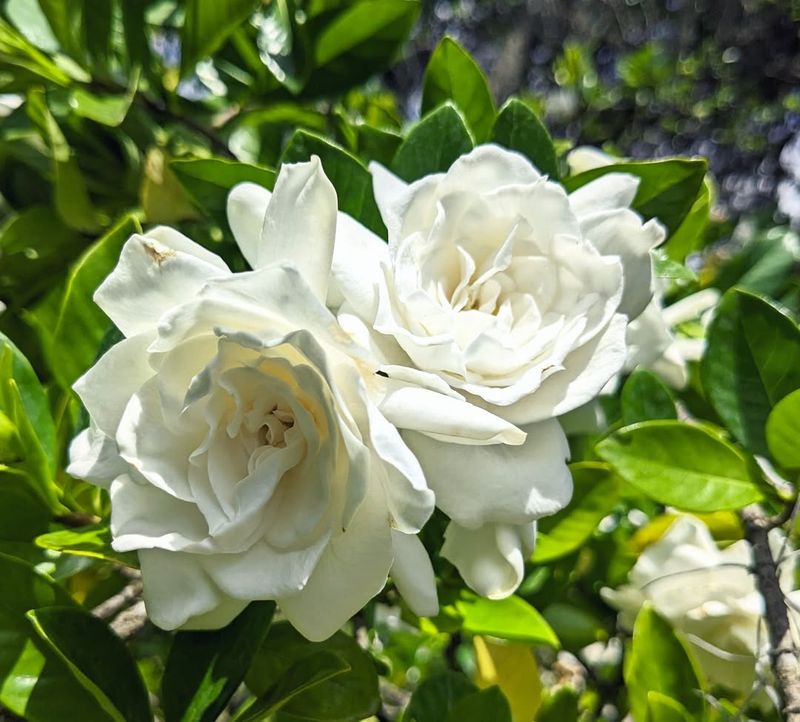
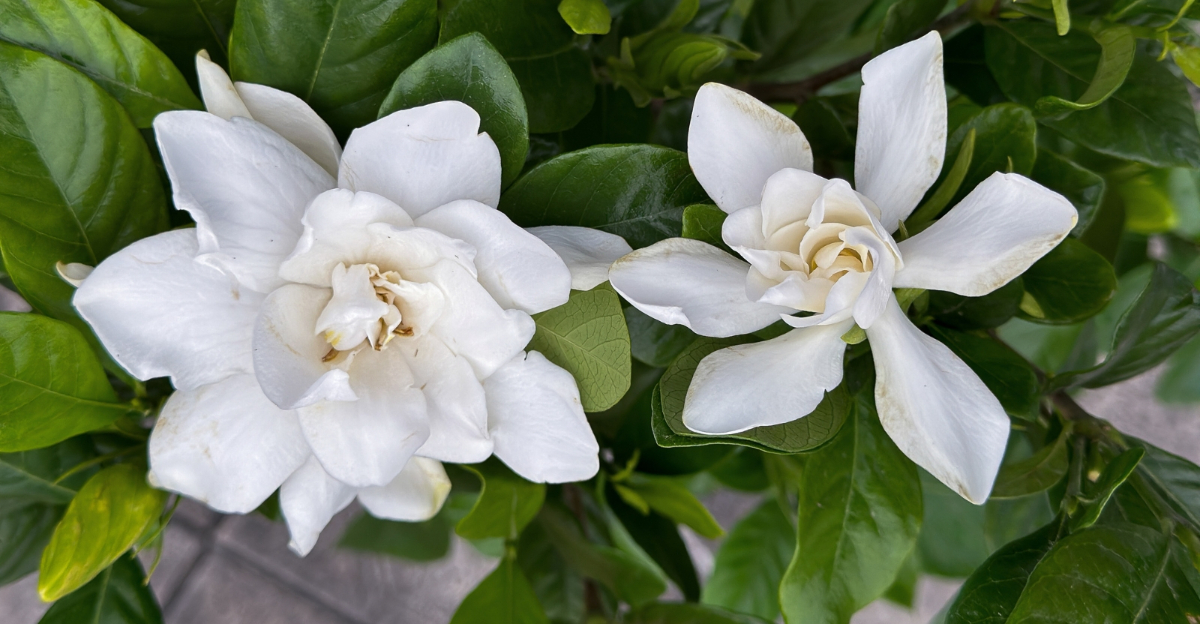
Few flowers can match the intoxicating perfume that fills the air when gardenias bloom. Their creamy white petals release a sweet, almost tropical scent that many Texans adore during warm evenings on the porch.
Gardenias prefer acidic soil and partial shade, making them ideal for East Texas regions where humidity levels stay higher.
Proper watering keeps these beauties thriving through the growing season. They need consistent moisture but dislike soggy roots, so well-drained soil is essential.
Mulching around the base helps retain moisture and keeps the roots cool during scorching summer months.
Gardenias bloom from late spring through early summer, producing flowers that look stunning in bouquets or left on the plant. Their glossy green leaves provide year-round interest even when blooms fade.
Many Texas gardeners plant them near seating areas to enjoy the fragrance up close.
Pruning after flowering encourages bushier growth and more blooms the following year. These shrubs can reach four to six feet tall and wide when mature.
They work beautifully as foundation plantings or accent shrubs in shaded garden beds.
Gardenias attract butterflies and hummingbirds, adding movement and life to outdoor spaces. Their scent becomes more intense during evening hours, creating a romantic atmosphere.
Texans in humid regions find these plants particularly rewarding because they thrive in those conditions naturally.
Fertilizing with an acid-loving plant food keeps foliage dark green and healthy. Yellow leaves often indicate iron deficiency, which can be corrected with chelated iron supplements.
Container growing works well for those who want to move plants to optimal locations.
Pests like whiteflies and aphids sometimes visit gardenias but are manageable with organic sprays. Regular inspection helps catch problems early before they damage the plant.
Strong, healthy gardenias resist pests better than stressed ones.
2. Jasmine (Star Or Confederate)
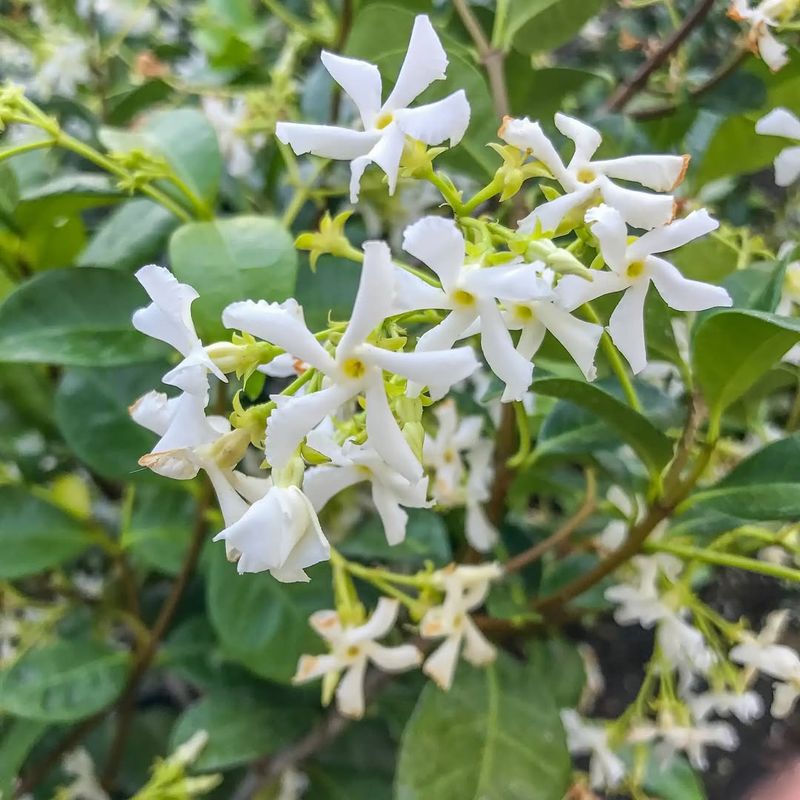
Star jasmine vines climb fences and arbors throughout Texas, releasing waves of sweet perfume that drift across entire yards. This vigorous grower produces masses of small, star-shaped white flowers that bloom prolifically in spring and sporadically through summer.
Confederate jasmine offers similar beauty and fragrance, making both varieties popular choices for Texas landscapes.
These evergreen vines provide privacy while adding vertical interest to outdoor spaces. Their dense foliage creates living walls that block unsightly views and reduce noise from nearby streets.
Texans appreciate how quickly these plants cover structures, transforming bare fences into lush green backdrops.
Full sun to partial shade suits jasmine vines perfectly across most of Texas. They tolerate heat remarkably well once established, requiring minimal supplemental watering during dry spells.
Drought tolerance makes them practical choices for water-conscious gardeners throughout the state.
Training jasmine onto trellises, pergolas, or mailbox posts adds charm and fragrance to entryways. Their twining stems need initial guidance but then climb independently, wrapping around supports naturally.
Regular pruning keeps growth manageable and encourages fuller coverage.
The scent intensifies during warm evenings, making patios and decks more inviting for outdoor gatherings. Many Texas homeowners plant jasmine near windows to enjoy the fragrance indoors when breezes blow through.
Their perfume rivals expensive candles without any artificial ingredients.
Fertilizing in early spring promotes vigorous growth and abundant flowering. These vines respond well to balanced fertilizers applied according to package directions.
Organic compost worked into the soil also provides steady nutrition throughout the growing season.
3. Roses
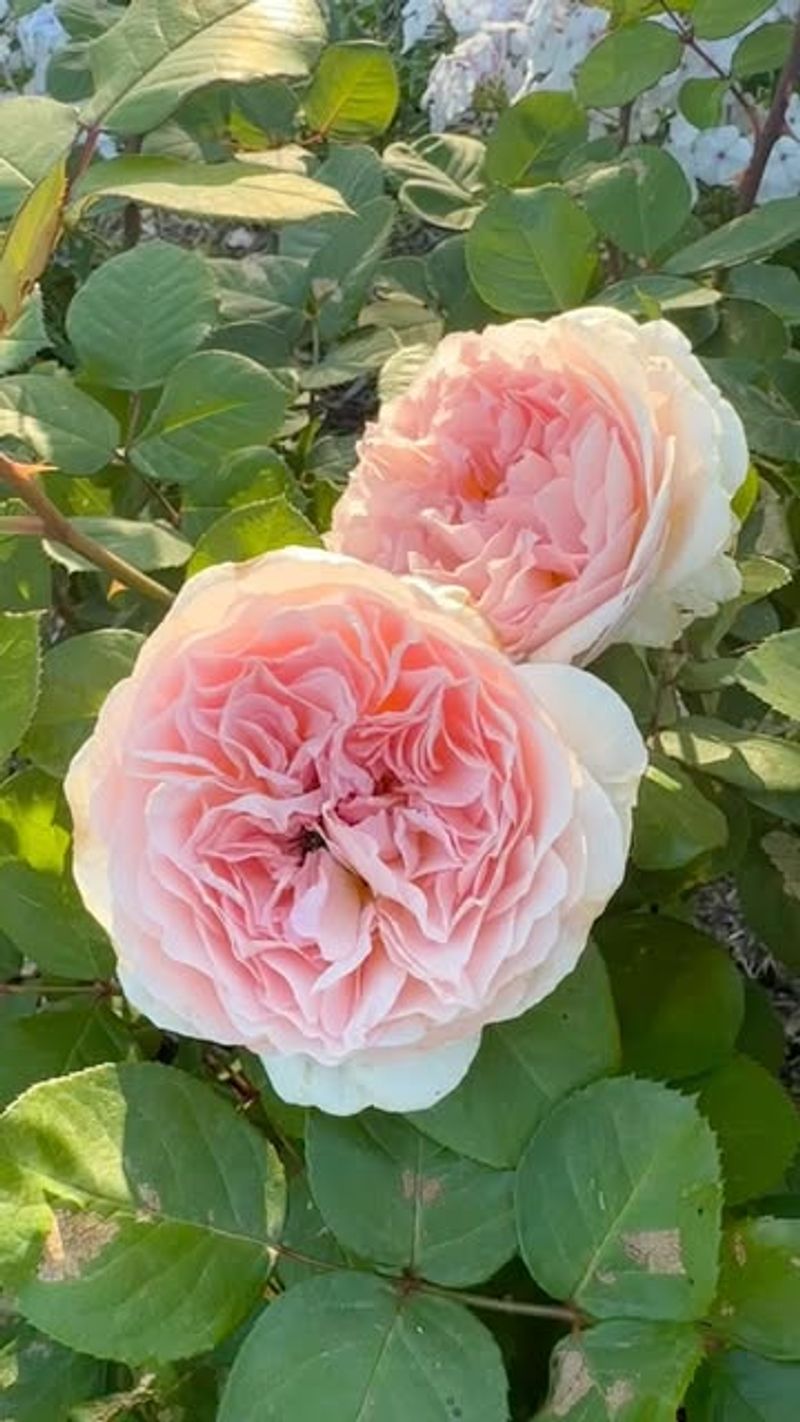
Classic rose gardens have graced Texas properties for generations, filling the air with their timeless fragrance. Antique varieties often carry the strongest scents, though many modern cultivars bred for Texas conditions also offer wonderful perfumes.
David Austin roses have become particularly popular for their old-fashioned fragrance combined with disease resistance suited to the state’s climate.
Selecting roses labeled as fragrant ensures your garden delivers the aromatic experience you desire. Not all roses smell strongly, so reading descriptions carefully before purchasing saves disappointment later.
Local nurseries often let customers smell blooms before buying, helping gardeners choose varieties they truly love.
Roses thrive in full sun locations with good air circulation throughout most of Texas. They need at least six hours of direct sunlight daily to produce abundant blooms and maintain healthy foliage.
Proper spacing between plants prevents fungal diseases that thrive in humid Texas summers.
Regular deadheading encourages continuous blooming from spring through fall in many Texas regions. Removing spent flowers redirects energy into producing new buds rather than forming seed heads.
This simple maintenance task keeps rose bushes looking tidy and performing at their best.
Watering deeply but infrequently develops strong root systems that withstand Texas heat and occasional drought. Soaker hoses or drip irrigation deliver moisture directly to roots without wetting foliage, reducing disease problems.
Mulching conserves moisture and moderates soil temperature fluctuations.
4. Lavender
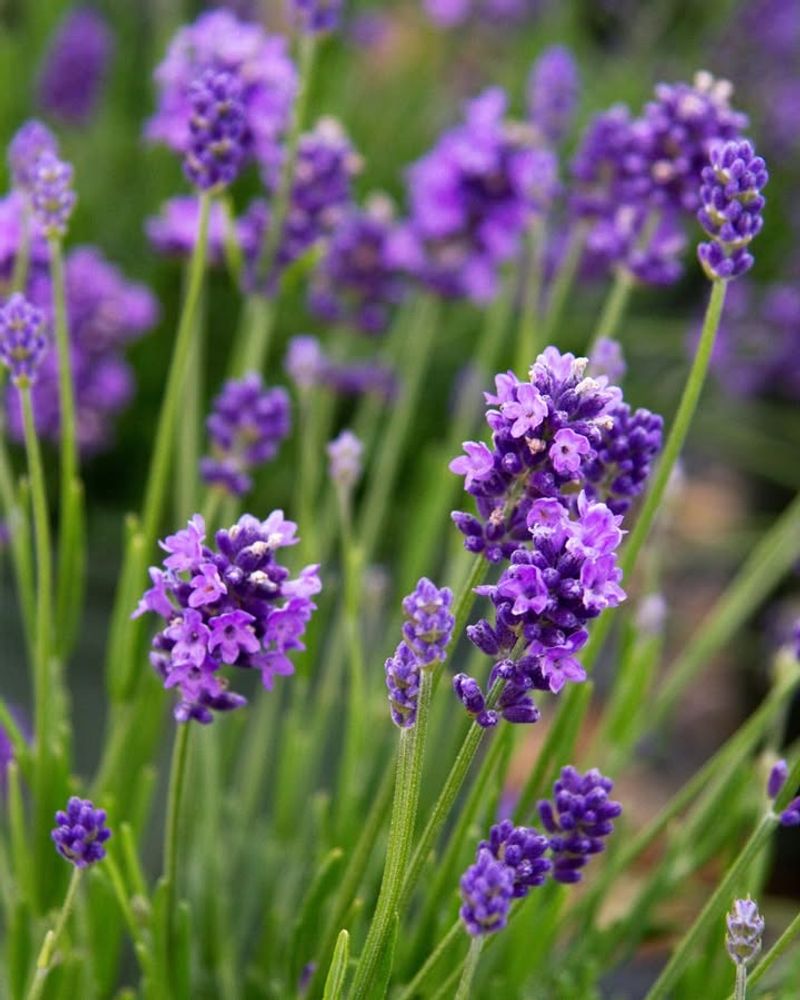
Purple spikes of lavender sway in Texas breezes, releasing their distinctive herbal-floral scent that many find calming and refreshing. This Mediterranean native adapts surprisingly well to Texas conditions when planted in the right location with proper care.
Spanish lavender varieties tolerate heat and humidity better than English types, making them smarter choices for most Texas gardens.
Well-drained soil is absolutely critical for lavender success in Texas. These plants despise wet feet and quickly decline in heavy clay or poorly draining locations.
Amending soil with sand and compost or planting in raised beds dramatically improves survival rates across the state.
Full sun exposure brings out the strongest fragrance and most vibrant flower colors. Lavender needs at least six to eight hours of direct sunlight daily to thrive in Texas.
Insufficient light results in leggy growth, fewer flowers, and reduced aromatic oils in the foliage.
Drought tolerance makes established lavender plants low-maintenance additions to Texas landscapes. They actually prefer drier conditions once their root systems develop, requiring minimal supplemental watering.
Overwatering causes more lavender failures in Texas than any other factor.
Harvesting flower spikes just as they open preserves the strongest scent for dried arrangements and sachets. Many Texans cut lavender regularly throughout the blooming season to enjoy indoors and encourage additional flowering.
The cut stems dry easily when hung upside down in a cool, dark location.
Butterflies and bees flock to lavender blooms, making these plants valuable for supporting pollinators. Their nectar provides food for beneficial insects while the flowers add color to Texas gardens.
Watching pollinators work the blooms adds entertainment value to these already wonderful plants.
5. Sweet Olive (Tea Olive)
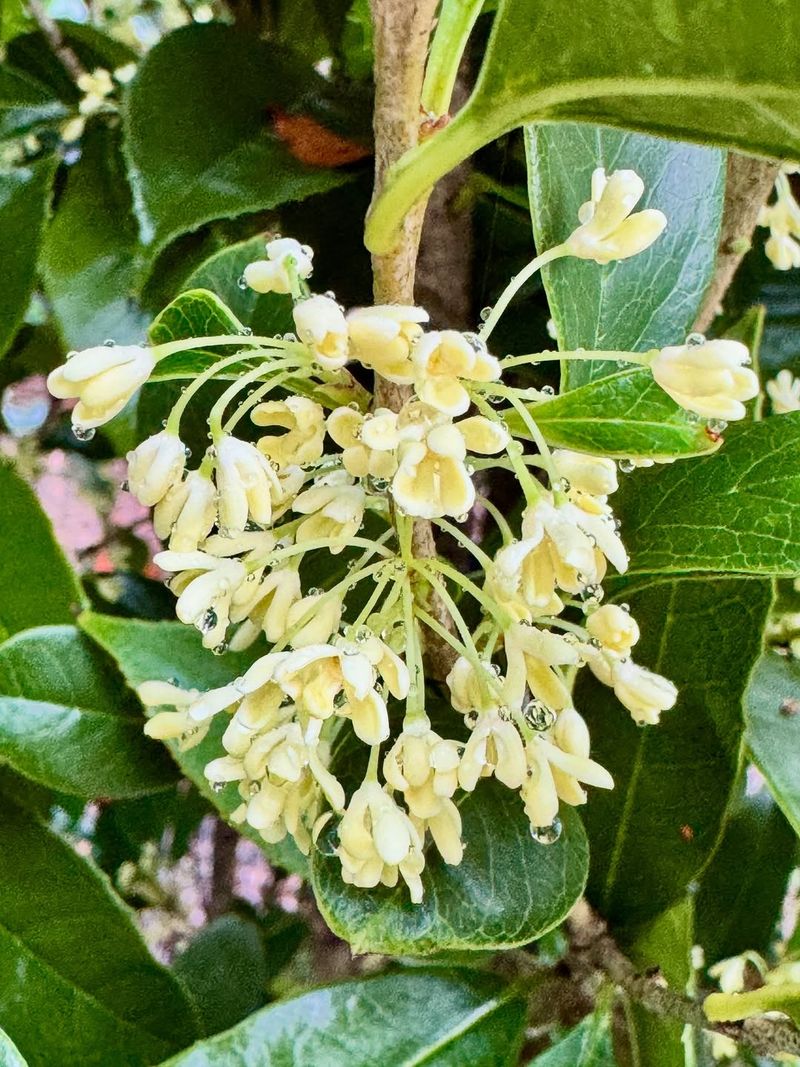
Osmanthus fragrans earns its common name by producing an incredibly sweet perfume that smells like ripe apricots mixed with jasmine. Tiny white or orange flowers appear in fall and spring, though you might smell them before you see them because their fragrance carries remarkable distances.
Many Texans plant sweet olive near entry doors or patios where the scent greets visitors and family members.
These evergreen shrubs provide year-round structure and privacy in Texas landscapes. Their dense foliage creates effective screens while maintaining a refined appearance that suits formal and casual garden styles.
Growth rates vary by variety, with some reaching fifteen feet tall while others stay more compact.
Partial shade to full sun works well for sweet olive across most Texas regions. They tolerate various light conditions, making them versatile choices for different landscape situations.
East Texas gardens with more humidity especially favor these plants, though they adapt to drier areas with adequate irrigation.
Sweet olive shrubs require minimal pruning to maintain attractive shapes naturally. Their growth habit stays relatively tidy without constant trimming, saving time for busy Texas gardeners.
Occasional shaping after flowering keeps plants fitting their designated spaces without removing too many flower buds.
Fragrance production increases during warm, humid weather when essential oils volatilize more readily. Texas falls often provide perfect conditions for maximum scent, making these plants particularly enjoyable during that season.
Spring blooming periods offer another aromatic highlight for gardens across the state.
6. Honeysuckle
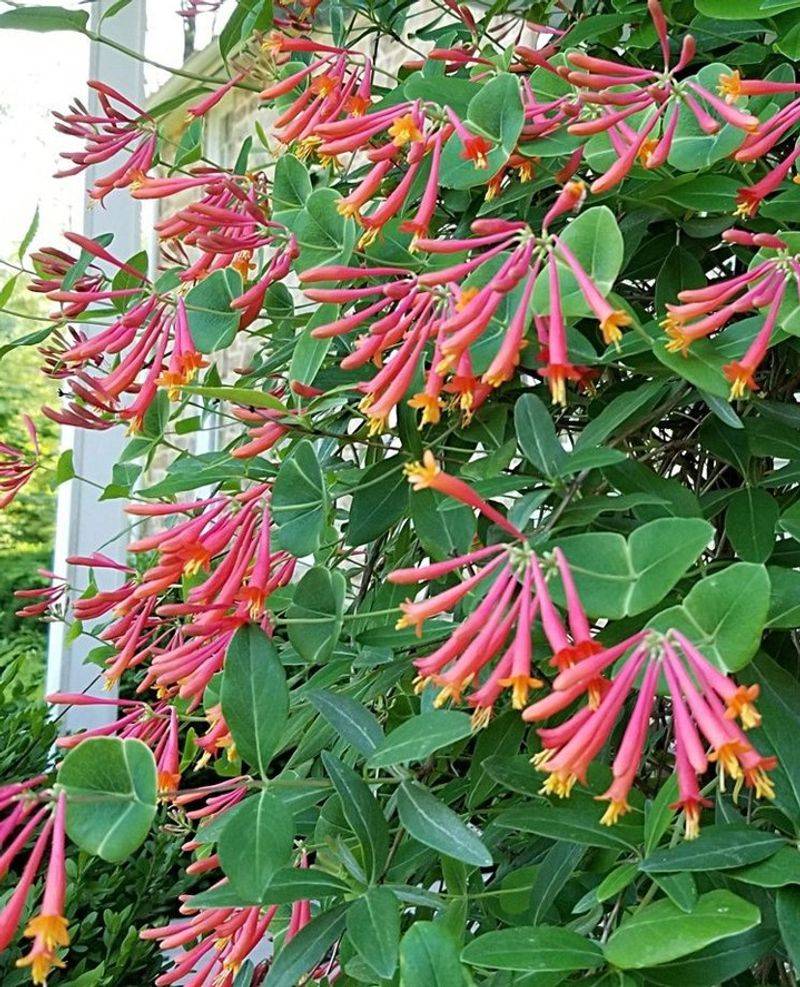
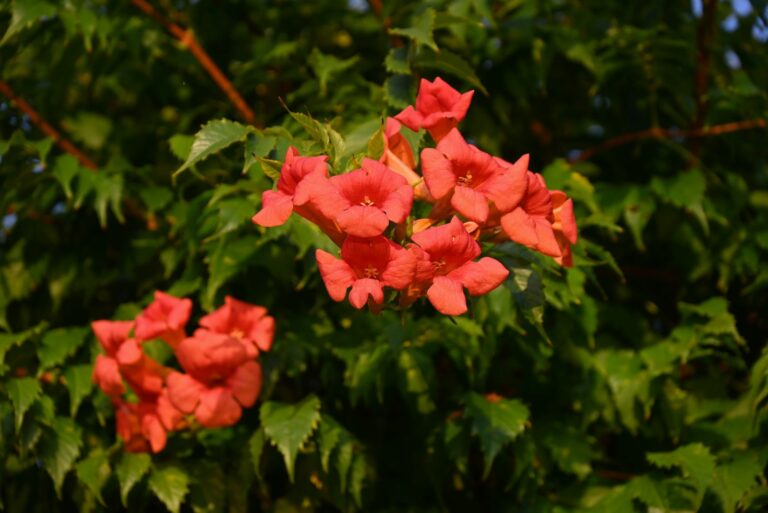
Coral honeysuckle vines native to Texas produce tubular flowers that hummingbirds adore while releasing subtle sweet scents. Japanese honeysuckle offers more intense fragrance but can become invasive in some Texas areas, so coral varieties provide better choices for responsible gardening.
Their red or orange blooms add vibrant color from spring through fall across much of the state.
These vigorous vines quickly cover fences, arbors, and pergolas with attractive foliage and flowers. Texans use honeysuckle to create living privacy screens that serve multiple purposes in outdoor spaces.
The combination of beauty, fragrance, and wildlife value makes them popular landscape plants throughout the state.
Full sun to partial shade suits honeysuckle vines in most Texas regions. They tolerate heat remarkably well once established, requiring minimal care during summer months.
Drought tolerance develops as root systems mature, though occasional deep watering during extended dry spells keeps plants looking their best.
Pruning honeysuckle vines maintains manageable growth and prevents them from overwhelming nearby plants. These enthusiastic growers need occasional trimming to stay within bounds, especially in ideal growing conditions.
Regular maintenance keeps vines attractive and prevents tangled masses of stems.
Hummingbirds visit honeysuckle flowers constantly during blooming periods, providing entertainment for Texas homeowners. Watching these tiny birds hover and feed adds another dimension to enjoying these fragrant vines.
Planting honeysuckle near windows allows indoor observation of hummingbird activity.
Native coral honeysuckle supports local ecosystems better than non-native varieties in Texas. Choosing plants indigenous to the region helps preserve natural habitats and supports wildlife populations.
These natives adapt perfectly to Texas conditions without extra pampering or resources.
7. Mexican Orange Blossom
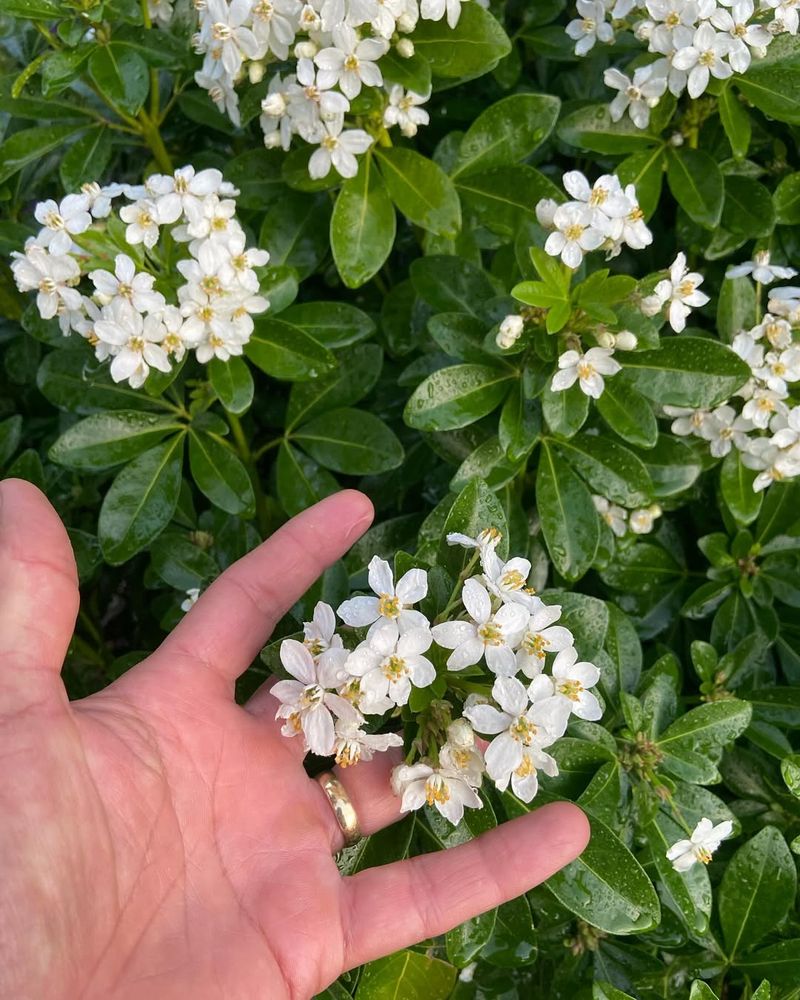
Choisya ternata brings citrus-scented foliage and fragrant white flowers to Texas gardens throughout the year. Brushing against the glossy leaves releases a pleasant orange-like aroma that freshens outdoor spaces even when flowers aren’t present.
This evergreen shrub maintains attractive appearance year-round, providing consistent beauty in Texas landscapes.
Clusters of white star-shaped flowers appear primarily in spring with sporadic rebloom through fall. Their sweet orange blossom scent attracts butterflies and other pollinators to Texas gardens.
The combination of fragrant foliage and flowers makes this shrub doubly aromatic and especially valuable for scent gardens.
Partial shade works best for Mexican orange blossom in hot Texas regions. Full sun can scorch foliage during intense summer heat, especially in western and southern parts of the state.
Morning sun with afternoon shade provides ideal conditions for healthy growth and abundant flowering.
Well-drained soil is essential for success with this shrub in Texas. Heavy clay soils need amendment with compost and sand to improve drainage and prevent root problems.
Raised beds offer excellent growing conditions when native soil proves challenging.
Mexican orange blossom grows three to six feet tall and wide, making it suitable for foundation plantings or mixed borders. Its rounded shape requires little pruning to maintain attractive form naturally.
Occasional trimming after flowering keeps plants compact and encourages bushier growth.
8. Plumeria
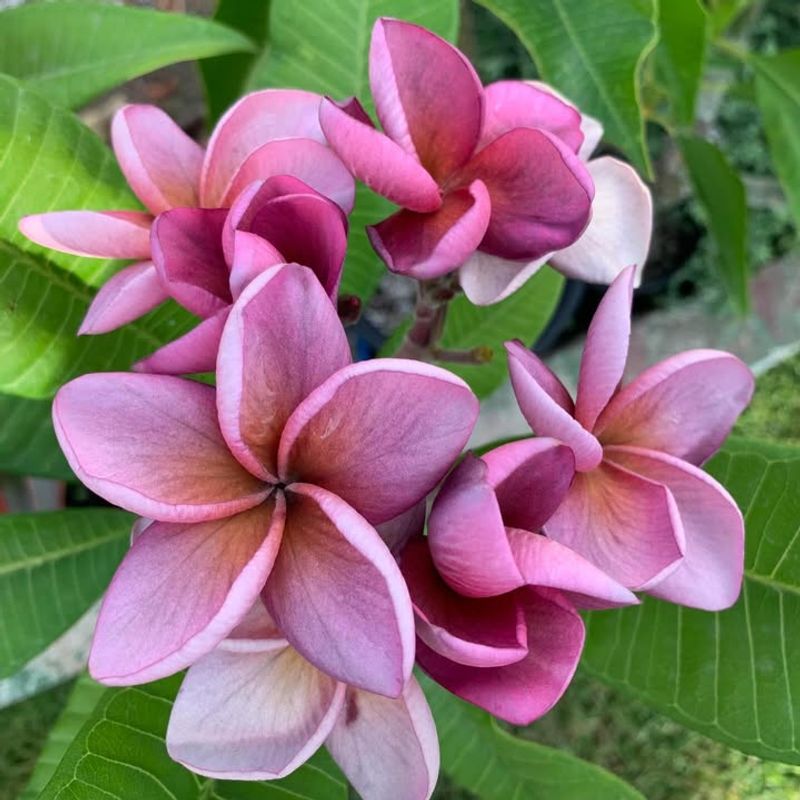
Tropical plumeria flowers fill Texas evenings with their sweet, exotic fragrance reminiscent of island vacations. These stunning blooms come in various colors including white, yellow, pink, and red, often with multiple shades blending beautifully.
South Texas gardeners grow plumeria in the ground year-round, while those in colder regions enjoy them as container plants brought indoors for winter.
Thick, succulent branches give plumeria distinctive architectural interest even when not blooming. Their bold form adds tropical flair to Texas patios, pool areas, and garden beds.
The sculptural quality of these plants provides visual impact beyond their famous fragrant flowers.
Full sun and excellent drainage are critical requirements for plumeria success in Texas. These plants need heat to thrive and bloom prolifically, making them perfect for the state’s warm climate.
Six to eight hours of direct sunlight daily encourages the best flowering and fragrance production.
Plumeria blooms appear from late spring through fall in Texas, with fragrance intensifying during evening hours. Many people plant them near outdoor seating areas to enjoy the perfume during warm weather gatherings.
The scent carries well on breezes, spreading throughout entire yards.
Container growing suits plumeria perfectly for Texas gardeners in northern regions where freezes occur. Large pots allow plants to grow substantial sizes while remaining portable for winter protection.
Moving containers to garages or sunrooms during cold snaps preserves plants for many years.
9. Herb Rosemary
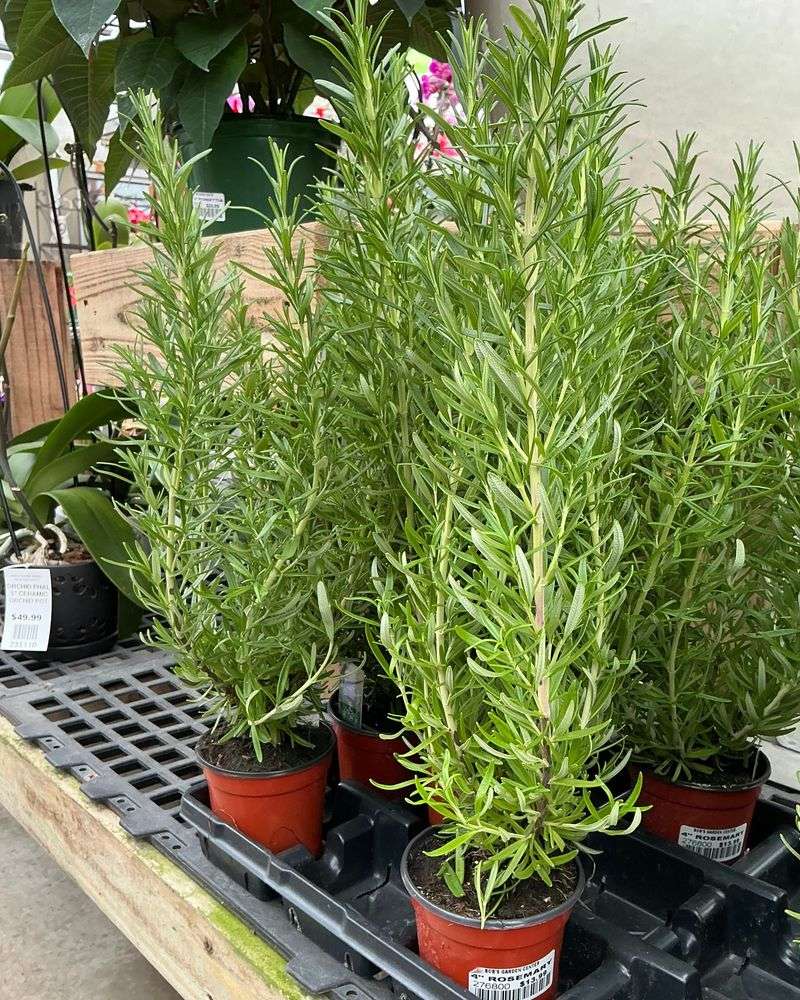
Aromatic rosemary thrives in Texas gardens, offering culinary uses alongside its fresh pine-like fragrance. This Mediterranean herb loves the state’s hot, dry conditions and performs beautifully with minimal care once established.
Brushing against rosemary plants releases their distinctive scent, freshening outdoor spaces naturally throughout the year.
Evergreen foliage provides year-round interest and fragrance in Texas landscapes. Needle-like leaves stay green through winter, maintaining color when many other plants go dormant.
This reliable appearance makes rosemary valuable for both ornamental and practical purposes across the state.
Full sun and excellent drainage are essential for rosemary success in Texas. These plants tolerate heat, drought, and poor soil better than most herbs, making them ideal for challenging landscape situations.
Rocky or sandy soils suit rosemary perfectly, while heavy clay needs amendment for proper drainage.
Blue or white flowers appear on rosemary plants in late winter and early spring across Texas. These small blooms attract early pollinators when few other flowers are available, supporting beneficial insects.
The flowers add pretty color while the foliage continues providing fragrance and culinary value.
Rosemary grows as upright shrubs or prostrate groundcovers depending on variety selection. Texans use upright types for hedges and foundation plantings while trailing varieties cascade over walls and containers.
This versatility allows rosemary to fill multiple roles in landscape designs.
10. Scented Geranium
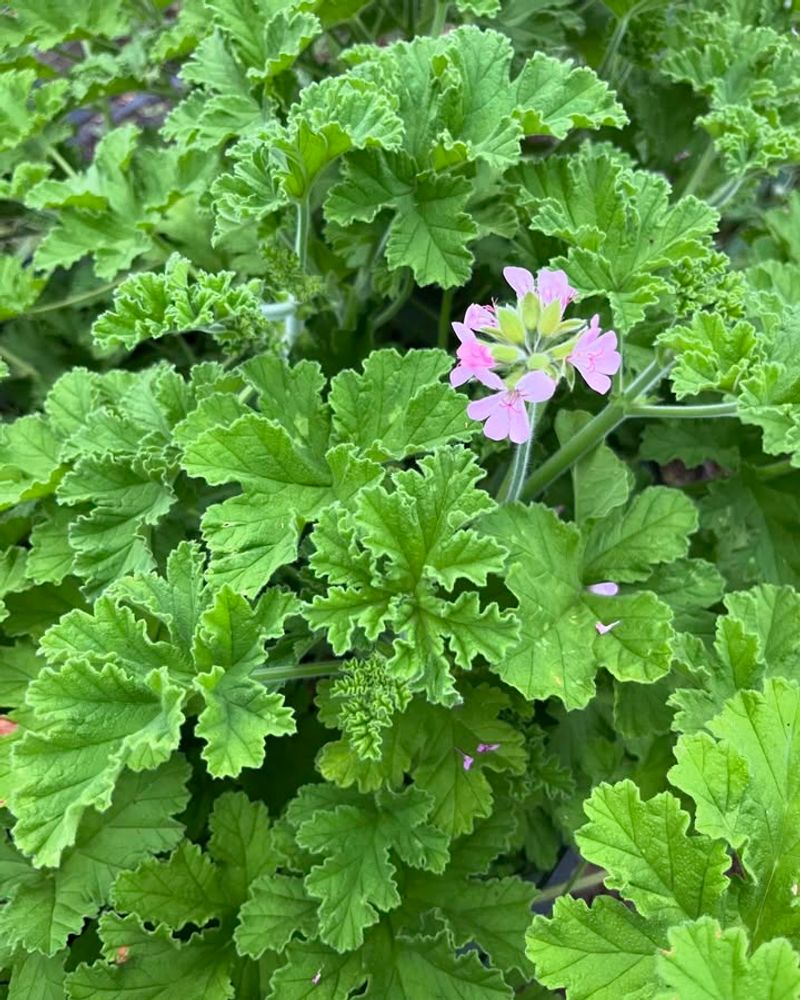
Scented geraniums offer an amazing variety of fragrances from rose to lemon, mint to apple, and even chocolate or nutmeg. Rubbing the textured leaves releases aromatic oils that can freshen outdoor spaces instantly with whatever scent you’ve chosen.
These versatile plants thrive in containers throughout Texas, making them accessible to gardeners with any size outdoor space.
Unlike common garden geraniums grown for showy flowers, scented varieties focus on foliage fragrance. Their blooms tend to be smaller and less dramatic, but the leaves provide constant aromatic interest.
Texans collect multiple varieties to create fragrance gardens with diverse scent profiles.
Full sun to partial shade suits most scented geranium varieties in Texas. They tolerate heat well when provided adequate moisture, though afternoon shade helps during the most intense summer months.
Flexibility in light requirements makes them easy to site in various garden locations.
Container growing suits scented geraniums perfectly for Texas gardeners who want movable fragrance. Pots allow easy repositioning to take advantage of seasonal light changes or to bring favorite scents closer to seating areas.
Terra cotta containers complement the cottage garden charm these plants embody.
Well-drained soil prevents root rot problems that can affect scented geraniums in Texas. Adding perlite or sand to potting mixes improves drainage for container plants.
Those growing in garden beds benefit from raised planting or amended soil in areas with heavy clay.