14 Scented Plants That Make Florida Yards Smell Amazing
Florida gardens offer endless opportunities to transform outdoor spaces into fragrant retreats that delight every visitor who steps through your gate.
Choosing plants with incredible scents creates a sensory experience that makes spending time outside more enjoyable throughout the entire year ahead.
Fragrant flowers and leaves add beauty while filling warm breezes with delightful aromas that can improve mood and create lasting memories.
These carefully selected plants thrive in Florida’s unique climate and reward gardeners with spectacular perfumes that make yards truly unforgettable destinations.
1. Gardenia
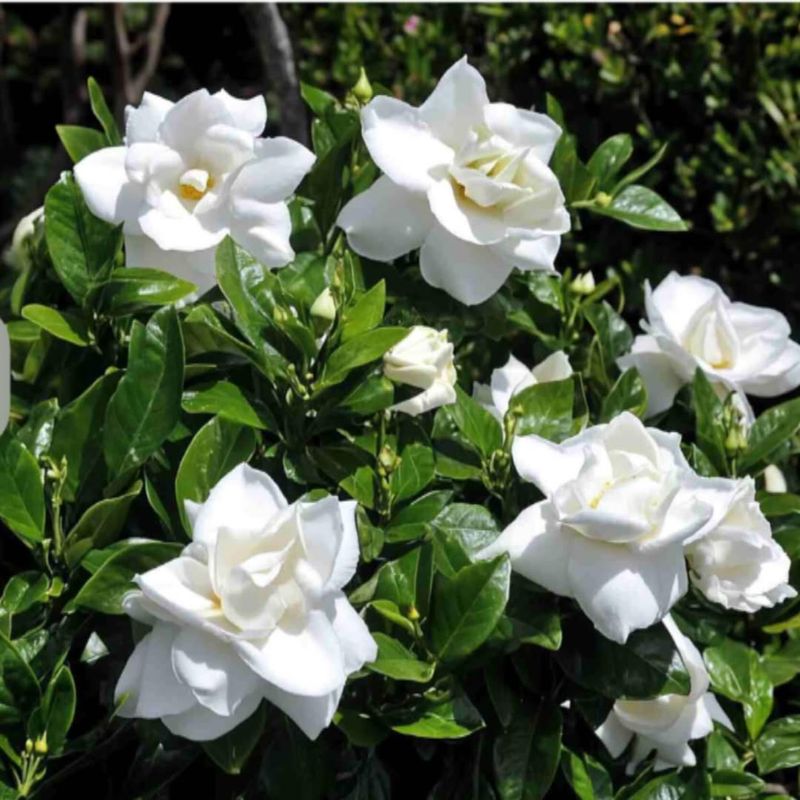
Gardenias produce creamy white blooms that release one of nature’s most intoxicating perfumes, especially noticeable during evening hours in spring.
Their glossy evergreen leaves create year-round visual interest while the flowers appear from late spring through early summer across most regions.
Plant them in partial shade with acidic soil enriched with organic matter to encourage healthy growth and abundant flowering each season.
Regular watering keeps the soil consistently moist, which these shrubs need to develop their signature fragrant blooms that neighbors will notice.
Gardenias work beautifully near patios, walkways, or bedroom windows where their sweet scent can drift indoors on warm Florida breezes.
Pruning after flowering helps maintain compact shapes while encouraging next year’s buds to form along the branches for continued beautiful displays.
These Southern classics bring elegance and timeless charm to any landscape design while perfuming the air with their unforgettable romantic fragrance.
2. Confederate Jasmine
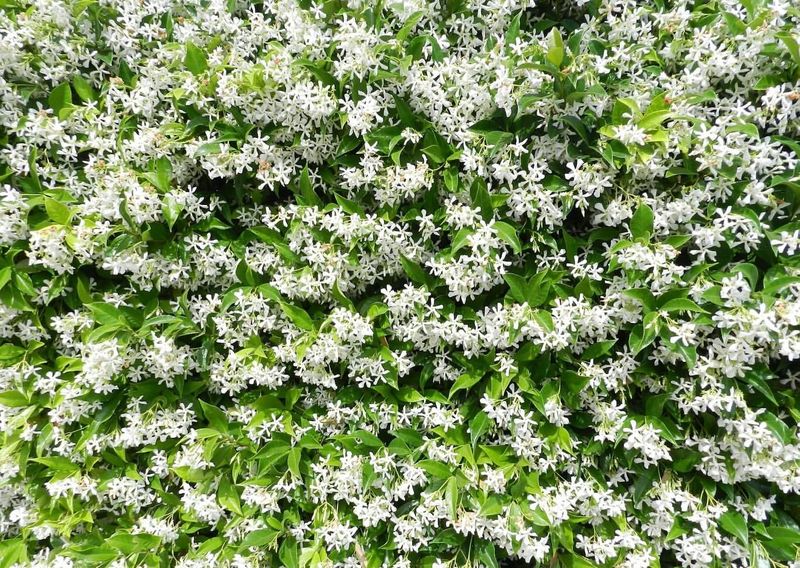
Confederate jasmine vines burst into clouds of tiny white star-shaped flowers each spring, releasing a honey-sweet fragrance that carries surprisingly far.
This vigorous climber quickly covers fences, arbors, and trellises while creating dense green screens that provide privacy throughout all twelve months.
The plant tolerates Florida’s heat exceptionally well and requires minimal maintenance once established in sunny or partially shaded locations with good drainage.
Blooms appear most heavily in April and May, though sporadic flowers may continue appearing through summer when conditions remain favorable enough.
Training young vines onto supports helps direct growth where you want coverage, creating living walls that smell absolutely wonderful during peak season.
Confederate jasmine also works as a groundcover on slopes where erosion control is needed while still delivering that signature sweet perfume.
Few climbing plants offer such reliable performance combined with such delightful fragrance, making this vine a Florida landscape favorite for decades.
3. Sweet Almond Verbena
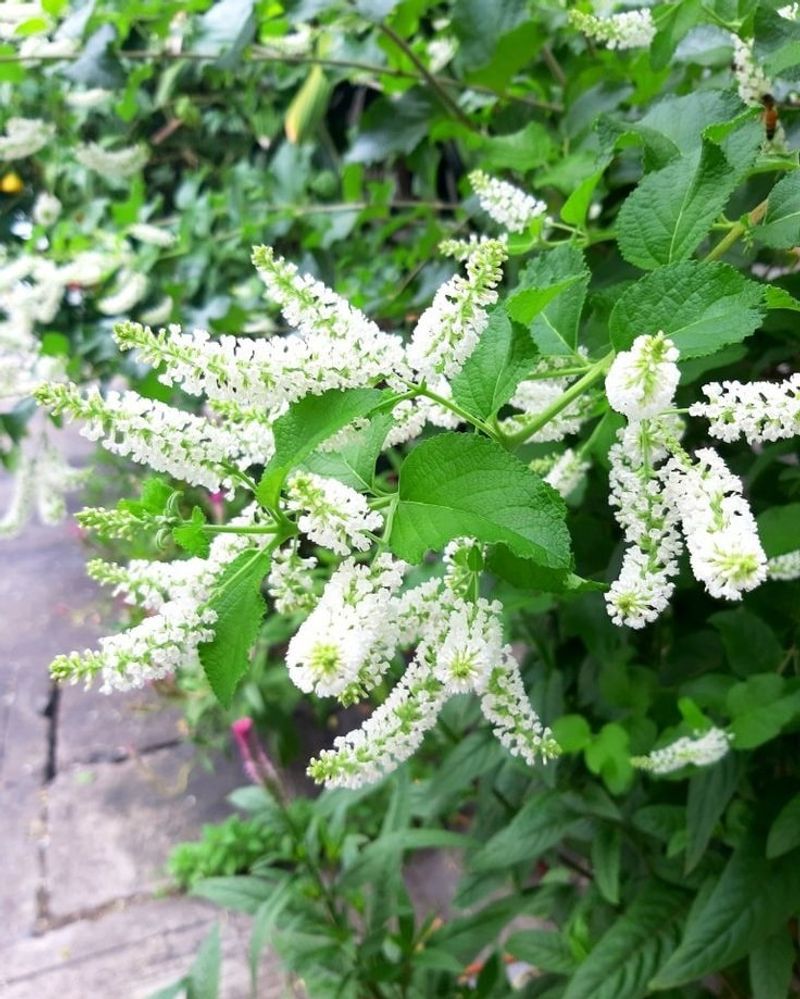
Sweet almond verbena surprises visitors with its powerful almond cookie scent that intensifies as temperatures rise throughout warm Florida afternoons and evenings.
Small white tubular flowers cover the shrub almost year-round, attracting butterflies and hummingbirds while perfuming entire sections of your outdoor space.
This tough plant handles Florida’s summer heat without complaint and continues blooming even during periods when other plants struggle with conditions.
Reaching about four to six feet tall, sweet almond verbena fits perfectly into mixed borders or works as a fragrant hedge.
Full sun and well-drained soil keep this shrub happy, though it adapts to various soil types without requiring constant attention or amendments.
Light pruning maintains desired shapes while encouraging fresh growth that produces even more of those wonderfully scented flowers throughout the growing season.
Position this plant near outdoor seating areas where its distinctive almond aroma can be fully appreciated by everyone who gathers there.
4. Night-Blooming Jasmine
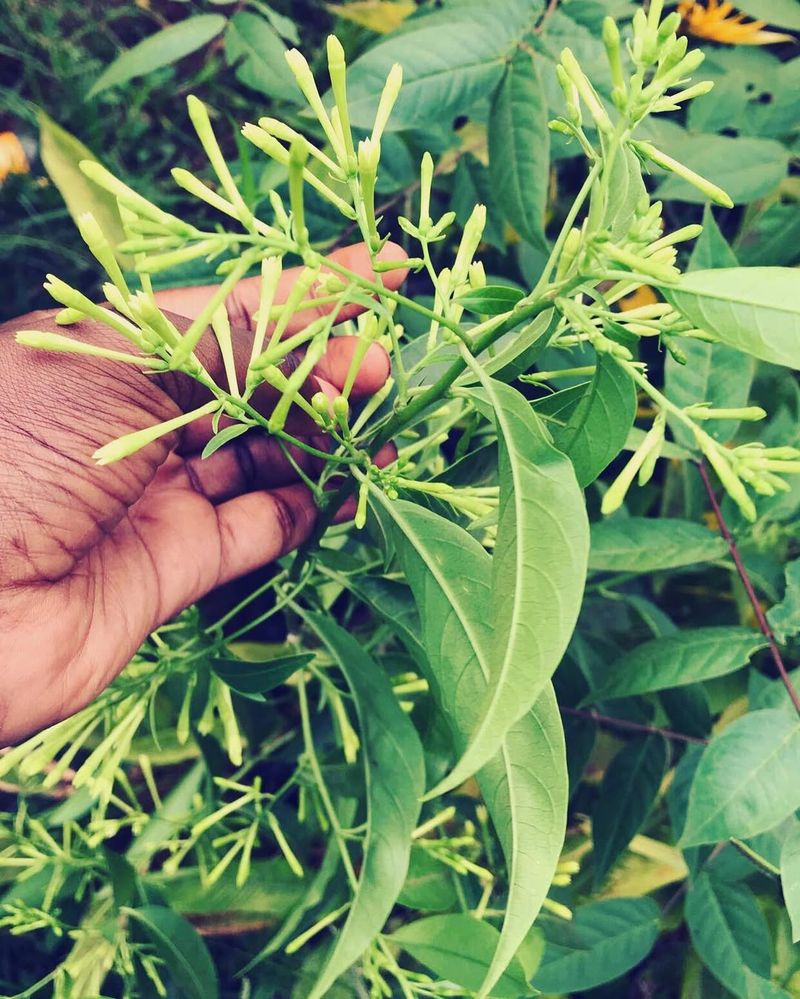
Night-blooming jasmine releases its powerful perfume after sunset, transforming Florida evenings into magical experiences filled with an almost overwhelming sweet fragrance.
Small greenish-white flowers seem insignificant during daylight hours but announce their presence dramatically once darkness falls across the landscape each night.
This shrub can grow quite large, reaching ten feet or more, so provide adequate space or plan for regular pruning sessions.
Blooming occurs in waves throughout warm months, with the strongest fragrance appearing during humid summer nights when conditions are absolutely perfect.
Some people find the scent too intense, so consider planting this away from bedroom windows if strong perfumes bother sensitive household members.
Night-blooming jasmine thrives in full sun to partial shade and tolerates Florida’s challenging conditions once roots establish in the ground.
This plant creates conversation-starting fragrance that guests will remember long after they leave your property on warm summer evenings together.
5. Plumeria
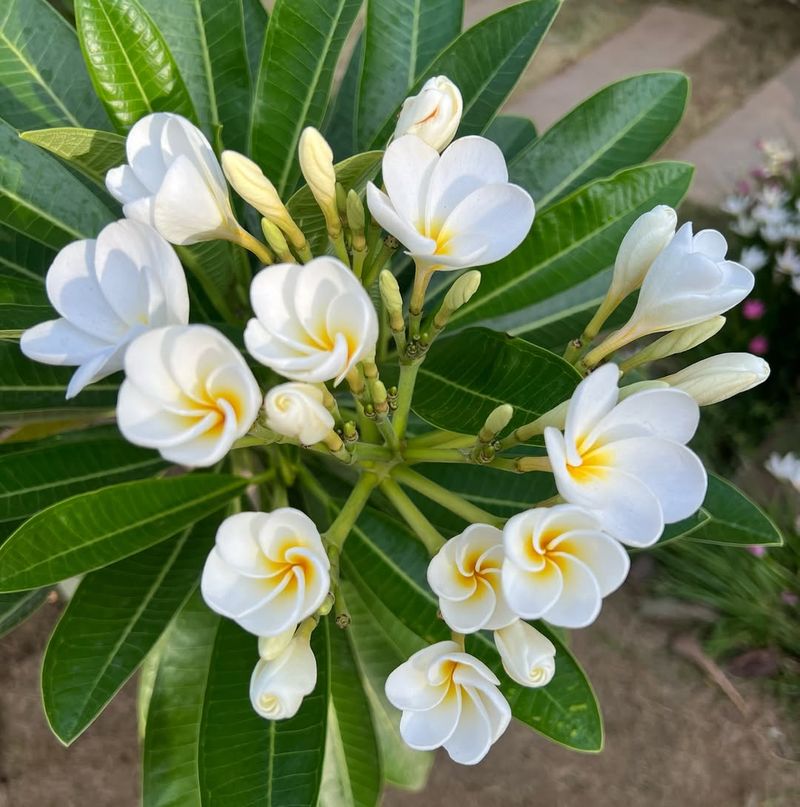
Plumeria flowers deliver that classic tropical perfume associated with Hawaiian leis, bringing vacation vibes directly to your Florida landscape year after year.
Blooms appear in spectacular color combinations including white, yellow, pink, and red, each variety offering slightly different fragrance notes and intensities.
These small trees or large shrubs need full sun and excellent drainage to thrive, making them perfect for sandy Florida soils.
Flowering peaks during summer months when warm temperatures encourage abundant blooms that fill the air with their distinctive sweet tropical scent.
Plumerias lose their leaves during cooler months in most Florida regions, but their sculptural branches remain attractive even when completely bare.
Protect plants from frost in northern areas by covering them or growing in containers that can be moved to sheltered spots.
Collecting different plumeria varieties becomes addictive for many gardeners who appreciate the range of fragrances and colors available from specialty nurseries.
6. Orange Jasmine
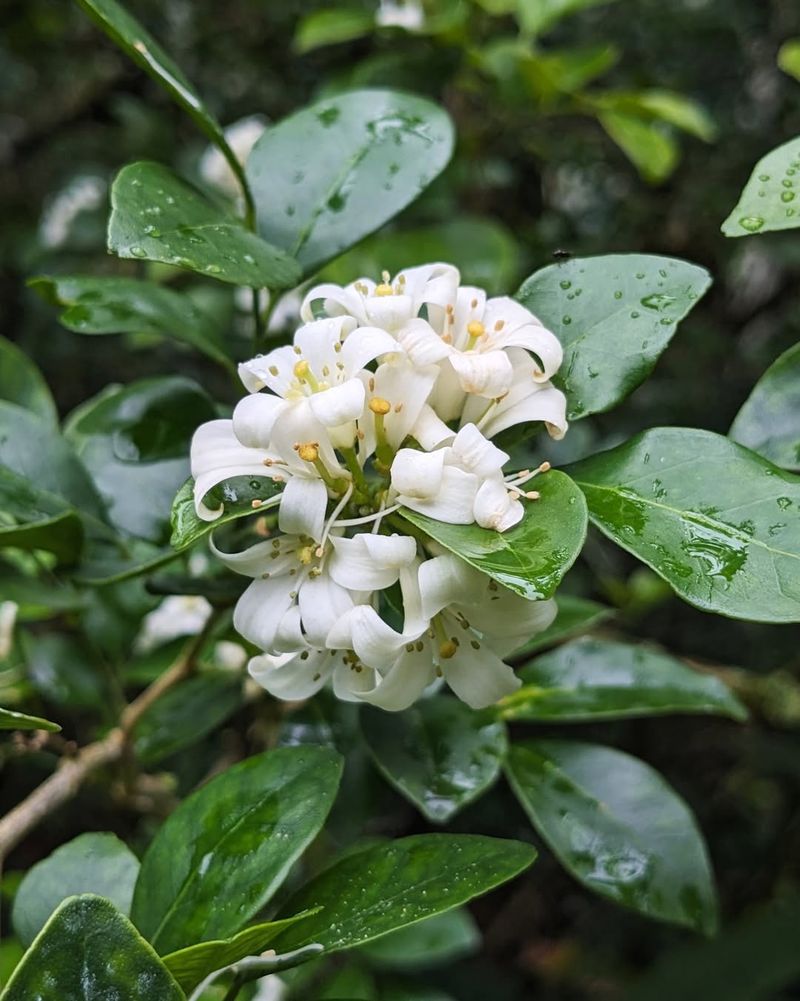
Orange jasmine produces clusters of small white flowers that smell remarkably like orange blossoms, creating a citrus-scented oasis right outside your door.
This evergreen shrub works beautifully as a hedge, foundation planting, or specimen, adapting to various landscape roles with consistent reliable performance.
Blooming occurs multiple times throughout the year, with the heaviest flower production happening during warmer months when conditions encourage vigorous growth.
The plant tolerates pruning extremely well, allowing you to maintain any desired size or shape while encouraging bushier growth and more blooms.
Orange jasmine handles both full sun and partial shade, though flowering tends to be more prolific when plants receive at least six hours.
Small orange berries follow the flowers, adding another ornamental element to this already attractive and wonderfully fragrant landscape addition for yards.
Position orange jasmine where foot traffic or breezes will release the fragrance from both flowers and leaves for maximum sensory enjoyment.
7. Ginger Lily
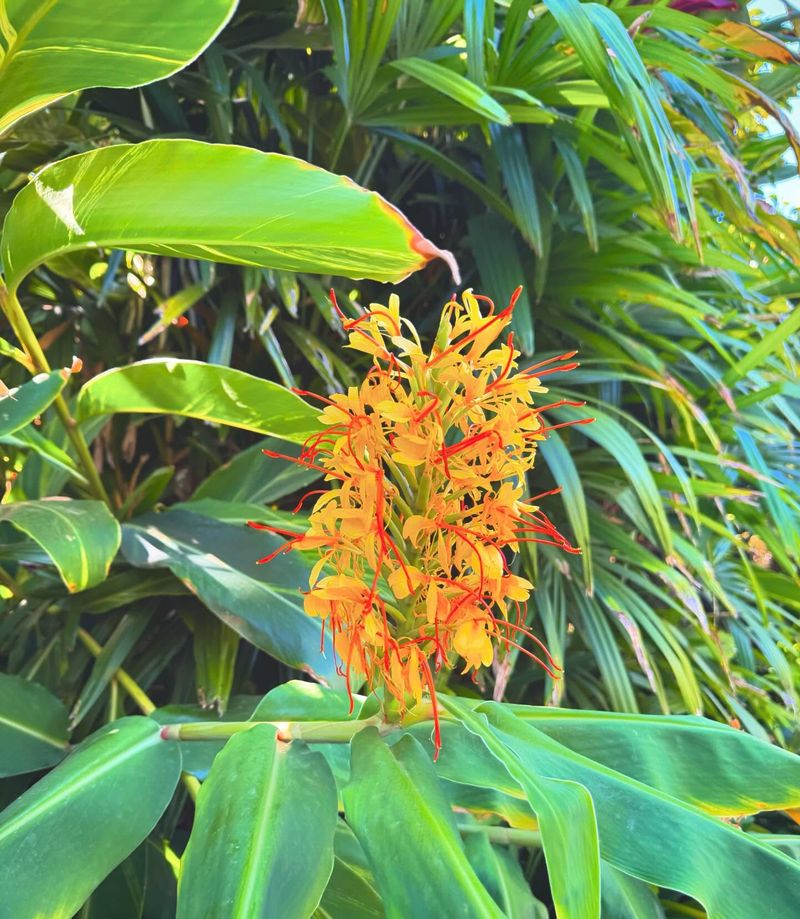
Ginger lilies send up tall flower spikes topped with exotic blooms that release an intoxicating perfume reminiscent of gardenias mixed with spice.
These tropical perennials thrive in Florida’s heat and humidity, spreading slowly to form impressive clumps that get better with each passing year.
White varieties typically offer the strongest fragrance, though yellow and orange types also provide pleasant scents along with their vibrant visual appeal.
Plant ginger lilies in partial shade with rich, moist soil amended with compost to replicate their native tropical forest floor conditions perfectly.
Flowers appear during summer and fall, with individual blooms lasting just a day but replaced continuously by fresh ones from the spike.
Cut flower stalks make spectacular indoor arrangements that perfume entire rooms while lasting several days in vases with fresh water changes daily.
Ginger lilies add a lush tropical feeling to shaded garden areas where their bold foliage and incredible fragrance create unforgettable garden moments.
8. Pittosporum
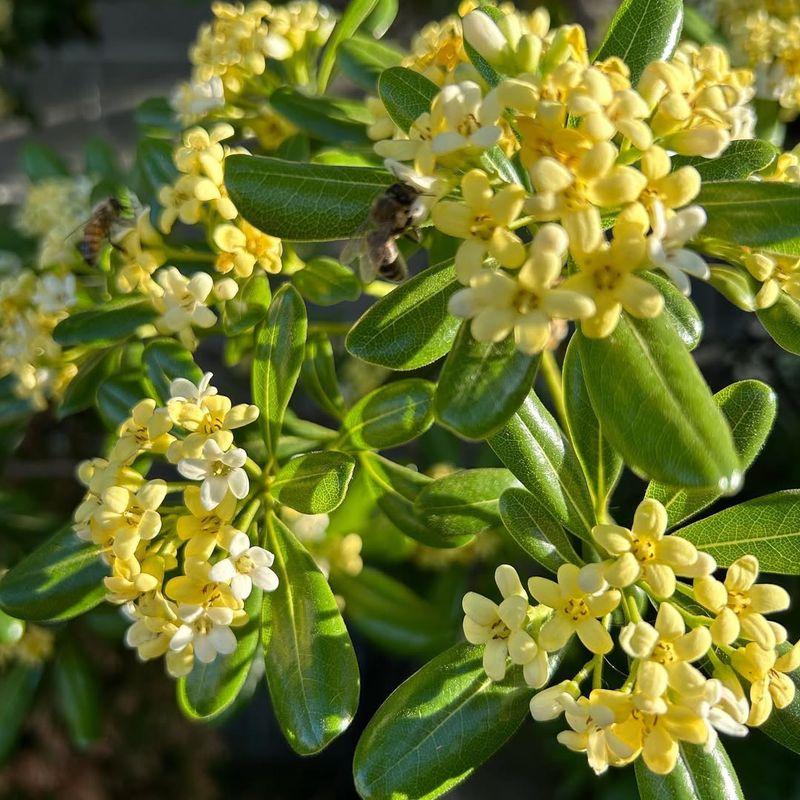
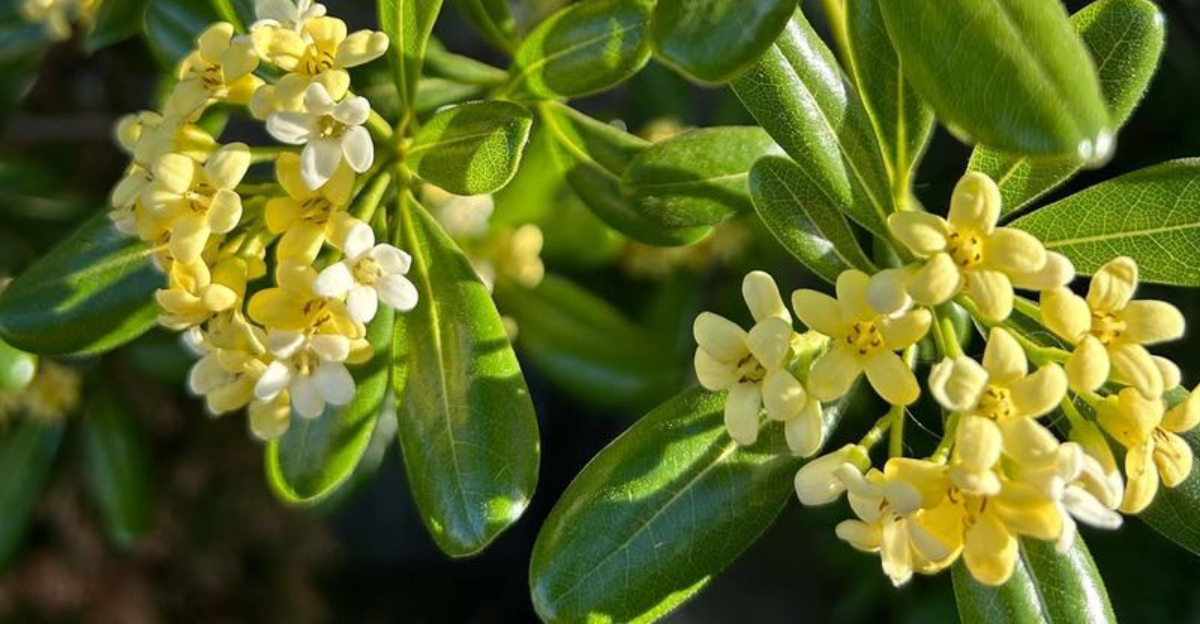
Pittosporum surprises many gardeners with the sweet orange-blossom fragrance that emerges from its small creamy flowers during late winter and spring months.
Most people grow this evergreen shrub for its attractive glossy foliage and excellent screening qualities, discovering the delightful scent as a bonus.
Plants adapt to various growing conditions including coastal areas where salt tolerance makes them valuable for beachside properties throughout Florida’s extensive coastline.
The dense branching structure creates effective privacy screens or windbreaks while requiring minimal pruning to maintain neat, attractive shapes throughout the seasons.
Pittosporum handles both full sun and partial shade, though flowering tends to be more abundant when plants receive plenty of direct light.
Regular watering during establishment helps plants develop strong root systems, after which they tolerate drought periods reasonably well once fully mature.
This reliable workhorse plant deserves more recognition for its wonderful springtime fragrance that often catches visitors completely off guard with its sweetness.
9. Sweet Olive

Sweet olive produces tiny inconspicuous flowers that pack an incredibly powerful apricot-like fragrance capable of perfuming entire yards during blooming periods.
Blooming occurs sporadically throughout the year with peaks in fall and spring, creating pleasant surprises when the scent suddenly appears outdoors.
This evergreen shrub grows slowly to moderate size, making it manageable for smaller yards while still providing substantial screening and fragrance benefits.
Dark green oval leaves create a refined appearance that works well in formal landscapes or mixed with more casual plantings for varied effects.
Sweet olive prefers partial shade and acidic soil enriched with organic matter, similar to growing conditions that gardenias and azaleas also enjoy.
The plant tolerates pruning well, allowing you to shape it as needed or maintain it as a small tree with lower branches removed.
Few plants offer such disproportionate fragrance from such small flowers, making sweet olive a must-have for gardeners who prioritize scent in designs.
10. Ylang-Ylang
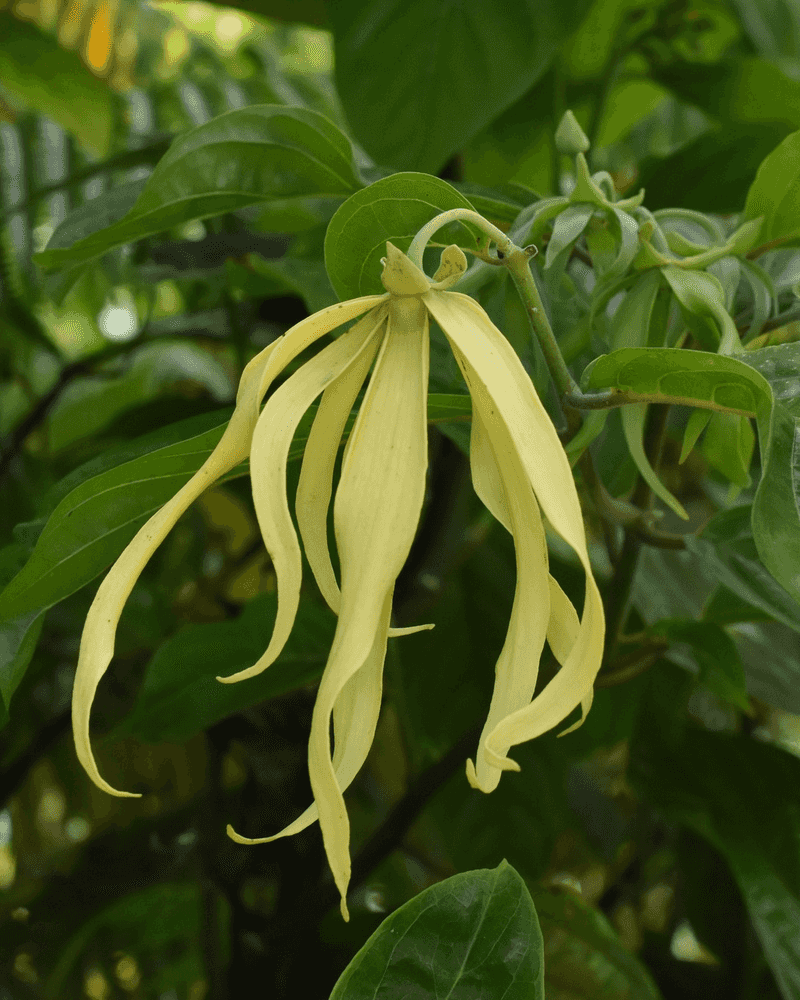
Ylang-ylang trees produce unusual drooping flowers in shades of yellow and green that release an exotic, complex fragrance used in fine perfumes.
This tropical tree grows best in South Florida where freezing temperatures rarely threaten, though container growing allows enjoyment in cooler regions.
Flowers appear year-round in ideal conditions, with the strongest fragrance developing as blooms mature and deepen in color over several days.
The scent combines floral sweetness with hints of banana and spice, creating a unique aroma that some find enchanting while others consider overwhelming.
Ylang-ylang prefers full sun and well-drained soil with regular watering to support its vigorous growth and continuous flowering throughout warm months ahead.
Trees can grow quite tall but respond well to pruning that keeps them at manageable heights while encouraging branching and more flower production.
Growing your own source of this famous perfume ingredient creates a special connection to the fragrance industry and tropical botanical traditions worldwide.
11. Tuberose
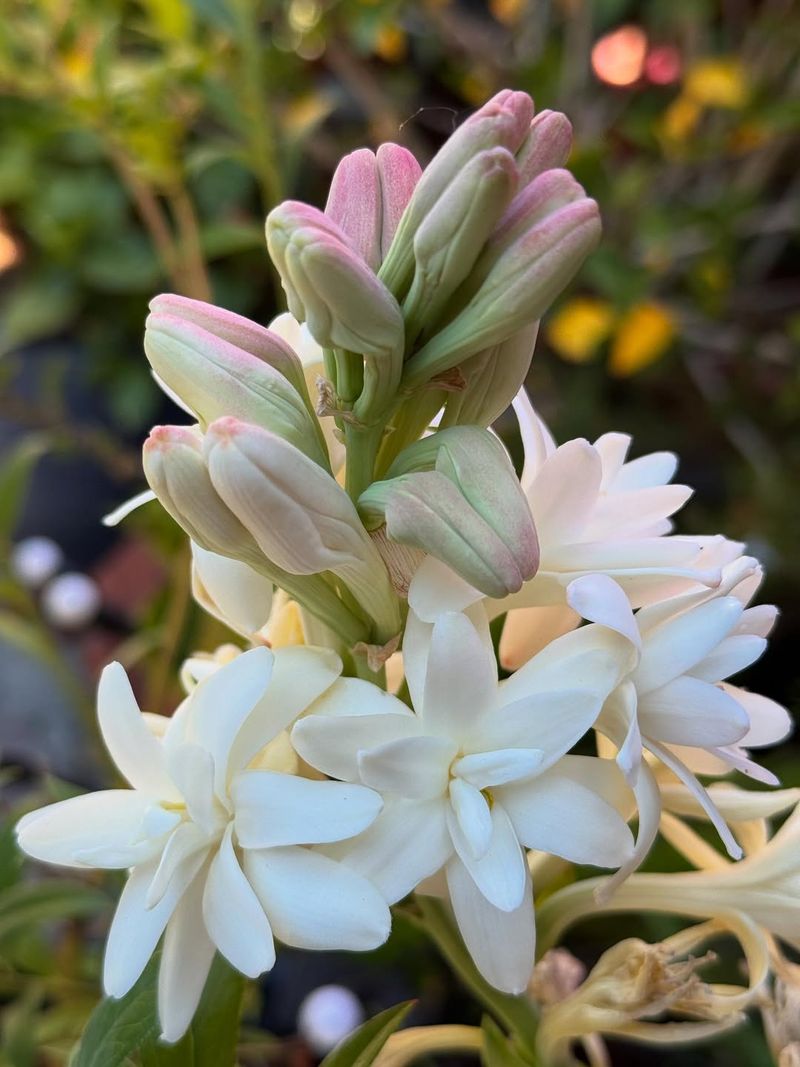
Tuberose spikes produce waxy white flowers that release one of the most intoxicating and powerful fragrances found in any garden anywhere.
These bulbs bloom during summer and fall, sending up tall flower stalks that demand attention both visually and through their incredible perfume.
Plant tuberoses in full sun with rich, well-drained soil, spacing bulbs several inches apart to allow for proper air circulation around plants.
The fragrance intensifies during evening hours, making tuberoses perfect for planting near patios or outdoor entertaining spaces used after sunset arrives.
After flowering completes, allow foliage to remain until it yellows naturally, which helps bulbs store energy for next season’s impressive display.
In North Florida, you may need to lift bulbs before frost or treat them as annuals, replanting fresh bulbs each spring.
Tuberose fragrance is so distinctive and powerful that just a few plants can perfume large areas, making them incredibly efficient scent producers.
12. Roses
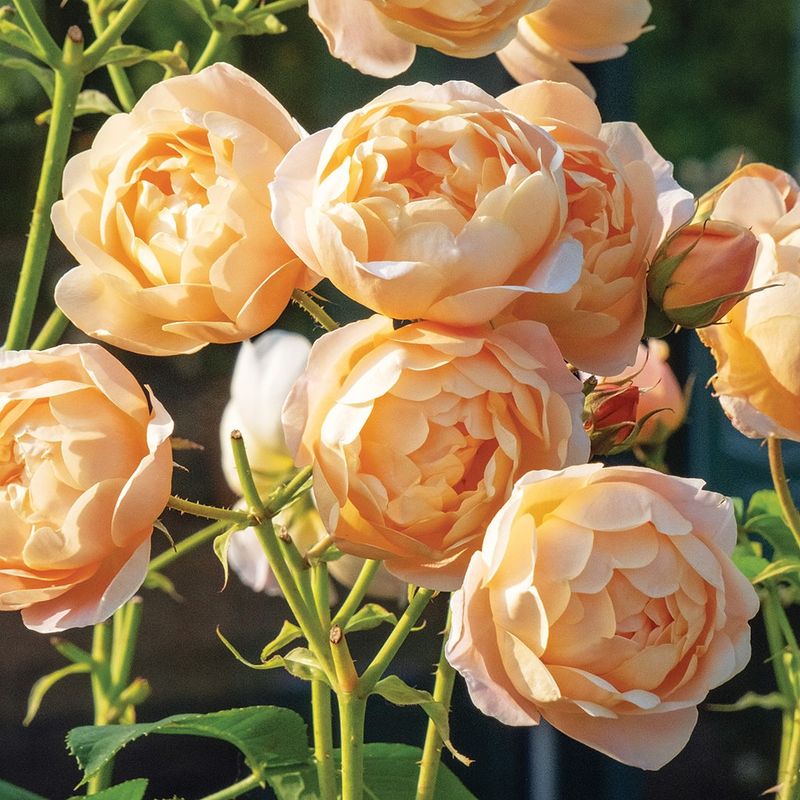
Many modern roses lack fragrance, but old garden roses and certain cultivars bred specifically for scent offer wonderful perfumes for Florida gardens.
Look for varieties like ‘Mr. Lincoln,’ ‘Double Delight,’ or ‘Fragrant Cloud’ that combine beautiful blooms with powerful classic rose fragrances everyone recognizes.
Florida’s climate challenges roses somewhat, but choosing disease-resistant varieties and providing proper care results in successful fragrant rose gardens across the state.
Plant roses in locations receiving at least six hours of direct sunlight daily, with good air circulation to minimize fungal disease problems.
Amend Florida’s sandy soil generously with compost and organic matter to improve water retention and provide nutrients roses need for healthy growth.
Regular deadheading removes spent blooms and encourages plants to produce more flowers throughout the long Florida growing season ahead for gardeners.
The timeless fragrance of roses adds romantic charm and classic elegance to landscapes while connecting gardens to centuries of horticultural tradition worldwide.
13. Four O’Clock
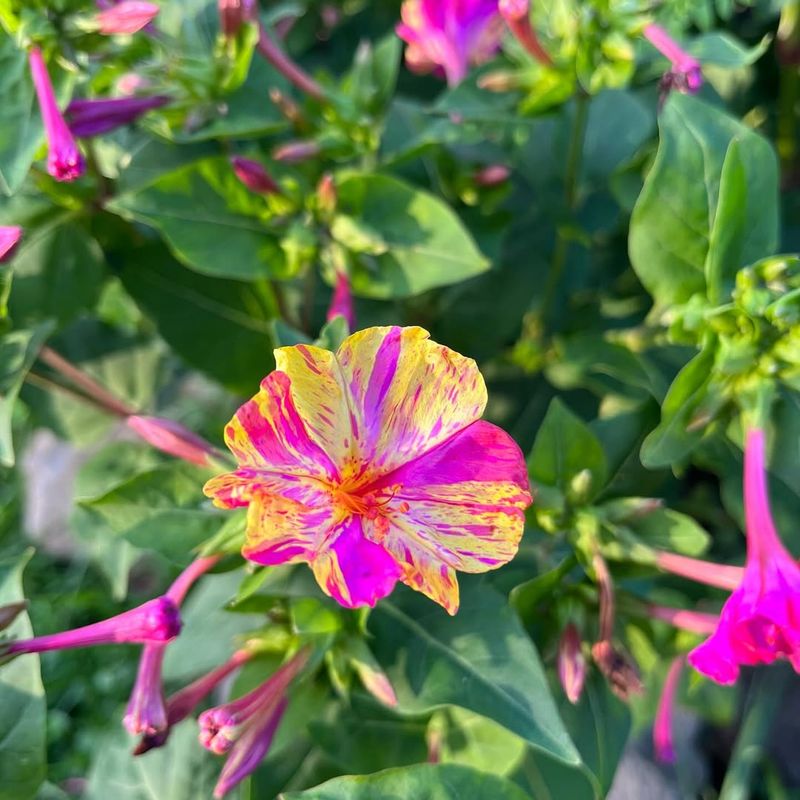
Four o’clock flowers open during late afternoon as their name suggests, releasing a sweet perfume that attracts moths throughout the evening hours.
These easy-care perennials produce tubular blooms in vibrant colors including pink, magenta, yellow, and white, often with multiple colors on one plant.
Plants self-seed readily in Florida gardens, returning year after year and spreading to create larger fragrant colonies without requiring any special effort.
Four o’clocks tolerate poor soil, drought, and neglect once established, making them perfect for low-maintenance landscapes or areas with challenging conditions present.
The bushy plants reach two to three feet tall and wide, filling spaces quickly while providing both visual interest and delightful fragrance.
Flowers close during morning hours, which some gardeners find disappointing, but the evening display more than compensates for daytime dormancy periods.
This old-fashioned cottage garden favorite brings nostalgic charm and reliable performance to Florida yards seeking fragrance without demanding constant attention or care.
14. Magnolia
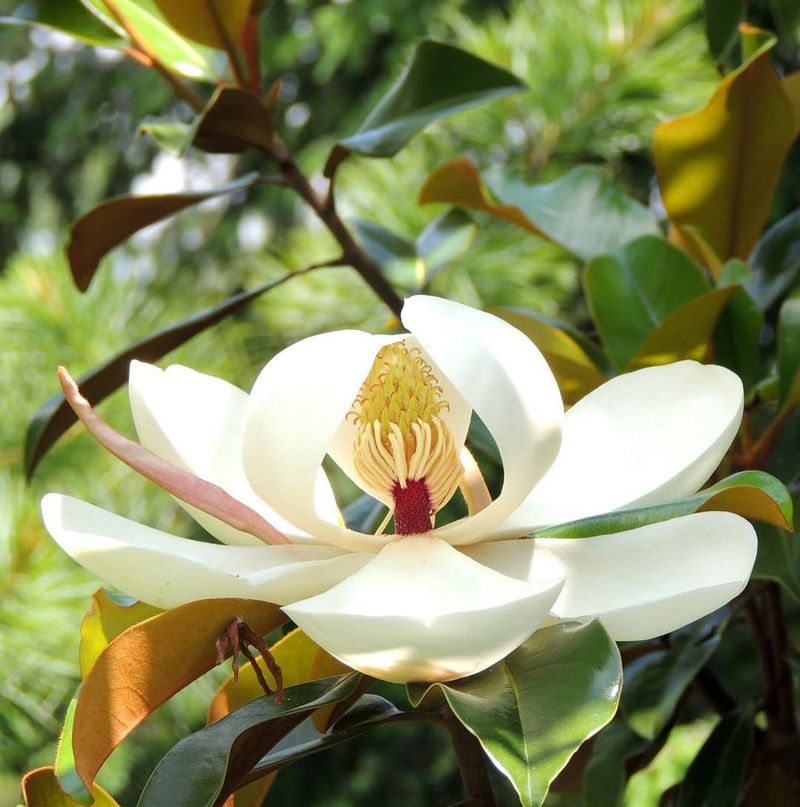
Southern magnolias produce enormous white flowers that release a sweet, lemony fragrance powerful enough to perfume entire neighborhoods during peak blooming season.
These iconic trees grow into impressive evergreen specimens with glossy dark green leaves that remain attractive throughout all twelve months of the year.
Flowering occurs primarily in late spring and early summer, though sporadic blooms may appear during fall when conditions remain warm and favorable.
Magnolias need space to reach their full potential, so ensure adequate room exists before planting these eventually large trees in landscapes.
The trees prefer slightly acidic soil enriched with organic matter and consistent moisture, though established specimens tolerate short drought periods reasonably well.
Fallen leaves and spent flowers create cleanup work, so avoid planting directly over patios or pools where debris becomes a maintenance issue.
Few trees combine such dramatic flowers, wonderful fragrance, and year-round beauty into one package, making magnolias true Southern garden treasures for generations.