7 Secrets To Growing Organic Strawberries Successfully In Florida
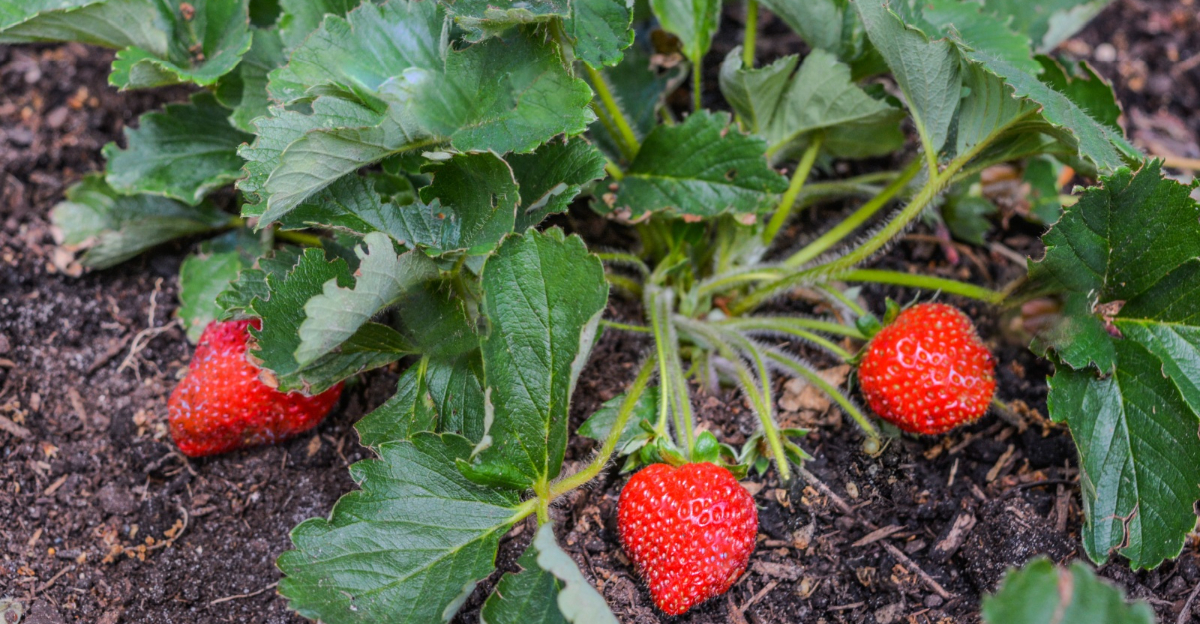
Strawberries look easy at the garden center, but Florida growing tells a different story once planting season begins. Heat arrives early, rain comes fast, pests show up uninvited, and sandy soil drains before roots can hold moisture.
After a few seasons of weak plants or disappointing harvests, it starts to feel like success is out of reach. Florida gardening works best when the approach matches local conditions instead of copying northern advice.
When you adjust planting time, variety selection, soil preparation, and daily care, everything begins to change. Plants establish stronger roots, foliage stays healthier, and fruit production becomes more reliable.
With the right methods in place, you stop fighting the environment and start working with it. Sweeter berries, longer harvest windows, and fuller baskets become realistic results instead of rare surprises.
1. Choose Florida-Adapted Strawberry Varieties
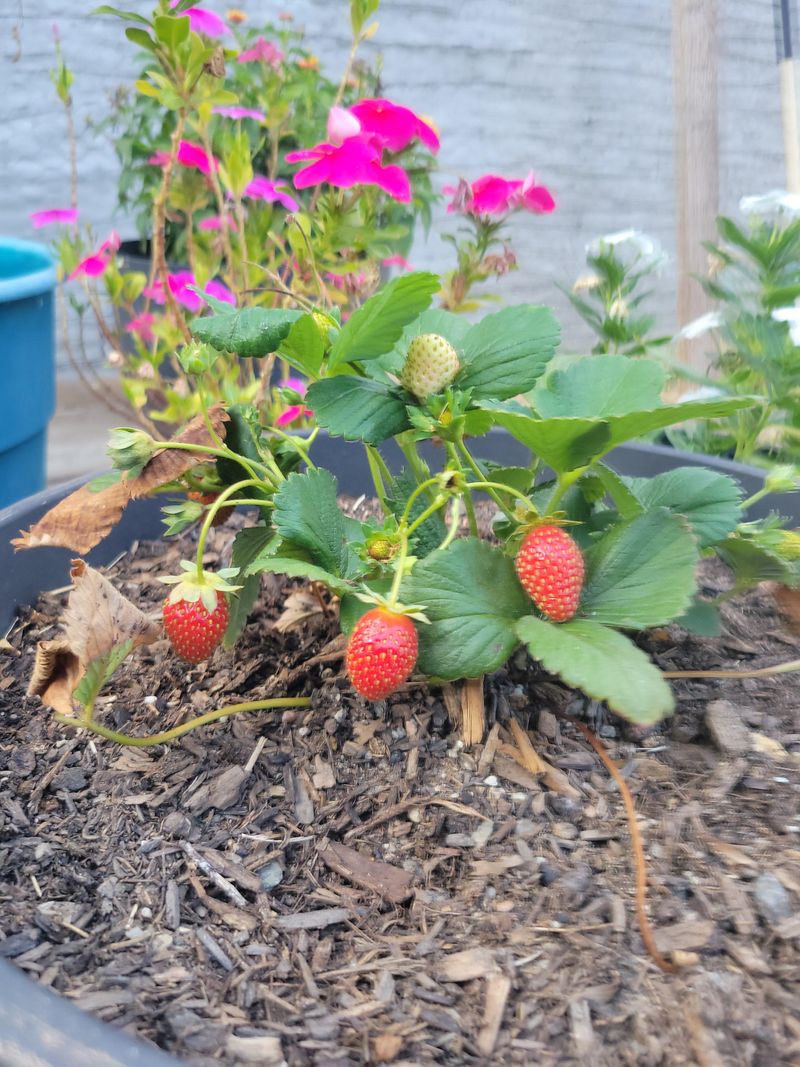
Not all strawberries are created equal, especially when you’re planting in Florida’s unique climate. Your success starts with choosing varieties that were bred to handle our mild winters and warm springs.
Forget those northern varieties you see in catalogs because they simply won’t produce well in Florida’s warm winter climate.
University of Florida researchers have spent decades developing strawberry cultivars that thrive in our state. Sweet Sensation™ ‘Florida127’, Florida Brilliance, and Florida Radiance are among the most commonly recommended varieties for Florida home gardeners.
These varieties are bred to perform well under Florida’s mild winter temperatures and shorter day lengths, allowing plants to flower and fruit when northern regions are too cold.
Florida Radiance stands out as the most popular choice among local growers because it produces large, firm berries with excellent flavor. It also shows good resistance to anthracnose fruit rot, a common problem in our humid climate.
Florida Beauty is another Florida-tested variety that some growers report as early ripening with good sweetness, though availability and performance can vary by region.
Sweet Sensation brings a different advantage with its compact growth habit, ideal for container gardening on patios or balconies.
When you plant varieties developed specifically for Florida conditions, you’re giving your strawberry patch the best possible foundation for organic success throughout the entire growing season.
2. Plant At The Right Time For Your Zone
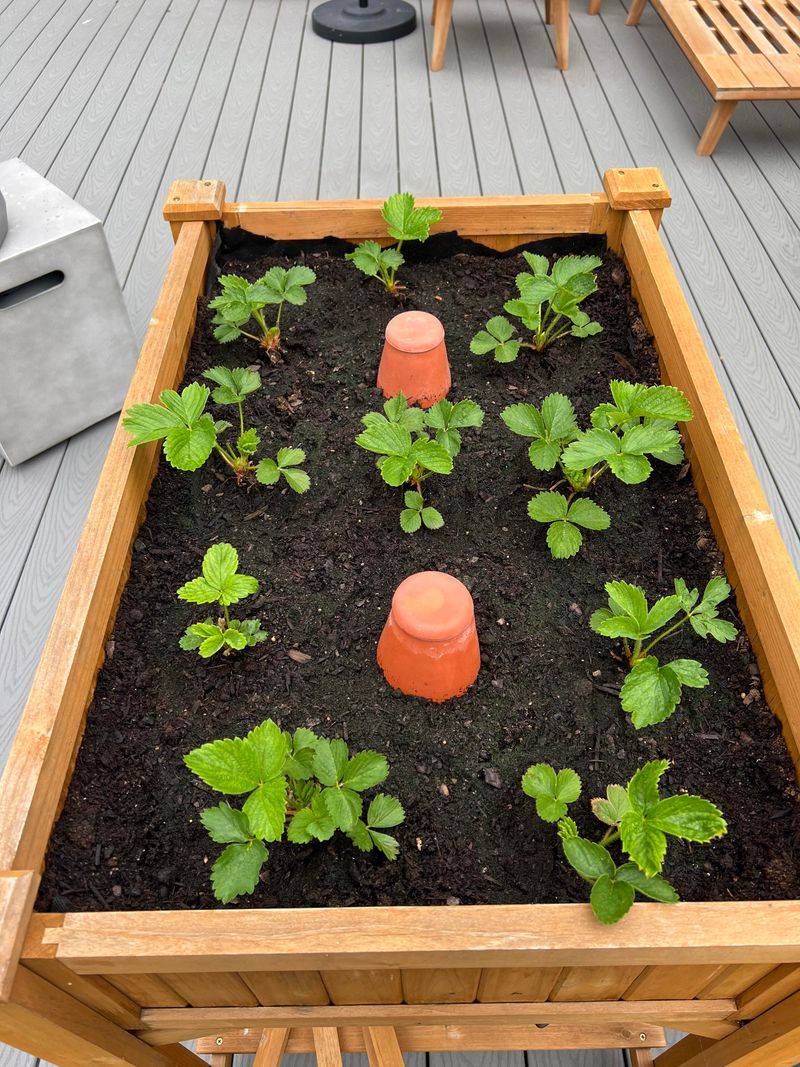
Timing is everything when you’re growing strawberries in Florida, and getting it right makes the difference between a disappointing patch and baskets full of berries. Unlike gardeners up north who plant in spring, you need to get your strawberries in the ground during fall.
This backwards schedule confuses many newcomers, but it’s absolutely essential for Florida success.
If you live in North Florida, aim to plant from late September through October. Central Florida gardeners should wait until October through early November.
Down in South Florida, you can push planting into late October through December depending on temperatures.
Your strawberry plants need cool weather to establish strong root systems before they start producing fruit. When you plant too early while temperatures are still hot, the plants struggle and may not survive.
Plant too late, and they won’t have enough time to develop before fruiting season begins.
Check local frost risk and seasonal temperature trends before planting. Plant when daytime temperatures consistently fall below the upper 80s and nighttime temperatures cool into the 60s and 70s to reduce heat stress on young plants.
Once planted at the proper time, your strawberries will develop robust crowns and healthy foliage throughout winter, then reward you with abundant harvests from late winter through spring.
3. Use Well-Drained, Raised Beds Or Containers
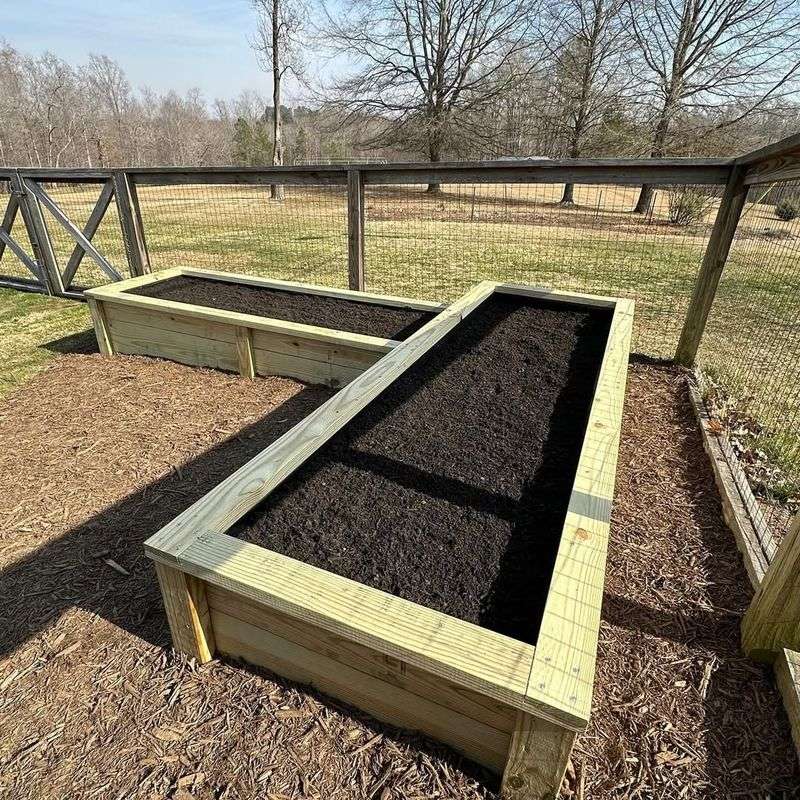
Florida’s sandy soil can be a blessing and a curse for strawberry growers, but proper bed preparation turns challenges into advantages. Strawberries absolutely hate wet feet, and our frequent afternoon rains mean you must ensure excellent drainage.
Raised beds solve this problem beautifully while giving you complete control over your growing medium.
Build your raised beds at least eight inches high, though ten to twelve inches works even better for our climate. This elevation keeps roots from sitting in water during heavy rain events.
You can use untreated wood, concrete blocks, or even recycled plastic lumber to construct sturdy frames that will last several seasons.
Container growing offers another fantastic option, especially if you have limited space or problematic soil. Choose containers at least ten inches deep with multiple drainage holes.
Strawberry pots with side pockets work wonderfully and look attractive on patios or decks.
Fill your beds or containers with a blend of quality organic potting mix, compost, and peat moss or coconut coir. This combination provides the slightly acidic pH strawberries prefer while maintaining the loose, well-aerated structure their roots need.
Add perlite or vermiculite to improve drainage even further. When you create the perfect growing environment from the start, your strawberry plants will establish quickly and produce abundantly throughout the season without battling waterlogged conditions or root diseases.
4. Maintain Soil Health With Organic Amendments
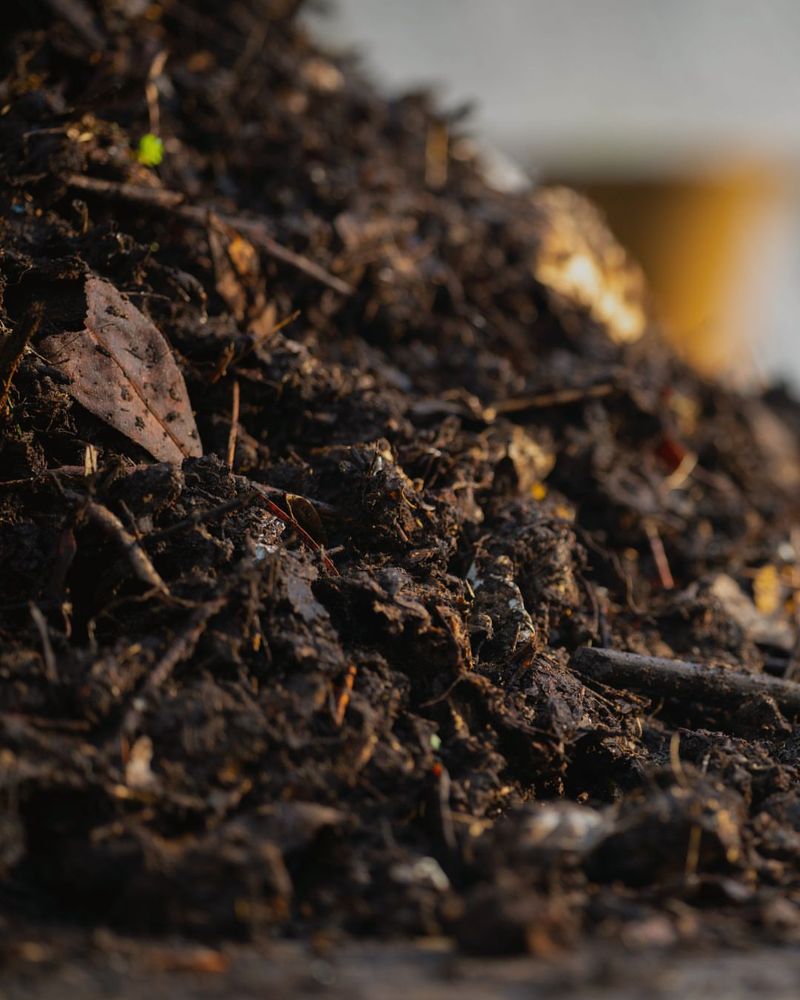
Your strawberries are only as healthy as the soil they grow in, and Florida’s naturally nutrient-poor sand demands regular organic amendments to support vigorous growth. Building rich, living soil is the cornerstone of successful organic strawberry production.
You’re not just feeding plants but creating an entire ecosystem that supports beneficial microbes, earthworms, and fungi.
Start by incorporating plenty of finished compost into your beds before planting. Aim for at least two to three inches of quality compost mixed into the top six inches of soil.
This organic matter improves water retention in sandy soils while providing slow-release nutrients your plants will access throughout the growing season.
Add a balanced organic fertilizer at planting time, following package directions carefully. Look for products with an NPK ratio around 4-4-4 or 5-5-5 that include beneficial micronutrients.
Avoid high-nitrogen synthetic fertilizers because they promote excessive leaf growth at the expense of fruit production and can harm soil biology.
Supplemental organic fertilizer may be applied during the growing season based on plant growth and soil conditions. Always follow label directions and avoid over-fertilizing, which can reduce fruit production.
Fish emulsion and seaweed extracts make excellent supplemental feedings that boost plant health and disease resistance. You can also side-dress plants with additional compost or well-aged manure midseason.
When you consistently feed your soil with organic amendments, you create the foundation for sweet, flavorful berries and plants that naturally resist pests and diseases without chemical interventions.
5. Control Pests And Diseases Organically
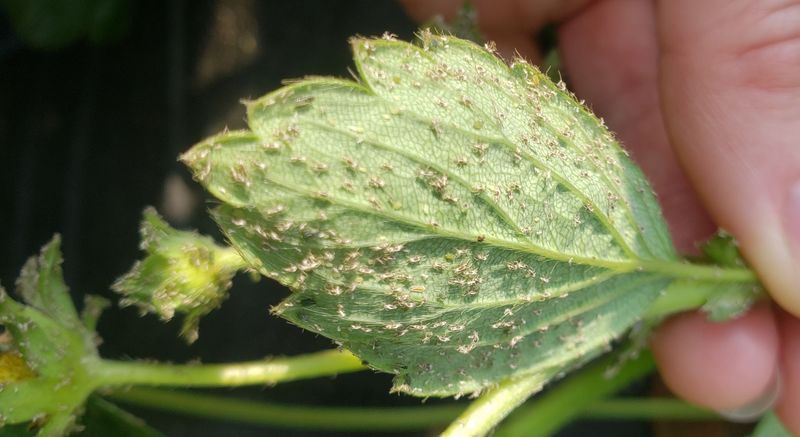
Florida’s warm, humid climate creates paradise for strawberry pests and diseases, but you can protect your plants effectively without reaching for synthetic chemicals. Organic pest management focuses on prevention, early detection, and gentle interventions that preserve beneficial insects while controlling problems.
Your first line of defense is always healthy, vigorous plants grown in optimal conditions because stressed plants attract trouble.
Spider mites, aphids, and thrips commonly attack Florida strawberries, especially during dry spells. Inspect your plants regularly, checking the undersides of leaves where pests often hide.
When you spot problems early, a strong spray of water can help reduce aphid populations, while spider mites may require repeated treatments with insecticidal soap or neem oil.
For persistent pest issues, organic insecticidal soap or neem oil provides effective control without harming beneficial insects when used properly. Always spray during cooler morning or evening hours to avoid leaf burn.
Encourage natural predators like ladybugs, lacewings, and predatory wasps by planting flowering herbs nearby and avoiding broad-spectrum pesticides.
Fungal diseases like anthracnose and botrytis thrive in our humidity. Space plants properly to ensure good air circulation, and water at the base of plants rather than overhead.
Remove any diseased leaves or fruit immediately to prevent spread. Organic copper fungicides can help manage fungal problems, but prevention through proper cultural practices works best in the long run for maintaining a healthy, productive strawberry patch.
6. Mulch Strategically To Retain Moisture And Reduce Weeds
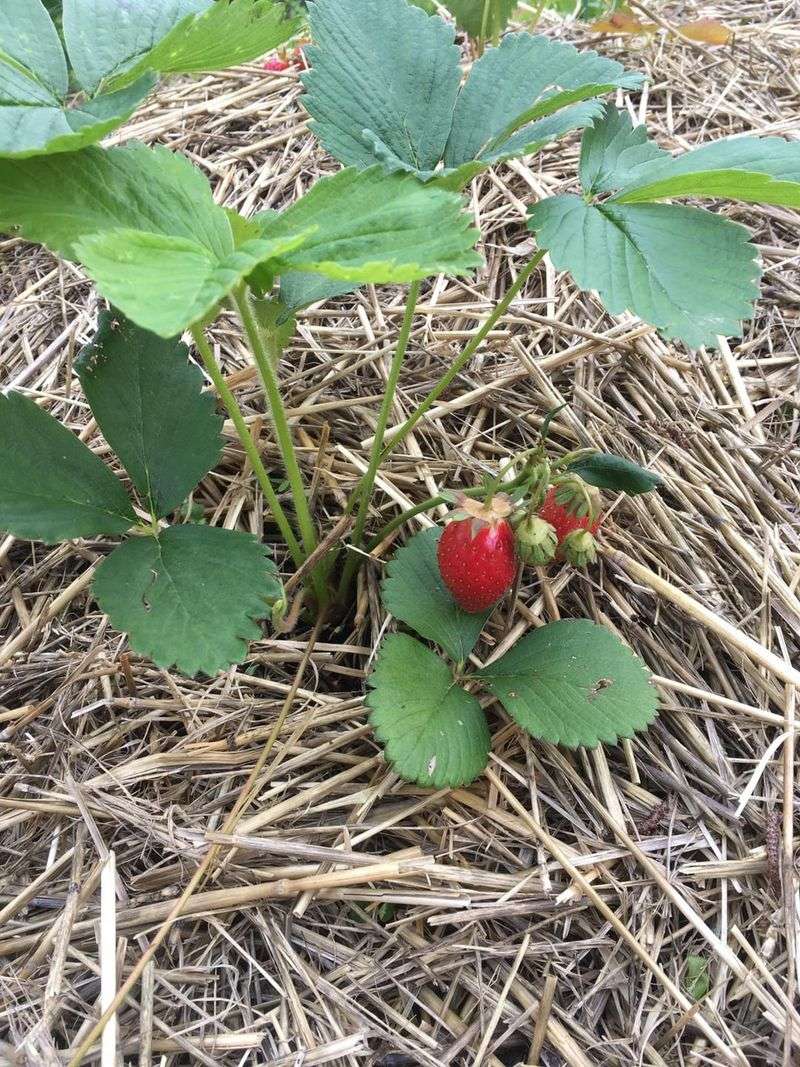
Mulching transforms your strawberry patch from a high-maintenance chore into a thriving, low-effort garden that practically takes care of itself. In Florida’s intense sunshine and heat, proper mulch keeps soil temperatures moderate, conserves precious moisture, and suppresses weeds that compete with your strawberries for nutrients.
The right mulching strategy makes organic growing significantly easier and more productive.
Pine straw works beautifully as strawberry mulch in Florida because it’s locally abundant, affordable, and naturally acidic. Spread a three to four inch layer around your plants, keeping mulch pulled back slightly from the crowns to prevent rot.
Pine straw also creates a clean barrier between berries and soil, reducing fruit rot and keeping your harvest pristine.
Black plastic mulch offers another excellent option, especially for commercial-style production in home gardens. It warms soil slightly during cool weather, blocks weeds completely, and keeps berries clean.
Cut holes for your plants and secure edges with soil or landscape staples. For a more eco-friendly approach, try biodegradable plastic mulches that break down naturally after the season.
Wheat straw and shredded leaves also make effective organic mulches, though avoid hay because it contains weed seeds. Refresh your mulch layer as needed throughout the season, especially after heavy rains pack it down.
Proper mulching significantly reduces moisture loss and helps maintain more consistent soil moisture levels.
7. Harvest Carefully And Regularly For Best Yield
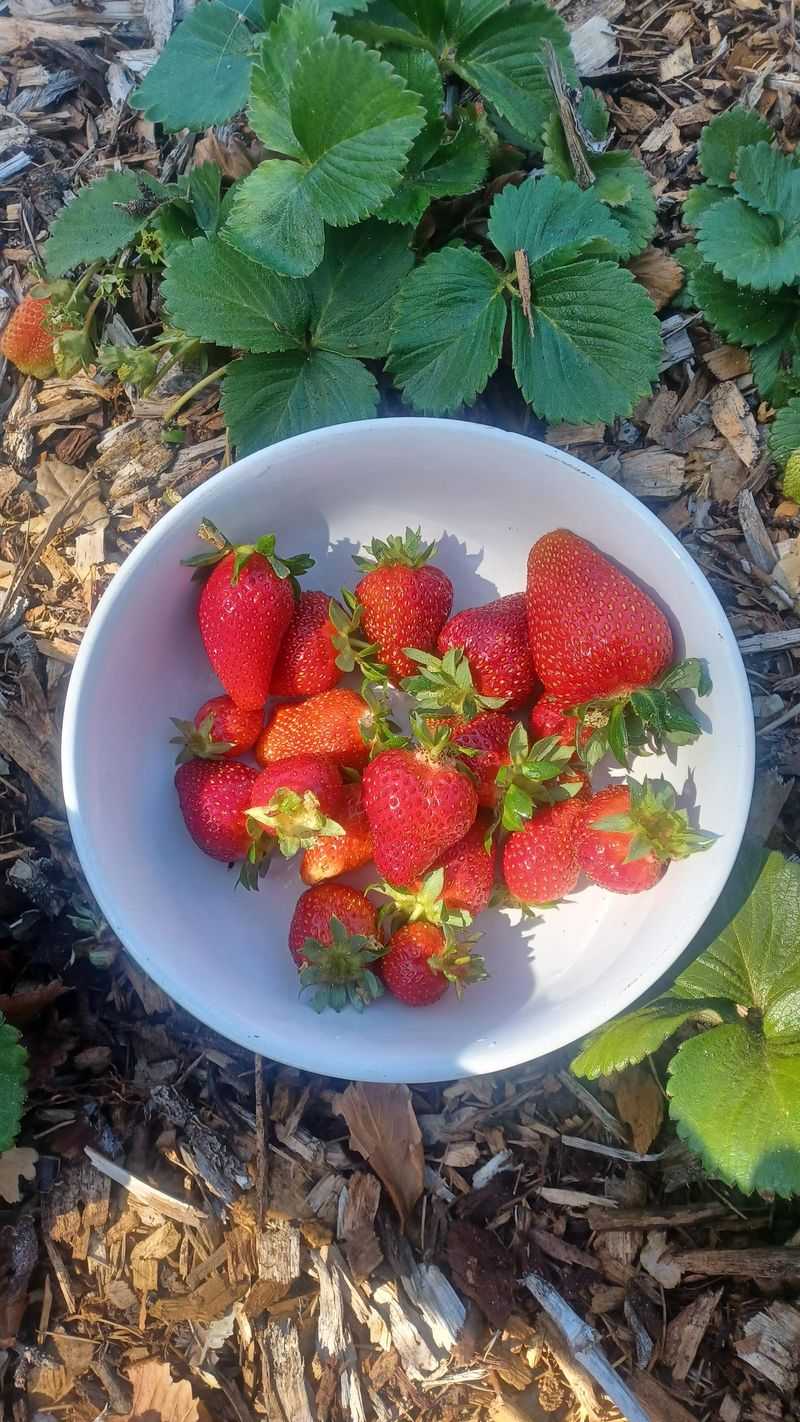
The moment you’ve been waiting for arrives when your strawberries turn deep red and release their sweet fragrance into your garden. Proper harvesting technique protects your plants, maximizes yield, and ensures the best possible flavor.
Many beginning growers make mistakes during harvest that reduce production or damage plants, but you can avoid these problems with a little knowledge.
Pick strawberries when they’re fully red with no white or green areas remaining. Berries don’t continue ripening after harvest, so patience pays off with superior sweetness.
Harvest in the cool morning hours when berries are firm and sugar content is highest. Avoid picking during the heat of the day when fruits are soft and more prone to bruising.
Use your thumb and forefinger to pinch the stem about half an inch above the berry rather than pulling fruit directly off the plant. This technique prevents crown damage and keeps your plants producing longer.
Place berries gently in shallow containers to avoid crushing bottom layers.
Check your plants every two to three days during peak season because strawberries ripen quickly in Florida’s warmth. Regular harvesting encourages plants to produce more flowers and fruit, extending your season.
Remove any overripe or damaged berries even if you won’t eat them because they attract pests and diseases. When you harvest thoughtfully and consistently, your strawberry patch will reward you with weeks of delicious organic berries perfect for fresh eating, preserving, or sharing with neighbors.