Fast-Growing Plants To Add In Texas Before Summer Heat Hits
In Texas, the window between pleasant spring weather and full-on summer heat can feel surprisingly short.
One minute the garden is full of fresh growth and possibility, and the next, the sun is beating down hard enough to make new plants struggle before they ever get comfortable.
That is why fast-growing plants can be such a smart choice this time of year. They give you a chance to add color, texture, and life to the yard while there is still enough time for them to settle in and take off before the toughest weather arrives.
The appeal is pretty simple. Nobody wants to plant something in spring and spend weeks wondering if it is doing anything at all.
Fast growers bring quicker payoff, and in Texas, that can make a big difference. Whether you want fuller beds, a more colorful patio, or a yard that looks less bare heading into summer, the right plants can start making an impact sooner than you might expect.
A little speed now can help your garden look more established, more vibrant, and much better prepared for the heat ahead.
1. Zinnias
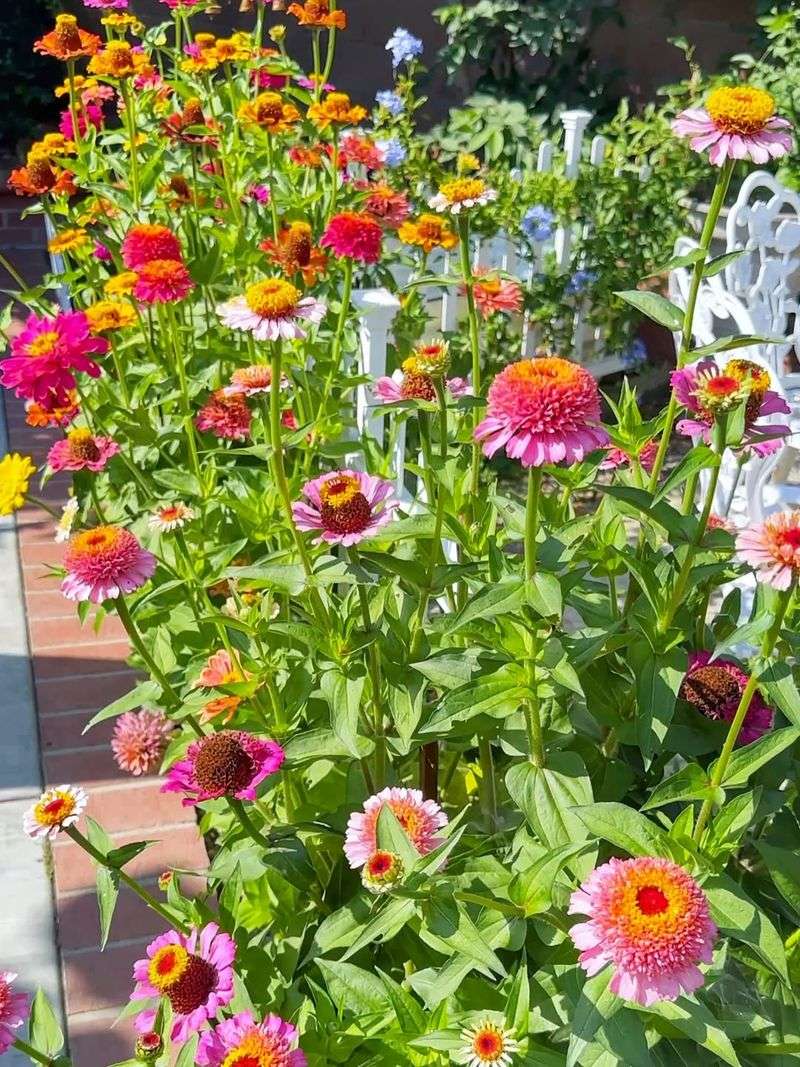
Few flowers bring a pop of color to a Texas garden quite like zinnias. These cheerful blooms go from tiny seed to full flower in just six to eight weeks, which makes them one of the fastest rewards you can get from your garden.
Plant them in a sunny spot, and they will practically take care of themselves. Zinnias love the heat, which is great news for Texas gardeners. Once established, they can handle the blazing summer sun without much fuss.
They come in almost every color you can imagine, from deep red to soft lavender, making them a fantastic choice for adding personality to any yard or garden bed.
Starting zinnias from seed is simple and budget-friendly. Just sow the seeds directly into well-draining soil after the last frost, which in most parts of Texas falls in early spring. Water regularly until they sprout, then back off a little since they do not love soggy roots.
Zinnias also attract butterflies and bees, which helps your whole garden thrive. Deadheading, or removing spent blooms, keeps the plant producing fresh flowers all season long.
For Texas gardeners looking for big color with very little effort, zinnias are absolutely the way to go this spring.
2. Basil
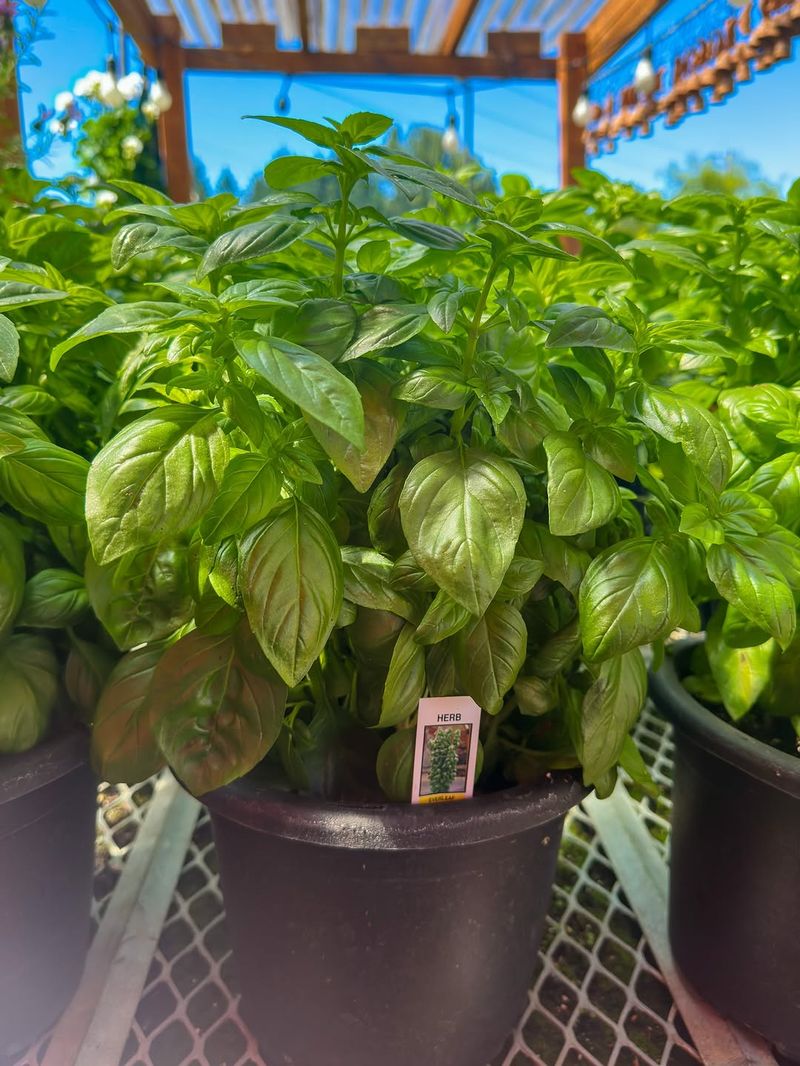
Walk past a basil plant on a warm morning and that rich, peppery aroma hits you right away. Basil is one of those plants that just belongs in a Texas garden.
Once temperatures start warming up in spring, basil takes off fast and grows surprisingly quickly with very little coaxing.
What makes basil especially exciting is that you can harvest it continuously throughout the season. Simply snip off the top leaves and the plant responds by pushing out even more growth.
The more you harvest, the bushier and more productive your basil plant becomes. It is basically a garden that gives back every time you use it.
Your Texas Garden Changes Every Week. Your Plan Should Too.
Gardening in Texas changes quickly throughout the season. Every Friday you’ll receive a simple weekly plan showing exactly what to plant, prune, fertilize, harvest, and protect so you never miss the right timing.
Basil does best in full sun, which is something Texas has plenty of. Plant it in rich, well-draining soil and water it consistently, especially during dry spells.
Avoid wetting the leaves when watering since moisture on the foliage can lead to problems down the line.
One pro tip for Texas gardeners: pinch off any flower buds as soon as they appear. Once basil flowers, the leaves lose some of their bold flavor.
Keeping it from blooming too early means you get a longer, tastier harvest. Basil also grows beautifully in containers on a sunny patio, making it perfect even for small outdoor spaces.
3. Bush Beans
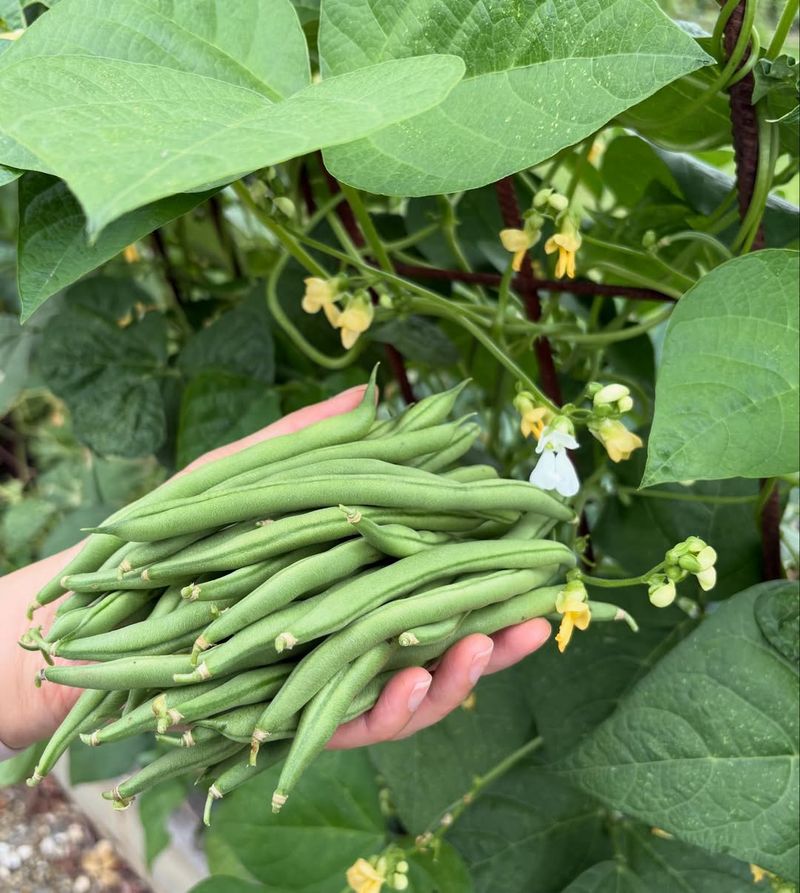
If you have never grown bush beans before, you are in for a treat. These compact, productive plants are ready to harvest in just 50 to 60 days, making them one of the fastest vegetables you can grow in a Texas spring garden.
No trellis needed, no complicated setup, just seeds in the ground and patience. Bush beans thrive when planted in full sun with loose, well-draining soil. In Texas, the ideal time to plant is in early spring before the extreme summer heat arrives.
The warm soil temperatures help seeds germinate quickly, often sprouting within a week. Once they are up, they grow steadily and do not need much attention.
Water your bush beans at the base of the plant to keep the foliage dry, which helps prevent common issues like fungal spots.
A light layer of mulch around the plants helps lock in moisture and keeps the soil from drying out too quickly during those warm Texas afternoons.
Harvest bush beans when the pods feel firm and snap cleanly. Picking them regularly encourages the plant to keep producing, giving you a steady supply for weeks.
Whether you steam them, saute them, or toss them into a salad, fresh bush beans from your own Texas garden taste far better than anything from a store shelf.
4. Cucumbers
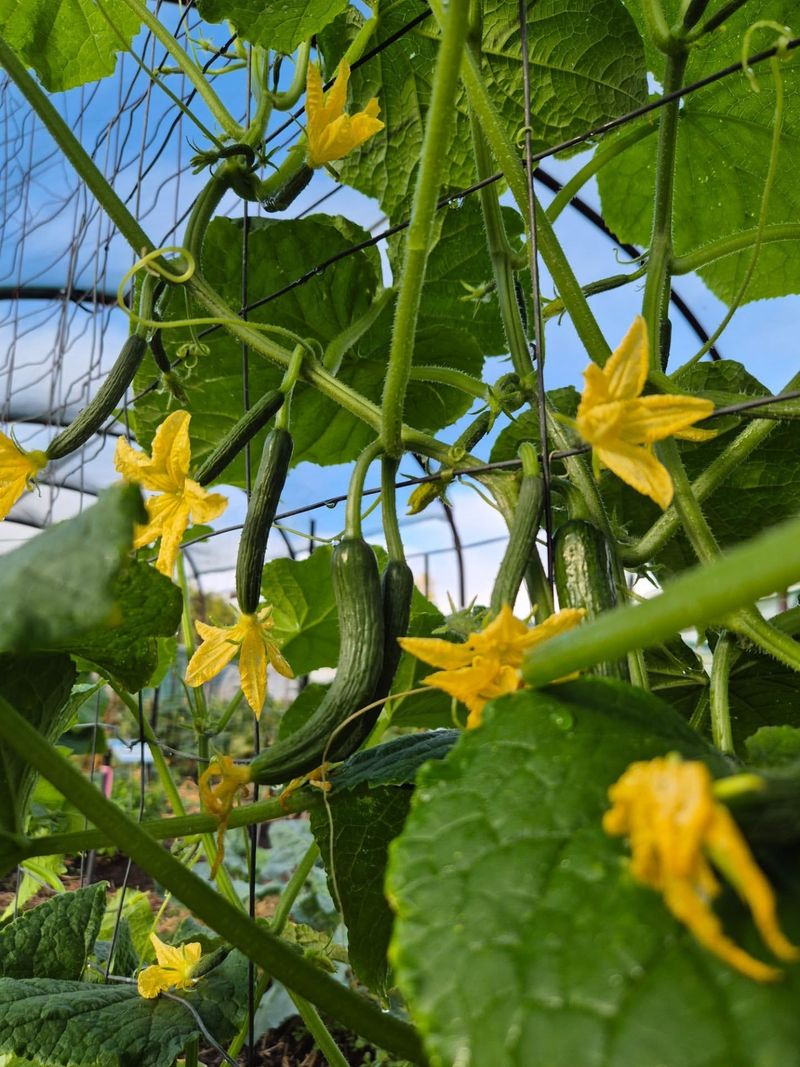
Cucumbers are basically built for the kind of warm, sunny weather Texas delivers in abundance.
These rapid growers can start producing fruit within just a couple of months after planting, which makes them a smart choice for gardeners who want results before the summer heat peaks.
Plant them early in spring and you could be slicing cucumbers for salads before June even arrives.
For the best results in Texas, give cucumbers a spot with full sun and rich, well-draining soil. They love to climb, so setting up a simple trellis or fence helps them grow upward, saves space, and makes harvesting much easier.
Cucumbers also need consistent moisture, so water them deeply a few times per week rather than giving them shallow, frequent sprinkles.
One thing that surprises many first-time growers is how fast cucumbers go from flower to fruit. Once the plant starts blooming, you can have harvestable cucumbers in as little as 10 to 14 days.
Picking them young keeps the plant producing steadily and prevents the cucumbers from getting bitter or seedy.
Texas gardeners should watch for cucumber beetles, which can show up quickly in warm weather. Covering young plants with row covers early on can help protect them.
Overall, cucumbers are a rewarding, fast-producing addition to any Texas spring garden and well worth the minimal effort they require.
5. Okra
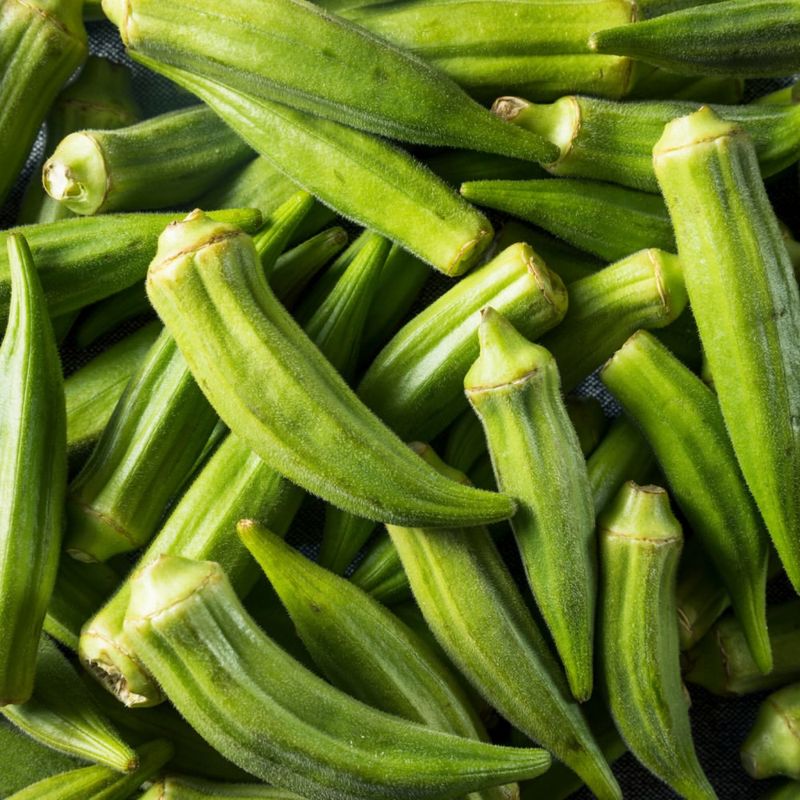
Okra is as Texas as bluebonnets and barbecue. This vegetable loves heat, humidity, and sunshine, which means it is perfectly suited for the long, blazing summers that Texas gardeners deal with every year.
Plant it in spring, give it a few weeks to establish, and then watch it take off once the temperatures climb.
What makes okra such a standout for Texas gardens is its resilience. While other plants struggle as summer heat intensifies, okra just keeps going.
It produces steadily throughout the hottest months of the year, giving you a continuous harvest without much extra effort. Few vegetables can claim that kind of staying power in the Texas heat.
Okra does best in deep, well-draining soil with full sun exposure. Direct sow the seeds into the garden after your last frost date, which varies across Texas depending on where you live.
In South Texas, you can plant even earlier. The seeds germinate best when soil temperatures are consistently warm, usually above 65 degrees Fahrenheit.
Harvest okra pods when they are two to four inches long for the best texture and flavor. Leaving pods on the plant too long makes them tough and fibrous.
Okra is delicious fried, roasted, pickled, or tossed into gumbo. For any Texas gardener wanting a productive, low-maintenance summer vegetable, okra is a true champion worth planting every single year.
6. Sunflowers
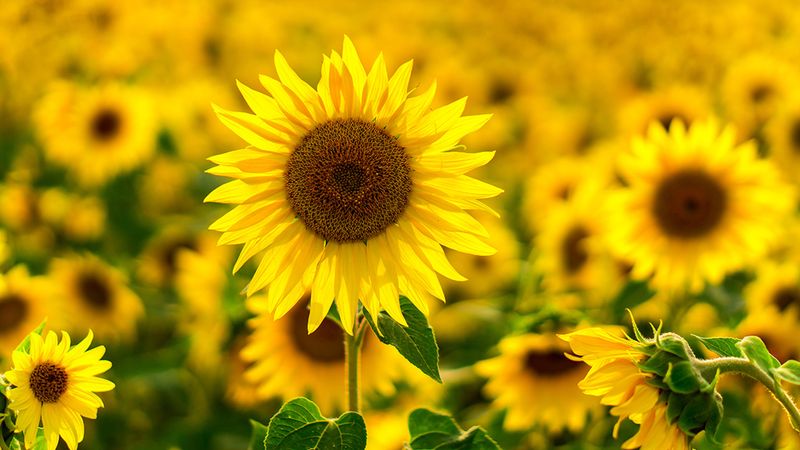
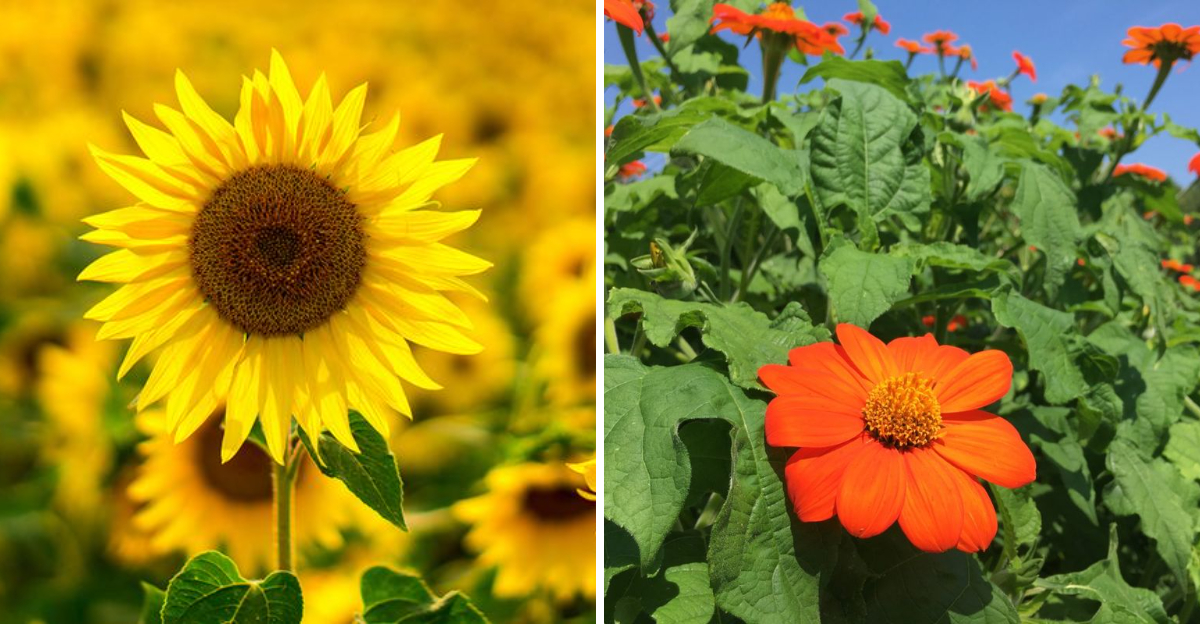
There is something undeniably cheerful about a row of sunflowers standing tall in a Texas garden. Many varieties go from seed to full bloom in as little as 60 days, making them one of the fastest-blooming flowers you can plant before summer arrives.
They add instant height, bold color, and a sense of joy to any outdoor space. Sunflowers are incredibly easy to grow, even for beginners. Simply push the seeds about an inch into well-draining soil in a sunny location, water them in, and step back.
They do not need much fertilizer and actually prefer soil that is not too rich. Too much nitrogen can lead to lush leaves but fewer blooms, so keep the feeding light.
In Texas, sunflowers planted in early spring take full advantage of the warm soil and long sunny days before the scorching peak of summer. They are surprisingly drought-tolerant once established, which is a huge bonus given how dry parts of Texas can get.
Water deeply but infrequently to encourage strong, deep root development. Beyond their beauty, sunflowers are workhorses in the garden ecosystem. They attract bees, butterflies, and birds, especially once the seed heads mature.
Leaving a few seed heads on the plant at the end of the season feeds local wildlife well into fall. For Texas gardeners who want fast, dramatic results with almost zero fuss, sunflowers deliver every time.
7. Squash (Zucchini Or Yellow Squash)
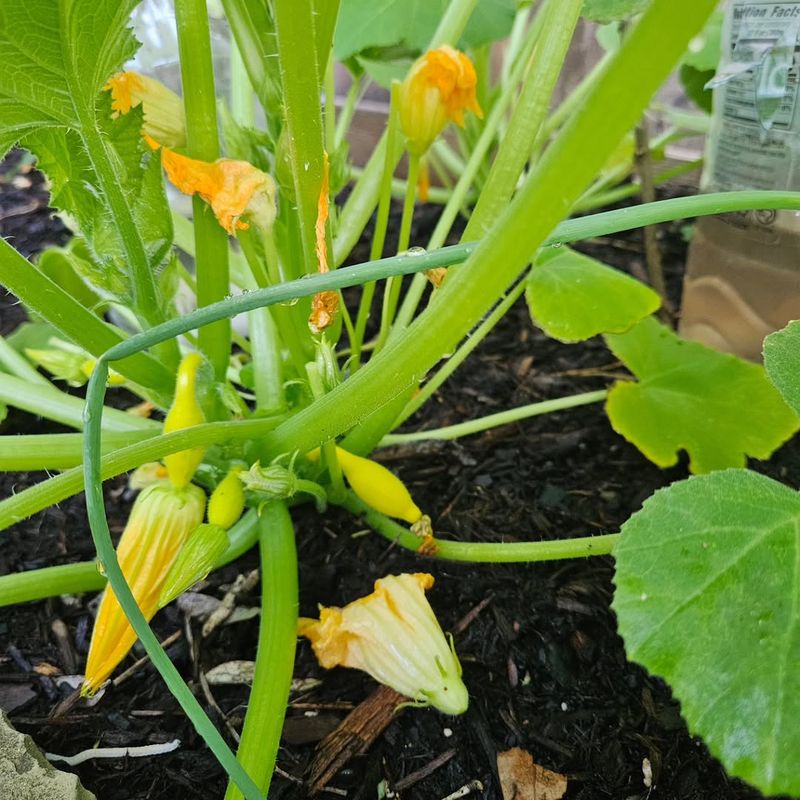
Ask any experienced Texas gardener about squash and they will probably laugh and tell you to plant just one or two. Zucchini and yellow squash are notoriously productive, often producing more than a family can eat in a single season.
They grow incredibly fast, with most varieties ready to harvest in under two months from planting.
Squash thrives in warm soil and full sun, both of which Texas offers in generous supply during spring. Direct sow seeds into the garden after the last frost and they will sprout within days.
The large, sprawling plants grow quickly and begin flowering soon after, which is when the real fun begins. Each flower can turn into a harvestable squash in just a matter of days.
For the best results, plant squash in rich, well-amended soil with good drainage. Water consistently at the base of the plant and mulch around the roots to keep moisture locked in.
Texas afternoons can be brutally drying, so deep, regular watering makes a big difference in keeping your plants healthy and productive all season.
Harvest squash when they are small to medium-sized, around six to eight inches long for zucchini. Smaller squash taste better and have a more tender texture.
Plus, harvesting frequently signals the plant to keep producing. Whether grilled, roasted, or spiralized into noodles, fresh squash from a Texas garden is a seasonal treat worth looking forward to every spring.
8. Tithonia (Mexican Sunflower)
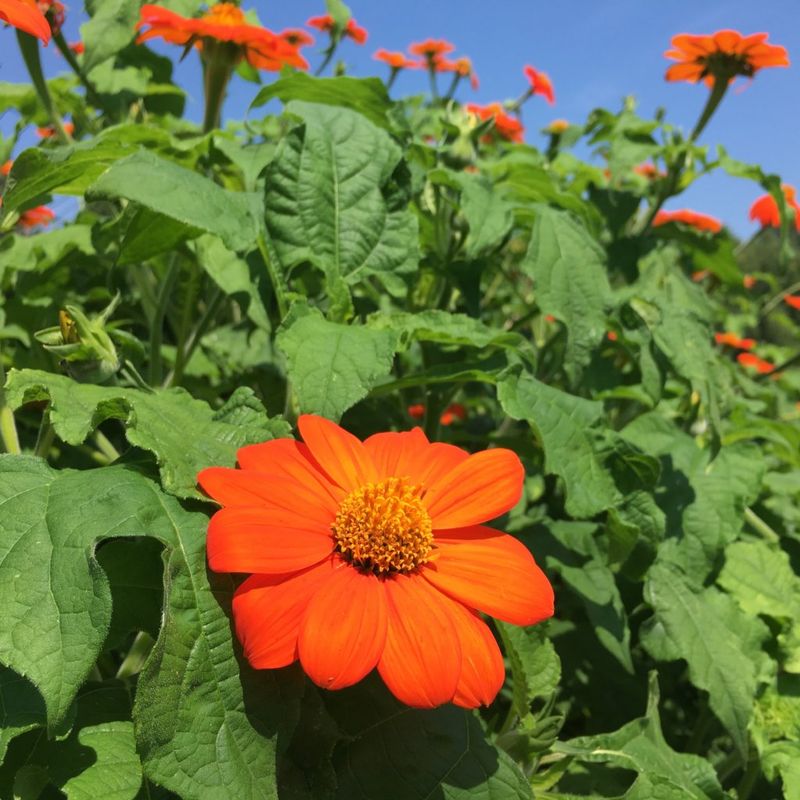
Bold, fiery, and absolutely stunning, the Mexican sunflower is one of the most underrated plants you can add to a Texas garden.
Known botanically as Tithonia, this heat-loving flower produces vivid orange blooms that look like something straight out of a tropical paradise.
And the best part? It grows fast, reaching impressive heights and bursting into color well before peak summer heat arrives.
Tithonia is native to Mexico and Central America, so it is naturally adapted to the kind of hot, sunny conditions that Texas gardeners deal with all season long.
It tolerates drought reasonably well once established and does not need much fertilizer to perform beautifully. Rich soil can actually cause the plant to produce more leaves than flowers, so keep it lean.
Plant Tithonia seeds directly in the garden after your last frost date. They germinate quickly in warm Texas soil, and the plants grow rapidly, often reaching four to six feet tall by midsummer.
Give them plenty of space since they spread wide and need good air circulation around their stems and leaves.
What truly sets Tithonia apart is its magnetic appeal to pollinators. Butterflies, bees, and hummingbirds flock to the blooms all summer long.
The flowers also make excellent cut flowers for indoor arrangements. For any Texas gardener looking for a fast-growing, wildlife-friendly, and visually dramatic plant, Tithonia is an absolute showstopper worth planting every single year.