8 Self-Seeding Flowers For Endless Spring Color In Texas Gardens
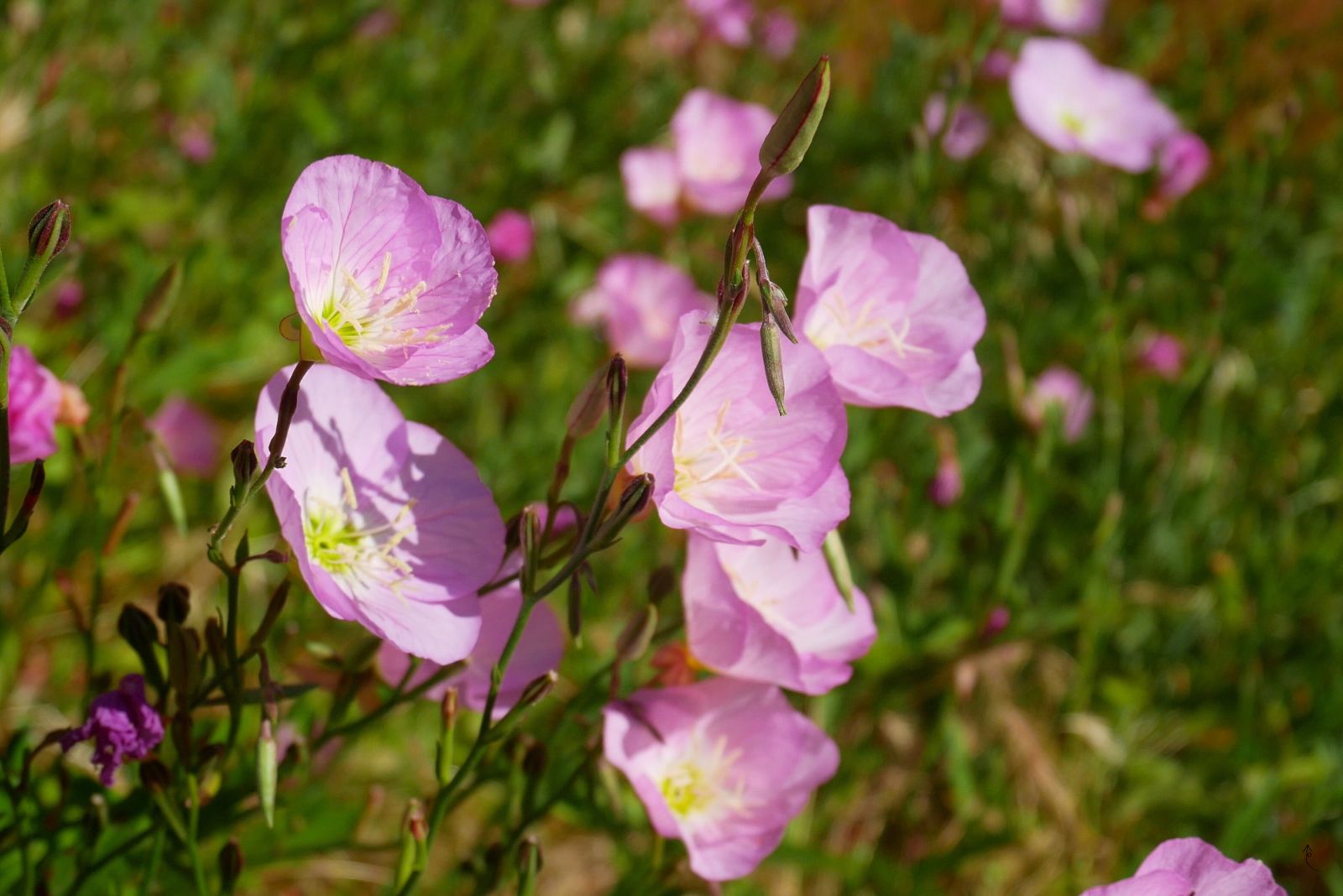
Imagine planting flowers once and enjoying fresh blooms year after year with almost no extra work. That is the magic of self seeding flowers.
Texas gardeners are big fans of this easy, colorful approach. These hardworking plants drop seeds naturally, returning each spring to fill garden beds with vibrant color and lively charm.
In Texas, where warm weather encourages fast growth, the right self seeding flowers can create a constantly renewing display that feels full and effortless. They are perfect for busy gardeners, beginners, or anyone who loves a relaxed, natural look in the landscape.
From cheerful pops of color to soft, wildflower style beauty, these plants keep your garden lively without constant replanting. Ready to enjoy a garden that practically refreshes itself each year?
Check out the best self-seeding flowers that bring endless spring color to Texas gardens and why they are such a smart choice.
1. Texas Bluebonnets
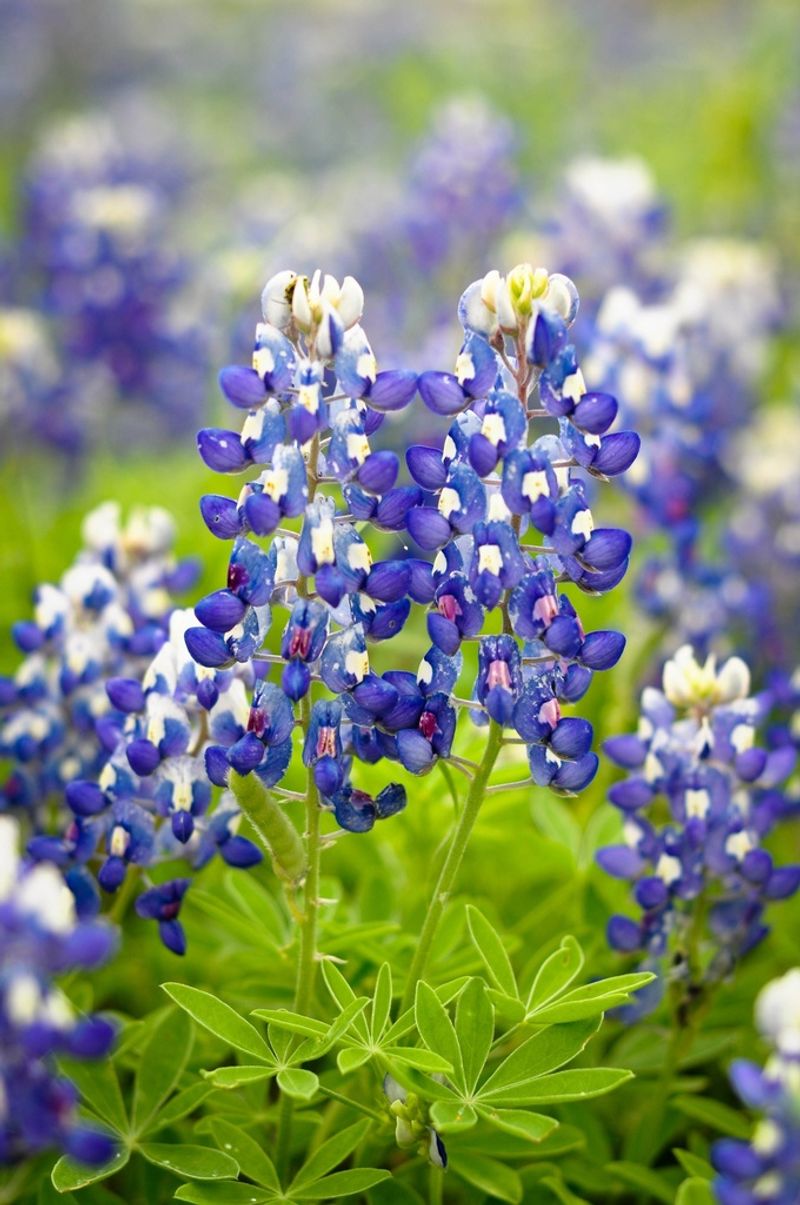
Nothing says Texas spring quite like bluebonnets painting the landscape in waves of brilliant blue. These iconic wildflowers have been beloved by Texans for generations, and they return faithfully each year once established in your garden.
Bluebonnets thrive in well-drained soil and full sun, making them perfect for most Texas yards.
Plant seeds in fall, around September or October, directly where you want them to grow. They need a cold period to germinate properly, so winter does the work for you.
By March and April, you’ll see gorgeous spikes of blue flowers with white tips that attract bees and other beneficial insects to your garden.
After blooming, let the seed pods mature and turn brown before removing spent plants. The seeds will scatter naturally, ensuring new plants emerge next season.
Bluebonnets handle drought remarkably well once established, which makes them ideal for water-conscious Texas gardeners.
These flowers look stunning when planted in masses or mixed with other native wildflowers. They grow about 12 to 18 inches tall and spread slowly over time.
Children love picking bouquets of these cheerful blooms, and they make excellent cut flowers for spring arrangements. Your Texas garden will feel authentically Texan with bluebonnets returning year after year without any extra effort from you.
2. Larkspur
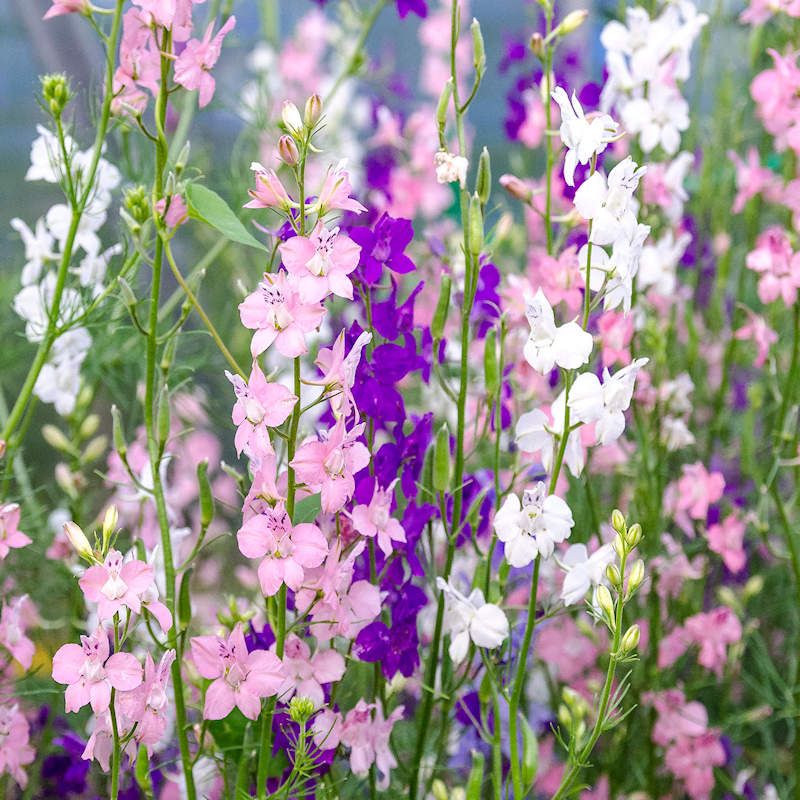
Tall spires of larkspur bring vertical interest and cottage garden charm to Texas landscapes. Colors range from deep purple and royal blue to soft pink and crisp white, creating a painter’s palette in your yard.
These elegant flowers reseed generously, so one planting leads to many seasons of stunning blooms.
Larkspur prefers cooler weather, which makes it perfect for Texas spring gardens before summer heat arrives. Plant seeds in late fall or very early spring, and they’ll germinate when conditions are just right.
The plants grow quickly, reaching heights of two to four feet depending on the variety you choose.
Full sun and good drainage keep larkspur happy in Texas gardens. They tolerate our alkaline soils better than many flowering plants, which saves you from constant soil amendments.
Water them moderately during dry spells, but avoid overwatering since they dislike soggy roots.
Hummingbirds and butterflies visit larkspur flowers frequently, adding movement and life to your garden. After blooming finishes in late spring, allow seed pods to mature and open naturally.
Seeds will fall and germinate the following season without any help from you. Larkspur combines beautifully with roses, peonies, and other spring bloomers, creating layered displays that feel both wild and designed.
3. Coreopsis
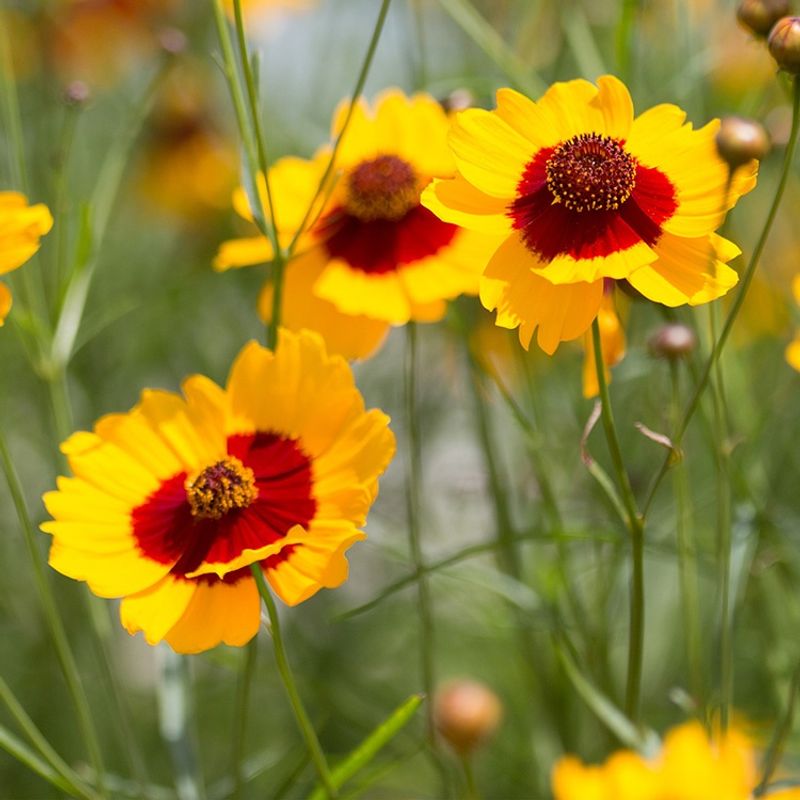
Cheerful golden blooms cover coreopsis plants from spring through early summer, creating sunny spots throughout Texas gardens. Also called tickseed, this native flower handles heat, drought, and poor soil without complaining.
Once you plant coreopsis, it returns reliably and spreads gradually to fill empty spaces with color.
These daisy-like flowers grow on slender stems that sway gently in breezes, creating movement in your landscape.
Coreopsis reaches about 12 to 24 inches tall, making it perfect for front borders or middle layers in mixed beds. The bright yellow petals practically glow in morning and evening light.
Plant coreopsis in full sun for best results, though it tolerates partial shade in hotter parts of Texas. It adapts to various soil types and doesn’t need fertilizer to perform well.
Water occasionally during extended dry periods, but established plants handle typical Texas droughts without trouble.
Deadheading spent blooms encourages more flowers, but leave some seed heads intact so plants can self-sow. Seeds drop and germinate easily, producing new plants that bloom the following spring.
Goldfinches love coreopsis seeds, so leaving seed heads also feeds wildlife. This tough little flower combines beautifully with purple salvias, red zinnias, and other warm-season bloomers, creating vibrant color combinations that last for months in Texas gardens.
4. Four O’Clocks
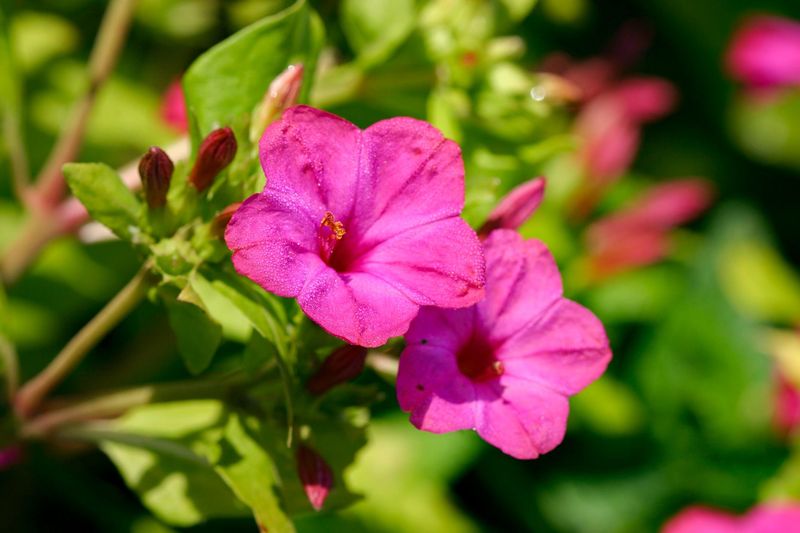
Four o’clocks earn their quirky name by opening their trumpet-shaped flowers in late afternoon and staying open through the night.
These old-fashioned favorites have graced Texas gardens for decades, passing from neighbor to neighbor through shared seeds.
Colors include hot pink, bright yellow, magenta, white, and even striped combinations on the same plant.
Plant four o’clocks once, and they’ll return forever through both seeds and tuberous roots that survive mild Texas winters. They grow into bushy plants about two to three feet tall and equally wide.
The foliage stays lush and green even during hot Texas summers, providing structure when other plants look stressed.
Full sun to partial shade works well for four o’clocks, making them versatile for different garden spots.
They tolerate our heavy clay soils and don’t need special amendments or frequent watering. In fact, these tough plants thrive on neglect and often grow better when left alone.
The sweet fragrance of four o’clock blooms attracts sphinx moths and other nighttime pollinators to your garden. Seeds form in hard black capsules that fall to the ground and sprout readily the next spring.
Children enjoy collecting these large seeds and planting them in new locations. Four o’clocks work beautifully as informal hedges, border plants, or fillers in cottage-style Texas gardens where their carefree nature fits perfectly.
5. Mexican Hat
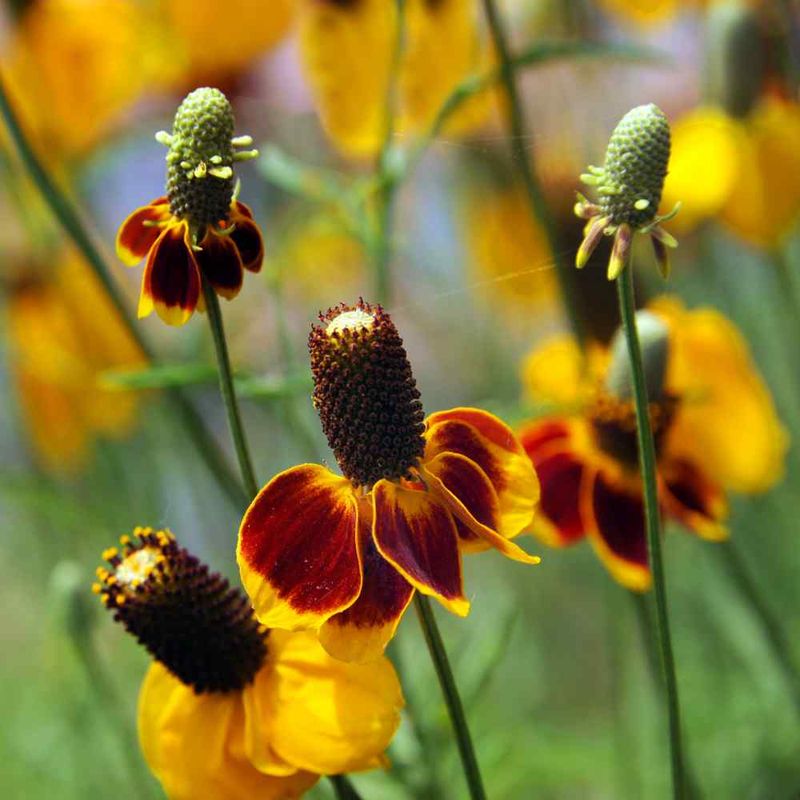
With petals that droop like a sombrero brim around a tall cone center, Mexican hat flowers add whimsy and texture to Texas gardens.
These prairie natives handle our toughest conditions with ease, blooming from late spring through fall in shades of red, yellow, or burgundy. The unusual shape makes them instant conversation starters when visitors tour your garden.
Mexican hat grows wild across much of Texas, which tells you everything about its toughness and adaptability. It thrives in full sun and poor, rocky soil where other flowers struggle.
Heights range from one to three feet, and plants form clumps that expand gradually over time.
Seeds germinate easily when scattered on bare ground in fall or early spring. Once established, Mexican hat reseeds prolifically, creating naturalized drifts that look like they’ve always been part of the landscape.
The flowers bloom on tall, wiry stems that bend gracefully in wind without breaking.
Butterflies, bees, and other pollinators visit Mexican hat flowers constantly throughout the growing season. Goldfinches arrive in late summer to feast on ripening seeds, providing entertainment as they cling to swaying stems.
This flower combines beautifully with native grasses, purple coneflowers, and other prairie plants in low-maintenance Texas gardens.
Drought tolerance makes Mexican hat especially valuable during our increasingly hot, dry summers when water conservation matters most.
6. Cosmos
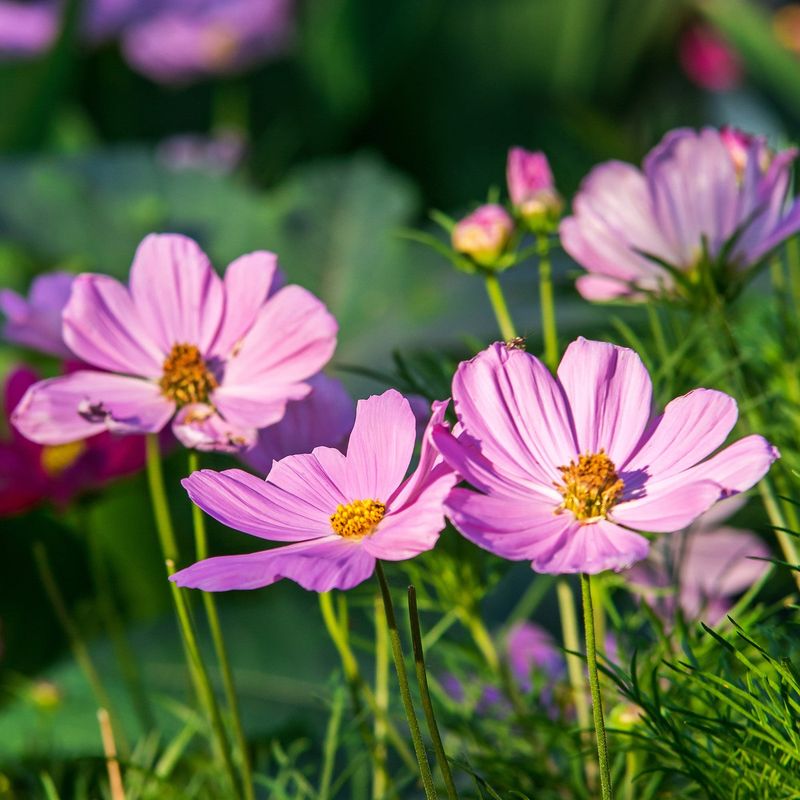
Delicate petals in shades of pink, white, magenta, and orange dance on tall, airy stems throughout Texas gardens from spring until frost. Cosmos brings effortless beauty and cottage garden charm without demanding any special care or attention.
The feathery foliage creates soft texture even before flowers appear, making cosmos attractive throughout its long growing season.
Direct sow cosmos seeds in spring after the last frost, barely covering them with soil. They germinate quickly and grow rapidly, reaching heights of three to six feet depending on variety.
Taller types may need staking in windy Texas locations, but shorter varieties stand up well on their own.
Full sun produces the most blooms, though cosmos tolerates light shade in afternoon heat. These flowers actually prefer poor soil and bloom more profusely without fertilizer.
Too much nitrogen creates leafy plants with fewer flowers, so skip the plant food and let cosmos do its thing naturally.
Butterflies and bees visit cosmos flowers constantly, making your garden a pollinator paradise. Deadheading encourages continuous blooming, but allow some flowers to go to seed late in the season.
Seeds scatter easily and germinate the following spring, creating free plants that fill bare spots. Cosmos looks stunning planted in masses, mixed with zinnias and sunflowers, or waving behind shorter perennials in layered Texas borders that feel relaxed and inviting.
7. Evening Primrose
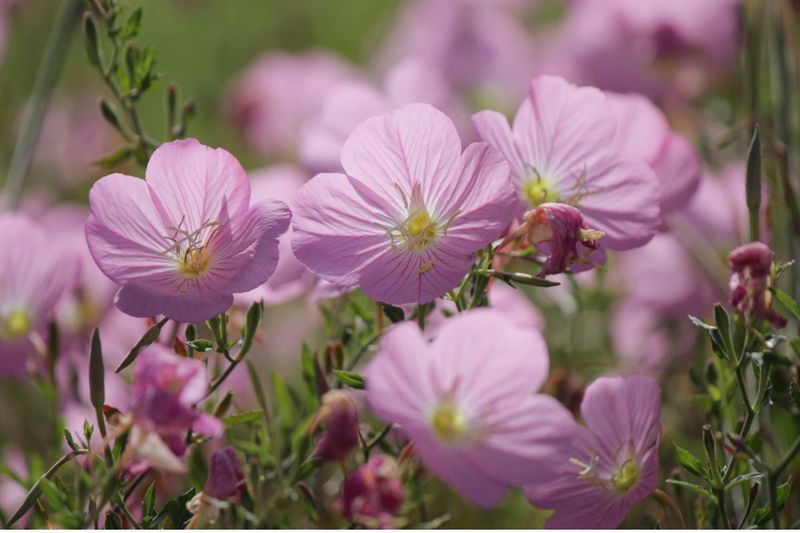
Bright pink, four-petaled blooms cover evening primrose plants during Texas springs, creating sheets of color along roadsides and in gardens.
These tough native wildflowers spread enthusiastically through seeds and creeping roots, naturalizing areas where you want low-maintenance color.
Evening primrose opens its flowers in late afternoon, though blooms often stay open all day during cooler spring weather.
Plant evening primrose once, and it becomes a permanent garden resident that fills empty spaces with cheerful blooms.
It grows about 12 to 18 inches tall and spreads readily, making it perfect for large areas that need coverage. The silvery-green foliage looks attractive even when plants aren’t flowering.
Full sun and well-drained soil keep evening primrose happiest, though it tolerates a wide range of conditions. This flower handles drought, heat, poor soil, and neglect without missing a beat.
It’s perfect for Texas gardeners who want beautiful results without constant maintenance or watering.
Bees and butterflies love evening primrose flowers, visiting them throughout the day. Seeds form in long capsules that eventually split open, scattering seeds for next year’s display.
Evening primrose can become aggressive in rich, moist soil, so plant it where spreading is welcome or in areas with tougher growing conditions.
Combine it with other native wildflowers like bluebonnets and Indian paintbrush for authentic Texas wildflower meadows that return stronger each spring.
8. Gaillardia
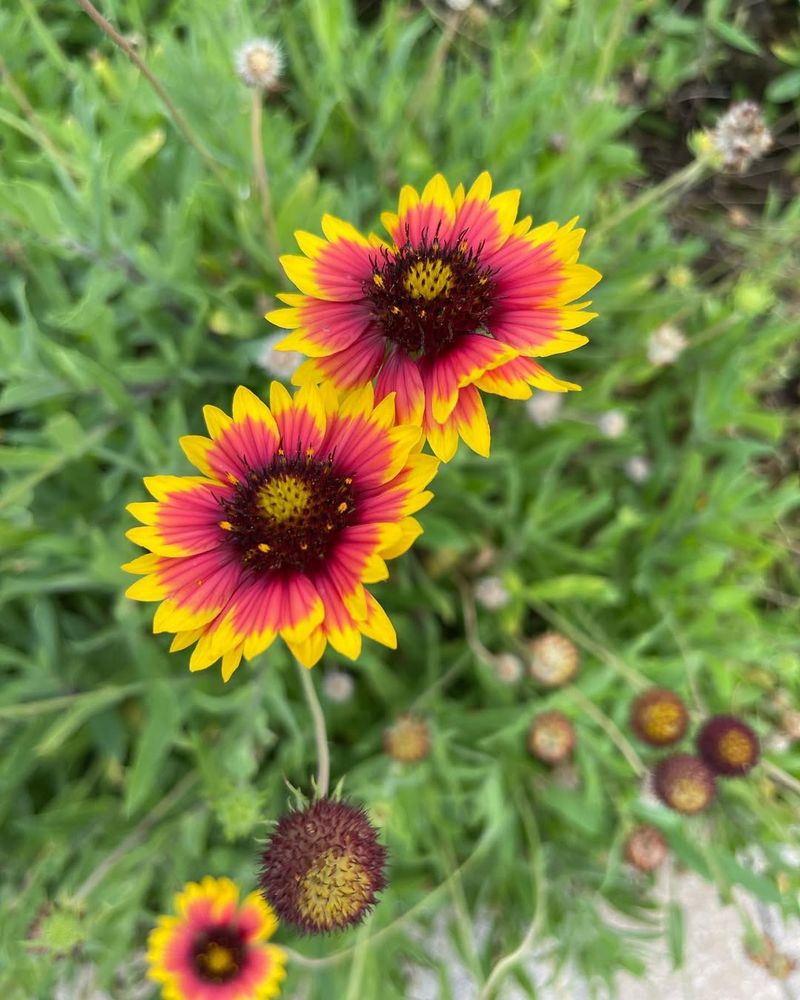
Bold flowers in fiery combinations of red, orange, and yellow earn gaillardia the common name blanket flower. These cheerful daisies bloom from late spring through fall in Texas gardens, providing months of color with minimal effort.
Native to our region, gaillardia handles everything Texas weather throws at it while attracting beneficial insects and butterflies.
Gaillardia grows 12 to 24 inches tall, forming bushy clumps that expand slowly over time. The flowers sit atop sturdy stems that hold up well in wind and rain.
Each bloom lasts for days, and plants produce flowers continuously throughout the growing season when spent blooms are removed regularly.
Full sun and excellent drainage are essential for gaillardia success in Texas gardens. It thrives in poor, rocky soil and actually struggles in rich, heavily amended beds.
Water sparingly since established plants prefer drier conditions and tolerate drought exceptionally well. Too much moisture causes root rot and shortened plant life.
Deadhead faded flowers to encourage more blooms, but leave some seed heads late in summer for self-sowing. Seeds germinate easily, producing new plants that bloom the following year.
Gaillardia combines beautifully with purple salvias, yellow coreopsis, and ornamental grasses in low-water Texas landscapes. The bright, warm colors create vibrant displays that feel energetic and joyful.
Butterflies, bees, and other pollinators visit gaillardia constantly, making your garden a hub of activity and life throughout spring and summer months.