13 Shade Plants That Actually Work In Florida Yards

If you’ve ever tried planting under a big oak tree or along the shady side of your house, you already know the struggle. You buy plants labeled “shade tolerant,” water them faithfully, and somehow they still look sad, yellow, or completely give up.
Florida shade is different. The heat sticks around, the soil drains fast, and summer storms come and go without warning.
Not every plant can handle that combination.
Many homeowners end up staring at bare patches, thinning grass, or ugly dirt spots that never seem to improve. The problem usually isn’t your effort.
It’s the plant choice.
Some plants are actually built for Florida’s shade. They thrive under tree canopies, handle humidity, survive dry spells, and still look good year after year.
This list highlights thirteen shade plants that real Florida gardeners rely on, from the Panhandle to South Florida. These are dependable, low-maintenance options that turn problem areas into spaces you can finally enjoy.
1. Coontie
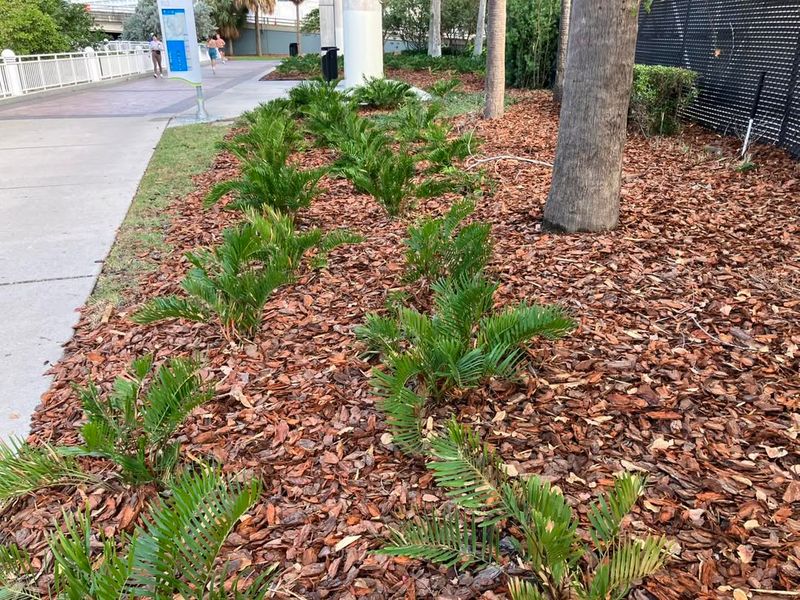
Few plants are as uniquely Florida as this ancient-looking cycad. Coontie is the only native cycad in the state, and it thrives in the dappled light beneath oak hammocks and pine canopies, forming neat clumps of dark green, textured fronds.
Unlike many palms or ferns, coontie tolerates filtered shade and partial sun, making it incredibly versatile for tricky spots where light changes throughout the day.
Across North Florida, coontie stays compact and grows more slowly during cooler winters, while Central and South Florida specimens push out fresh fronds nearly year-round thanks to warmer soil temperatures.
Homeowners often mass-plant coontie along shaded foundations, under tree canopies, or as a groundcover alternative to turfgrass in areas that never see direct sun. The plant’s deep taproot helps it survive Florida’s dry spells without constant irrigation, and it thrives in our sandy, well-drained soils.
Atala butterflies rely on coontie as their sole host plant, so expect to see bright orange caterpillars munching fronds if you plant it—a small price for supporting a rare native butterfly.
Coontie requires almost no maintenance once established, and it never becomes invasive or unruly in residential landscapes.
2. Simpson’s Stopper
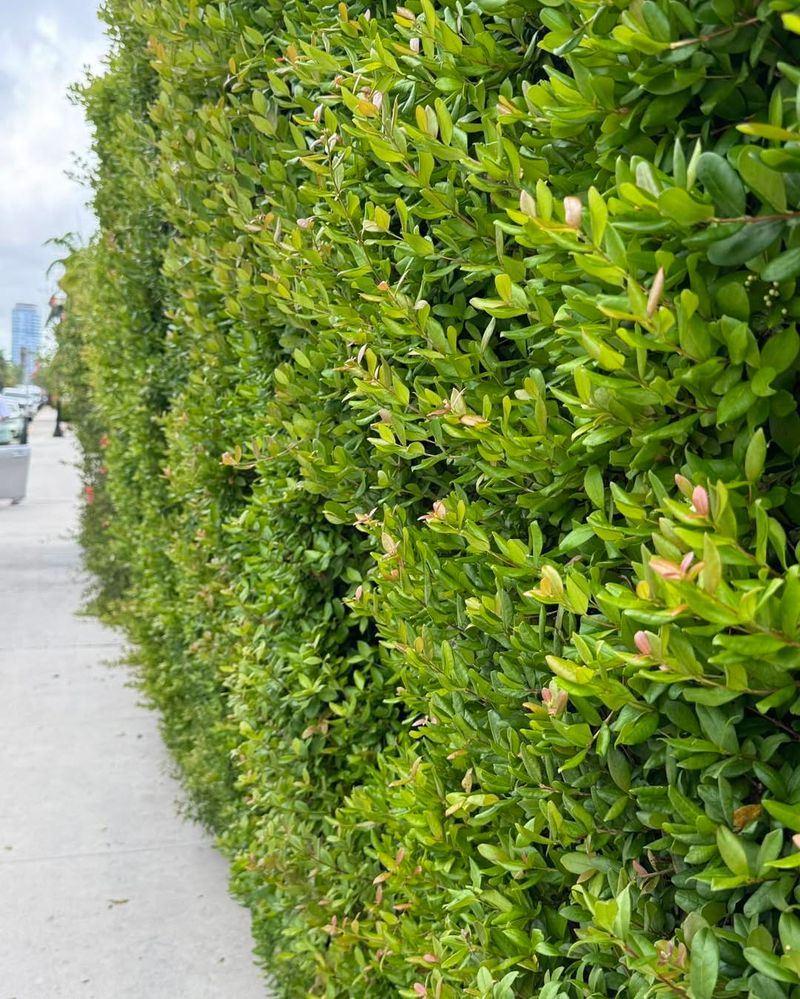
This glossy evergreen shrub is a favorite for shaded yards that still need color and structure. Simpson’s stopper naturally grows beneath larger trees in Florida’s coastal hammocks, making it perfectly suited for residential shade gardens.
You can prune it into a formal hedge or let it grow naturally into a rounded, multi-stemmed specimen that typically reaches six to eight feet tall, but can grow taller if left unpruned.
In North Florida, Simpson’s stopper may experience some leaf drop during unusually cold winters, but it bounces back quickly once temperatures warm.
Central Florida gardeners find it thrives with minimal care, while South Florida landscapes showcase this plant in nearly full shade under dense canopies where few other shrubs flower reliably.
The small white blooms appear sporadically throughout the year, attracting butterflies and bees even in dimly lit areas.
Birds love the small purple-black berries that follow the flowers, making Simpson’s stopper a valuable wildlife plant for shaded yards. The aromatic leaves release a pleasant scent when brushed, and the plant tolerates pruning well if you need to control its size or shape for foundation plantings or narrow side yards.
3. Firebush
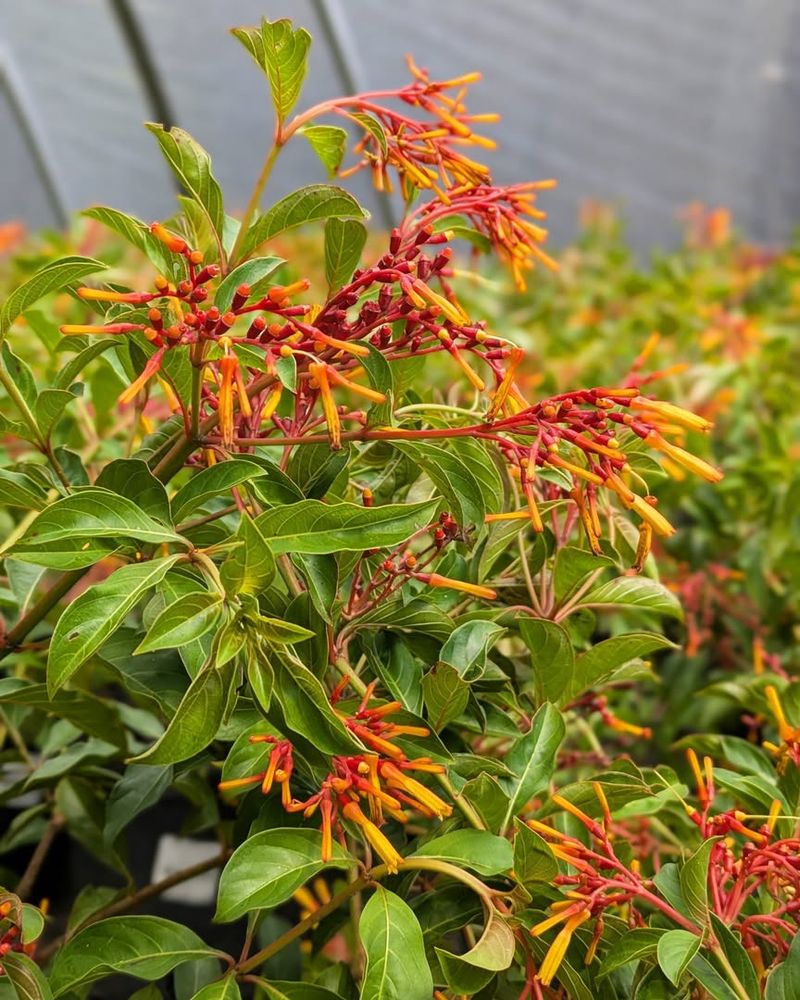
Bright flowers and shady spaces do not usually go together, but this native shrub breaks that rule. Firebush handles partial shade surprisingly well and still produces enough blooms to attract hummingbirds and butterflies.
For best flowering, firebush still needs several hours of direct sun, even though it tolerates partial shade well. North Florida gardeners should plant firebush in protected spots since cold snaps can knock it back to the ground, though it regrows vigorously each spring.
Central Florida yards provide ideal conditions for year-round growth in partial shade, while South Florida landscapes showcase firebush as a reliable evergreen shrub that never suffers cold damage.
Homeowners commonly use it along shaded fence lines, under high pine canopies, or in mixed borders where it receives morning sun and afternoon shade.
Firebush adapts to Florida’s sandy soils without amendments, and it tolerates both wet and dry periods once established. The plant self-seeds moderately, so you may find volunteer seedlings appearing nearby, which you can easily transplant or remove as needed.
4. Beautyberry
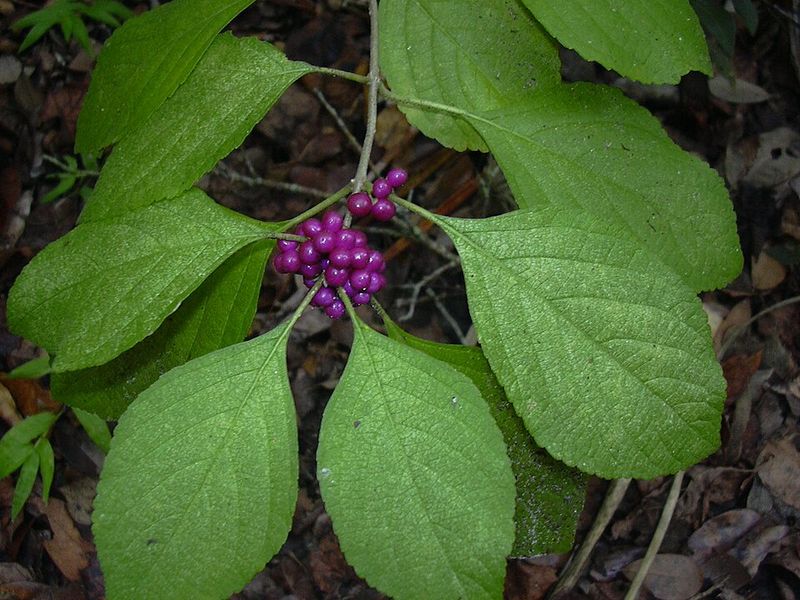
Few shade shrubs put on a fall show like this one. American beautyberry produces eye-catching purple berry clusters that wrap around the stems and light up shady corners of the yard.
This deciduous shrub naturally grows in the understory of Florida’s hardwood forests, so it expects dappled light and performs poorly in full sun where the foliage often looks stressed and pale.
You’ll appreciate how beautyberry fills in quickly, reaching four to six feet tall and wide within a couple of growing seasons.
Across North Florida, beautyberry drops its leaves in winter and pushes out fresh growth each spring, while Central Florida plants may hold some foliage through mild winters.
South Florida gardeners find beautyberry stays partially evergreen during mild winters and may produce berries for extended periods.
The small pink flowers appear in summer and attract bees, but the real show begins in late summer when the purple berry clusters develop.
Birds devour the berries quickly, so plant beautyberry if you enjoy watching wildlife in your shaded yard. The plant tolerates wet soil better than most shrubs, making it perfect for low spots or areas near downspouts where water collects after heavy rains.
Beautyberry requires almost no pruning or maintenance, and it never becomes invasive despite producing abundant berries.
5. Dwarf Yaupon Holly
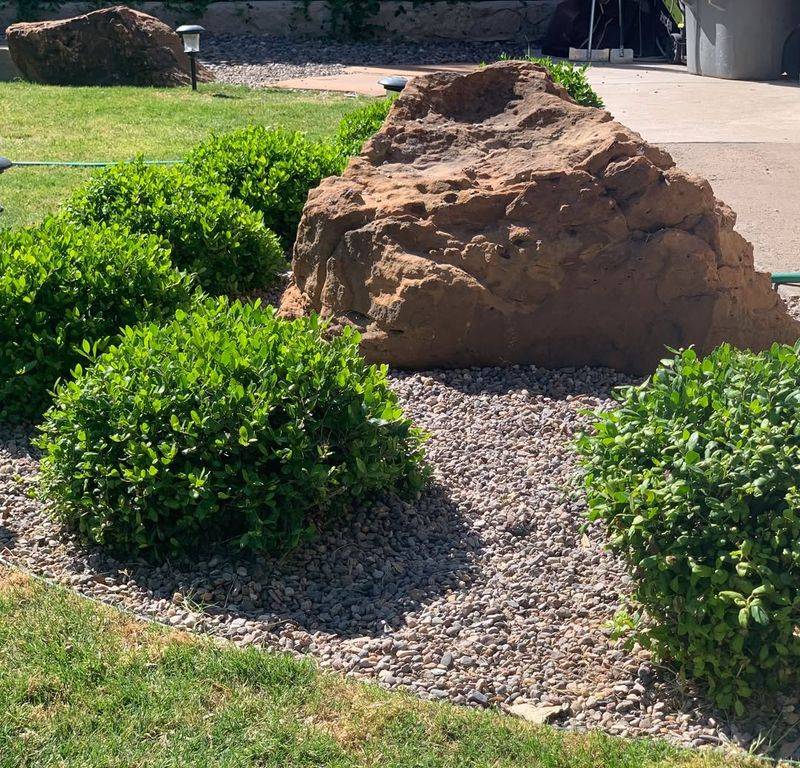
Dwarf yaupon holly creates dense, fine-textured mounds of tiny evergreen leaves that stay neat and compact even in fairly deep shade beneath Florida’s tree canopies.
Unlike many hollies that demand full sun, dwarf yaupon actually prefers some shade during the hottest part of the day and maintains better foliage color when protected from afternoon sun.
You can use this versatile shrub as a low hedge, foundation plant, or mass groundcover in areas where grass refuses to grow.
North Florida landscapes showcase dwarf yaupon as a reliable evergreen that never suffers winter damage, while Central Florida gardeners appreciate how it tolerates both sandy soils and occasional flooding.
South Florida yards demonstrate this holly’s adaptability to tropical humidity and warm winters, though it grows slightly more vigorously in the cooler zones.
The plant naturally stays low and rounded, typically reaching two to three feet tall, so it requires minimal pruning to maintain its shape.
Female plants produce small red berries that birds love, but many homeowners choose male varieties to avoid the berries and potential seedlings. Dwarf yaupon tolerates salt spray near coastal areas and adapts to a wide range of soil types without special amendments.
Once established, it survives dry periods without irrigation, and it responds well to occasional shearing if you prefer a more formal appearance.
6. Florida Anise
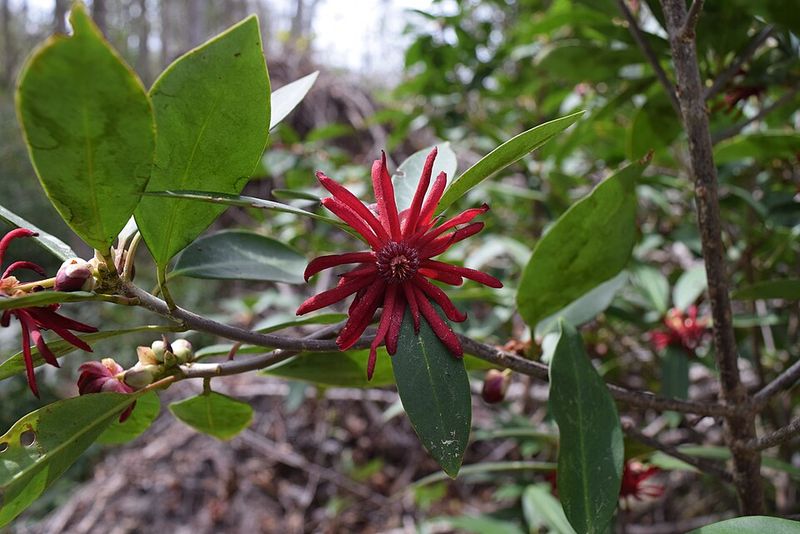
Big, glossy leaves and a subtle licorice scent make this shade shrub stand out immediately. Florida anise thrives in dark, humid garden spaces and fills in areas where most plants struggle to survive.
This evergreen shrub naturally grows in the understory of North and Central Florida’s hardwood forests, so it evolved to thrive in deep shade with high humidity and occasional flooding.
You’ll notice the glossy, dark green leaves create a lush backdrop for other shade plants, and the unusual maroon flowers appear in spring, adding subtle interest near ground level.
North Florida gardeners find anise performs best in protected, shaded spots where it stays evergreen through most winters, while Central Florida landscapes showcase this plant in dense shade under oak canopies.
South Florida yards sit outside anise’s native range, and the plant often struggles with the extreme heat and lack of winter chill in the southernmost zones.
Homeowners commonly use Florida anise along shaded property lines, in naturalized woodland gardens, or as a tall groundcover beneath trees where nothing else will grow.
The plant tolerates wet soil exceptionally well and actually prefers consistent moisture, making it perfect for low-lying areas or rain garden edges. Florida anise grows slowly to about six feet tall and requires almost no maintenance once established in the right location.
7. Walter’s Viburnum

If you want a tough, reliable shrub that looks good year-round, this native favorite is hard to beat. Walter’s viburnum handles Florida shade, humidity, and wet soil while still producing flowers and berries for wildlife.
Native to wetland edges and hammock borders across the state, this shrub naturally grows beneath larger trees and handles the filtered light conditions common in residential landscapes.
You’ll appreciate the clusters of small white flowers that appear in spring, attracting butterflies and native bees even in dimly lit areas.
Across North Florida, Walter’s viburnum tolerates occasional freezes without damage and stays evergreen through winter, while Central Florida gardens showcase this plant as a reliable mid-sized shrub for shaded borders and foundation plantings.
South Florida landscapes demonstrate the viburnum’s ability to handle tropical humidity and warm winters without disease problems.
The plant typically reaches eight to twelve feet tall if left unpruned, but it responds well to shearing if you need to maintain a smaller size for tight spaces.
Birds feast on the small blue-black berries that follow the flowers, making Walter’s viburnum an excellent wildlife plant for shaded yards. The shrub tolerates wet soil better than most landscape plants and actually prefers consistent moisture, so it works well in low spots or near drainage areas where water collects after storms.
8. Wild Coffee
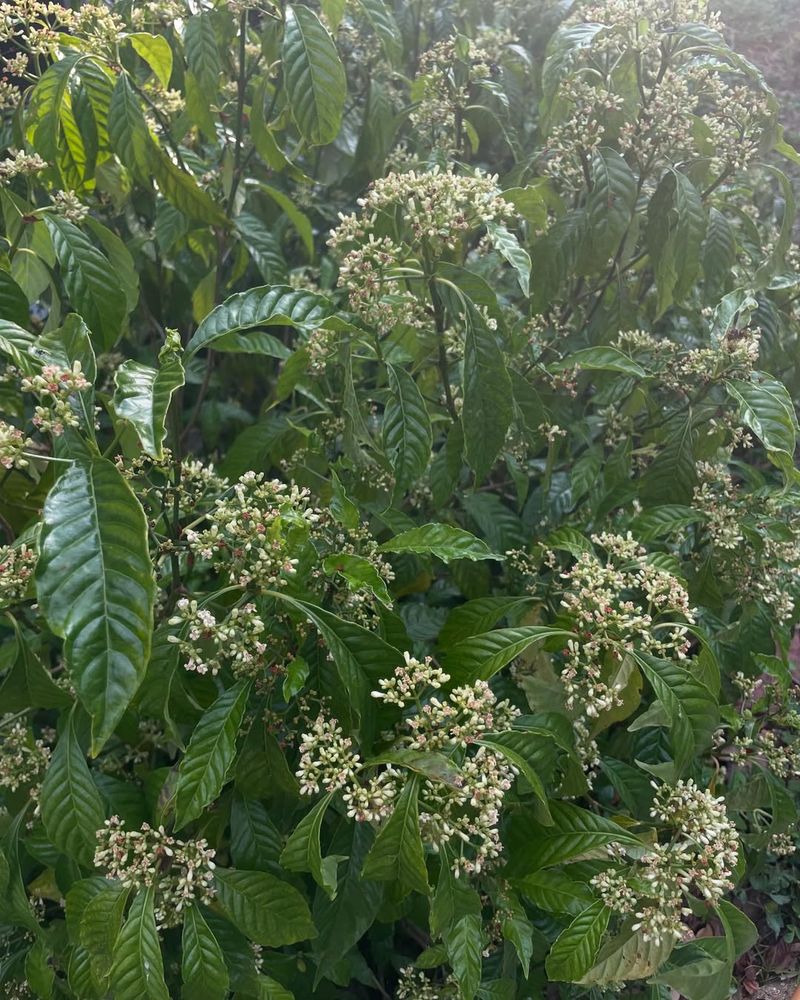
Deep shade does not have to mean boring greenery. This tropical-looking shrub brings rich, glossy leaves and bright red berries to the darkest corners of Florida landscapes.
Despite its common name, this plant isn’t related to commercial coffee, though the leaves do resemble coffee foliage and the small red berries look similar to coffee cherries.
You’ll find wild coffee naturally growing in the understory of South Florida’s tropical hammocks, where it thrives beneath dense canopies with minimal direct sunlight.
South Florida landscapes showcase wild coffee as an essential shade plant that tolerates everything from salt spray to hurricane winds, while Central Florida gardeners successfully grow it in protected, shaded locations.
North Florida sits outside this plant’s comfort zone, and wild coffee rarely survives freezing temperatures in the northernmost counties.
Homeowners commonly use wild coffee as a foundation plant along north-facing walls, under large trees, or in narrow side yards where sunlight never penetrates.
The small white flowers bloom sporadically throughout the year and attract butterflies, while birds eagerly consume the bright red berries. Wild coffee tolerates pruning exceptionally well, so you can maintain it as a low hedge or let it grow naturally into a rounded shrub reaching six feet tall.
The plant adapts to various soil types and requires minimal irrigation once established.
9. Marlberry
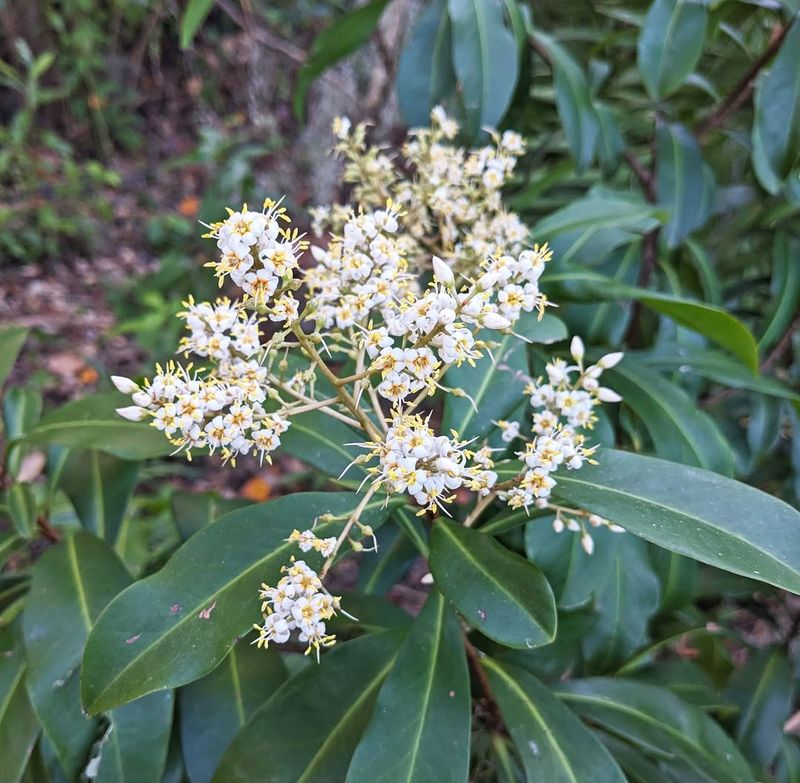
Marlberry brings evergreen structure and subtle beauty to shaded Florida landscapes, with leathery leaves that catch light beautifully even in dim conditions beneath dense tree canopies.
Native to coastal hammocks and shell mounds across Central and South Florida, this shrub naturally grows in the filtered light of larger trees and performs poorly in full sun where the foliage often burns.
You’ll notice the small white flowers appear in clusters throughout the year, followed by dark purple berries that birds devour quickly.
Central Florida gardeners find marlberry thrives in partial to full shade with minimal care, while South Florida landscapes showcase this plant as a reliable evergreen for the shadiest spots in residential yards.
North Florida sits outside marlberry’s natural range, and the plant struggles with temperatures below freezing, so it’s best suited for zones 9 and warmer.
Homeowners commonly plant marlberry along shaded property lines, under oak canopies, or in naturalized areas where they want a low-maintenance native shrub.
The plant grows slowly to about ten feet tall if left unpruned, but it responds well to shearing if you need to control its size for smaller spaces. Marlberry tolerates salt spray near coastal areas and adapts to various soil types, from sandy to limestone-based.
Once established, it requires almost no irrigation and handles both wet and dry periods without stress.
Be careful not to confuse native marlberry with invasive coral ardisia, which looks similar but spreads aggressively.
10. Cast Iron Plant
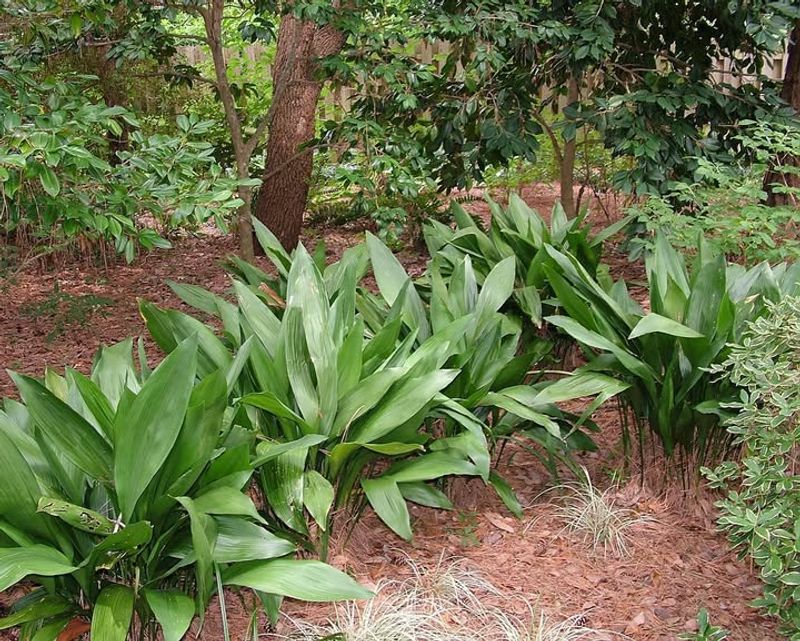
This plant earned its nickname for a reason. Cast iron plant survives in deep shade where most plants fail, making it a go-to choice for the darkest corners of Florida yards.
Originally from Asia but perfectly adapted to Florida’s climate, this plant produces upright clumps of dark green, strap-like leaves that emerge directly from the ground without visible stems.
You’ll appreciate how cast iron plant tolerates neglect, poor soil, and irregular watering while maintaining its attractive foliage year-round.
Across all regions of Florida, from Pensacola to Key West, cast iron plant performs consistently well in full shade beneath dense canopies, along north-facing walls, or under covered patios where sunlight never reaches.
The plant grows slowly but steadily, eventually forming substantial clumps two to three feet tall that you can divide and share with neighbors.
Homeowners commonly use cast iron plant as a groundcover alternative in areas too shaded for grass, or as a container plant for shaded entryways and porches.
The plant produces small purple flowers at soil level in late winter, though they’re often hidden beneath the foliage and easy to miss. Cast iron plant tolerates Florida’s sandy soils without amendments, and it survives drought well and tolerates short periods of wet soil, as long as drainage is decent.
Slugs and snails occasionally chew the leaves, but the damage is usually minor and doesn’t affect the plant’s overall appearance or health.
11. Spider Lily (Hymenocallis species)
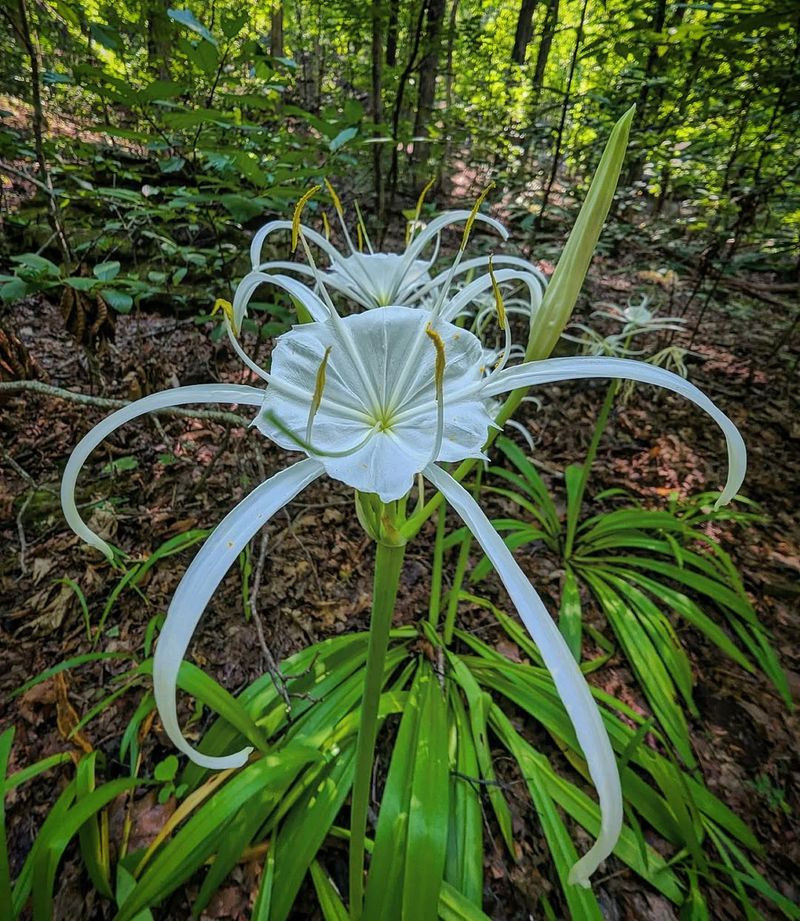
Spider lilies produce striking white flowers with long, spidery petals that seem to glow in shaded areas, bringing unexpected elegance to spots beneath trees or along shaded walkways.
Several Hymenocallis species grow naturally in Florida’s wetlands and floodplains, thriving in the dappled light of cypress swamps and river hammocks.
You’ll notice the fragrant flowers appear on tall stalks above the strap-like foliage, creating dramatic vertical interest in otherwise flat shade gardens.
North Florida gardeners enjoy spider lilies blooming in late spring and early summer, while Central Florida specimens often produce flowers sporadically throughout the warm months.
South Florida landscapes showcase spider lilies as nearly evergreen perennials that bloom most heavily in spring but occasionally surprise you with flowers at other times.
The plants naturally grow in wet areas and tolerate seasonal flooding, making them perfect for rain gardens, pond edges, or low spots where water collects after storms.
Homeowners commonly plant spider lilies in masses for the best visual impact, creating drifts of white blooms that brighten shaded areas. The bulbs multiply slowly over time, forming larger clumps that you can divide and relocate to other shaded spots.
Spider lilies require minimal maintenance once established and tolerate Florida’s sandy soils as long as they receive adequate moisture during active growth periods.
12. Southern Shield Fern
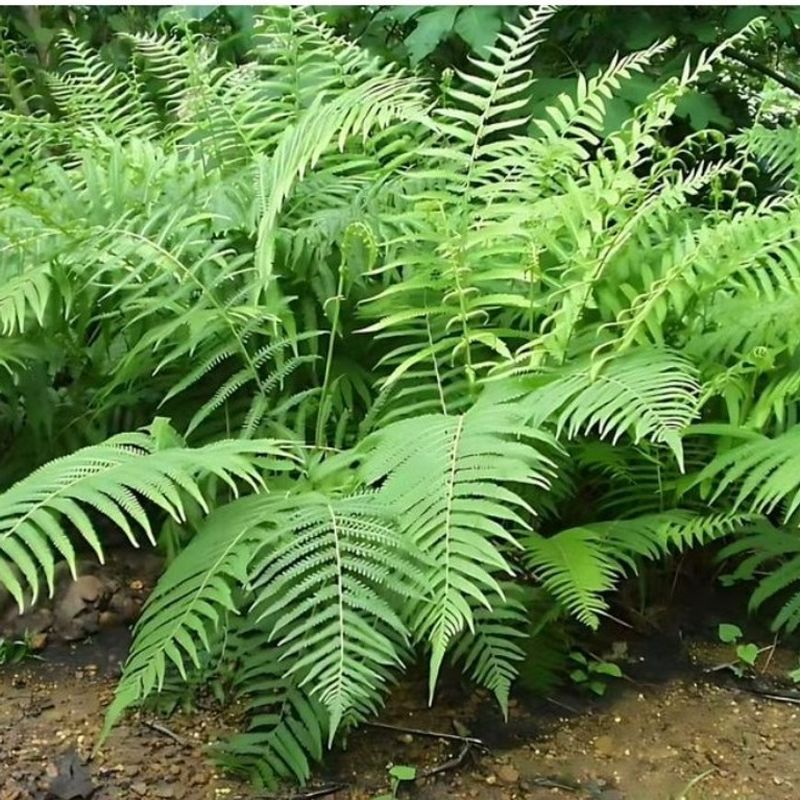
Southern shield fern brings classic fern texture to Florida shade gardens with fronds that stay evergreen year-round, creating lush groundcover beneath trees where grass refuses to grow.
Native to hammocks and moist woodlands across the Southeast, this fern naturally thrives in partial to full shade with high humidity and consistent moisture.
You’ll notice the bright green fronds emerge in a circular pattern from a central crown, creating neat mounds that spread slowly to form attractive colonies.
North Florida landscapes showcase southern shield fern as mostly evergreen, though it may wither briefly during hard freezes without damage, while Central Florida gardens demonstrate its adaptability to varying light conditions from deep shade to filtered sun.
South Florida yards feature this fern in dense shade beneath tropical trees, where it maintains vibrant color even during the hottest months.
Homeowners commonly plant southern shield fern along shaded walkways, under oak canopies, or in woodland gardens where they want a natural, low-maintenance groundcover.
The fern tolerates Florida’s sandy soils if you add organic matter at planting time, and it appreciates consistent moisture though it survives short dry spells once established.
Southern shield fern rarely suffers from pest or disease problems, and it never becomes invasive despite spreading gradually through underground rhizomes.
You can divide established clumps every few years to create new plants for other shaded areas.
13. Twinflower
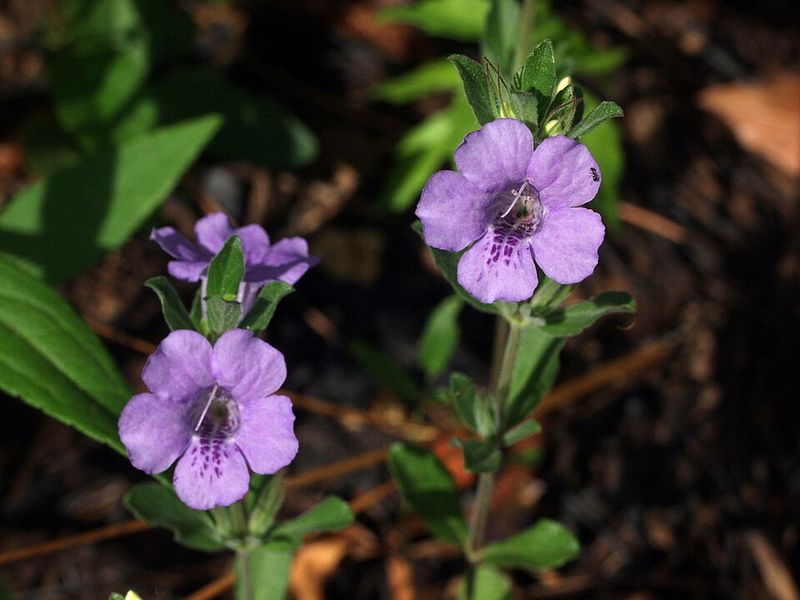
Low-growing and quietly hardworking, this native groundcover spreads across shady soil to create a soft green carpet beneath trees and along woodland paths.
You’ll appreciate how twinflower stays low and neat, rarely exceeding four inches in height, so it never requires mowing or frequent trimming like traditional groundcovers.
North Florida gardeners find twinflower performs best in consistently shaded areas with moist, organic-rich soil, while Central Florida landscapes showcase this plant as a reliable alternative to grass in areas beneath trees.
South Florida sits outside twinflower’s preferred range, and the plant often struggles with extreme heat and lack of winter dormancy in the southernmost zones.
Homeowners commonly use twinflower to fill in beneath established trees, along shaded pathways, or in woodland gardens where they want a natural, low-maintenance carpet.
The small white flowers appear sporadically throughout the year but aren’t particularly showy, so most people grow twinflower primarily for its attractive foliage and groundcovering ability.
The plant spreads by rooting stems and forms a dense mat that helps suppress weeds, and it tolerates occasional light foot traffic better than many delicate groundcovers.
Twinflower requires consistent moisture and struggles in dry, sandy soils without regular irrigation or added organic matter.
Always match plants to your local zone, drainage conditions, and shade level for best results.