Should Florida Gardeners Dethatch Their Lawns? Most Do It At The Wrong Time
Florida lawns are in a league of their own, and dethatching is one of those tasks that can confuse even seasoned gardeners.
The combination of warm temperatures, humid subtropical air, sandy soils, and frequent seasonal rains creates the perfect environment for thatch to build up quickly.
Grasses like St. Augustine, Bermuda, and Zoysia grow rapidly in Florida’s heat, often leaving homeowners wondering why their lawn looks matted or uneven.
Knowing when to dethatch, the right techniques to use, and which tools work best can make the difference between a lawn that recovers vibrantly and one that struggles through the season.
With a few smart strategies tailored to Florida conditions, your lawn can stay lush, healthy, and ready to thrive year-round.
1. Understand What Dethatching Really Does
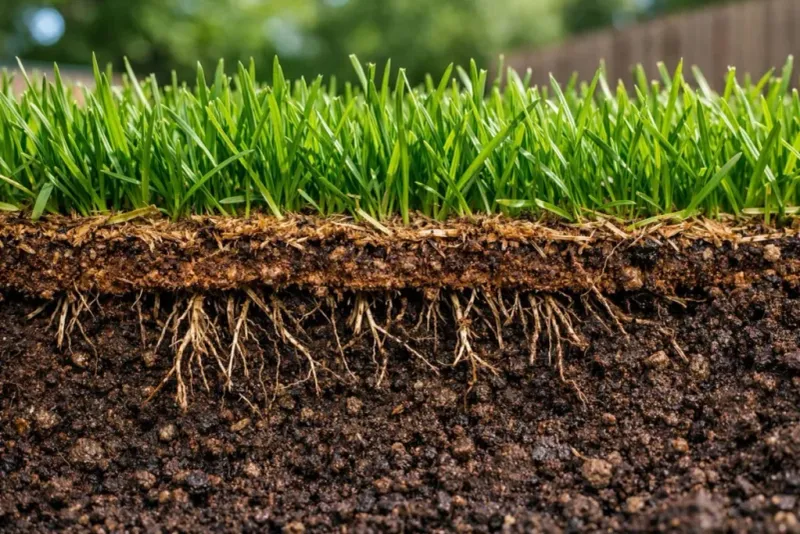
Most Florida homeowners picture dethatching as a simple cleanup task, but it actually goes much deeper than that. Thatch is the spongy layer of old stems, roots, and organic debris that builds up between the soil surface and the living green grass blades above.
A thin layer of about half an inch can actually help your lawn by retaining a little moisture and insulating roots during cooler stretches.
When that layer grows thicker than half an inch, though, it starts working against you. Water struggles to penetrate the mat and runs off instead of soaking into Florida’s already sandy soil.
Fertilizer and oxygen have a harder time reaching the root zone, which weakens the grass over time.
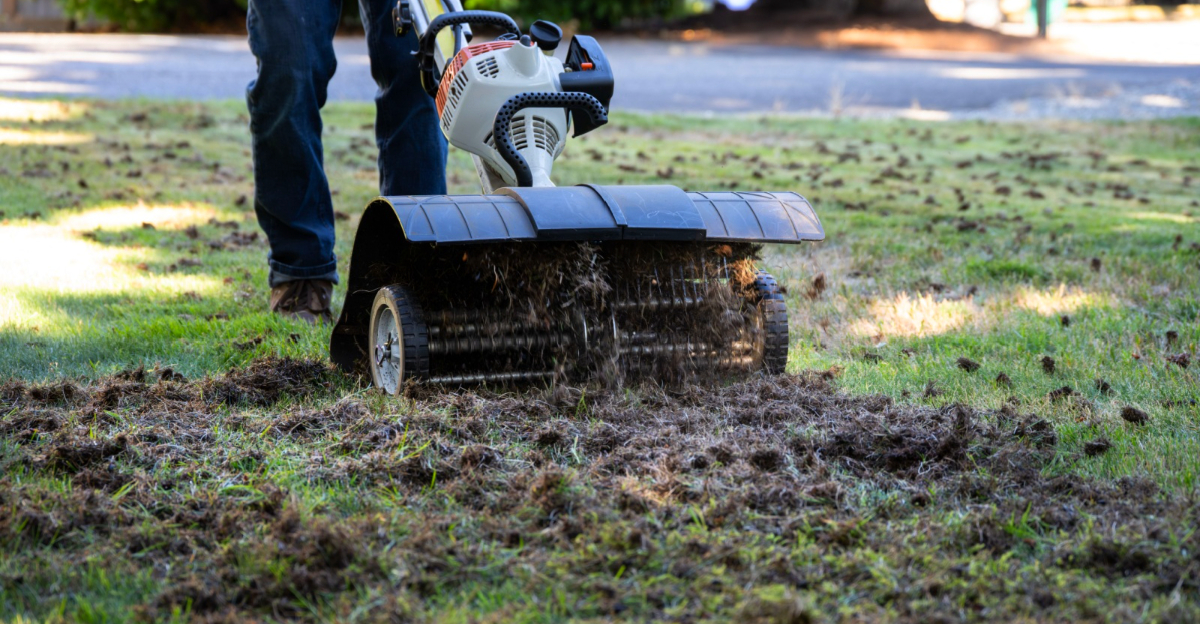
Dethatching physically removes that compacted organic layer using a rake, a dethatching blade, or a power dethatcher. The process opens up the lawn so air, water, and nutrients can move freely again.
Florida’s warm-season grasses produce thatch faster than cool-season grasses because of their aggressive lateral growth through stolons and rhizomes.
Understanding this basic process helps you appreciate why dethatching is not just cosmetic yard work but a genuine health intervention for your Florida lawn’s root system.
2. Spot The Difference Between Thatch And Healthy Grass
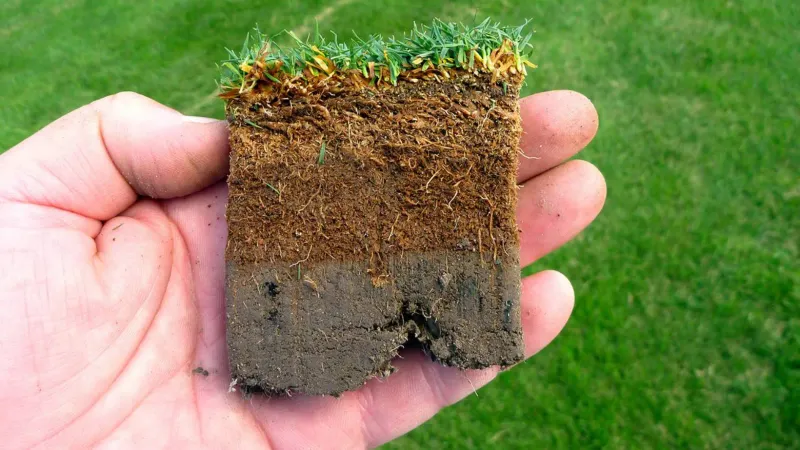
Grabbing a small plug of your lawn and looking at it closely is one of the quickest ways to figure out what you are actually dealing with.
Healthy grass has a thin, loose layer of organic matter near the soil that breaks down naturally and does not feel spongy or compacted when you press on it.
Thatch, by contrast, feels like a dense, fibrous mat that resists compression and often looks brownish or grayish rather than the earthy dark color of healthy soil.
Florida gardeners sometimes confuse thatch with drought stress or fungal issues because the lawn surface can look patchy and uneven in both cases.
The real test is to cut a small wedge from the lawn with a knife or spade and measure that layer between the green grass and the soil.
Anything thicker than half an inch consistently across the lawn is a sign that dethatching deserves serious consideration.
St. Augustine grass, which is by far the most common Florida lawn grass, builds thatch especially fast because of its thick stolons. Bermuda grass is another rapid thatch producer.
Zoysia falls somewhere in between. Knowing your specific grass type helps you set realistic expectations for how often thatch will accumulate and when a visual check should turn into action rather than just observation.
3. Know When Thatch Becomes A Problem
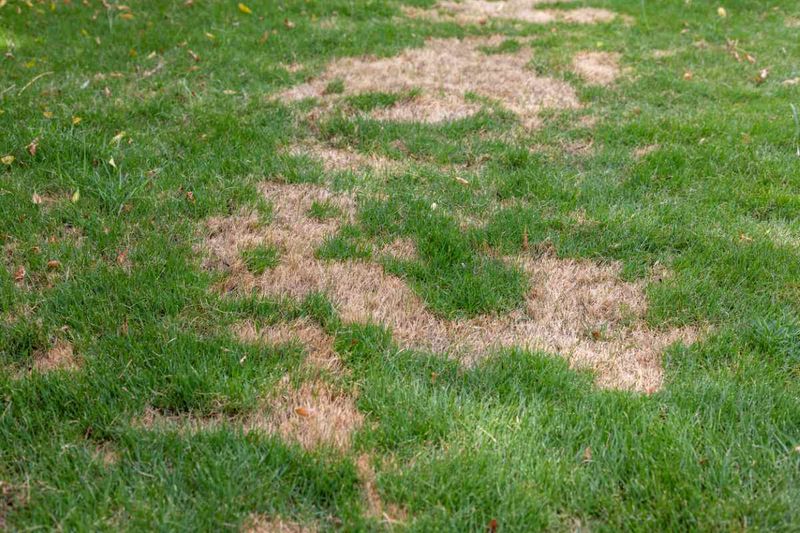
Most experts agree that a half-inch layer is the threshold where thatch becomes a problem in warm-season grasses.
Below that measurement, the organic layer supports microbial activity and helps buffer soil temperature swings, which Florida lawns experience even in winter.
Above it, the problems start stacking up in ways that are easy to overlook until the damage is already done.
Excess thatch acts like a sponge that absorbs irrigation water before it ever reaches the roots.
Florida homeowners sometimes respond by watering more frequently, which actually makes the thatch problem worse by encouraging surface rooting instead of deep root development.
Shallow roots leave grass vulnerable during Florida’s dry season, typically stretching from November through May, when rainfall becomes unreliable.
Fungal diseases also love thick thatch. The warm, humid conditions in Florida create a perfect environment for pathogens like brown patch and gray leaf spot, and a thick thatch layer traps moisture close to the soil surface, making outbreaks more likely.
Pest pressure from chinch bugs and sod webworms can increase too, since thatch offers shelter and breeding habitat.
Recognizing these cascading effects helps Florida gardeners treat dethatching as preventive maintenance rather than a last resort when the lawn already looks visibly stressed and struggling.
4. Know The Best Time To Dethatch In Florida
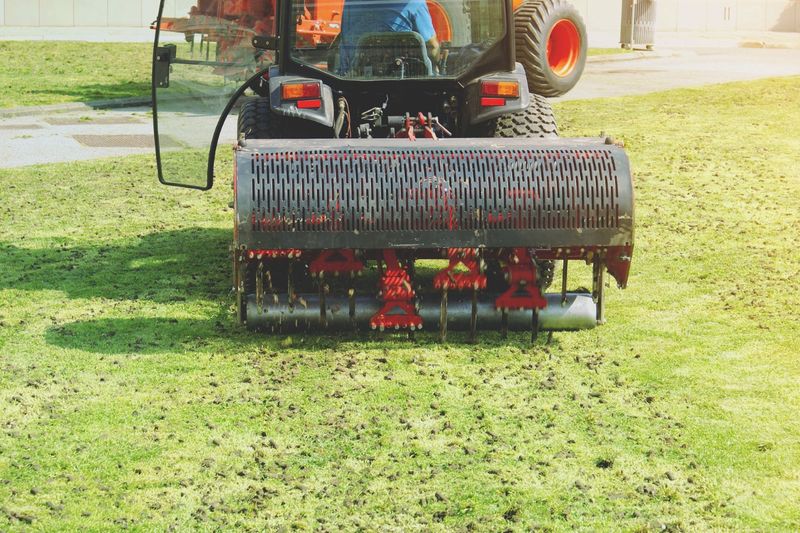
Timing is where most Florida gardeners go wrong, and it is the single most important factor in whether dethatching helps or hurts your lawn.
The sweet spot for Florida’s warm-season grasses falls between late spring and early summer, with May through June being the most widely recommended time by turf and pest management experts.
During this window, grasses like St. Augustine, Bermuda, and Zoysia are actively growing and pushing out new stolons, which means they recover from the disruption far more quickly.
Attempting to dethatch in late fall or winter is one of the most common mistakes Florida homeowners make.
Even though Florida winters are mild compared to other states, warm-season grasses slow their growth significantly once temperatures drop below 60 degrees Fahrenheit.
Dethatching a dormant or semi-dormant lawn stresses the grass at exactly the moment it has the least capacity to heal and fill back in.
Early spring dethatching carries similar risks because the grass has not yet fully broken dormancy and may not have enough energy reserves to recover quickly.
Waiting until consistent warmth and regular rainfall have kicked in gives the lawn the biological momentum it needs.
Aim for a period when you can expect at least four to six weeks of active growing conditions ahead, which in Florida typically means late spring is your most reliable and forgiving window for this task.
5. Prep Your Lawn Before Dethatching
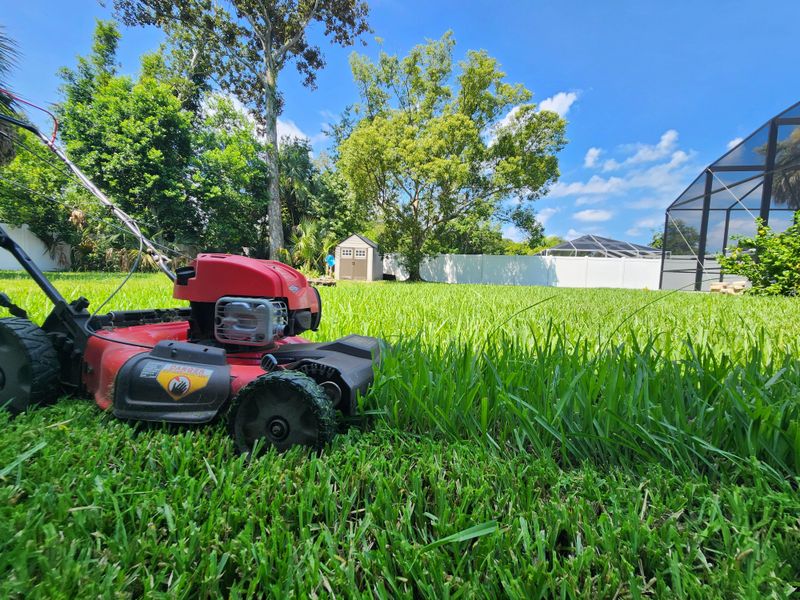
Skipping the preparation steps before dethatching is a shortcut that often leads to more work afterward.
Start by mowing your lawn slightly shorter than your usual height, about one notch lower on your mower setting, a day or two before you plan to dethatch.
Cutting the grass a little shorter makes it easier for the dethatching machine or rake to reach the thatch layer without getting tangled in long blades.
Watering the lawn the day before is equally important. The soil should be moist but not waterlogged when you dethatch.
Dry, hard soil makes the process more difficult and increases the chance of tearing out healthy grass along with the thatch. Overly wet soil, on the other hand, clumps and sticks, clogging equipment and leaving uneven results across the lawn surface.
Walk the lawn carefully before you start and flag any irrigation heads, shallow tree roots, or low spots that could catch equipment.
Florida lawns often have pop-up sprinkler heads just below the surface, and hitting one with a power dethatcher causes costly damage.
Mark them with small flags or stakes so you can navigate around them confidently.
Checking for any active pest or disease issues is also wise at this stage, since dethatching a lawn that already has a disease outbreak can spread the problem further across the turf.
6. Select The Best Tools For Florida Lawns
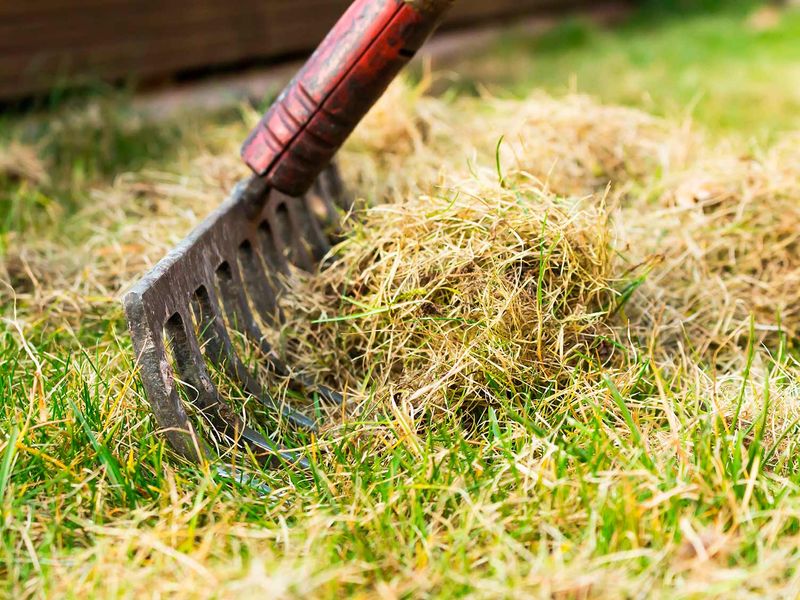
Not every dethatching tool works equally well on every Florida grass type, and choosing the wrong one can cause more harm than the thatch itself.
St. Augustine grass, with its wide, flat blades and thick stolons running along the surface, is particularly sensitive to aggressive mechanical dethatching.
Experts consistently recommend using a cavex rake or a stiff-tined lawn rake for St. Augustine grass rather than a power vertical mower, which can shred the stolons and leave bare patches that may take months to recover.
Bermuda grass is considerably tougher and handles vertical mowing much better.
A power dethatcher or vertical mower set to cut just into the thatch layer works well for Bermuda lawns and can clear out heavy buildup efficiently in a single pass.
Zoysia grass falls closer to Bermuda in terms of toughness and generally tolerates mechanical dethatching without significant setbacks when timing is right.
For smaller Florida lawns or spot treatments, a hand-held thatching rake with sharp crescent-shaped tines does a solid job without the expense of renting equipment.
These rakes are also easier to control around landscape beds, trees, and irrigation heads.
Whichever tool you choose, set it at the shallowest effective depth to start. You can always make a second pass if needed, but you cannot undo damage from cutting too aggressively on the first run through your lawn.
7. Avoid Common Mistakes That Stress Grass
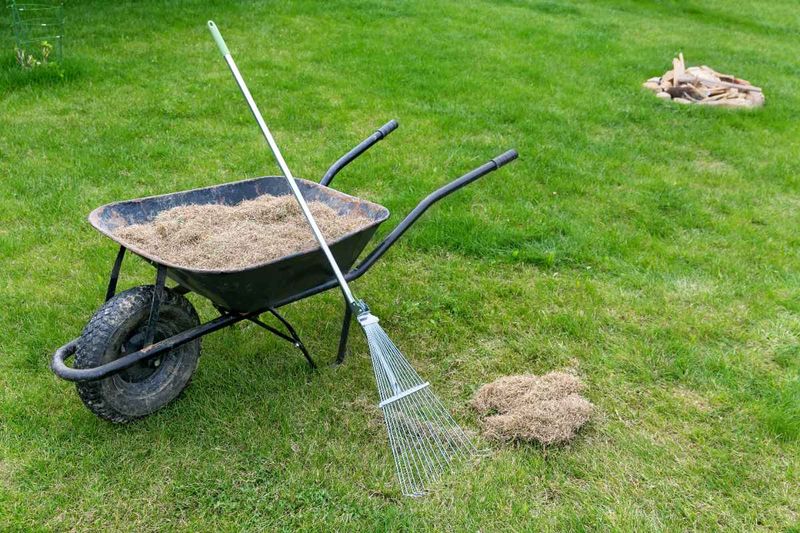
One of the most damaging things a Florida gardener can do is dethatch too aggressively, too often, or at the wrong point in the season.
Power vertical mowers set too deep can scalp the lawn and slice through healthy stolons, leaving bare sandy patches that become prime real estate for weeds like dollarweed and chamberbitter, both common nuisances in Florida landscapes.
Dethatching once every one to two years is generally sufficient for most Florida lawns, not every season.
Dethatching during a drought or when the lawn is showing signs of disease is another mistake that shows up frequently.
Stressed grass has limited energy reserves, and adding the physical trauma of dethatching during those conditions slows recovery significantly.
Florida’s dry season already puts lawns under pressure, so scheduling dethatching for a period when rainfall is consistent and temperatures are warm but not extreme gives the grass its best shot at bouncing back.
Fertilizing immediately after dethatching seems logical but can actually backfire if the soil is still disturbed and roots are exposed. Waiting about two to four weeks before applying fertilizer allows the lawn to stabilize and begin active recovery.
Applying fertilizer too soon can stress new growth and increase the risk of fertilizer burn on tender, exposed tissue.
Patience in the weeks following dethatching pays off with a much more uniform and vigorous recovery across the entire Florida lawn.
8. Aftercare Matters Just As Much As Dethatching
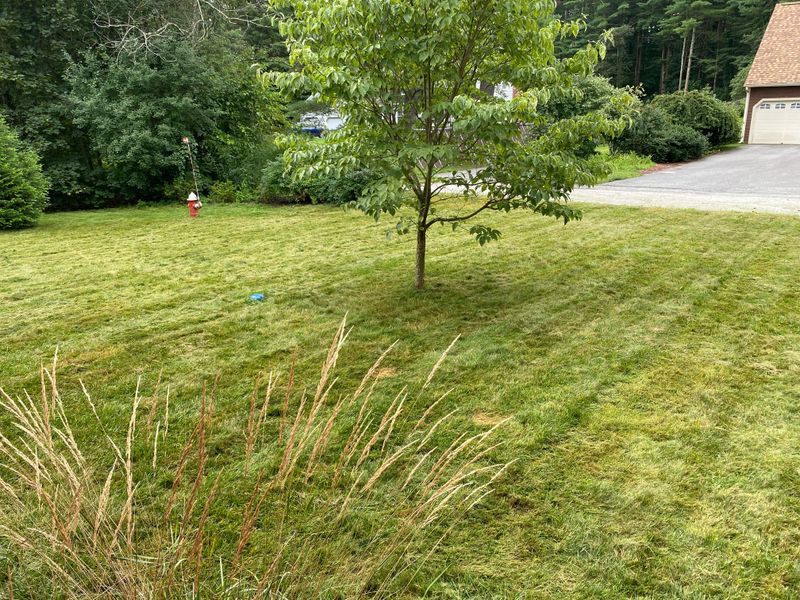
The work does not stop when the dethatcher goes back in the garage. What happens in the weeks following dethatching largely determines whether the lawn comes back thicker and healthier or just limps along.
Watering deeply and consistently right after dethatching is the single most important aftercare step, especially in Florida where sandy soils drain quickly and surface roots can dry out fast without enough moisture support.
Aim for about an inch of water per week through rainfall or irrigation during the recovery period.
Florida’s rainy season, which typically begins in June, lines up nicely with the recommended late-spring dethatching window and provides natural moisture that supports recovery without requiring extra irrigation effort from the homeowner.
When rainfall is inconsistent, supplemental watering in the early morning hours helps reduce fungal pressure while keeping roots adequately hydrated.
Topdressing with a thin layer of compost or fine sand after dethatching is a practice many Florida lawn care professionals recommend.
It helps fill in surface irregularities, improves soil biology, and gives recovering grass a nutritional boost without the risks associated with synthetic fertilizer applied too early.
Wait until the lawn shows visible new growth, typically two to four weeks post-dethatching, before applying any nitrogen fertilizer.
Mowing at a slightly higher height than normal during recovery also reduces stress and helps the canopy close back in more quickly and evenly.
9. Choose The Right Time Of Year For Each Grass Type
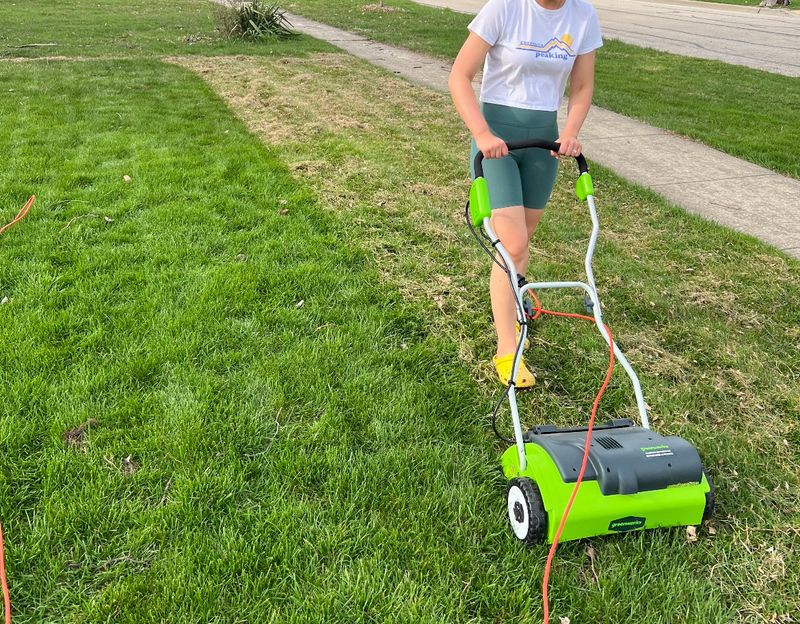
Florida is home to several warm-season grass types, and each one has its own growth rhythm that should guide your dethatching calendar.
St. Augustine grass, the most widely planted lawn grass across Florida, grows most vigorously from April through September.
Dethatching during May or June, when the grass has fully exited its winter slowdown and is pushing new growth, gives St. Augustine the best recovery window before the hottest and most stressful part of summer arrives.
Bermuda grass is an earlier riser in the spring and can handle dethatching slightly sooner, from late April onward, once nighttime temperatures are consistently above 60 degrees Fahrenheit.
Bermuda’s aggressive spreading habit means it fills in bare spots quickly after dethatching, which makes it more forgiving of slightly imperfect timing than St. Augustine or Zoysia.
In South Florida, where temperatures stay warmer year-round, Bermuda may be ready for dethatching even earlier than in North or Central Florida.
Zoysia grass is slower growing than both St. Augustine and Bermuda, which means it takes longer to recover from dethatching and requires more conservative timing.
Waiting until late May or early June ensures Zoysia is in full active growth mode before you stress it.
Knowing your specific grass type and matching your dethatching schedule to its natural growth cycle is the clearest way to avoid the timing mistakes that leave Florida lawns looking ragged instead of refreshed.