Should Florida Gardeners Prune Crape Myrtles Before Spring
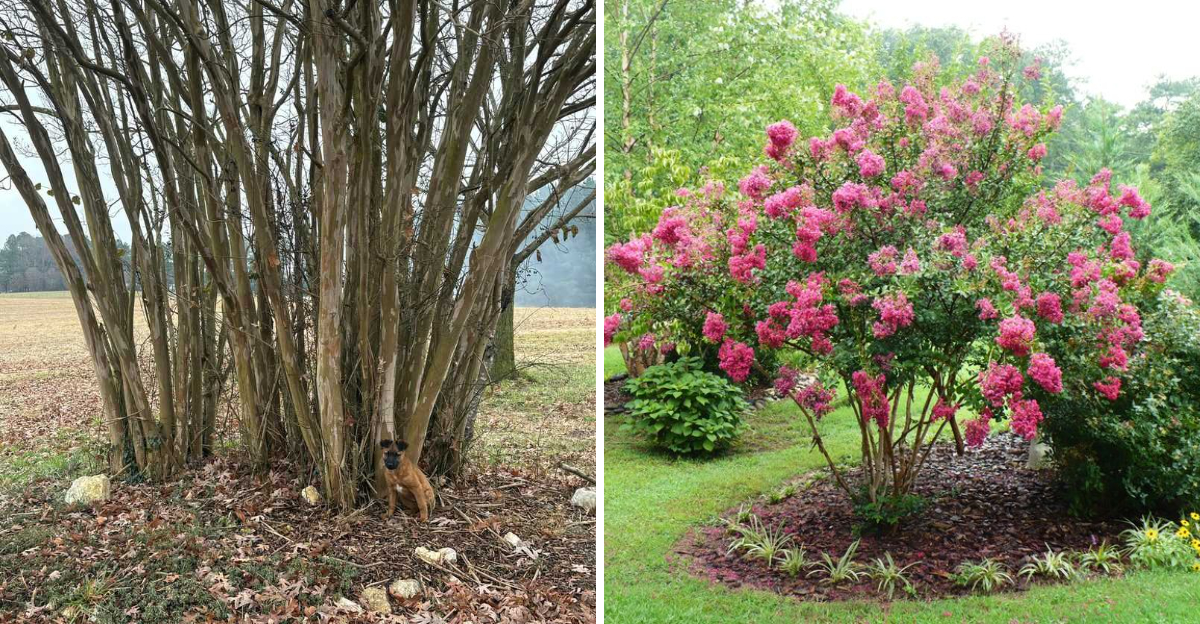
As the Florida humidity dips and the winter sun casts long, cool shadows, gardens change with the season. One of the most striking sights is the Crape Myrtle, standing tall with smooth, silver bark against a bright blue sky.
Many gardeners feel the urge to reach for the pruning shears. Pruning a Crape Myrtle is part science, part art, and all about timing.
Cut too early, and new shoots can be damaged by cold; wait too long, and the tree may not bloom as fully as it could. Trimming while the tree is dormant keeps its classic vase shape, opens the canopy, and sets the stage for bold, colorful blooms.
A few careful cuts create a healthy, elegant tree that stands out in any Florida garden.
1. Prune Crape Myrtles In Late Winter For Stunning Blooms
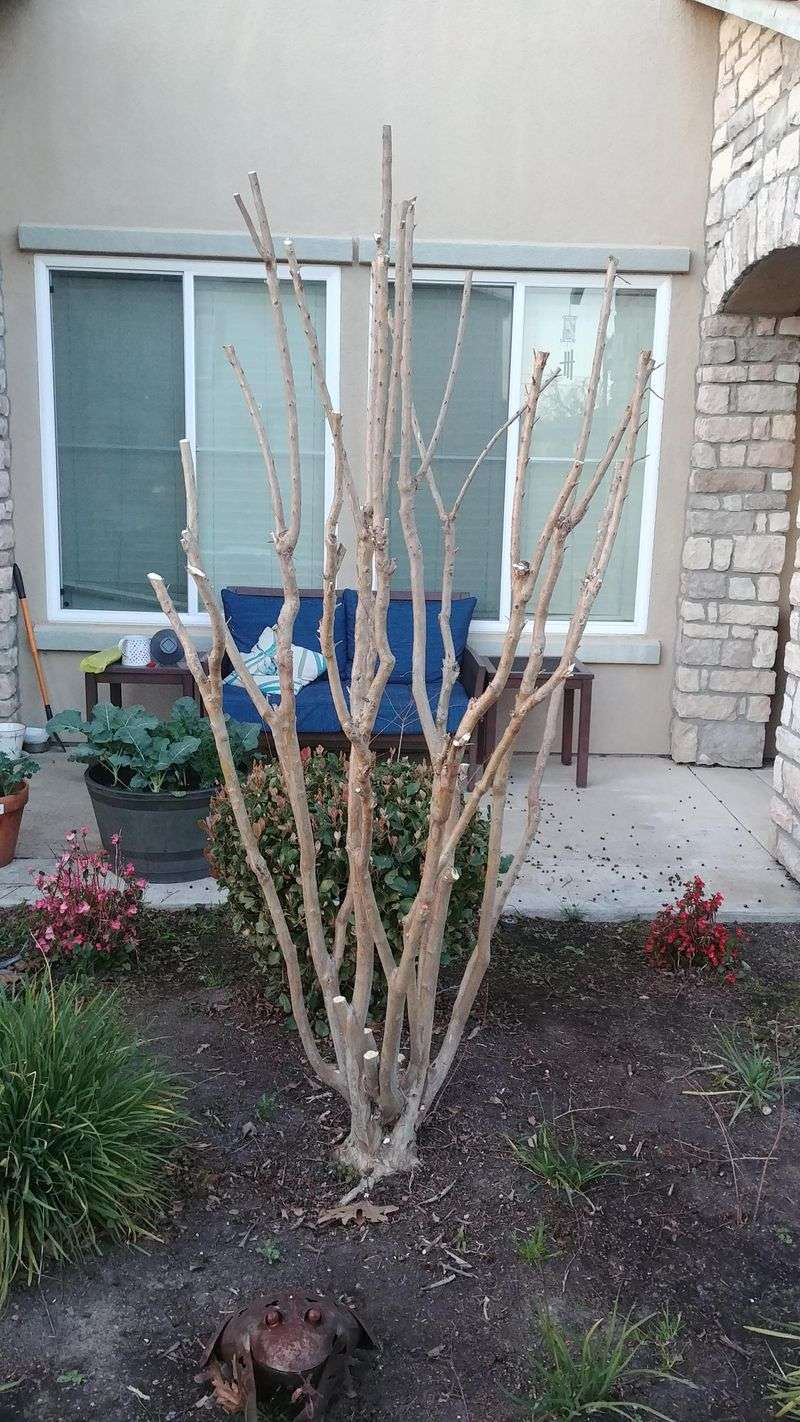
January through early March is the sweet spot for pruning crape myrtles across Florida. During these weeks, the trees are fully dormant, meaning all their energy is stored and waiting rather than actively pushing new growth.
UF/IFAS Extension horticulture specialists consistently recommend dormant-season pruning because it gives gardeners a clear view of the branch structure without leaves blocking the picture.
Pruning while the tree rests allows the cuts to heal cleanly before the growing season kicks off. Once warmer temperatures arrive, the tree channels its stored energy directly into producing strong new shoots from those pruned tips.
Strong new shoots mean more flower clusters, and more flower clusters mean a summer display that genuinely turns heads.
Florida gardeners also benefit from the mild winter weather during this window. Working outdoors in January or February is far more comfortable than sweating through a summer pruning session.
Finishing the job before March gives the tree enough recovery time before spring growth begins. Sticking to this late-winter schedule, backed by solid UF/IFAS guidance, sets crape myrtles up for their best performance all year.
2. Perfect The Timing For Stronger Growth
Timing a pruning session is a lot like catching the right wave. Go too early and conditions are not quite ready.
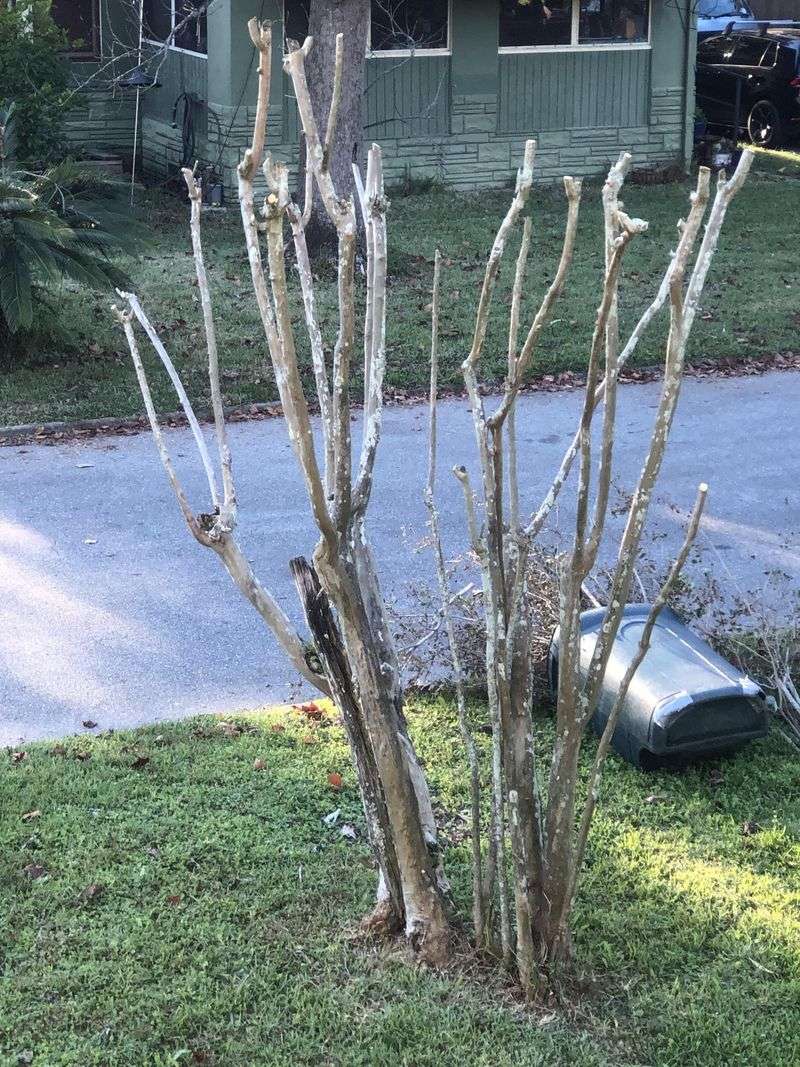
Wait too long and the moment has passed. For crape myrtles in Florida, the ideal window opens in mid-January and starts closing by early March, right before new buds begin to swell noticeably on the branch tips.
Pruning too early, say right after the holidays, can leave fresh cuts exposed during occasional cold snaps that still roll through northern and central Florida in January. Those cold nights can stress the exposed wood and slow recovery.
Waiting until April or later is equally problematic because the tree will already be pushing new growth, and cutting into active shoots wastes the plant’s energy and reduces the season’s flower count.
Paying attention to the tree itself is the most reliable guide. When branches look completely bare and the bark feels firm with no sign of green swelling at the tips, the timing is right.
Florida gardeners who watch their trees closely rather than following a rigid calendar tend to get the best results. Matching the pruning schedule to the tree’s natural rhythm consistently produces stronger structure and fuller blooms.
3. Skip The Harsh Topping That Ruins Shape
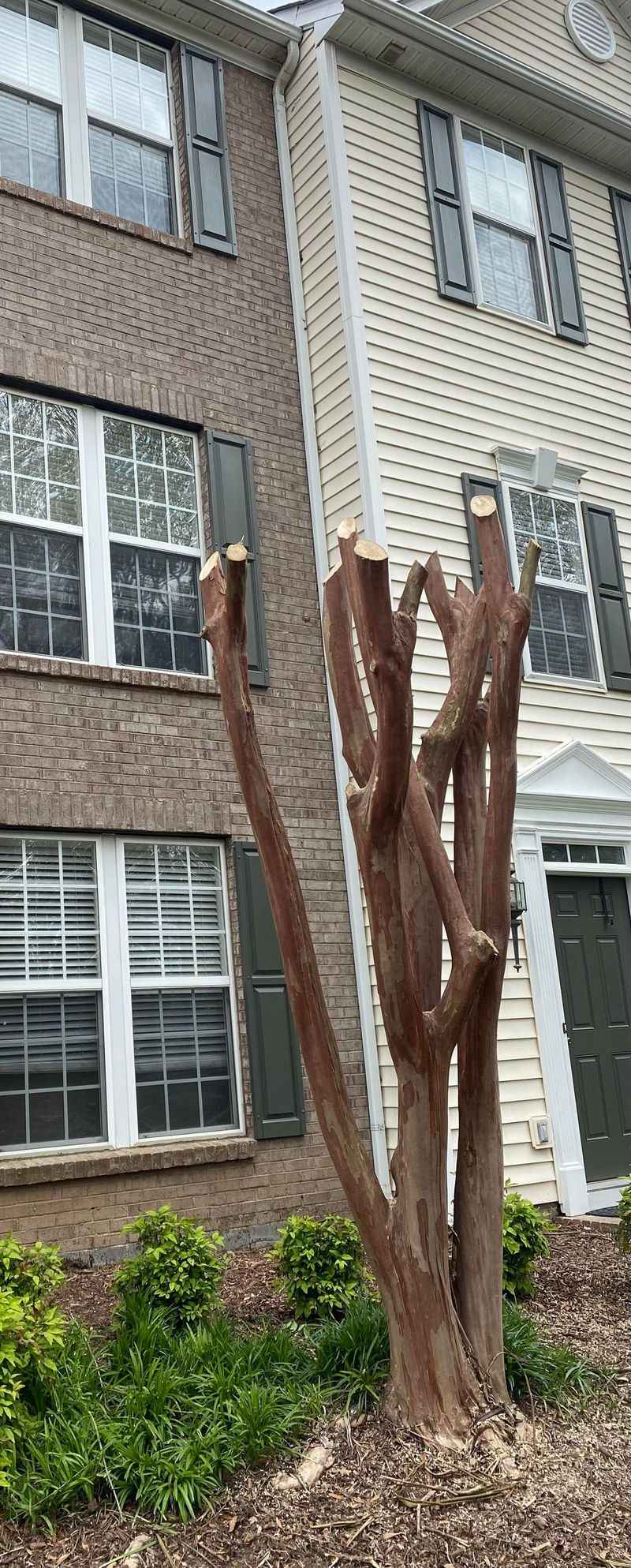
Few sights in a Florida yard are as frustrating as a row of crape myrtles that have been chopped down to ugly stubs every single winter. This aggressive practice, widely called crape murder among horticulture professionals, involves cutting all the main branches back to the same blunt height year after year.
UF/IFAS Extension specialists strongly discourage this approach because it destroys the tree’s natural architecture and creates long-term structural problems.
When major limbs are topped repeatedly, the tree responds by sending out clusters of weak, fast-growing shoots from each stub. Those shoots are poorly attached, prone to breaking in Florida’s summer storms, and produce a messy, broom-like silhouette that looks nothing like a healthy crape myrtle should.
The smooth, attractive branching structure that makes these trees so beautiful simply cannot recover once severe topping becomes a yearly habit.
Proper pruning involves selective removal of specific branches rather than wholesale chopping. The goal is to enhance the tree’s natural form, not override it.
Removing crossing branches, crowded interior growth, and basal suckers achieves a clean, open canopy without brutal cuts. Florida gardeners who skip the topping and opt for thoughtful shaping enjoy trees with elegant structure that improves with every passing year.
4. Clear Out Problem Branches For A Healthier Tree

Not every branch on a crape myrtle deserves to stay. Certain types of growth actually work against the tree by crowding the canopy, rubbing against neighboring branches, or pulling energy away from productive wood.
Knowing which branches to remove is one of the most valuable skills a Florida gardener can develop when caring for these popular landscape trees.
Crossing branches are a prime target. When two branches rub against each other, they create wounds that invite disease and insect activity over time.
Removing the weaker or more awkwardly angled branch eliminates the problem before it develops. Crowded interior branches should also come out because dense growth restricts airflow through the canopy, creating humid pockets where fungal issues like powdery mildew thrive, especially during Florida’s warm, humid summers.
Basal suckers, which are the thin shoots that sprout from the base of the trunk or from surface roots, should be cleared away completely. Left alone, suckers compete with the main trunk for water and nutrients without contributing to the tree’s flowering performance.
Removing them at ground level keeps the base clean and directs the tree’s resources toward productive upper growth. A well-thinned crape myrtle looks more refined, stays healthier, and produces noticeably better blooms season after season.
5. Keep Pruning Light For A Naturally Elegant Form
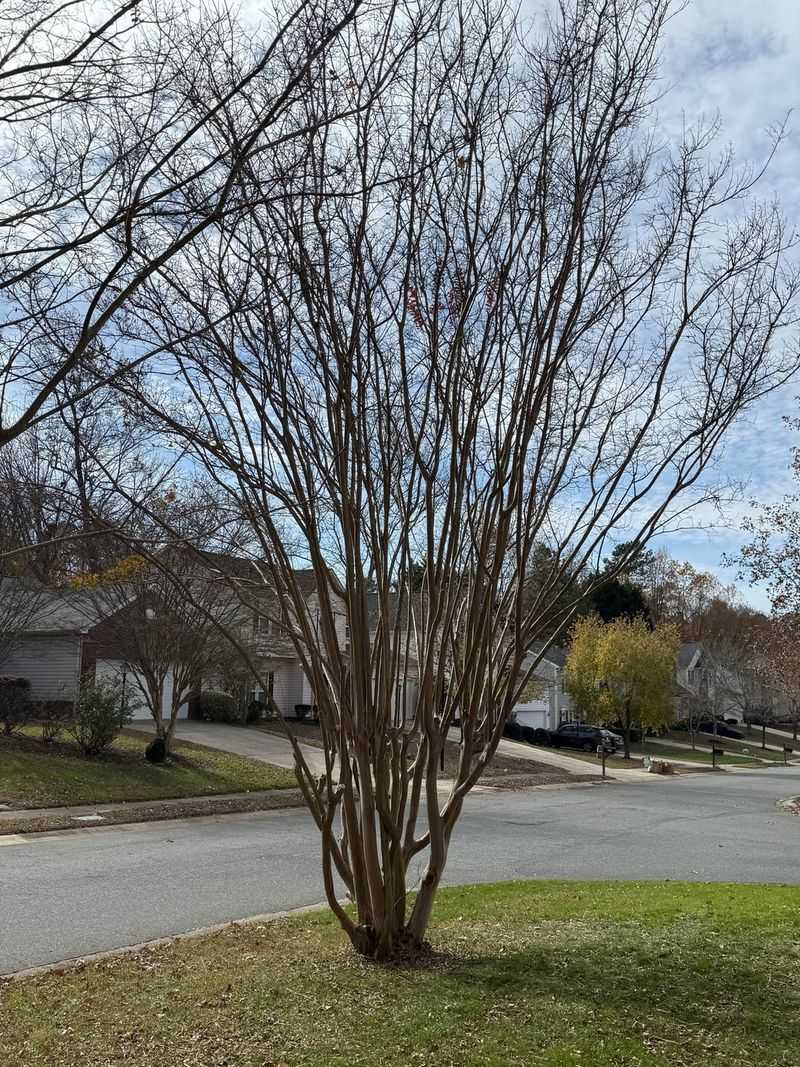
Crape myrtles are genuinely low-maintenance trees when gardeners trust their natural instincts. Left to grow with only light, thoughtful shaping, these trees develop a graceful vase-like form that garden designers actively try to replicate in other species.
Heavy annual cutting works against this natural elegance and forces the tree to spend energy rebuilding structure instead of producing flowers.
UF/IFAS horticulture guidance suggests removing no more than about one-third of the canopy in a single pruning session, and in most cases far less than that is necessary. A light touch means focusing on the specific problem branches described above while leaving healthy, well-positioned wood completely alone.
The tree’s existing framework already knows what it wants to do, and a skilled gardener simply helps it along rather than overriding its growth plan.
Florida landscapes filled with mature crape myrtles pruned gently over many years have a timeless, established quality that heavily topped trees simply cannot match. The smooth, muscular trunks develop character, the branching pattern becomes more refined each season, and the flower clusters appear at natural heights where people can actually appreciate them.
Choosing restraint over aggression with pruning shears is always the smarter long-term strategy for these beautiful Florida landscape staples.
6. Boost Summer Blooms With Smart Winter Cuts
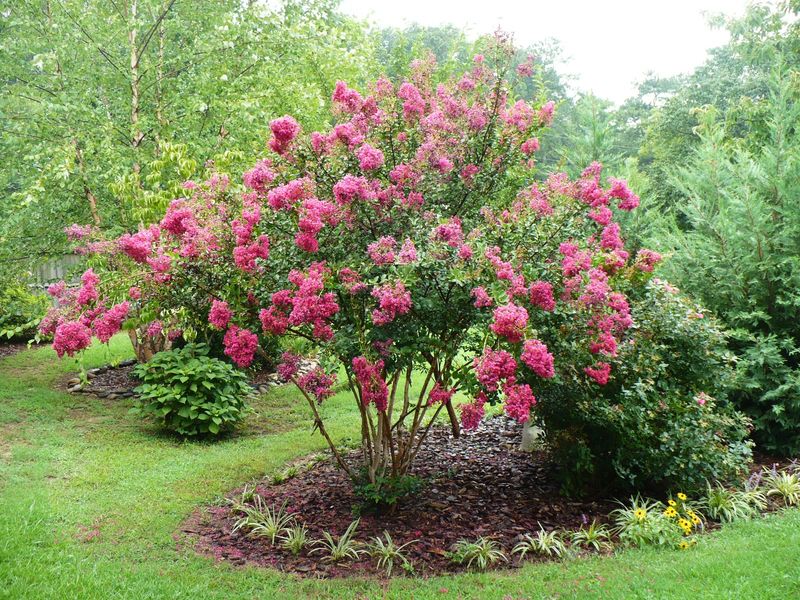
Here is a fact that surprises many first-time crape myrtle growers: the flowers you enjoy in July and August are produced on new growth that forms in spring. That connection between winter pruning and summer blooming is exactly why getting the late-season cuts right pays off so visibly a few months later.
When selective pruning removes weaker branch tips during dormancy, the tree responds in spring by pushing vigorous new shoots from the pruned points and from healthy unpruned wood nearby. Those new shoots are thicker, more robust, and better equipped to carry the heavy flower panicles that make crape myrtles so eye-catching.
Weak or overcrowded wood, by contrast, produces thin shoots that struggle to support full flower clusters.
Deadheading, which means removing spent flower clusters after the first summer bloom, is another smart technique Florida gardeners can use to encourage a second round of flowering later in the season. This lighter warm-season trimming complements the structural work done during winter pruning.
Together, these two pruning strategies, a thoughtful winter shaping and a light summer deadhead, keep crape myrtles blooming generously from early summer through early fall across Florida landscapes.
7. Finish Pruning Before Spring Growth Starts
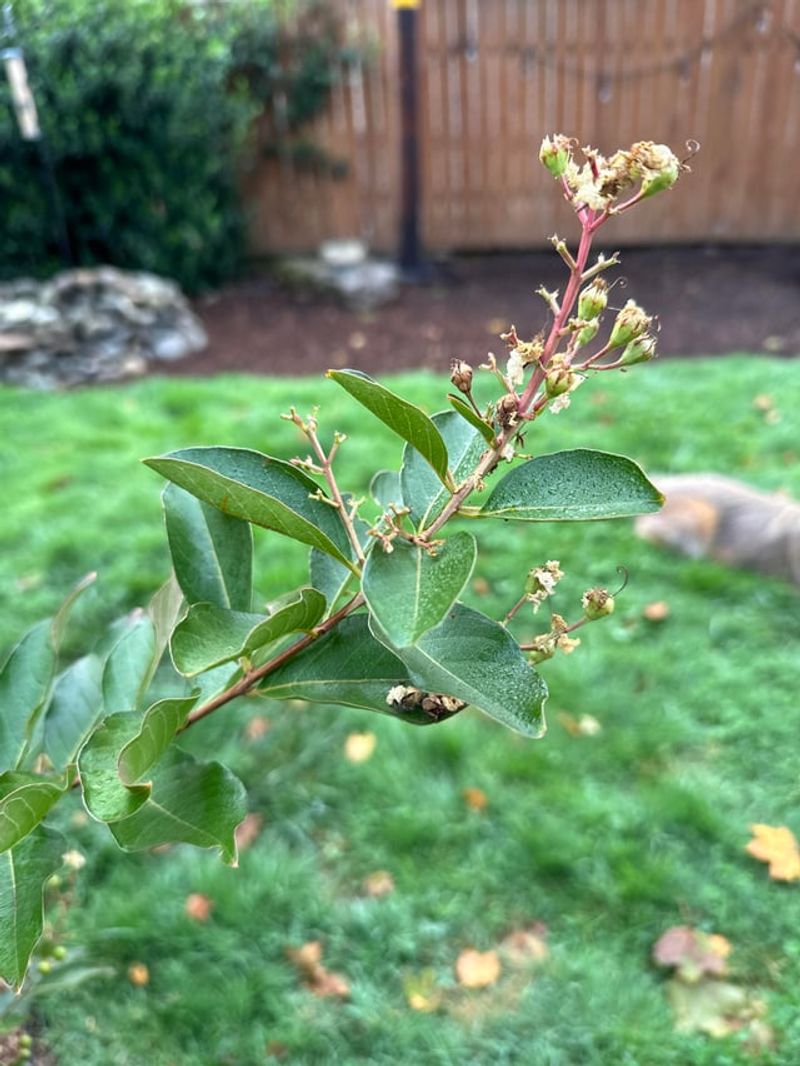
Spotting the first signs of spring on a crape myrtle is easier than most gardeners expect. Tiny green bumps appear at the nodes along the branches, swelling slowly at first and then, almost overnight, pushing out into recognizable leaf buds.
Once that process begins, the tree has officially shifted out of dormancy and into active growth mode.
Pruning after bud break is not catastrophic, but it is less than ideal. Fresh cuts made after active growth begins force the tree to abandon some of the energy already invested in those emerging shoots.
The result is a slight setback in the season’s growth schedule, which can translate to slightly delayed or reduced flowering. In Florida, where spring arrives earlier than in most of the country, this window can close surprisingly fast, sometimes by mid-March in South Florida.
Watching the trees closely through February is the best strategy. If bud swell starts appearing earlier than expected after a warm stretch of weather, prioritize finishing the pruning immediately rather than waiting for a more convenient weekend.
A quick, clean job completed before full bud break is always better than a perfectly planned session that happens a week too late. Finishing on time keeps the tree on track for a strong, healthy growing season.
8. Protect The Classic Vase Shape Gardeners Love
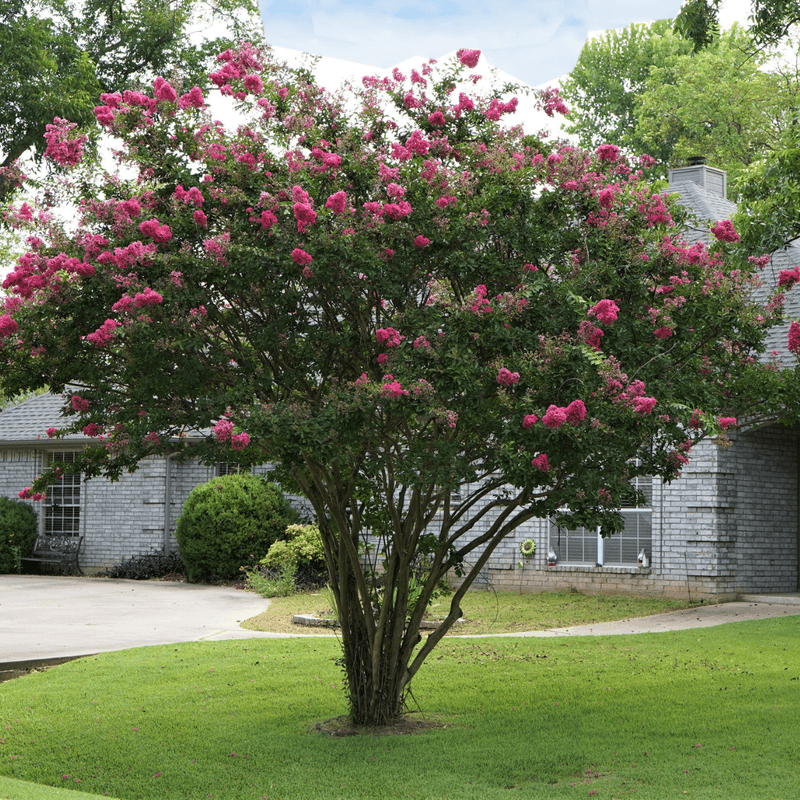
A mature crape myrtle pruned thoughtfully over many years develops one of the most beautiful forms in the landscape. The multi-trunked base fans outward like a vase, smooth bark peels away to reveal layers of warm cinnamon and silver tones, and the canopy arches gracefully overhead.
Protecting that form is one of the best gifts a Florida gardener can give these trees.
Achieving and maintaining the vase shape requires nothing more complicated than removing what does not belong, which means suckers, crossing branches, and crowded interior growth, while leaving the main structural trunks and well-spaced primary branches completely intact.
Resist the urge to cut back healthy branch tips just to make the tree look shorter or neater.
A crape myrtle sized appropriately for its location should never need repeated topping to fit its space.
Choosing the right variety for the right spot is equally important. Florida nurseries carry crape myrtles ranging from compact dwarf selections under four feet tall to stately trees reaching thirty feet.
Matching the mature size of the variety to the available space means pruning can stay light and natural for the entire life of the tree. With the right variety in the right place and a gentle hand with the pruning shears, crape myrtles remain one of Florida’s most rewarding and long-lived landscape plants.