Should Florida Gardeners Trim Firebush Before Spring
Your firebush may look fine at first glance right now, but late winter is exactly when this popular Florida shrub can quietly get out of control. Take a closer look and the signs start to show.
Long stems stretch in different directions. A few branches may look worn from winter.
The plant that looked lush and vibrant last summer suddenly feels a little unruly. That sight makes a lot of Florida gardeners pause with the same thought.
The pruners sit in the shed, spring is only days away, and the question hangs in the air. Cut it back now or leave it alone?
Timing matters more than most people realize. A trim at the wrong moment can slow growth just as the warm season begins.
Wait too long and shaping the plant becomes much harder. The small window right before spring arrives turns out to be the most important moment for getting firebush ready for the months ahead.
1. Yes, Florida Gardeners Should Trim Firebush Before Spring

Pruning firebush before spring is one of the smartest moves a Florida gardener can make. According to University of Florida IFAS Extension guidance, cutting back firebush in late winter before new growth emerges sets the plant up for a strong, healthy season ahead.
The ideal window typically falls between mid-February and early April, depending on where in Florida you garden.
Pruning at this time allows you to remove any cold-damaged wood from winter while the plant is still mostly dormant. Once trimmed, the shrub channels its energy into producing fresh, vigorous new growth as temperatures warm.
Skipping this step often results in a leggy, uneven shrub that produces fewer blooms.
Gardeners who prune too early, say in December or early January, risk exposing fresh cuts and tender new shoots to late frost events, which can set the plant back. Waiting too long and pruning after strong spring growth has started can stress the plant and reduce flowering.
Late winter is truly the sweet spot that gives firebush the best possible head start for a season full of color and wildlife activity in your Florida landscape.
2. Late Winter Is The Best Time To Cut Firebush Back
Timing is everything when it comes to pruning firebush, and late winter delivers the perfect combination of conditions for a successful cut. Cooler temperatures keep the plant relatively dormant, which means it is not actively pushing out new shoots yet.
Pruning during this quieter phase gives the shrub time to heal before the burst of spring growth begins.
In North Florida, late February into early March is generally the best window. Central Florida gardeners can often start pruning from mid-February onward as temperatures begin to climb more quickly.
South Florida is the most forgiving region since the climate stays mild, and gardeners there can prune in mid-February knowing the plant may already be showing some activity year-round.
Cutting firebush back in late winter also makes shaping much easier because you can clearly see the plant’s structure without a dense canopy of leaves and flowers obscuring the branches. A well-timed late winter pruning helps maintain a compact, attractive form and encourages the plant to produce more flowering branches as spring arrives.
Florida gardeners who follow this seasonal rhythm consistently report fuller, more vigorous firebush plants season after season.
3. Wait Until Frost Risk Passes Before Reaching For The Pruners
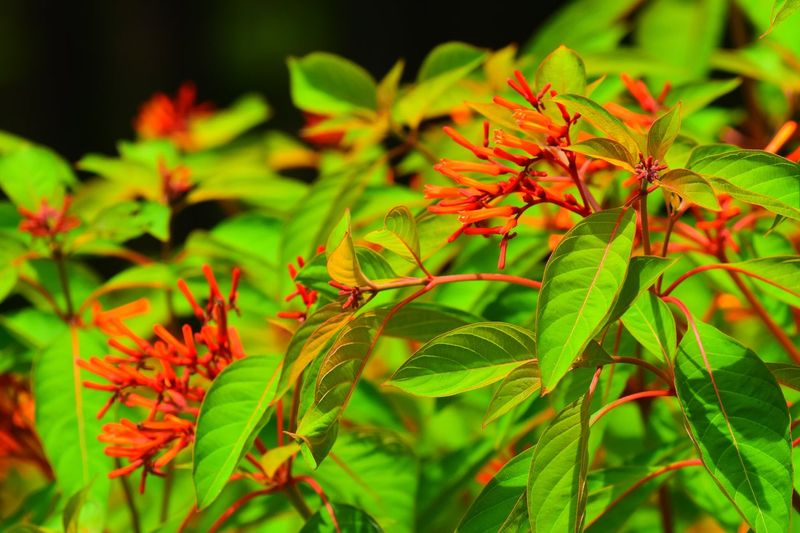
Patience pays off when you are deciding exactly when to start pruning your firebush. North Florida gardeners especially need to keep an eye on the forecast before reaching for their pruning tools.
Frost events in North and Central Florida can happen well into February, and pruning too soon can leave fresh cuts and any emerging new growth exposed to damaging cold temperatures.
Firebush is generally considered cold-hardy to USDA Zone 8b, but a hard frost following a pruning session can cause additional damage to the plant. New shoots that emerge right after pruning are particularly tender and vulnerable to cold snaps.
Waiting until the bulk of frost risk has passed gives those new growth points a much safer start.
A good rule of thumb for North Florida gardeners is to hold off on major pruning until after Valentine’s Day and to keep watching the 10-day forecast. Central Florida gardeners can often begin a bit earlier but should still avoid pruning during a stretch of nights predicted to dip below freezing.
South Florida gardeners face far less frost risk and generally have more flexibility. Checking your local University of Florida IFAS Extension office for regional frost date guidance is always a smart move before you start cutting.
4. Remove Cold Damaged Stems To Encourage Fresh Growth
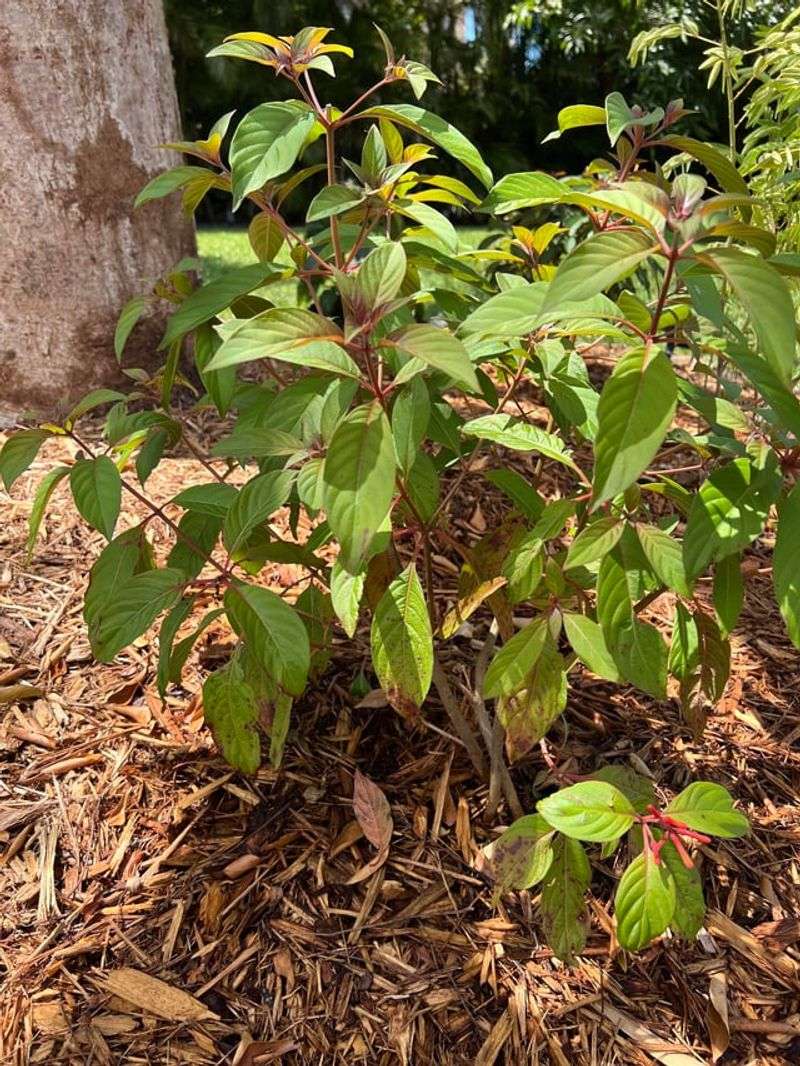
After a chilly Florida winter, firebush stems can show obvious signs of cold damage. Blackened, mushy, or brown hollow stems are clear signals that those sections did not survive the cold and need to come off.
Removing this damaged wood is not just cosmetic, it is actually one of the most important reasons to prune firebush in late winter.
To check whether a stem is truly damaged, scratch the surface lightly with your fingernail or the blade of your pruners. Healthy wood shows green underneath, while damaged wood looks brown or tan inside.
Cut back damaged stems until you reach healthy green tissue, making your cut just above a node or branch junction for the cleanest healing.
Once cold-damaged wood is removed, firebush responds with impressive vigor. Fresh new shoots emerge from the healthy base and along surviving branches, quickly filling in the plant with lush growth.
Leaving withered or damaged stems in place can slow this recovery and may invite fungal problems as the weather warms and humidity rises, which is a common concern in Florida gardens. Taking the time to clear away winter damage gives your firebush a clean, healthy starting point for what is typically a spectacular spring and summer growing season.
5. Give Overgrown Firebush Plants A Quick Shape Up
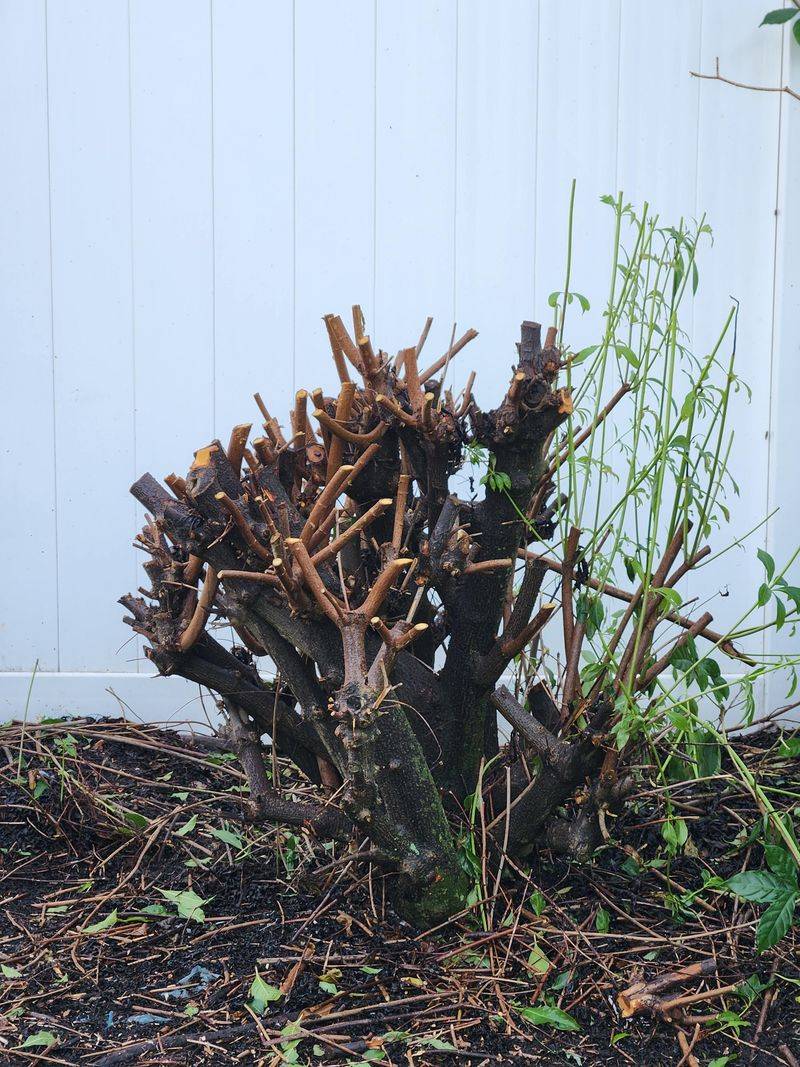
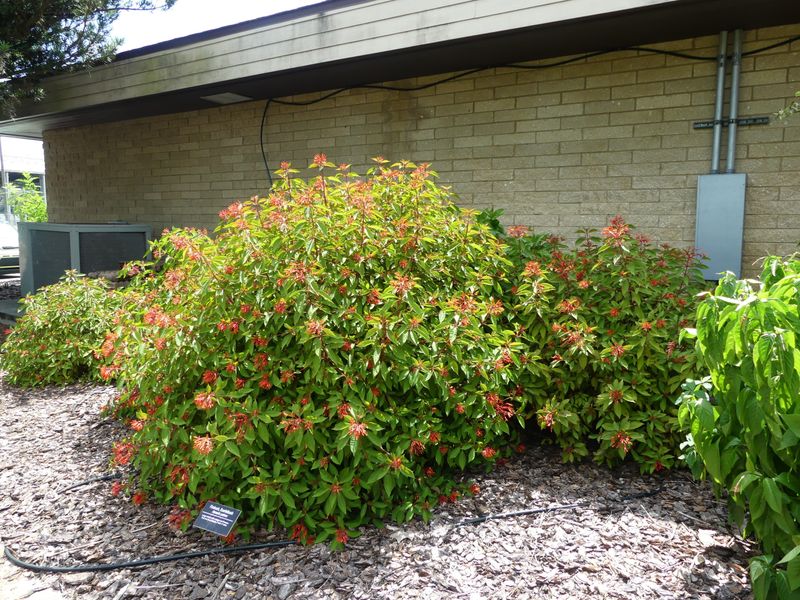
Firebush is a fast grower, and in Florida’s warm climate it can get surprisingly large in just one season. Left unpruned for a year or two, the shrub can sprawl well beyond its original space, with long arching stems that make the plant look wild and unkempt.
Late winter is the perfect opportunity to bring an overgrown firebush back into a manageable, attractive shape.
When shaping your plant, aim to remove no more than one-third of the total plant volume in a single pruning session. This guideline, supported by University of Florida IFAS Extension pruning recommendations, helps prevent unnecessary stress while still allowing you to make meaningful improvements to the plant’s size and form.
Focus on cutting back the longest, most unruly branches first.
Shaping firebush also improves airflow through the interior of the shrub, which reduces the chances of fungal issues in Florida’s humid conditions. A more open, compact plant tends to produce better flowering coverage across the whole shrub rather than just at the branch tips.
Thinning out crowded interior stems lets more light reach the center of the plant, encouraging a fuller, bushier habit that looks great in Florida landscape beds and pollinator gardens throughout the growing season.
6. Avoid Heavy Pruning Once Spring Growth Begins
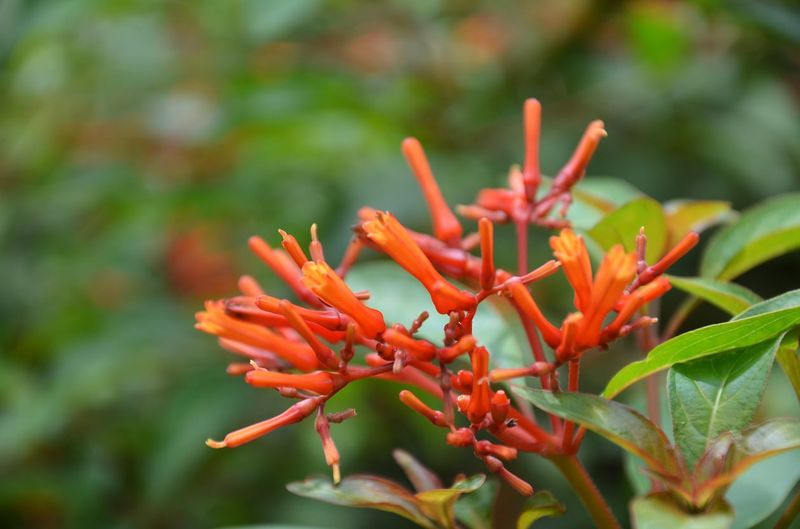
Once firebush kicks into its active spring growth phase, it is best to put the heavy pruning on hold. The plant shifts a tremendous amount of energy into pushing out new leaves, stems, and flower buds during this period, and cutting back large portions of the plant disrupts that process in ways that can set back your blooming season noticeably.
Heavy pruning during active growth removes the very stems that are carrying developing flower buds, which means fewer blooms for you and fewer nectar sources for the hummingbirds and butterflies that love firebush. It also forces the plant to redirect resources away from flowering and back into producing new vegetative growth to replace what was removed.
The result is a plant that blooms later and often less abundantly than one that was pruned at the right time.
If you missed the late winter pruning window, it is better to do light maintenance cuts to remove a few stray branches rather than attempting a major reshaping. Save the heavier work for the following late winter season.
Minor shaping and the removal of crossing or rubbing branches can be done at almost any time of year without causing significant harm to Florida firebush plants, as long as you keep cuts modest and targeted.
7. Use Sharp Clean Pruners To Protect The Shrub
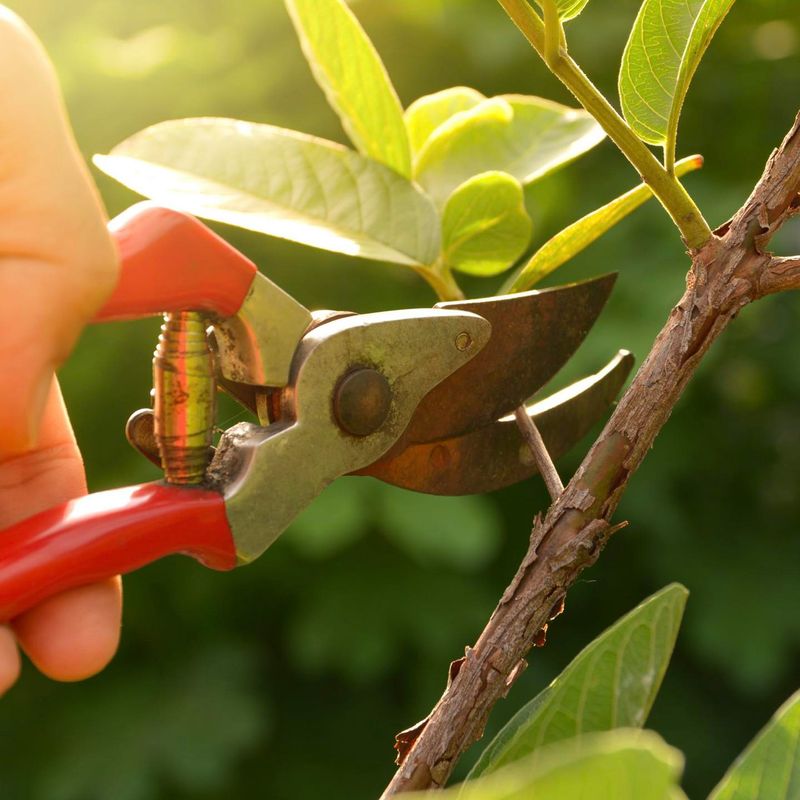
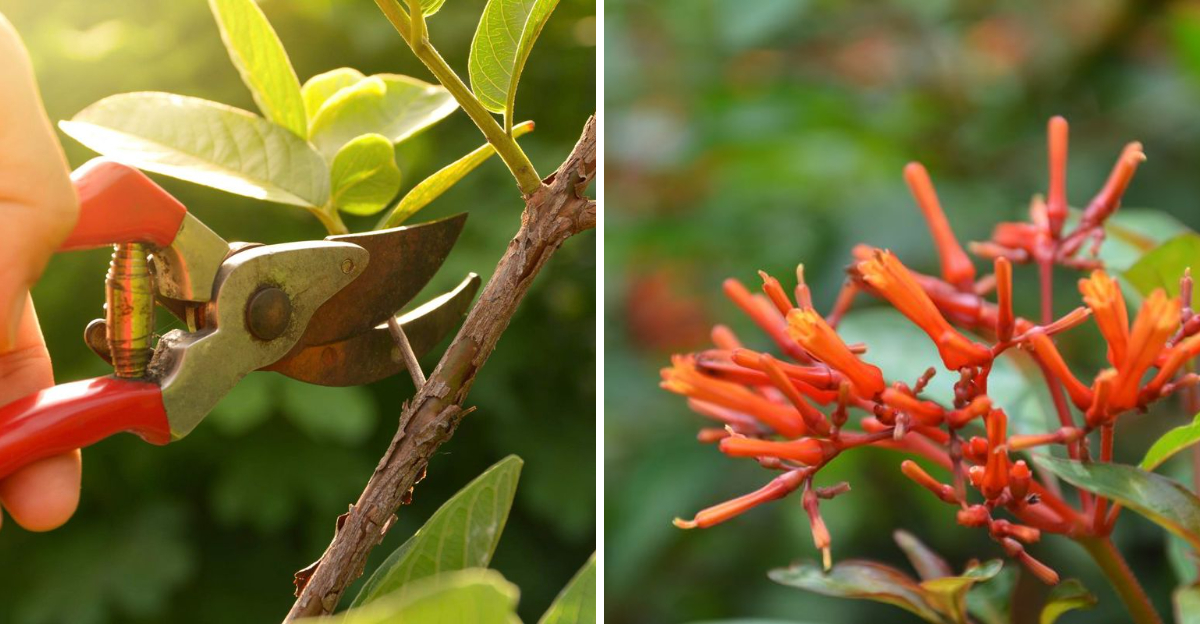
The quality of your pruning tools matters more than many gardeners realize. Dull blades crush and tear plant tissue rather than slicing cleanly through it, leaving ragged wounds that take longer to heal and are more susceptible to disease and pest entry.
Sharp bypass pruners make a clean, precise cut that the plant can seal off efficiently as it enters its spring growth phase.
Equally important is keeping your tools clean. Wiping pruner blades with a disinfectant solution, such as a diluted bleach solution or rubbing alcohol, between plants or between major cuts helps prevent the spread of fungal pathogens and bacterial diseases.
In Florida’s warm, humid environment, plant diseases can spread quickly, so this simple step is genuinely worth taking.
When making cuts on firebush, position your pruners just above a leaf node or branch junction at a slight angle. This encourages water to run off the cut surface rather than pooling, which lowers the risk of rot.
For thicker stems, a pair of loppers provides more leverage and a cleaner cut than forcing small pruners through wood they are not sized for. Investing in quality tools and maintaining them properly is one of the easiest ways to protect the long-term health of your Florida firebush and other garden shrubs.
8. Water And Mulch After Pruning To Help Firebush Recover
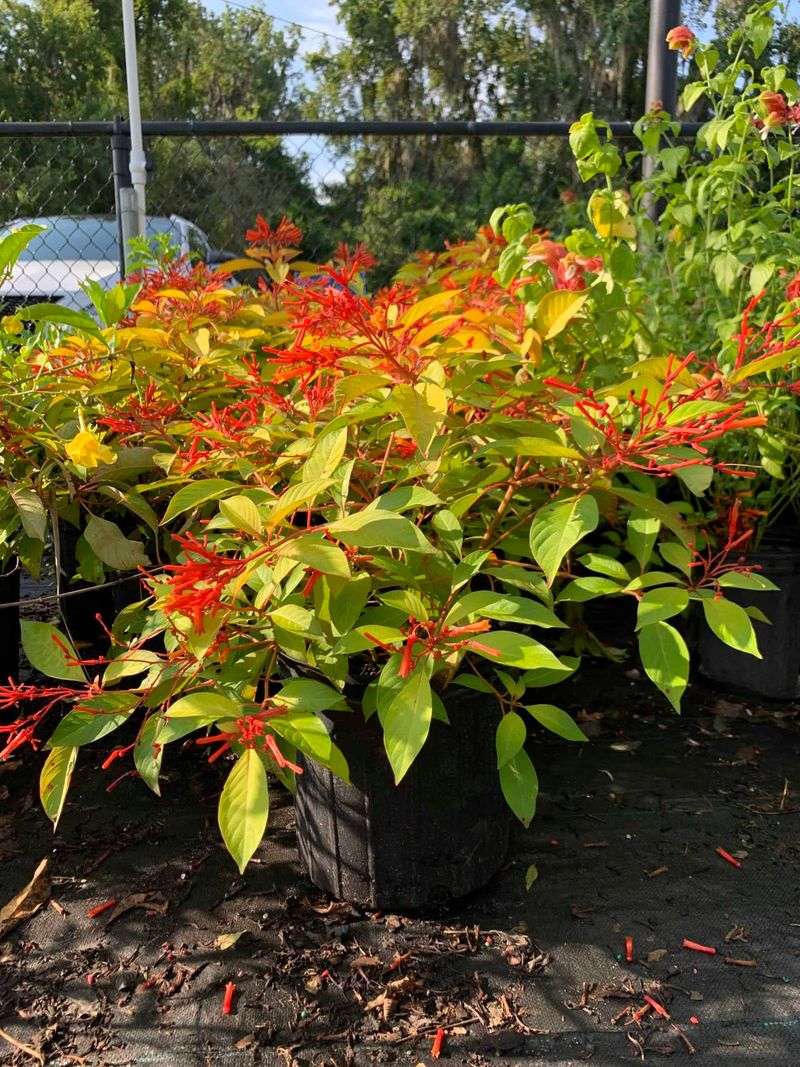
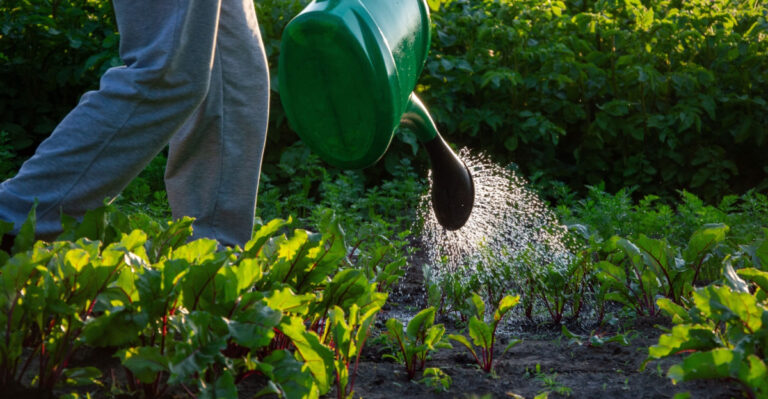
Pruning puts a certain amount of stress on any plant, and giving your firebush a little extra attention right after cutting helps it bounce back quickly. A deep watering session immediately after pruning is a great first step.
Moist soil encourages root activity and supports the flush of new growth that follows a good pruning session in late winter.
Applying a fresh layer of mulch around the base of the shrub is equally helpful. A two to three inch layer of organic mulch, such as pine bark or wood chips, helps the soil retain moisture, moderates soil temperature, and gradually adds nutrients as it breaks down.
Keep the mulch a few inches away from the main stem to avoid creating conditions that encourage rot at the base of the plant.
Firebush is a drought-tolerant Florida native once established, but newly pruned plants benefit from consistent moisture during the first few weeks after cutting while new growth is actively emerging. Avoid heavy fertilization immediately after pruning, since this can push soft, fast growth that is more vulnerable to pest damage.
A light application of a balanced, slow-release fertilizer in early spring, once new growth is clearly underway, is a better approach for supporting steady, healthy recovery across the season.