Should Texas Gardeners Prune Apple Trees Before Spring
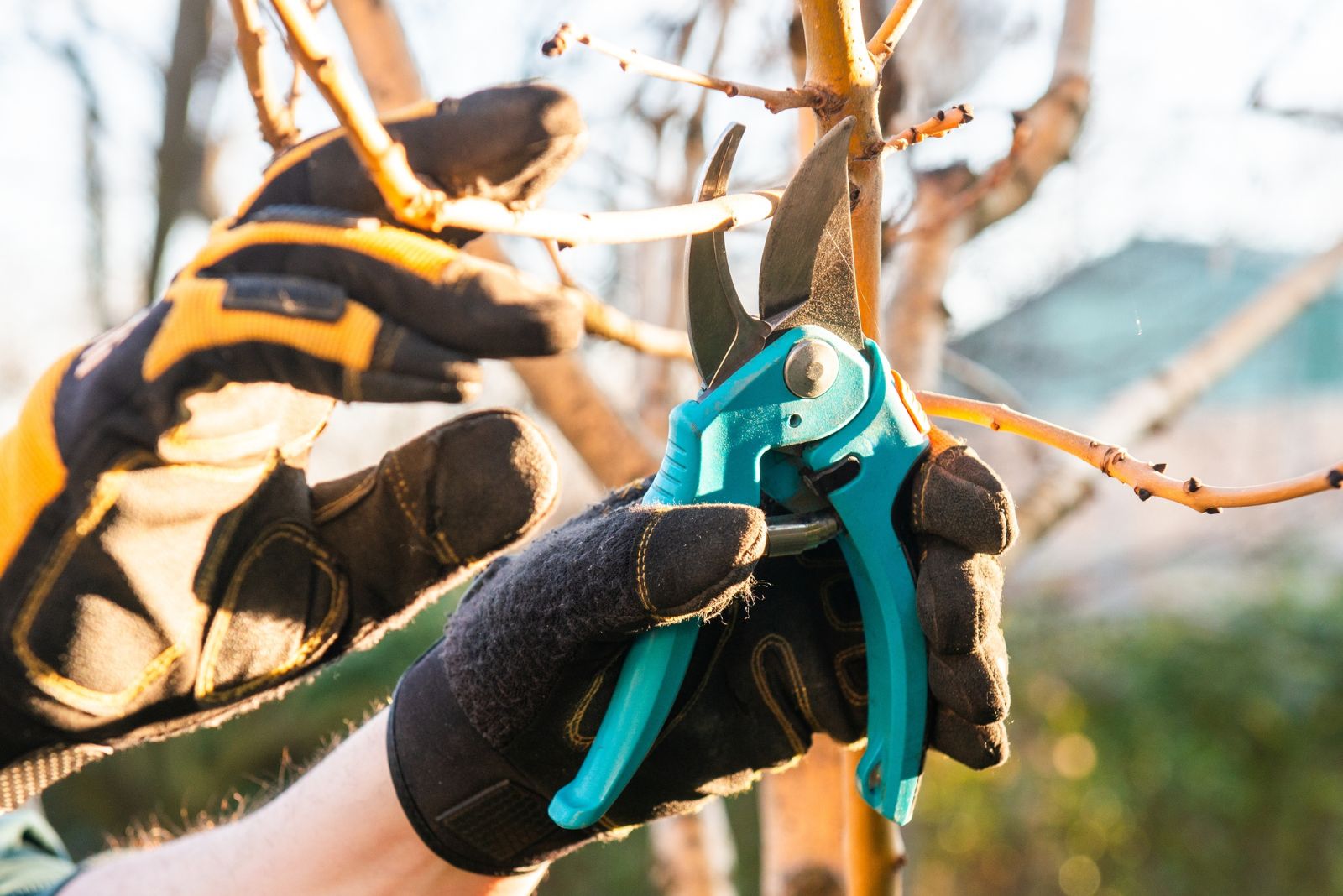
Warm days, mild winters, and long growing seasons make Texas a great place to grow apples, but they also raise plenty of questions for home gardeners. One of the most common debates happens right before spring arrives.
Should apple trees be pruned now, or is it better to wait? Timing can make a big difference in how well your trees grow, how healthy they stay, and how much fruit you end up harvesting later in the year.
Pruning is not just about making a tree look neat. It shapes the structure, improves airflow, and helps sunlight reach the branches where apples develop.
When done at the right time, it can encourage stronger growth and better fruit production. When done at the wrong time, it might stress the tree or reduce the upcoming crop.
Texas gardeners deal with unique conditions, from unpredictable winter temperatures to early warm spells. Understanding when and how to prune apple trees can help you set your orchard up for a productive season.
1. Why Pruning Apple Trees Is Important For Healthy Growth?
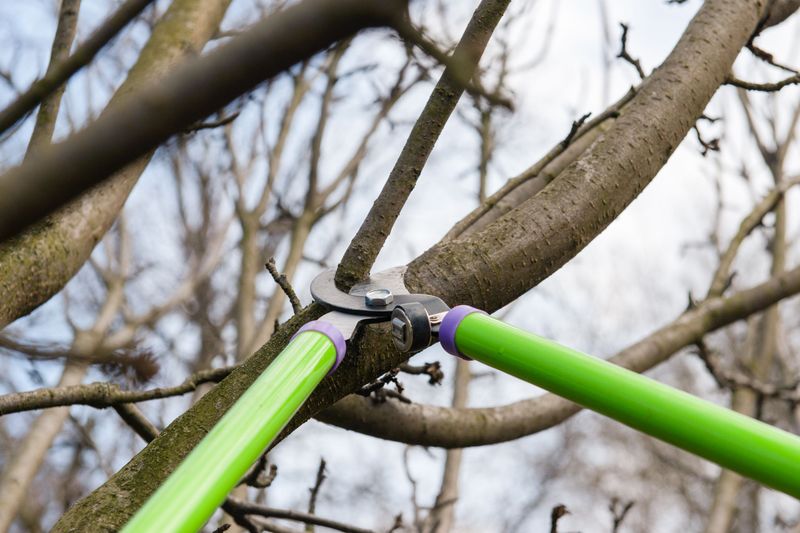
Healthy apple trees do not just happen on their own. Behind every productive, fruit-filled tree is a gardener who takes the time to prune it properly.
Pruning is one of the most valuable tools a Texas gardener has, and understanding why it matters makes the job feel worthwhile.
When you prune an apple tree, you are improving its overall structure. A well-shaped tree can support heavy fruit without branches snapping.
Strong structure also means the tree grows in a balanced way, which keeps it looking neat and manageable in your yard.
Sunlight is another big reason to prune. Apple trees need sunlight to reach as many leaves and developing fruits as possible.
When branches grow too close together, they block the sun. Pruning opens up the canopy so light can reach the inner branches.
Good air circulation is just as important as sunlight. When air moves freely through the tree, moisture does not sit on leaves and branches for long.
Less moisture means fewer chances for fungal diseases to take hold, which is especially helpful in humid parts of Texas.
Pruning also encourages better fruit production. When a tree spends less energy on weak or overcrowded branches, it puts more energy into growing quality fruit. Fewer but stronger branches mean bigger, tastier apples at harvest time.
Finally, regular pruning keeps the tree at a manageable size. A smaller, well-maintained tree is easier to water, spray, and harvest.
For Texas gardeners working in tight spaces or backyard orchards, that kind of control makes a real difference every season.
2. When Is The Best Time To Prune Apple Trees In Texas?
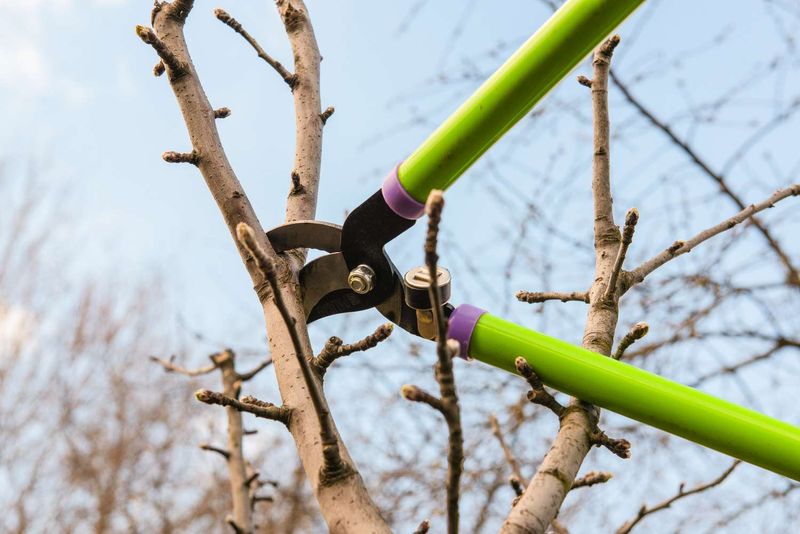
Timing is everything when it comes to pruning apple trees in Texas. Prune too early or too late, and you could set your tree back instead of helping it move forward. Knowing the right window makes all the difference for a strong spring season.
Apple trees should be pruned during their dormant period. This is the time when the tree is resting and not actively growing.
For most of Texas, that window falls between late January and early March, just before new spring growth begins to show.
However, Texas is a big state, and timing can shift depending on where you live. In Central and East Texas, late January through March is the ideal range.
Trees in these areas follow a fairly predictable dormant pattern, making it easier to plan your pruning schedule.
If you garden in North Texas or the Panhandle, wait until late February or early March before picking up your pruning shears. These areas can still experience late freezes, and pruning too early may leave fresh cuts exposed to cold snaps that could cause damage.
Gardeners in South Texas and along the Gulf Coast can actually start pruning earlier, sometimes as soon as late December or January.
Warmer temperatures in these regions mean trees break dormancy sooner, so earlier pruning lines up better with the local growing cycle.
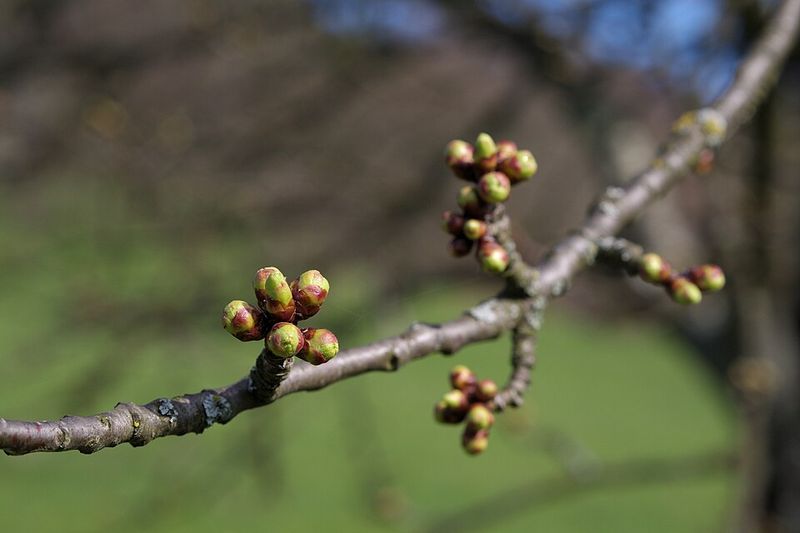
Paying attention to your specific region in Texas helps you prune at exactly the right moment. Watch the tree for signs that buds are still tight and closed.
That is your green light to get started and prepare your apple tree for a productive spring ahead.
3. Why Late Winter Pruning Works Best Before Spring?
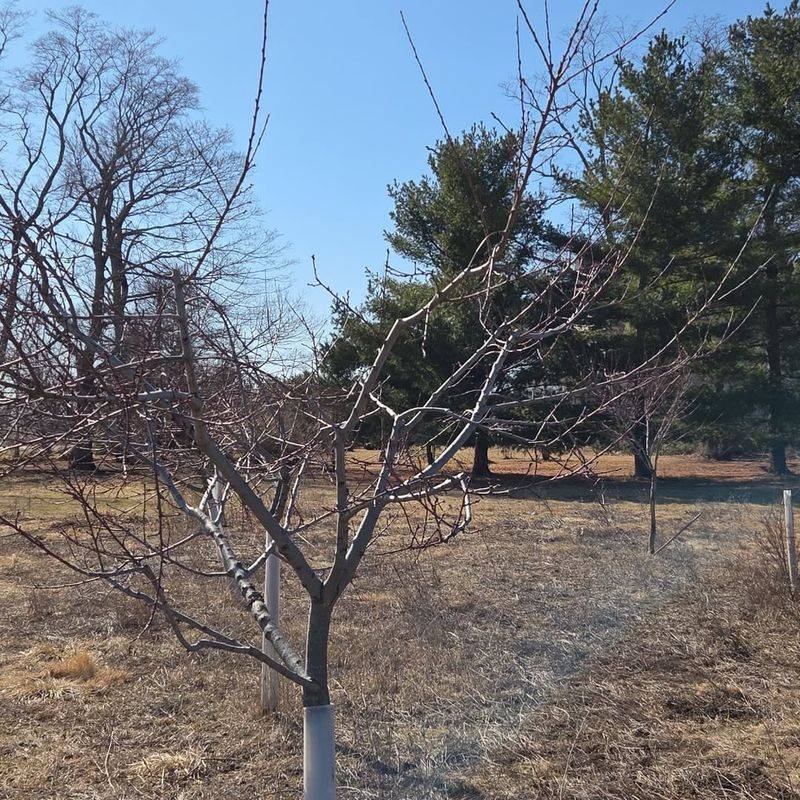
Late winter might feel like an odd time to head outside and start cutting branches, but for apple trees in Texas, it is actually the smartest move you can make. The secret lies in the tree’s natural rhythm of rest and renewal.
During late winter, apple trees are fully dormant. That means all the energy stored in the roots and trunk is just waiting to be used when warmer weather arrives.
Because the tree is not actively growing, pruning during this time causes much less stress compared to cutting during the spring or summer months.
One of the biggest advantages of dormant pruning is visibility. Without leaves covering everything, you can clearly see the entire branch structure.
It is much easier to spot crossing branches, crowded areas, and dry wood when the tree is bare. This helps you make smarter, more precise cuts.
Cuts made during late winter also heal faster. Once spring growth kicks in, the tree pushes out new tissue that quickly covers and seals pruning wounds.
A fast-healing cut is less likely to become an entry point for disease or pests, which is a real concern in Texas gardens.
Pruning just before spring also means the tree channels its energy directly into new, healthy growth right after the cuts are made. You are essentially setting the stage for a strong growing season by removing what is not needed before the tree wakes up.
Think of late winter pruning as giving your apple tree a fresh start. With the old and overcrowded wood removed, the tree enters spring lighter, stronger, and ready to put all its energy into producing fruit.
4. How To Properly Prune Apple Trees Step By Step?
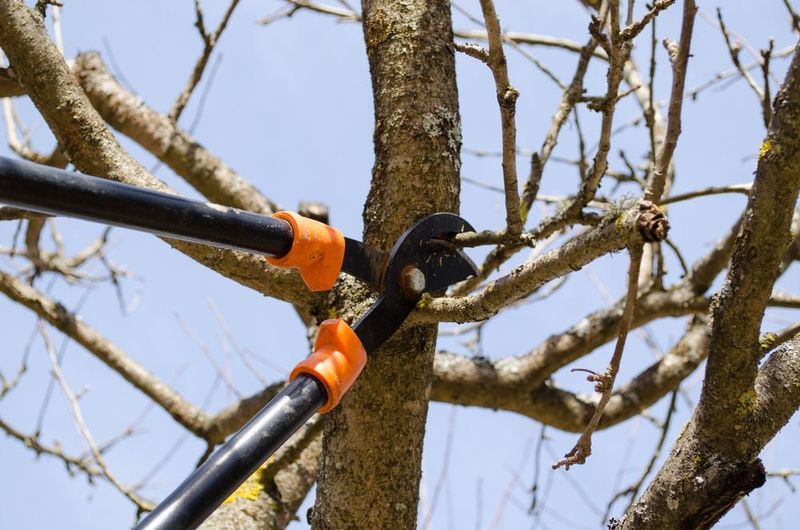
Grabbing a pair of pruning shears and heading outside is exciting, but having a clear plan before you start makes the whole process go much more smoothly. Pruning apple trees the right way does not require professional training, just a few simple steps and a little patience.
Start by gathering the right tools. You will need sharp pruning shears for small branches, loppers for medium ones, and a pruning saw for anything thicker than two inches.
Clean, sharp tools make cleaner cuts, which heal faster and reduce the risk of spreading disease between trees.
Begin by removing any dry or damaged branches first. These are easy to spot during dormancy because they look dry, brittle, or discolored.
Getting rid of them right away clears the way for the rest of your pruning work and improves the tree’s overall health.
Next, look for branches that are crossing or rubbing against each other. When two branches touch constantly, they can create wounds that invite pests and disease. Remove the weaker of the two crossing branches to open up space and reduce friction.
After that, thin out crowded areas inside the canopy. Your goal is to allow sunlight and fresh air to reach every part of the tree.
A good rule of thumb is that you should be able to toss a baseball through the canopy without hitting too many branches.
Always cut just outside the branch collar, which is the slightly swollen area where the branch meets the trunk or a larger limb.
Avoid leaving long stubs, and never cut flush against the trunk. Proper cuts heal cleanly and keep your Texas apple tree growing strong for years ahead.
5. Common Apple Tree Pruning Mistakes Texas Gardeners Should Avoid
Even experienced gardeners make pruning mistakes from time to time. Knowing what to watch out for can save your apple tree from unnecessary stress and keep it producing fruit season after season across Texas.
One of the most common mistakes is pruning too late in the spring. Once a tree has leafed out and is actively growing, pruning becomes much harder on the plant.
New growth gets removed along with the old wood, and the tree has to work double time to recover. Stick to the late winter window whenever possible.
Removing too many branches at one time is another problem Texas gardeners run into. A general guideline is to remove no more than one-quarter of the tree’s total canopy in a single season.
Taking off too much at once can shock the tree and lead to weak, fast-growing sprouts called water sprouts that take up space without producing fruit.
Leaving long stubs behind is also a mistake worth avoiding. Stubs do not heal properly and often become entry points for insects and fungal infections.
Always cut back to a healthy bud, lateral branch, or the branch collar to ensure a clean and proper healing process.
Using dull or dirty tools might seem like a small issue, but it can cause real problems. Dull blades tear wood instead of cutting it cleanly, which slows healing and increases disease risk.
Wipe your tools with rubbing alcohol between trees to avoid spreading any potential pathogens from one apple tree to another in your Texas garden.
Avoiding these mistakes keeps your apple tree in great shape and ensures a healthier, more productive harvest every year.
6. Tips For Growing Healthy Apple Trees In Texas
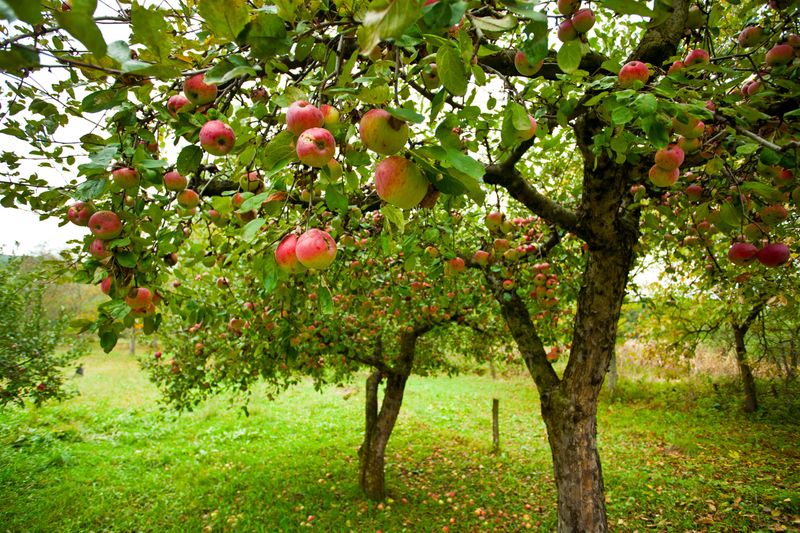
Growing apple trees in Texas comes with its own set of challenges, but with the right approach, you can absolutely enjoy a healthy and productive tree in your own backyard. A few smart choices from the start go a long way toward success.
Choosing the right apple variety is the most important decision you will make. Texas summers are hot and winters are mild, which means most standard apple varieties do not get enough cold hours to produce well.
Look for low-chill varieties like Anna, Dorsett Golden, or Einshemer, which are specifically suited for the Texas climate and require fewer cold hours to set fruit.
Planting location matters just as much as variety selection. Apple trees need full sun, which means at least six to eight hours of direct sunlight each day.
Choose a spot with well-draining soil and good airflow around the planting area to reduce the chances of fungal problems.
Watering consistently is key, especially during the first few years when the tree is establishing its root system. Deep watering once or twice a week during dry spells encourages roots to grow downward rather than staying shallow near the surface.
Mulching around the base of the tree helps hold moisture in and keeps the soil temperature stable.
Keep an eye out for common pests and diseases throughout the growing season. Codling moths, aphids, and fire blight are among the issues Texas gardeners may encounter. Catching problems early makes them much easier to manage before they spread.
With the right variety, proper sunlight, steady watering, and regular pruning each late winter, your Texas apple tree will reward you with beautiful blooms and a great harvest year after year.