Should Texas Gardeners Prune Bird Of Paradise Before Spring

Bright, tropical blooms and bold leaves make bird of paradise a standout plant in many Texas gardens. Its large, paddle shaped foliage adds a dramatic touch to patios, entryways, and sunny landscape beds.
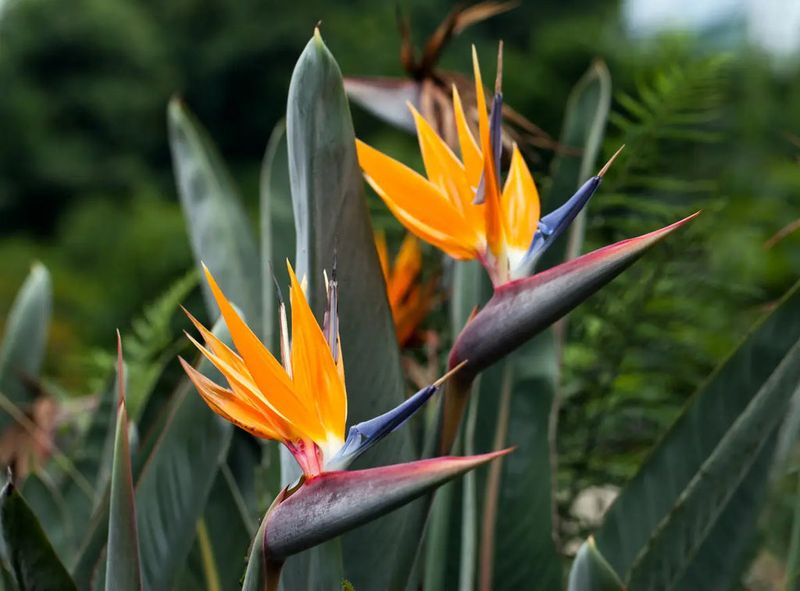
When the plant is healthy, it can produce those famous orange and blue flowers that look almost like a bird in flight. With so much beauty on display, it is no surprise that gardeners want to care for it the right way.
One question that often comes up as winter begins to fade is whether bird of paradise should be pruned before spring arrives.
Some gardeners feel tempted to start trimming as soon as the weather warms slightly, hoping to tidy up the plant before the growing season begins.
The timing, however, can make a real difference in how well the plant performs. Knowing when to prune helps protect new growth and encourages stronger plants that are ready to flourish as Texas gardens wake up for spring.
Why Pruning Bird Of Paradise Matters?

Pruning your Bird of Paradise is one of the best things you can do to keep it looking great. Many gardeners in Texas skip this step, but a little trimming goes a long way. Healthy plants start with good habits, and pruning is right at the top of the list.
When you remove old leaves and spent flower stalks, the plant can put more energy into growing new, healthy foliage and fresh blooms. Think of it like clearing clutter from a room. Once the old stuff is gone, there is more space and energy for the good things to grow.
Pruning also helps improve the overall shape of your Bird of Paradise. Over time, plants can get a little wild and unruly, especially in the warm Texas climate where they grow fast. Trimming keeps things tidy and manageable in your yard or garden bed.
Another big reason to prune is pest and disease prevention. Dry or damaged leaves can attract insects and create spots where fungal problems take hold.
Removing that material reduces the risk and keeps your plant cleaner and stronger through every season.
Many Texas gardeners are surprised to learn how much better their Bird of Paradise looks after just one good pruning session. The plant seems to breathe easier, and new growth often appears within a few weeks.
It is a rewarding experience to watch your plant respond so quickly to a little care and attention.
Regular pruning, done at the right time, sets your Bird of Paradise up for a strong and vibrant growing season in Texas.
When Texas Gardeners Should Prune Bird Of Paradise?

Timing is everything when it comes to pruning Bird of Paradise in Texas. Prune too early, and you might expose tender new growth to a late frost.
Prune too late, and you could slow down the plant’s natural spring momentum. Getting the timing right gives your plant the best possible start.
For most Texas gardeners, late winter to early spring is the sweet spot. This usually falls somewhere between late January and early March, depending on where you live in the state. The goal is to prune just before the plant enters its most active growing phase.
Waiting until the risk of hard frost has passed is a smart move. Texas winters can be unpredictable, and a sudden cold snap after pruning can set your plant back significantly.
Keep an eye on the weather forecast and hold off if temperatures are expected to drop below freezing.
A good rule of thumb is to look for signs of new growth at the base of the plant. When you start to see fresh green shoots pushing up from the soil, that is a strong signal that it is safe to prune. Your Bird of Paradise is telling you it is ready.
Gardeners in South Texas can often prune a bit earlier because winters there are milder. Those in North Texas should be more patient and wait a little longer into the season.
No matter where you are in Texas, paying attention to your local weather patterns will help you choose the perfect pruning window every year.
How Texas Climate Affects Pruning Timing
Texas is a big state, and the climate varies a lot from one region to another. That means pruning timing for Bird of Paradise is not one-size-fits-all.
Where you live in Texas plays a huge role in when you should grab those pruning shears.
South Texas gardeners enjoy mild winters with rarely any hard freezes. In cities like McAllen or Corpus Christi, Bird of Paradise can practically be pruned as early as late January.
The warmer temperatures allow the plant to bounce back quickly and start producing new growth almost right away.
Central Texas, including areas around Austin and San Antonio, sits in the middle ground. Winters here can bring occasional freezes, so most gardeners in this region should wait until late February or early March.
Watching local frost dates closely will help you make the call with confidence. North Texas is a different story. Cities like Dallas and Fort Worth can see cold snaps well into March.
Bird of Paradise plants in this region are more vulnerable to cold damage after pruning, so patience really pays off. Waiting until early spring, when temperatures consistently stay above freezing at night, is the safest approach.
Understanding your USDA hardiness zone in Texas also helps. The state spans zones 6b through 9b, which is a wide range.
Gardeners in zone 9 can treat Bird of Paradise almost like a year-round plant, while those in zone 7 need to be more cautious with timing and winter protection. Knowing your zone makes pruning decisions much easier no matter where you garden in Texas.
Signs Your Bird Of Paradise Needs Pruning

Your Bird of Paradise will usually tell you when it needs a trim. You just have to know what to look for.
Catching these signs early means you can act before the plant’s health and appearance start to suffer through the Texas growing season.
One of the most obvious signs is dry or frost-damaged leaves. After a cold Texas winter, some leaves may turn brown, mushy, or crispy.
These leaves are not going to recover, and leaving them on the plant just wastes energy and creates an entry point for pests and disease.
Old flower stalks that have finished blooming are another clear signal. Once a stalk has produced its flowers and they have faded, that stalk will not bloom again.
Removing it allows the plant to redirect energy toward producing new flower stalks and fresh foliage.
Crowded or overlapping foliage is also worth paying attention to. When leaves pile up on top of each other, air circulation decreases and moisture gets trapped.
That kind of environment invites fungal problems, which can spread quickly in Texas humidity, especially along the Gulf Coast.
Sometimes the center of the plant can start to look messy or congested. Older, tattered leaves in the middle of the clump can block sunlight from reaching newer growth. Clearing those out opens up the plant and lets it breathe.
If your Bird of Paradise just looks tired and overgrown, trust your instincts. A good pruning session can completely transform how the plant looks and feels.
Texas gardeners who stay observant will always know the right moment to step in and help their plants thrive.
How To Prune Bird Of Paradise Properly?

Pruning Bird of Paradise does not have to be complicated, but doing it the right way makes a real difference. A few simple steps will help you get the job done safely and effectively without stressing your plant out before spring.
Always start with clean, sharp pruning tools. Dull blades can crush stems instead of cutting them cleanly, which makes it harder for the plant to heal.
Wipe your shears with a disinfectant before and after use to avoid spreading any disease from plant to plant in your Texas garden.
When removing damaged or dry leaves, cut as close to the base of the stem as possible. Do not leave a long stub sticking up, as this can become a spot where pests or rot settle in. A clean cut right at the base looks better and heals faster.
For spent flower stalks, trace the stalk all the way down to where it meets the base of the plant. Cut it off cleanly at that point.
Removing the entire stalk encourages the plant to produce new blooms rather than trying to support a stalk that has already done its job.
Avoid removing more than one-third of the plant at one time. Taking off too much at once can stress the Bird of Paradise and slow down its spring recovery.
If the plant is very overgrown, it is better to spread the pruning over two sessions rather than doing it all at once.
Wear gloves when pruning because the sap from Bird of Paradise can irritate skin. Work carefully and take your time.
Texas gardeners who prune with patience and precision always get the best results from their plants.
Care Tips After Pruning

Once the pruning is done, your Bird of Paradise needs a little extra love to get back on its feet. Post-pruning care is just as important as the pruning itself, especially in Texas where spring temperatures can rise quickly and push plants into fast growth mode.
Watering is the first priority after pruning. As the plant begins its active growing phase in spring, it will need consistent moisture to support new leaf and flower production.
Water deeply but do not overdo it. Bird of Paradise does not like soggy soil, so make sure your garden bed drains well.
Applying a balanced fertilizer after pruning gives the plant the nutrients it needs to fuel new growth. A slow-release granular fertilizer works great for outdoor Bird of Paradise plants in Texas.
Apply it according to the package directions and water it in well so the nutrients reach the root zone.
Mulching around the base of the plant is another smart move. A two to three inch layer of mulch helps retain soil moisture, keeps roots cool as Texas temperatures climb, and reduces weed competition.
Just keep the mulch a few inches away from the main stem to prevent rot. Watch for pests as the weather warms up. Aphids, mealybugs, and scale insects love to move in on fresh new growth.
Check your plant regularly and treat any pest problems early before they get out of hand. A gentle spray of insecticidal soap works well for most common pests found in Texas gardens.
With a little consistent care after pruning, your Bird of Paradise will reward you with strong, lush growth and gorgeous blooms all through the Texas spring and summer season.