This Summer Watering Mistake Can Leave Christmas Cactus Limp
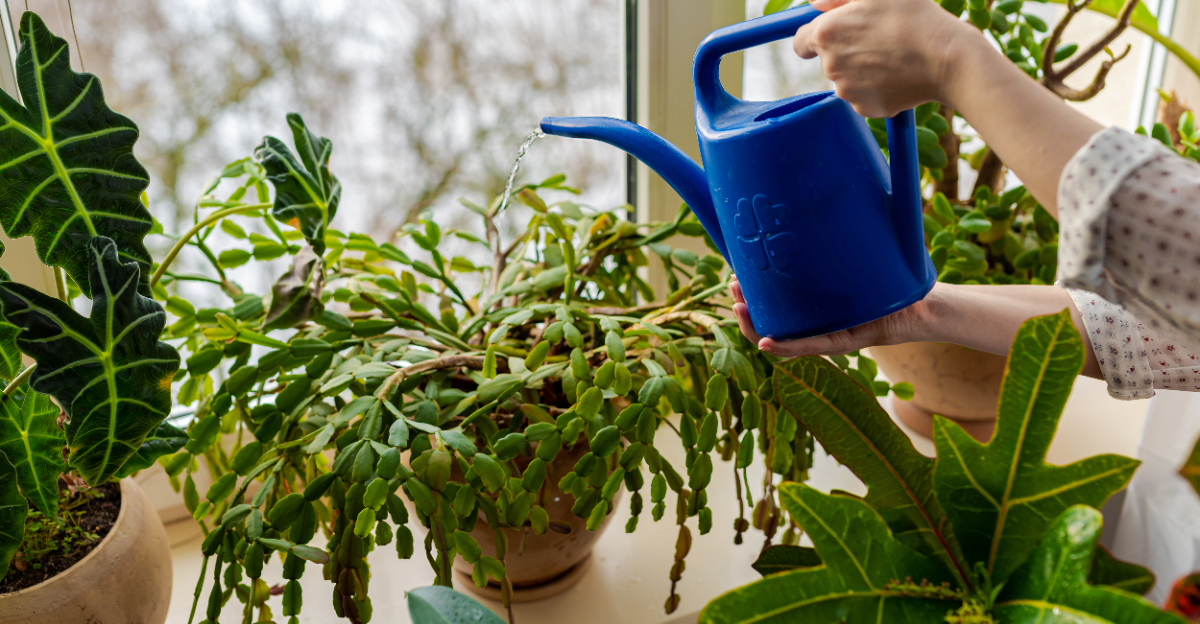
Your Christmas cactus thrived through the holidays, yet something has clearly shifted since summer arrived. Limp stems now signal trouble brewing beneath the soil surface.
Water, not heat, is quietly destroying this plant’s root system right now. Brazilian rainforests raised this plant, not desert soil, yet even humidity-loving roots despise standing water.
Growth actually accelerates once summer heat sets in, and that shift changes how quickly the roots can handle moisture. Soggy soil traps moisture around fragile roots, triggering rot long before flopping stems reveal it.
Grasping how this dormant summer cycle works changes everything about your watering approach. Fixing the problem takes less effort than most people assume, provided you know where to look.
Ignore this window and your Christmas cactus may never recover in time for the holidays.
Overwatering Causes Root Rot And Limp Stems
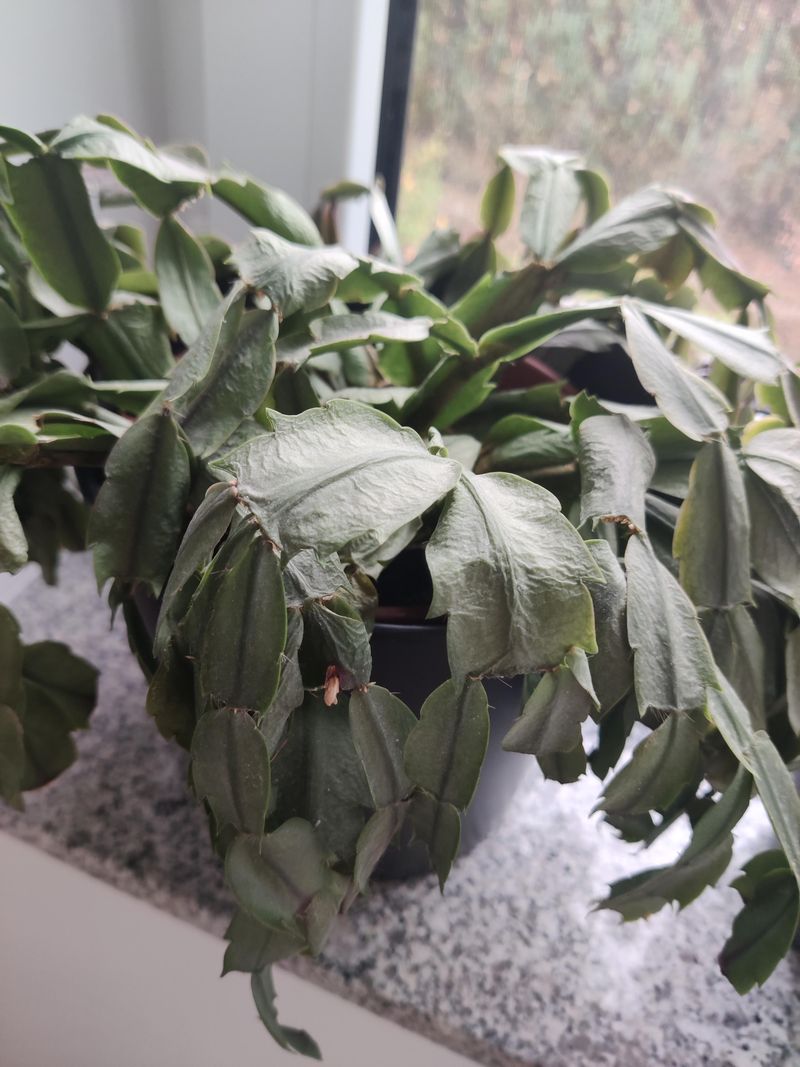
Your plant looked healthy last week, and now it is drooping like a wet sock. Overwatering is one of the most common reasons a Christmas cactus goes limp during summer months.
When roots sit in soggy soil, they cannot breathe. They begin to break down in a process called root rot, which cuts off water and nutrients to the rest of the plant.
Here is the cruel irony: the plant looks thirsty, so you water it more. That extra water makes the rot spread faster and the stems get limper.
Root rot is caused by fungi that love wet, oxygen-poor conditions. Once those fungi take hold, they move quickly through the root system and into the base of the stems.
The stems turn soft and mushy near the soil line. That mushiness is a red flag that the damage has already moved past the roots.
Summer is especially risky because growth speeds up during warmer months, and a rigid watering routine can’t keep pace with how fast the plant’s actual needs shift.
Most people water on autopilot and never adjust for the season. Changing that one habit can protect your Christmas cactus from a painful and preventable decline.
Catching root rot early gives you a real shot at saving the plant. Act fast, and your cactus can still have a strong recovery before the holidays roll around.
Poor Drainage Traps Excess Moisture In Soil
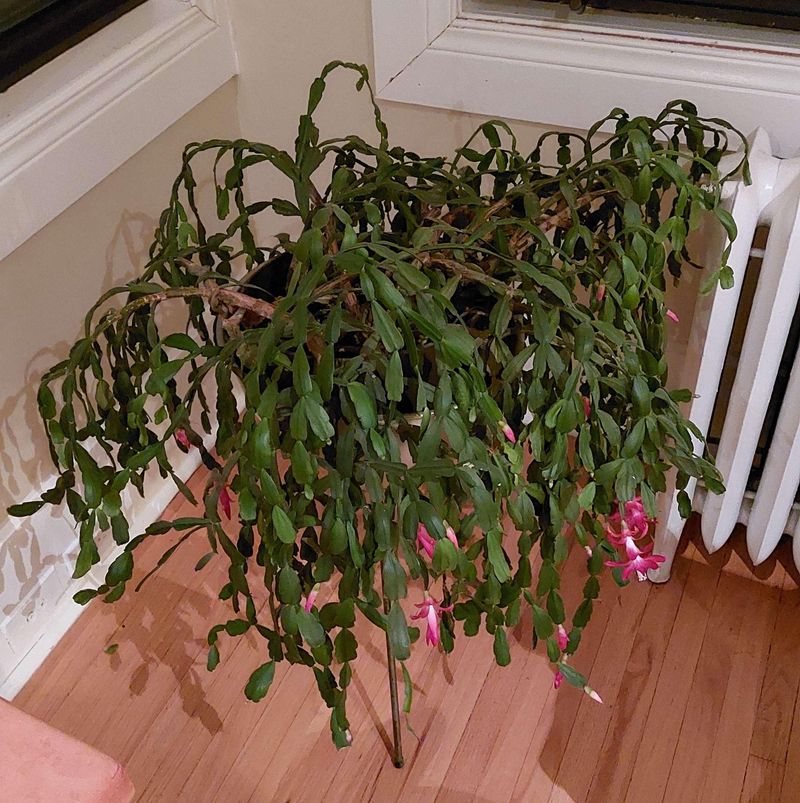
Even careful waterers can waterlog a Christmas cactus if the pot has no drainage. Poor drainage is a silent troublemaker that traps moisture long after watering is done.
Water needs somewhere to go after it soaks into the soil. Without drainage holes, it collects at the bottom of the pot and creates a wet zone that roots cannot escape.
Some pots have holes but sit in saucers that fill up and never get emptied. That standing water wicks back up into the soil and keeps everything saturated around the clock.
Heavy potting mixes make the situation worse. Regular garden soil or dense potting blends hold moisture like a sponge and do not allow air to circulate around the roots.
A good mix for Christmas cactus includes perlite or coarse sand blended with standard potting soil. That combination drains fast and dries out at a pace the plant actually enjoys.
Terracotta pots are a smart upgrade if you tend to overwater. They pull moisture through their walls, which helps the soil dry out more evenly between watering sessions.
Check your saucer every time you water and dump out any collected liquid within thirty minutes. That one small step removes a major source of hidden moisture that most gardeners overlook.
Good drainage matters more for this plant than most people realize. Think of it as the foundation that makes every other good watering habit actually work the way it should.
Watering On A Fixed Schedule Ignores Plant Needs
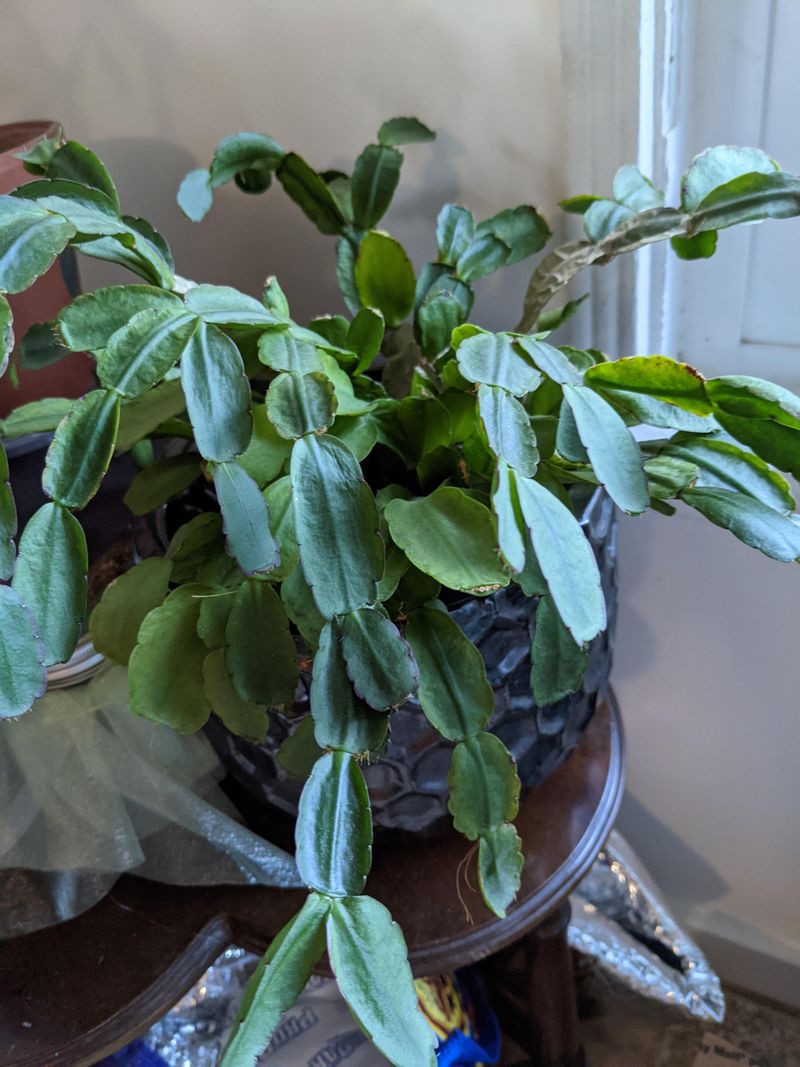
Watering every Tuesday whether the plant needs it or not sounds organized, but it sets your Christmas cactus up for trouble. Plants do not follow calendars, and their water needs shift with the seasons.
During summer, a Christmas cactus enters its most active growth phase. Its water needs shift quickly, and a routine built for another season stops matching what the roots can actually absorb.
A schedule that worked in March can absolutely wreck the same plant by July. The soil simply does not dry out fast enough to keep up with a fixed routine.
Temperature, humidity, pot size, and light levels all affect how quickly soil dries. A cloudy week indoors can mean the soil stays wet three or four days longer than expected.
Watering by feel rather than frequency is a smarter approach for this plant. Stick your finger about an inch into the soil and only water when it feels dry at that depth.
Some experienced growers use a wooden chopstick or a moisture meter for a more accurate read. Both tools give you real information instead of guesswork based on the date.
Adjusting your habits to match the plant’s actual condition takes a little practice. But once you stop following the clock and start reading the soil, your Christmas cactus will reward you with stronger, firmer stems.
Flexibility is the key skill every plant parent needs to develop. Rigid routines feel safe, but they often cause the very problems you are trying to prevent.
Signs The Soil Is Already Too Wet
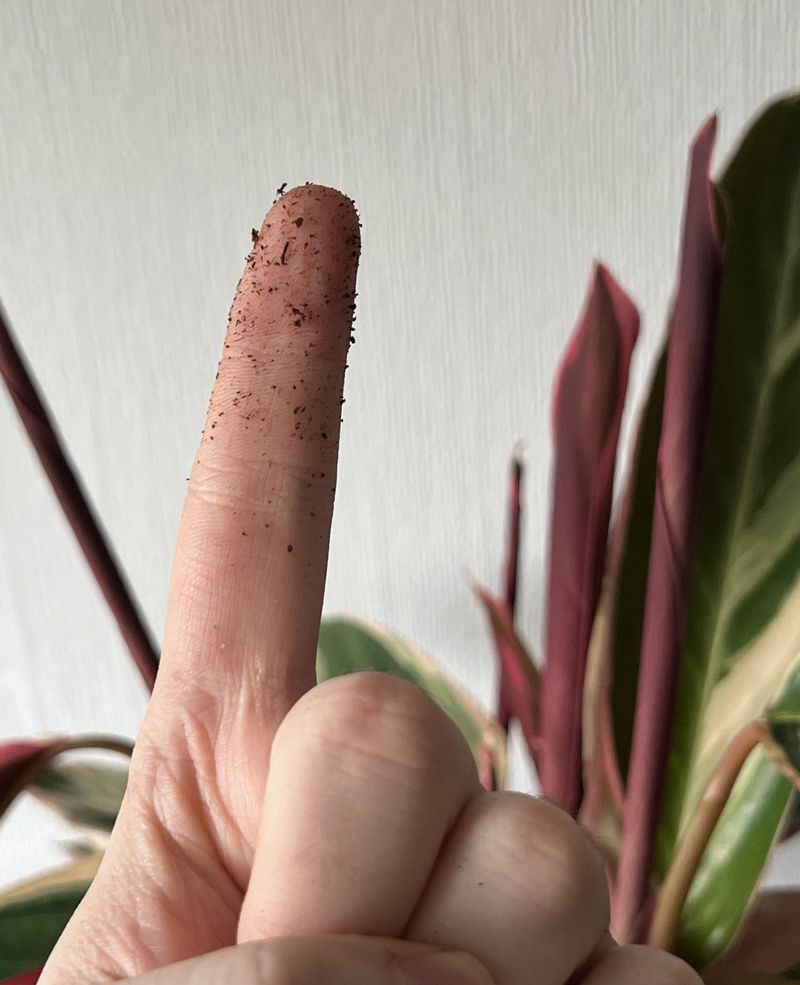
Your soil is telling you something, and it pays to listen before the damage spreads. Learning to spot the signs of overly wet soil can save your Christmas cactus before root rot takes hold.
The most obvious clue is soil that feels cool and damp to the touch even days after you last watered. Healthy soil should feel slightly dry at the surface within a day or two in warm weather.
Dark, almost black soil that clumps together heavily is another warning sign. That color and texture usually mean the mix is holding far more water than the roots can handle.
A musty or sour smell coming from the pot is a serious red flag. That odor often means anaerobic bacteria or fungi are already active in the waterlogged soil.
Look at the plant itself for more clues. Limp or translucent stem segments are a sign the cells are waterlogged rather than firm and hydrated the way healthy segments should be.
Yellowing near the base of the plant often signals stress from wet roots. It can look similar to drought stress, which is why so many people accidentally make the problem worse.
Tiny fungus gnats flying around the pot are another giveaway. They breed in moist soil and their presence almost always means the top layer of the mix is staying too wet.
Trust your senses when you check on your plant. Wet, smelly, dark soil combined with a drooping Christmas cactus is a combination that demands action right away.
The Right Way To Check Before Watering
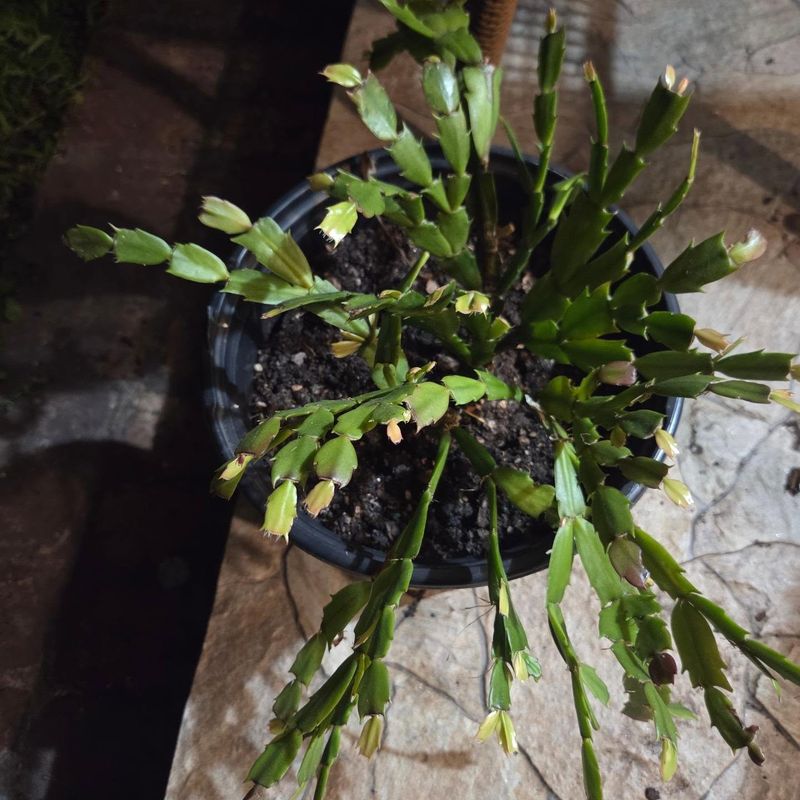
Before you reach for that watering can, pause for just ten seconds. A quick soil check is the single most effective habit you can build as a Christmas cactus owner.
Push your index finger about one inch into the soil near the edge of the pot. If it feels damp or cool at that depth, put the watering can down and walk away.
Only water when the top inch feels dry and the soil no longer sticks to your finger. That test gives you real-time feedback a fixed schedule simply can’t offer.
For a more precise reading, a moisture meter is a worthwhile tool to keep near your plants. Insert the probe into the center of the pot and look for a reading in the dry range before watering.
The center of the pot dries out more slowly than the edges, so testing there gives you the most accurate picture of overall soil moisture. Edge soil can feel dry while the center is still saturated.
Lift the pot after watering and again a few days later to feel the weight difference. A heavy pot usually means moisture is still present, while a noticeably lighter pot signals it is time to water.
Combining the finger test with the lift method gives you two data points instead of one. More information means better decisions, and better decisions mean a healthier, firmer Christmas cactus all summer long.
Good habits start with a single pause before watering. That brief moment of checking could be the difference between a thriving plant and a limp, struggling one.
Reviving A Christmas Cactus After Overwatering
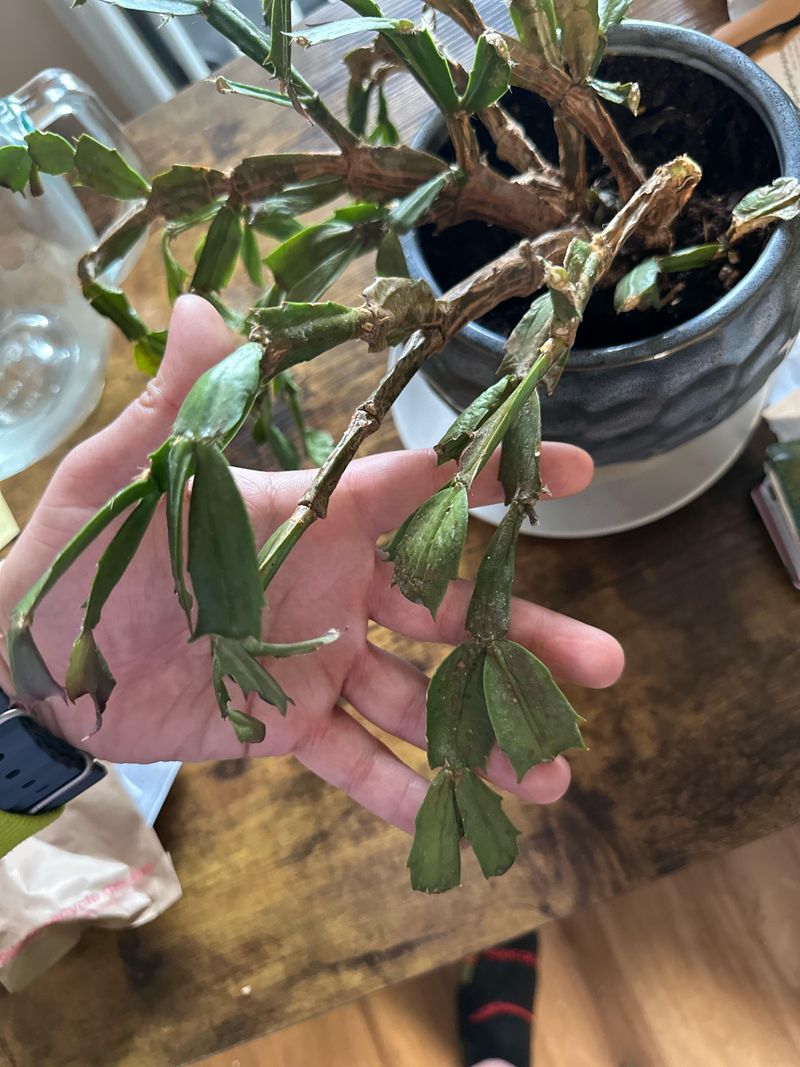
Finding a limp, soggy Christmas cactus is not the end of the road for your plant. With quick action and the right steps, recovery is absolutely possible even after serious overwatering.
Start by removing the plant from its pot immediately. Gently shake off the old soil and examine the roots for any that look brown, slimy, or smell bad.
Trim away all damaged roots with clean scissors or pruning shears. Healthy roots are white or light tan and feel firm, not mushy, when you touch them.
Let the plant sit out of the soil for a few hours before repotting. This drying period helps the cut root ends callous over, which reduces the chance of further infection.
Choose a clean pot with drainage holes and fill it with a fast-draining mix. A blend of fifty percent potting soil and fifty percent perlite works well for Christmas cactus recovery.
Place the repotted plant in bright, indirect light and hold off on watering for at least a week. Giving the roots time to settle in dry soil encourages new growth rather than more rot.
Once you resume watering, make the finger test part of your routine. Keep sessions light and infrequent until you see new growth, which signals the root system is healthy and active again.
Patience is your most powerful tool during the revival process. A Christmas cactus that survives this summer watering mistake can come back stronger and bloom beautifully right on schedule.