Should You Fertilize Your Texas Lawn In March
As the Texas weather starts to warm up, gardeners and homeowners alike start thinking about how to get their lawns looking their best.
March is often when we begin to see signs of spring, but should you jump into fertilizing your Texas lawn right away? Timing matters more than you think, especially in a state with such varying temperatures.
While some lawns benefit from a spring boost, others might not need fertilizer just yet. Applying it too early can cause unnecessary stress or waste, especially if the ground is still too cool for active growth.
On the other hand, waiting until the soil has warmed up properly can give your grass the nutrition it needs to thrive.
Knowing when to fertilize is crucial for keeping your lawn healthy, green, and resistant to the hot Texas summer. Taking a little extra time in March could set your yard up for success the rest of the year.
Why March Is Crucial For Your Lawn’s Health?
March in Texas feels like the whole world is waking up. Temperatures start to climb, birds return, and your lawn begins to shake off the slowness of winter.
For Texas homeowners, this month is one of the most important times of year when it comes to lawn care decisions.
During winter, most Texas grasses go dormant. That means the grass is alive but not actively growing.
It is resting and conserving energy. As March arrives and soil temperatures begin to rise, warm-season grasses like Bermuda, St. Augustine, and Zoysia start to come back to life slowly.
The transition from winter to spring sets the foundation for how your lawn will look all summer long.
If you make smart choices now, your grass will reward you with strong growth, deep roots, and a rich green color when the heat of summer arrives. Make the wrong call, and your lawn could struggle all season.
Texas is a big state, and lawn care timing varies depending on where you live. Homeowners in South Texas may see grasses green up earlier than those in North Texas, where late cold snaps are more common.
Paying attention to your local conditions is key. March is also a great time to prepare your lawn equipment. Sharpen your mower blades, check your spreader, and perform a soil test to understand what your lawn actually needs.
Taking these steps in March means you will be ready to act at exactly the right moment. Preparation now leads to a healthier, stronger lawn later in the year.
Warm-Season Vs. Cool-Season Grasses In Texas
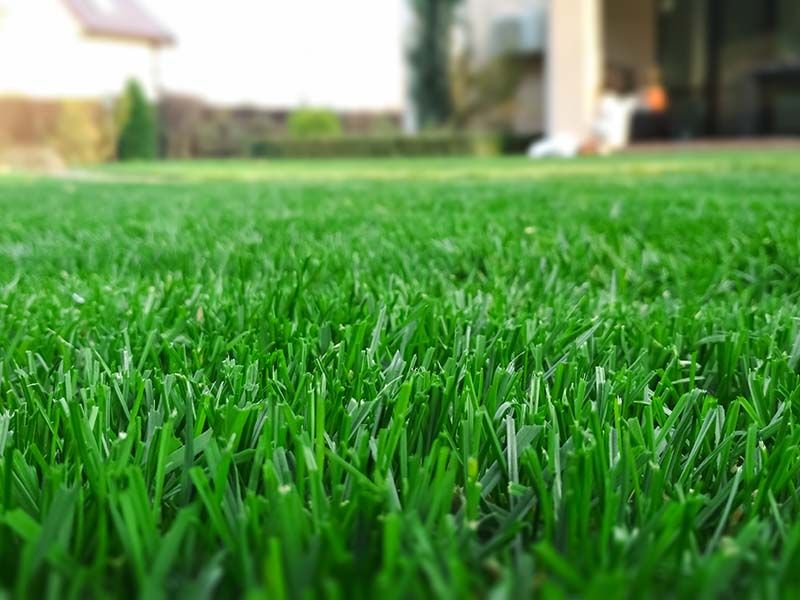
Not all grasses are created equal, and Texas is home to several popular types that behave very differently depending on the season. Knowing which type of grass you have in your yard is one of the most important pieces of information for any Texas homeowner.
Warm-season grasses are the most common in Texas. Bermuda grass, St. Augustine, Zoysia, and Centipede grass all fall into this category.
These grasses love heat and thrive during the long, hot Texas summers. They go dormant in winter when temperatures drop and the soil cools down significantly.
Cool-season grasses like Tall Fescue or Ryegrass are sometimes used in Texas, mostly in northern parts of the state or as temporary overseeding options during winter. These grasses grow best when temperatures are cooler and tend to struggle in the blazing Texas summer heat.
In March, warm-season grasses are just beginning to wake up from dormancy. Soil temperatures need to reach around 65 degrees Fahrenheit consistently before these grasses start actively growing again.
Fertilizing before that point means the grass cannot absorb the nutrients properly, which wastes your money and can cause problems.
Experts from Texas A&M AgriLife Extension suggest waiting until your warm-season grass has been actively growing and mowed at least twice before applying any fertilizer. For most of Texas, that happens in mid to late April, not March.
Understanding your grass type helps you make smarter decisions and keeps your lawn healthier throughout the entire growing season ahead.
The Benefits Of Fertilizing In Early Spring
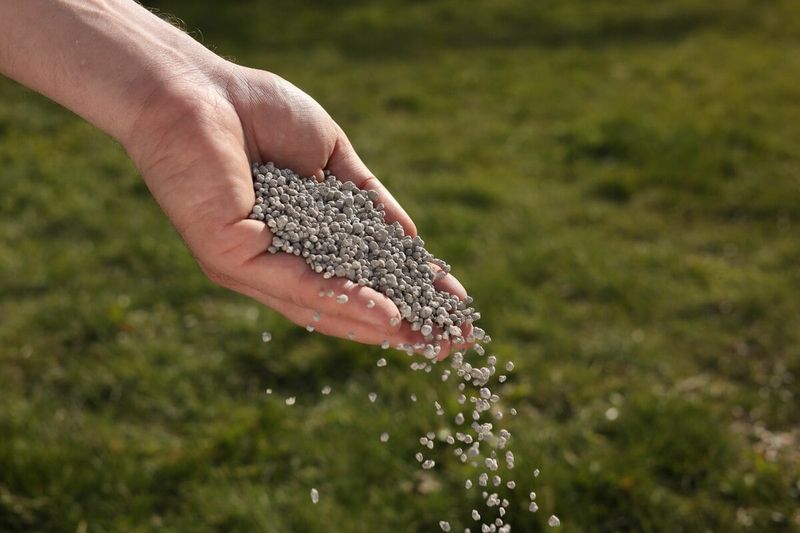
When the timing is right, fertilizing your Texas lawn in early spring can do amazing things for your yard. The key phrase here is “when the timing is right.” Fertilizing at the correct moment gives your grass a powerful head start for the growing season.
One of the biggest benefits is boosting growth after dormancy. Warm-season grasses spend all winter resting, and when they wake up, they are hungry for nutrients.
A well-timed fertilizer application gives them the fuel they need to push new growth quickly and fill in thin or bare spots left behind from winter.
Healthy root development is another major benefit. Fertilizing at the right time encourages roots to grow deeper into the soil.
Deep roots help your Texas lawn survive the brutal summer heat without needing constant watering. Strong roots also help the grass resist weeds, pests, and drought stress throughout the season.
Early spring fertilization also promotes that vibrant green color everyone wants to see in their lawn. As temperatures warm up across Texas, properly fed grass greens up faster and more evenly. Your neighbors will notice the difference.
However, the benefits only apply when your grass is actually ready to absorb nutrients. Fertilizing too early, before the grass is actively growing, means those nutrients sit unused and can wash away with rain or irrigation.
That leads to wasted money and potential environmental harm to local waterways. Patience pays off.
Wait for the right soil temperature, watch for active growth, and then feed your Texas lawn for the best possible results this spring.
When NOT To Fertilize: Watch Out For Late Frosts
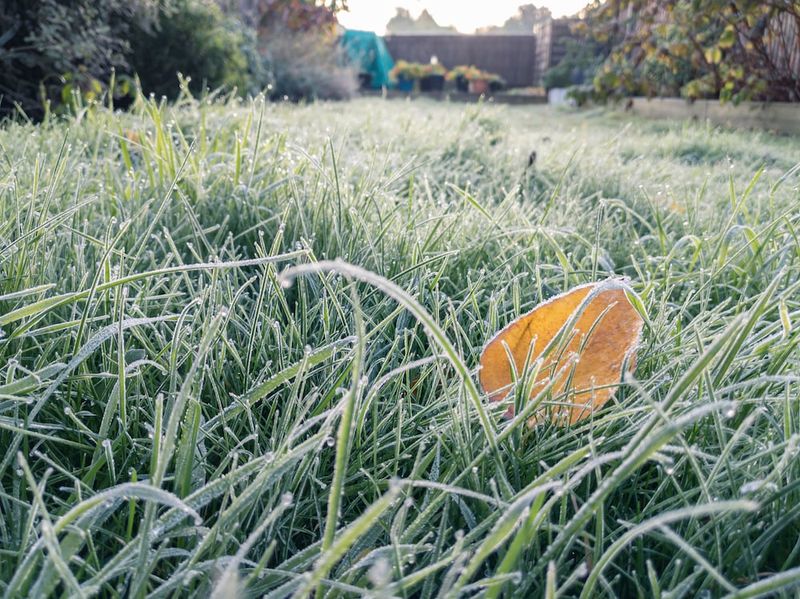
Here is something many Texas homeowners do not think about until it is too late. March weather in Texas can be sneaky.
One week it feels like summer, and the next week a cold front rolls in and temperatures drop below freezing. That unpredictability makes early fertilization risky.
Fertilizing your lawn before a late frost can seriously hurt your grass. When you apply fertilizer, it signals the grass to start pushing out new, tender growth.
That fresh green growth is very sensitive to cold temperatures. If a freeze hits after you fertilize, that new growth can get damaged quickly, leaving your lawn looking brown and patchy.
North Texas and parts of Central Texas are especially vulnerable to late cold snaps in March. Even South Texas occasionally sees unexpected temperature drops that can catch homeowners off guard.
Checking your local weather forecast regularly during this month is a smart habit to build.
The safest approach is to wait until you are confident that freezing temperatures are no longer in the forecast for your area. Most lawn care experts and the Texas A&M AgriLife Extension recommend holding off on fertilization until mid to late April for most Texas regions.
By that point, the risk of frost has passed and your grass is actively growing and ready to use those nutrients efficiently.
Applying fertilizer at the wrong time does not just hurt your grass. It also wastes your hard-earned money.
Nutrients that your lawn cannot absorb will run off into storm drains and local waterways, causing environmental issues. Timing matters more than most people realize, so wait for the right moment.
Best Fertilizers For Texas Lawns In March
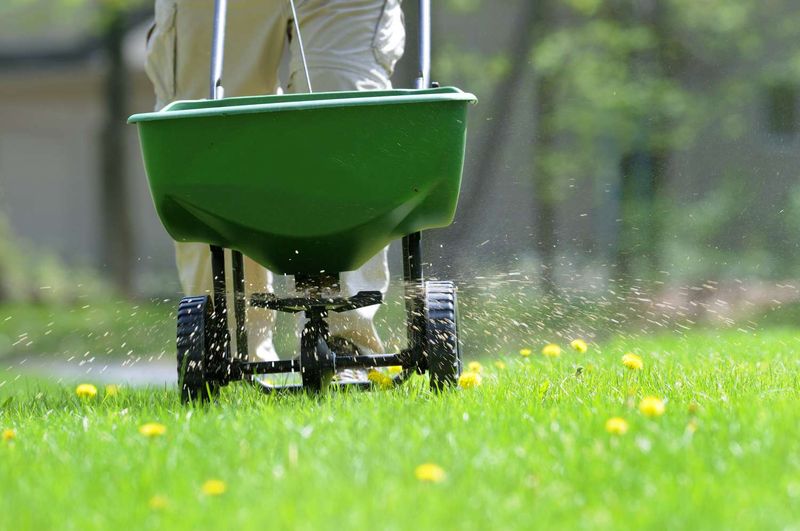
Picking the right fertilizer for your Texas lawn is just as important as knowing when to apply it. Walk into any garden center and you will see dozens of options.
It can feel overwhelming fast. Knowing what to look for makes the whole process much easier.
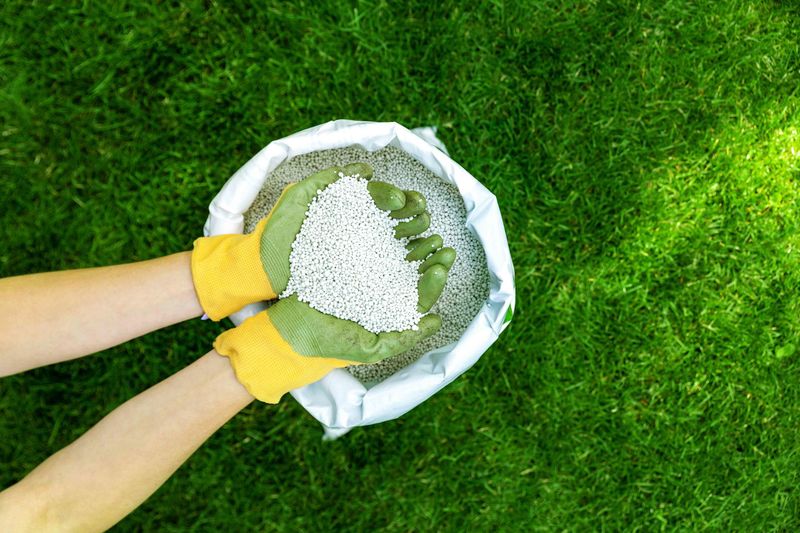
Slow-release nitrogen fertilizers are a top choice for Texas lawns. They release nutrients gradually over time instead of all at once.
This steady feeding approach reduces the risk of burning your grass and provides a longer-lasting green-up effect. Slow-release formulas are especially helpful for warm-season grasses like Bermuda and St. Augustine, which are very common across Texas.
Balanced NPK fertilizers are another smart option. NPK stands for nitrogen, phosphorus, and potassium.
Each nutrient plays a different role. Nitrogen promotes green leafy growth, phosphorus supports root development, and potassium helps the overall health and stress resistance of the grass. A balanced formula gives your lawn a little of everything it needs.
Before buying any fertilizer, consider doing a soil test first. Texas A&M AgriLife Extension offers soil testing services that can tell you exactly which nutrients your lawn is lacking.
This prevents you from over-applying nutrients your lawn does not need and saves you money in the long run.
Look for fertilizers specifically labeled for warm-season grasses since these are formulated to match the needs of the most common grass types found across Texas.
Avoid high-nitrogen quick-release fertilizers in early spring because they can push rapid growth that gets damaged easily by a late frost. Choose wisely and your lawn will thank you all season long.
Fertilization Tips And Techniques For A Healthy Lawn
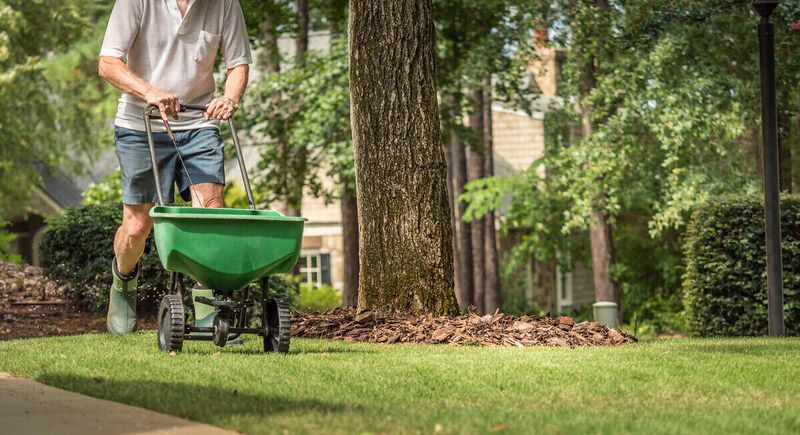
Even when the timing is perfect and you have chosen the right fertilizer, how you apply it matters a lot. Poor application technique can lead to uneven growth, fertilizer burn, or wasted product.
A few simple tips can make a big difference in your results. Early morning is the best time of day to fertilize your Texas lawn. Temperatures are cooler, which reduces stress on the grass.
It also gives the fertilizer time to settle before the heat of the afternoon arrives. Avoid fertilizing in the middle of the day when the sun is strongest.
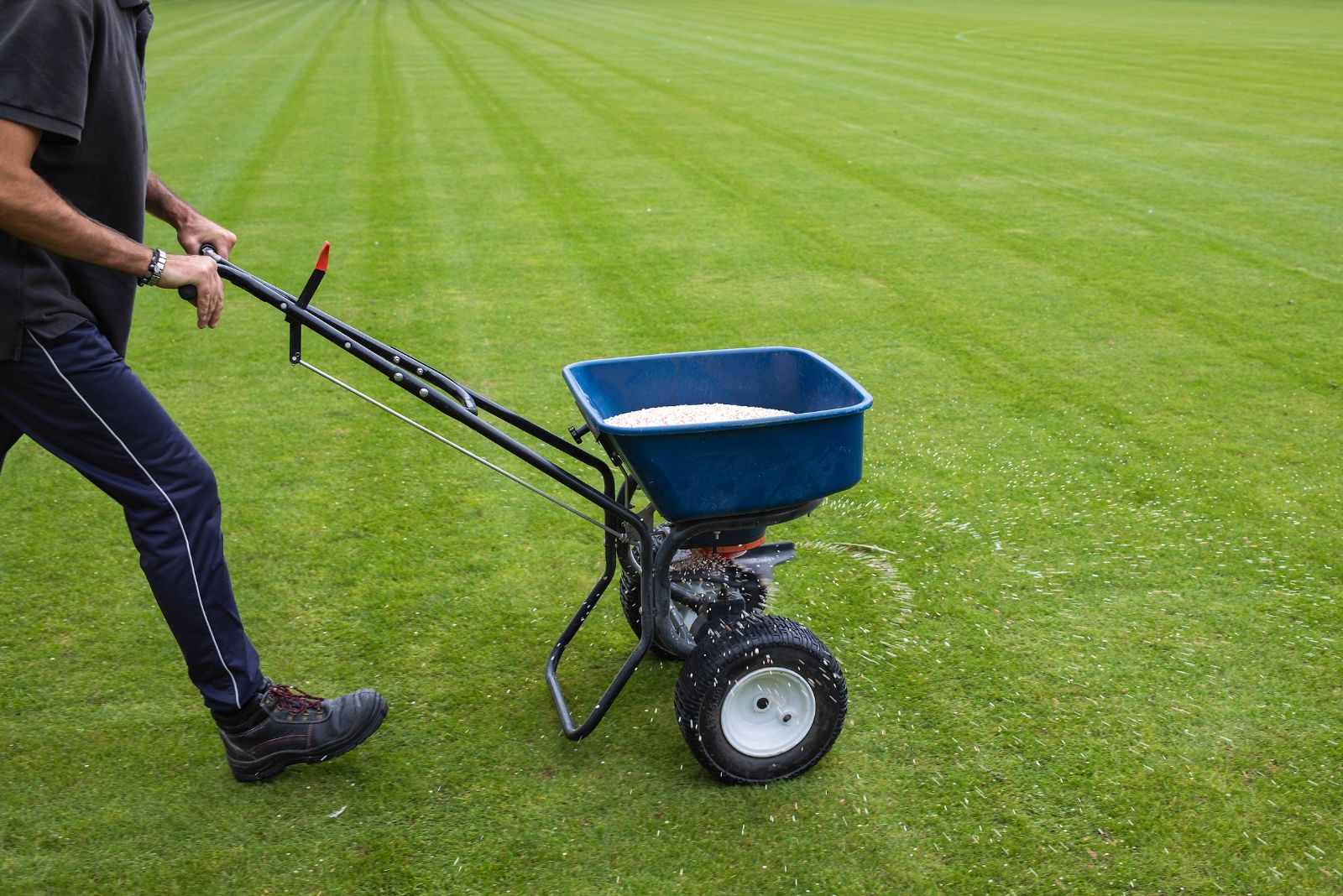
Using a broadcast or rotary spreader helps you apply fertilizer evenly across your lawn. Uneven application leads to streaky growth patterns where some areas are overfed and others are underfed.
Walk at a steady pace and overlap your passes slightly to get consistent coverage across the entire yard.
Over-fertilizing is one of the most common mistakes Texas homeowners make. More fertilizer does not mean more growth.
Too much nitrogen can burn your grass, leaving yellow or brown patches that take time to recover. Always follow the instructions on the fertilizer bag and measure your lawn area before you start.
Watering after application is a critical step that many people skip. A light watering helps the fertilizer granules dissolve and move into the soil where grass roots can absorb the nutrients.
Without water, the fertilizer just sits on top of the grass and can cause burning. Most experts recommend watering within 24 hours of application for best results across Texas lawns.