Should You Keep Mowing Your Ohio Lawn In October? Here’s When To Stop
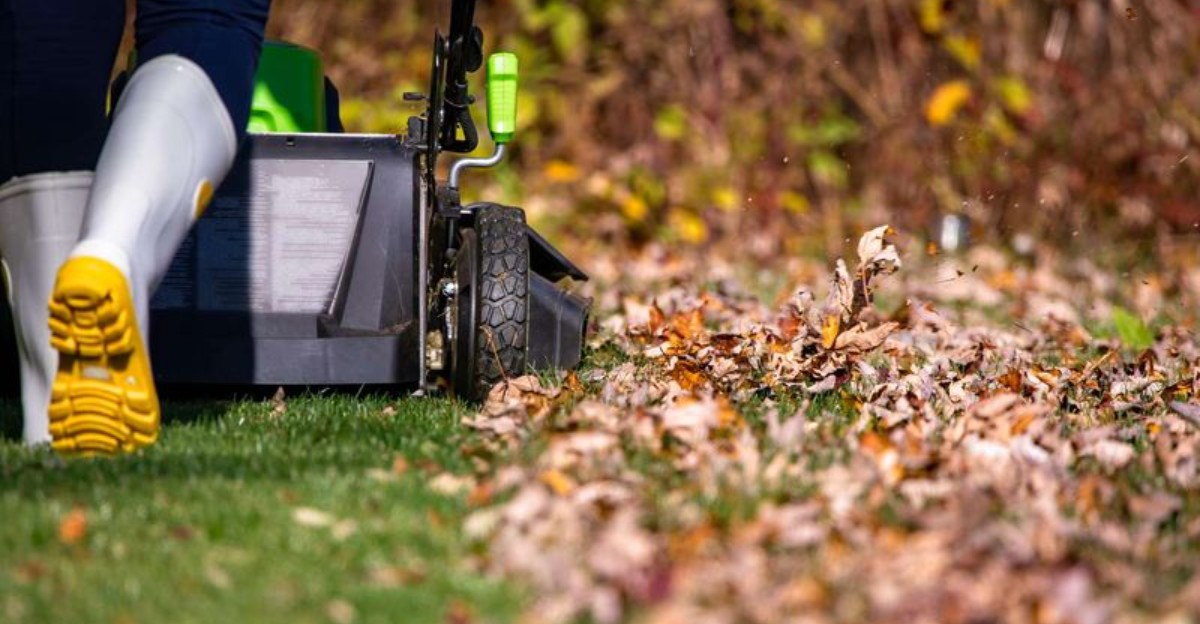
Your mower isn’t done yet, but the number of passes left is running lower than you think.
Most Ohio homeowners guess at their last cut of the season. Stop too soon and your grass grows shaggy heading into winter, inviting fungus to move in under snow cover.
Stop too late and you’re stressing a lawn that’s already trying to shut things down for the year.
Growth doesn’t follow your calendar. It follows the thermometer, and that changes your final mow date more than you’d expect.
One clear sign tells you grass has actually stopped growing, and missing it either way costs you a strong start come spring.
Watch your lawn instead of the date on your phone. The right stopping point shows itself if you know what you’re looking for.
1. Keep Mowing While Ohio Grass Is Still Growing
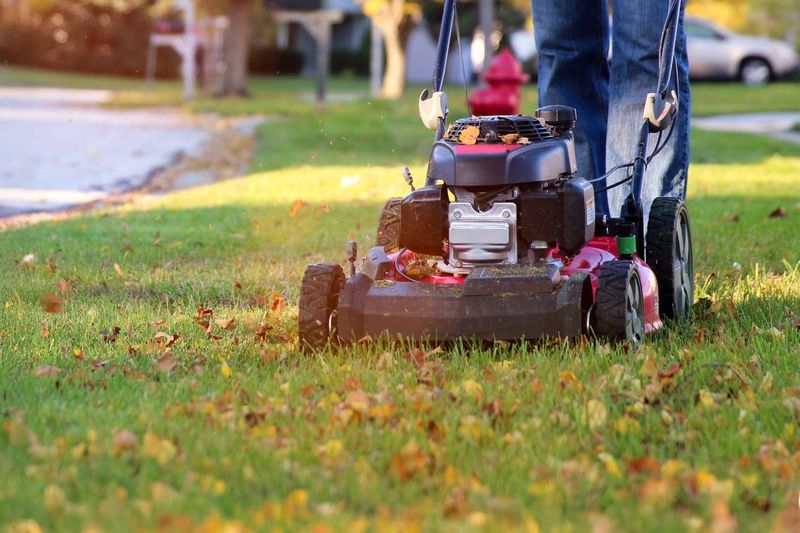
Here is the twist most Ohio homeowners miss: cool-season grasses like Kentucky bluegrass and tall fescue actually perk up in fall. After the heat of summer fades, they push out a second round of growth.
That surge usually starts in September and keeps rolling through October. The pace slows compared to May, but the blades are still stretching upward week by week.
So the rule is simple. If the grass is growing, you keep mowing, and that often stretches into late October or even early November across much of the state.
Root activity continues well into fall, even as above-ground growth gradually slows. Keep mowing while the grass is still putting on measurable growth rather than relying on one temperature cutoff.
Skipping cuts too early lets blades get long and floppy. Long grass mats down under rain and early snow, which traps moisture right against the crowns.
Walk your yard once a week with a tape measure if you want proof. Any growth beyond an inch since the last mow means the mower still has work left to do this month.
2. Let The Weather Set Your Final Mow
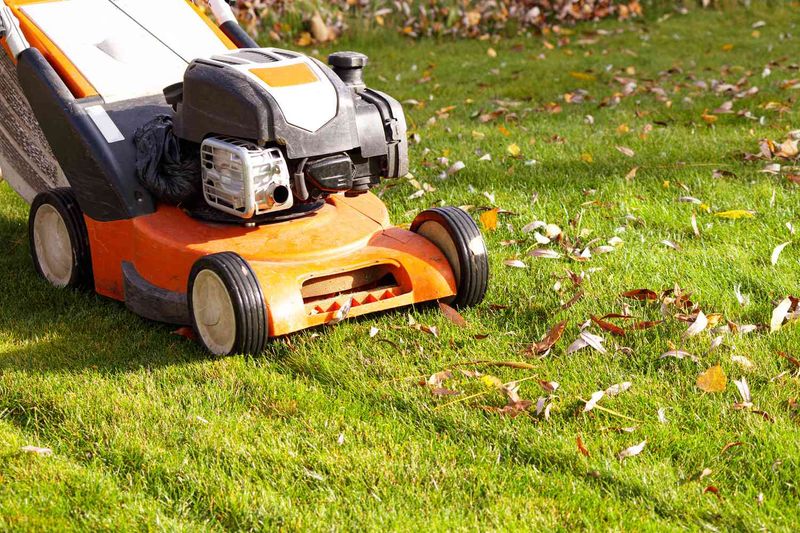
Ohio weather has a reputation for being moody, and autumn is when it shows off. One week brings 70 degrees and sunshine, the next drops a hard frost overnight.
Because of that, the calendar makes a poor boss. Temperature trends should call the shots on your last mow of the year.
In northwest Ohio, many homeowners find their final cut lands in late November. Other parts of the state wrap up in late October or early November, right after the first freeze settles in.
Warmer years can stretch things into early December. Mild Decembers happen often enough that keeping the mower fueled is smart insurance.
As temperatures slide, your mowing schedule naturally thins out. Weekly cuts become every ten days, then every two weeks, then done.
A handy habit is checking the ten-day forecast each Sunday in October. If highs stay in the 50s and 60s, plan on mowing.
If they tumble into the 40s and stay there, you are close to finished.
One more tip worth remembering: mow when the grass is dry. Wet, frosty blades tear instead of slicing, and footprints on frozen turf can leave marks that linger into spring.
Your Ohio Garden Changes Every Week. Your Plan Should Too.
Gardening in Ohio changes quickly throughout the season. Every Friday you’ll receive a simple weekly plan showing exactly what to plant, prune, fertilize, harvest, and protect so you never miss the right timing.
3. Hold The Lawn Near Three Inches
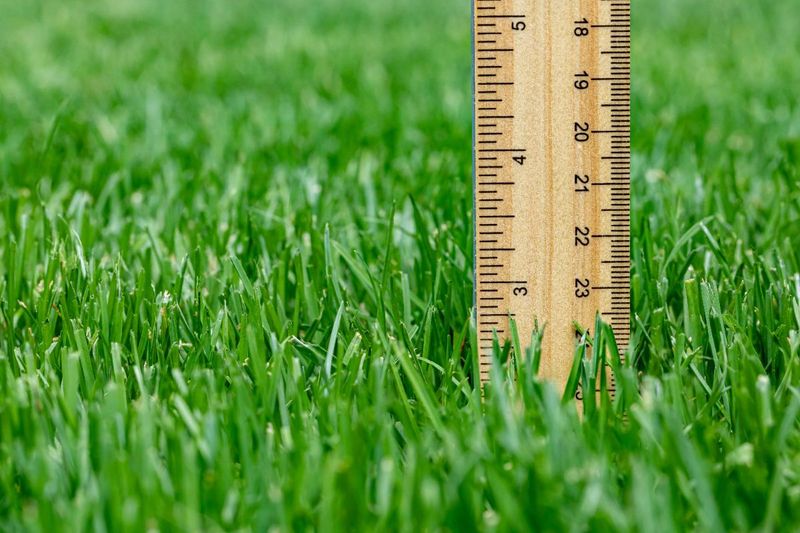
Think of grass height as a dial, not a switch. Through most of fall, holding the turf around 3 to 3.5 inches keeps roots shaded and soil moisture steady.
As October winds down, ease that dial lower. For the final cut, aim for a moderate height appropriate to your grass type rather than trying to scalp the lawn short.
Keeping it roughly in the 2.5- to 3.5-inch range avoids leaving the turf excessively long or excessively short.
There is a practical bonus too. Shorter grass at season’s end means fewer damp pockets where snow mold likes to set up shop.
Cleanup gets easier as well. Leaves blow across a shorter lawn instead of tangling down in tall blades, which saves you raking time.
Make the change gradually across two or three mows rather than all at once. Dropping the deck a half inch at a time keeps the plant from going into shock.
Here is a quick trick: set your mower on a flat driveway and measure from the pavement to the blade edge. Mower settings are not standardized between brands, so a tape measure beats trusting the dial numbers printed on the deck.
4. Avoid A Last-Minute Scalping
Every fall, someone decides to buzz the lawn down to golf-green height and call it winter prep. That shortcut backfires more often than it helps.
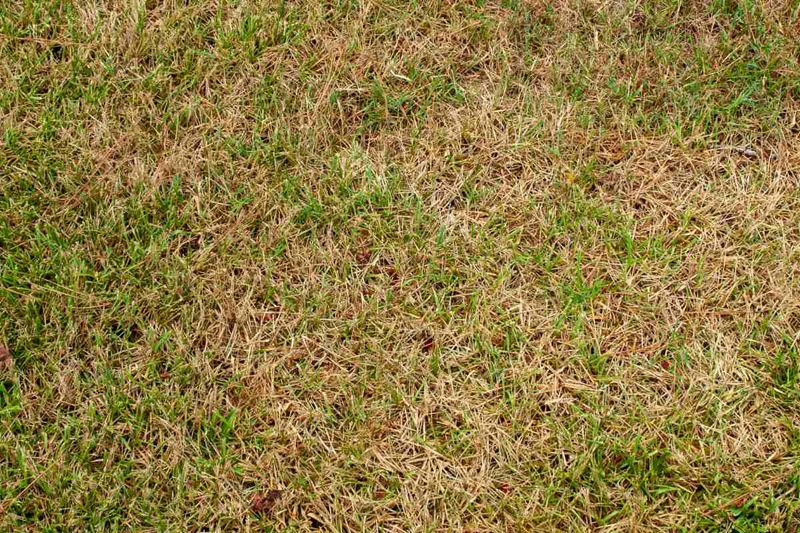
Cutting extremely low, known as scalping, strips away far more leaf tissue than the plant can spare. Stems, stolons, crowns, and sometimes bare soil end up exposed to the elements.
Cool-season grasses common across Ohio take that treatment hard. Energy reserves drain, roots weaken, and the turf loses its buffer against freezing wind.
What follows in spring is rarely pretty. Discolored patches, thin spots, disease pressure, and a welcome mat for crabgrass and other unwanted plants.
The one-third rule keeps you safe. Remove no more than a third of the blade length in a single pass, even during those late-season cuts.
If the grass got ahead of you and stands six inches tall, do it in stages. Cut to four inches, wait a few days, then take it down to your target height.
Bumpy yards deserve extra caution. High spots and tree roots get shaved first when the deck sits low, so raise it slightly if your lawn rolls and dips.
Gentle trims beat one aggressive haircut, and your turf will show its thanks in April.
5. Keep Fallen Leaves From Smothering Turf
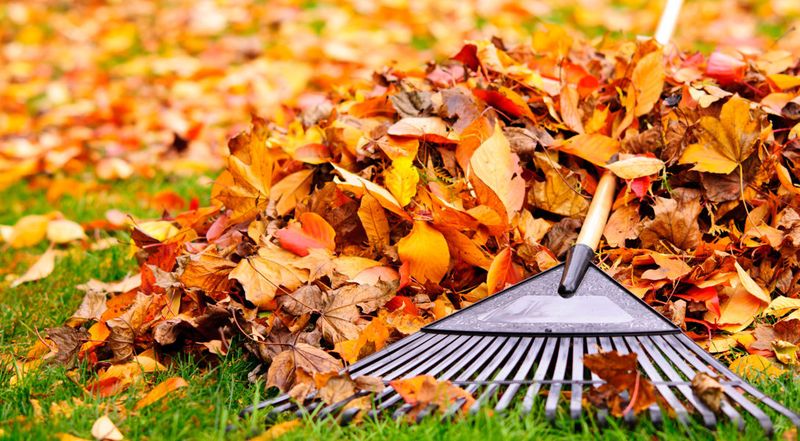
A thick leaf pile looks charming in photos and feels awful to grass. Wet layers press down into a damp blanket that blocks sunlight and chokes off airflow.
Underneath that cover, conditions turn soggy and dark. Fungal troubles like snow mold thrive there, and spring green-up gets delayed or patchy.
Regular attention solves it. Raking or mulching every week or so during peak leaf drop keeps the lawn breathing.
Mulching is the lazy gardener’s win. Running the mower over dry leaves chops them into confetti that breaks down and feeds the soil with nutrients.
Moderation matters, though. A finely shredded layer no deeper than one or two inches works as a soil booster over winter, while heavier piles just smother.
For giant oak or maple drops, bag some and haul the excess to a compost pile or garden bed. Shredded leaves make excellent mulch around shrubs.
Wet leaves clump and clog, so aim for a dry, breezy afternoon when possible. Two slower passes usually shred better than one fast pass.
Fun bit of trivia: leaves carry calcium, magnesium, and potassium pulled up from deep soil by tree roots. Mulching hands those minerals right back to your yard for free.
6. Raise The Deck If Growth Has Slowed
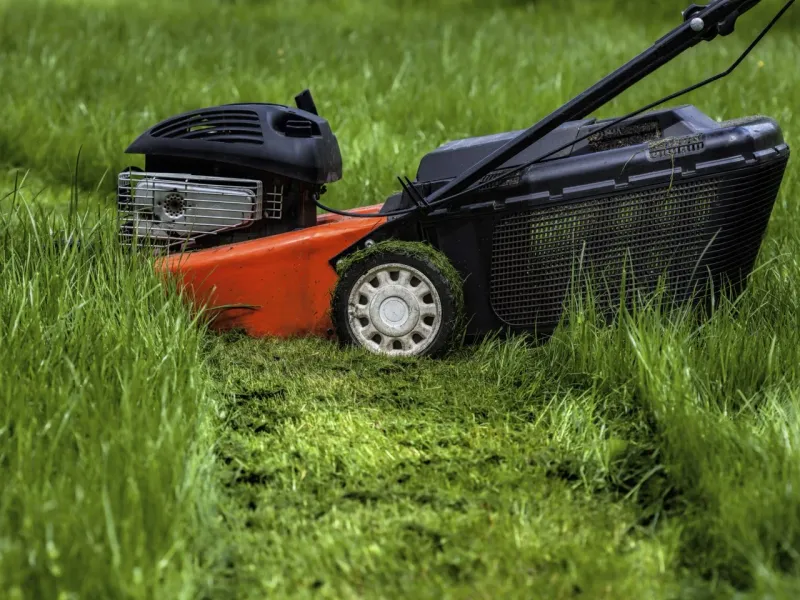
Deck height deserves a rethink each season, and fall is when things get interesting. Ohio lawns generally do best somewhere between 3 and 4 inches through the bulk of the growing year.
That taller setting shades the soil, discourages weeds, and helps roots dig deeper during summer stress. It is the setting most homeowners should live on from May through September.
Once October rolls in and growth eases off, the strategy flips. Stepping the height down bit by bit prepares turf for cold weather instead of leaving it long and floppy.
A sample plan looks like this: drop to 3.5 inches in early October, then to 3 inches by mid-October for the remaining cuts.
By the final mow, you are sitting near that 2.5 to 3 inch target. Gradual changes avoid shocking the plant while still trimming matting risk.
Raising the deck still has its place. If growth has slowed to a crawl and you only want to tidy the surface or shred leaves, a higher setting does light work without stressing the turf.
Keep notes on your phone about which setting you used and when. Next fall, that little record saves guesswork and makes your timing sharper.
7. Keep Blades Sharp For The Final Cuts
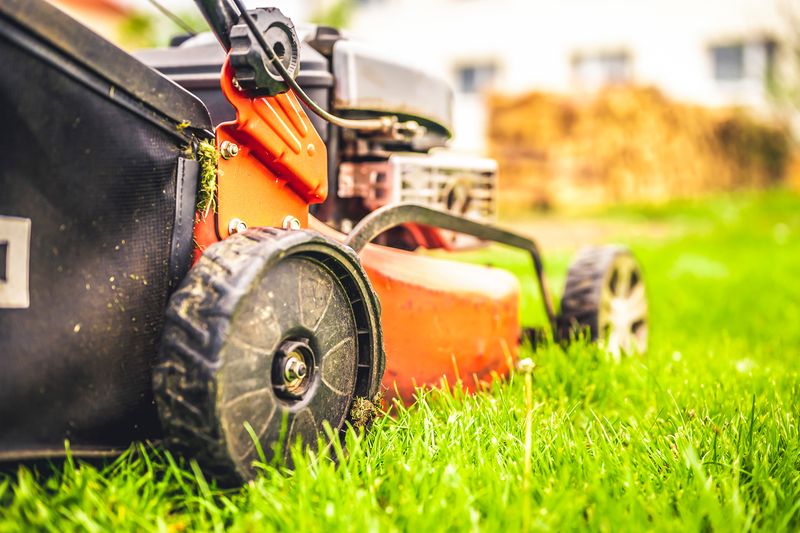
Picture cutting paper with dull scissors versus sharp ones. Grass feels the same difference, and it shows on every blade tip in your yard.
A sharp mower blade slices cleanly through each leaf. Dull edges tear and shred instead, leaving ragged brown tips that make the whole lawn look tired.
Those torn ends open the door to trouble. Ripped tissue loses moisture faster and gives fungal diseases and pests an easy entry point.
Late fall cuts are exactly when you want the cleanest possible slice. Grass heals slowly in cool weather, so minimizing stress helps it settle into dormancy in good shape.
Sharp blades also make the machine happier. Cutting takes less effort, which trims fuel or battery use and can stretch your mower’s working life.
A common guideline is sharpening after roughly 25 hours of use, or sooner if you spot tearing. Hitting rocks, sticks, or sprinkler heads speeds up dulling fast.
Checking is easy. With the mower safely powered down and the spark plug disconnected on gas models, inspect the blade visually for nicks and rounded edges rather than running a finger along it.
Keeping a spare sharpened blade on the shelf is a small luxury. Swapping takes ten minutes and your final cuts will look crisp.
8. Time The Last Mow Before Snow Arrives
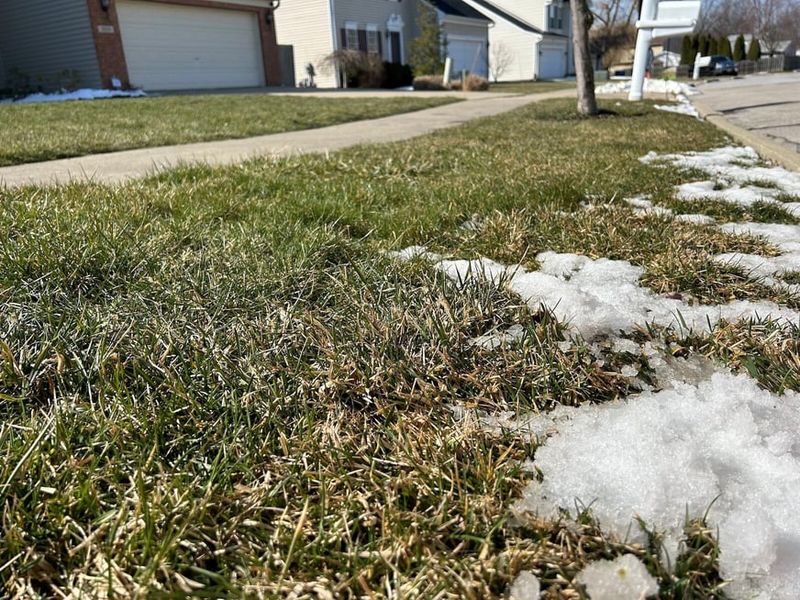
The perfect final mow happens when growth has genuinely stopped for the year. In Ohio, that usually lines up with temperatures holding steady below 50 degrees Fahrenheit.
Depending on the year and your region, that window opens anywhere from late October to early December. Northern counties typically get there sooner than southern ones.
Aim to finish before the first hard freeze if you can. At minimum, get it done before snow starts covering the ground for stretches at a time.
Mowing over frozen blades does no favors. Frost makes grass brittle, and rolling heavy equipment across it can bruise crowns and leave tracks.
Watch for the telltale signs that you are finished. Growth stalls, color shifts toward tan, and clippings barely fill the bag after a full pass.
Give yourself a buffer of a week or two. Ohio’s first snow has a habit of showing up earlier than expected, and scrambling in a flurry is no fun.
Once that last pass is done, treat your mower right. Run the fuel low or add stabilizer, clean the deck, and store it somewhere dry until spring calls it back to duty.
9. Leave The Lawn Ready For Winter
That final cut sets the tone for how your turf rides out the cold months. Holding the grass around 2 to 2.5 inches cuts down on damp pockets where moisture lingers.
Less trapped moisture means lower odds of snow mold showing up as gray or pink patches in March. Small detail, big payoff.
Clearing debris matters just as much. Heavy leaf piles, stray branches, and forgotten toys all create shaded spots that turn thin and weak by spring.
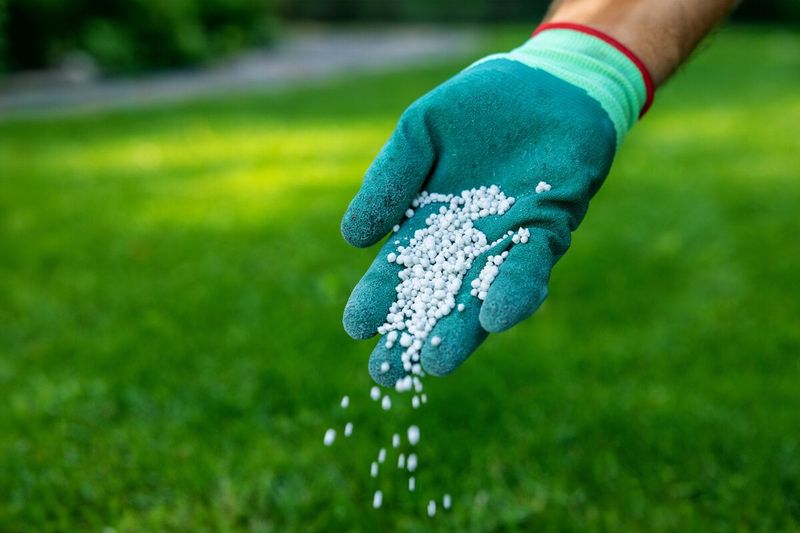
Feeding comes next. If your lawn needs a late-season fertilizer application, follow the timing and product recommendations for your grass type and local conditions rather than treating early November as a universal due date.
Avoid pushing lush top growth late in the season.
Water deserves a thought too. Giving the lawn a good soak before the ground freezes solid helps roots stay hydrated during dry, windy stretches.
For extra protection in snow-heavy areas, a snow mold prevention fungicide applied in late November is worth considering.
One last courtesy: stay off frozen or dormant turf when you can. Foot traffic on brittle grass leaves paths that take weeks to recover.