What To Know About Deer Damage In North Carolina Before It Becomes A Problem This Fall
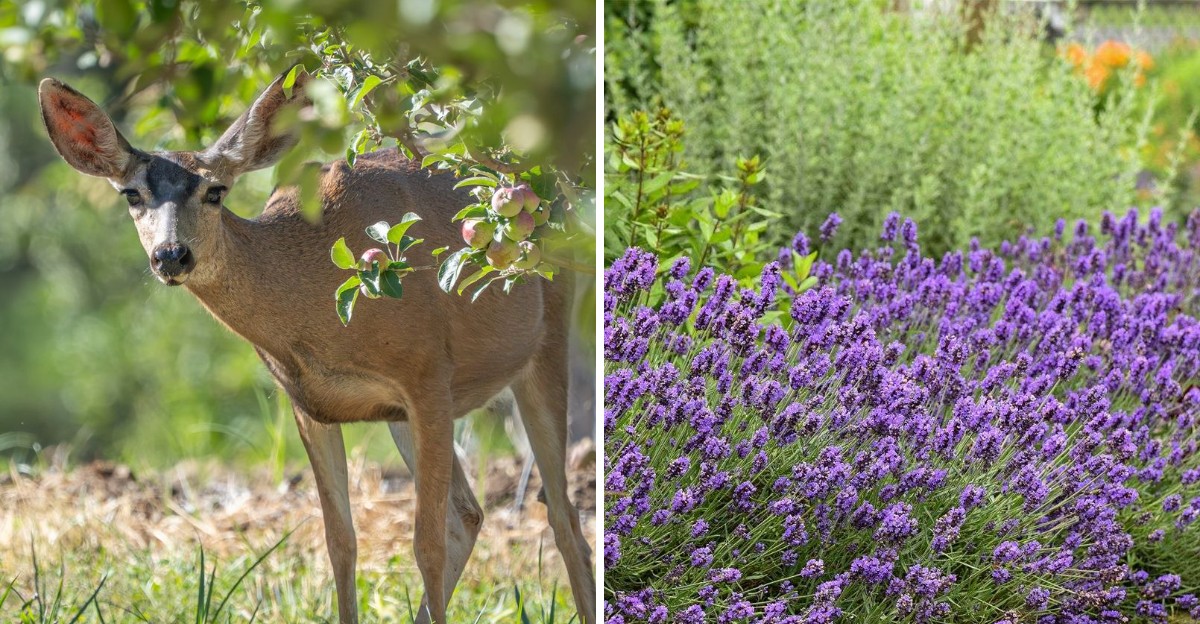
Deer become increasingly active in North Carolina yards and gardens as fall approaches, often targeting plants more aggressively as natural food sources in the wild begin to dwindle.
This seasonal shift means gardens that saw little deer activity over summer can suddenly become a much more appealing target once cooler weather sets in.
Certain plants are especially vulnerable during this period, while others tend to be left alone, making plant selection an important part of any prevention strategy.
Physical barriers, scent deterrents, and strategic plant placement all play a role in reducing damage, though effectiveness varies depending on how determined and how hungry local deer populations are.
Understanding these fall patterns now, before damage becomes widespread, gives North Carolina gardeners a real chance at protecting vulnerable plants through the season ahead.
1. Fall Can Bring More Deer Activity
Something shifts in the woods once autumn arrives, and deer seem to show up everywhere. Cooler weather and shorter days push them to move around more as they search for food and get ready for the colder months ahead.
North Carolina is home to a large white-tailed deer population, and fall marks their breeding season, often called the rut.
During this time, bucks travel farther and behave more boldly, which means they wander into neighborhoods and gardens they might normally avoid.
Food also plays a big role in this seasonal shift. As natural plants fade and acorns start to drop, deer follow whatever looks tasty and easy to reach. A lush green garden stands out like a snack bar when the surrounding fields turn brown.
You may notice deer feeding earlier in the evening or lingering longer in the morning. Their appetite grows because they need extra energy to stay warm and strong through winter.
Understanding this pattern helps you prepare instead of react. Once you know that fall naturally increases deer traffic, you can set up protection before your favorite plants become a target.
Keep an eye on the edges of your property, especially near wooded areas or open fields. Those spots often serve as pathways for deer moving in and out.
A little awareness during these busy weeks makes a real difference. When you expect more visitors, you can plan smarter and protect what matters most in your yard.
2. Learn The Signs Of Deer Browsing
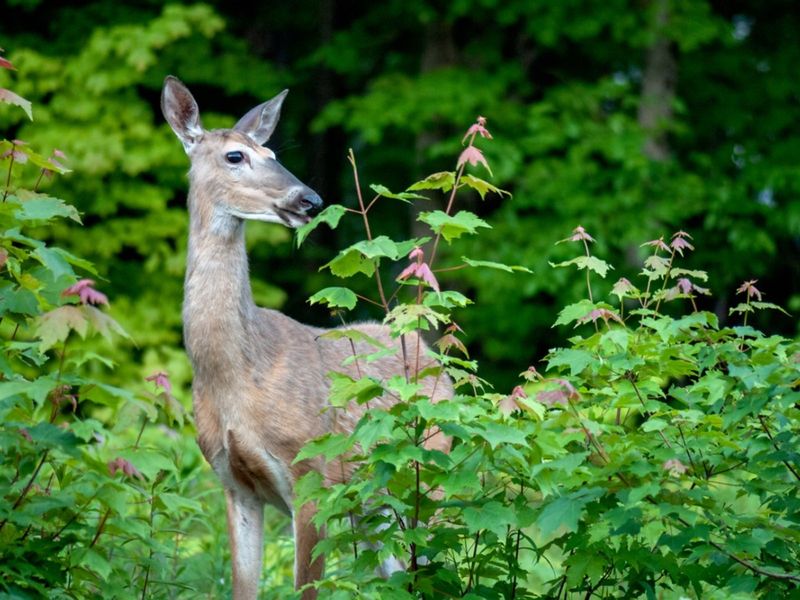
Ever walk outside and wonder what nibbled your plants overnight? Learning to read the clues helps you figure out if deer are behind the trouble or if smaller critters are to blame.
Deer leave behind a messy, torn look because they lack upper front teeth. Instead of making clean cuts, they grab and yank plants, leaving ragged edges on leaves and stems. Insects and rabbits, on the other hand, tend to leave neat, smooth bites.
Height offers another big clue. Deer can reach much higher than rabbits or groundhogs, so damage found several feet off the ground usually points straight to them. Stripped branches and clipped tips at that level are classic signs.
Your North Carolina Garden Changes Every Week. Your Plan Should Too.
Gardening in North Carolina changes quickly throughout the season. Every Friday you’ll receive a simple weekly plan showing exactly what to plant, prune, fertilize, harvest, and protect so you never miss the right timing.
Look down at the soil too. Deer hooves leave heart-shaped tracks pressed into soft ground, especially after rain. Spotting those prints near your plants confirms your visitors quickly.
Whole sections of a plant may vanish overnight when deer feed. They munch large amounts fast, so entire flower beds can look chewed down in a single visit.
Pay attention to which plants get hit. Deer often go for tender new growth, hostas, daylilies, and vegetable tops before touching tougher, prickly plants.
Once you learn these signs, you can act with confidence instead of guessing. Knowing your enemy is half the battle in the garden.
Checking your plants regularly makes early detection easier. The sooner you spot deer damage, the faster you can protect the rest of your yard before it spreads.
3. Protect Favorite Plants Before Damage Starts
Waiting until deer discover your garden is a bit like locking the barn after the horses leave. Once deer find an easy meal, they remember the spot and keep coming back for more.
Setting up protection early works far better than scrambling to fix damage later. When you shield your plants before browsing begins, deer never learn that your yard is a reliable food source.
Deer are creatures of habit. If they enjoy a tasty visit once, they mark that garden on their mental map and return again and again, sometimes bringing friends along.
Start by choosing your most treasured plants and give them attention first. Vegetables, young flowers, and tender shrubs usually top the deer menu, so those deserve early coverage.
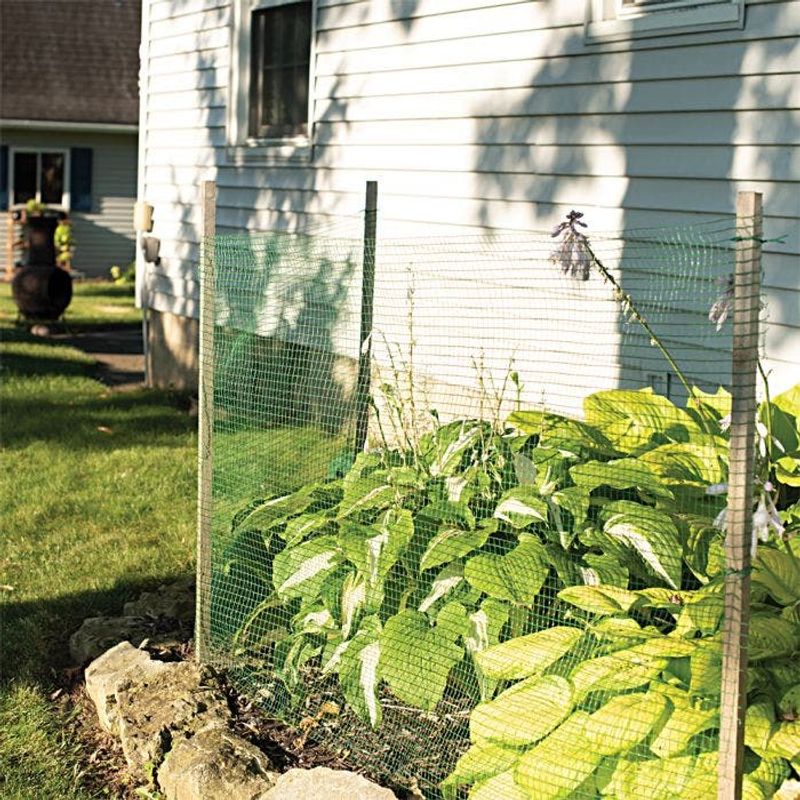
Physical barriers like netting, cages, or small fencing around key plants create a strong first line of defense. Putting these up in late summer or early fall keeps deer from ever tasting your prized greenery.
Think of it as prevention rather than repair. A little effort now saves you the heartache of finding your garden chewed down later in the season.
You can also group vulnerable plants together, which makes protecting them simpler and more efficient. Covering one cluster beats chasing damage across the whole yard.
Being proactive gives you peace of mind through the busy fall months. When your plants stay safe from the very start, you get to enjoy your garden instead of stressing over it every single morning.
4. Fencing Is The Most Reliable Defense
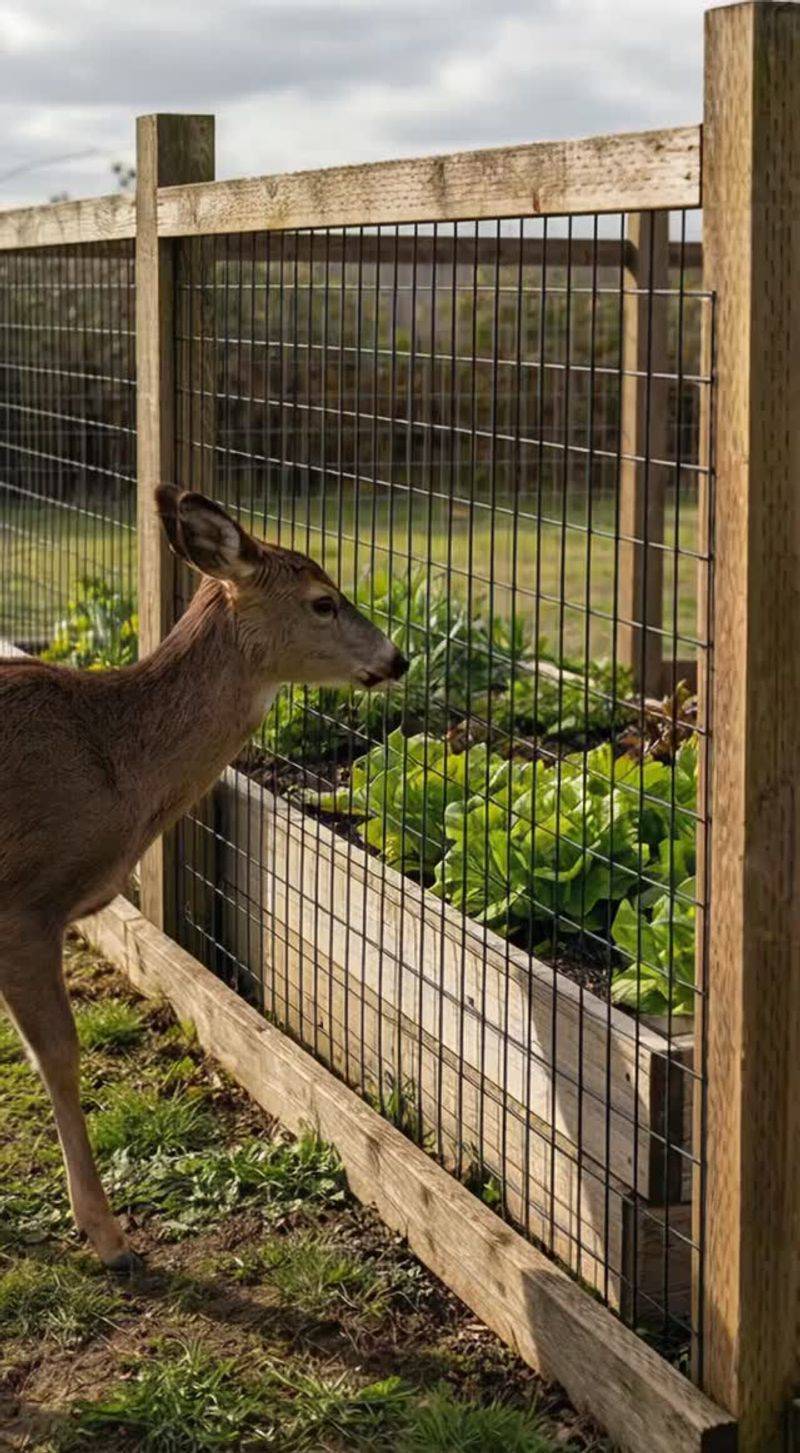
When it comes to keeping deer out for good, nothing beats a solid fence. Sprays and scents may help for a while, but a well-built barrier gives you dependable protection you can count on.
Deer are surprisingly strong jumpers, so height matters a lot. A fence that stands at least eight feet tall usually stops them, since most deer will not leap over such a tall obstacle.
Proper installation makes all the difference. A fence needs to be sturdy, with posts firmly set and no big gaps where deer can squeeze underneath or push through weak spots.
Repellents rely on smell and taste, which fade after rain or over time. A fence, however, works every hour of every day without needing constant reapplication.
Different fencing styles fit different needs. Some gardeners choose metal mesh, while others use woven wire or even double fences spaced apart to confuse jumping deer.
Angled or slanted fences can also trick deer, since they hesitate to leap over something that looks wide and unclear from a distance. Creative designs add extra security.
Yes, fencing takes more effort and money upfront. Still, the long-term payoff means fewer headaches and healthier plants season after season.
For gardeners tired of losing plants year after year, a good fence brings real relief. Once it stands strong around your yard, you can relax knowing your hard work is finally safe from hungry visitors all through the fall and beyond.
5. Repellents Can Provide Supplemental Protection
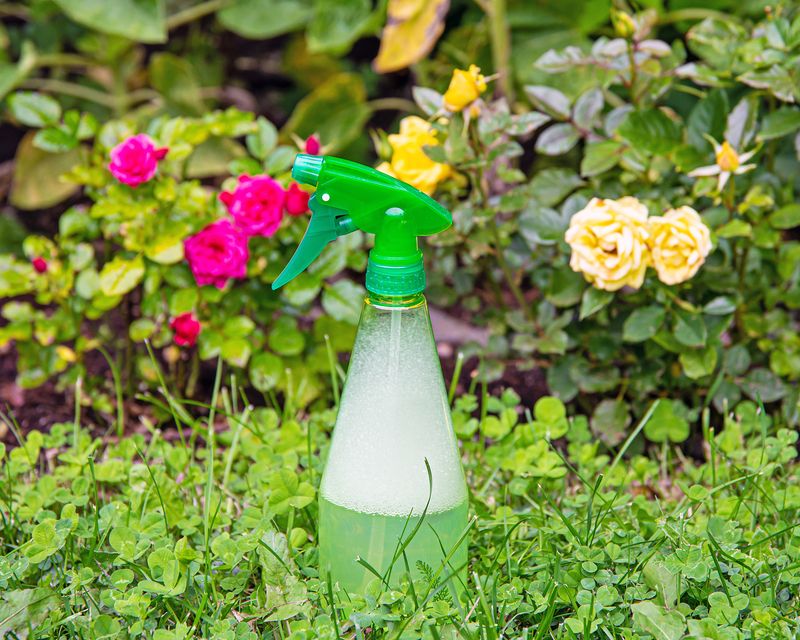
Sometimes a fence is not an option, and that is where repellents step in to lend a hand. These products make plants smell or taste unpleasant to deer, encouraging them to look elsewhere for dinner.
Most commercial repellents work by giving off odors deer dislike or by coating leaves with a bitter flavor. When deer take a sniff or a nibble, they often decide your garden is not worth the trouble.
Results can vary quite a bit, though. Some repellents fade after heavy rain, while others lose strength as deer grow used to the scent over time.
Rotating between different products can help keep deer guessing. When you switch scents now and then, deer are less likely to adjust and ignore the smell.
Always follow the label directions carefully. Each product has its own instructions for how much to use, how often to reapply, and which plants it works best on.
Timing matters too. Applying repellents on dry days and reapplying after storms keeps the protection working the way it should.
Think of repellents as a helpful sidekick rather than the main hero. They work best alongside other methods like fencing or plant choices.
For small gardens or potted plants, repellents offer a quick and affordable option. Just remember they need regular attention to stay effective.
Used the right way, these sprays and granules can buy your plants valuable protection during the busiest deer months, giving your garden a fighting chance through fall.
6. Deer Do Not Avoid Every Deer-Resistant Plant
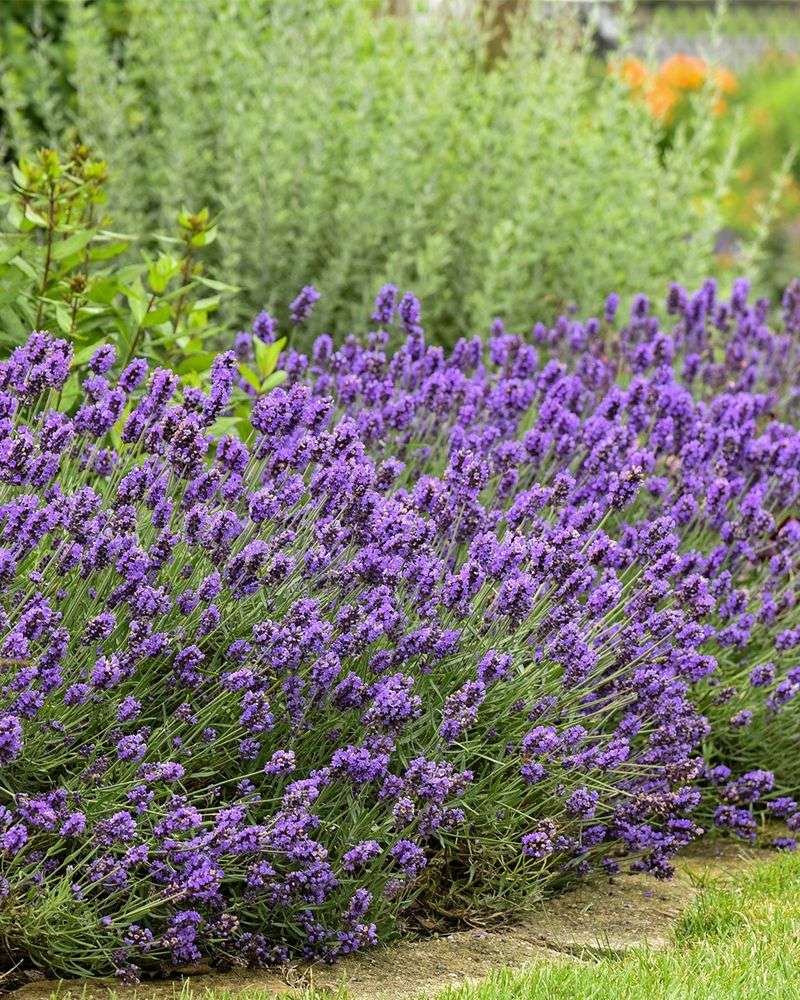
Reaching for so-called deer-resistant plants feels like a smart move, and often it is. Just remember that resistant does not mean deer will never touch them.
Plants labeled this way usually have strong scents, fuzzy leaves, or bitter tastes that deer prefer to skip. Herbs like lavender and rosemary often fall into this group, along with daffodils and boxwood.
Hunger changes everything, though. When natural food runs low in fall and winter, deer become far less picky about what they eat.
A starving deer will happily munch on plants it would normally ignore. So even your safest choices can end up nibbled during tough seasons.
Local conditions also play a role. Deer in one part of North Carolina might avoid certain plants, while deer in another area gobble them up without hesitation.
Think of deer-resistant plants as a helpful layer rather than a guarantee. Pairing them with fencing or repellents gives you much better odds.
Mixing strongly scented plants around your favorites can create a natural buffer. Deer may pass by the smelly border and leave the tender treasures alone.
Do not feel discouraged if a resistant plant gets a bite or two. That does not mean the strategy failed, just that a very hungry deer took a chance.
Using these plants wisely still reduces your risk overall. When you combine smart plant choices with other defenses, your garden stands a stronger chance of thriving all season long, even with deer roaming nearby.
7. Protect Young Trees And Shrubs
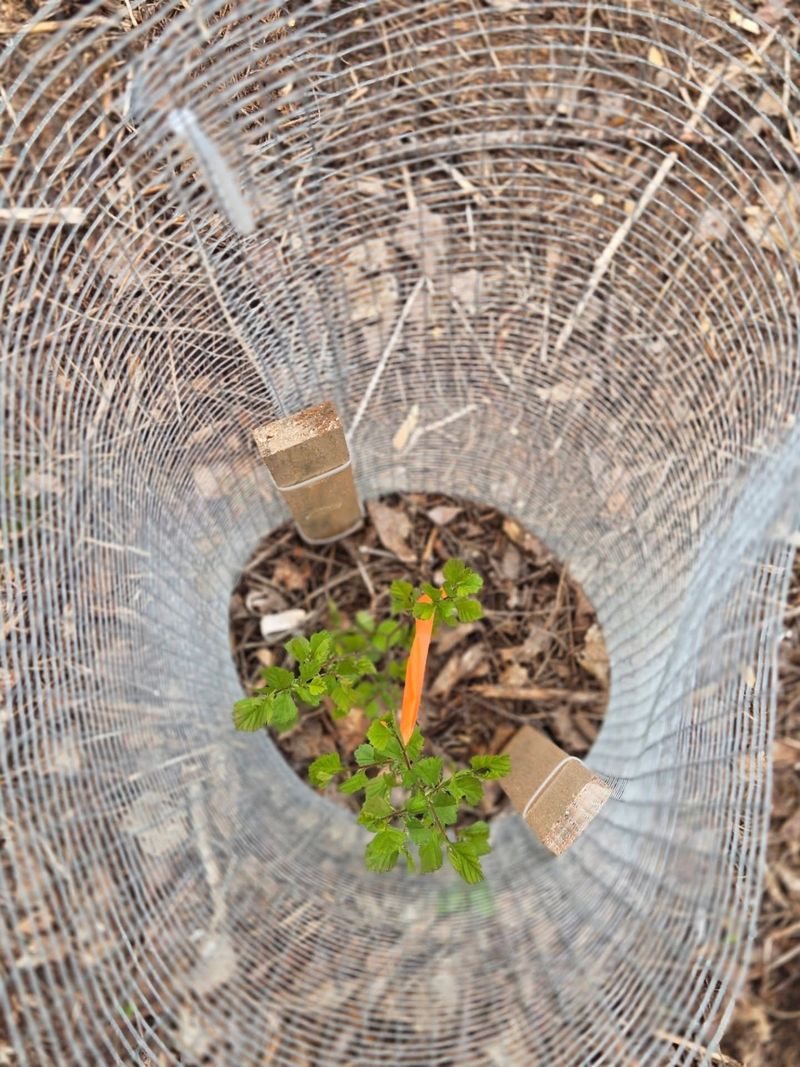
Nothing stings quite like watching a young tree you planted with care get damaged overnight. Baby trees and shrubs are especially tempting to deer because their tender bark and soft new growth are easy to reach.
During fall, bucks add another threat by rubbing their antlers against slim trunks. This rubbing strips bark and can seriously harm a young plant before it has a chance to grow strong.
Trunk guards offer simple, affordable protection. Wrapping a plastic or mesh guard around the base shields the bark from both browsing and antler rubbing.
For extra safety, place a wire cage around the entire plant. A sturdy cage keeps deer from reaching the branches and stops them from leaning in for a bite.
Young shrubs benefit from similar care. Since they sit low to the ground, deer can easily strip their leaves and snap their tender stems.
Make sure guards and cages stand tall enough. Deer reach higher than you might expect, so protection should cover the areas they can stretch toward.
Check your guards now and then to be sure they stay in place. Wind and weather can loosen them, leaving gaps for curious deer.
Giving young plants this extra attention pays off big as they mature. A tree protected in its early years grows into a strong, healthy part of your landscape.
With a little effort, your saplings and fresh shrubs can make it safely through fall and reward you for many seasons to come.
8. Reduce Easy Food Sources Around The Yard
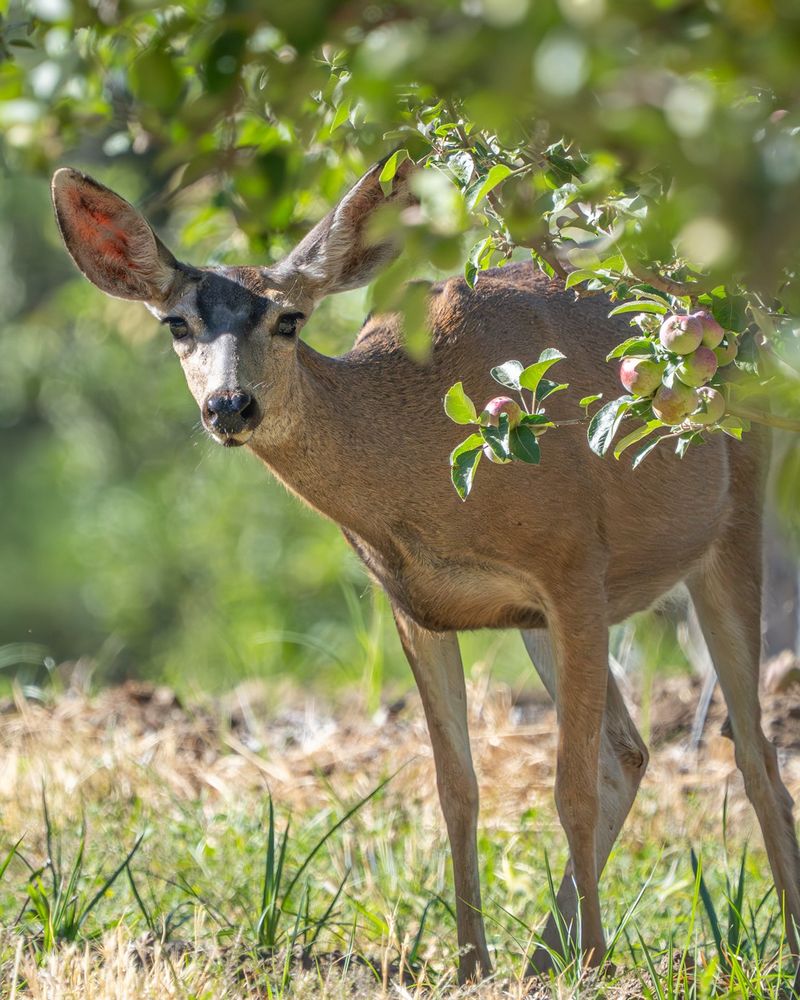
Deer follow their stomachs, so anything easy to eat in your yard acts like an open invitation. Cleaning up tempting snacks can lower how often deer stop by for a meal.
Fallen fruit is a big magnet. Apples, pears, and other fruit that drop from trees pile up fast and draw deer right to your property.
Raking and removing that fruit regularly takes away one of their favorite treats. A tidy yard simply looks less appealing to a hungry deer passing through.
Exposed garden crops also catch their attention. Ripe vegetables left uncovered practically wave a flag saying dinner is served.
Harvesting your produce promptly helps a lot. The sooner you pick ripe veggies, the fewer reasons deer have to wander into your beds.
Bird feeders can spill seed that deer happily clean up too. Keeping feeders tidy or moving them can cut down on unwanted visitors.
Still, removing food alone will not solve everything. A determined deer can find plenty of reasons to enter an open, unprotected garden.
Think of food cleanup as one piece of a bigger plan. Combined with fencing, repellents, and smart plant choices, it strengthens your overall defense.
Reducing easy meals also encourages deer to search for food elsewhere. Over time, they may skip your yard in favor of spots with better rewards.
Staying on top of yard cleanup during fall makes your property less inviting. When paired with other steps, this simple habit helps keep your garden peaceful and thriving.