Should You Trim Mango Trees Before Spring In Florida
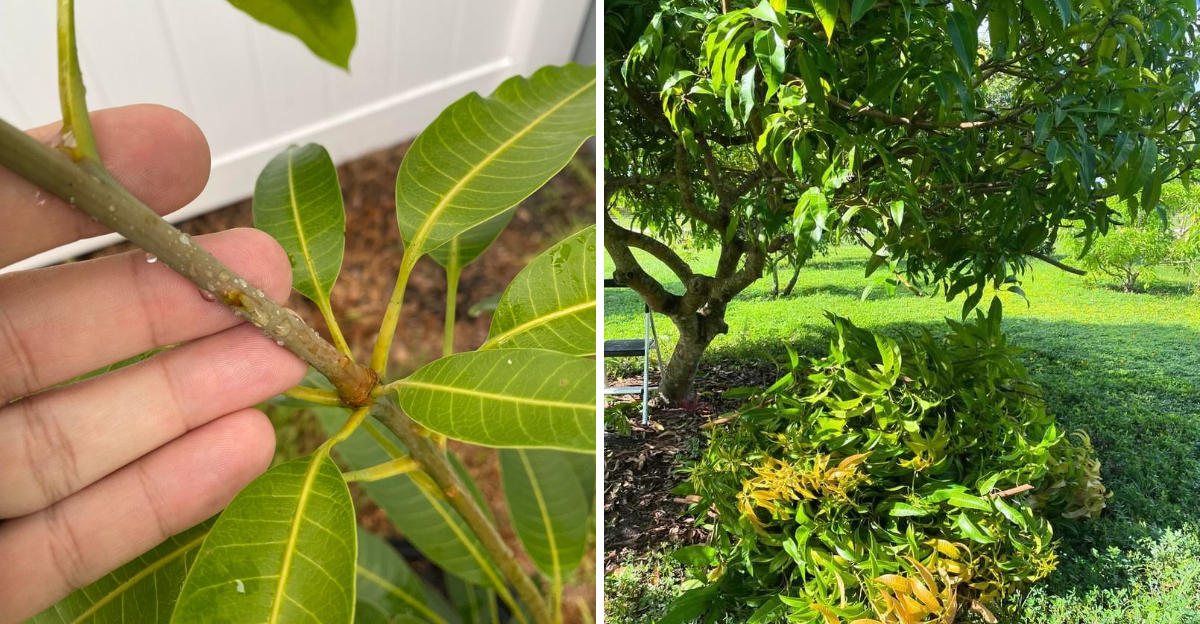
In Florida, the moment winter starts fading, mango trees begin to wake up. New growth appears, flower panicles start forming, and suddenly backyard growers start thinking about pruning.
A quick trim can feel like the right move. After all, cutting back a tree often helps plants grow stronger and healthier.
But mango trees play by slightly different rules. Every year, many Florida homeowners trim their mango trees just before spring, thinking they are helping the tree prepare for fruit season.
In reality, that timing can quietly sabotage the harvest before it even begins. With mango trees, a few cuts at the wrong time can remove the very branches that were about to produce flowers and fruit.
And the truth is, one small pruning mistake can cost you most of your mango harvest.
1. Mango Trees Benefit From Careful Pruning Before Spring Growth
Florida gardeners know that late winter is a transitional time for backyard fruit trees. Mango trees start gearing up for their spring growth flush, which means any pruning you do right now can shape how the tree develops over the coming months.
Light trimming before that growth surge can make a real difference in how balanced and manageable your tree becomes.
When you remove crossing branches, weak limbs, or stems that are growing in awkward directions, you give the tree a cleaner structure to build on. According to University of Florida IFAS Extension guidance, mango trees in Florida benefit from strategic shaping that keeps the canopy open and well-balanced.
This is especially true for trees growing in smaller yards where space is limited.
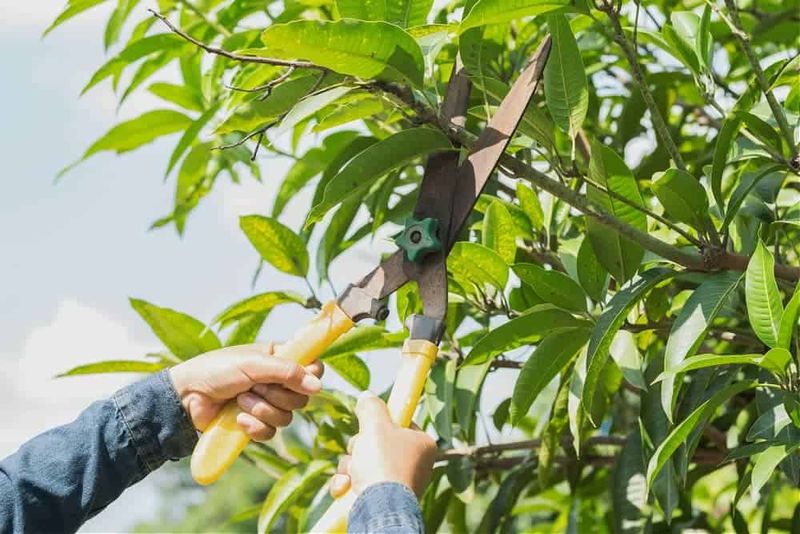
The key word here is “light.” You are not trying to dramatically reduce the tree before spring. Instead, focus on tidying up the structure, clearing out problem branches, and setting the tree up for a productive season.
Avoid removing any branches that show signs of flower buds forming, since those are your future fruit. A careful hand and a clear plan will serve your Florida mango tree well heading into the warmer months.
2. Mango Trees Grow Stronger With Proper Late Winter Trimming
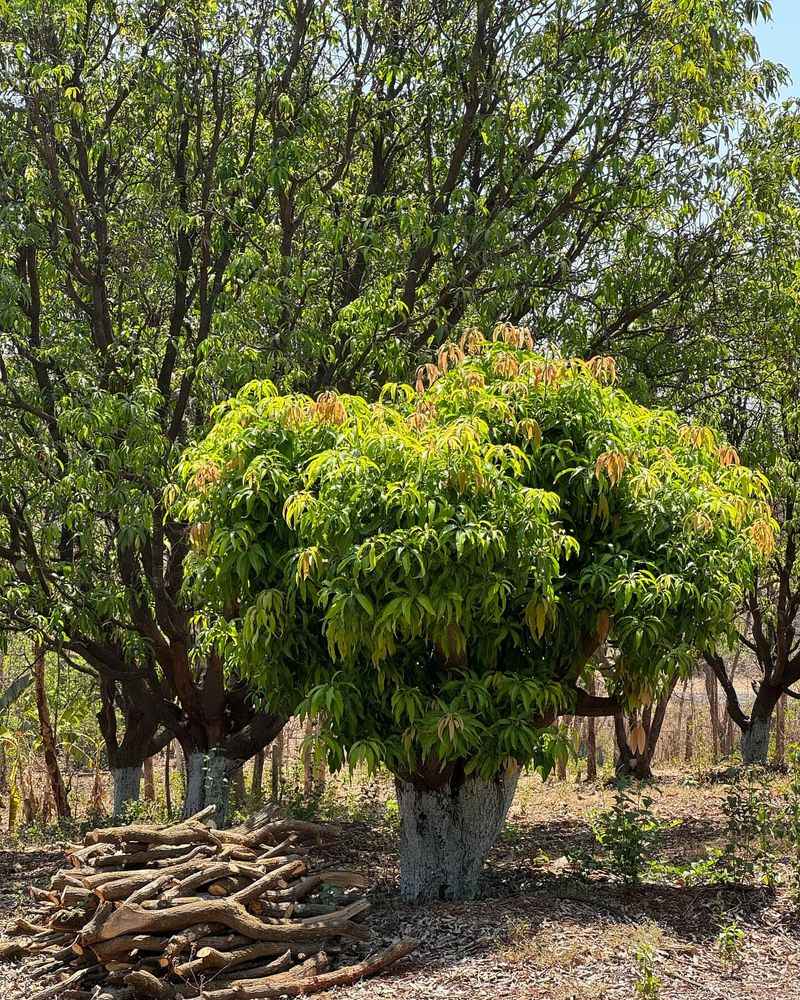
Backyards across South Florida are full of mango trees that have grown into impressive, sprawling giants over the years. That kind of vigorous growth is one of the things that makes Florida such a great place to grow tropical fruit, but it also means that without regular attention, trees can become difficult to manage.
Late winter trimming, done carefully, helps redirect that energy in a productive way.
Trimming in January or February, before the new spring growth begins, encourages the tree to push out fresh, healthy branching once warm weather fully kicks in. Removing old, tired wood and thinning out congested areas gives new shoots room to develop properly.
Florida mango trees that receive consistent late winter attention tend to maintain a more balanced canopy over time.
Keep in mind that late winter pruning should still be conservative. The goal is to improve structure, not to stress the tree right before its most active growing period.
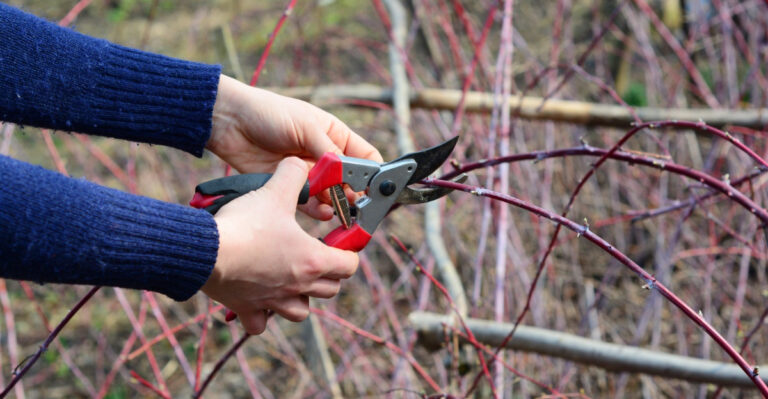
Removing no more than 20 to 25 percent of the canopy at one time is a commonly recommended guideline for Florida mango trees. Sharp, clean tools are essential to prevent tearing bark or introducing infection into fresh cuts.
3. Young Mango Trees Need Early Shaping For Strong Structure
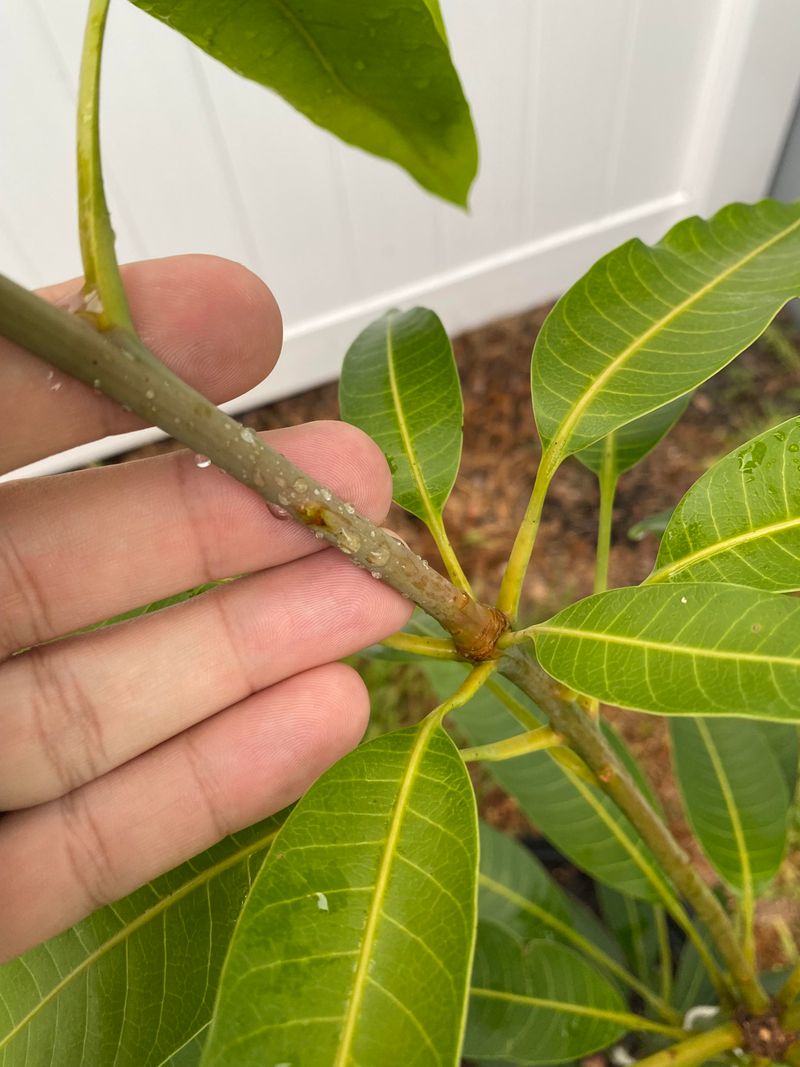
Starting a mango tree off with the right shape is one of the best investments a Florida gardener can make. Young trees are flexible and easy to guide, but once a mango tree matures into a large, multi-stemmed canopy, correcting structural problems becomes much harder and sometimes damaging to the tree.
Early shaping sets the foundation for everything that follows.
For trees in their first two to three years, the focus should be on developing a strong central leader or a low, spreading scaffold structure depending on your space. University of Florida IFAS Extension recommends training young mango trees to grow with three to four well-spaced main branches that radiate outward from a low trunk.
This open structure improves light penetration and airflow throughout the canopy as the tree matures.
Light heading cuts on the tips of young branches encourage lateral growth and help fill in the canopy more evenly. Removing any shoots that are growing straight up or rubbing against other branches keeps the structure clean.
Florida’s fast growing season means young trees respond quickly to shaping cuts, so even small adjustments made before spring can have a noticeable impact on how the tree looks and performs by summer.
4. Overgrown Mango Trees Need Selective Pruning Before Spring
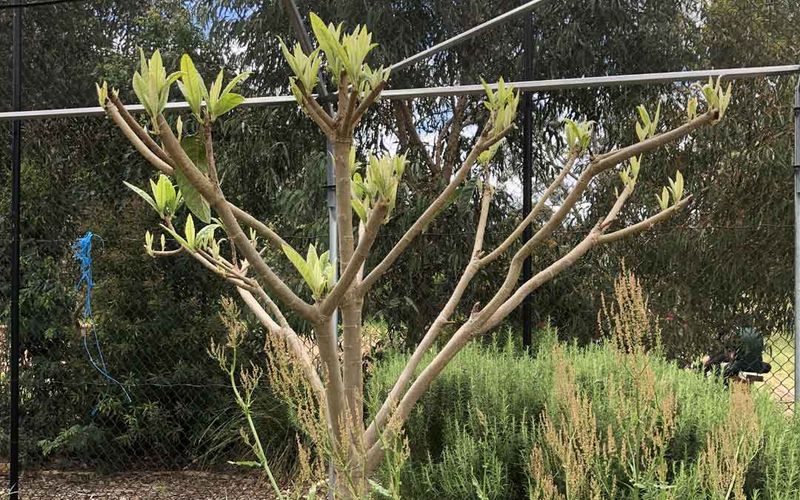
Walk through almost any older neighborhood in Miami-Dade or Broward County and you will spot mango trees that have grown well beyond what their original planting space was designed to handle. These towering trees are impressive, but they can also shade out neighboring plants, make harvesting nearly impossible, and create a safety concern during Florida’s hurricane season.
Selective pruning before spring can begin to bring them back under control.
For overgrown trees, the approach needs to be gradual. Removing too much at once can shock the tree and reduce fruit production for a season or more.
A better strategy is to spread major size reduction over two to three years, taking out the tallest and most problematic branches first and allowing the tree to recover between pruning sessions.
Focus on branches that are growing vertically into the power lines or roofline, limbs that cross and rub against each other, and any wood that looks weak or damaged. Florida mango trees are resilient and can handle moderate pruning when it is done thoughtfully.
Cutting back to a lateral branch rather than leaving a stub will help the tree heal cleanly and reduce the risk of disease entering through open wounds in the humid Florida air.
5. Heavy Mango Tree Pruning Can Reduce The Next Harvest
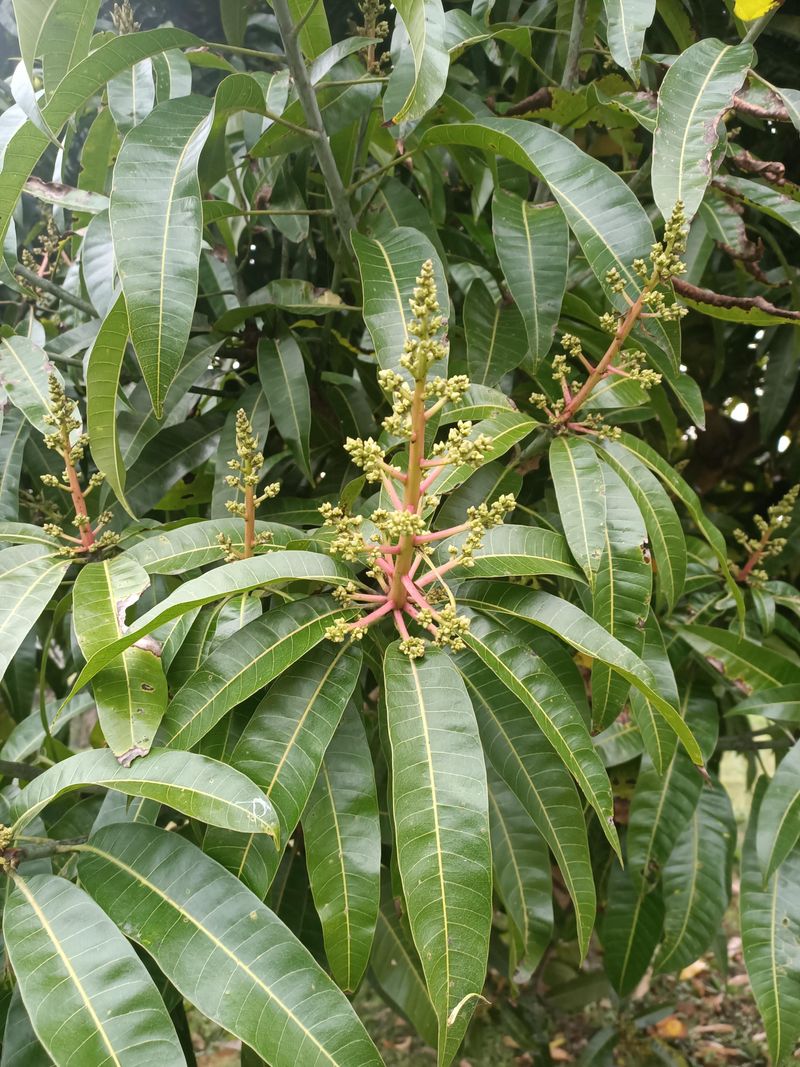
Fruit growers in Florida learn this lesson quickly: cutting too much off a mango tree at the wrong time can mean waiting an entire extra year for a good harvest. Mango trees produce fruit on mature wood, and the flower panicles that eventually become mangoes develop on the tips of branches that grew during the previous season.
Removing those branch tips right before or during flowering removes your fruit before it even has a chance to form.
Aggressive pruning in late winter or early spring, especially when flower buds are already visible, is one of the most common mistakes Florida homeowners make. Even well-meaning trimming sessions that take off too much canopy can stress the tree and interrupt the flowering cycle.
The result is a sparse harvest or sometimes no fruit at all for that season.
This is why most reputable horticultural sources, including University of Florida IFAS Extension, recommend saving major pruning work for after the harvest season, typically between May and August depending on your mango variety. Once the fruit has been picked and the tree begins its post-harvest recovery, that is the ideal window for more significant shaping work.
Pre-spring pruning should stay light and structural to protect the upcoming crop.
6. Florida Mango Trees Produce Better Fruit With Proper Airflow
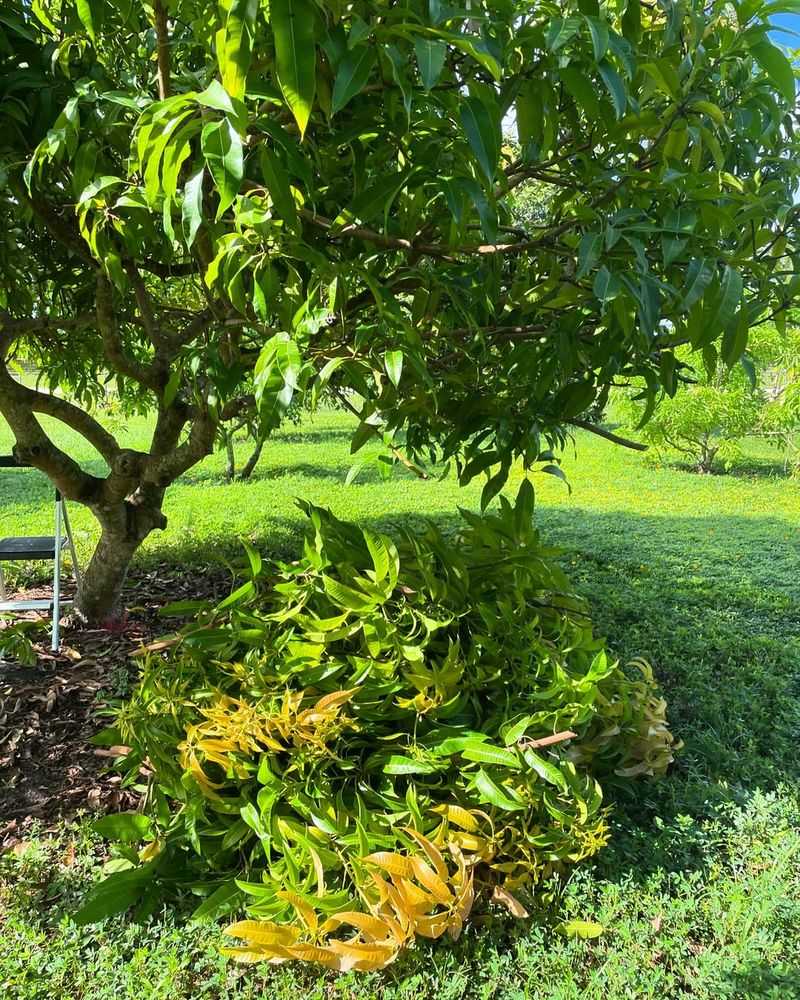
Florida’s heat and humidity create perfect conditions for growing mangoes, but that same warm moisture also creates ideal conditions for fungal diseases like anthracnose and powdery mildew. These diseases thrive in dense, crowded canopies where air cannot circulate freely.
Thinning out the interior of a mango tree before the spring growing season can make a significant difference in reducing disease pressure throughout the year.
When branches are packed tightly together, leaves stay wet longer after rain or irrigation, giving fungal spores the damp environment they need to spread. Opening up the canopy by removing crossing branches, water sprouts, and congested interior growth allows sunlight and moving air to reach more of the tree.
This simple step can reduce the need for fungicide applications and help fruit develop with fewer blemishes.
Improved airflow also benefits pollination. Mango flowers need insects to move freely through the canopy, and a dense, tangled structure can limit pollinator access.
Florida mango growers who thin their canopies regularly often notice fuller fruit sets and more evenly sized mangoes at harvest time. Thinning cuts should be made cleanly at the branch collar to encourage proper healing and minimize entry points for disease in Florida’s humid growing environment.
7. Healthy Mango Trees Respond Well To Light Seasonal Pruning
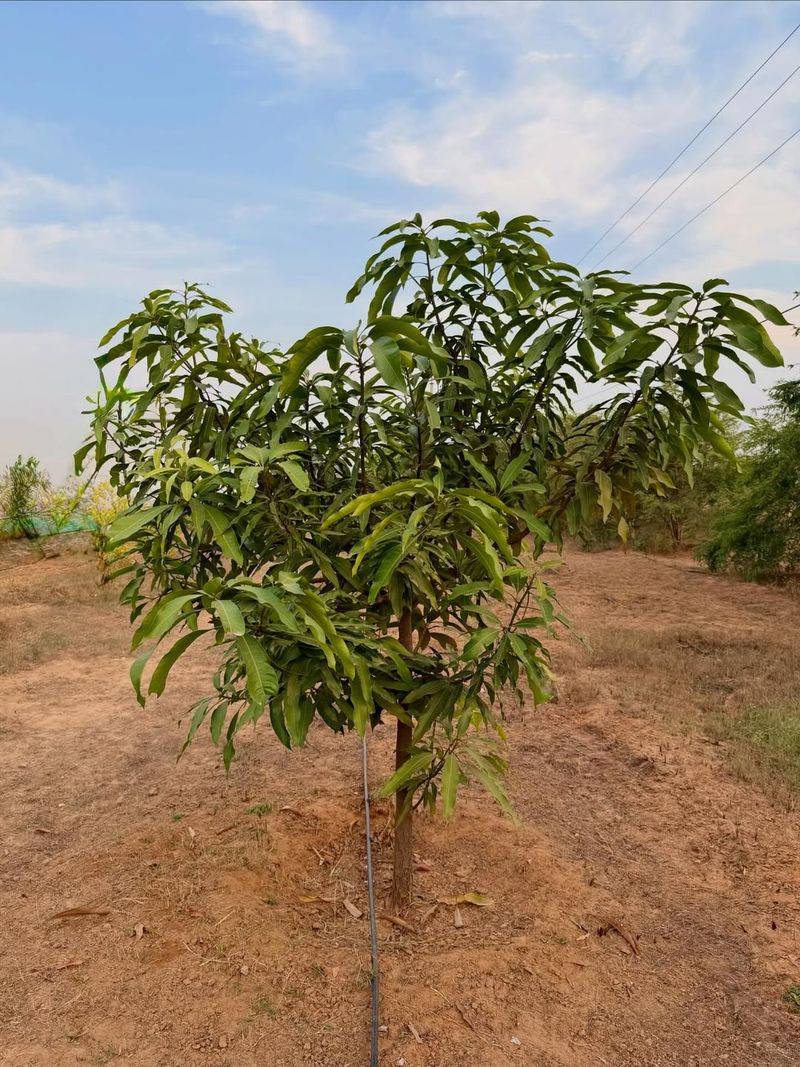
Consistency is one of the most underrated tools in Florida fruit tree care. Mango trees that receive light, regular pruning throughout the years tend to stay healthier, more manageable, and more productive than trees that are ignored for years and then drastically cut back.
Building a simple annual pruning habit makes each session easier and less stressful for the tree.
Light seasonal pruning involves removing small amounts of growth each year rather than making large, dramatic cuts. This might mean cleaning up a few crossing branches in late winter, removing water sprouts that pop up along the trunk in summer, and trimming back any branches that extended too far after harvest.
Each small session contributes to a better-shaped, more open tree over time.
Florida mango trees are remarkably adaptable and generally bounce back well from light pruning when it is done at the right time of year. Using sharp, sanitized pruning tools reduces the risk of spreading bacterial or fungal problems from one cut to the next, which matters a lot in Florida’s warm and wet conditions.
A light touch applied consistently over many seasons will keep your backyard mango tree producing well and looking great without the need for drastic intervention down the road.
8. Well Timed Mango Tree Trimming Helps Control Size And Shape
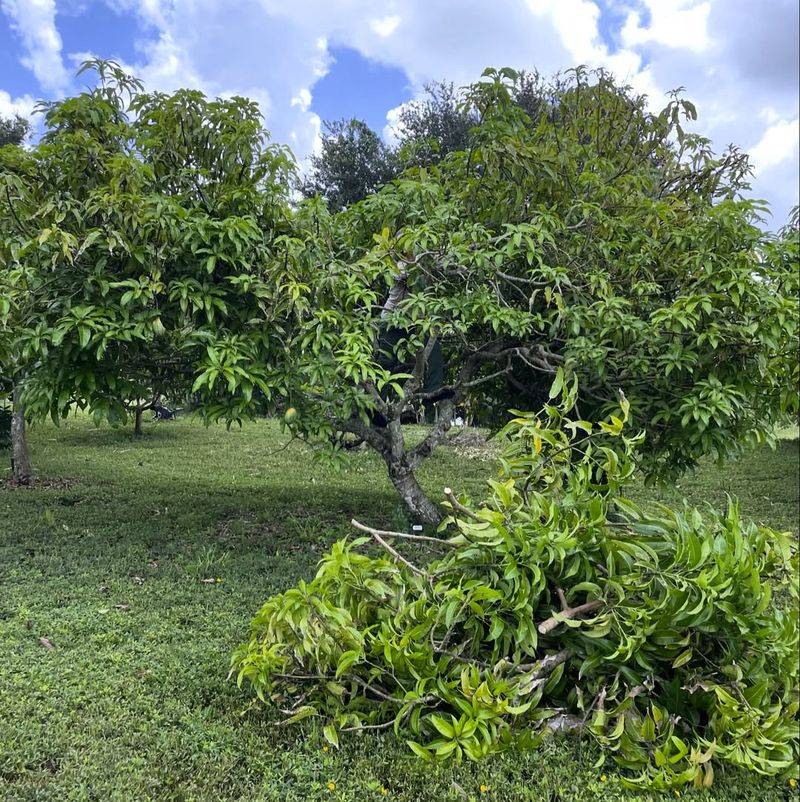
Keeping a mango tree at a workable height is one of the most practical goals for Florida homeowners who actually want to harvest their own fruit. Trees that are allowed to grow unchecked can reach 30 to 40 feet tall, making hand-picking nearly impossible and creating real challenges during storm season.
Timely trimming keeps trees at a height where homeowners can safely reach the fruit and maintain the tree without professional help every single year.
The best time for significant height reduction is after the harvest season ends, usually sometime between June and August in Florida. However, light heading cuts made before spring can help slow the upward push of new growth that happens once warm weather arrives.
Cutting back the tallest vertical shoots in late winter gives the tree a lower starting point before that spring flush of growth begins.
Aim to keep your Florida mango tree between 10 and 15 feet tall if manageable harvesting is a priority. This height range is supported by University of Florida IFAS Extension recommendations for home landscape mango trees.
Regular size control also reduces wind resistance during Florida’s active hurricane season, which helps protect both the tree and surrounding structures. A well-timed, well-planned trim schedule makes all the difference in long-term tree management.