7 Shrubs Deer Usually Avoid In Texas Landscape
Few things are more frustrating for Texas gardeners than stepping outside to find their carefully planted shrubs chewed down overnight.
Deer move quietly through neighborhoods and rural areas alike, and when they find something they enjoy eating, they often come back for more. A beautiful landscape can quickly turn into a regular feeding spot for these hungry visitors.
The good news is that not every plant is appealing to deer. Some shrubs have strong scents, tough leaves, or textures that deer tend to ignore.
Choosing the right varieties can make a big difference when you are trying to protect your yard from constant nibbling.
Many Texas gardeners have learned that smart plant selection is one of the easiest ways to reduce damage. By adding shrubs that deer usually pass by, you can create a landscape that stays fuller and healthier.
With the right choices, your garden can look vibrant without becoming a nightly stop for wildlife.
1. Texas Sage (Leucophyllum Frutescens)
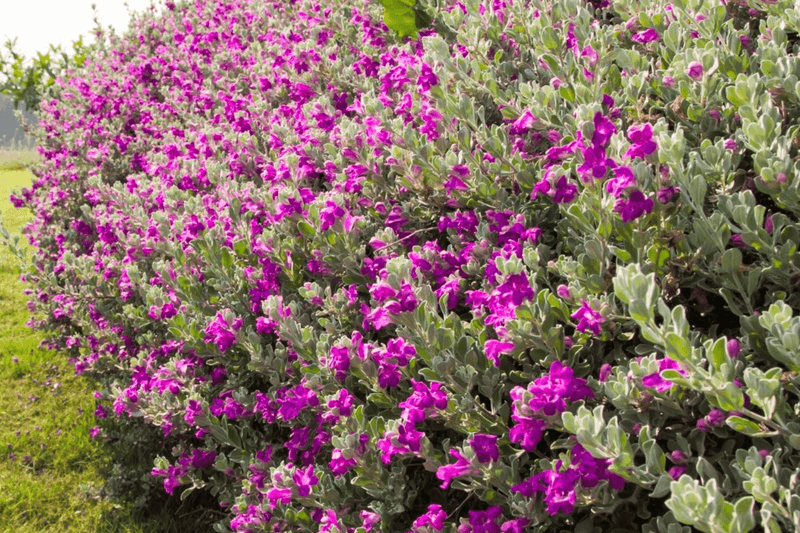
Walk through almost any neighborhood in South or West Texas and you will likely spot this beautiful shrub standing tall with its silvery leaves and bright purple blooms. Texas Sage, also called cenizo, is one of the most beloved native plants in the Lone Star State.
Deer rarely bother with it, and that makes it a top pick for any Texas gardener dealing with wildlife pressure.
The silvery-gray foliage has a strong, slightly medicinal aroma that deer find unappealing. Its leaves are also covered in tiny hairs, giving them a fuzzy texture that most deer prefer to skip.
After a good rain, the shrub bursts into purple flowers that look absolutely stunning against a dry Texas backdrop.
Texas Sage is incredibly tough. It thrives in full sun, handles drought like a champion, and actually prefers poor, well-drained soil.
Overwatering is one of the few things that can stress this plant out. So if you tend to forget about your garden during a hot Texas summer, cenizo will not hold it against you.
Plant it along a fence line, as a border shrub, or even as a low hedge. It grows anywhere from four to eight feet tall, giving you solid coverage without a lot of maintenance.
Many Texas landscapers use it as a natural privacy screen. Once established, it needs very little water, making it both a budget-friendly and wildlife-resistant option for your outdoor space.
2. Rosemary (Salvia Rosmarinus)
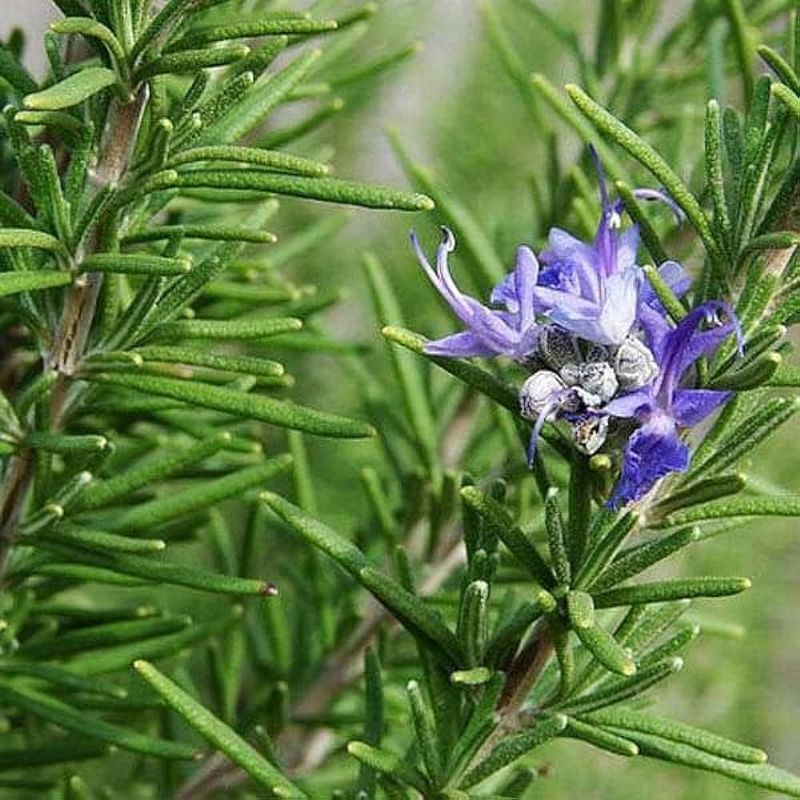
Most people think of rosemary as something you toss into a pasta dish or roast chicken, but in Texas, this fragrant herb also pulls serious duty as a landscape shrub.
The strong, piney scent that makes rosemary so popular in the kitchen is the exact same reason deer want nothing to do with it.
Their sensitive noses pick up that bold aroma from a distance, and they usually walk the other way.
Rosemary is an evergreen shrub, meaning it keeps its needle-like green leaves all year long. In Texas, it handles the brutal summer heat surprisingly well once it gets settled into the ground.
It likes full sun and well-drained soil, and it actually prefers drier conditions over soggy ones. Planting it in a raised bed or along a sunny walkway gives it the best chance to thrive.
Did you know rosemary can grow into a pretty large shrub in warmer climates like Texas? Some varieties reach four to six feet tall and wide, making them useful as informal hedges or border plants.
The tiny blue or purple flowers that appear in late winter and early spring are also a bonus, attracting pollinators like bees.
Beyond deer resistance, rosemary offers a double benefit: you can trim cuttings to use in cooking anytime you want. It is a practical, low-maintenance, and highly aromatic addition to any Texas yard.
Few plants offer this much value with so little fuss, making rosemary a true standout in the landscape.
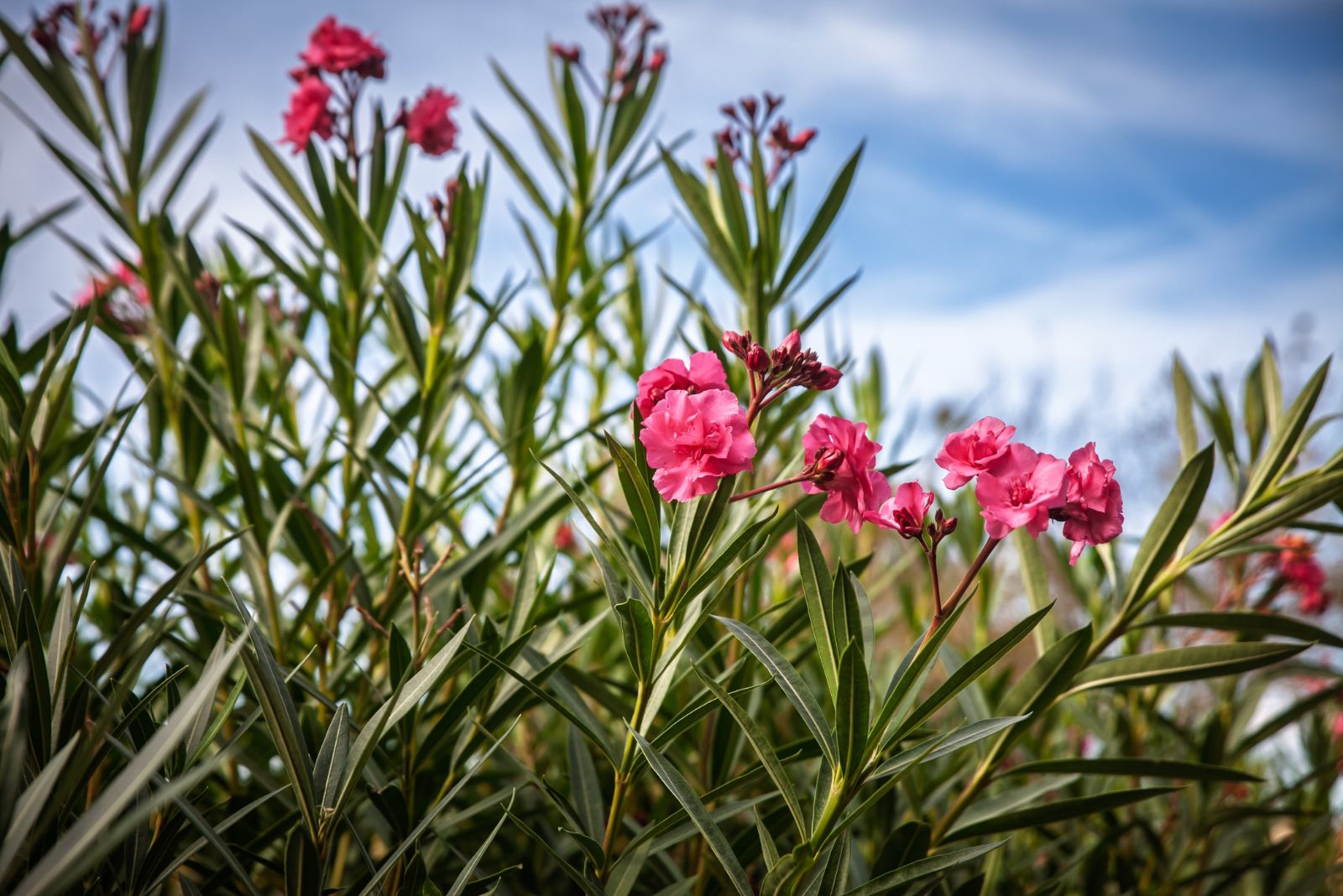
3. Oleander (Nerium Oleander)
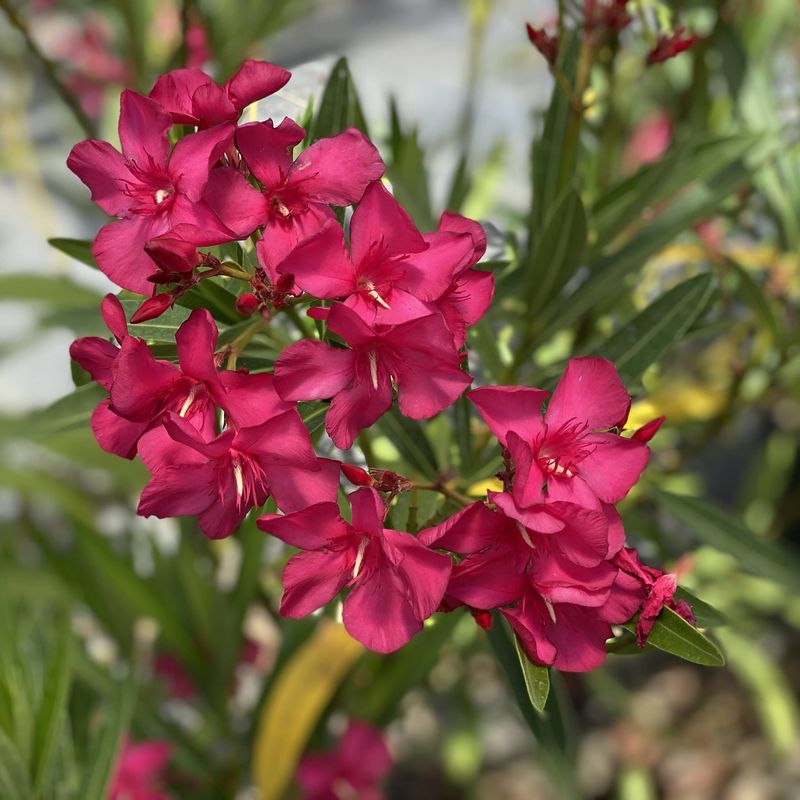
Oleander is one of those plants that has been growing in Texas yards for generations, and for good reason. Drive through any neighborhood in Houston, San Antonio, or along the Gulf Coast and you will spot these bold, colorful shrubs lining driveways and fences.
Deer almost always avoid oleander, and the reason is straightforward: the plant contains toxic compounds that animals instinctively steer clear of.
Every part of the oleander plant is toxic, which is why it is so important to keep it away from pets and small children. But for deer?
That natural toxicity works as a built-in repellent. Deer seem to have a strong instinct for avoiding plants that could harm them, and oleander is high on their list of things to leave alone.
As a landscape shrub, oleander is hard to beat in warm Texas climates. It tolerates heat, drought, salt spray, and poor soil conditions with ease.
The flowers come in shades of pink, red, white, and yellow, and they bloom for a long stretch through spring, summer, and into fall. That long blooming season gives your yard months of beautiful color.
Oleander can grow quite large, sometimes reaching ten to twenty feet tall if left unpruned. Most Texas gardeners keep it trimmed to a manageable size of six to eight feet.
It works wonderfully as a tall privacy hedge or a windbreak along a property line. Just handle it with gloves when pruning and wash your hands thoroughly afterward to stay safe.
4. Wax Myrtle (Morella Cerifera)
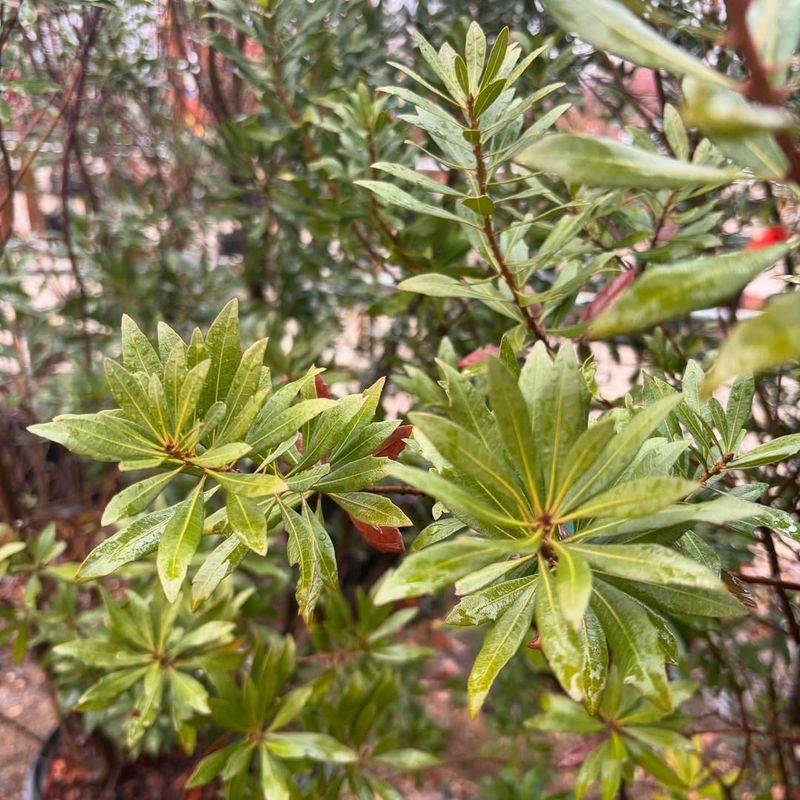
If you need a fast-growing, low-maintenance shrub that deer tend to ignore, wax myrtle deserves a serious look. Native to Texas and much of the southeastern United States, this tough evergreen has been used in landscapes for decades.
Its secret weapon against deer is simple: the leaves have a strong, spicy, bayberry-like scent that most deer find completely unpleasant.
Wax myrtle grows quickly, sometimes adding several feet of height each year under good conditions. That makes it one of the fastest natural privacy screens available to Texas homeowners.
It tolerates a wide range of soils, including clay, sandy, and even wet areas near ponds or drainage zones. Few native shrubs are this adaptable across such different Texas environments.
The small, waxy bluish-gray berries that appear in fall and winter are a favorite food source for birds, especially yellow-rumped warblers.
So while deer leave the plant alone, your yard can still become a lively spot for bird activity during the cooler months. That is a nice bonus for anyone who enjoys watching wildlife from a safe distance.
Wax myrtle can grow anywhere from six to fifteen feet tall, depending on the variety and how much you prune it. Dwarf varieties are available if you want a shorter hedge or border planting.
Whether you are in East Texas, the Gulf Coast region, or Central Texas, wax myrtle is a reliable native option that holds its own against both deer pressure and tough weather conditions throughout the year.
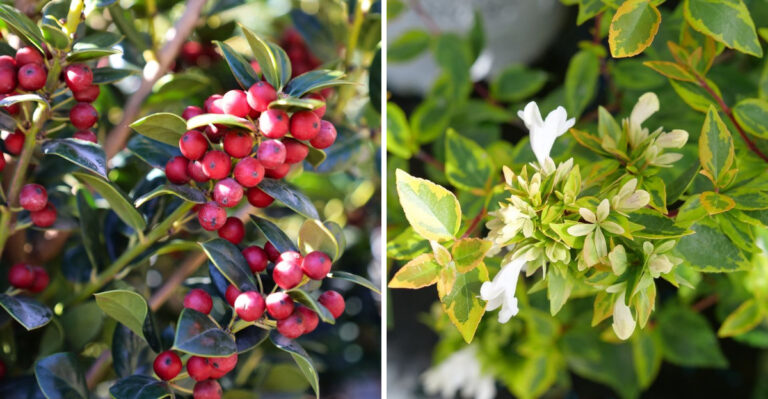
5. Yaupon Holly (Ilex Vomitoria)
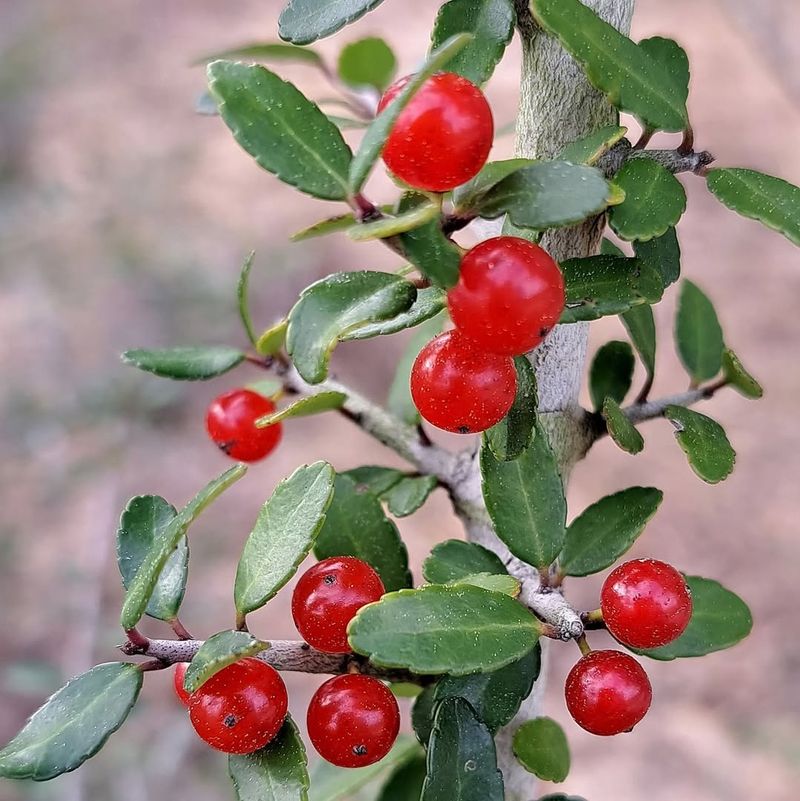
Tough, native, and loaded with personality, yaupon holly is one of those shrubs that Texas landscapes were practically made for. It grows wild across much of the state, from the piney woods of East Texas to the limestone hills of the Texas Hill Country.
Deer generally leave it alone, likely because of its dense, leathery foliage and slightly bitter taste that makes it far less appealing than softer plants nearby.
One of the best things about yaupon holly is how little it asks of you. Once it gets established, it handles drought, heat, and even occasional flooding without missing a beat.
It grows in full sun or partial shade, making it flexible enough to fit into almost any spot in your yard. Few shrubs offer this level of toughness without sacrificing good looks.
The bright red berries that appear in fall and winter are a real highlight. Female plants produce the berries, and they are incredibly attractive to songbirds.
Cedar waxwings, mockingbirds, and robins flock to yaupon holly during berry season, turning your yard into a lively natural scene. The berries persist well into winter, giving birds a reliable food source during lean months.
Fun fact: yaupon holly is the only caffeinated plant native to North America. Indigenous peoples brewed its leaves into a tea for centuries.
Today, some small companies are even reviving that tradition. Beyond its fascinating history, yaupon holly works beautifully as a hedge, wildlife garden plant, or standalone specimen shrub anywhere across Texas.
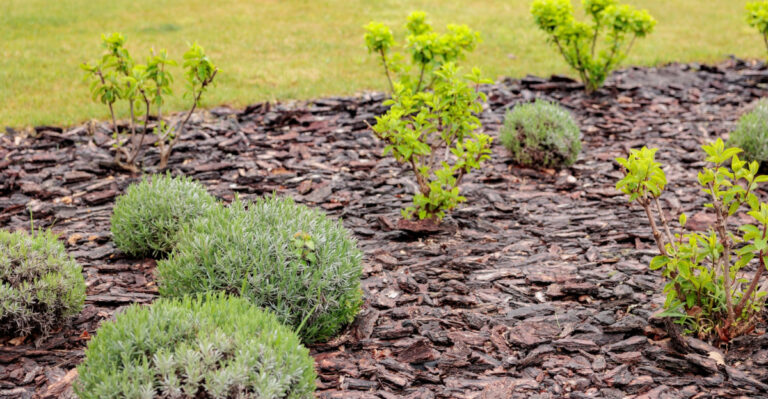
6. Dwarf Abelia (Abelia Grandiflora)
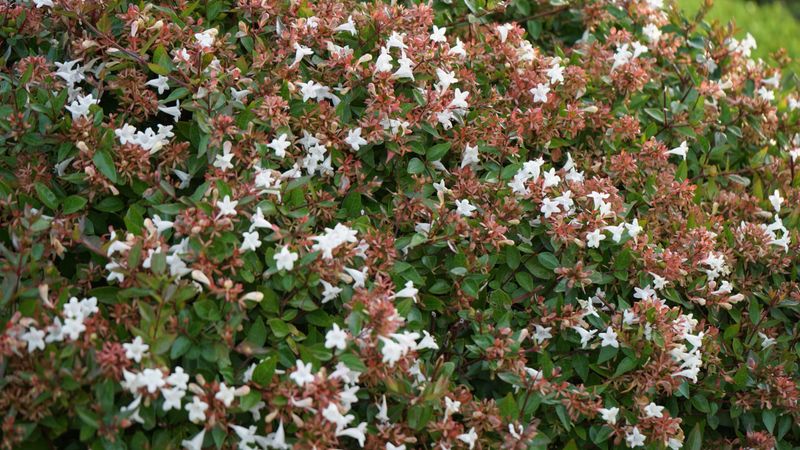
Sweet-smelling, compact, and surprisingly tough, dwarf abelia is a shrub that earns its place in any Texas garden. The small, tubular flowers bloom in shades of white and soft pink from late spring all the way through fall, giving you months of color and fragrance.
Deer tend to avoid abelia, likely because of the aromatic oils in its flowers and foliage that make it less appetizing than other garden plants.
Dwarf abelia stays relatively small, usually topping out at two to three feet tall and wide. That makes it a great choice for borders, foundation plantings, or low hedges along walkways.
Its size also makes it easy to manage without a lot of heavy pruning. In Texas, it performs well in full sun to partial shade and handles the summer heat without too much drama.
The glossy green leaves take on attractive bronze and reddish tones as temperatures cool down in fall and winter, adding seasonal interest to your landscape long after the flowers fade.
Even during the cooler months, the plant holds most of its leaves, keeping your yard looking tidy and full. That semi-evergreen quality is a real advantage in Texas winters, which can be unpredictable.
Pollinators absolutely love abelia. Butterflies and hummingbirds visit the flowers regularly throughout the blooming season, making it a wonderful addition to a wildlife-friendly garden.
Pair it with other deer-resistant plants like Texas Sage or rosemary for a low-maintenance, high-impact planting bed that looks great all year long across the Texas landscape.
7. Mountain Laurel (Sophora Secundiflora)
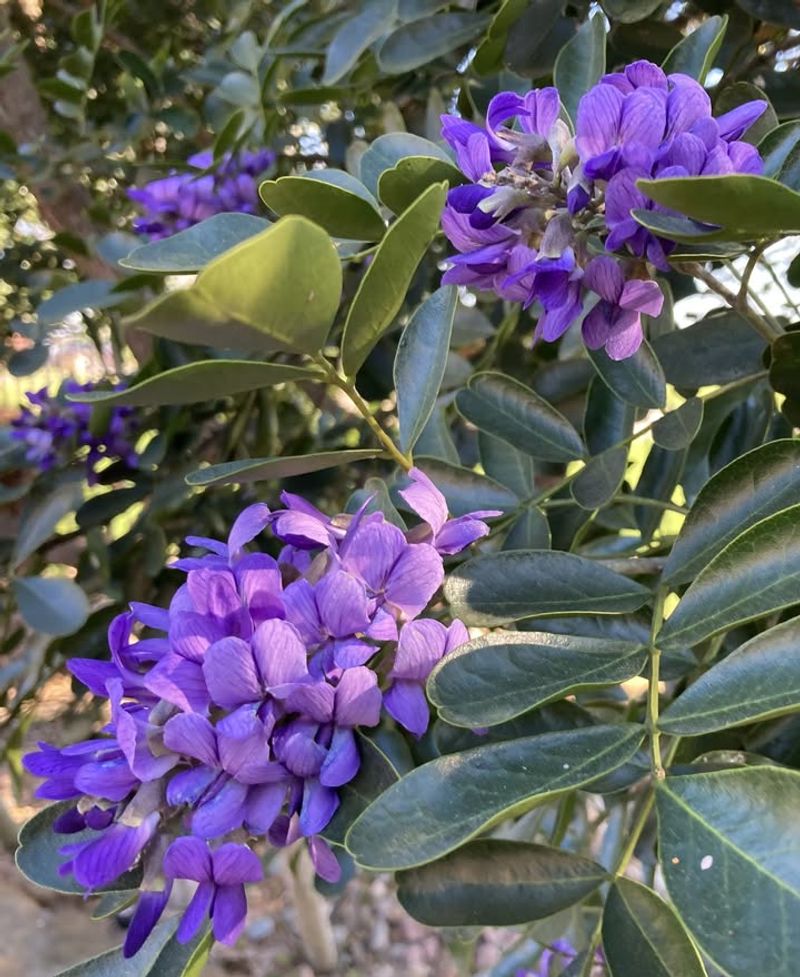
Every spring across the Texas Hill Country, mountain laurel puts on one of the most breathtaking floral displays you will ever see.
The clusters of deep purple flowers look almost like wisteria and carry a fragrance that many people describe as smelling like grape soda.
It is stunning, memorable, and deer almost always pass it right by, which makes it one of the most celebrated deer-resistant shrubs in all of Texas.
The reason deer avoid Texas mountain laurel comes down to its chemistry. The seeds and foliage contain alkaloids that are toxic, and deer seem to sense this naturally.
The leathery, dark green leaves are also quite tough in texture, which makes browsing on this shrub far less appealing compared to softer, more tender plants nearby in the landscape.
Mountain laurel is an evergreen, so it looks good all year long. It grows slowly, eventually reaching six to fifteen feet tall over many years.
While the slow growth can require some patience, the payoff is a long-lived, low-maintenance shrub that rarely needs much attention once it gets settled.
It thrives in rocky, well-drained alkaline soils, which describes a huge portion of Central and West Texas perfectly.
Beyond the Hill Country, Texas mountain laurel grows well in San Antonio, Austin, and surrounding areas where the soil and climate suit it nicely.
Plant it as a specimen shrub, a tall screen, or even a small ornamental tree by training it to a single trunk. Either way, it brings serious curb appeal and reliable deer resistance to any Texas yard.