8 Shrubs Florida Gardeners Should NOT Prune In January (And 3 That Actually Love It)
January in Florida is when gardening temptation strikes hard. The air feels lighter, the yard looks a little wild after the holidays, and those pruning shears start calling your name.
One quick trim turns into another, and before you know it, half the landscape is “cleaned up.”
The problem is that many of Florida’s favorite shrubs are already packing tiny flower buds by midwinter. Cut at the wrong time and you don’t just shape the plant, you erase an entire season of blooms.
That’s why January can quietly become the most damaging month for well-meaning gardeners. Some shrubs desperately need to be left alone right now, while a handful actually thrive when pruned during winter.
Knowing the difference is the secret to bigger blooms, stronger plants, and a yard that explodes with color instead of staying stubbornly green. Before you make the first cut, this list could save your spring.
1. Azalea
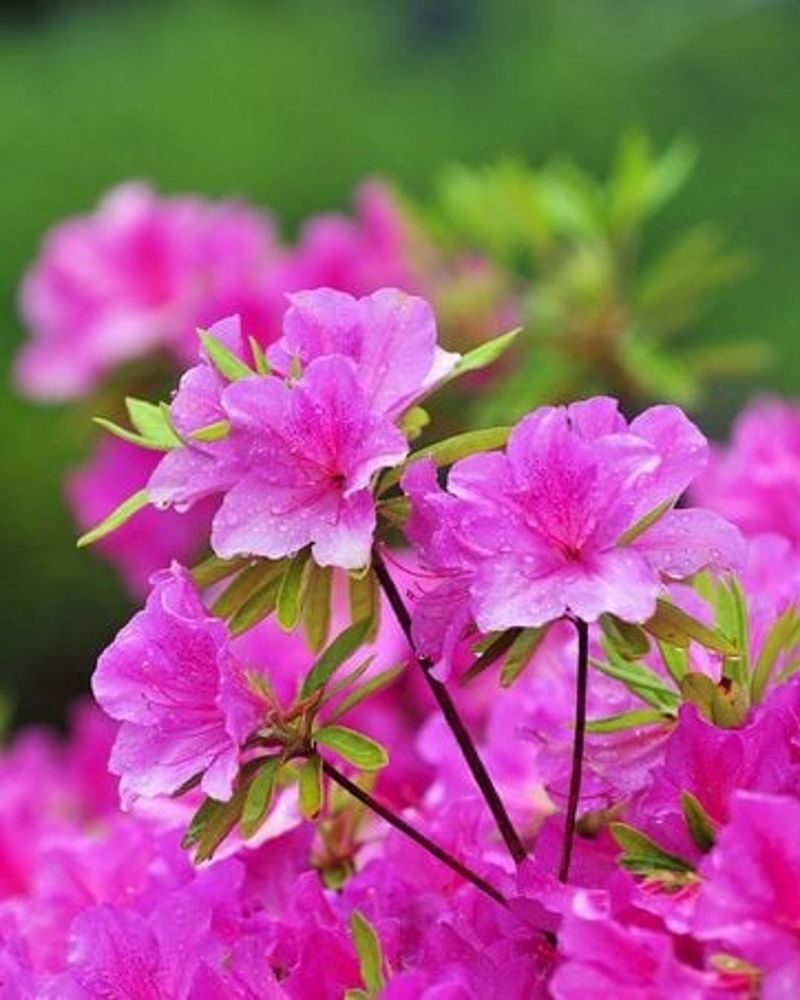
Walk through any older Florida neighborhood in late winter and you’ll notice fat little buds forming at the tips of azalea branches.
Those buds are already there by January, quietly waiting for warmer weather to unfurl into the pink, white, or purple blooms that make spring so magical across the state.
If you prune your azaleas now, you’re cutting off those developing flowers before they ever get a chance to open.
Azaleas bloom on old wood, which means they form their flower buds during the previous growing season. By the time January arrives, those buds are already set and just need time and warmth to mature.
Florida’s mild winter temperatures allow azaleas to start budding earlier than in northern states, especially in Central and South Florida where frost is rare.
The best time to prune your azaleas is right after they finish blooming in spring, typically by late April or early May. This gives the plant plenty of time to grow new branches and set next year’s buds during the summer and fall.
Trimming in January removes the very blooms you’ve been waiting for all winter.
2. Camellia
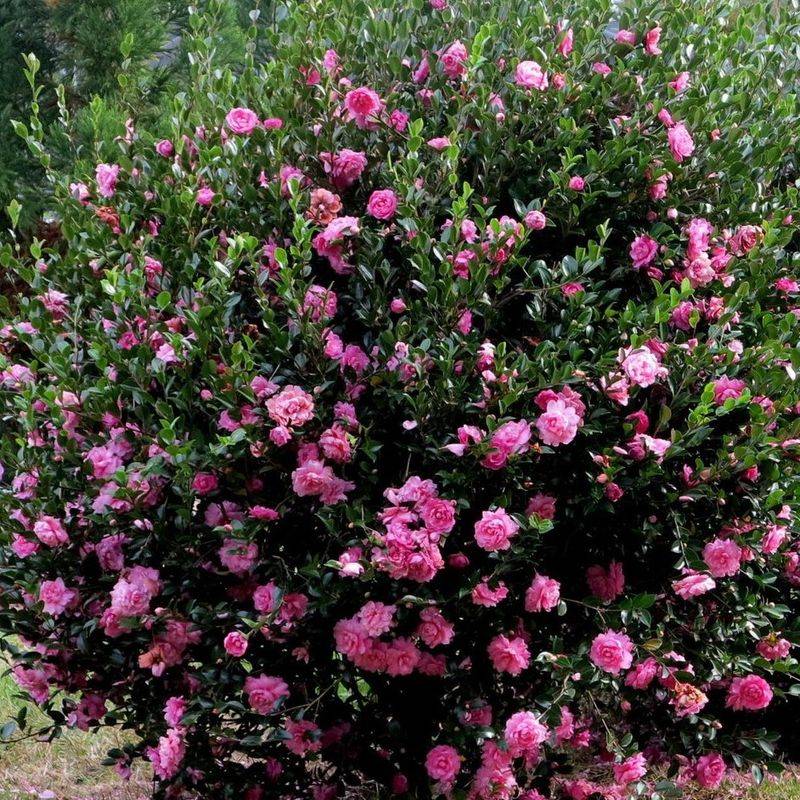
Drive past a shaded Florida yard in January and you might spot glossy green shrubs already showing off elegant blooms in shades of red, pink, or white.
Camellias are one of the few shrubs that actually flower during winter, making them incredibly valuable for adding color when most other plants are resting.
Because they bloom from late fall through early spring, pruning them in January means cutting off flowers that are either already open or about to open.
These shrubs form their flower buds during summer and early fall, long before January arrives. North Florida gardeners especially treasure camellias because they handle cold snaps beautifully while still producing stunning blooms.
Central Florida sees the longest camellia season, with flowers appearing from November through March depending on the variety.
Wait until after your camellia finishes blooming, usually by late March or April, before doing any major pruning. Light shaping is fine, but heavy trimming in January removes the winter show you’ve been counting on.
Your patience will be rewarded with months of elegant blooms when little else is flowering.
3. Gardenia
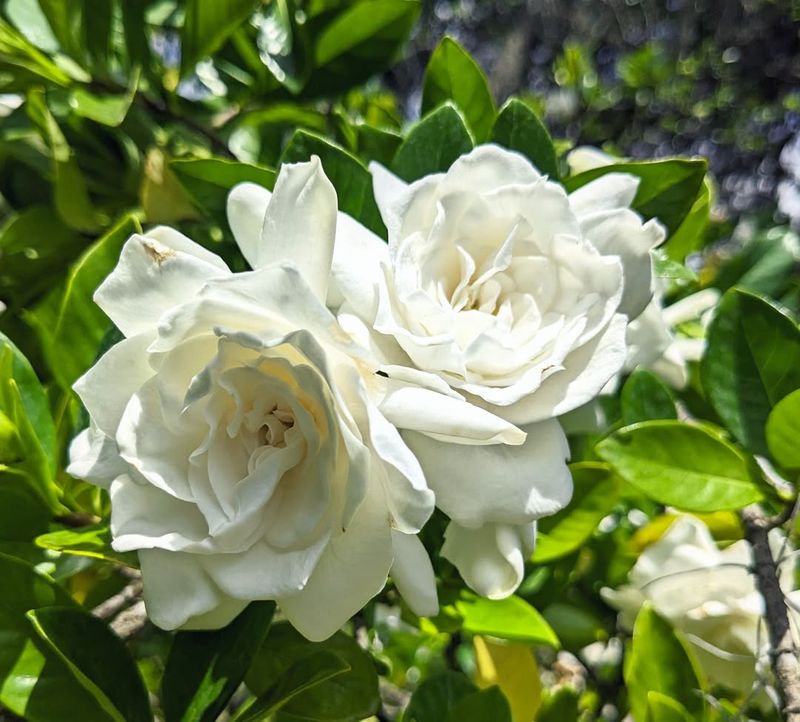
Few scents match the intoxicating fragrance of gardenia blooms drifting through your Florida yard on a warm spring evening. Your gardenia shrubs are already preparing for that moment in January, forming the buds that will open into creamy white flowers by late spring.
Pruning now means sacrificing that incredible fragrance and those beautiful blooms that make gardenias so beloved across the state.
Gardenias form their flower buds in late summer through fall, and those buds remain on the plant through winter, particularly in Central and South Florida where temperatures stay mild.
Even in North Florida, where occasional freezes can nip tender growth, established gardenias are forming buds by January that will survive and bloom once warmer weather arrives in April and May.
The ideal time to prune gardenias is right after their main flush of blooms finishes, typically by midsummer. This allows the plant to produce new growth that will harden off and form next year’s flower buds during the following winter.
January pruning removes months of anticipated fragrance and beauty, leaving you with a tidy shrub but no flowers to enjoy when spring finally arrives.
4. Indian Hawthorn
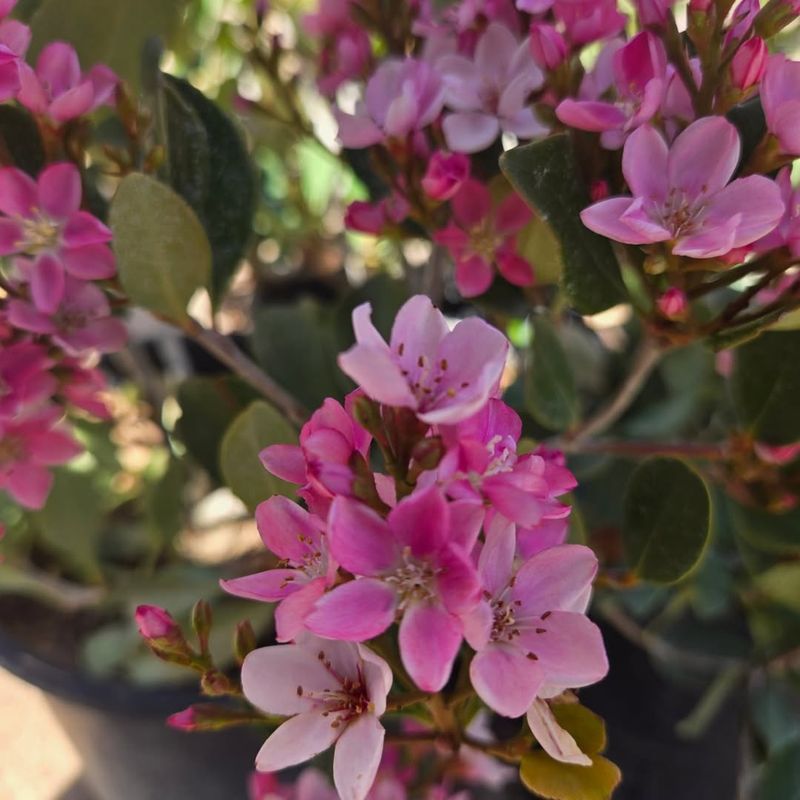
Suburban Florida landscapes often feature neat mounds of Indian hawthorn lining driveways and foundation beds. These reliable shrubs produce clusters of pink or white flowers in spring, and by January, they’re already loaded with tiny buds preparing for that show.
Grab your pruners too early and you’ll end up with nicely shaped shrubs that produce almost no blooms when spring arrives.
Indian hawthorn forms flower buds during winter on growth from the previous year. Florida’s mild climate allows these buds to develop steadily from December through February, especially in Central and South Florida where frost rarely interrupts the process.
North Florida gardeners see slightly later bloom timing, but the buds are still forming during January and shouldn’t be disturbed.
Wait until after the spring bloom finishes, usually by late April or early May, before shaping your Indian hawthorn. This gives the plant the entire summer and fall to produce new growth and set buds for the following year.
Pruning in January removes the developing flower clusters, leaving you with green shrubs when you could have enjoyed weeks of delicate spring color throughout your landscape.
5. Loropetalum (Chinese Fringe Flower)
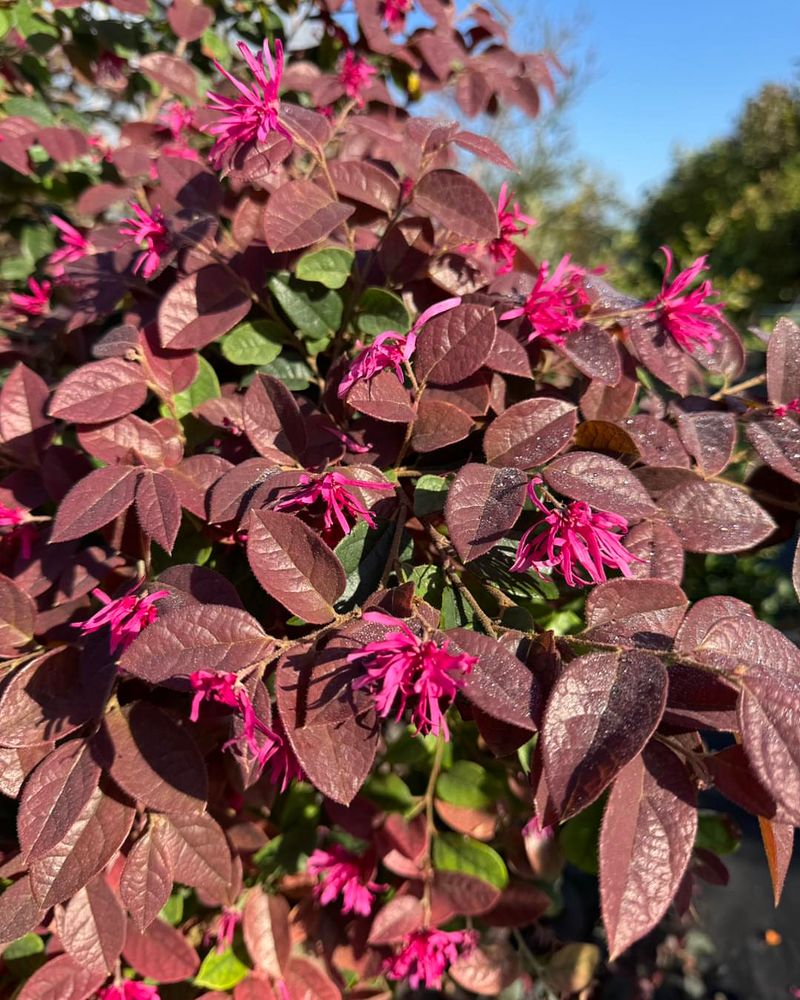
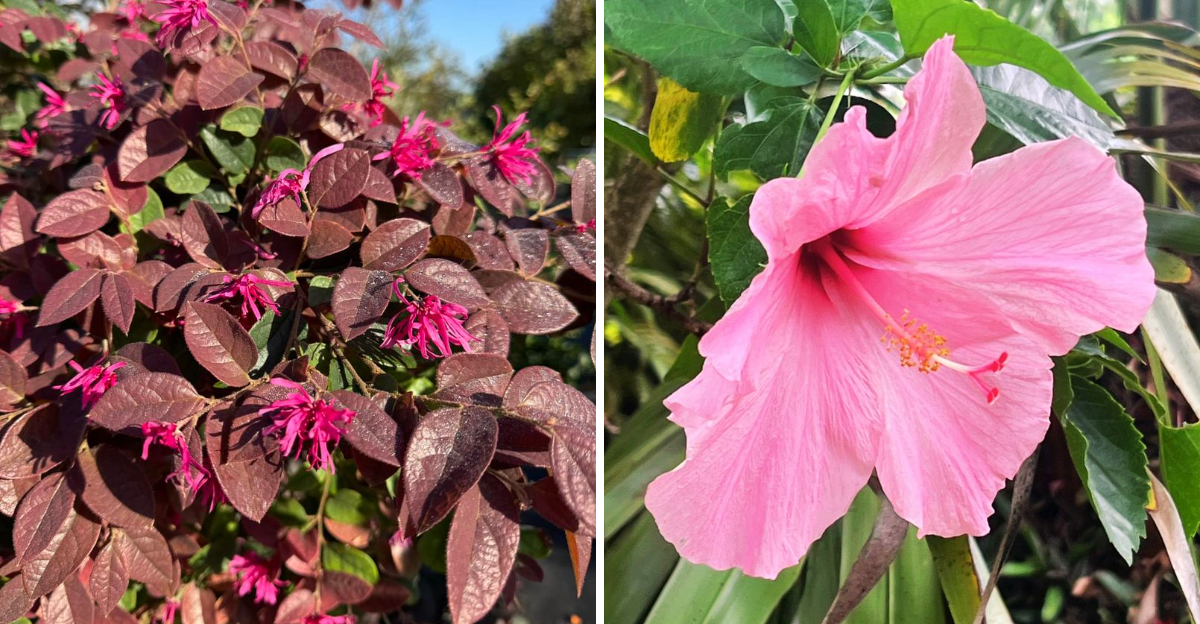
Your loropetalum hedge might have burgundy or green foliage, but either way, it’s preparing to put on a spectacular show of fringe-like pink or white flowers come spring.
Those distinctive ribbon-shaped blooms form on buds that are already developing by January, tucked along the branches and waiting for warmer temperatures to trigger their opening.
Pruning now means cutting away that upcoming display before you ever get to enjoy it.
Loropetalum blooms on old wood, setting flower buds during winter months across all of Florida. Central and South Florida gardeners often see blooms starting in late February or early March, while North Florida typically blooms in March or April.
The mild Florida winter allows steady bud development without the harsh freezes that damage these shrubs in colder climates.
The best pruning time is immediately after the main spring bloom finishes, usually by late April. This gives your loropetalum the entire growing season to produce new branches and set buds for next year.
January trimming creates a neat hedge but removes the very feature that makes loropetalum special in Florida landscapes.
6. Viburnum (Most Flowering Types)
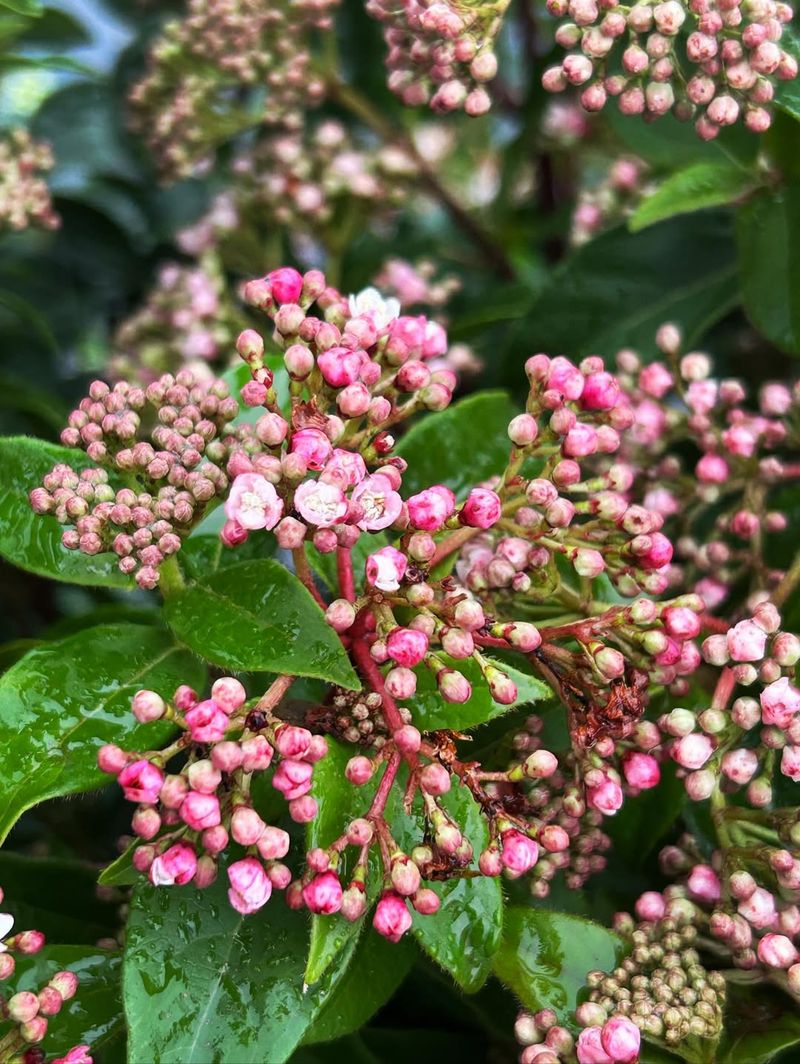
Many Florida gardeners grow viburnum for its clusters of fragrant white or pink flowers that appear in spring, attracting butterflies and adding a sweet scent to the landscape.
By January, flowering viburnum varieties such as Walter’s viburnum and other spring-blooming species are already forming the buds that will open into those showy flower clusters.
Pruning at this time removes those developing blooms along with any branches you cut.
Flowering viburnums bloom on old wood, meaning they set buds during winter on growth from the previous year. Florida’s mild temperatures allow steady bud development throughout January and February, especially in Central and South Florida where freezes rarely interrupt the process.
North Florida sees similar bud formation but slightly later bloom times, usually in late March or April.
Wait until after your viburnum finishes blooming in spring before doing any major pruning, typically by late April or May. This timing allows the shrub to produce new growth during summer that will mature and form next year’s flower buds during the following winter.
January pruning creates a tidy shrub but sacrifices the fragrant blooms and butterfly activity that make viburnums so valuable.
7. Confederate Jasmine (When Used As A Hedge)
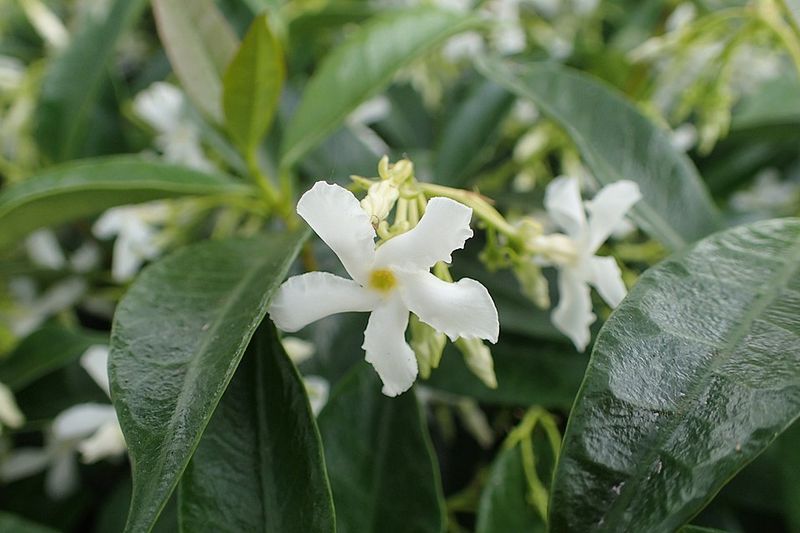
Confederate jasmine might be better known as a vine, but many Florida gardeners train it as a dense hedge that fills the air with incredible fragrance in spring. Those sweetly scented white pinwheel flowers appear on growth from the previous year, and by January, the plant is already forming buds along its branches.
Shearing your Confederate jasmine hedge now means cutting away the very blooms that make this plant so special.
This plant blooms on old wood, setting flower buds during winter months across Florida. Central and South Florida gardeners typically see blooms starting in late March or early April, while North Florida blooms slightly later in April or May.
The mild winter temperatures allow steady bud development without fatal freezes that damage Confederate jasmine in northern states.
The best time to prune your Confederate jasmine hedge is right after the spring bloom finishes, usually by late May or June. This gives the plant the entire summer and fall to produce new growth that will mature and set next year’s flower buds.
January trimming creates a neat hedge but eliminates the fragrant spring display that makes Confederate jasmine so beloved throughout Florida.
8. Bottlebrush (Callistemon)
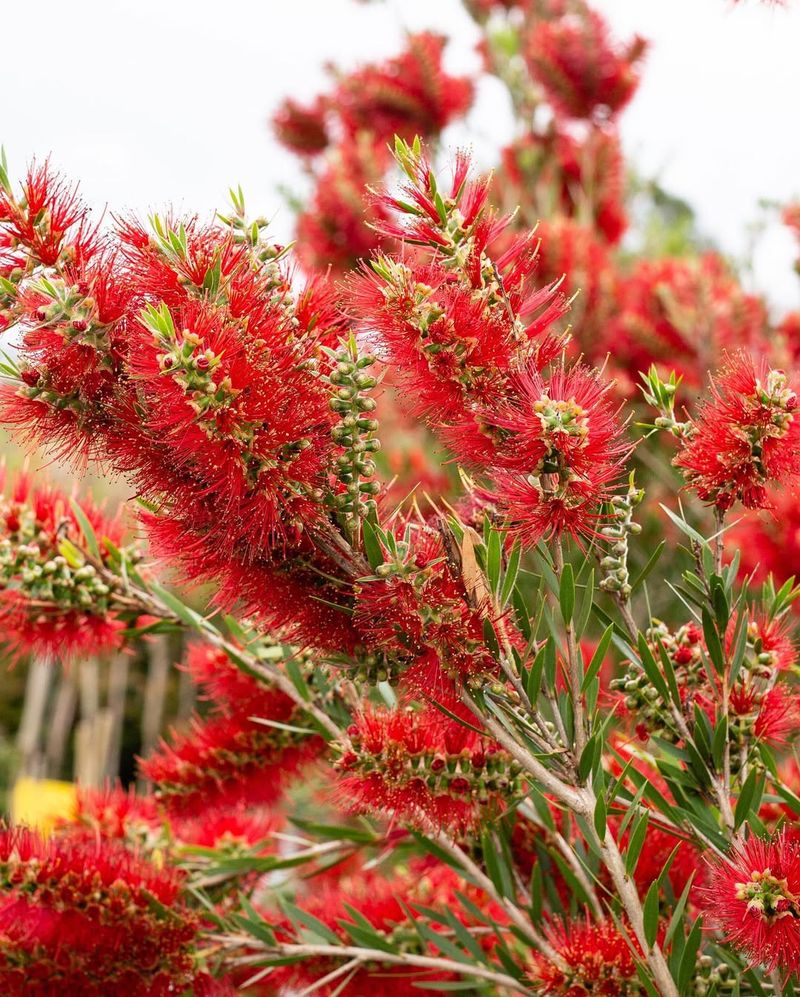
Bottlebrush shrubs attract hummingbirds and butterflies with their distinctive red flower spikes that look exactly like old-fashioned bottle brushes. Most varieties bloom heavily in spring and then sporadically throughout the year, but that main spring show depends on buds that form during winter.
Pruning your bottlebrush in January removes those developing flower spikes before they ever get a chance to open and attract pollinators to your yard.
Most bottlebrush varieties produce their heaviest blooms on older growth, with the main spring flower buds forming during winter.
Central and South Florida gardeners see the heaviest bloom from March through May, while North Florida typically blooms slightly later in April and May.
Florida’s mild winter temperatures allow steady bud development, and the plant can handle light freezes without losing its developing blooms.
Wait until after the main spring bloom finishes, usually by late May or early June, before doing any significant pruning. Light shaping throughout the year is fine, but heavy trimming should wait until after that spectacular spring display.
January pruning removes the flower spikes that bring hummingbirds and butterflies to your landscape when they’re most active.
9. Hibiscus (Tropical Hibiscus rosa-sinensis)
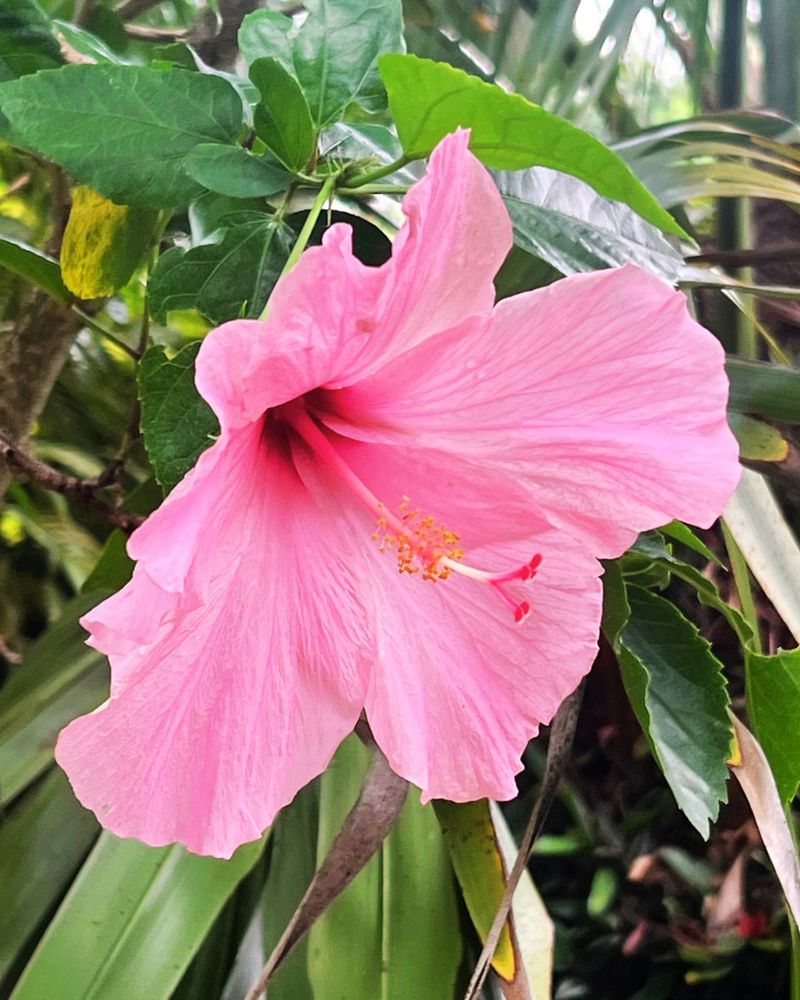
Tropical hibiscus is one of the few shrubs on this list that actually benefits from January pruning in most of Florida. Unlike the spring-blooming shrubs we’ve discussed, tropical hibiscus produces flowers on new growth throughout the warm season.
Pruning in January encourages fresh branching that will bloom heavily once temperatures warm up in spring. This makes winter the perfect time to shape your hibiscus and prepare it for months of colorful flowers.
In Central and South Florida, where freezes are rare, you can prune tropical hibiscus during winter as long as no hard freeze is forecast within the next two weeks. North Florida gardeners should wait until late February or early March to avoid pruning right before a late freeze.
The key is that tropical hibiscus doesn’t set buds in winter like azaleas or gardenias do, so winter pruning doesn’t remove upcoming blooms.
Cut your tropical hibiscus back by about one-third during late winter (January in South Florida, late February or early March in North Florida) to encourage bushy growth and more flowering branches. Remove any crossing or damaged branches, and shape the plant to your desired size.
The fresh growth that emerges will bloom continuously once warm weather arrives and continues through fall.
10. Firebush (Hamelia patens)
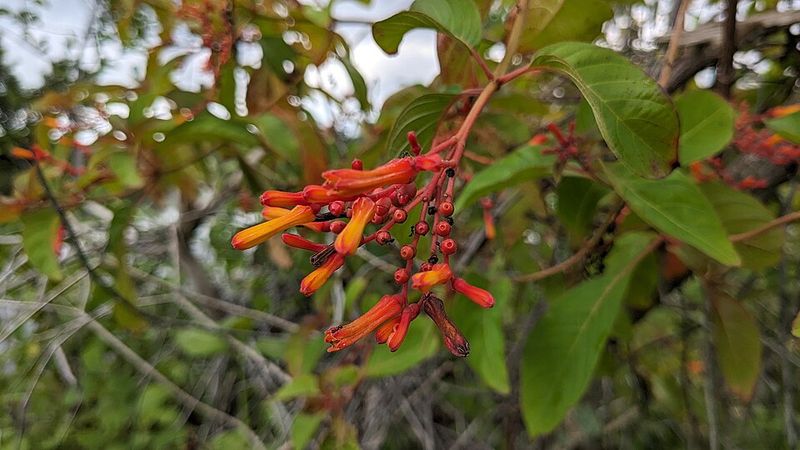
Firebush is another Florida native that loves a January trim because it blooms on new growth throughout the warm season. Those tubular orange-red flowers that attract hummingbirds and butterflies appear on fresh branches, not on old wood that’s been around since last year.
Pruning your firebush now encourages vigorous new growth that will be covered in blooms from spring through fall, making winter the ideal time to shape and rejuvenate this valuable native plant.
In South Florida, firebush often stays semi-evergreen through winter and can be pruned anytime. Central Florida gardeners should prune in January or early February before new growth starts.
North Florida sees more winter dieback, and you can prune away any freeze-damaged branches in late February or early March. The plant responds vigorously to pruning regardless of your location, producing fresh flowering growth quickly.
Avoid heavy pruning immediately before a hard freeze.
Cut your firebush back by one-third to one-half in January to maintain a compact shape and encourage dense branching. Remove any diseased or damaged wood, and shape the plant to fit your landscape design.
The new growth will emerge once temperatures warm and will bloom continuously, providing food for pollinators throughout the growing season.
11. Ixora (Central And South Florida)
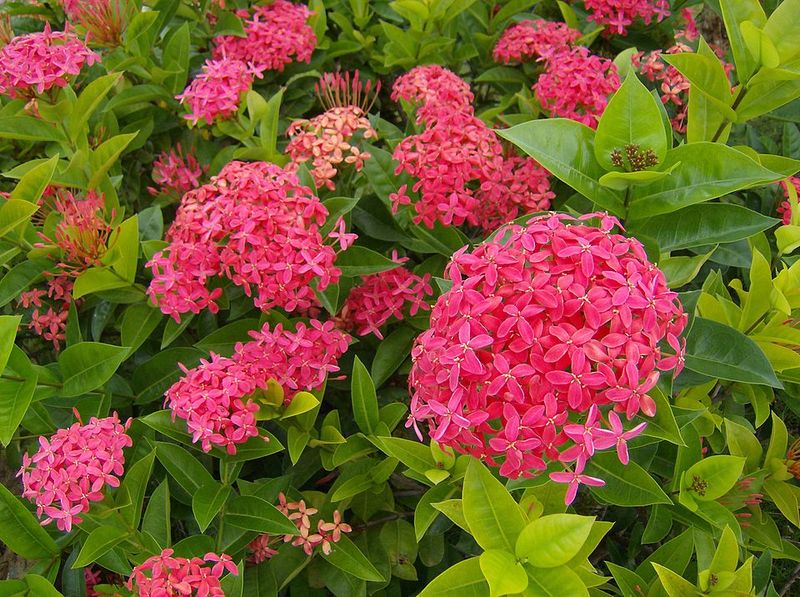
Ixora is the third shrub that actually benefits from January pruning, at least in Central and South Florida where freezes won’t damage new growth.
This popular tropical shrub produces its colorful flower clusters on new growth, so winter pruning encourages fresh branching that will bloom heavily once warm weather arrives.
North Florida gardeners should wait until March to avoid pruning right before a late cold snap, but farther south, January is perfect for shaping your ixora hedges.
In South Florida, ixora can be pruned anytime during winter without concern. Central Florida gardeners should wait until late January or February and prune only after the risk of cold fronts has passed.
The key is that ixora doesn’t form flower buds in winter like azaleas do, so pruning now doesn’t remove upcoming blooms. Instead, it stimulates fresh growth that will produce flowers continuously through the warm season.
Trim your ixora by about one-third after pruning season begins in your region (January in South Florida, late January or February in Central Florida) to maintain a compact hedge or neat shape. Remove any leggy or crossing branches, and shape the plant to your desired size.
The new growth will emerge quickly once temperatures rise and will bloom with red, orange, pink, or yellow clusters throughout spring, summer, and fall.