12 Shrubs Texas Gardeners Should Prune In Winter For Jaw-Dropping Spring Blooms
Winter pruning can feel counterintuitive—after all, who wants to cut back a plant that’s already looking bare?
But for Texas gardeners, winter is where the magic begins.
It’s the quiet, behind-the-scenes work that sets the stage for spring explosions of color, shape, and size.
Pruning at the right time wakes shrubs up with purpose.
It redirects energy, improves airflow, and encourages stronger, more abundant blooms when temperatures rise.
Done wrong, though, winter pruning can mean fewer flowers, awkward shapes, or stressed plants struggling to recover.
Timing and technique matter more than enthusiasm.
Texas landscapes host a wide range of flowering shrubs, and not all of them play by the same rules.
Some demand winter cuts, others need restraint, and a few punish impatience.
These twelve shrubs respond beautifully to winter pruning, rewarding gardeners with jaw-dropping displays when spring finally takes center stage.
Prune with intention now, and your future self will thank you.
1. Roses That Respond Best To Winter Pruning In Texas

Roses have earned their reputation as the queens of the garden, and winter pruning is their secret to royal spring performances.
Texas gardeners should time their rose pruning for late January through mid-February, when plants are fully dormant but before new growth begins.
This window allows cuts to heal properly while minimizing stress on the plant.
Hybrid teas, floribundas, and grandifloras benefit from being cut back by about one-third to one-half their height, removing any crossing branches and opening up the center for better air circulation.
Climbing roses need lighter pruning, focusing mainly on removing old canes and shaping rather than heavy cutting.
Sharp, clean tools are essential because ragged cuts invite disease and pests that can compromise spring blooming potential.
Always cut at a 45-degree angle about a quarter inch above an outward-facing bud to encourage growth away from the plant’s center.
Winter pruning stimulates roses to produce strong new canes that will carry abundant flowers come spring.
Texas weather can be unpredictable, so watch for warm spells that might trigger early growth and adjust your timing accordingly.
Proper winter pruning transforms scraggly rose bushes into compact, healthy plants ready to explode with color when temperatures rise.
2. Crape Myrtles And Proper Winter Pruning Techniques
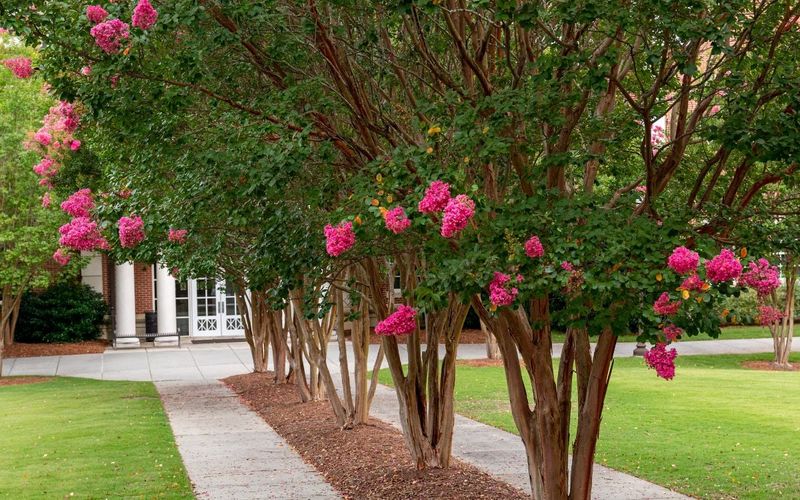
Few sights rival a properly pruned crape myrtle bursting with blooms against a Texas summer sky.
Unfortunately, these beloved shrubs often fall victim to what experts call crape murder, the practice of topping them with severe, stub-like cuts that ruin their natural form.
Proper winter pruning happens in late February when plants are dormant but before buds swell.
Focus on removing suckers growing from the base, crossing branches that rub together, and any twiggy growth smaller than a pencil diameter.
Selective thinning of interior branches improves air circulation and reduces disease pressure during humid Texas summers.
If you need to control height, make cuts back to a lateral branch or main trunk rather than leaving ugly stubs.
Crape myrtles bloom on new wood, meaning flowers appear on current season growth, so winter pruning actually encourages more flower production.
Young plants benefit from structural pruning that establishes a strong framework of three to five main trunks.
Mature specimens need less intervention, mainly removing spent flower clusters and maintaining their graceful vase shape.
Resist the urge to cut everything back harshly because crape myrtles naturally develop beautiful exfoliating bark that becomes a winter feature when left unpruned.
3. Butterfly Bushes That Benefit From Hard Winter Cuts
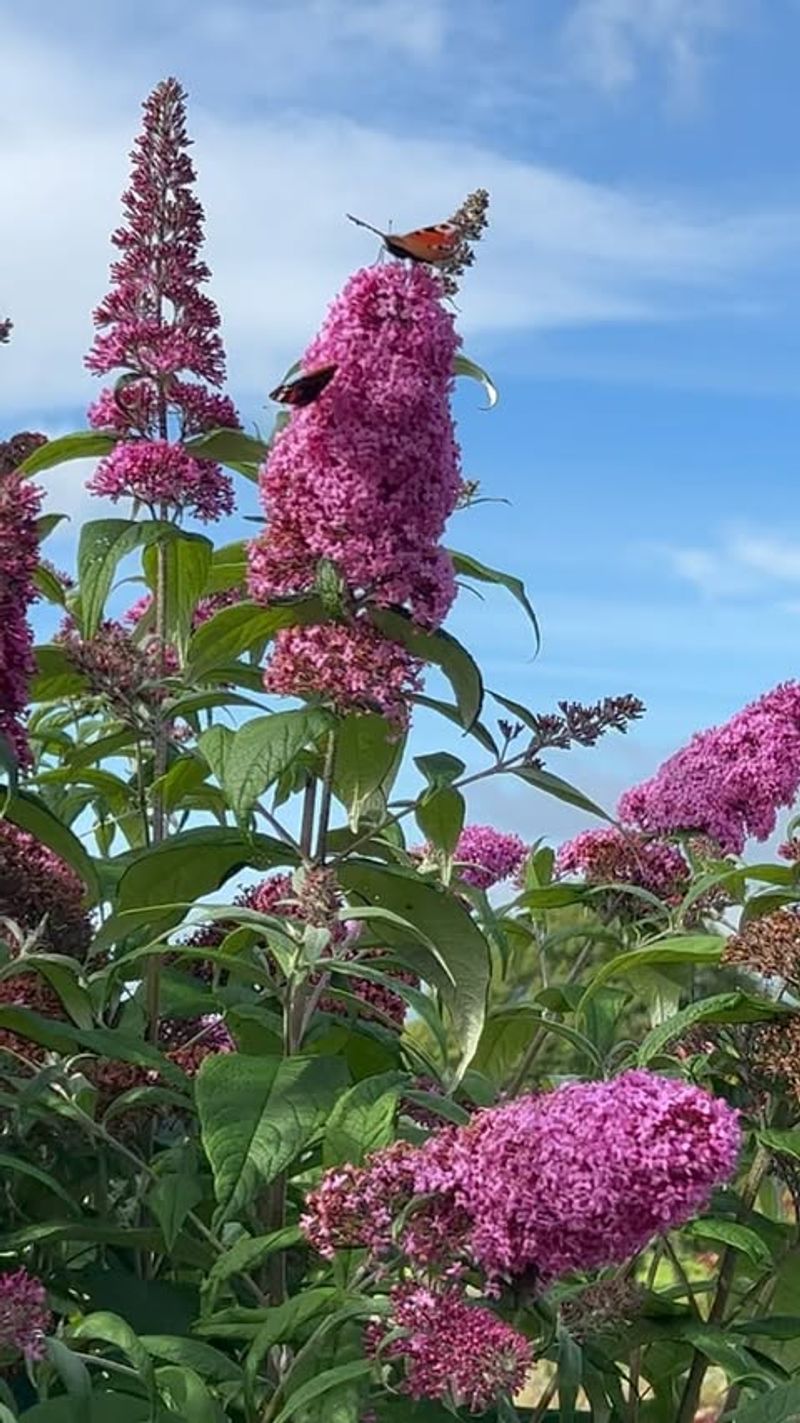
Butterfly bushes practically beg for aggressive winter pruning, thriving when cut back hard each year.
These fast-growing shrubs can become leggy and overgrown without regular attention, producing fewer flowers on weak, floppy stems.
Texas gardeners should prune butterfly bushes in late winter, typically February, cutting them back to about 12 to 18 inches from the ground.
This might seem extreme, but these vigorous plants respond by sending up strong new shoots that will reach several feet tall by summer.
Since butterfly bushes bloom on new wood, hard pruning doesn’t sacrifice any flowers but instead promotes more abundant blooming on sturdy branches.
Remove all the previous year’s growth, making cuts just above a set of healthy buds or where you see new growth beginning to emerge.
In warmer parts of Texas, butterfly bushes may retain some green foliage through winter, but don’t let that stop you from cutting them back.
The plant’s energy goes into root development during winter, so spring brings explosive top growth once temperatures warm.
Hard pruning also keeps plants compact and manageable rather than allowing them to sprawl into neighboring garden spaces.
Your reward for this seemingly harsh treatment will be a dense, bushy plant covered in fragrant flower spikes that attract butterflies throughout the growing season.
4. Abelia Shrubs That Bloom Stronger After Winter Pruning
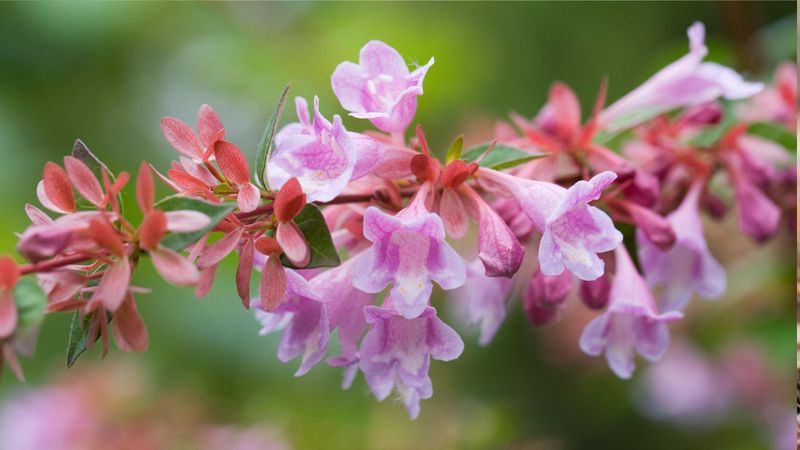
Abelia shrubs offer year-round interest with glossy foliage and delicate tubular flowers that pollinators adore.
Light winter pruning helps these semi-evergreen plants maintain their attractive rounded shape while encouraging heavier spring and summer flowering.
Texas gardeners should approach abelia pruning in late winter, removing about one-quarter to one-third of the oldest stems at ground level to promote fresh new growth.
This renewal pruning keeps plants from becoming woody and bare at the base, a common problem with neglected specimens.
Glossy abelia, the most popular variety in Texas landscapes, tolerates shearing but looks more natural with selective hand pruning.
Focus on creating an open structure by removing crossing branches and any stems growing toward the plant’s center.
Abelia blooms on both old and new wood, so you won’t sacrifice many flowers even if you prune in late winter.
Tip pruning throughout the growing season encourages bushier growth, but save major shaping for winter when plants are less actively growing.
In North Texas, where winters can be harsher, some tip dieback may occur naturally, and these damaged portions should be removed during winter pruning.
Proper winter attention results in compact, full plants that produce waves of fragrant blooms from spring through fall, creating a long season of garden color and pollinator activity.
5. Beautyberry Shrubs And Strategic Winter Pruning
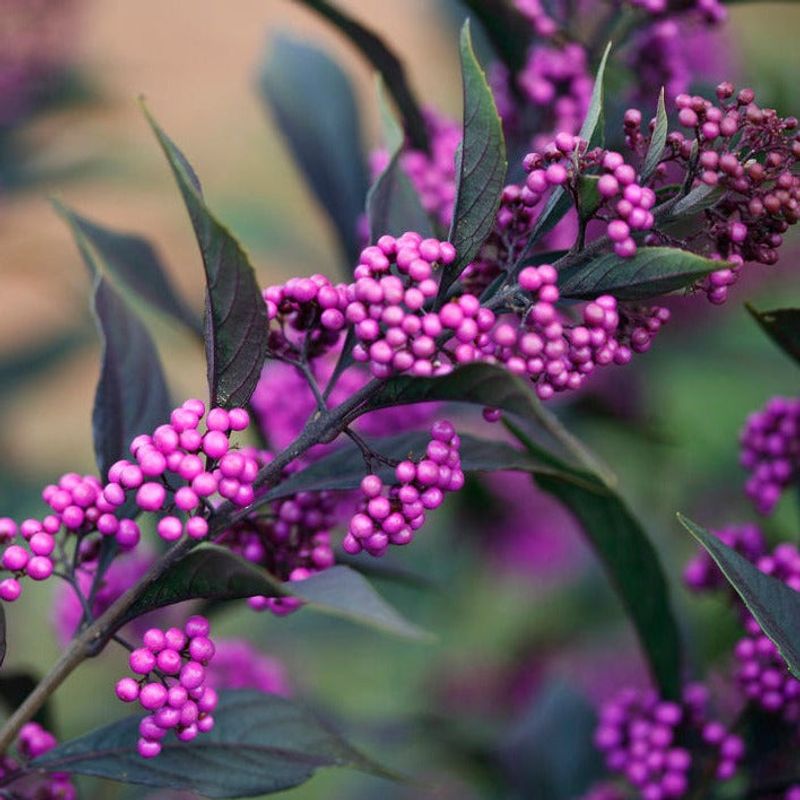
American beautyberry earns its name with clusters of brilliant purple berries that persist into winter, providing food for birds and visual interest when most plants look drab.
Strategic winter pruning ensures these native Texas shrubs maintain good structure while producing the new growth that supports both flowers and berries.
Prune beautyberry in late winter before new growth emerges, typically in February across most of Texas.
These shrubs bloom on new wood and benefit from being cut back quite hard, anywhere from 6 to 12 inches from the ground.
Such aggressive pruning might seem risky, but beautyberry grows vigorously and will quickly reach 3 to 6 feet tall by summer.
Hard pruning prevents plants from becoming leggy and sparse, conditions that reduce berry production on weak stems.
Some gardeners prefer a more moderate approach, removing only half the height, which works well for established plants in protected locations.
Always remove any stems damaged by winter cold, cutting back to healthy wood where you see green tissue.
Texas weather patterns can vary significantly from north to south, so adjust timing based on your local last frost date.
Proper winter pruning creates dense, bushy plants loaded with pink flowers in spring that transform into those spectacular purple berry clusters by late summer and fall.
6. Hydrangeas That Should Be Pruned In Texas Winters
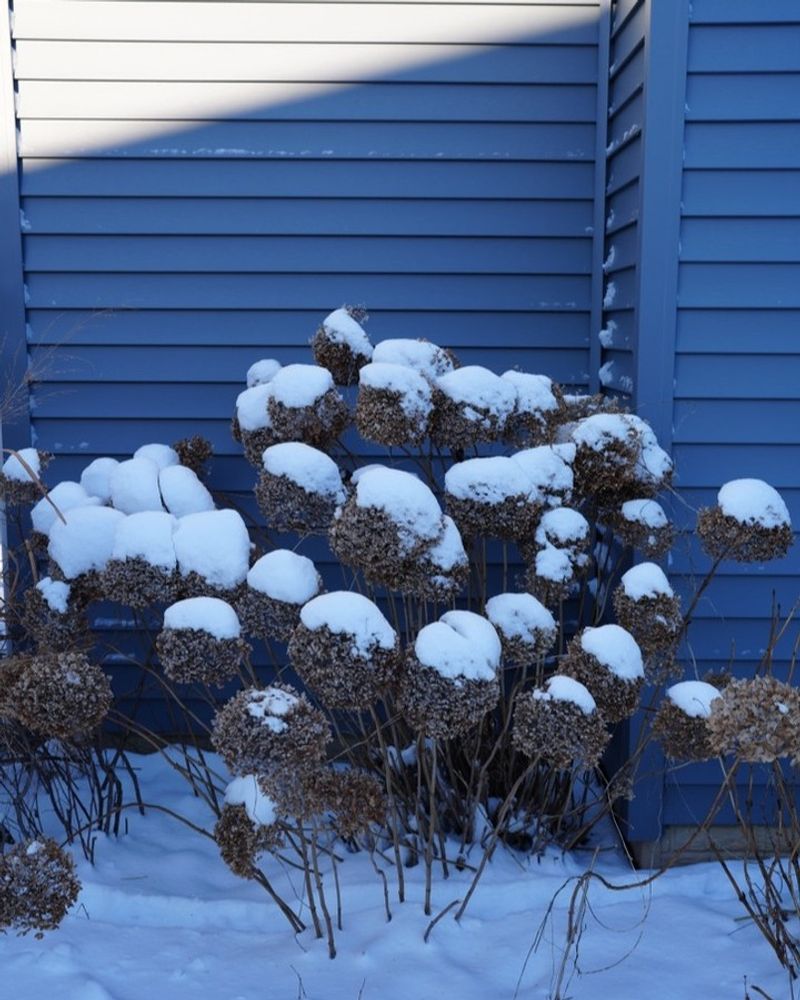
Hydrangeas challenge many gardeners because pruning requirements vary dramatically depending on which type you’re growing.
In Texas gardens, understanding your hydrangea variety before making any cuts is crucial to avoid accidentally removing flower buds.
Smooth hydrangeas and panicle hydrangeas bloom on new wood, making them safe candidates for winter pruning in Texas.
Cut these types back in late winter, removing about one-third of their height to encourage strong new stems that will carry flowers.
Bigleaf hydrangeas and oakleaf hydrangeas bloom on old wood, meaning next spring’s flowers are already formed on existing stems by winter.
These types should only receive light pruning to remove spent flower heads and shape the plant without cutting back healthy stems.
Texas gardeners often struggle with bigleaf hydrangeas because late spring freezes can damage flower buds even when pruning is done correctly.
Newer reblooming varieties offer some insurance by producing flowers on both old and new wood.
When pruning any hydrangea in winter, remove only stems that are clearly damaged, crossing, or growing in awkward directions.
Make cuts just above a set of healthy buds, using sharp tools to create clean wounds that heal quickly.
Proper identification and timing ensure your hydrangeas reward you with those spectacular mophead or lacecap blooms that make these shrubs so beloved.
7. Oleander Shrubs That Rebound With Spring Color
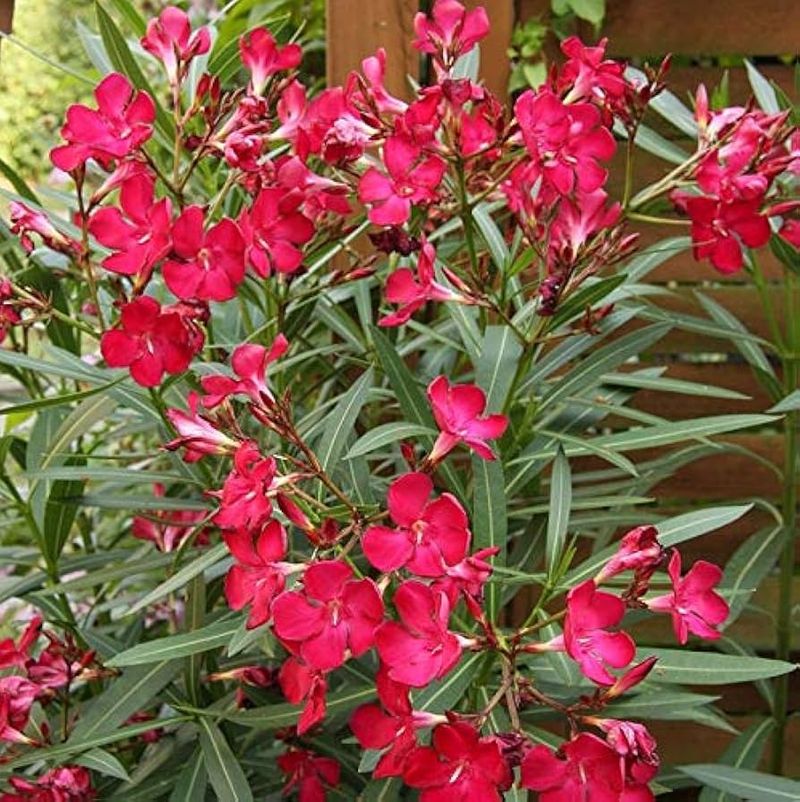
Oleanders thrive in Texas heat and drought, producing clusters of showy flowers in shades of pink, white, red, and yellow throughout the warm months.
Winter pruning helps control these vigorous shrubs while promoting fuller growth and heavier flowering when spring arrives.
Prune oleanders in late winter, typically February, when they’re dormant but before new growth begins pushing out.
Remove up to one-third of the plant’s height, focusing on the oldest stems to encourage fresh new shoots from the base.
Oleanders bloom on new wood, so winter pruning won’t reduce flower production but will actually enhance it by stimulating vigorous spring growth.
Always wear gloves and long sleeves when pruning oleanders because all parts of the plant contain toxic compounds that can irritate skin and are harmful if ingested.
Never burn oleander trimmings because the smoke carries toxins, and keep them away from areas where children or pets might come in contact.
Make cuts at a 45-degree angle just above a leaf node or lateral branch to promote healing and direct new growth.
Thinning out crowded interior branches improves air circulation, which helps prevent fungal diseases during humid Texas summers.
Winter-pruned oleanders respond by producing dense, bushy growth covered in flowers from late spring through fall, creating stunning hedges or specimen plants that handle Texas conditions with ease.
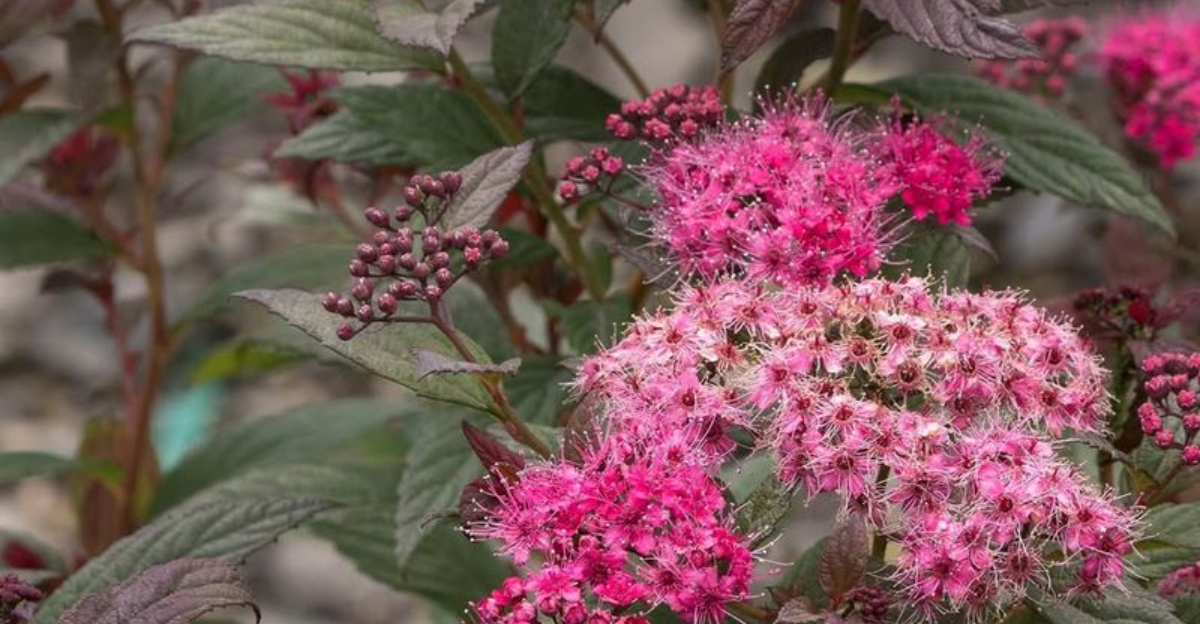
8. Spirea Shrubs That Flower Heavily After Winter Pruning
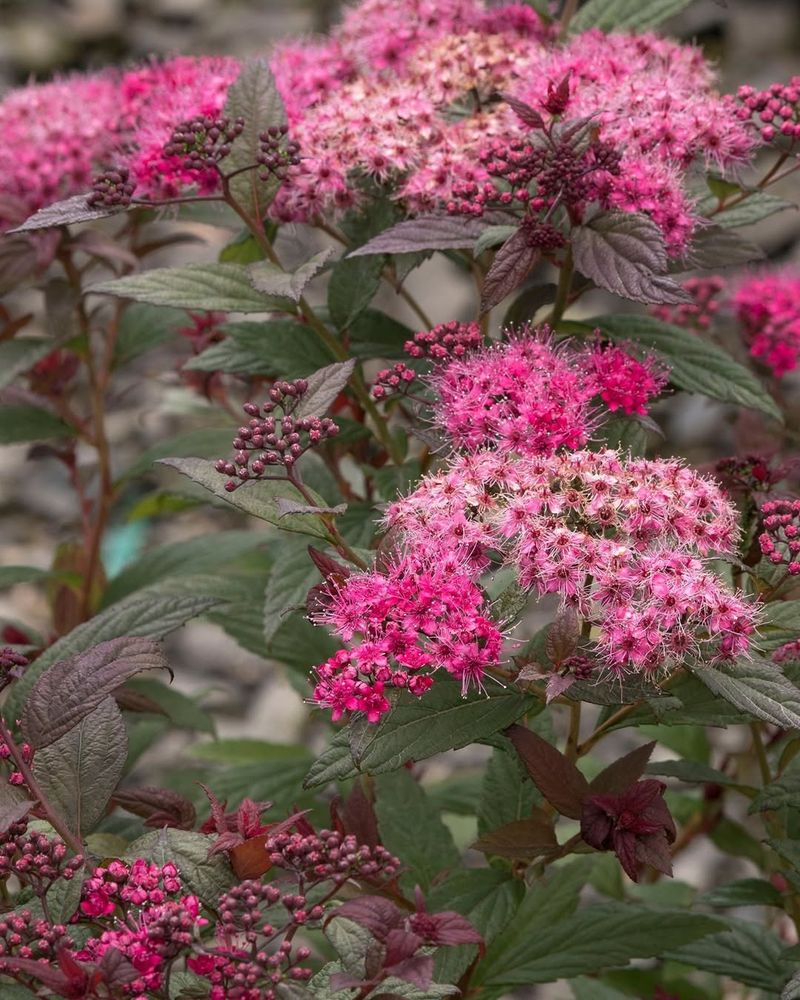
Spirea shrubs earn their place in Texas gardens with masses of tiny flowers that create clouds of color in spring or summer depending on the variety.
Winter pruning keeps these reliable performers compact and encourages the heavy flowering that makes them landscape favorites.
Spring-blooming spireas like bridal wreath and Vanhoutte should not be pruned in winter because they bloom on old wood and you’ll remove flower buds.
However, summer-blooming spireas such as Anthony Waterer and Goldflame bloom on new growth and benefit greatly from winter pruning.
Cut summer-blooming types back by about one-third to one-half in late winter, removing the oldest stems at ground level to rejuvenate the plant.
This encourages fresh new shoots that will produce abundant flowers on their tips throughout summer.
For overgrown or neglected spireas, more aggressive renovation pruning can be done, cutting the entire plant back to 6 to 12 inches from the ground.
These tough shrubs handle hard pruning well and will regrow vigorously, though you may sacrifice some flowers the first season after severe cutting.
Remove any stems damaged by winter weather and thin out crowded centers to improve light penetration and air movement.
Proper winter pruning transforms leggy, sparse spireas into dense, mounded plants that nearly disappear under masses of flowers when their bloom time arrives.
9. Indian Hawthorn And Controlled Winter Shaping
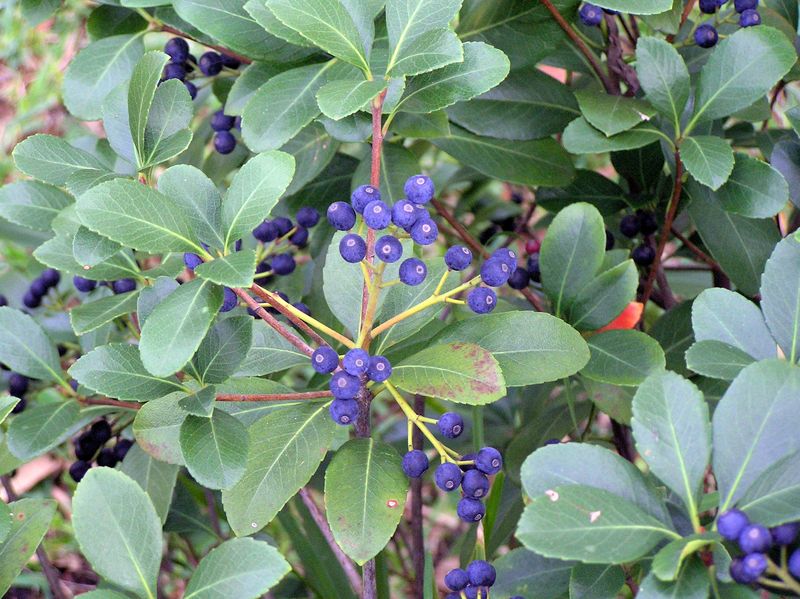
Indian hawthorn brings year-round beauty to Texas landscapes with glossy evergreen foliage, fragrant spring flowers, and blue berries that follow the blooms.
Light winter pruning helps maintain the plant’s naturally rounded form while improving air circulation that prevents common fungal diseases.
Prune Indian hawthorn in late winter before new growth begins, focusing on removing any stems damaged by cold and opening up the plant’s interior.
These shrubs bloom on old wood, so avoid heavy pruning that would remove flower buds already formed for spring.
Instead, selectively thin out crossing branches and any growth that makes the plant too dense, which can trap moisture and encourage leaf spot diseases.
Indian hawthorn is particularly susceptible to fungal issues in humid conditions, making good air circulation essential for plant health.
Remove lower branches that touch the ground and any foliage showing signs of disease, disposing of infected material away from the garden.
Light shaping maintains the compact mounded form that makes Indian hawthorn perfect for foundation plantings and low hedges.
Avoid shearing into formal shapes because this removes flower buds and creates dense outer growth that blocks airflow.
Winter pruning combined with proper spacing and good garden sanitation helps Indian hawthorn thrive in Texas landscapes, producing those clusters of pink or white flowers that perfume spring gardens while maintaining attractive foliage throughout the year.
10. Weigela Shrubs And Timing Winter Pruning Correctly
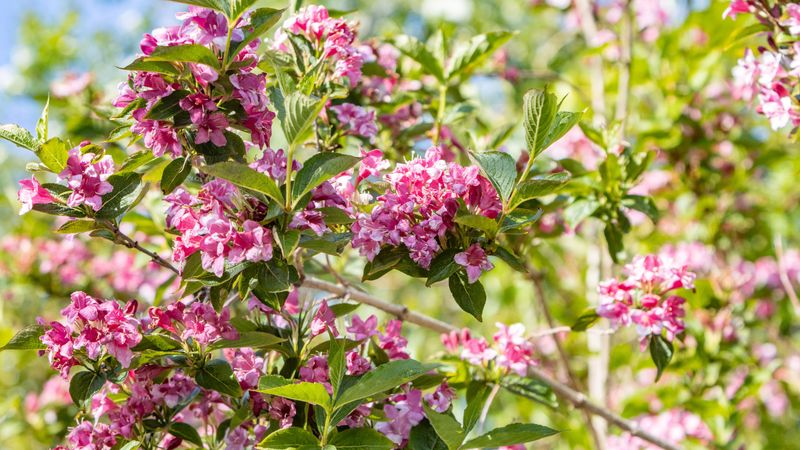
Weigela shrubs create stunning spring displays with tubular flowers in shades of pink, red, or white that cover arching branches and attract hummingbirds.
Timing winter pruning correctly ensures these deciduous shrubs produce maximum flowers while maintaining an attractive vase-shaped form.
Weigelas bloom primarily on old wood, meaning flower buds form on the previous season’s growth during late summer and fall.
This makes them tricky candidates for winter pruning because heavy cutting removes next spring’s flowers.
The best approach involves waiting until immediately after spring flowering to do major pruning, but light winter maintenance is acceptable.
In late winter, remove only stems damaged by cold weather, cutting back to healthy wood with green tissue visible beneath the bark.
Thin out a few of the oldest, woodiest stems at ground level to encourage fresh new growth from the base.
This renewal pruning keeps plants vigorous without sacrificing the current spring’s flower display.
Weigelas grown in Texas often benefit from afternoon shade and consistent moisture, as harsh sun and drought stress can reduce flowering.
After the main spring bloom period ends, you can prune more aggressively to shape plants and control size.
Many modern weigela varieties offer reblooming characteristics, producing a lighter second flush of flowers in late summer on new growth, making them more forgiving of pruning timing mistakes than older varieties.
11. Potentilla Shrubs That Thrive After Cold-Season Pruning
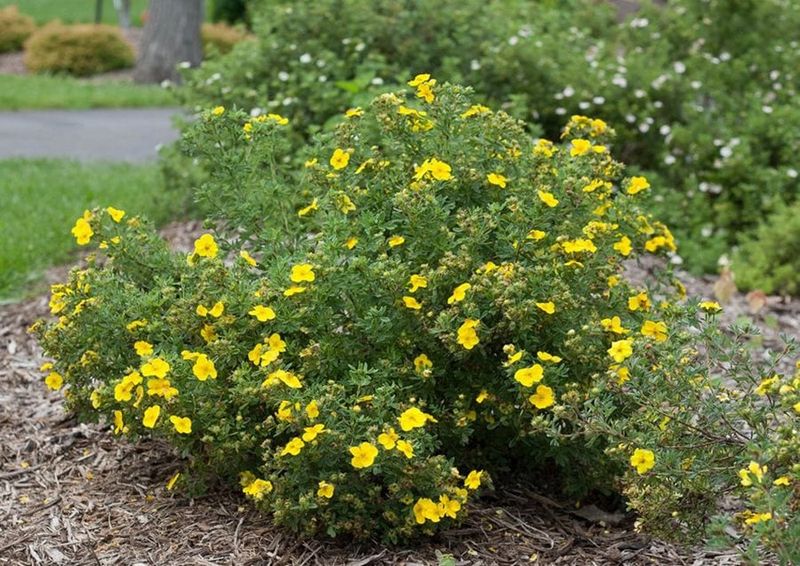
Potentilla shrubs offer remarkably long bloom periods with cheerful rose-like flowers in yellow, white, pink, or orange that appear from late spring through fall.
These tough, adaptable plants handle Texas heat reasonably well and benefit from winter pruning that keeps them compact and flowering heavily.
Prune potentilla in late winter before new growth emerges, cutting back about one-third of the plant’s height to encourage bushy new growth.
These shrubs bloom on new wood, so winter pruning actually increases flower production rather than reducing it.
Remove the oldest stems at ground level every few years to rejuvenate plants and prevent them from becoming woody and sparse at the base.
Potentilla naturally develops a somewhat twiggy growth habit, and regular pruning helps maintain a fuller, more attractive form.
In North Texas, where these shrubs perform best due to cooler summers, winter pruning prepares plants for vigorous spring growth.
South Texas gardeners may find potentilla struggles with intense heat and humidity, making careful site selection more important than pruning technique.
Cut back any winter-damaged tips to healthy wood, and thin out crowded interior branches to improve light penetration.
Proper winter pruning creates dense, mounded plants that produce waves of flowers throughout the growing season, making potentilla a valuable addition to low-maintenance Texas landscapes where conditions suit their preferences.
12. Final Tips For Winter Pruning Shrubs In Texas Gardens
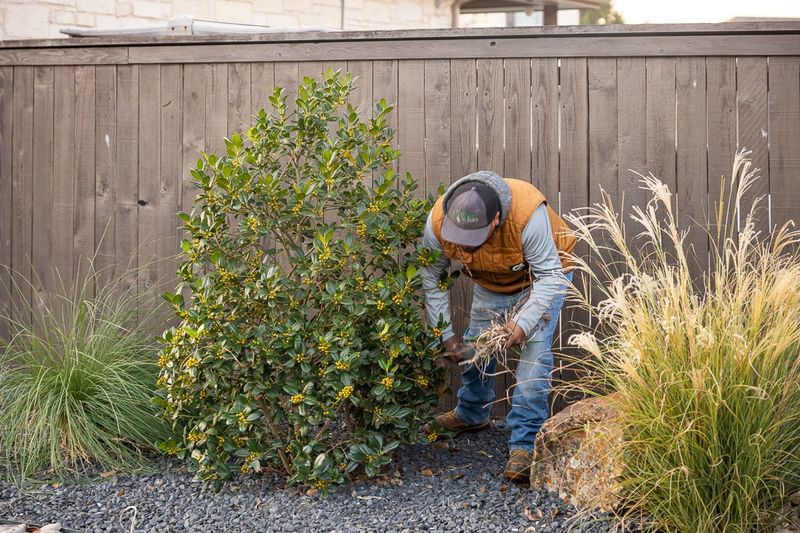
Successfully pruning shrubs for spectacular spring blooms requires more than just knowing which plants to cut and when to do it.
Tool maintenance plays a crucial role in pruning success because clean, sharp blades create wounds that heal quickly and resist disease.
Disinfect pruning tools between plants using rubbing alcohol or a bleach solution to avoid spreading pathogens throughout your garden.
Sharp blades make clean cuts rather than crushing stems, which speeds healing and reduces stress on plants.
Timing matters tremendously in Texas because warm spells can trigger early growth that becomes vulnerable to late freezes.
Watch weather patterns and aim for pruning during stable cold periods rather than during unseasonably warm stretches.
Different regions of Texas experience quite different winter conditions, with North Texas facing harder freezes than South Texas, so adjust timing based on your specific location.
Always step back periodically while pruning to assess the plant’s overall shape rather than getting lost in detail work on individual branches.
Remove no more than one-third of a plant in a single season unless you’re deliberately renovating an overgrown specimen.
Proper winter pruning sets the stage for healthy growth and abundant flowering, but it works best as part of an overall care program including appropriate watering, fertilizing, and pest management throughout the year.