10 Shrubs With Striking Golden Foliage For Texas Landscapes
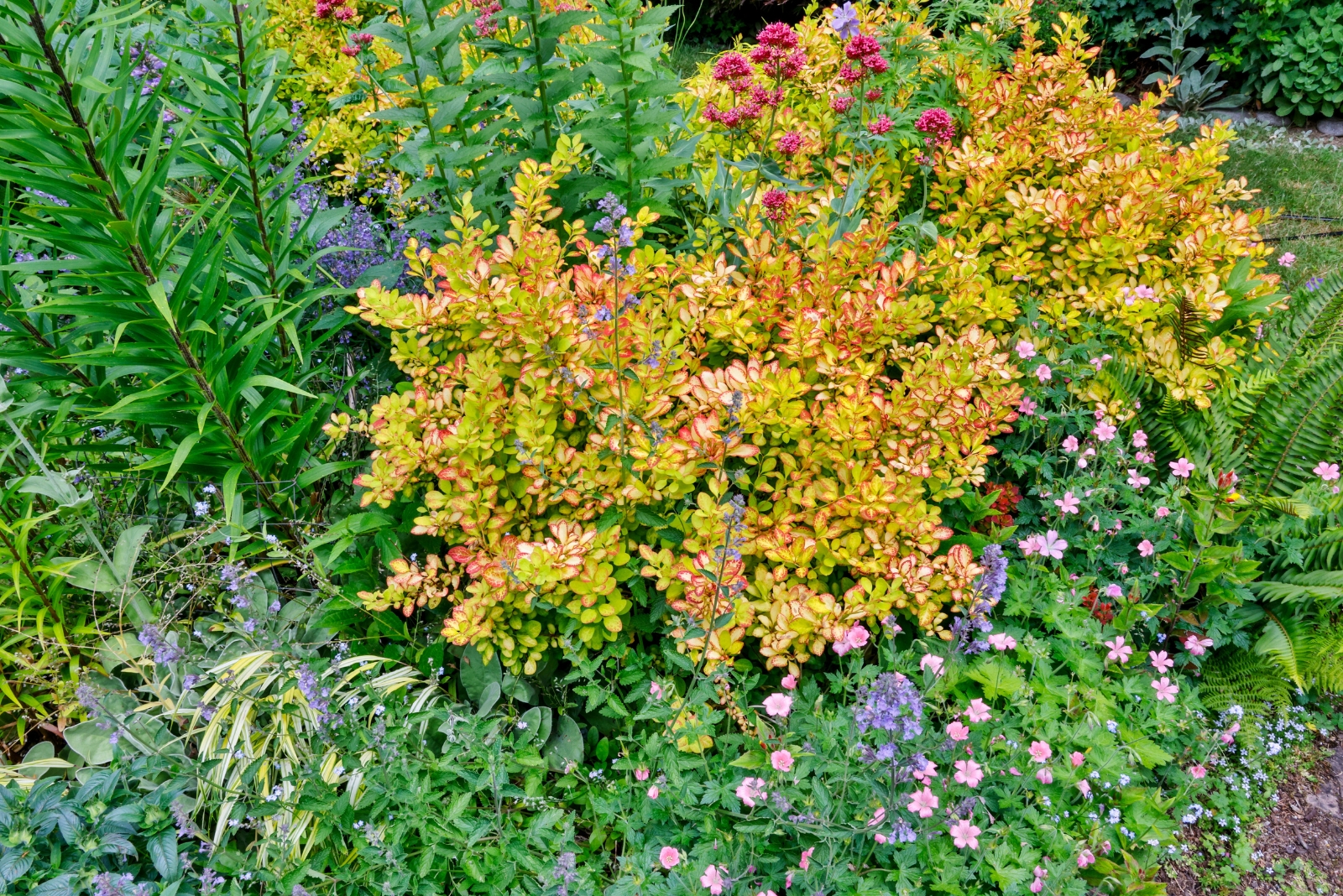
Golden foliage shrubs have a way of stealing the spotlight in Texas landscapes, especially when sunlight hits those leaves just right and makes the whole yard glow.
They add contrast without relying on flowers, which makes them incredibly useful for long, hot seasons when blooms can fade fast.
Many of these shrubs handle Texas heat surprisingly well, offering color that holds steady through tough weather and dry spells.
Once planted in the right spot, these golden standouts turn ordinary landscapes into eye-catching spaces that feel lively, intentional, and full of personality.
1. Golden Barberry
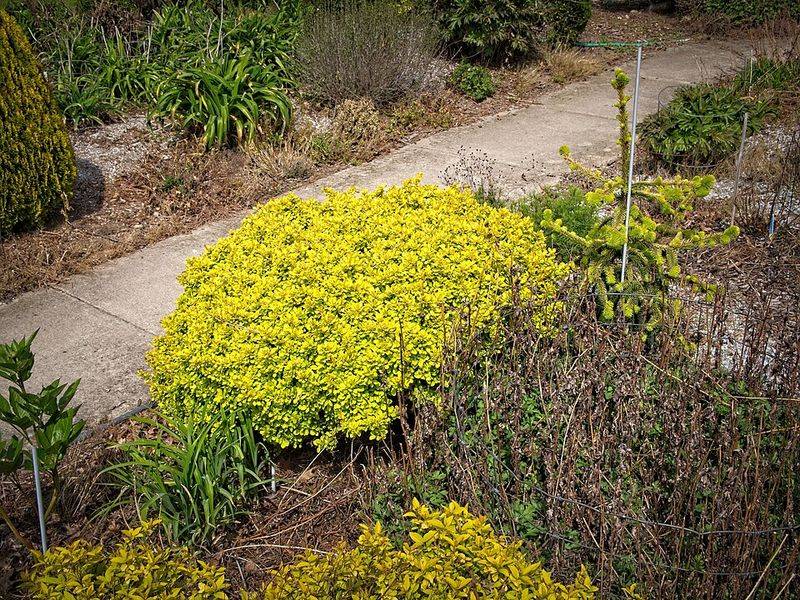
Bright yellow leaves make this compact shrub an absolute showstopper in any Texas garden, catching attention from every angle throughout the year.
Golden barberry grows well in full sun or partial shade, adapting easily to various soil types found across the Lone Star State.
This tough plant handles heat and drought remarkably well once established, making it ideal for low-maintenance landscapes that still look absolutely spectacular.
Rounded growth habit keeps the shrub neat and tidy, rarely requiring heavy pruning to maintain its naturally attractive shape and compact form.
Small thorns along the branches provide excellent protection for nesting birds while discouraging unwanted visitors from wandering through your landscaped areas.
Fall brings even more color as the golden leaves deepen to orange and red hues, creating a multi-seasonal display of beauty.
Container gardening works beautifully with golden barberry since it stays relatively small and adapts well to restricted root space in pots.
Pairing this shrub with purple or dark green plants creates stunning contrast that makes both colors pop dramatically in your Texas yard.
2. Gold Dust Aucuba
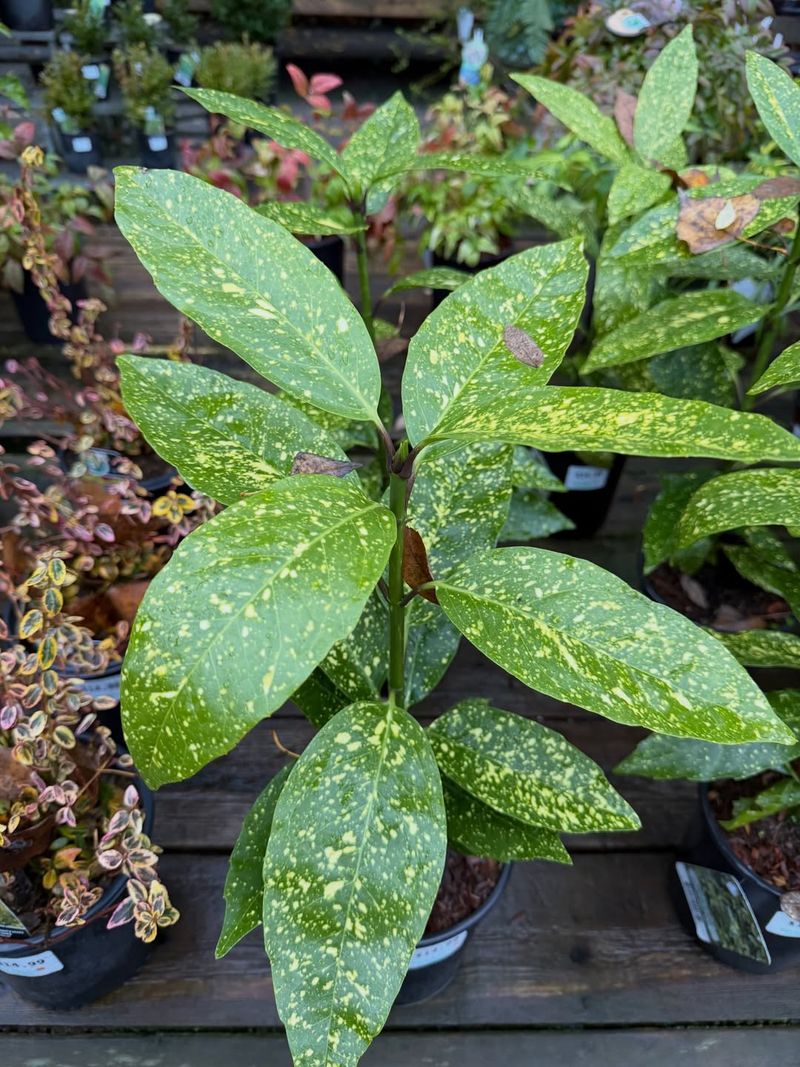
Speckled leaves resembling scattered gold dust give this evergreen shrub its charming name and make it unforgettable in shaded Texas garden spaces.
Shade-loving nature sets gold dust aucuba apart from most golden shrubs, thriving beautifully where other colorful plants struggle to survive successfully.
Glossy foliage reflects light wonderfully, brightening up dark corners under trees or alongside buildings where sunlight barely reaches during the day.
Female plants produce bright red berries in fall and winter, adding another layer of visual interest beyond the already stunning variegated leaves.
Heat tolerance surprises many gardeners since this shade plant handles Texas summers better than expected, especially with adequate moisture and mulch protection.
Slow growth rate means less pruning work for busy homeowners, though occasional trimming helps maintain the desired size and attractive shape.
Indoor growing succeeds wonderfully with gold dust aucuba, bringing its cheerful foliage inside homes where natural light comes through windows regularly.
Combining this shrub with ferns and hostas creates lush, tropical-looking garden beds that feel like peaceful retreats from the Texas heat.
3. Sunshine Ligustrum
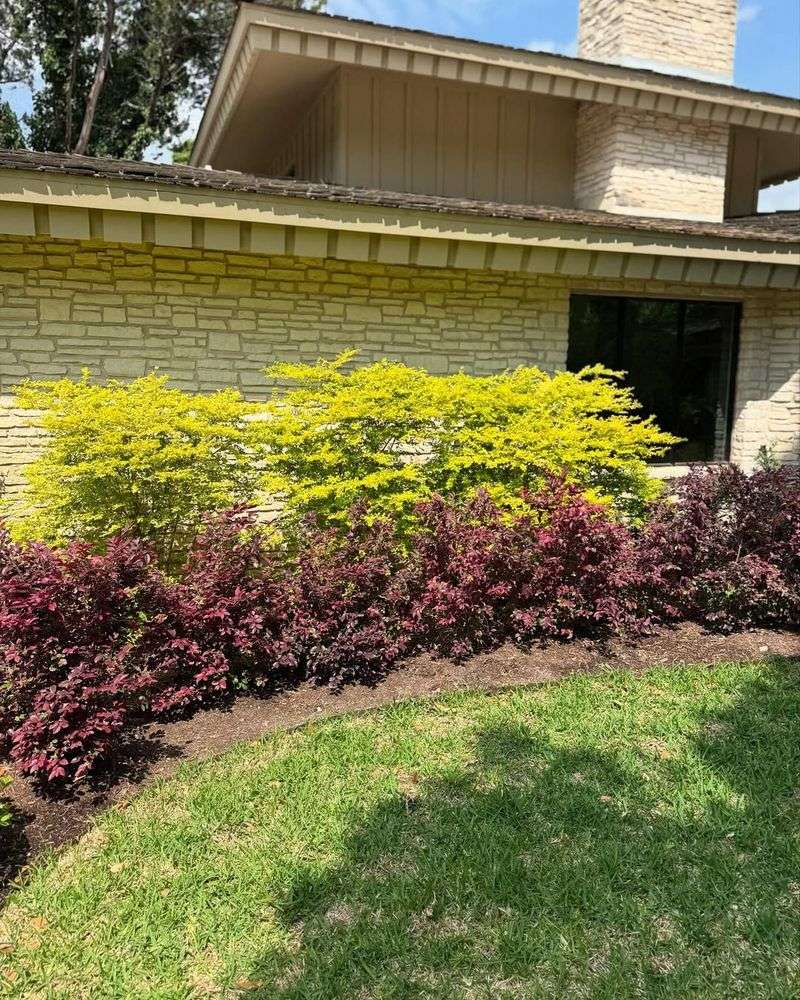
Vibrant chartreuse foliage practically glows in the landscape, making sunshine ligustrum one of the most eye-catching shrubs available for Texas gardens today.
Fast growth delivers quick results for impatient gardeners who want instant impact without waiting years for their landscape to fill in completely.
Evergreen habit ensures year-round color and structure, preventing that bare, empty look many Texas gardens suffer from during the cold winter months.
Fragrant white flowers appear in spring, attracting beneficial pollinators like bees and butterflies that help your entire garden ecosystem thrive beautifully.
Versatile planting options include foundation plantings, hedges, borders, or standalone specimens that anchor garden beds with their brilliant golden color presence.
Pruning flexibility allows homeowners to shape this shrub into formal hedges or leave it natural for a softer, more relaxed appearance.
Moderate water needs make sunshine ligustrum practical for Texas landscapes where conservation matters but homeowners still want colorful, lush-looking plant material.
Pairing with burgundy or bronze plants amplifies the golden color, creating dramatic contrasts that transform ordinary yards into designer-quality outdoor spaces.
4. Golden Euonymus
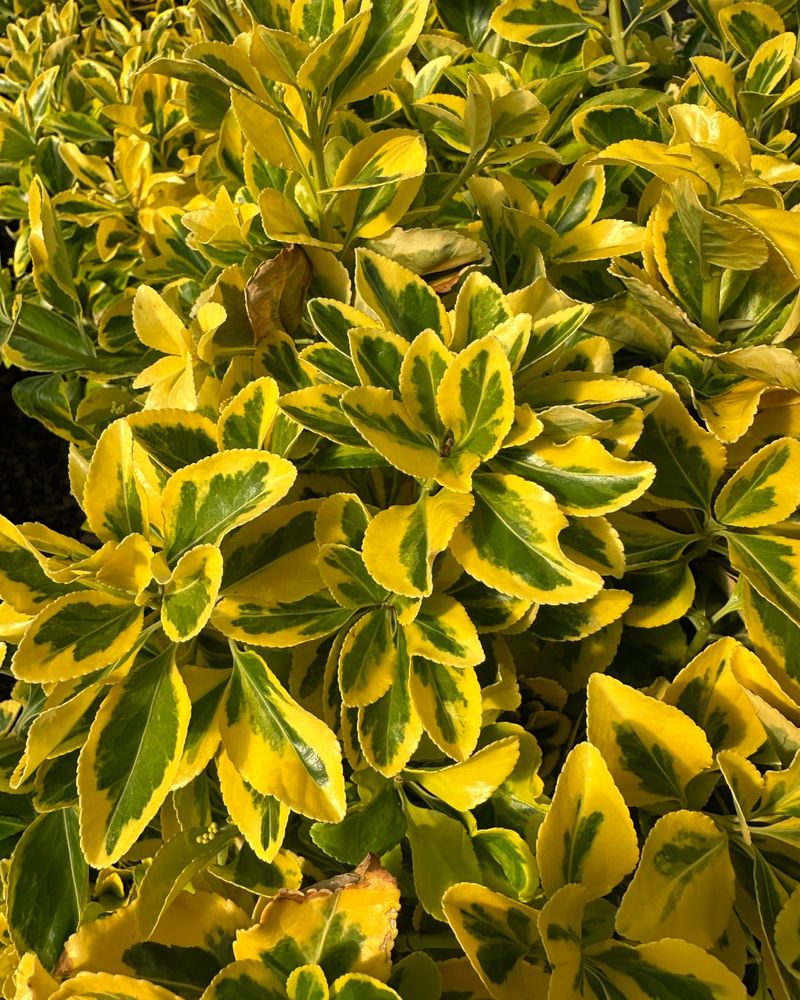
Variegated leaves blending gold and green create a softer, more subtle color effect compared to solid yellow shrubs found throughout Texas landscapes.
Adaptability to various light conditions makes golden euonymus incredibly versatile, performing well in full sun or partial shade across the state.
Compact size suits smaller yards and urban gardens where space comes at a premium but homeowners still crave colorful, interesting plant choices.
Disease resistance keeps maintenance minimal, allowing busy Texas gardeners to enjoy beautiful foliage without constantly treating problems or replacing struggling plants.
Winter hardiness protects this shrub during occasional freezes that sweep through the state, ensuring it bounces back quickly when temperatures rise.
Formal or informal garden styles both accommodate golden euonymus beautifully, making it appropriate for traditional estates or casual cottage-style Texas properties.
Border plantings benefit from its tidy growth habit and consistent color, creating neat edges that define garden beds and pathways clearly.
Mixing with solid green or blue-toned evergreens highlights the golden variegation, making the color differences more pronounced and visually striking overall.
5. Gold Mound Spirea
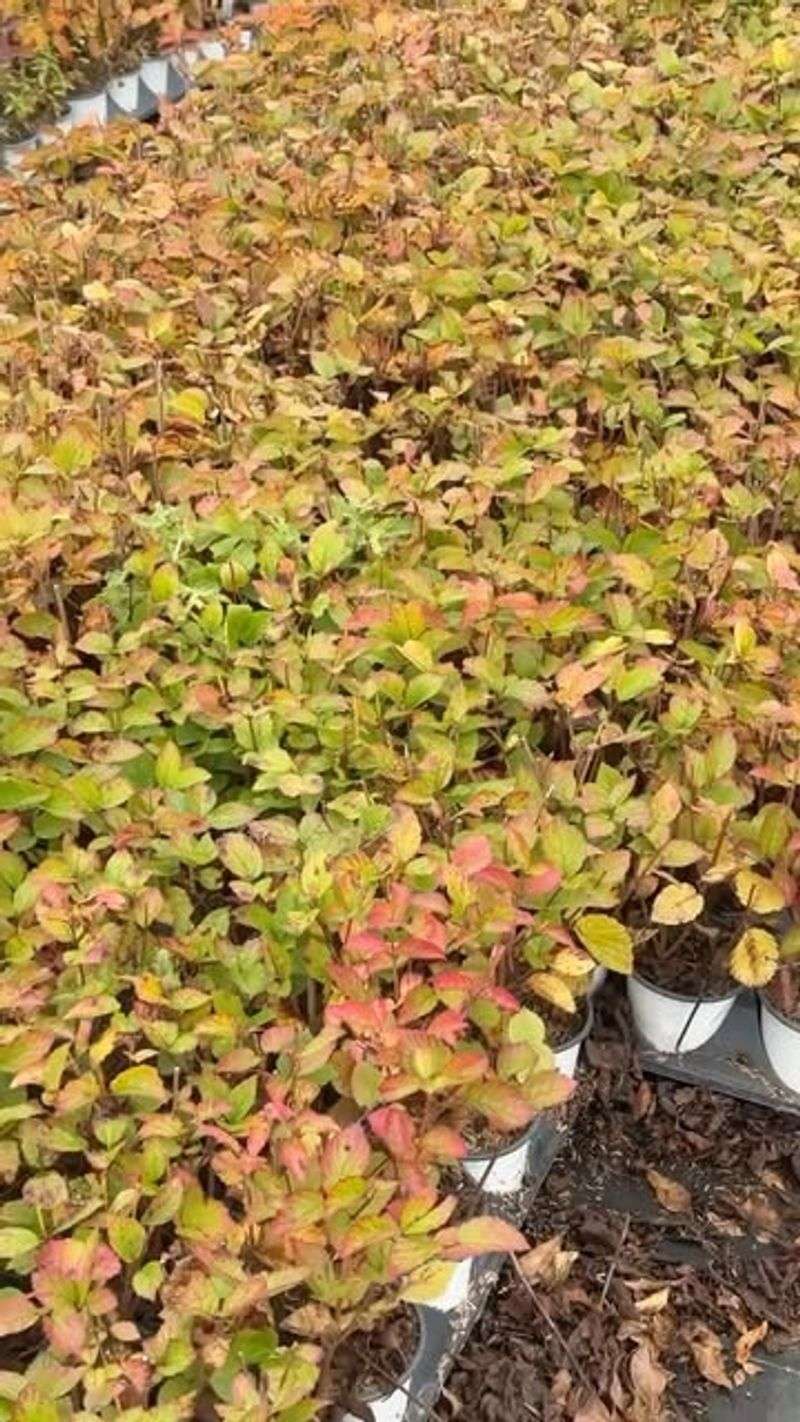
Low, mounding form creates perfect ground cover or edging along pathways, adding golden color at a height that complements taller plants beautifully.
Seasonal color changes keep this shrub interesting throughout the year, with leaves emerging bright gold in spring, then deepening through summer.
Pink flowers bloom in late spring, providing a lovely contrast against the yellow foliage that surprises and delights visitors to your Texas garden.
Cold hardiness ensures survival through occasional hard freezes that hit Texas unexpectedly, making this a reliable choice for unpredictable climate conditions.
Minimal pruning requirements appeal to low-maintenance gardeners who prefer spending weekends relaxing rather than constantly trimming and shaping their landscape plants.
Mass plantings create stunning golden carpets that unify large garden areas, making sprawling Texas properties feel cohesive and thoughtfully designed rather than random.
Rock gardens benefit from gold mound spirea since its small size and bright color complement stone features without overwhelming the natural textures.
Companion planting with purple salvia or blue veronica creates color combinations that look professionally designed, elevating your entire Texas landscape aesthetic.
6. Golden Privet
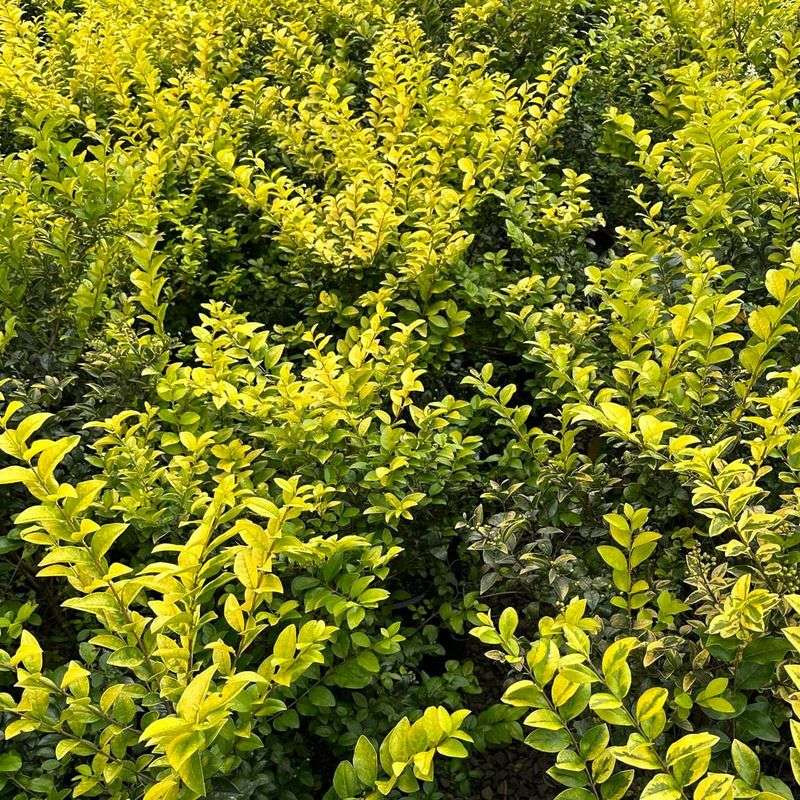
Upright growth creates excellent privacy screens and property line hedges, combining practical function with stunning golden color that outshines ordinary green options.
Rapid establishment means new plantings fill in quickly, providing the screening and color impact Texas homeowners desire without lengthy waiting periods.
Pollution tolerance makes golden privet ideal for urban and suburban Texas locations where air quality challenges would stress more sensitive plant species.
Deer resistance protects your investment in areas where wildlife browsing damages many landscape plants, leaving gardeners frustrated with constantly replacing damaged shrubs.
Formal shearing creates neat, geometric hedges perfect for traditional Texas estates, while natural growth produces softer, more relaxed screens for casual gardens.
Root competition tolerance allows golden privet to grow successfully under trees where many shrubs struggle, filling difficult spots with welcome color.
Seasonal pruning after spring growth hardens maintains size and encourages dense branching that creates better screening and a fuller, more attractive appearance.
Combining golden privet with dark evergreens in alternating patterns creates striped hedge effects that add visual interest beyond standard single-variety plantings.
7. Lemon Lime Nandina
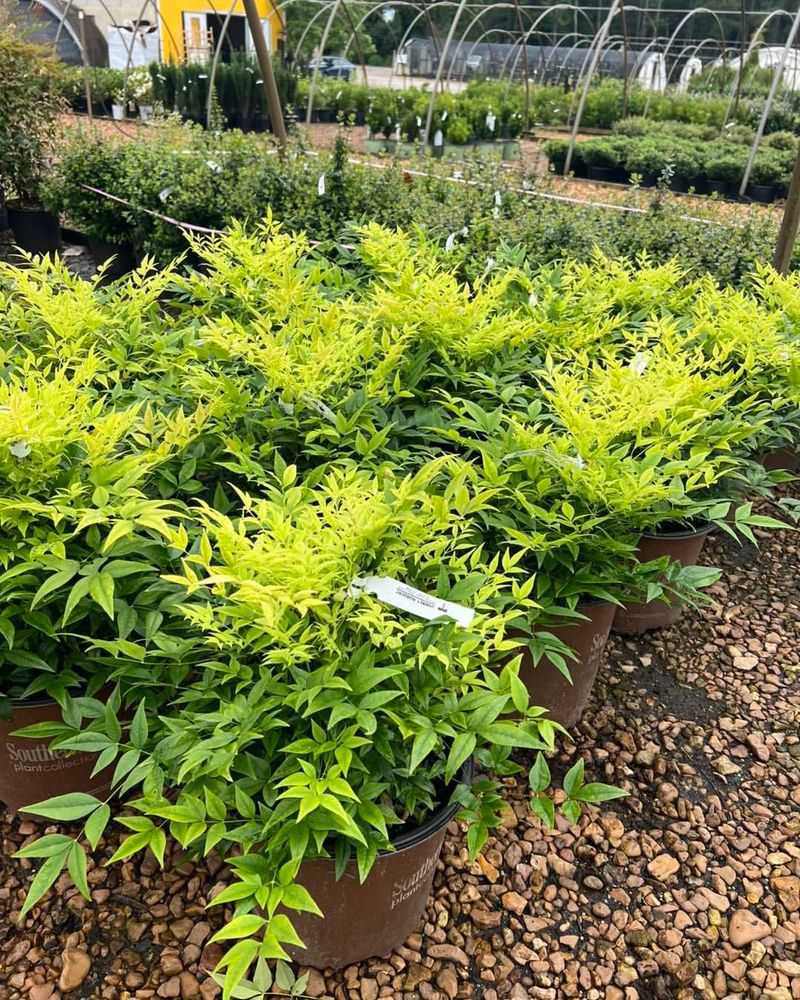
Bamboo-like appearance brings an Asian-inspired aesthetic to Texas gardens, with delicate foliage that sways gracefully in the breeze throughout the seasons.
Color-changing leaves start lime-yellow in spring, mature to chartreuse in summer, then transform to orange-red tones during fall and winter.
No berries form on this sterile cultivar, eliminating concerns about unwanted seedlings sprouting throughout your Texas landscape or neighboring properties nearby.
Vertical accent potential makes lemon lime nandina perfect for narrow spaces beside fences, gates, or building corners where width is limited.
Drought tolerance develops after the first growing season, reducing watering needs significantly while maintaining the vibrant foliage color that attracted you initially.
Container suitability allows patio and balcony gardeners to enjoy this golden shrub even without traditional in-ground planting space available on property.
Textural contrast provided by fine, compound leaves adds visual interest when planted alongside bold-leaved companions like hostas or elephant ears in gardens.
Minimal pest problems keep this Texas favorite looking fresh and healthy without requiring constant chemical treatments or intensive monitoring throughout the year.
8. Golden Sage
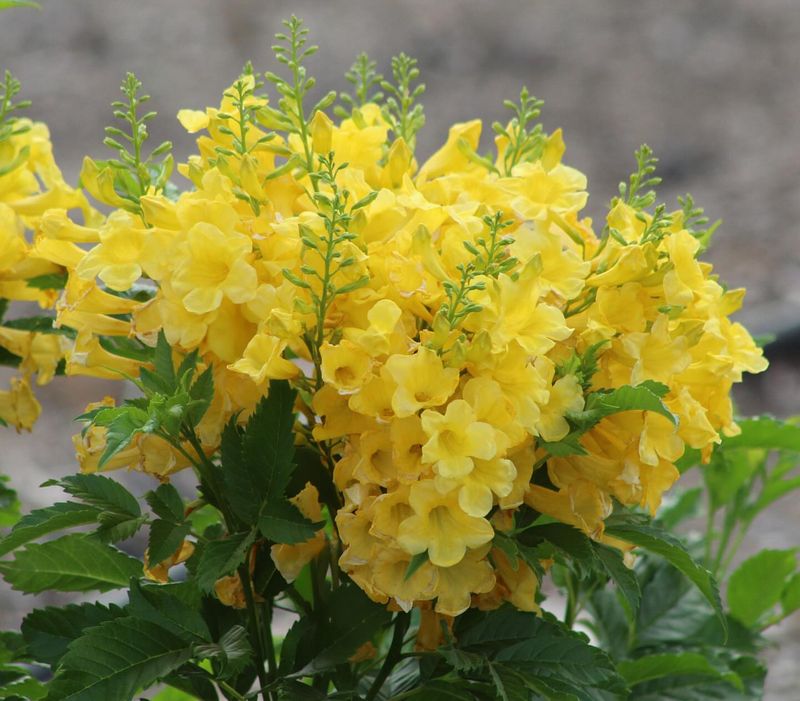
Aromatic foliage releases wonderful fragrance when brushed or touched, adding a sensory dimension beyond visual beauty to your Texas landscape experience.
Culinary uses make this golden shrub both ornamental and functional, allowing you to harvest fresh herbs for cooking while enjoying its color.
Xeriscaping excellence positions golden sage as a water-wise choice for Texas gardens focused on conservation without sacrificing beauty or landscape interest.
Pollinator magnet status means bees, butterflies, and hummingbirds visit frequently when the purple-blue flowers bloom, supporting beneficial insects in your yard.
Soft, fuzzy leaves create tactile interest that children especially enjoy, making golden sage a wonderful addition to family gardens with curious youngsters.
Mediterranean heritage ensures heat and sun tolerance, perfect for brutal Texas summers that challenge many other golden-foliaged shrub varieties available today.
Herb garden anchor plantings benefit from golden sage since its size and color provide structure while complementing smaller herbs like thyme or oregano.
Evening light makes the golden foliage appear to glow warmly, creating magical garden moments during sunset hours when you relax outdoors after work.
9. Gold Star Juniper
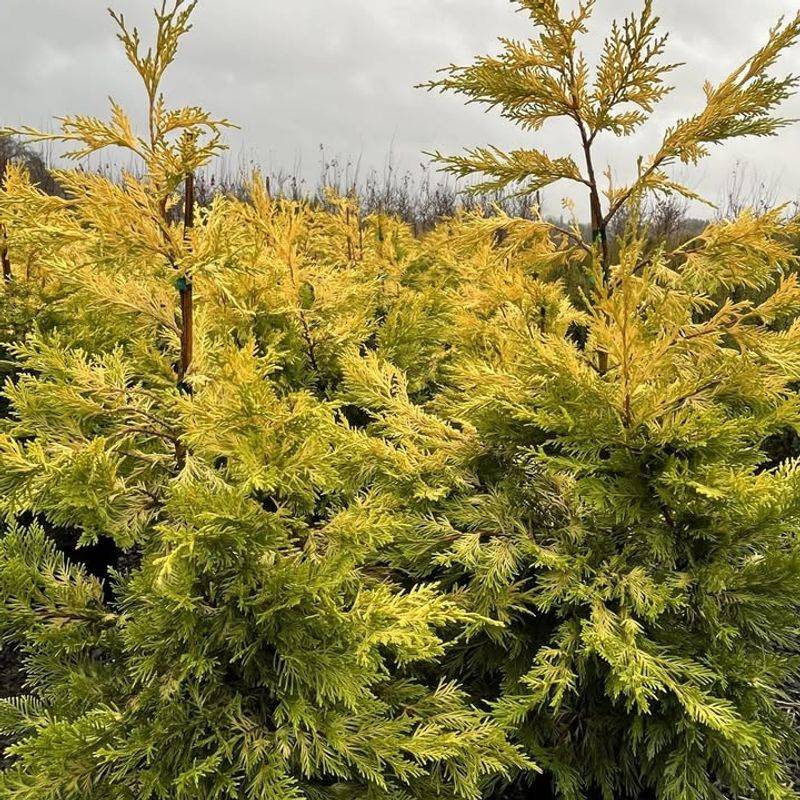
Low, spreading habit makes gold star juniper excellent for groundcover applications, controlling erosion on slopes while adding brilliant golden color year-round.
Needle-like foliage provides textural variety that contrasts beautifully with broad-leaved plants, creating layered interest in mixed Texas shrub borders and beds.
Extreme heat tolerance allows this tough evergreen to thrive in reflected heat from pavement and buildings where many golden shrubs would struggle.
Winter color intensifies to deeper gold or bronze tones, ensuring your Texas landscape maintains visual interest even during the dormant season months.
Salt tolerance benefits coastal Texas gardeners dealing with salty air and occasional storm surge that damages less resilient landscape plant choices available.
Rock garden compatibility makes gold star juniper perfect for xeriscaping designs featuring gravel mulch, boulders, and other low-water landscape elements throughout.
Foundation plantings gain modern flair when gold star juniper replaces traditional green junipers, updating tired landscapes with fresh, contemporary color choices.
Wildlife shelter develops as the shrub matures and spreads, providing protected spaces where small birds and beneficial creatures find refuge in Texas.
10. Golden Japanese Forest Grass
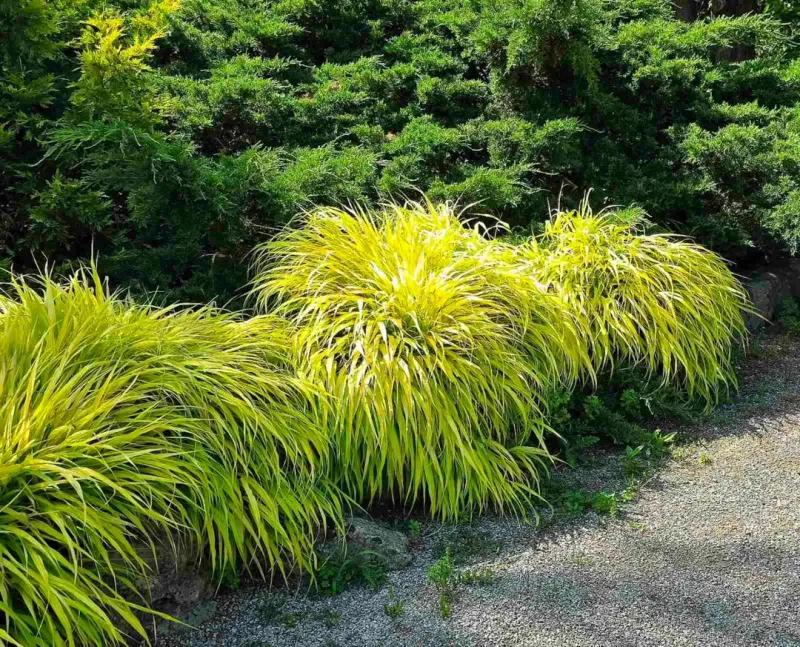
Cascading foliage creates a fountain-like effect that adds movement and grace to shaded Texas garden areas where colorful options are typically limited.
Shade preference makes this grass-like shrub valuable for woodland gardens under trees where golden color brightens dark spaces beautifully throughout seasons.
Non-invasive nature provides peace of mind for Texas gardeners concerned about aggressive spreaders taking over beds and requiring constant control efforts.
Moisture-loving characteristics suit bog gardens, pond edges, and low-lying areas in Texas landscapes where drainage is poor but color is still desired.
Fine texture contrasts wonderfully with bold hostas and large-leaved plants, creating sophisticated combinations that look professionally designed rather than accidentally assembled together.
Clumping growth keeps this golden beauty manageable and tidy, never requiring the aggressive division that some ornamental grasses demand from frustrated gardeners.
Fall color shift to peachy-orange tones extends seasonal interest, ensuring your Texas shade garden remains attractive beyond the primary spring and summer months.
Container groupings featuring golden Japanese forest grass as a thriller or spiller element create stunning patio displays that impress guests and neighbors.