8 Signs Florida Plants Are Stressed By Cold Nights
Florida gardens thrive on warmth, so when cold nights slip in, plants often send quiet distress signals before real damage shows.
Leaves change tone, growth stalls, and once-lively beds can look off their game by morning.
Many gardeners miss these early warnings and chalk them up to routine slowdown, only to face bigger problems days later.
Chilly air moves fast, especially after clear skies, and tender plants feel it first.
A sharp eye and timely action keep landscapes resilient when temperatures dip below their comfort zone.
Cold stress does not always shout; it whispers.
Spot the clues early, and Florida plants stand a far better chance of bouncing back strong.
1. Wilted Or Drooping Leaves
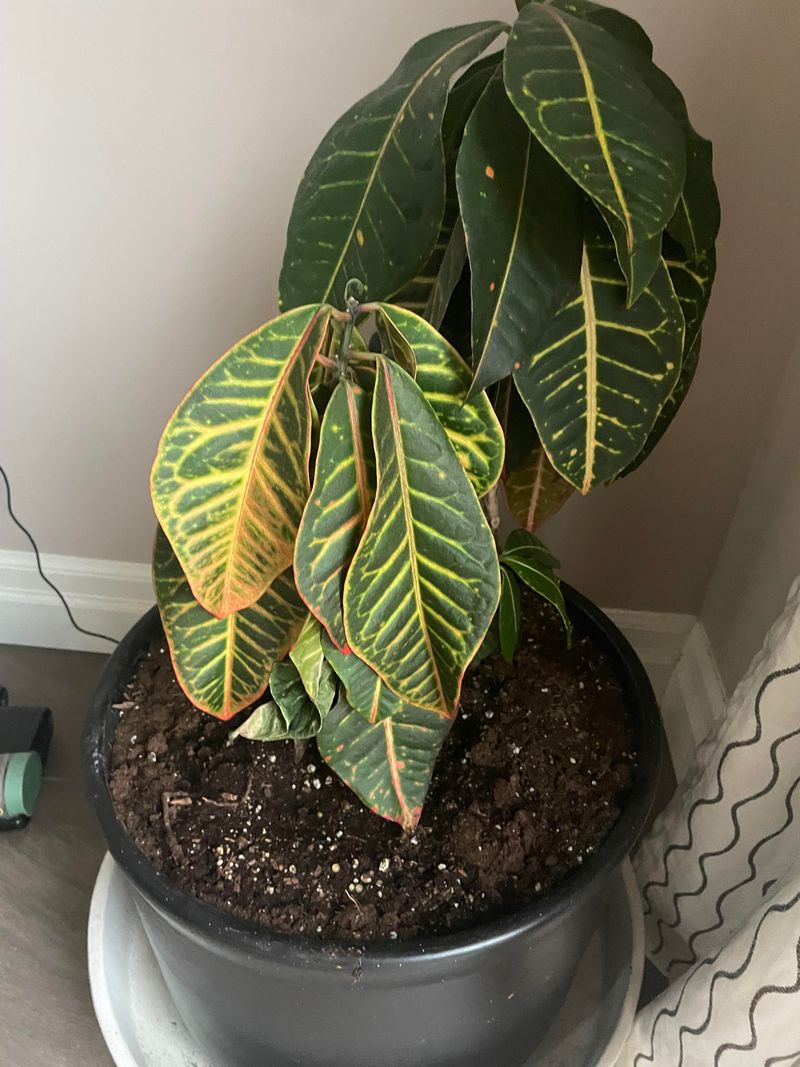
Cold temperatures cause water inside plant cells to freeze, which disrupts the normal flow of moisture through stems and leaves.
When this happens, leaves lose their firm structure and begin to sag downward like they need watering, even when soil moisture seems fine.
You might notice entire branches drooping overnight after a particularly chilly evening.
This wilting occurs because frozen cell walls cannot transport water properly to keep leaves upright and healthy.
The good news is that mild wilting often reverses itself once temperatures warm up during the day.
However, repeated cold exposure can cause permanent cellular damage that prevents full recovery.
Check your plants early in the morning after cold nights to spot this warning sign quickly.
Tropical plants like hibiscus, bougainvillea, and impatiens show wilting symptoms faster than cold-hardy natives.
Protect vulnerable plants with frost cloth or move potted specimens to sheltered locations before temperatures drop.
Avoid overwatering wilted plants, as soggy soil combined with cold stress creates even more problems.
Instead, wait for warmer weather and monitor how well the foliage rebounds naturally.
Patience pays off when dealing with temperature-shocked vegetation.
2. Discolored Pr Blackened Foliage
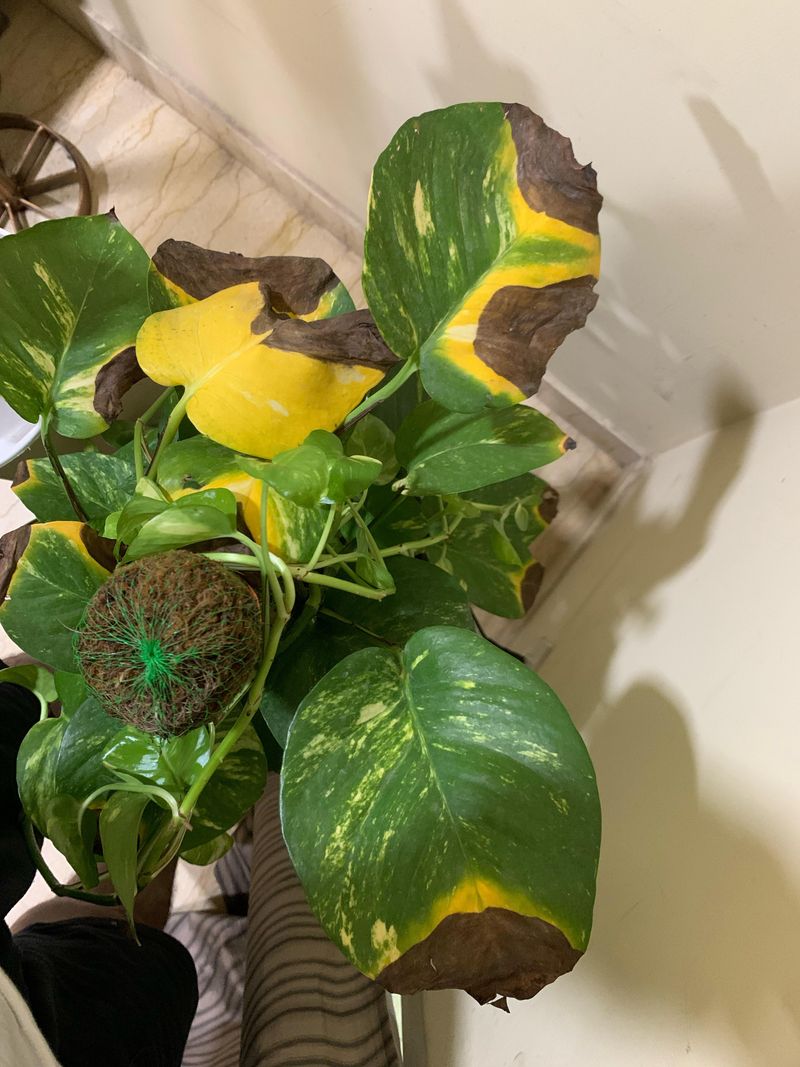
Healthy green leaves suddenly turning dark brown or black signal serious cold injury that requires immediate attention.
Freezing temperatures rupture cell walls, causing tissue breakdown that shows up as dark, water-soaked patches on foliage.
These damaged areas often appear along leaf edges first, then spread inward as the injury worsens.
Tropical plants suffer the most dramatic color changes because they evolved in warm climates without freeze protection.
Banana plants, crotons, and elephant ears develop blackened leaves almost overnight when exposed to near-freezing conditions.
The discoloration happens because damaged cells release their contents, creating dark, mushy spots that cannot recover.
Once foliage turns black, those sections are permanently damaged and should be pruned away to prevent disease.
Use clean, sharp pruners to remove affected leaves and stems, cutting back to healthy green tissue.
Sterilize your tools between cuts to avoid spreading potential infections.
Some plants bounce back from their roots even when all above-ground growth looks ruined.
Wait until spring to assess the full extent of damage before removing entire plants from your landscape.
Many Florida favorites surprise gardeners with fresh growth once warm weather returns for good.
3. Curled Or Twisted Leaf Edges
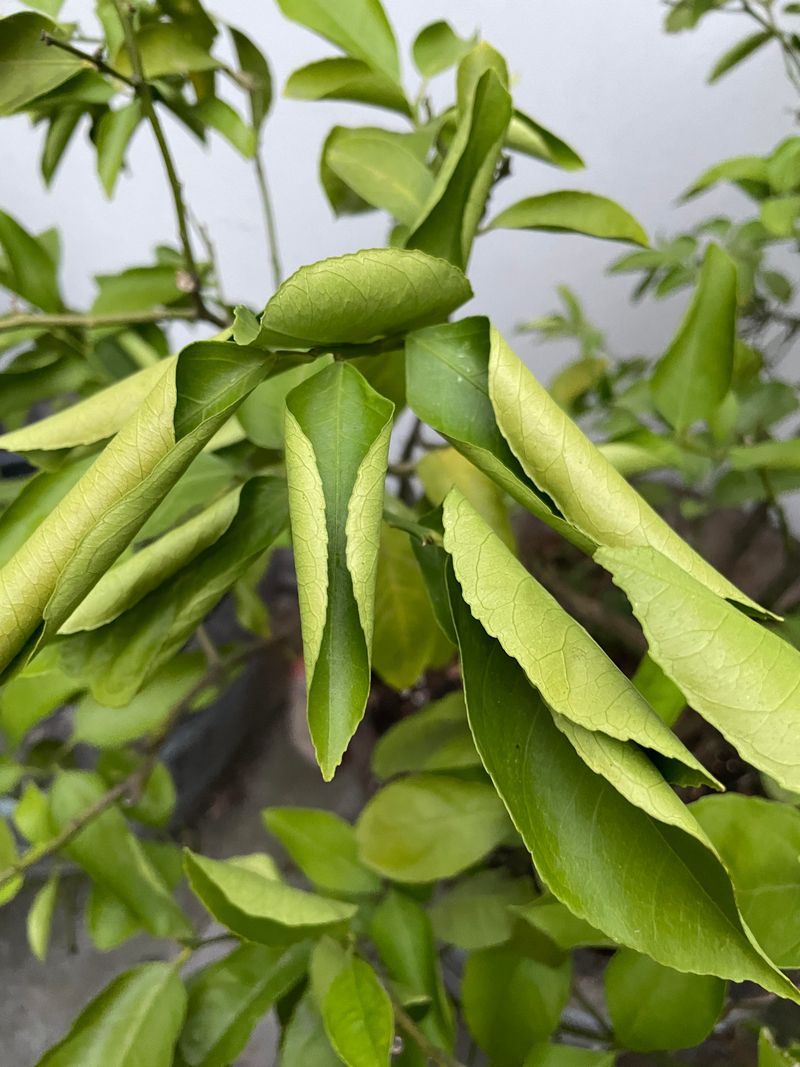
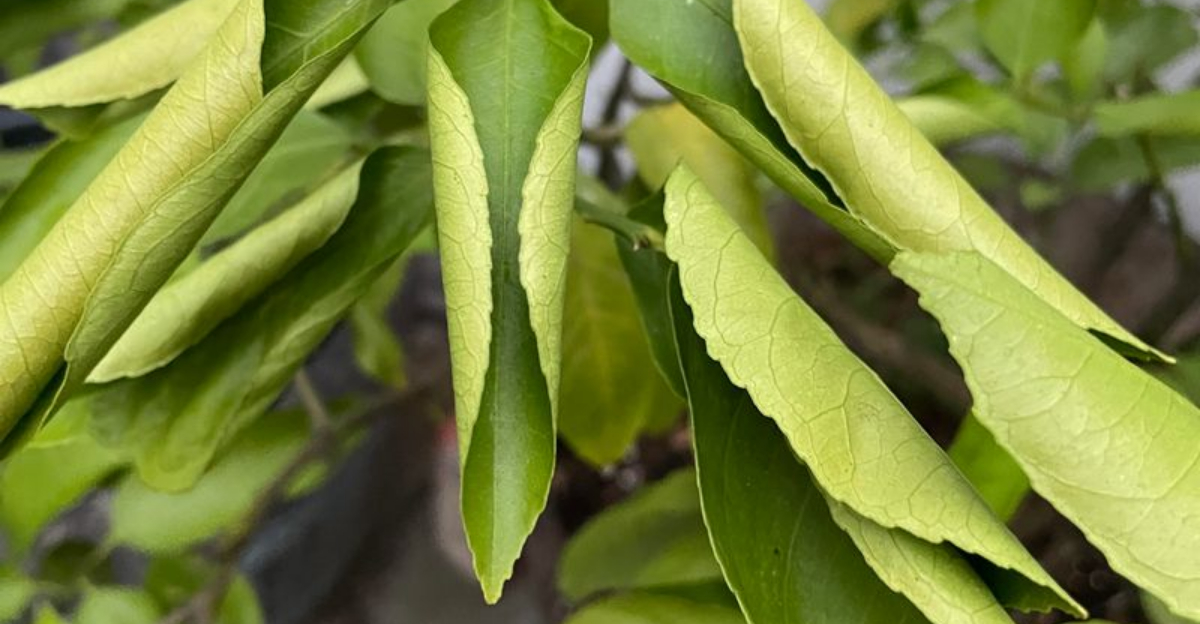
When leaf margins curl inward or twist abnormally, your plants are responding to cellular damage from cold exposure.
Freezing temperatures cause uneven expansion and contraction in leaf tissue, creating distorted growth patterns that look unusual.
You might see leaves that fold lengthwise or develop wavy, puckered edges that feel brittle to the touch.
This curling happens as a protective response, with plants trying to minimize exposed surface area during temperature stress.
Young, tender growth shows curling symptoms more dramatically than mature, established foliage.
Citrus trees, tomato plants, and ornamental shrubs commonly display this particular warning sign after chilly nights.
Inspect the undersides of curled leaves for additional problems like pest infestations that might complicate recovery.
Cold-stressed plants become more vulnerable to insects and diseases that take advantage of weakened defenses.
Address multiple issues simultaneously for the best chance at successful rehabilitation.
Avoid fertilizing plants showing curl damage, as new growth stimulation during cold weather creates more vulnerable tissue.
Wait until consistent warm temperatures return before encouraging fresh foliage development.
Provide adequate water without oversoaking, and protect plants from additional cold exposure with appropriate coverings or windbreaks during continuing cold spells.
4. Soft, Mushy Stems
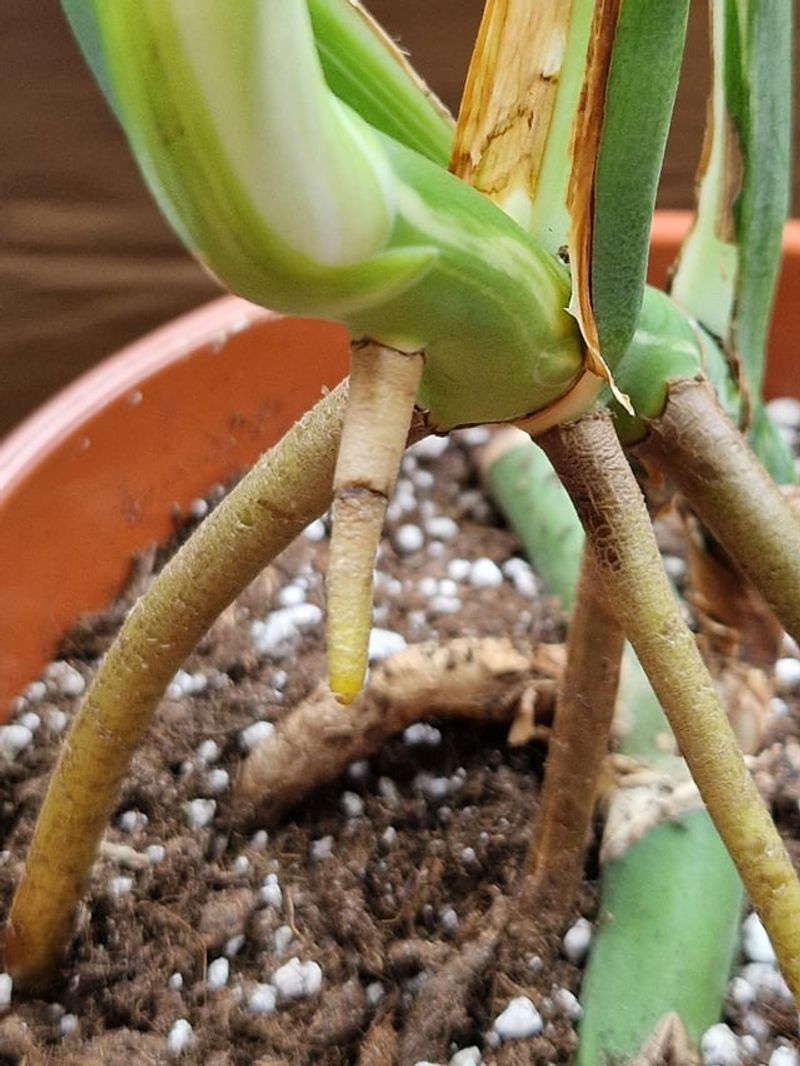
Firm, healthy stems that suddenly feel soft and squishy indicate severe cold damage that penetrated deep into plant tissue.
Freezing causes ice crystals to form inside stem cells, rupturing their walls and creating a waterlogged, mushy texture.
When you gently squeeze affected stems, they collapse easily instead of maintaining their normal rigid structure.
Succulent plants like jade, aloe, and ornamental cacti suffer particularly dramatic stem damage because their water-filled tissues freeze quickly.
Once stems turn mushy, those sections cannot transport water or nutrients to the rest of the plant.
The damage often starts at ground level where cold air settles, then progresses upward through the entire stem system.
Check your plants by carefully feeling stems near the base and at various heights to locate the extent of mushiness.
Healthy tissue feels firm and slightly flexible, while damaged sections feel soggy and collapse under light pressure.
Mark the boundary between healthy and damaged tissue to guide your pruning decisions.
Remove mushy stems promptly to prevent rot and disease from spreading to healthy portions of the plant.
Make clean cuts well below the damaged area, into firm green or woody tissue.
Some plants regenerate from healthy roots even when all visible stems show damage, so patience before complete removal pays off.
5. Premature Leaf Drop
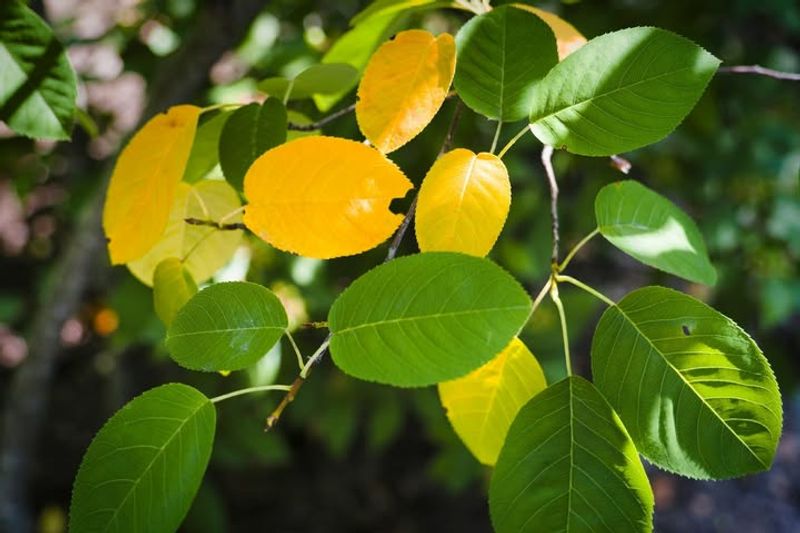
Plants shedding leaves suddenly and in large quantities signal a stress response triggered by cold temperature exposure.
Unlike normal seasonal leaf drop that happens gradually, cold-induced shedding occurs rapidly, sometimes within hours of temperature drops.
You might wake up to find the ground beneath your plants carpeted with fallen foliage that looked perfectly healthy the day before.
This emergency response helps plants conserve energy and resources when environmental conditions become unfavorable.
By shedding leaves, plants reduce the amount of tissue requiring water and nutrients during stressful periods.
Deciduous plants naturally drop leaves in winter, but evergreen tropical species lose foliage only under extreme stress.
Ficus trees, gardenias, and ixora commonly drop leaves after cold nights, creating bare branches that look alarming.
However, many of these plants regrow foliage once warm weather stabilizes, especially if their root systems remained protected.
Avoid panic-removing plants that drop leaves suddenly after cold exposure.
Clean up fallen leaves promptly to prevent fungal diseases from establishing in the moist debris around plant bases.
Provide consistent moisture without overwatering, and avoid fertilizing until new growth emerges naturally.
Patience allows you to see which plants recover on their own versus those requiring replacement in your landscape design.
6. Stunted New Growth
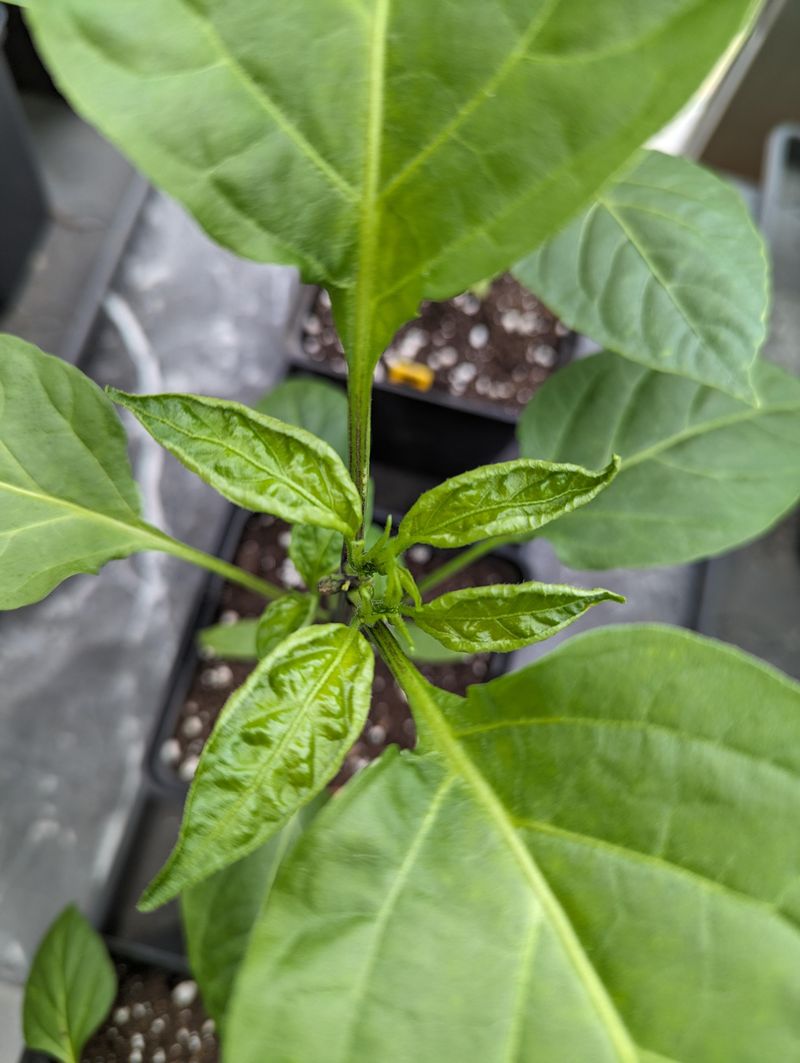
Fresh shoots and emerging leaves that appear smaller, misshapen, or slower than normal indicate lingering cold stress affecting plant development.
Cold damage disrupts the growing points where cells divide and expand, creating abnormal growth patterns that persist for weeks.
New leaves might emerge wrinkled, unusually small, or with irregular shapes that differ from the plant’s typical foliage appearance.
Growing tips contain tender, actively dividing cells that suffer damage more easily than mature tissue during cold snaps.
Once damaged, these meristematic zones struggle to produce healthy new growth even after temperatures warm up.
You might notice that new shoots grow extremely slowly or stop developing altogether for extended periods.
Vegetable gardens show stunted growth particularly clearly, with tomatoes, peppers, and squash producing deformed fruits after cold stress.
Ornamental plants develop asymmetrical branching patterns and irregular leaf spacing that affects their overall appearance.
Some plants eventually outgrow these symptoms as new, undamaged growing points take over development.
Support recovery by maintaining optimal growing conditions including proper watering, adequate sunlight, and protection from additional cold exposure.
Avoid heavy pruning immediately after noticing stunted growth, as plants need their existing foliage for photosynthesis and energy production.
Consider applying a balanced, diluted fertilizer once consistent warm weather returns to encourage healthy new development from undamaged growing points.
7. Translucent Or Water-Soaked Patches
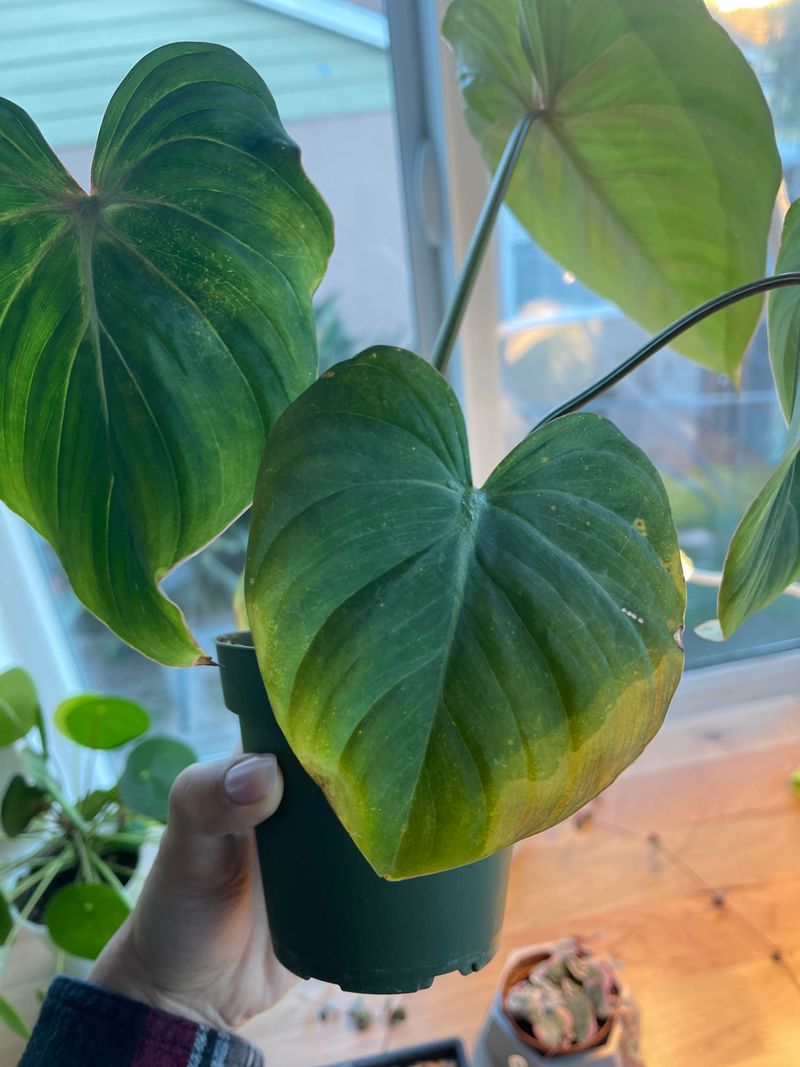
Leaf tissue that appears glassy, translucent, or water-soaked reveals cellular collapse caused by ice crystal formation during freezing temperatures.
These patches look darker and wetter than surrounding healthy tissue, often with a greasy or oily appearance.
When you hold affected leaves up to light, the damaged areas let more light through than normal green sections.
Freezing ruptures cell membranes, releasing their liquid contents into the spaces between cells and creating this waterlogged appearance.
The damage typically shows up first on tender new growth and leaf tips before spreading to more mature foliage.
Tropical plants like philodendrons, peace lilies, and coleus develop these translucent patches quickly when exposed to near-freezing conditions.
Water-soaked areas eventually turn brown or black as the damaged tissue dries out and breaks down completely.
These sections cannot recover because the cells are permanently damaged and no longer function.
Remove severely affected leaves to improve plant appearance and prevent secondary infections from establishing in the damaged tissue.
Monitor remaining foliage carefully for signs of spreading damage or disease development in the days following cold exposure.
Provide good air circulation around affected plants to help damaged areas dry properly without encouraging fungal growth.
Reduce watering slightly until plants show signs of recovery and new healthy growth emerges from undamaged portions.
8. Delayed Or Failed Flowering
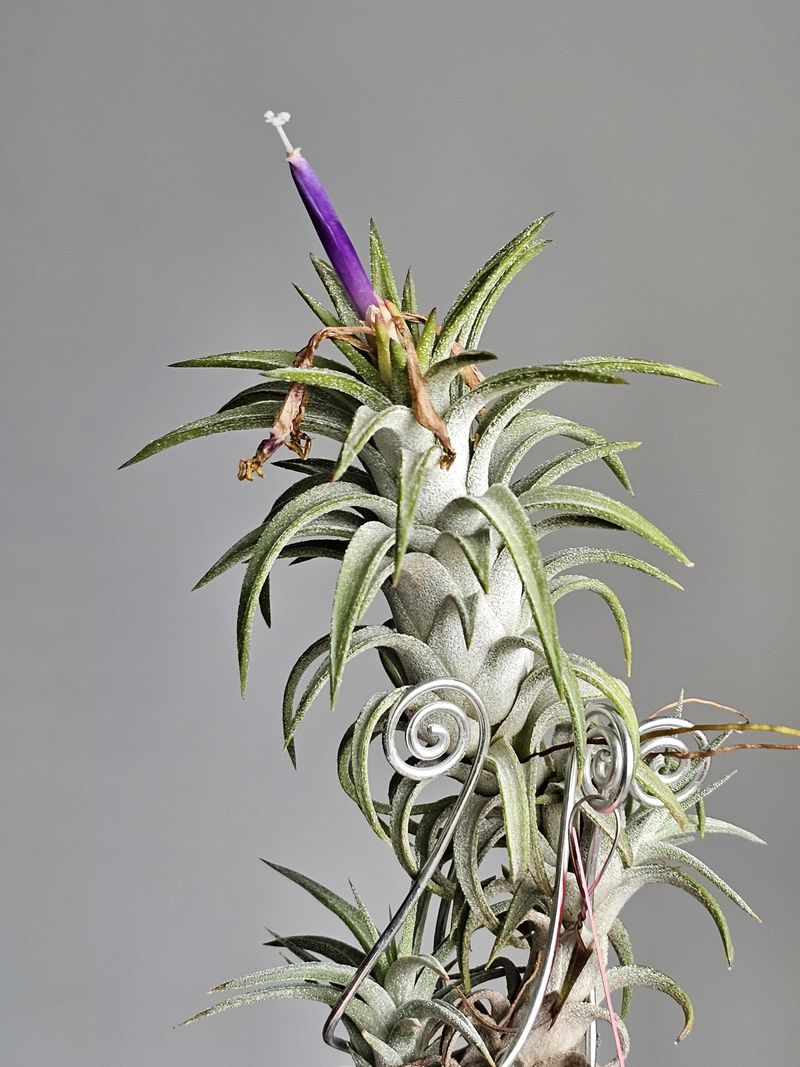
Flowering plants that refuse to bloom or produce far fewer flowers than expected often suffered cold damage to their developing flower buds.
Freezing temperatures destroy tender bud tissue before it can open, leaving you with bare stems where colorful blooms should appear.
Even if buds survived the cold, the stress can delay flowering by weeks or cause plants to skip blooming entirely for the season.
Orchids, bromeliads, and tropical flowering shrubs invest tremendous energy in creating flower structures that cold weather easily destroys.
Once damaged, these specialized tissues cannot recover, and the plant must generate entirely new buds from scratch.
This process takes considerable time and energy, explaining why post-freeze flowering often disappoints gardeners.
Some plants redirect their resources toward survival and recovery rather than reproduction after experiencing cold stress.
Flowering requires substantial energy that stressed plants simply cannot spare while repairing damaged foliage and stems.
You might notice healthy leaf growth without any accompanying flowers for an entire growing season following severe cold damage.
Be patient with flowering plants recovering from cold exposure, as forcing blooms through heavy fertilization can backfire.
Instead, maintain consistent care and allow plants to recover at their own pace before expecting normal flower production.
Many tropical bloomers resume their spectacular displays once they fully recover and environmental conditions stabilize with warm, consistent temperatures throughout spring and summer months.