6 Signs It’s Time To Repot Your Plants In Texas
Sometimes a plant starts acting a little off, and the problem is not always the light, the watering, or the weather. In Texas, where heat can speed up growth and put extra stress on container plants, a cramped pot can sneak up on you faster than expected.
One day your plant seems fine, and the next it looks droopy, dries out too quickly, or stops growing like it used to. That is usually when repotting starts moving from a nice idea to something your plant actually needs.
The tricky part is that plants do not come right out and announce they are out of room. They give hints.
Roots may start circling the bottom, water may run straight through the pot, or the whole plant may seem stuck no matter how much care you give it. In Texas conditions, those signs can show up even sooner, especially during warm, active growing periods.
If a plant in your home or on your patio seems harder to keep happy lately, the container itself may be the real issue. Catching that at the right time can make a big difference.
1. Roots Are Growing Out Of The Drainage Holes
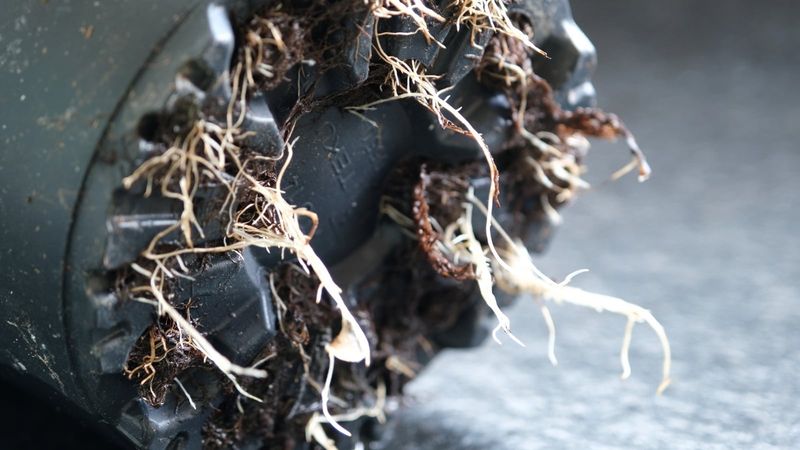
Picture this: you flip your plant over to water it and notice a tangled mess of roots poking out from the bottom. That is one of the most obvious signals your plant is sending you, and it is screaming for more space.
Roots escaping through drainage holes mean the inside of the pot is completely packed, and there is simply nowhere left to grow.
When roots run out of room, they start looking for any exit they can find. In Texas, where warm temperatures keep plants growing for most of the year, this can happen faster than you might think.
Plants like pothos, peace lilies, and snake plants are especially known for filling up their pots quickly in our climate.
A root-bound plant cannot absorb water or nutrients the way it should. The roots get so tangled and tight that they actually start to squeeze each other out. Over time, this limits how tall and full your plant can grow.
If you spot roots at the drainage holes, it is time to act. Choose a new pot that is about two inches wider than the current one.
Going too big too fast can cause the soil to hold too much moisture, which creates a whole new set of problems in the Texas humidity.
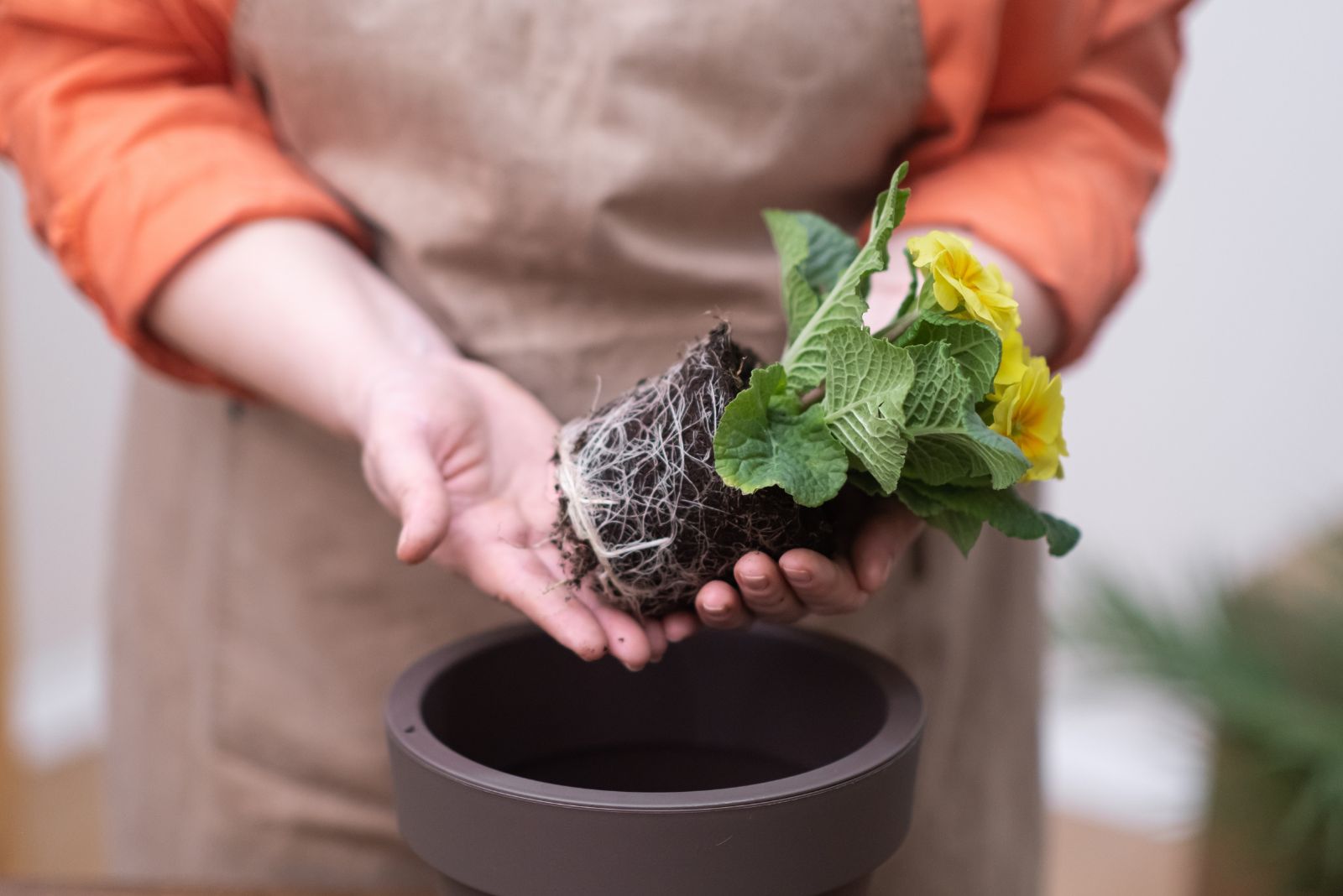
Gently loosen the roots before placing the plant in fresh potting mix. This helps the roots spread out and settle into their new space more comfortably.
Spring is the best time to repot in Texas, but if the roots are clearly outgrowing the pot, do not wait.
2. Water Drains Too Quickly Or Sits On Top
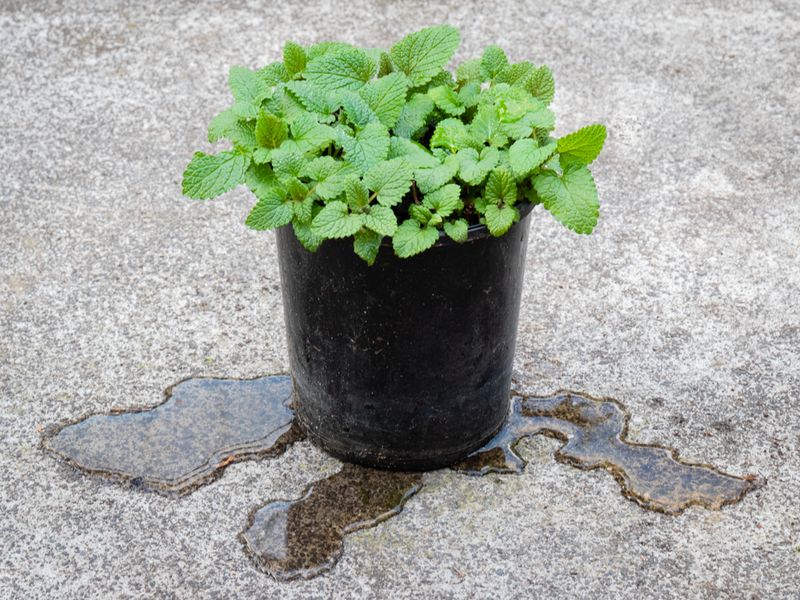
Have you ever watered your plant and watched the water just sit on top of the soil like a tiny pond? Or maybe it rushes straight through the pot and out the bottom in seconds flat?
Both of these are warning signs that something is seriously off with your soil and your plant’s root system.
When soil gets too compacted or too full of roots, it loses its ability to hold water properly. In Texas, where summer temperatures can soar past 100 degrees, poor water absorption can stress your plant out fast.
A plant that cannot soak up water is going to struggle, no matter how often you water it. Old, worn-out soil is often the hidden culprit here. Over time, potting mix breaks down and loses its light, airy texture.
It becomes dense and hard, almost like concrete, and water just cannot move through it the way it should.
Roots filling the pot can also push the soil aside, leaving little room for water to absorb at all. The water finds the path of least resistance and flows straight down and out.
Your plant ends up thirsty even after watering, which is frustrating for any plant lover in Texas trying to keep things alive through the brutal summer months.
Fresh potting mix and a properly sized pot can fix this problem quickly. Look for a well-draining potting mix that includes perlite or bark for better aeration.
After repotting, water slowly and steadily to help the new soil settle around the roots evenly and completely.
3. Growth Has Slowed Or Stopped Completely
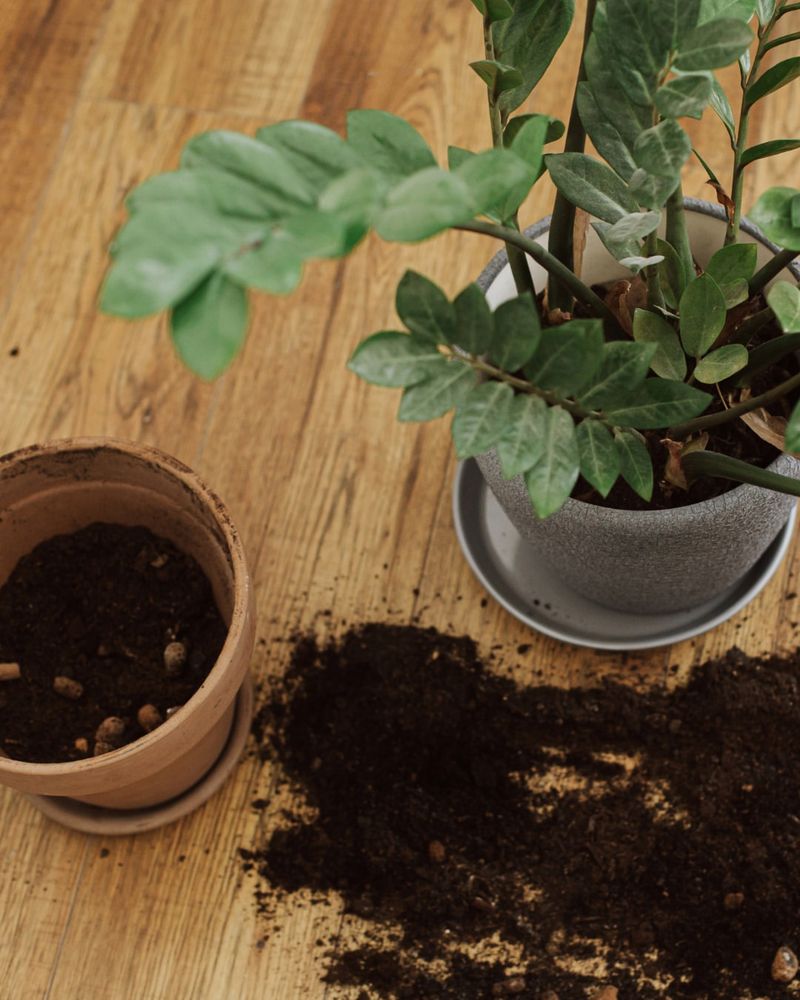
Spring rolls around in Texas, the days get longer, and you expect your plant to wake up and start pushing out new leaves. But nothing happens.
Weeks go by and your plant just sits there, looking the same as it did in January. That kind of stalled growth is a red flag worth paying attention to.
Plants slow down or stop growing when they run out of space and nutrients. A pot that is too small physically limits how far the roots can spread.
And roots that cannot spread means the plant cannot take in what it needs to fuel new growth. No matter how much you fertilize, a cramped root system just cannot do its job well.
Texas has a long and active growing season compared to most of the country. Plants here get more sunshine, more warmth, and more time to grow.
That also means they use up their soil nutrients faster and outgrow their pots sooner than plants in cooler climates.
If your plant has not shown any new growth in several weeks during what should be its active season, check the roots. Carefully remove the plant from its pot and take a look.
If the roots are circling the inside of the pot or are tightly packed together, repotting is your next step.
Move the plant into a pot that gives the roots room to breathe and expand. Add fresh nutrient-rich potting soil to give it a boost.
Most Texas plant owners are surprised at how quickly their plants bounce back and start growing again after a good repotting session.
4. Soil Looks Depleted Or Breaks Down Easily
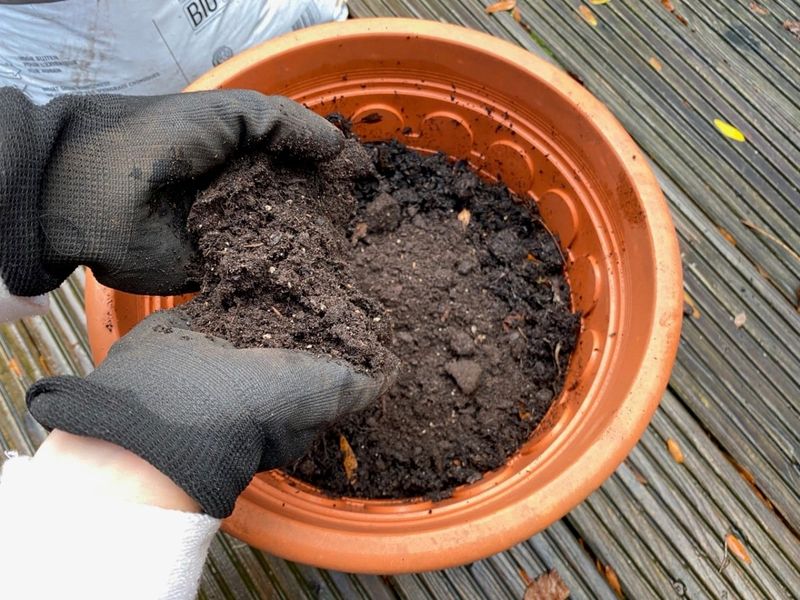
Good potting soil does not last forever. Over time, it breaks down, loses its structure, and stops doing what it is supposed to do.
If you look at your plant’s soil and it looks pale, dusty, or crumbly like dry sand, that is a clear sign the soil has run its course and needs to be replaced.
Fresh potting mix is light and fluffy with a rich, dark color. It holds moisture without getting waterlogged and allows air to reach the roots.
Old soil loses all of those qualities. It compacts down, pulls away from the edges of the pot, and often becomes hydrophobic, meaning it actually repels water instead of absorbing it.
In Texas, the heat speeds up the breakdown of organic matter in soil. The intense sun and dry air can cause soil to dry out faster between waterings, which makes the breakdown happen even quicker than in other parts of the country.
Soil that looks and feels like dust is not feeding your plant anything useful. You might also notice white crusty buildup on top of the soil. That is often mineral deposits left behind from tap water, and it is another sign the soil has been sitting in the pot too long.
It can actually make it harder for water to soak in properly. Refreshing your soil is one of the best things you can do for your plant’s long-term health. When you repot, shake off as much of the old soil as you can from the roots.
Then refill with a quality potting mix designed for the type of plant you have, and watch it thrive again.
5. The Plant Is Top-Heavy Or Falling Over
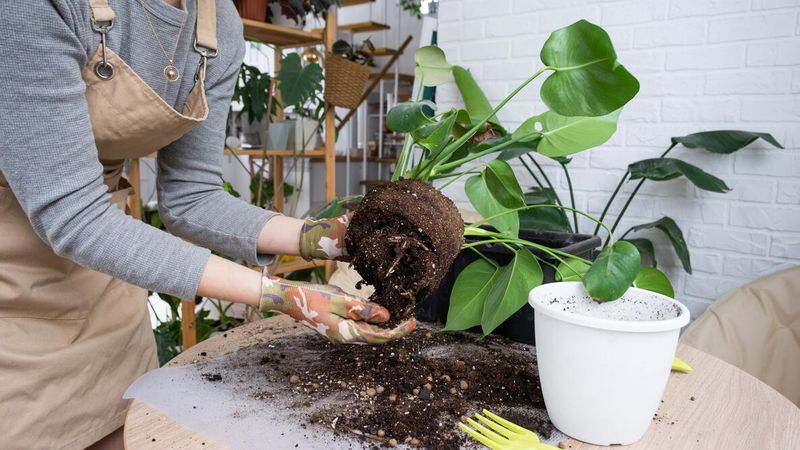
Some plants just seem to grow like crazy in Texas. The warm climate and long sunny days push certain plants to shoot up fast, and before long, the plant is way bigger than the pot holding it.
When a plant gets tall and heavy but the roots cannot anchor it properly, it starts to tip and lean in ways that look a little alarming.
A top-heavy plant is not just an eyesore. It is a sign that the root system can no longer support the plant above ground.
The roots are either too cramped to spread out and anchor the plant, or the pot itself is simply too small and light to keep things balanced. Either way, something needs to change.
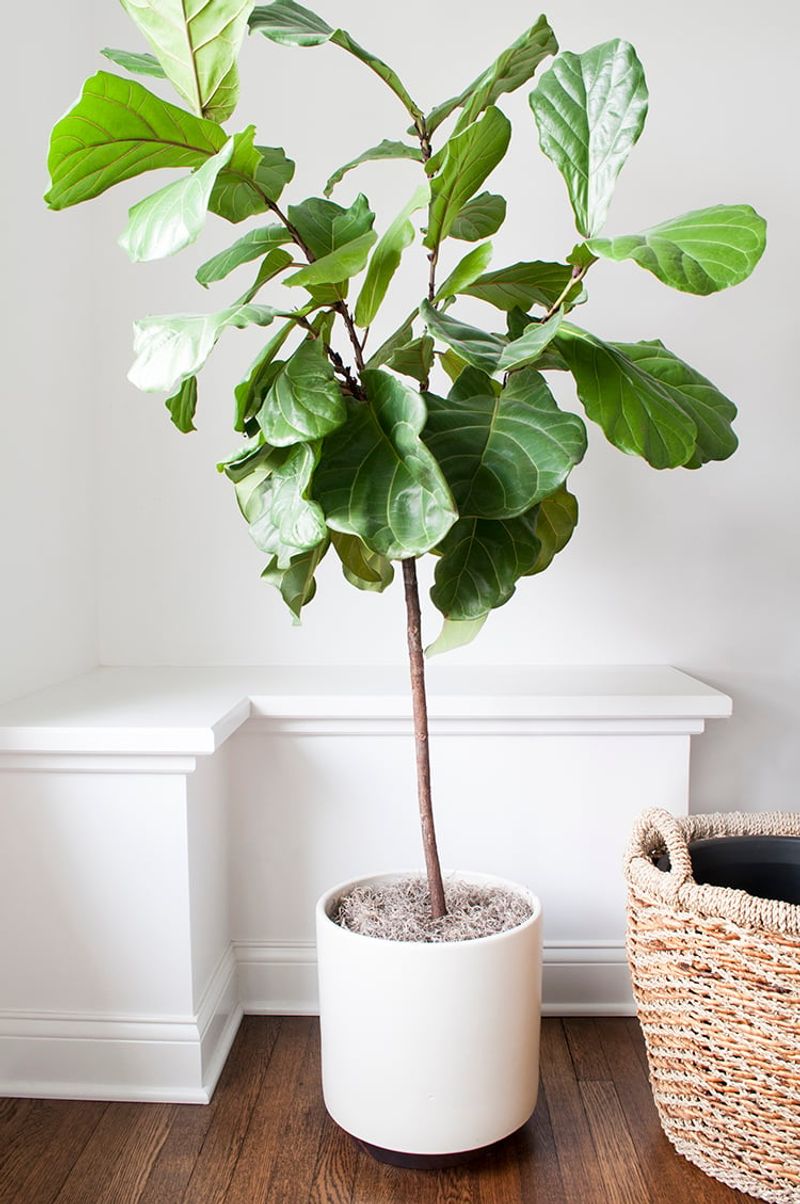
Fast-growing plants like fiddle-leaf figs, bird of paradise, and tropical varieties do especially well in Texas conditions but can outgrow their pots surprisingly fast. If your plant keeps tipping over no matter how you position it, the root-to-pot ratio is off and repotting is the solution.
When you move the plant to a larger pot, choose one with a wider and heavier base for better stability. Terracotta pots work great for this because they are heavier than plastic and provide a solid foundation.
Make sure to use enough fresh potting soil to fully support the root ball and fill in around the sides.
After repotting, give the plant a few weeks to settle in and establish its roots in the new space. You will likely notice it standing straighter and looking more stable within just a couple of weeks.
Texas gardeners often say repotting a wobbly plant feels like giving it a brand new start.
6. You Haven’t Repotted In Over A Year (Or More)
Sometimes plants do not show dramatic warning signs. No roots sticking out the bottom, no tipping over, no obvious stress.
But if you cannot remember the last time you repotted your plant, chances are it is overdue. Time alone is a solid reason to give your plant fresh soil and more room to grow.
Most houseplants and container plants need repotting every 12 to 18 months. In Texas, that timeline can be even shorter.
The extended growing season here means plants stay active longer and use up their soil nutrients faster than plants in cooler states. A plant that would be fine in a pot for two years up north might need repotting every year in Texas.
Even if the roots have not escaped the pot yet, old soil loses its nutrient content over time. Watering washes nutrients out slowly with every single watering session.
After a year or more, there is not much left in the soil to feed your plant, even if it still looks okay on the surface.
A good rule of thumb for Texas plant owners is to check your plants every spring. Early spring is the best time to repot because plants are just starting their active growing season and can bounce back from the stress of being moved much more quickly.
Mark it on your calendar if it helps you remember. Repotting does not have to be complicated or expensive. A bag of fresh potting mix and a slightly larger pot are all you really need.
Making this a regular habit is one of the simplest ways to keep your plants looking full, healthy, and happy all year long in Texas.