9 Signs Radiator Heat Is Slowly Stressing Out Your Houseplants
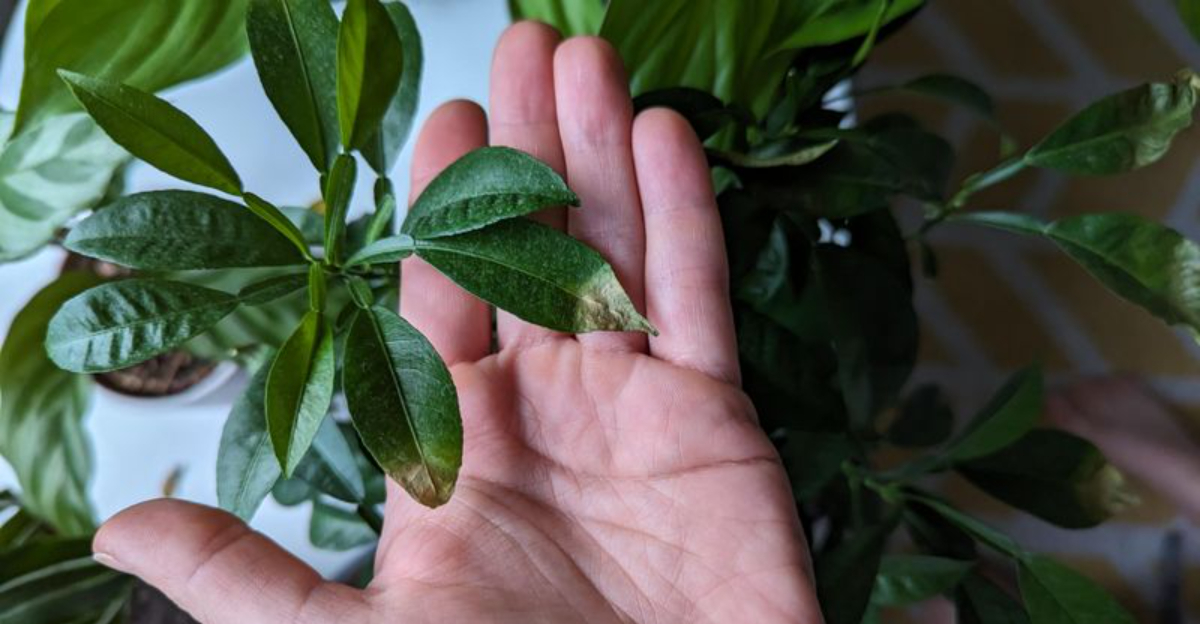
I always notice how radiator heat creeps up on my houseplants because they start acting dramatic long before I realize the air is getting too dry.
One day they look perfectly fine, and the next they’re giving me those sad, droopy leaves like they’re begging for a little extra love.
It’s wild how fast the warm air can pull moisture from the soil and leave everything looking a bit worn out around the edges.
I swear some plants take it personally when the radiator kicks on like it’s some kind of yearly betrayal of their comfort.
It makes me pay closer attention to the tiny signs they give off before things get too stressful for them to bounce back easily.
#1 Leaves Curling Up Like They’re Trying To Escape The Heat
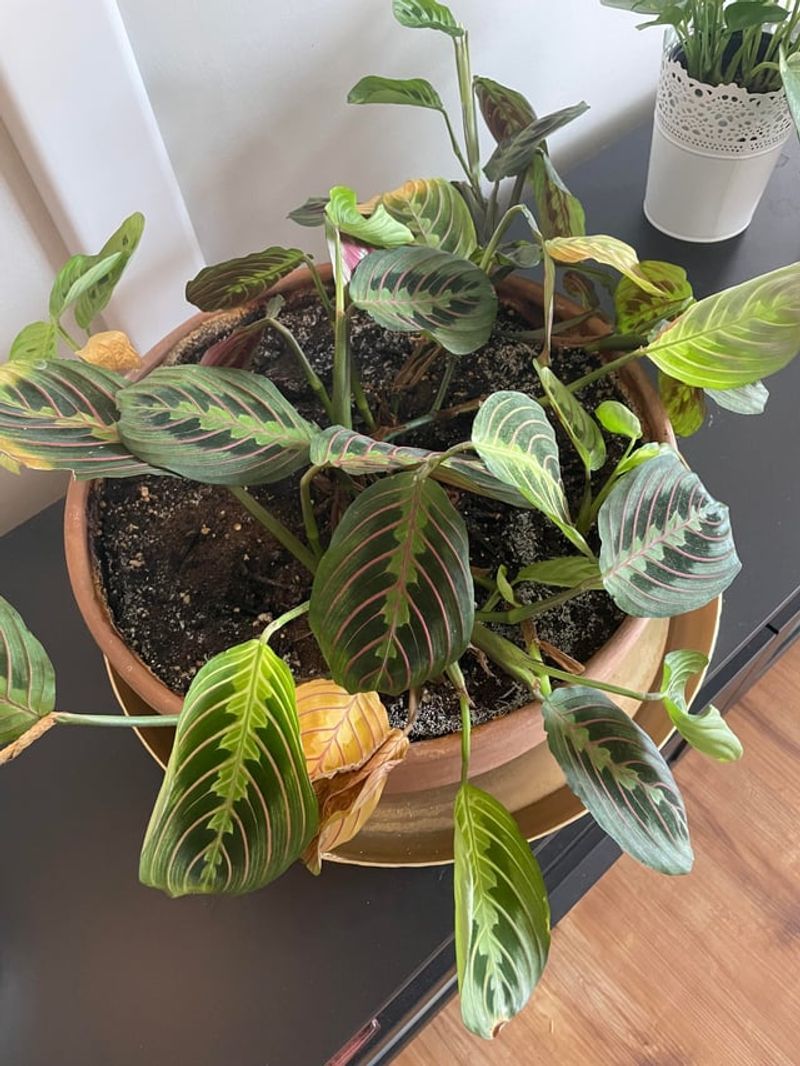
Curled leaves are one of the first distress signals your plant sends when radiator heat becomes too much for it to handle comfortably.
Hot, dry air pulls moisture from leaf surfaces faster than roots can replace it, causing leaves to curl inward as a protective response.
This curling helps reduce the surface area exposed to harsh conditions, but it also means your plant is working overtime just to survive.
Moving your plant a few feet away from the radiator can make a huge difference in how quickly it recovers from this stress.
You might also try misting the leaves lightly in the morning or placing a humidity tray underneath the pot to add moisture back into the air.
Consistent care and better placement will help those leaves unfurl again and return to their normal, healthy shape over the next few weeks.
#2 Soil Drying Out Faster Than You Can Water It
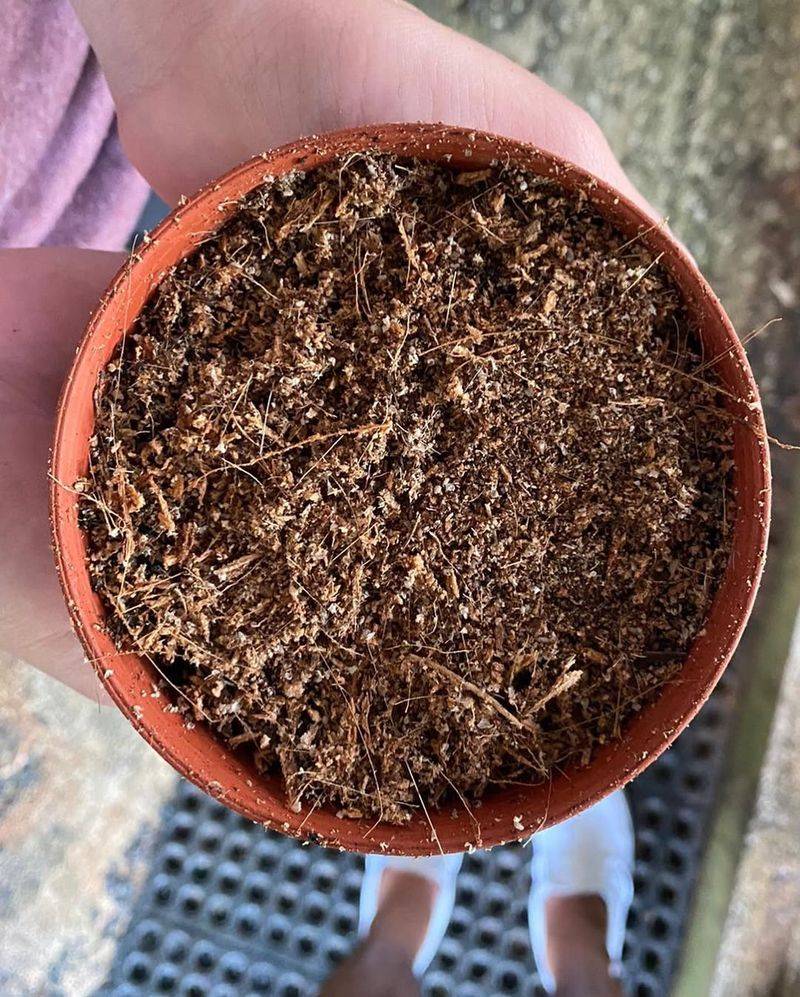
You water your plant, and just a day or two later, the soil feels bone dry again, which can be really frustrating to deal with.
Radiator heat speeds up evaporation dramatically, pulling water from the soil much faster than your plant can actually use it for healthy growth and function.
This constant cycle of rapid drying stresses roots and makes it nearly impossible to maintain a consistent watering schedule that works for your plant.
Check the soil moisture daily if your plant sits close to a heat source, and adjust your watering routine based on what you find.
Consider switching to a pot with better moisture retention or adding a layer of mulch on top to slow down evaporation from the surface.
Relocating your plant to a cooler spot away from direct radiator exposure will also help the soil stay moist longer and reduce overall stress.
#3 Brown Crispy Tips Showing Up Overnight
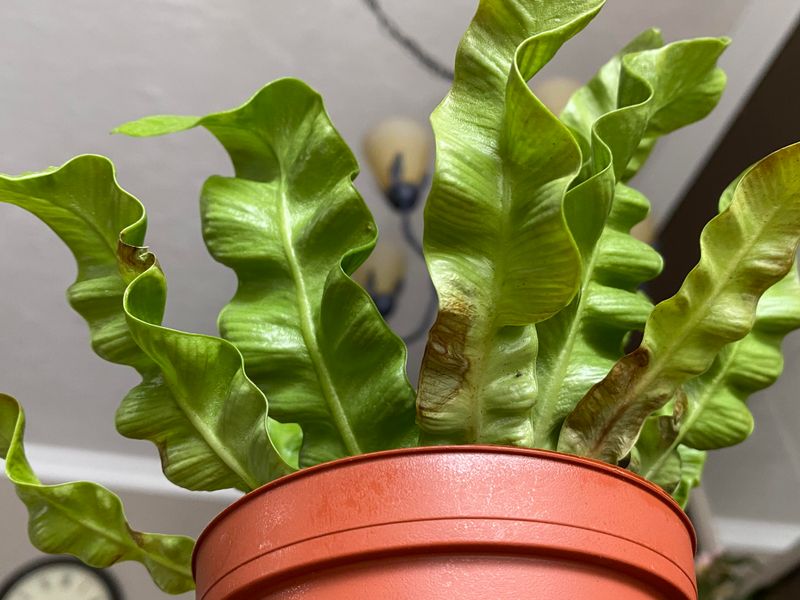
Brown, crispy leaf tips seem to appear out of nowhere, and they’re a clear sign that humidity levels have dropped way too low for comfort.
Radiators suck moisture out of the air, leaving your plant struggling to keep its delicate leaf edges hydrated and healthy throughout the day and night.
Once those tips turn brown and crispy, they won’t recover, but you can definitely prevent new growth from suffering the same fate with adjustments.
Grouping plants together creates a mini humid microclimate, which helps them all cope better with the dry air radiators produce during winter months.
Running a small humidifier nearby is another great solution that keeps moisture levels stable and protects fragile leaf tissue from drying out completely.
Trimming off the damaged tips with clean scissors keeps your plant looking tidy while you work on improving the environment around it.
#4 Drooping Stems That Look Tired And Thirsty
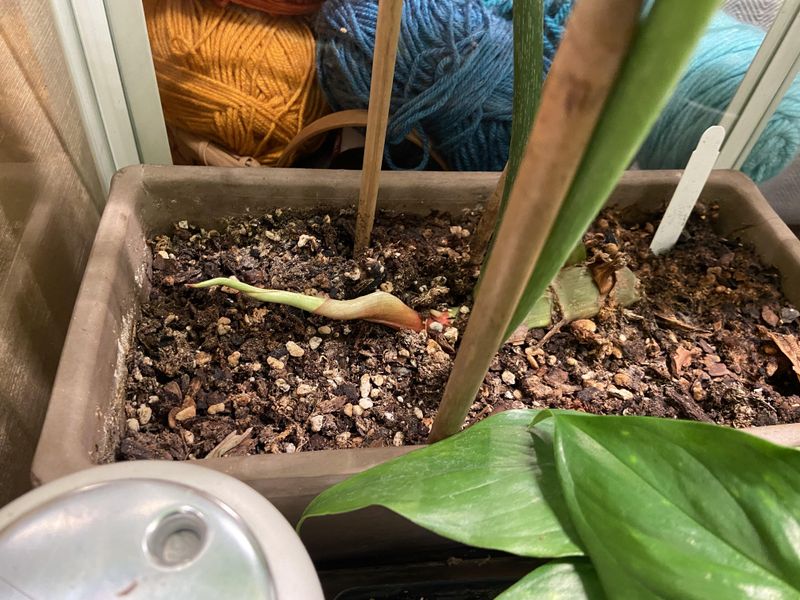
Drooping stems give your plant a sad, tired appearance, and it’s often because the radiator heat is dehydrating it faster than you can keep up.
Heat stress causes plants to lose water through their leaves quicker than their roots can absorb it, leading to limp, lifeless stems that lack their usual strength.
This drooping can happen even if you watered recently, because the air is so dry that moisture evaporates almost immediately from the plant tissue.
Give your plant a thorough drink and move it to a spot with less direct heat exposure to help it perk back up naturally.
Placing a shallow tray filled with pebbles and water under the pot adds humidity without waterlogging the roots, which can help prevent future drooping.
Monitor your plant closely over the next few days, and you should see those stems straighten out as conditions improve around them.
#5 Yellowing Leaves Hinting At Hidden Heat Stress
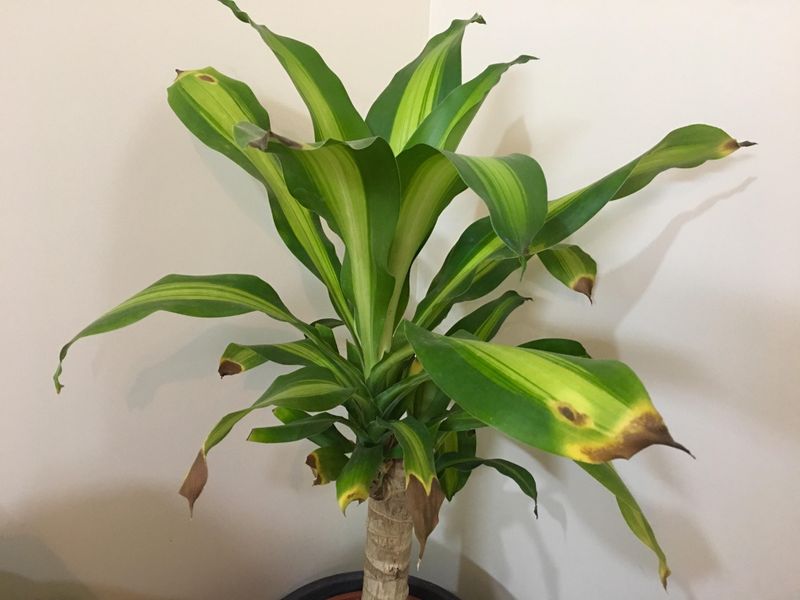
Yellowing leaves can be tricky to diagnose, but when they show up near a radiator, heat stress is often the hidden culprit behind the problem.
Excessive warmth disrupts a plant’s ability to absorb nutrients properly, causing older leaves to turn yellow as the plant struggles to maintain normal metabolic functions.
This yellowing might start slowly, but it accelerates quickly if the plant stays in the same stressful environment without any changes or adjustments.
Move your plant to a cooler area away from direct heat, and make sure it’s getting the right amount of water for its current conditions.
Sometimes a gentle fertilizer boost helps, but only after you’ve addressed the environmental issues causing the stress in the first place to avoid complications.
Removing the yellowed leaves keeps your plant looking fresh and allows it to focus energy on producing new, healthy growth instead of supporting damaged foliage.
#6 Plants Leaning Away From The Radiator’s Warm Blast
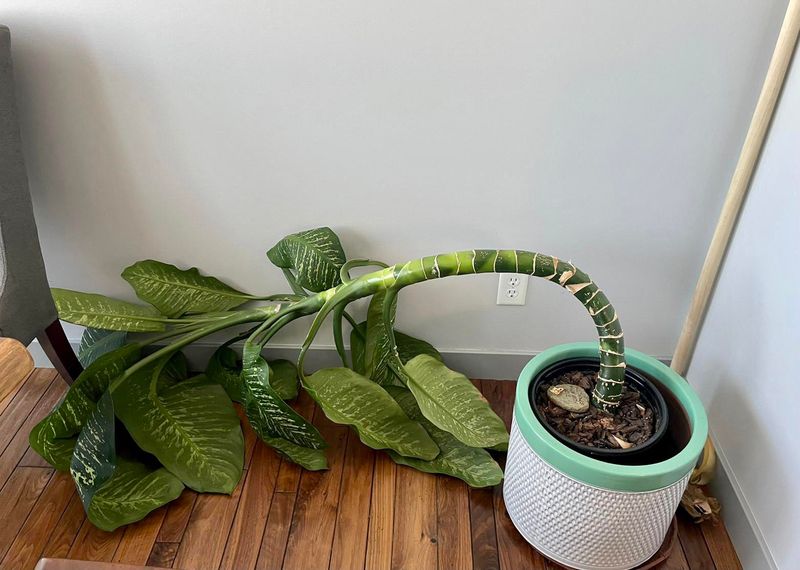
Plants naturally lean toward light, but when they lean away from a radiator, they’re literally trying to escape the uncomfortable heat blasting toward them.
This behavior shows that your plant is actively responding to stress and doing whatever it can to protect itself from the harsh, drying conditions.
Leaning puts strain on stems and can lead to uneven growth patterns that make your plant look lopsided and awkward over time if ignored.
Rotating your plant regularly helps it grow more evenly, but moving it away from the radiator is the real solution to the underlying problem.
Find a spot with indirect light and moderate temperatures where your plant can relax and grow upright without constantly battling environmental stress every single day.
Your plant will reward you with balanced, healthy growth once it’s no longer forced to lean away from a heat source that’s too intense.
#7 Sudden Leaf Drop That Feels Totally Out Of Nowhere
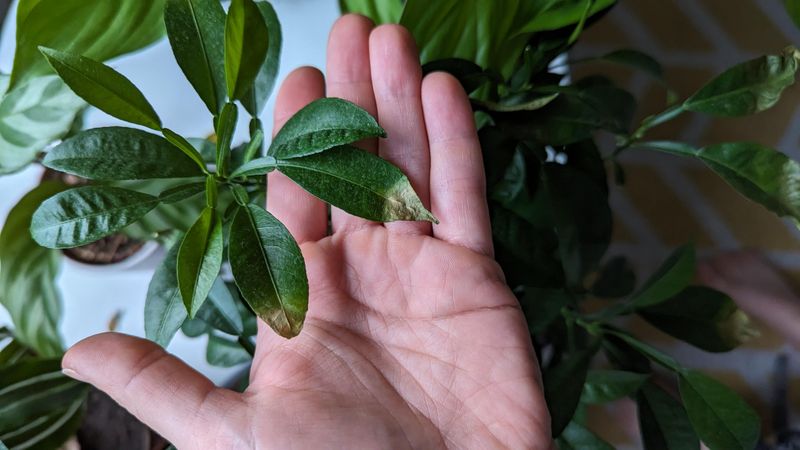
Sudden leaf drop can be alarming, especially when your plant seemed perfectly fine just a few days ago before everything changed so quickly.
Radiator heat creates extreme stress that can push a plant past its tolerance limit, causing it to shed leaves as a last-ditch survival strategy.
This reaction happens when the plant can no longer maintain all its foliage under harsh conditions and sacrifices leaves to conserve energy and moisture resources.
Move your plant immediately to a more stable environment where temperature and humidity levels stay consistent throughout the day and night without big swings.
Avoid making other big changes like repotting or fertilizing right away, because your plant needs time to recover from the shock it just experienced.
With patience and better placement, your plant will stabilize and start producing new growth again once it feels safe and comfortable in its surroundings.
#8 Humidity Levels Dropping And Plants Feeling It
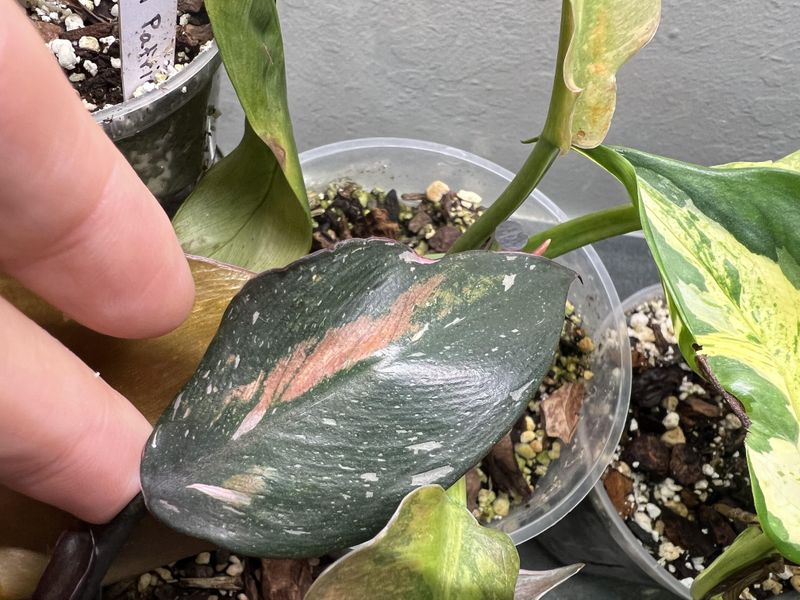
Low humidity is one of the biggest problems radiators create for houseplants, and most people don’t even realize how low levels can actually drop.
Many tropical houseplants need humidity levels around fifty percent or higher, but radiators can push indoor air down to twenty percent or even less.
Your plants will show multiple stress symptoms when humidity drops this low, including crispy leaves, slow growth, and an overall unhealthy appearance that’s hard to ignore.
Investing in a simple hygrometer helps you monitor humidity levels and understand exactly what your plants are experiencing in their environment every day.
Running a humidifier, grouping plants together, or placing water trays nearby are all effective ways to boost moisture in the air around your greenery.
Keeping humidity stable makes a massive difference in plant health during winter, and your plants will look noticeably happier once conditions improve consistently.
#9 Pots Getting Warm To The Touch And Stressing Roots
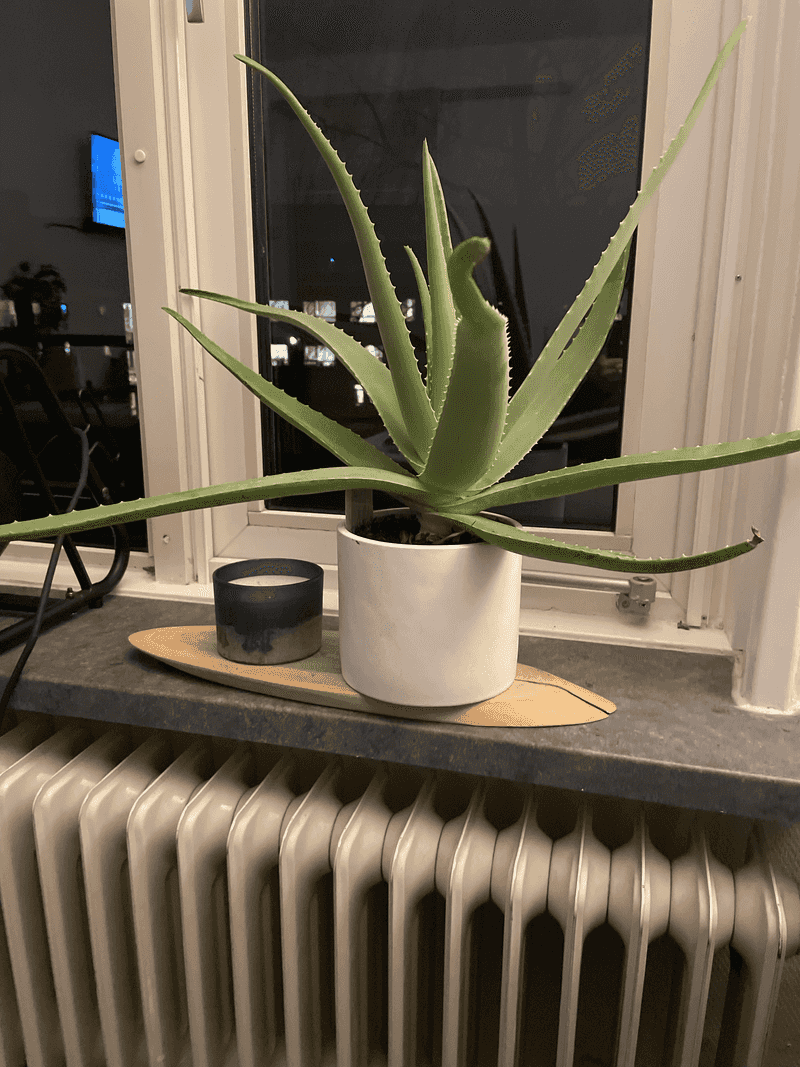
When your plant pot feels warm to the touch, that heat is transferring directly to the roots, which can cause serious stress and damage.
Roots are incredibly sensitive to temperature changes, and excessive warmth can disrupt their ability to absorb water and nutrients from the soil effectively and efficiently.
Overheated roots may start to decline, leading to symptoms like wilting, yellowing, and stunted growth that seem to come out of nowhere without warning.
Moving your plant away from the radiator is the fastest way to cool down the pot and give the roots a chance to recover.
You can also place a heat-resistant barrier, like a wooden board or thick mat, between the pot and the radiator to reduce direct heat transfer.
Checking pot temperature regularly during winter helps you catch this problem early before it causes long-term damage that’s much harder to fix or reverse.
Cold-season plant care feels way less chaotic once you learn how radiator heat messes with them and spot those clues before things spiral.
Small fixes like better placement, steady moisture, and healthier humidity turn stressed leaves into calm ones much faster than most people expect.
Keeping an eye on these signs keeps your plants steady through winter and makes the whole season feel smoother instead of like a guessing game every day.