Signs Voles Are Damaging Your Lawn Before Winter
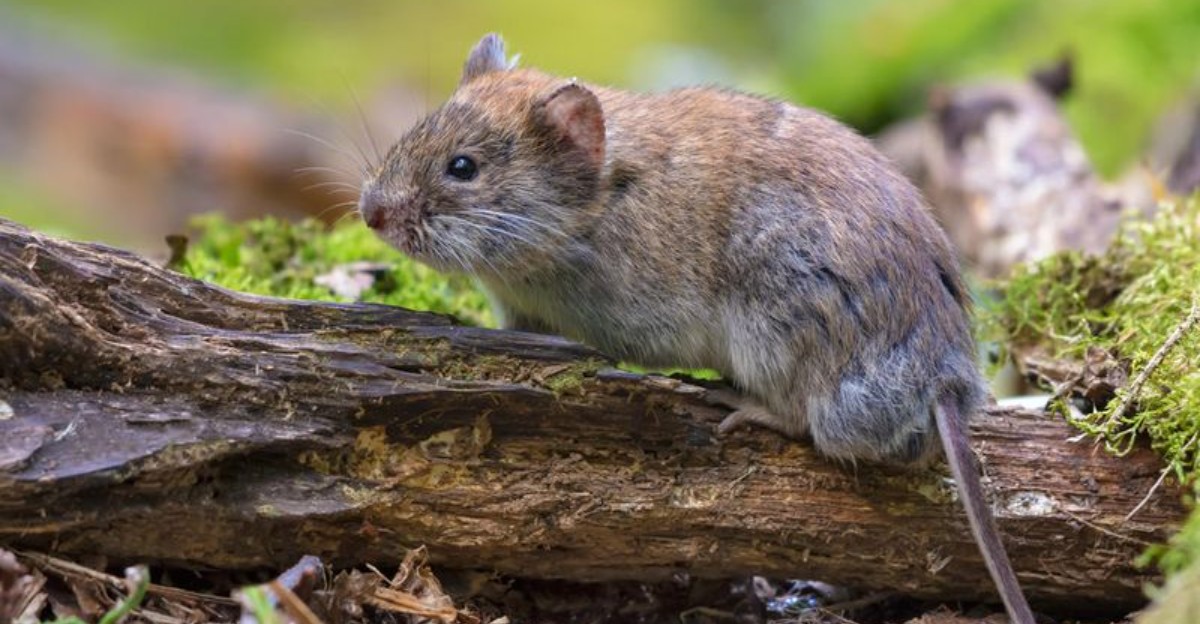
Something small is busy in your yard right now, and it has a serious appetite for grass. You might notice odd little trails while raking leaves on a crisp October afternoon as the air turns cool.
The culprit is shy, quick, and rarely seen, which makes it a master of sneaky lawn mischief. Neighbors often blame moles, grubs, or bad luck, but the real troublemaker usually hides in plain sight.
Fall is when this tiny tenant gets extra busy, feeding heavily and extending its tunnels before the snow. When a white blanket covers the ground, it can feed out of sight for much of the winter.
Then spring arrives, the snow melts away, and your lawn looks like someone scribbled on it with a rake. That surprise is frustrating, especially after a whole season of mowing, watering, and fussing over every green blade.
Early clues give you time to act while the soil is still soft and workable. Your grass deserves a fair chance, and a sharp eye this month can make a big difference by spring.
Winding Trails Carved Across The Turf
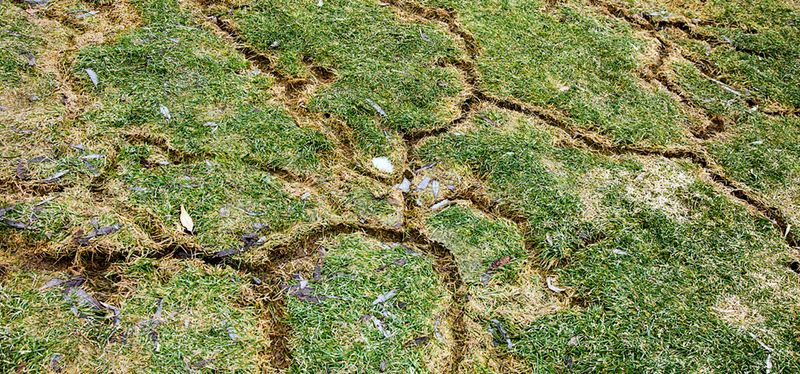
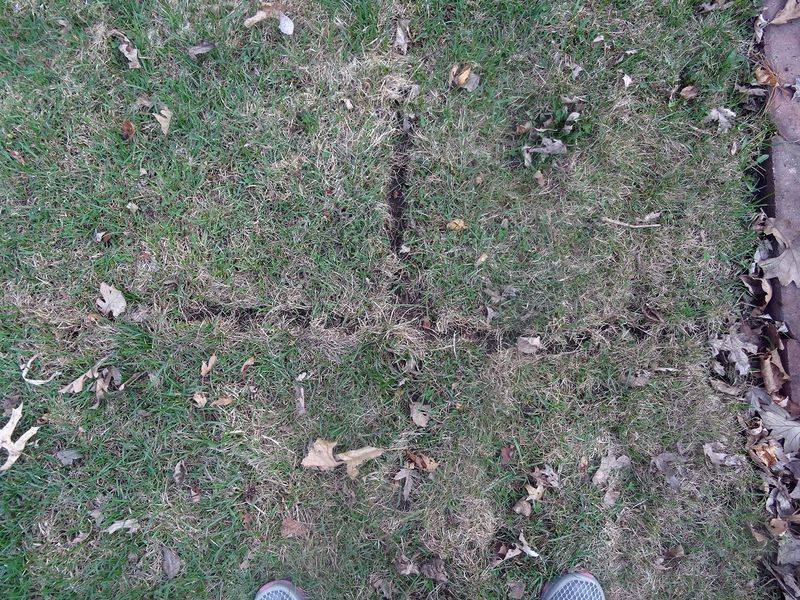
Picture a tiny highway system running through your grass, complete with curves, forks, and shortcuts near the fence. Voles create these surface runways by nibbling grass blades down and packing the soil with their busy little feet.
Most runways measure about one to two inches wide, roughly the width of a garden hose lying flat. They often connect burrow holes, shrubs, woodpiles, and other hiding spots where the critters feel safe from hawks.
In early October, the trails can be tricky to spot because fallen leaves and longer fall grass hide them well. Try raking a small section gently and looking closely for narrow, worn paths where the grass looks clipped short.
Fresh runways look clean and smooth, while older ones may hold clippings or tiny droppings along the edges. Spotting fresh paths tells you the animals are active right now and still working hard on your yard.
One handy trick is to stomp a runway flat and check back the next morning to see if it reopened. A cleared path within a day or two suggests a busy colony that deserves your attention before the first frost.
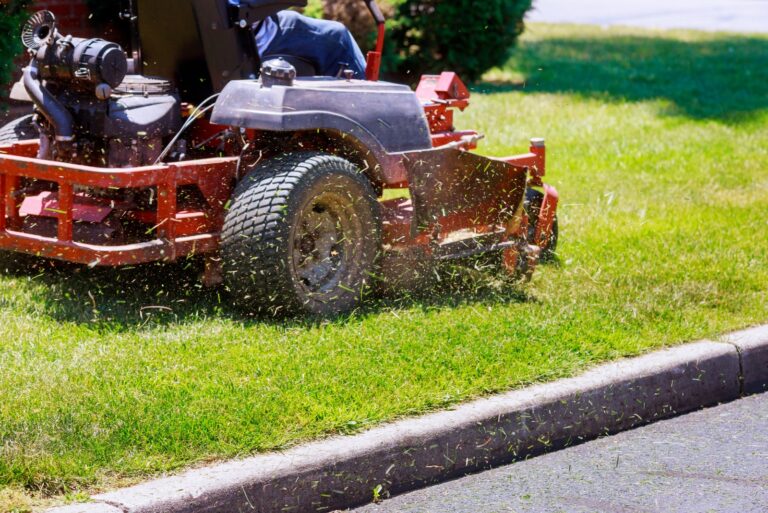
To make runways less inviting, mow your lawn a little shorter for the final cuts of the season. Shorter grass leaves voles exposed to owls and foxes, which makes them think twice about setting up camp.
Keep a simple notebook or snap phone photos of the trails you find each week this fall. Tracking changes helps you see whether your efforts are working or whether the network keeps growing across the yard.
Tidy Holes Hidden Under The Thatch
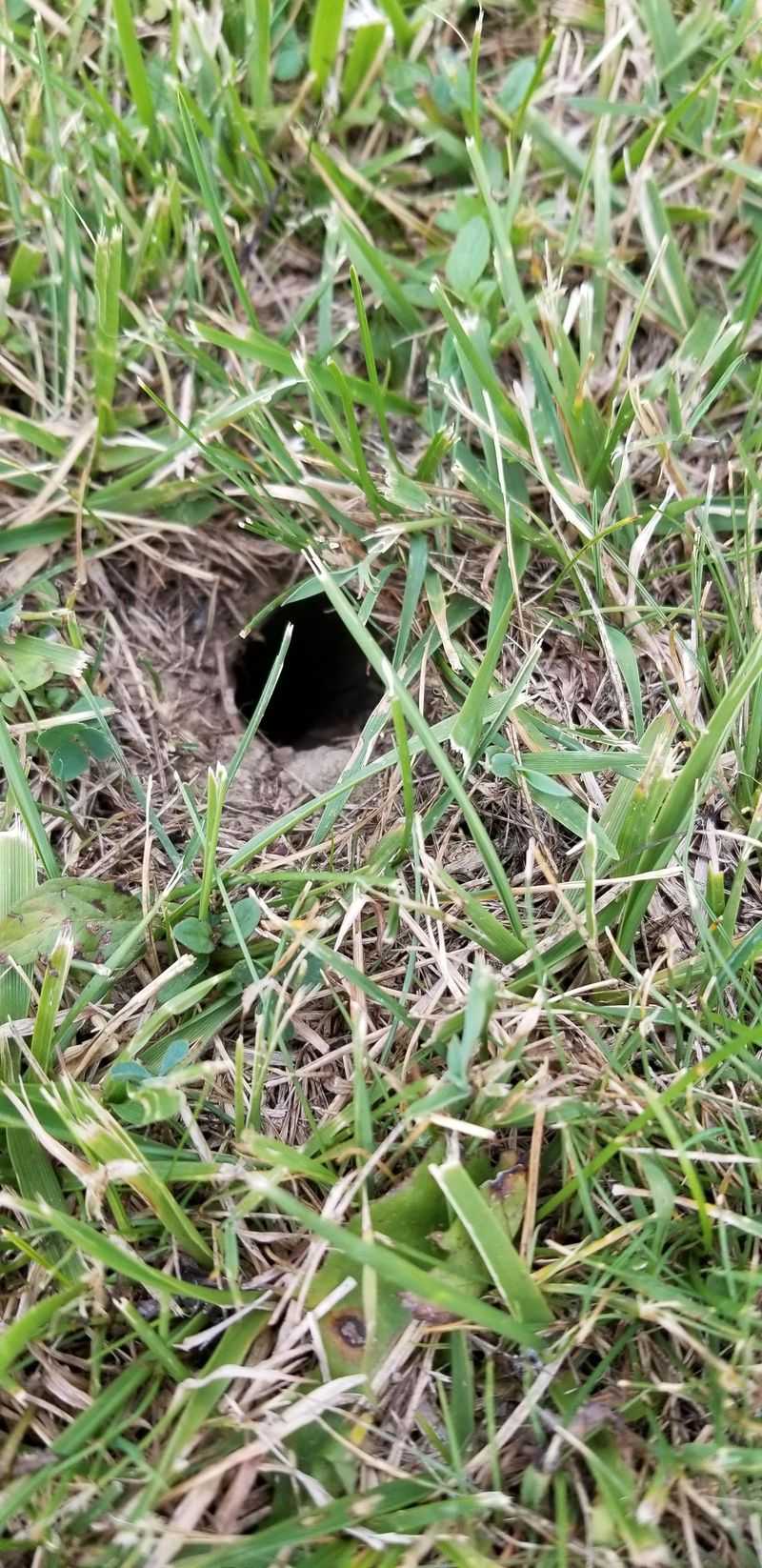
Unlike gophers, which leave messy piles of dirt, voles prefer a neat entrance with almost no soil around it. These small round openings measure about one to two inches across, just big enough for a stubby body.
You can find them tucked beside runways, under low shrubs, or hiding beneath thick layers of thatch and leaves. The lack of a mound makes them easy to miss, especially when autumn leaves pile up on the lawn.
A homeowner might assume the lawn has a drainage problem until the dog starts sniffing every tiny hole. Often, a whole colony has moved in under the grass, popping in and out like busy commuters.
To check for activity, gently cover a few holes with a pinch of soil or a small leaf at dusk. If the holes are open again the next morning, a small animal is likely using them.
Thatch makes a great hiding place, so dethatching in early fall can reveal hidden openings and remove cozy cover. A thatch rake or power dethatcher works well, and your grass will appreciate the extra airflow before winter arrives.
Wear gloves when poking around these holes, since rodents can carry germs and tiny ticks in their fur. Washing your hands afterward is a smart habit, even if you only touched the soil around the openings.
Mark each active hole with a golf tee or small flag so you can track the colony over time. A cluster of flags in one area shows you exactly where to focus traps, repellents, or habitat changes.
Chewed Bark Around The Shrub Bases
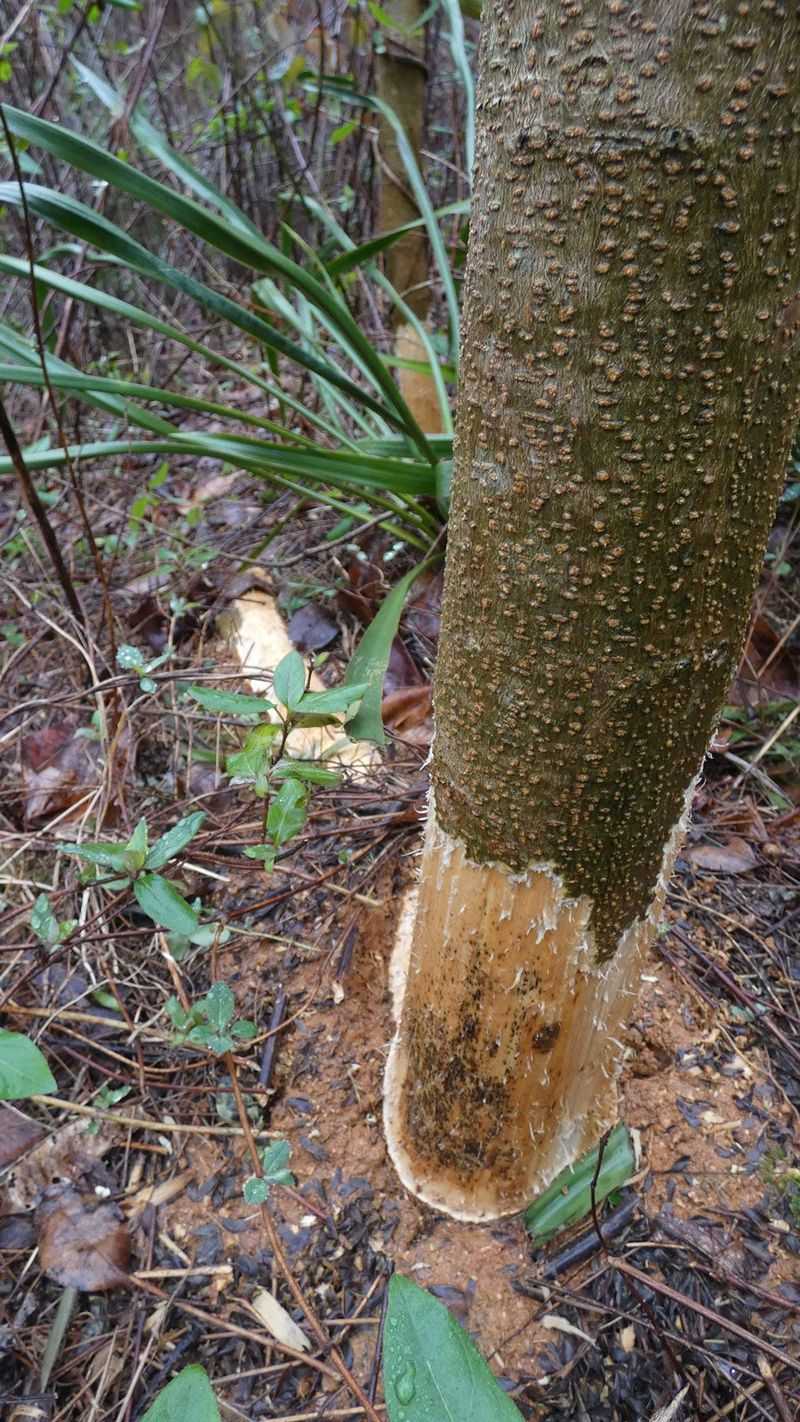
Lawns are not the only targets, because voles also love snacking on the tender bark of young trees and shrubs. They chew right at the soil line, often hidden under mulch, where you are unlikely to look during fall chores.
Look for tiny, uneven tooth marks about one eighth of an inch wide circling the base of woody plants. The chewing may look rough and scratchy, almost like someone sanded the bark with very coarse paper.
Once bark is chewed all the way around, a plant may struggle to move water and food upward. Apple trees, crabapples, and young maples are common targets, especially when snow hides the feeding from view.
Pull mulch back a few inches from trunks this October so the base stays visible and less cozy for critters. A thin gap of bare soil makes voles feel exposed and can help reduce bark damage.
Hardware cloth guards are another smart option for protecting young trees through the long, chilly months ahead. Wrap a cylinder of quarter inch mesh around the trunk, burying the bottom edge about six inches deep.
Make the guard about eighteen inches tall so it reaches above typical winter snow depth. Leave some space between the mesh and bark so the trunk can grow without rubbing against the metal.
Check your shrubs every couple of weeks, gently brushing away leaves to peek at the lower stems and bark. Catching fresh chew marks early gives you a better shot at saving favorite plants before damage becomes serious.
Brown Patches Spreading In Odd Shapes
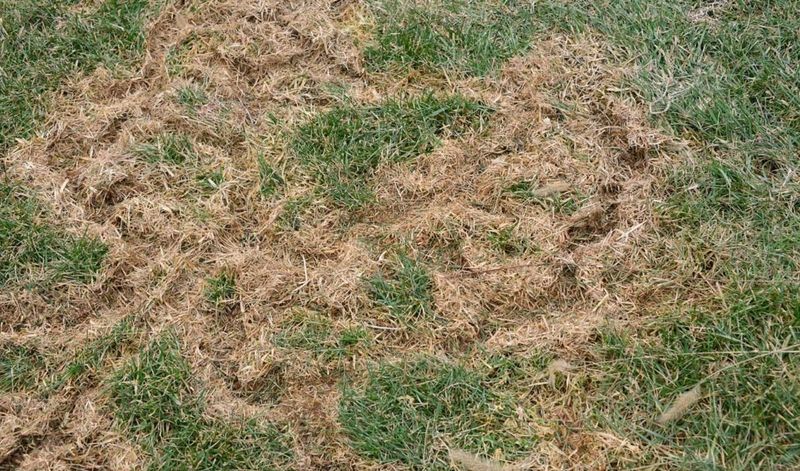
Ever notice a patch of grass that looks thirsty even after a good rain shower soaked the whole yard? Voles may be the reason, since they chew grass roots and crowns while tunneling just under the surface.
These patches tend to have strange, irregular edges instead of the neat circles caused by many lawn diseases. They often connect to runways, forming a messy pattern that looks like a toddler doodled on the lawn.
Try tugging lightly on the brown grass to check the roots. Grass that lifts like a loose carpet often points to grubs, while vole damage usually shows clipped blades and runways nearby.
Grubs can cause similar damage, so peel back a small square of turf and look closely at the soil. No white grubs plus visible tunnels or holes points toward voles as the likely cause.
In many regions, early fall is a good time to repair these spots because cool nights and warm soil help grass seed sprout. Rake out the damaged grass, loosen the soil, and spread fresh seed that matches your existing lawn type.
Keep the newly seeded areas lightly moist for a few weeks so the young grass can root before frost arrives. A thin layer of compost or peat moss on top helps hold moisture and protects seeds from hungry birds.
Fixing the patches without dealing with the voles is like patching a tire while the nail is still stuck inside. Pair repairs with habitat changes or traps so your fresh grass has a real chance to thrive next year.
Gnawed Roots Beneath The Garden Beds
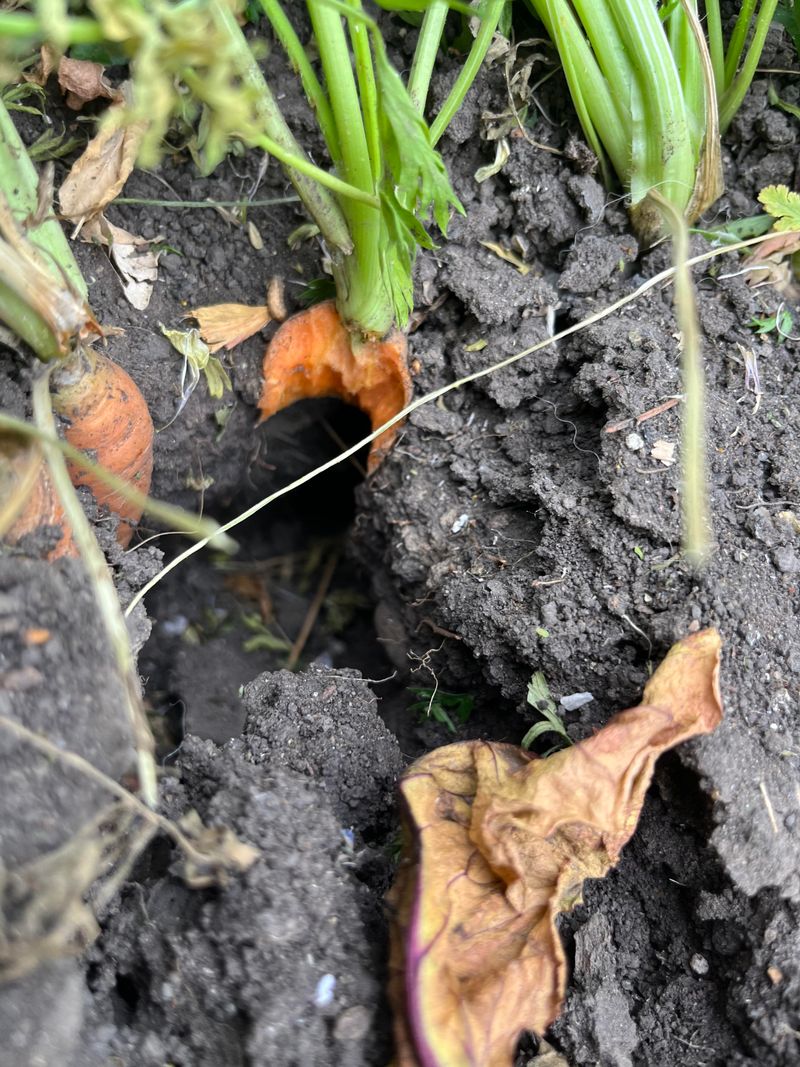
Gardeners sometimes pull a carrot or beet in October only to find a chunk already missing from the bottom. Voles happily travel from the lawn into vegetable beds, using tunnels and runways like underground delivery routes.
Root crops such as potatoes, sweet potatoes, carrots, and parsnips are favorite fall snacks for these hungry visitors. Tiny grooved bite marks on the vegetable surface are a strong clue that rodents, not insects, did the damage.
Perennials like hostas and lilies may also wobble or tip over because their roots have been chewed away below. A plant that looks healthy one day and limp the next often has root damage below the surface.
Harvest root crops promptly this fall instead of leaving them in the ground for weeks after they reach full size. The longer vegetables sit in the soil, the more chances voles have to sneak in for a free meal.
Raised beds lined with hardware cloth on the bottom can block tunneling and protect next year’s harvest quite well. Fall is a perfect time to build or retrofit beds since many gardens are winding down and space opens up.
Clear away old plant debris, fallen fruit, and weeds once you finish harvesting for the season this month. That leftover material offers food and shelter, which can draw voles closer to your lawn and beds all winter.
Fun fact for curious readers, voles eat a surprising amount of plant material for their size. That appetite explains why even a small family can cause big garden damage in a short time.
Tiny Droppings Along The Grass Paths
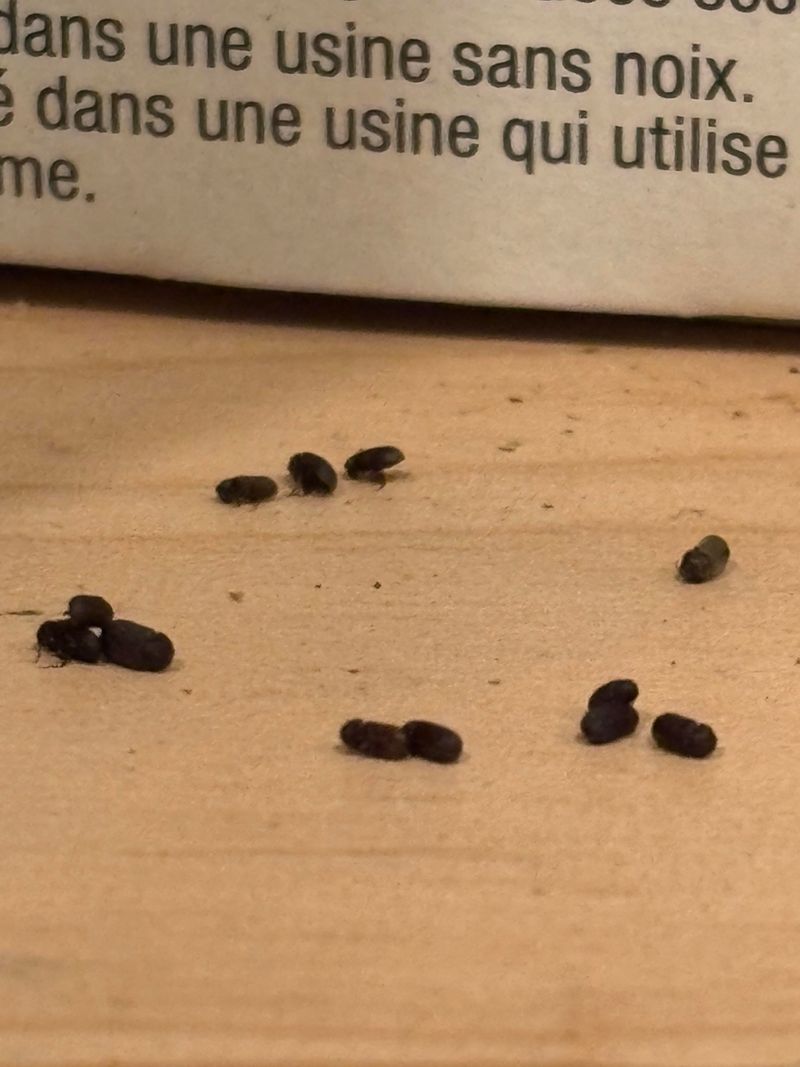
Nobody enjoys inspecting rodent poop, but these small clues can tell you a lot about what lives in your yard. Vole droppings are tiny, about the size of a grain of rice, and usually greenish brown or dark brown.
Fresh droppings look moist and slightly shiny, while older ones turn dry, dull, and crumbly over time. Finding fresh piles along runways means the animals are actively using those paths right now this fall.
Voles often leave droppings in small clusters near burrow openings, feeding spots, or places where runways meet. Grass clippings piled in neat little heaps nearby are another sign, since voles cut grass and save some for later.
Grab a pair of disposable gloves and a flashlight when checking, especially under shrubs or thick leaf piles. Avoid touching droppings with bare hands and skip dry sweeping, since dust can carry germs into the air.
Lightly spray the area with a mix of one part bleach to nine parts water before scooping droppings into a sealed bag. Toss the bag in your outdoor trash bin and wash your hands well with warm soapy water afterward.
Counting droppings over a week can help you guess whether you have a few visitors or a growing colony. More piles appearing in new spots usually means the population is expanding and needs attention before snow arrives.
Kids can help with yard checks too, as long as they look but leave the touching to adults. Turning it into a nature detective game makes fall chores more fun and teaches young helpers about local wildlife.
Nibbled Bulbs Missing From The Flowerbeds
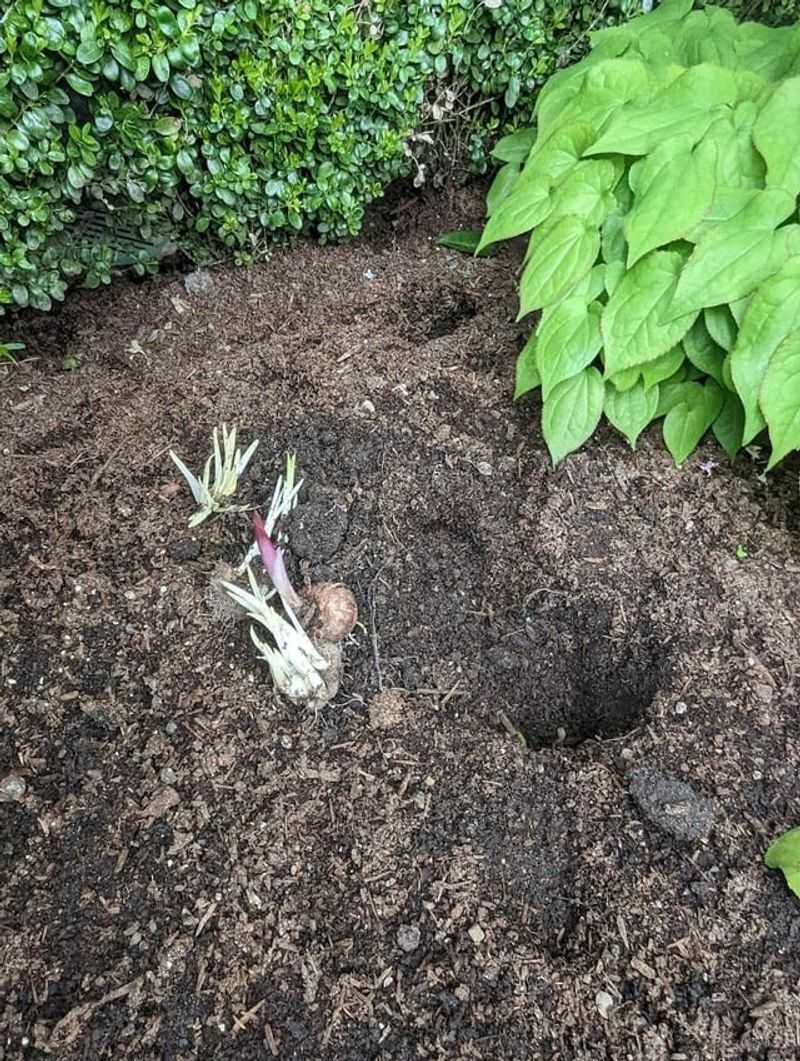
Planting tulip bulbs in October feels hopeful, like tucking little gifts into the ground for spring to open later. Unfortunately, voles may find those gifts first, tunneling over from your lawn to snack on the tender bulbs.
Signs include small holes near freshly planted beds, disturbed soil, or bulbs that seem to vanish without a trace. Sometimes you only discover the problem next spring when patches of your flowerbed stay strangely bare and quiet.
Tulips, crocuses, and lilies are top favorites, while daffodils and alliums are often left alone because voles tend to avoid them. Mixing these less tasty bulbs into your beds can make the whole area less appealing to hungry visitors.
Try planting bulbs inside wire baskets or cages made from hardware cloth for strong, lasting protection underground. Place a handful of sharp gravel in each planting hole too, since voles dislike digging through rough material.
Some gardeners mix crushed oyster shells into the soil around bulbs as a natural scratchy barrier against tunneling. Castor oil based repellents can also help when spread over beds, especially right after planting this month.
Avoid piling thick mulch on top of new bulb beds until the ground freezes later in the season. Early mulch creates a warm, cozy hideout that invites voles to move in right above your buried treasures.
Check bulb beds every week or so through October and November for fresh holes or loose, sunken soil. Spotting trouble early lets you replant or add protection before winter locks the ground and hides the damage.
Spongy Soil Underfoot Near The Edges
Walking across the lawn should feel firm, so a squishy or sinking step can be a surprising red flag. Shallow vole tunnels can sometimes leave soft spots that give slightly when you step down, though similar spots may also come from moles.
These spongy areas often show up along lawn edges, near fences, garden borders, or under overgrown ground covers. Voles prefer staying close to cover, so the edges of your yard often see the most activity.
Take a slow stroll around your property on a dry afternoon and pay attention to how the ground feels. Press lightly with your shoe on suspicious spots, and look for small openings or cracks where tunnels might be.
Tall weeds, thick ivy, and piles of brush make good vole hideouts, so trimming them back helps. Creating a clear strip of short grass or gravel between beds and lawn can discourage tunnel building across borders.
Keeping the edges mowed short makes surface runways easier to spot. Walk the borders every week or two to check for new ones.
Snap traps placed along active runways are an effective way to reduce vole numbers in a yard. Cover each trap with an overturned flowerpot or small box to keep pets and birds away from it.
If the problem feels too big, a local pest control professional can inspect your yard and suggest a fall plan. Acting now gives your lawn the best chance to wake up green and healthy once the snow finally melts away.