Why Your Snake Plant Leaves Are Curling And What It Means
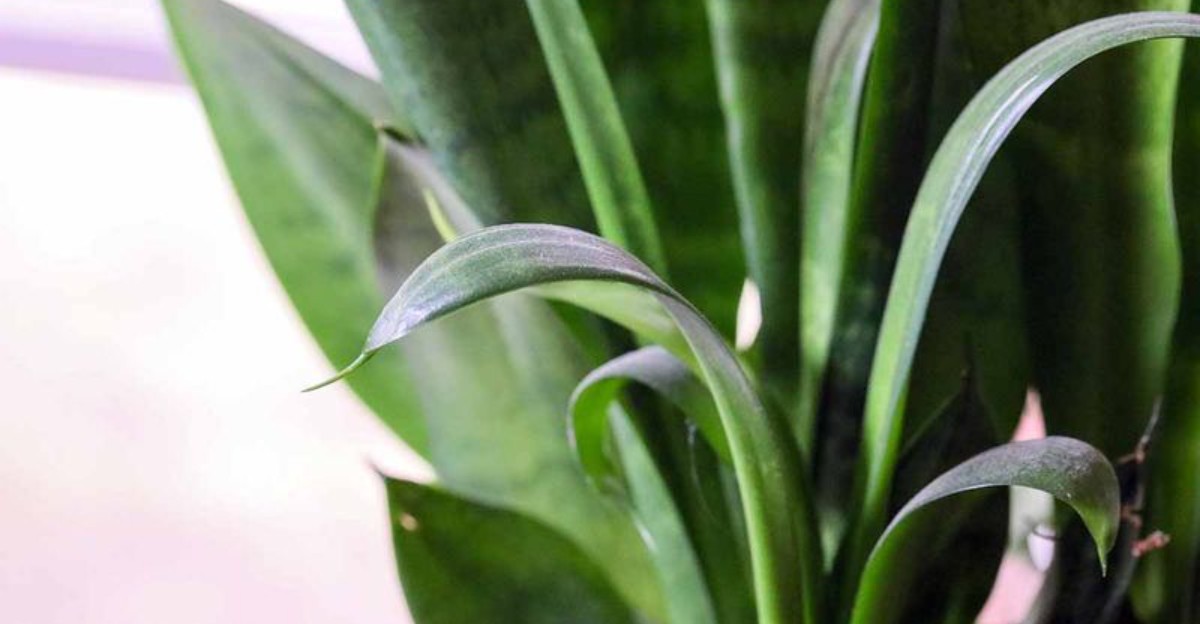
You walk past your favorite leafy friend one morning and notice something odd about its tall green blades. Instead of standing flat and proud, they look rolled up like tiny green tubes on a breezy porch.
It feels a little like your houseplant is sulking, quietly crossing its arms while you sip morning coffee. Plants cannot talk, but they send signals through shape, color, and texture that careful owners can learn to read.
As October cools the air and shortens the days, indoor conditions shift in ways many people barely notice. Heaters click on, windows stay shut, and the soil in that pot may dry faster or slower than expected.
Those curled leaves are not a reason to panic, though they deserve a closer look with curious eyes. A simple fingertip test in the soil can reveal more than an hour of worried online searching.
With a clear read on the message, small changes in care can bring back that crisp, upright look you love. Your green roommate has been dropping hints for weeks, and it is finally time to listen closely.
Thirsty Leaves Rolling Inward To Save Water
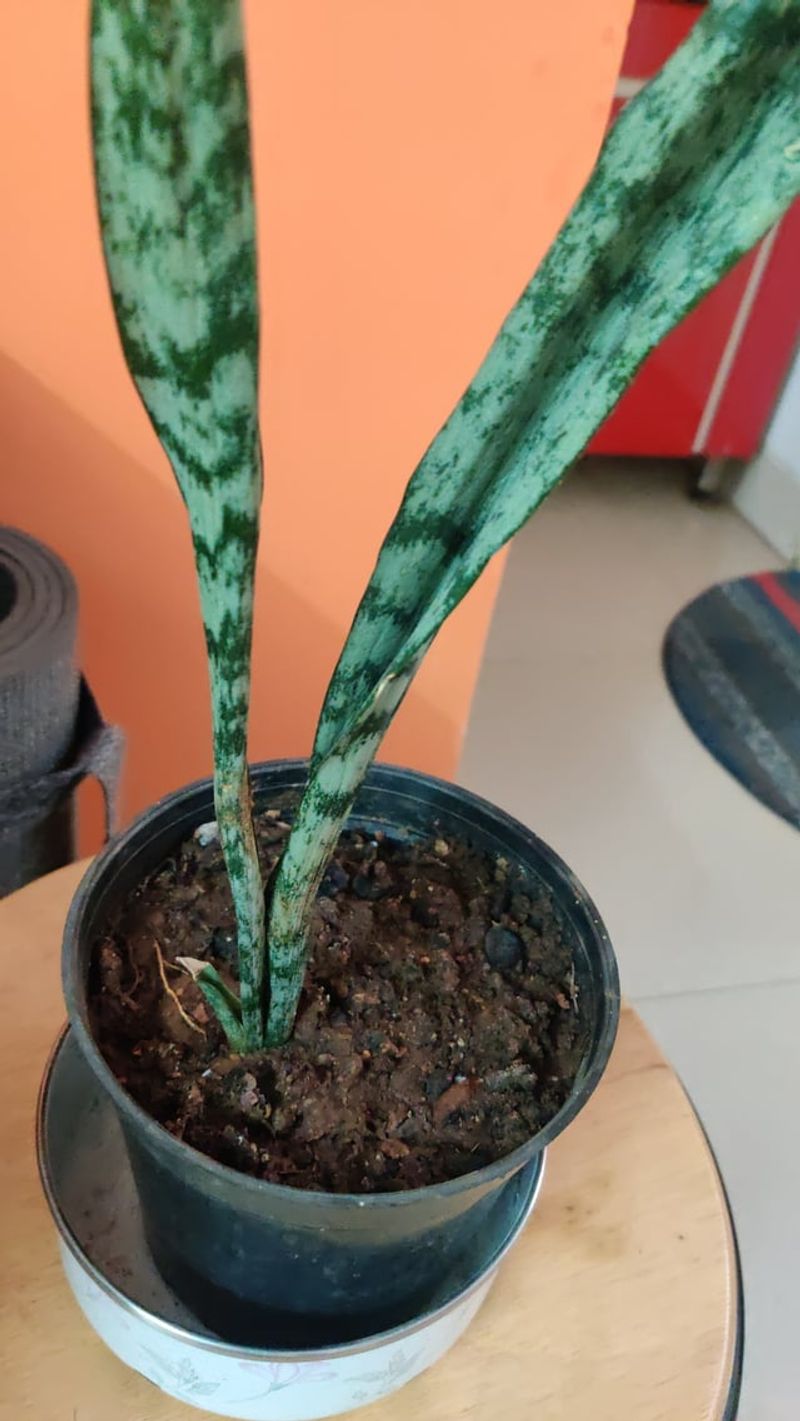
Picture a camper folding up a tent before a storm, tucking every edge in to stay protected. Curling snake plant leaves work in a similar way, folding inward when the roots cannot find enough water.
Underwatering is a common reason for this rolled shape, especially in pots tucked into forgotten corners. The thick leaves store moisture like little canteens, and they shrink inward as those reserves run low.
By curling up, the plant exposes less surface to dry air and slows the loss of precious moisture. Leaf rolling is a known drought response, and many drought-adapted plants use a similar strategy in harsh sun.
Look closely at the leaf surface, because thirsty blades often show fine wrinkles and feel softer than usual. Healthy leaves feel firm and smooth, almost like a stiff piece of plastic when you gently squeeze them.
Next, push a finger about two inches into the soil and notice if it feels dusty or damp. Soil that pulls away from the pot edges, leaving a small gap, usually points straight to thirst.
Lifting the pot helps too, since a parched container feels surprisingly light compared to one after watering. Over time, you will learn the weight of a happy pot, and that skill saves plenty of guesswork.
Curling from thirst is mostly reversible when caught early, so treat it as a friendly warning sign. Your plant is simply asking for a deep drink, not throwing a dramatic fit about its living situation.
Fall Light Shifts Indoors
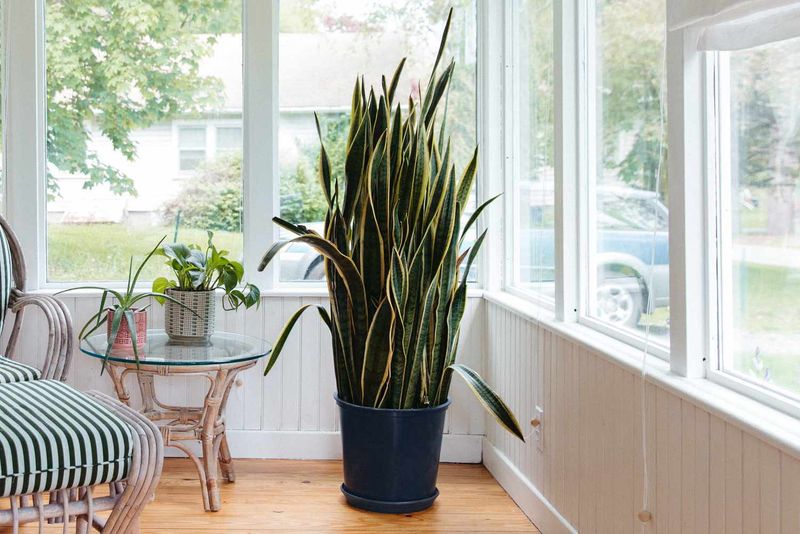
Early October brings golden afternoons, cozy sweaters, and a sun that sits lower in the sky each week. Your snake plant notices these changes long before you pull out the pumpkin decorations from the garage.
Shorter days mean less light reaches the leaves, so the plant uses water more slowly than before. At the same time, furnaces start running and pull moisture from indoor air, creating a drier room overall.
That mix can confuse even experienced plant owners, because the soil and the air behave very differently now. Leaves may stress from hot, dry air blowing nearby, even when the soil below still holds some moisture.
Check where your pot sits, since a spot beside a heating vent can feel like a desert breeze. Cold air sneaking through old windows on chilly nights can also stress leaves and leave them soft or drooping.
Snake plants prefer temperatures between about 60 and 85 degrees, and they dislike sudden swings in either direction. Temperatures below 50 degrees for long periods can damage the tissue and leave leaves soft or misshapen.
Moving the pot a few feet away from vents and chilly glass often makes a real difference. A bright spot near an east or south window still gives plenty of gentle fall sunshine each day.
Think of autumn as a slower season for your plant, almost like a long, relaxing nap. Adjusting its spot and routine now helps it rest comfortably through the darker months ahead without much fuss.
Overwatering Mistakes That Mimic Thirst
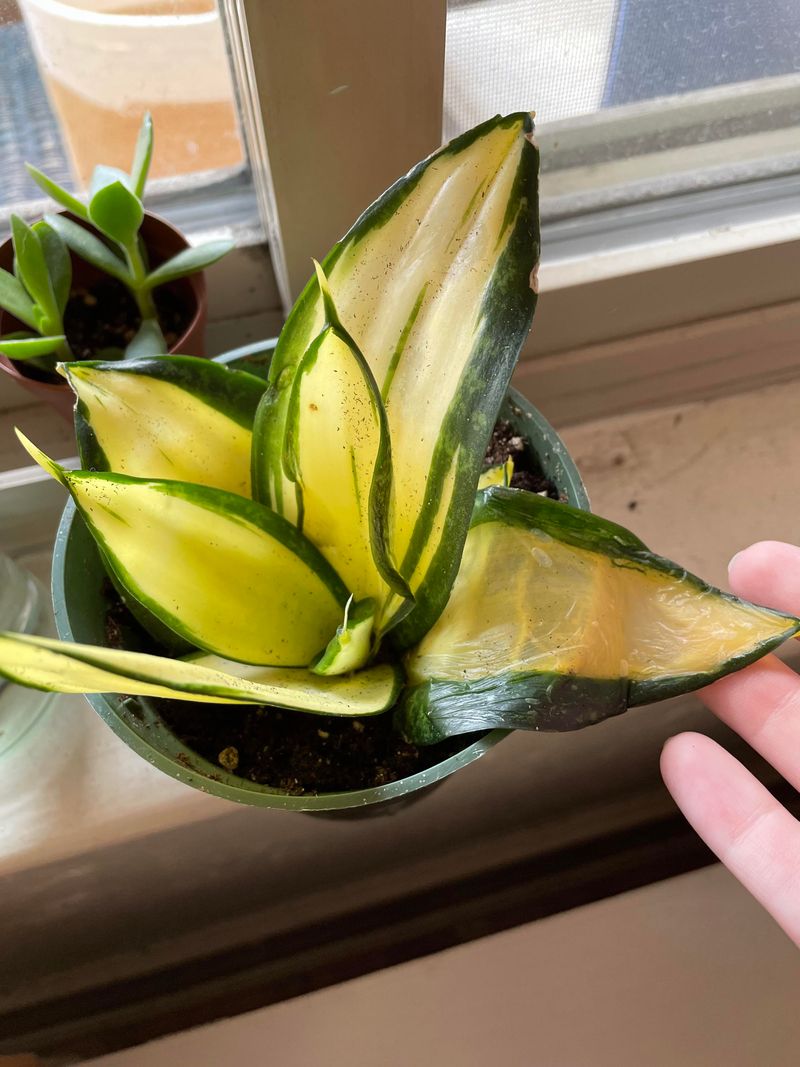
Plenty of caring owners spot curled leaves, grab the watering can, and accidentally make the problem worse. It sounds backward, but too much water can cause curling that looks almost identical to a thirsty plant.
Soggy soil squeezes out air pockets, and roots need oxygen just as much as they need moisture. When roots sit in wet mud for days, they start to rot and lose their ability to drink.
The irony is pretty wild, since the plant ends up thirsty while standing in a pot full of water. Leaves may curl or droop because damaged roots cannot send moisture upward, even when you pour more in.
To tell the difference, feel the base of the leaves near the soil line for any mushy spots. Overwatered plants often show yellowing, a sour smell, or leaves that flop over instead of standing tall.
Pots without drainage holes are sneaky troublemakers, because extra water collects at the bottom with nowhere to go. Decorative saucers can cause the same issue if water sits in them for hours after each watering.
Another common slip is watering on a strict calendar schedule, like every Sunday, without checking the soil first. In early fall, that old summer routine can easily overwater roots that now drink much more slowly.
A handy rule is to wait until the top two inches of soil feel dry before watering again. Snake plants forgive a little neglect far more easily than they forgive constantly wet, heavy soil.
A Gentle Recovery Plan For Curled Foliage
Rescuing a curled snake plant feels a bit like helping a friend recover after a rough week. Patience matters more than speed, and a calm, steady approach usually brings the best results over time.
For a thirsty plant, try bottom watering by setting the pot in a shallow tray of room-temperature water. Let it soak for about thirty minutes so the dry soil slowly absorbs moisture from the bottom up.
Afterward, lift the pot out and let any extra water drain away before returning it to its spot. Within a few days to two weeks, the leaves often begin to plump up and slowly unroll.
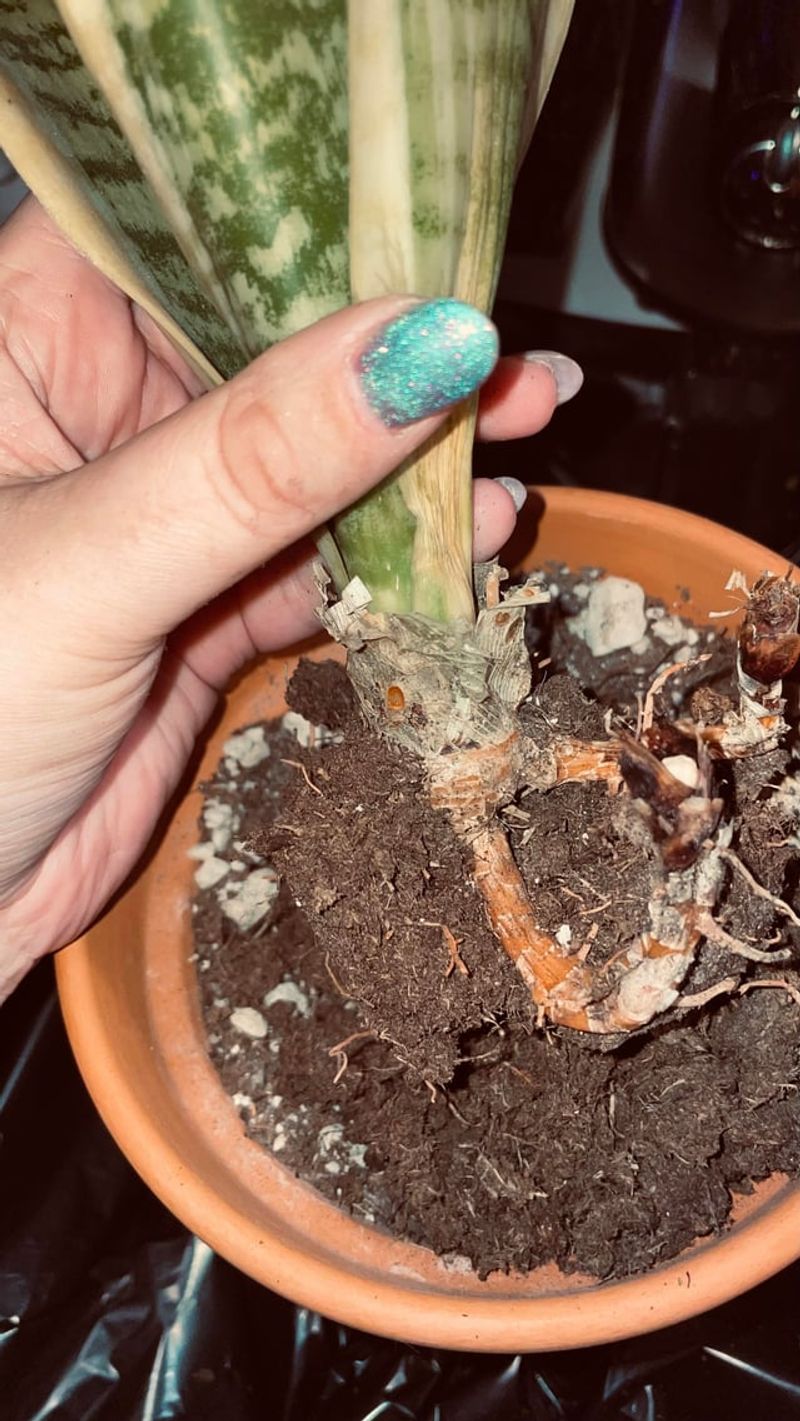
Overwatered plants need a different plan, starting with gently sliding the root ball out of its pot. Healthy roots look firm and pale orange or white, while rotten ones feel brown, slimy, and smelly.
Trim away any damaged roots with clean scissors, then let the plant air out for a day. Repot it in fresh cactus or succulent mix, which drains quickly and keeps roots from sitting in mud.
Choose a terracotta pot with a drainage hole, since clay breathes and helps extra moisture escape faster. Hold off on fertilizer during recovery, because stressed roots handle feeding poorly, especially during the slower fall months.
Keep the plant in bright, indirect light while it heals, away from heaters and chilly window glass. Small signs of progress, like a firmer leaf or a fresh shoot, mean your efforts are working nicely.
Realistic Results After Treatment
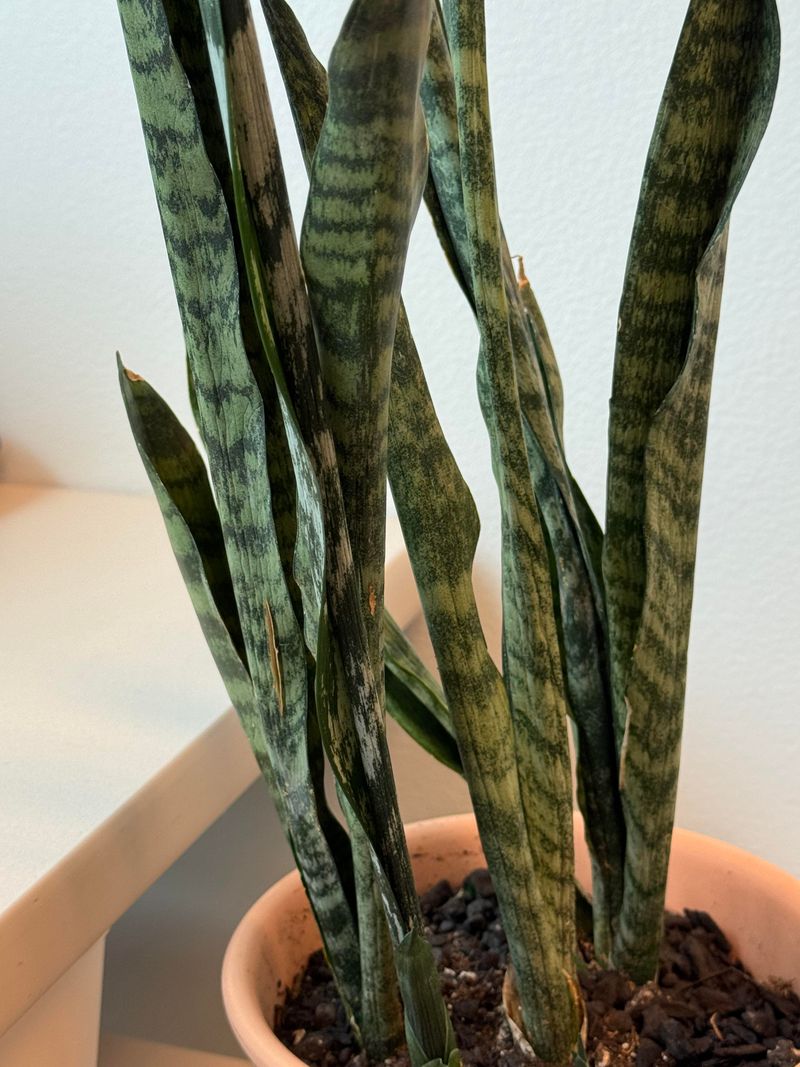
Did you know that a single snake plant leaf can live for several years before it finally fades? That long lifespan means marks from past stress can stay visible on a leaf for a long time.
Mild curling from thirst often relaxes once the plant drinks, and the leaves slowly return to their shape. Severe or long-lasting curls, however, may leave permanent creases that do not fully smooth out again.
Leaves that turned brown, crispy, or mushy will rarely bounce back, even with perfect care afterward. Trimming those leaves at the soil line keeps the plant tidy and lets it focus energy on healthier growth.
New growth tells the real story, so watch for fresh spikes poking up from the soil over time. In fall, that new growth may appear slowly, since snake plants naturally take things easy in cooler weather.
Expect a recovered plant to look a little imperfect for a while, like a traveler after a long trip. Those small flaws simply show your plant made it through a rough patch.
If curling keeps spreading after several weeks of better care, check for pests like mealybugs or spider mites. These tiny insects feed on plant juices and can twist leaves, especially when indoor air turns dry in autumn.
Wiping leaves with a damp cloth and a drop of mild soap can help control small infestations. With steady care, many snake plants regain their upright look within a season, even if a few scars remain.
Long-Term Habits For Flat Healthy Leaves
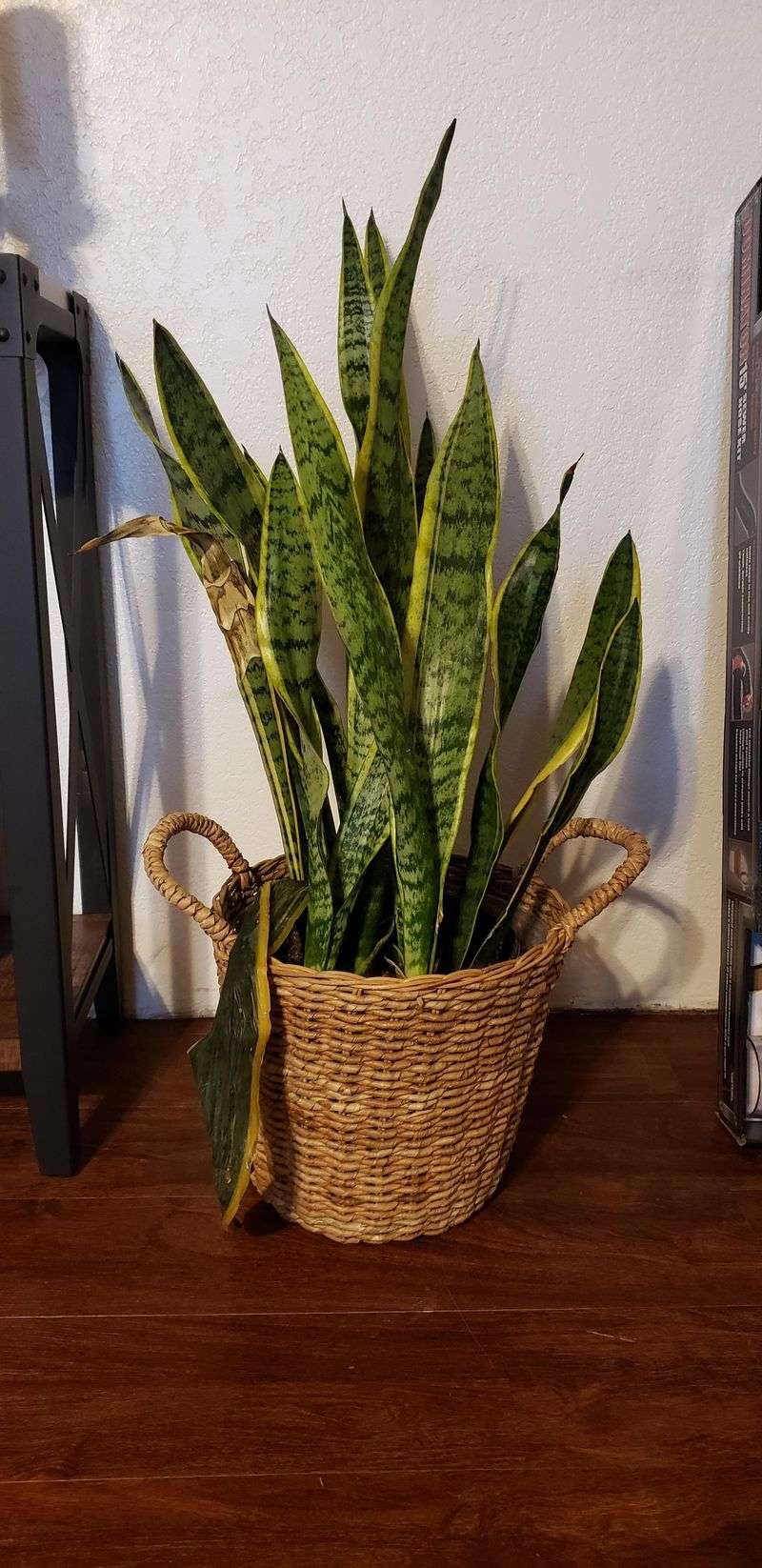
Prevention is a lot easier than repair, and snake plants reward simple habits with years of sturdy growth. Your care routine can feel like a relaxed rhythm instead of a strict list of chores to follow.
During fall and winter, most snake plants need water only every three to six weeks, depending on conditions. A small sticky note on the pot with the last watering date can stop guesswork in its tracks.
Bright, indirect light keeps leaves firm, though these tough plants can handle dimmer rooms for a while too. Rotate the pot a quarter turn every few weeks so every side gets a fair share of sunshine.
Snake plants tolerate dry air well, but grouping plants together creates a slightly moister little zone during heating season. A small humidifier nearby can also help, especially in homes where the furnace runs from October onward.
Repot only when roots crowd the container, usually every two to three years, and preferably in spring. Snake plants actually enjoy being a little snug, so an oversized pot can hold too much soggy soil.
Feed lightly with a diluted houseplant fertilizer during warm months, then pause feeding through the cooler fall season. A monthly dusting with a soft cloth helps leaves soak up light and discourages pests from moving in.
Fun fact, NASA included snake plants in a 1989 study on cleaning air inside sealed chambers, though later research found houseplants have little effect on air in typical homes. Treat yours with steady, simple care, and it will likely stand tall beside you for many cozy autumns.