Simple April Routine To Keep Your Texas Lavender Healthy
Lavender has a way of making a garden feel calm, bright, and just a little more put together. In Texas, though, keeping it looking fresh can take more than good luck and sunshine.
April is an especially important month because your plant is waking up, putting on new growth, and getting ready for the hotter stretch ahead. A few small habits during this time can help it stay strong instead of turning woody, patchy, or stressed once summer settles in.
The good news is that lavender does not need a complicated care plan. In fact, it usually does better when you keep things simple and pay attention to timing.
That makes an easy April routine so useful for Texas gardeners who want healthy plants without spending every weekend fussing over them.
When you handle the basics the right way, lavender rewards you with better shape, steadier growth, and that clean scent people love. A little care now can set the tone for a much healthier season.
1. Why April Is A Critical Month For Lavender In Texas
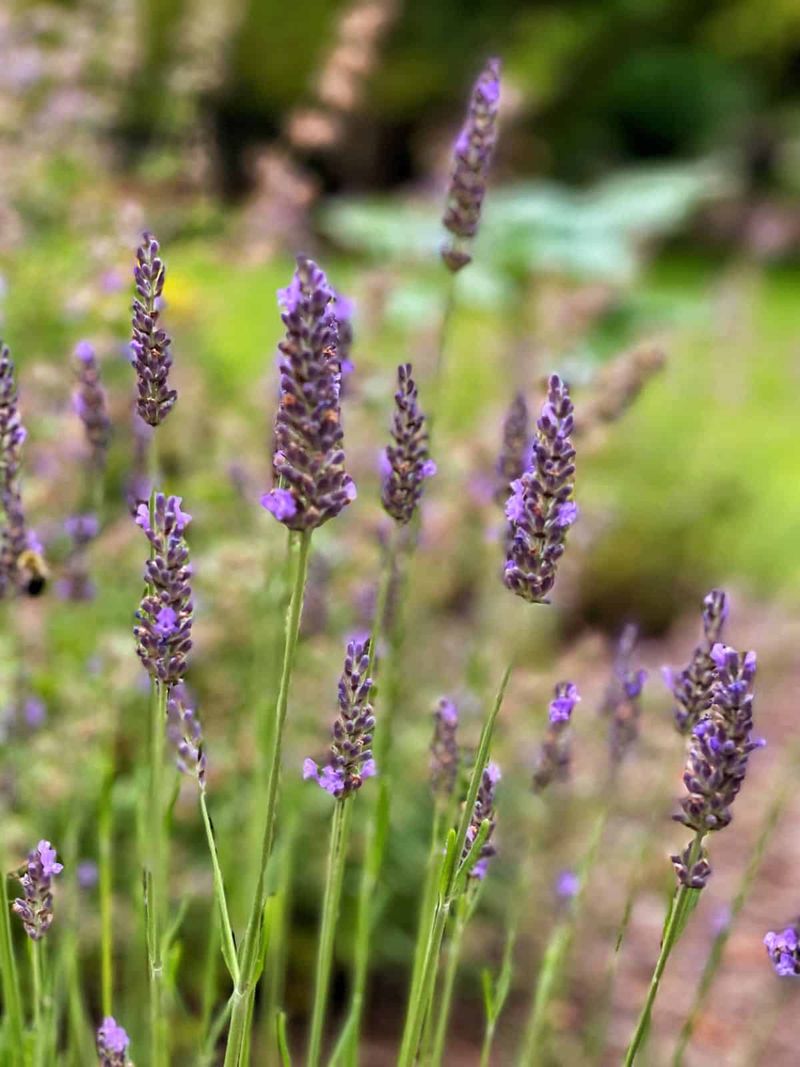
April feels like a fresh start for lavender in Texas, and that feeling is backed by real plant science. As soil temperatures begin to rise across the state, lavender shifts out of its slow winter phase and starts pushing out new growth.
This active growth period is short, and what you do right now sets the tone for the entire growing season ahead.
Texas gardeners face a unique challenge compared to growers in cooler states. The window between comfortable spring warmth and brutal summer heat is narrow.
In places like San Antonio, Austin, and the Hill Country, temperatures can jump dramatically between April and June.
That means lavender needs to be strong and well-established before the heat peaks. April care is not just about keeping your plants alive. It is about building resilience.
A lavender plant that gets the right attention in April will have a deeper root system, a stronger stem structure, and a much better chance of flowering well. Skipping this window means playing catch-up during the hottest months, which is never easy in Texas.
Think of April as your preparation month. Every small step you take now, from pruning to checking drainage, adds up to a healthier plant by summer.
The good news is that lavender is tough and does not need a lot of fuss. A simple, consistent routine is all it takes to help your Texas lavender thrive during this important season.
2. Start With A Light Spring Pruning
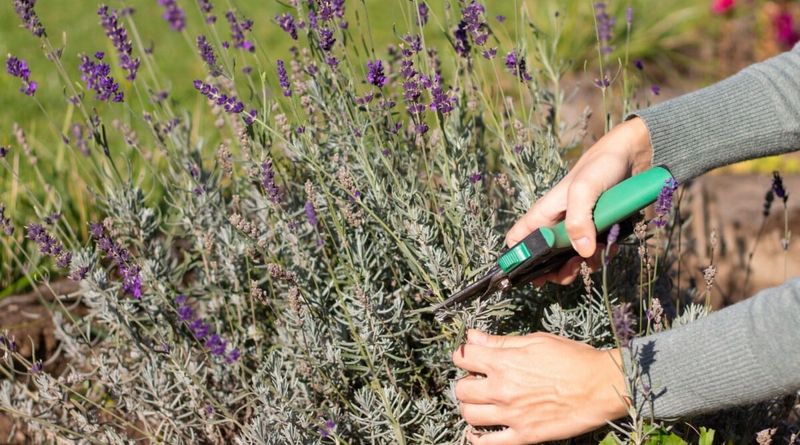
Grab your pruning shears because April is the perfect time to give your lavender a gentle haircut. After winter, some stems may look brown, dry, or a little ragged.
A light prune removes that old damage and tells the plant it is time to focus its energy on fresh, healthy growth. It is one of the most rewarding tasks in a Texas lavender garden.
The most important rule here is to stay in the green. Lavender stems have two zones: the soft, flexible green growth near the tips and the hard, gray woody base lower down.
Always cut in the green zone. If you cut too far down into the old wood, the plant may struggle to regrow from that point. This is a mistake many beginners make, and it can weaken the plant significantly.
A good rule of thumb is to remove no more than one-third of the plant at a time. Shape the plant into a neat mound while you work.
This keeps it from becoming too leggy or uneven over time. Pruning also improves airflow around the plant, which helps reduce the risk of fungal problems during humid spring days in Texas.
After pruning, step back and take a look at the overall shape. Lavender looks best when it has a rounded, compact form.
Regular light pruning in April, and again after the first bloom, keeps your Texas lavender plants looking tidy and encourages more flowers throughout the season. It truly makes a noticeable difference.
3. Make Sure Drainage Is Perfect
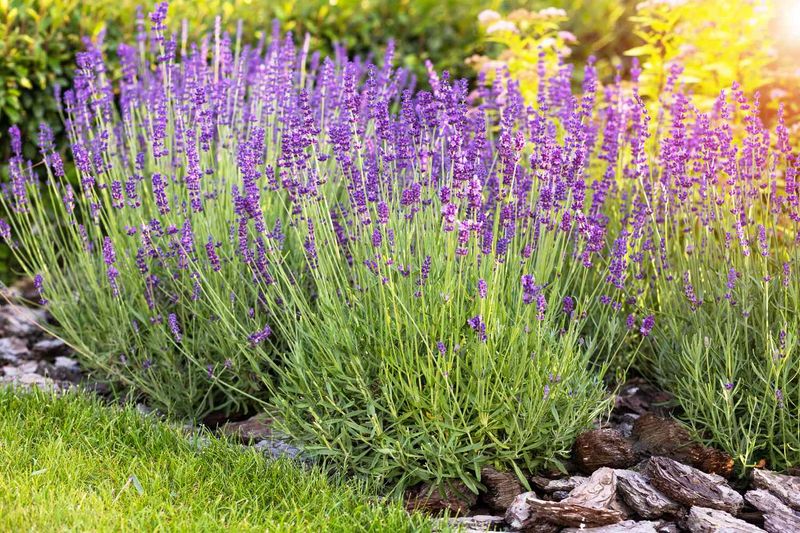
Wet roots are lavender’s worst enemy, and this is especially true in Texas where spring rains can be unpredictable and heavy. Lavender originally comes from the dry, rocky hillsides of the Mediterranean region, so it is naturally built for lean, fast-draining soil.
When roots sit in soggy ground for too long, the plant weakens quickly and becomes vulnerable to root rot.
Before April really gets going, check how water moves through your soil. After a good rain, walk out to your garden and see how long water pools around your lavender plants.
If the ground stays wet for more than an hour or two, your drainage needs improvement. This is a common issue in many Texas soils, especially those with a heavy clay base.
Fixing drainage does not have to be complicated. Mix coarse sand, pea gravel, or small stones into the planting area to loosen the soil and create better water flow.
Raised beds are another excellent option for Texas gardeners who deal with stubborn clay soil. Even raising the planting area by just six to eight inches can make a huge difference for lavender health.
Avoid adding rich compost or heavy mulch right against the base of the plant. While organic matter is great for many garden plants, lavender actually prefers a leaner soil environment.
A thin layer of gravel around the base can help keep moisture away from the crown of the plant, which is the most sensitive part. Good drainage in April means a much healthier plant by midsummer in Texas.
4. Water Carefully (Less Is More)
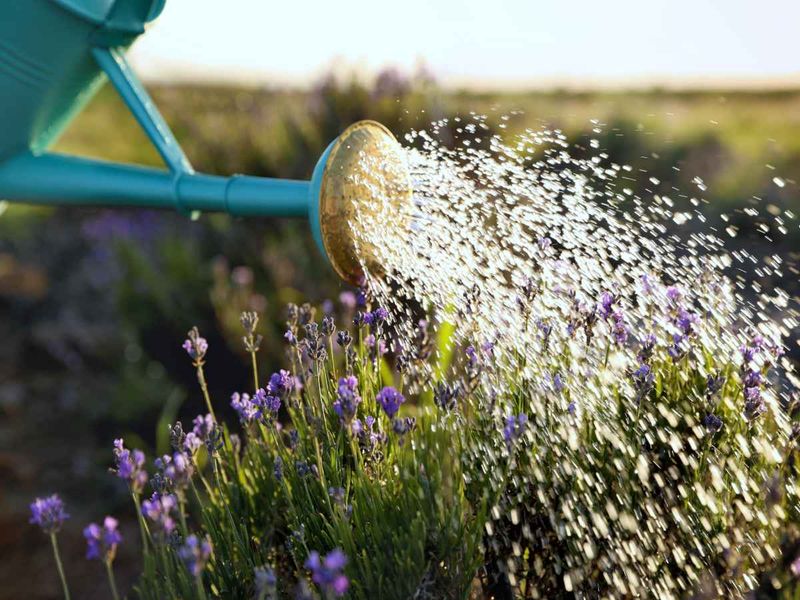
Overwatering is probably the single most common mistake Texas lavender growers make, especially in spring when the urge to pamper new growth is strong.
Lavender is a drought-tolerant plant by nature, and it actually performs better when it experiences some dryness between waterings. Giving it too much water too often leads to weak roots and floppy stems.
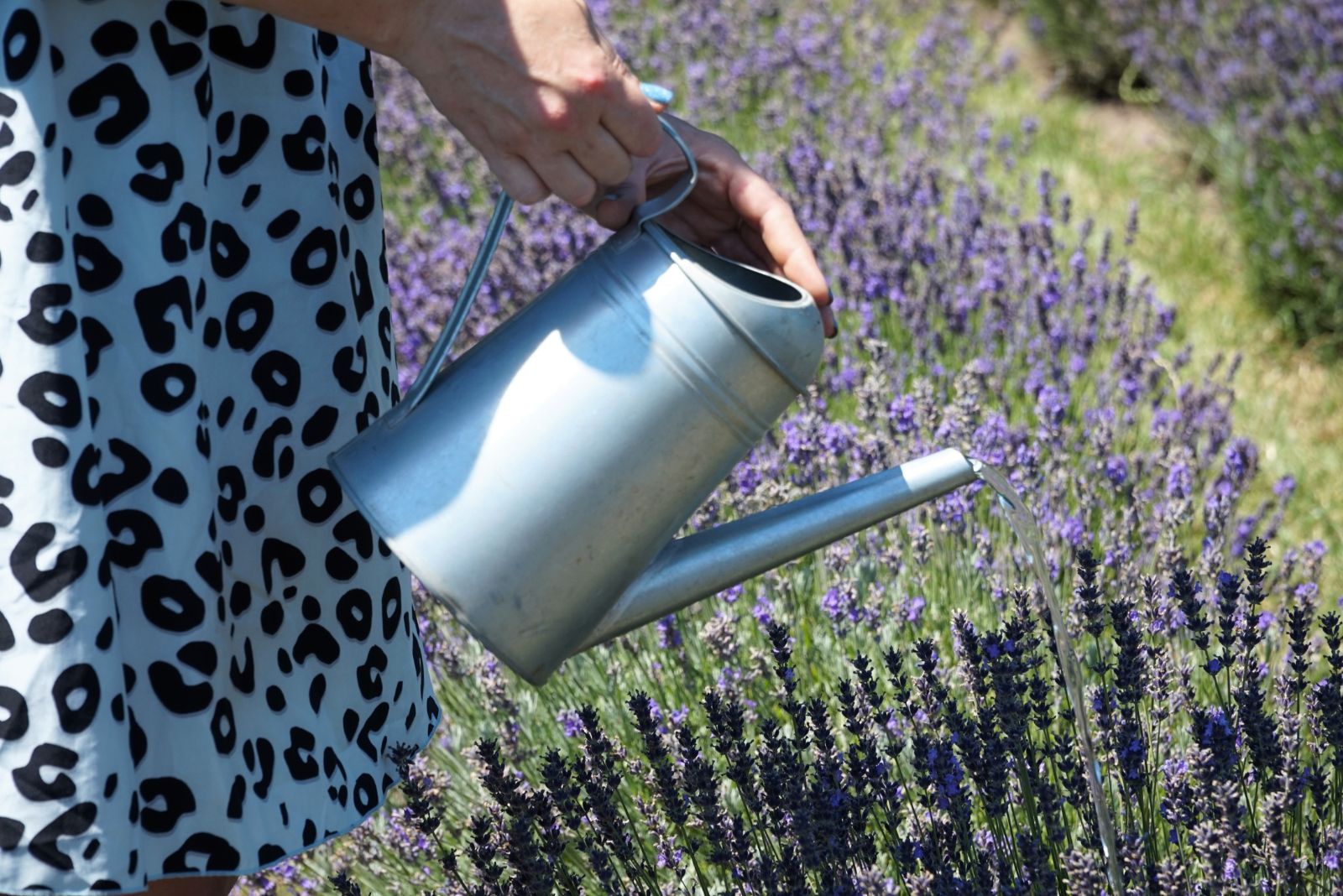
In April, the goal is to water deeply but not frequently. When you do water, let the moisture soak down several inches into the soil so the roots grow downward in search of water.
This builds a deeper, stronger root system that will serve your lavender well when Texas summer heat arrives. Shallow, frequent watering does the opposite and keeps roots close to the surface where they are more vulnerable.
A simple test before watering is to stick your finger about two inches into the soil near the plant. If the soil still feels damp, wait another day or two.
If it feels dry, go ahead and water at the base of the plant, not from above. Wetting the foliage can encourage fungal problems, which are already a concern during humid spring weather across many parts of Texas.
As April temperatures begin climbing toward the high 80s and beyond, you may need to water once every seven to ten days depending on rainfall. Always let the soil guide your schedule rather than the calendar.
Lavender in Texas thrives on a little neglect when it comes to watering, and trusting that instinct will reward you with healthier, more fragrant plants all season long.
5. Skip Heavy Fertilizing
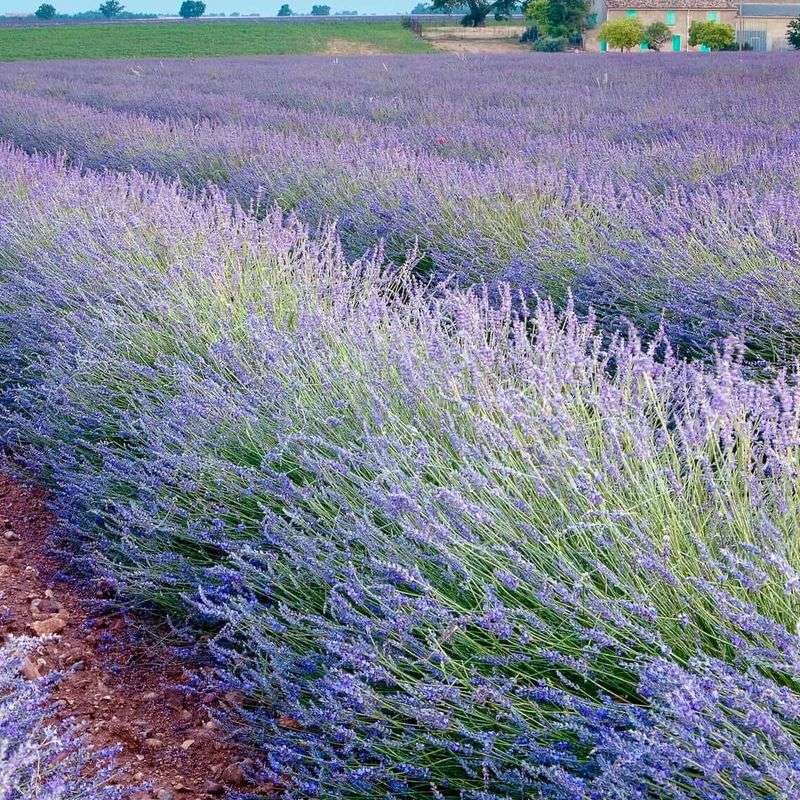
Here is something that surprises a lot of new lavender growers in Texas: this plant actually prefers poor soil. Unlike tomatoes or roses that love a rich, well-fed growing environment, lavender is happiest when nutrients are on the lean side.
Feeding it too much, especially with high-nitrogen fertilizers, pushes the plant to grow lots of leafy green stems instead of the beautiful flowers you are hoping for.
Heavy fertilizing can also make stems grow too fast and too tall, which creates a floppy, leggy plant that struggles to support itself in the wind.
Texas can get some serious spring gusts, and a weak-stemmed lavender plant is not going to hold up well. Keeping fertilizer use minimal helps the plant stay compact, sturdy, and bloom-ready.
If your soil is extremely poor or sandy and you feel the plant needs a small boost, a light application of a low-nitrogen, slow-release fertilizer in early April is acceptable.
You can also add a thin layer of compost around the plant, but keep it light and avoid piling it up against the base. Less is always more when it comes to feeding lavender in Texas.
A good sign that your lavender does not need feeding is healthy green growth and firm stems. If the plant looks vibrant and is putting out new shoots in April, leave it alone.
Trust the process. Lavender has survived for centuries in rocky, nutrient-poor Mediterranean soils, and your Texas garden does not need to be much different.
Keeping fertilizer use low is one of the simplest ways to encourage strong, beautiful blooms.
6. Give It Full Sun Before Heat Peaks
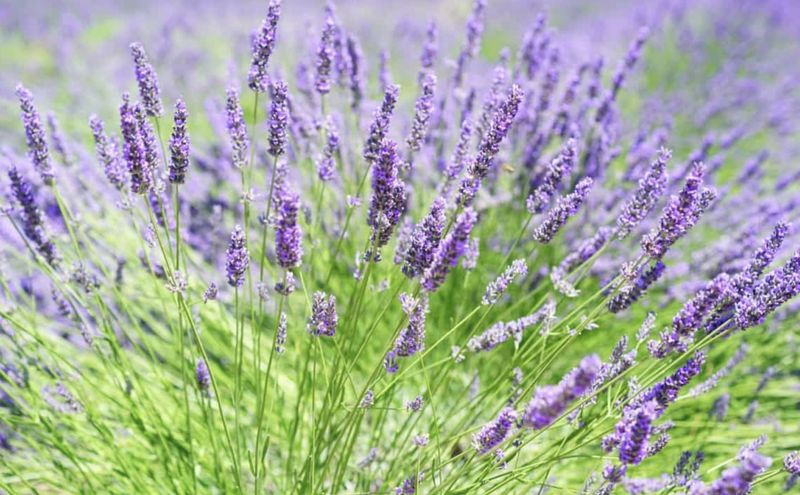
Sunlight is lavender’s fuel, and in Texas, April delivers some of the best sun of the entire year. Before the brutal heat of June and July arrives, your lavender plants need to soak up as many hours of direct sunlight as possible.
Full sun exposure now helps build strong stems, boosts fragrance, and prepares the plant for the intense months ahead.
Lavender needs a minimum of six to eight hours of direct sunlight every day to truly thrive. In Texas, most outdoor spaces can easily meet this requirement during April.
But it is worth walking around your garden and checking for any shade that might have crept in from trees that have leafed out since last fall. Even partial shade for a few hours a day can reduce blooming and slow growth.
If your lavender is in a container, April is a great time to reposition it to the sunniest spot in your yard. Container plants have the advantage of being moveable, which is a real benefit in Texas where sun patterns can shift with the seasons.
Place the pot where it will get morning and midday sun, which tends to be the most intense and beneficial for lavender.
Getting maximum sun exposure in April also helps the soil dry out more quickly between waterings, which ties back to the drainage and watering tips covered earlier. Everything works together for your Texas lavender.
More sun means healthier growth, better fragrance, stronger stems, and more vibrant purple blooms when flowering season arrives. Do not let a single sunny April day go to waste for your lavender garden.