9 Simple Flower-Drying Ideas Florida Homeowners Love For Natural Decor
Fresh flowers brighten any room, yet Florida’s heat and humidity can shorten their lifespan faster than expected. Many homeowners have started embracing simple drying techniques that help preserve color, texture, and shape long after fresh blooms fade.
Dried arrangements now appear in wall displays, centerpieces, and small decorative accents, adding a relaxed, natural touch that fits beautifully with Florida interiors. Interest in natural decor keeps growing as more people look for easy ways to bring the outdoors inside without constant upkeep.
A few straightforward methods can turn garden cuttings or shop-bought flowers into lasting pieces that feel personal and creative. Results can vary across Florida depending on humidity and airflow, so a bit of experimentation often leads to the best outcome for your space.
1. Hang And Dry Flowers For Rustic Home Touches
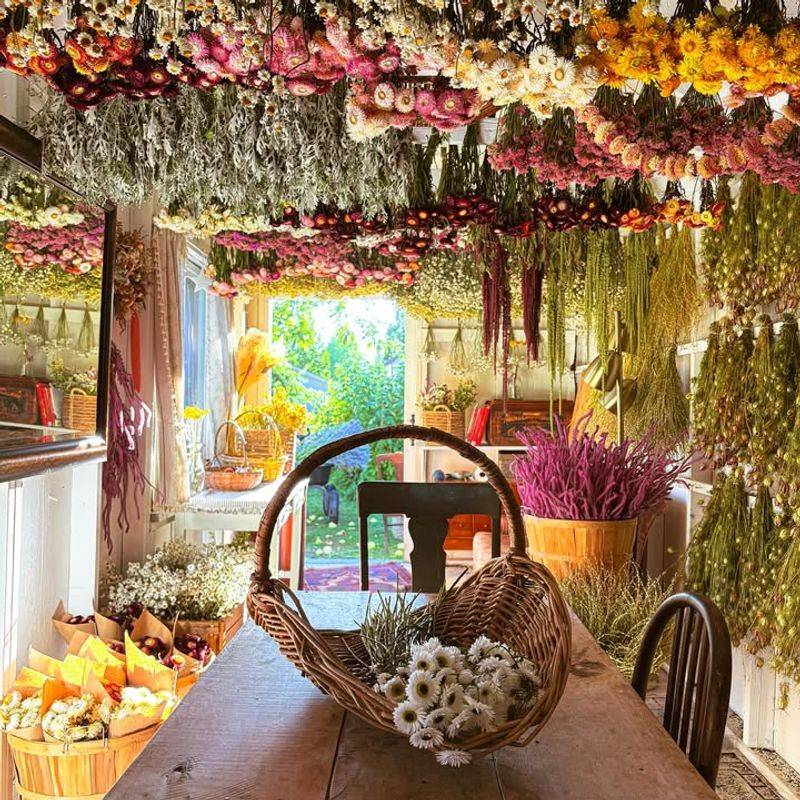
Walking into a room filled with hanging flower bundles creates an instant sense of warmth and nostalgia. This classic preservation method costs very little and works well for many flowers you can grow in Florida or buy locally, though timing and airflow matter more here than in drier climates.
Roses, zinnias, marigolds, gomphrena, celosia, strawflower, statice, and yarrow can respond well to air drying, especially when blooms are cut at the right stage. Eucalyptus is also commonly used in Florida decor, though many people buy it rather than grow it in the yard.
Start by cutting flowers in the morning after dew evaporates but before afternoon heat peaks. Remove lower leaves and gather stems into small bundles of five to seven stems, securing them loosely with twine or rubber bands.
Smaller bundles help air move around petals and leaves, which can reduce the chance of mildew in Florida humidity.
Pick a spot with steady airflow and minimal direct sun, since strong light can fade colors. A covered porch with a fan, an air-conditioned spare room, or a closet with a small fan can work. Hang bundles upside down so stems dry straighter.
Drying often takes around two to three weeks in a climate-controlled space, while humid summer conditions may take longer. Check bundles weekly and tighten ties as stems shrink.
Once petals feel papery and stems snap rather than bend, they’re ready for vases, wreaths, or wall decor.
2. Press Blooms Into Art That Feels Personal
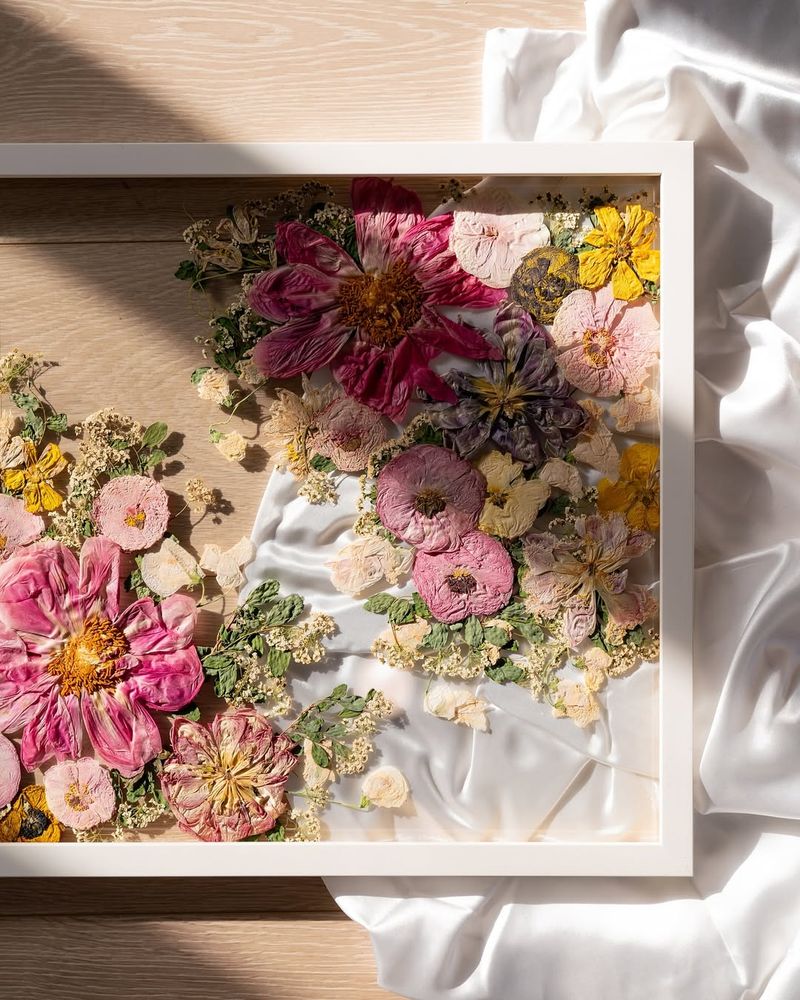
Remember finding a pressed clover tucked inside a book years later and feeling instantly transported? That same little surprise can turn Florida blooms into keepsakes and simple artwork.
Pressing flattens flowers while preserving their shape and many of their details, which works well for framing, cards, or journals. Flowers with thinner petals and flatter faces tend to press more reliably.
Pansies and violas work nicely, and so do cosmos, coreopsis, small daisies, and many common Florida wildflowers. Ferns, small leaves, and delicate stems can add texture.
Aim for dry weather and pick blooms that look fresh and fully open, but not overmature. Excess moisture increases the chance of mold, especially in Florida.
For the traditional method, place flowers face down between absorbent sheets such as coffee filters or plain paper, then sandwich them inside a thick book. Add more weight by stacking additional books on top.
Keep the stack in a dry, air-conditioned room instead of a garage, shed, or screened porch.
Pressing often takes about two weeks, though thicker blooms may take longer. Swap paper midway through if it feels damp.
A flower press can speed the process, and some people use a warm iron on low heat with flowers between parchment paper for quicker results, though it can take practice.
Pressed flowers should feel crisp and lift cleanly. Once ready, arrange them on cardstock and frame behind glass, or tuck them into smaller projects like bookmarks and greeting cards.
3. Keep Petals Bright With Silica Gel
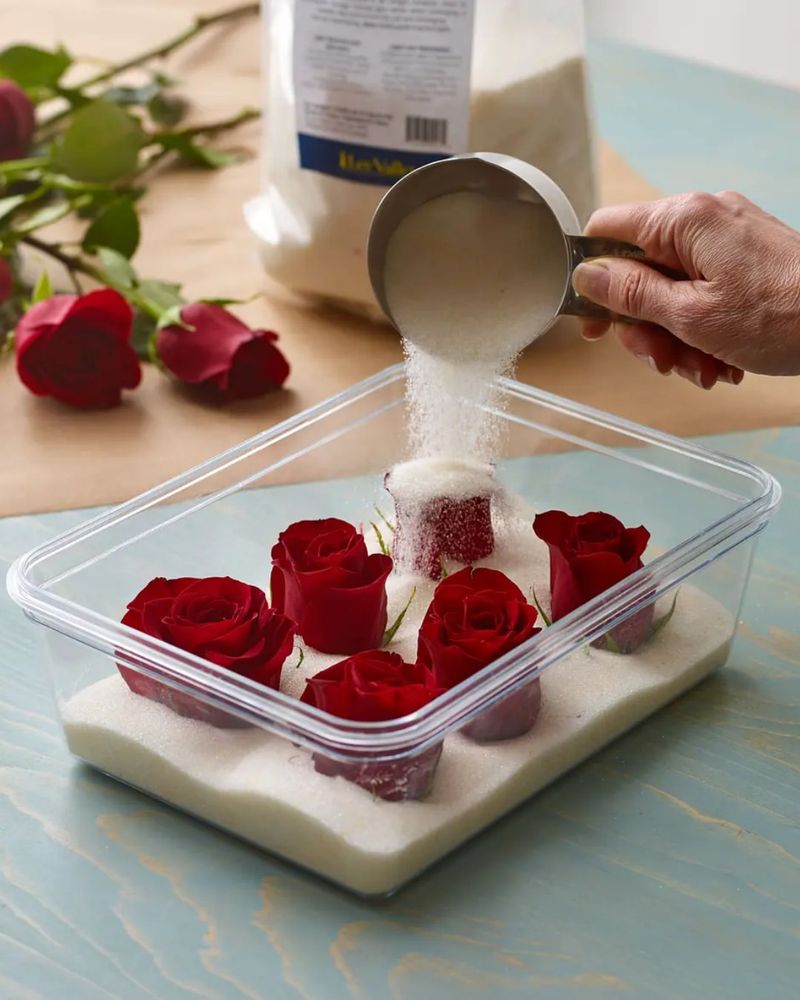
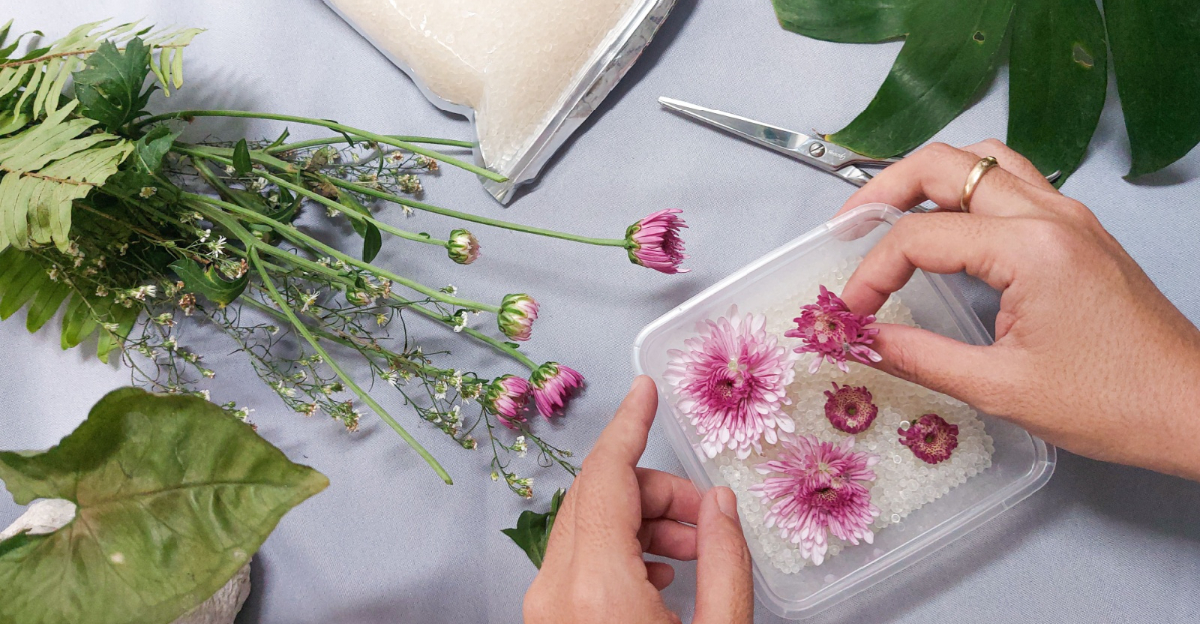
Silica gel can shine in Florida because it removes moisture quickly, which can help preserve color better than slower methods in humid conditions. The goal is fast, even drying that supports the bloom’s shape.
This approach often works well for roses, zinnias, marigolds, and other fuller flowers you want to keep looking close to fresh.
Purchase silica gel sold for flower drying, often with crystals that change color as they absorb moisture. Pour about an inch of gel into an airtight container.
Set flower heads on the gel, then gently spoon more gel around and over the blooms until fully covered. Take your time so petals don’t get crushed. Seal the container.
Drying commonly takes three to seven days, depending on the flower and the humidity level in your home. Check after a few days by brushing away a small area with a soft paintbrush.
Once dry, flowers feel firm and papery, and they can be fragile. A light craft sealer can add some protection for display, especially in Florida where indoor humidity can creep up.
Silica gel is reusable. Many products can be dried back out in a low oven, following the package directions, which helps stretch the cost.
4. Use Low Heat To Dry Flowers In The Oven
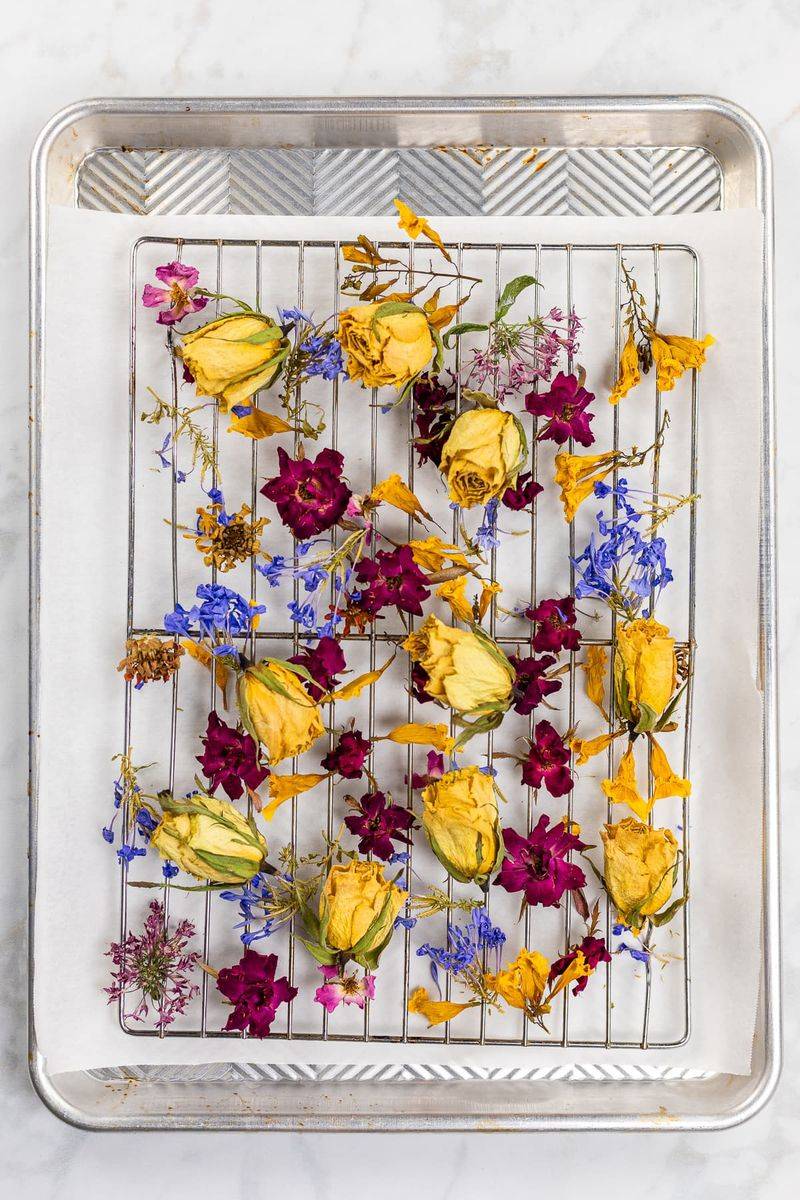
When Florida humidity makes air drying frustrating, the oven can work as a backup method. Low heat speeds moisture removal, though it requires attention to avoid browning and helps reduce excess moisture buildup during humid weather conditions.
This method suits sturdier petals or batches of petals meant for potpourri, sachets, or crafts. Set the oven to its lowest setting, often around 170 to 200 degrees Fahrenheit.
Lower is typically safer for color. Line a baking sheet with parchment paper and spread petals or blooms in a single layer without overlap.
To help moisture escape, some people crack the oven door slightly. Use care and stay nearby, since heat and airflow vary by oven.
Check frequently. Rotate the tray for more even drying.
Drying can take one to three hours depending on thickness and moisture content. Pull flowers when they feel dry and papery, before they turn brittle or brown.
Because this method uses heat, it’s often better for petals than for perfect whole blooms meant for a vase. Still, it can be a practical option for Florida homeowners who want a quicker result during sticky summer weather.
5. Preserve Leaves With A Soft Glycerin Soak
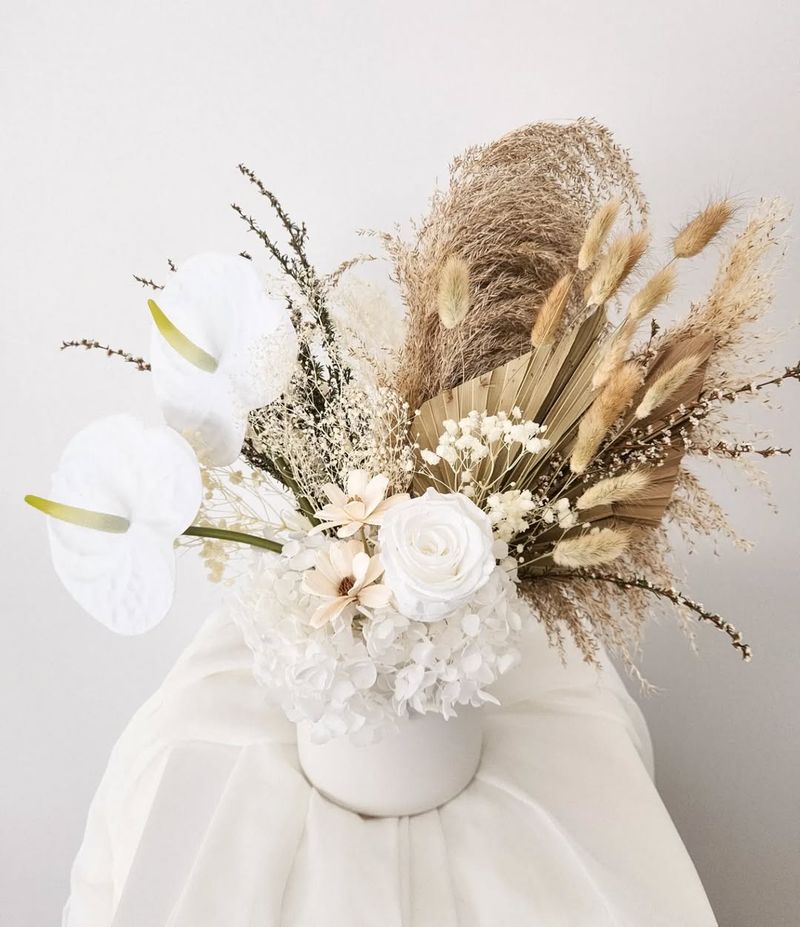
Glycerin preservation creates foliage that stays flexible instead of crisp and breakable. That can be especially helpful in Florida, where brittle dried leaves may not hold up as well in humid air.
This method works well for magnolia leaves, which are common in Florida landscapes and often used in wreaths and arrangements. Some people also use other sturdy greenery, including purchased eucalyptus.
Mix one part glycerin with two parts warm water in a tall container. Cut stem ends at an angle and place them in the mixture. Keep the container in a cool, shaded spot.
Over the next two to six weeks, the plant material absorbs the solution. Leaves may deepen in tone or shift toward bronze, especially magnolia. Maintain the liquid level so stem ends stay submerged.
Preservation is usually complete once leaves feel supple and the color change reaches the tips. Remove stems, wipe off residue with a soft cloth, and let them rest for a few days before use.
The result handles well for wreaths, garlands, and arrangements that get moved around, which suits Florida homes that decorate seasonally.
6. Let Flowers Fade Naturally In A Vase
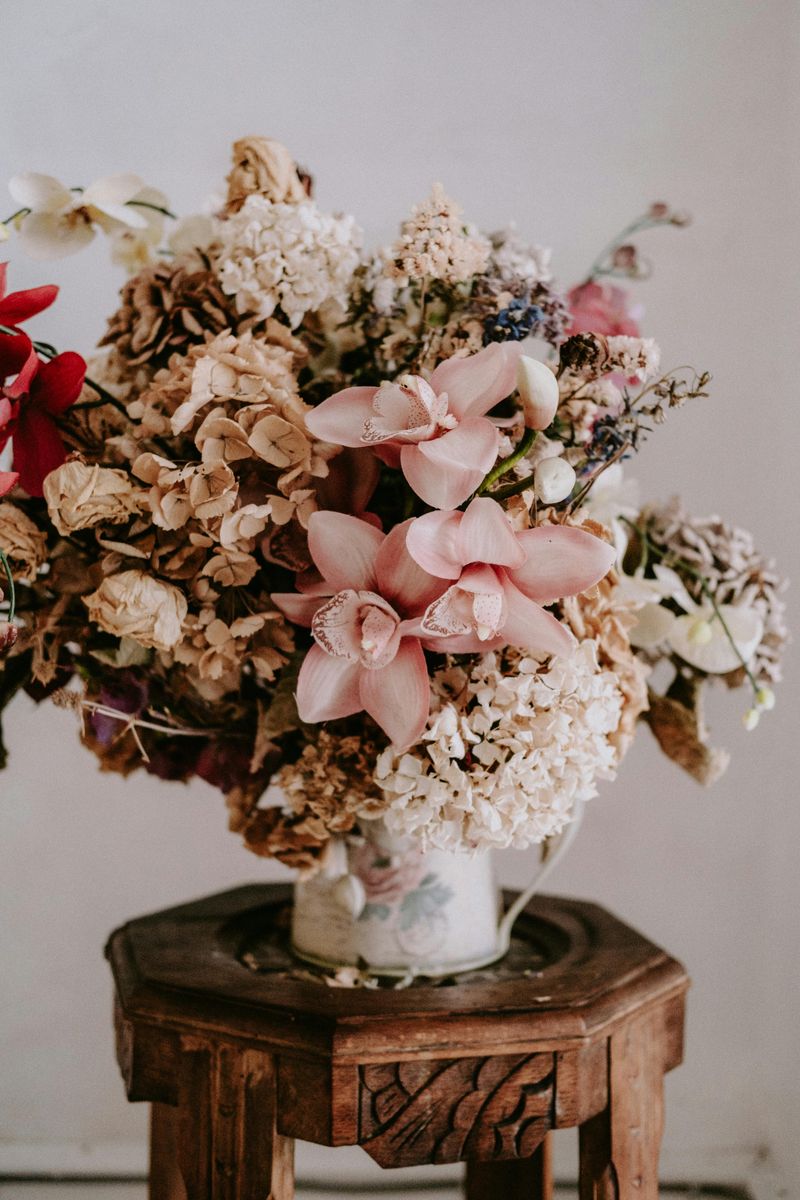
A simple vase on a side table can do more than hold fresh flowers. For certain blooms, vase drying creates soft, muted tones that look relaxed and natural, with very little effort.
It’s an easy way to let flowers transition naturally into decor without extra tools or steps.
Hydrangeas can work well for this in many parts of Florida, especially when blooms are cut at a more mature stage. Baby’s breath, statice, yarrow, and some roses can also dry nicely in a vase.
Fill a vase with just an inch or two of water, place the stems inside, and set it in an air-conditioned room away from direct sun. Let the water evaporate and resist the urge to top it off.
Flowers gradually use the remaining moisture and dry in place. Drying often takes two to four weeks, depending on the flower and indoor conditions.
In Florida, airflow helps. A ceiling fan in the room or a dehumidifier can improve results during humid months.
Colors usually soften as flowers dry, which many people like for a coastal or vintage look. Once fully dry, the arrangement can stay on display for a long time with occasional dusting and gentle handling.
7. Try Sand Drying For Detailed Petal Shapes
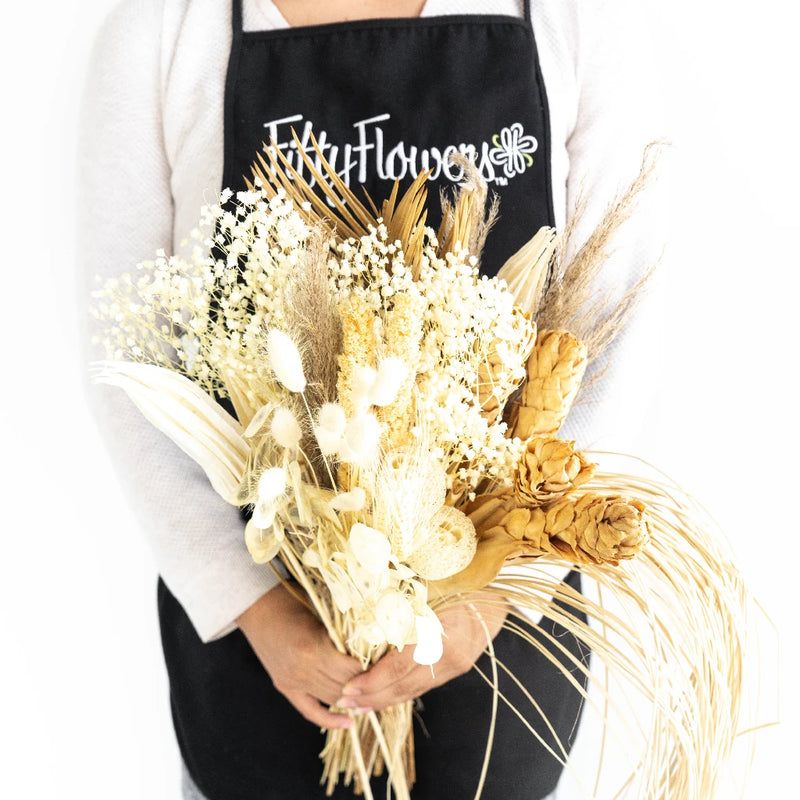
Fine sand can preserve three-dimensional shapes by supporting petals as they dry. It’s an older method that still works, and it can be a budget-friendly option.
The gentle support helps blooms hold their natural form instead of collapsing as moisture leaves.
Choose clean, fine sand such as craft sand or sifted play sand. Avoid coarse beach sand, which can be abrasive and may hold extra moisture or debris.
Pour a couple inches of sand into a container, set flower heads on top, then slowly pour sand around and over petals so the bloom keeps its shape. Cover flowers fully with at least an inch of sand.
Store the container indoors in an air-conditioned space with decent airflow. Drying commonly takes two to three weeks, and it can take longer in very humid conditions.
To uncover blooms, pour sand off gently and use a soft paintbrush to remove grains. Sand can be sifted and reused.
For Florida-friendly flowers that tend to keep their shape well, consider zinnias, marigolds, strawflower, gomphrena, or celosia. Dahlias can be challenging in much of Florida’s heat, so they’re less commonly grown there compared with those warm-season standbys.
8. Dry Flowers In A Dehydrator For Consistent Results
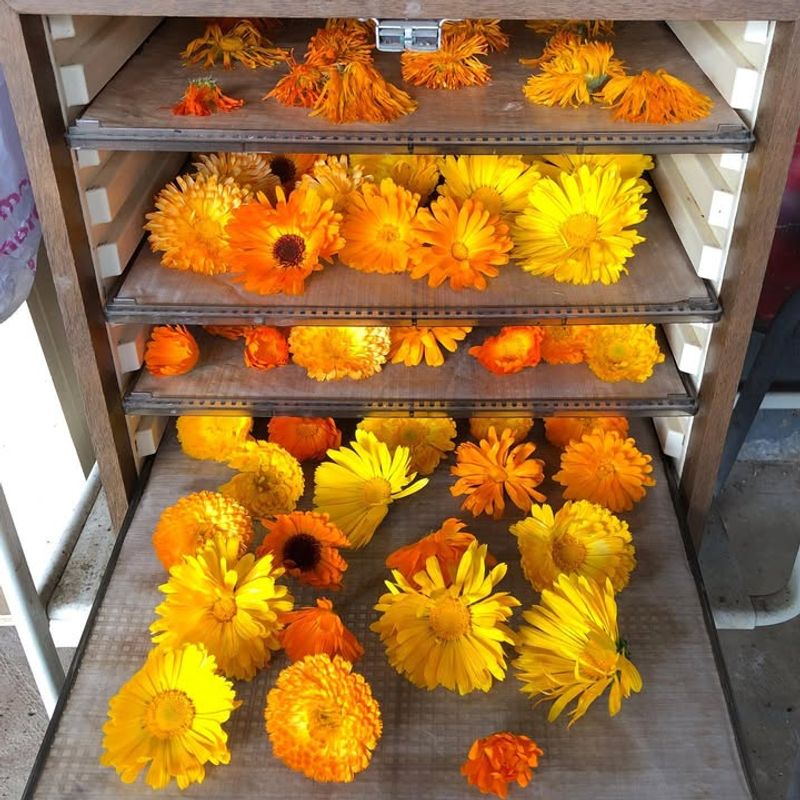
A food dehydrator can make flower drying far more predictable, especially in Florida where humidity often slows down traditional methods. Gentle, steady airflow helps remove moisture evenly, which can support better shape and color retention compared to leaving blooms out in open air.
Arrange flowers in a single layer on dehydrator trays so they don’t overlap. Smaller blooms like gomphrena, statice, chamomile, and yarrow tend to dry more evenly, while petals from roses or marigolds also work well for crafts.
Keep temperatures low, usually around 95 to 115 degrees Fahrenheit, to avoid browning or curling.
Drying time varies based on flower thickness and moisture content, but many blooms are ready within several hours to a day.
Check periodically and remove flowers once they feel dry and papery rather than soft. Let them cool completely before handling, as they can be slightly delicate right after drying.
For Florida homeowners, this method can be especially helpful during rainy or humid stretches when air drying becomes less reliable. The consistent conditions inside a dehydrator make it easier to get repeatable results, even when outdoor weather isn’t cooperating.
9. Seal Dried Flowers With A Protective Spray Finish
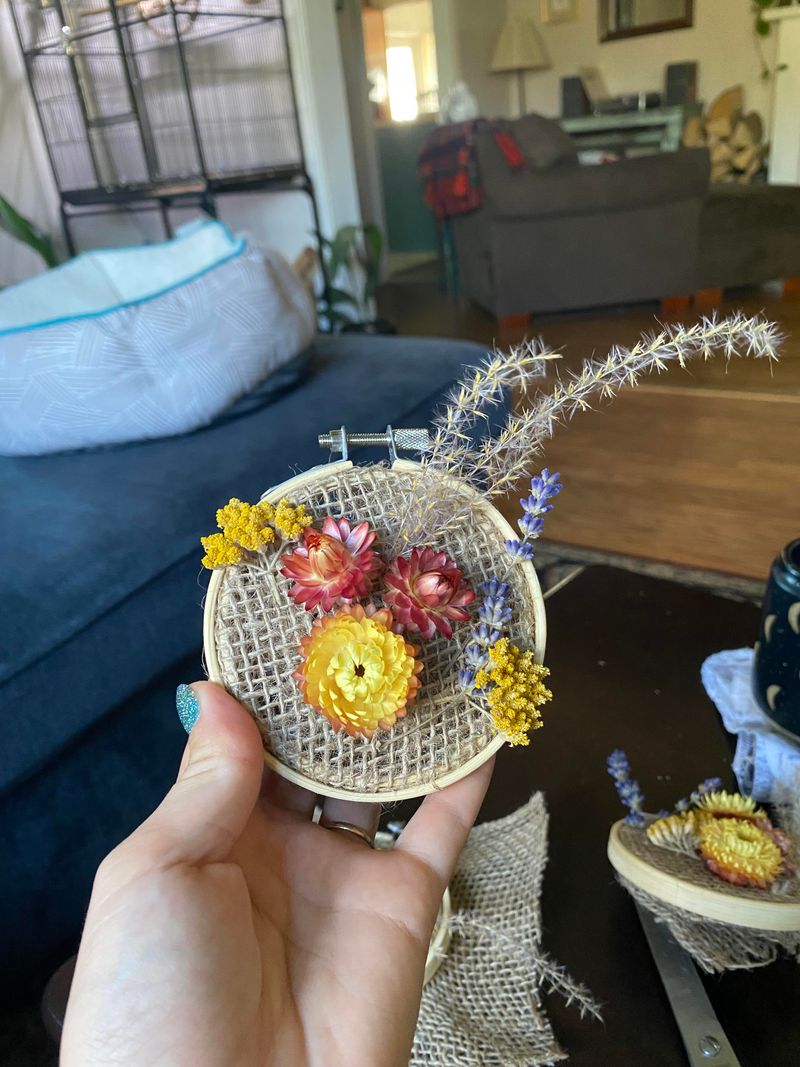
Once flowers have fully dried, a light protective spray can help them hold their shape and handle Florida’s indoor humidity a bit better. While it doesn’t stop moisture entirely, it can reduce how much the petals absorb from the air, which helps them stay intact longer.
Place dried flowers on a clean surface in a well-ventilated area, ideally outdoors or near an open window. Hold a clear acrylic sealer or floral fixative about 10 to 12 inches away and apply a very light, even coat.
Heavy spraying can weigh down petals or cause them to clump, so a gentle mist works best.
Let the flowers dry completely before moving them, then repeat with a second light coat if needed. Matte finishes tend to look more natural, while glossy sprays can add a slightly polished effect depending on your style.
This simple step works well for delicate flowers that may otherwise become fragile over time, especially in Florida homes where humidity levels can fluctuate. It’s an easy way to give dried arrangements a bit more durability without changing their natural look too much.