9 Simple Tips For Growing Tomatoes And Basil Side By Side In Texas
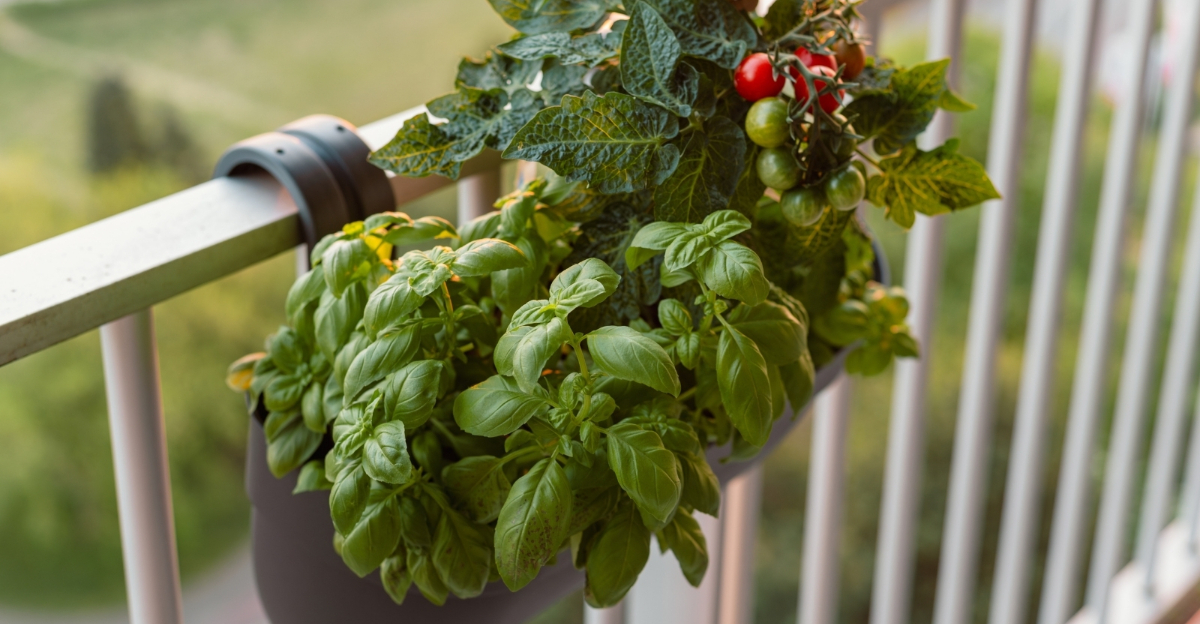
Growing tomatoes and basil side by side in Texas feels almost instinctive once the heat sets in and garden space becomes precious.
Texas summers push plants hard, which makes pairing crops with similar needs far more important than it first appears.
Both tomatoes and basil thrive under strong sun and consistent watering, making them natural neighbors in the same bed.
When planted together, basil helps shade the soil and slow moisture loss around tomato roots. This small effect matters during long stretches of intense heat.
Many Texas gardeners notice steadier growth once these two plants settle in next to each other.
Spacing becomes critical as tomato plants expand quickly and begin competing for air and light.
Texas soil warms early in the season, giving both plants a strong head start before extreme temperatures arrive. Early momentum often leads to stronger plants later.
Good airflow helps limit stress and disease as heat and humidity increase.
With the right balance, daily care feels simpler instead of overwhelming.
Tomatoes and basil grown together often create a garden space that feels efficient, productive, and rewarding.
1. Choose Heat-Tolerant Varieties That Thrive in Texas Climate
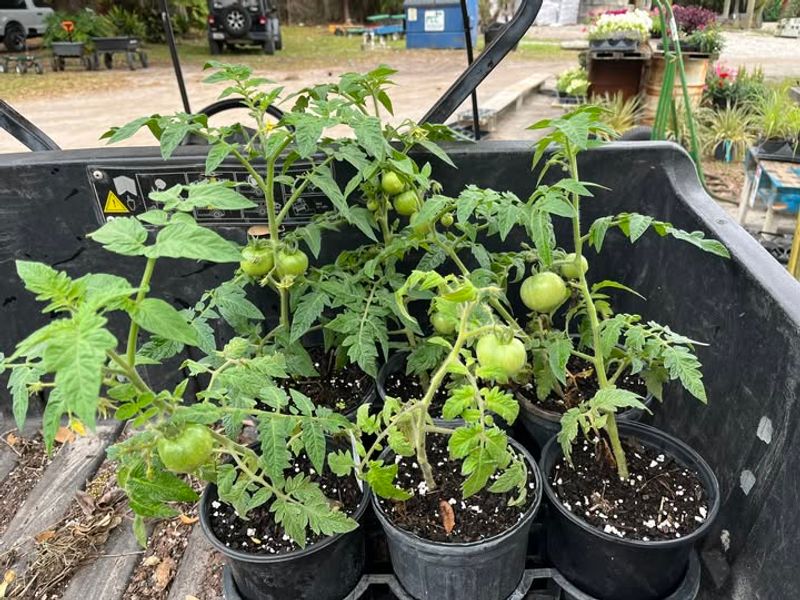
Texas summers bring intense heat that can stress many garden plants, so picking the right varieties from the start saves you lots of trouble later.
Tomato types like Heatwave, Phoenix, and Celebrity handle high temperatures much better than other varieties that might struggle when the thermometer climbs past ninety-five degrees. For basil, Genovese and Thai varieties perform wonderfully in Texas conditions and keep producing leaves even when the sun beats down relentlessly.
Certain tomato plants actually stop setting fruit when nighttime temperatures stay above seventy-five degrees, which happens frequently across Texas during summer months. Heat-tolerant varieties keep flowering and producing throughout the season instead of taking a break during the hottest weeks.
Your basil selection matters just as much since some types bolt quickly in extreme heat while others maintain steady growth.
Visit local nurseries in Texas to find plants already adapted to your specific region, whether you garden in Houston’s humidity or the drier conditions around Austin and San Antonio.
Garden centers often carry varieties tested by Texas A&M AgriLife Extension, giving you confidence that your choices will succeed. Starting with tough, proven plants sets up your companion planting for success right from day one.
Choosing heat-adapted varieties reduces stress during peak summer months and keeps your garden productive instead of struggling.
This smart selection allows tomatoes and basil to grow together smoothly, even when Texas heat becomes intense and unrelenting.
2. Plant in Well-Draining Soil Enriched With Compost
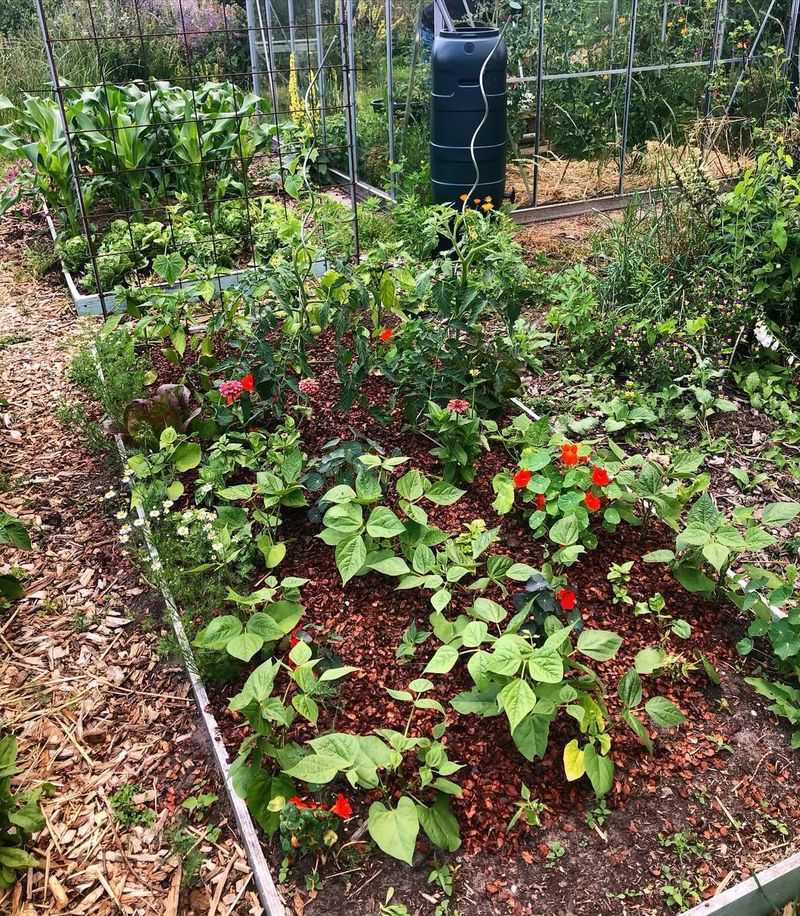
Soil quality determines whether your plants will simply survive or truly thrive throughout the growing season. Both tomatoes and basil need soil that drains excess water quickly while still holding enough moisture to keep roots hydrated during Texas heat waves.
Heavy clay soil, common in many parts of Texas, traps water and suffocates roots, leading to weak plants that struggle to produce.
Mixing in several inches of quality compost transforms difficult soil into a perfect growing medium that both plants love. Compost adds beneficial microorganisms, improves drainage, and provides nutrients that feed your plants gradually over time.
Texas gardeners often add perlite or coarse sand to further improve drainage, especially in areas with naturally heavy soil.
Raised beds work exceptionally well for growing tomatoes and basil together in Texas since you control the soil mixture completely. Fill beds with a blend of topsoil, compost, and peat moss or coconut coir for outstanding results.
Testing your soil pH helps too, since both plants prefer slightly acidic conditions between 6.0 and 6.8, which is typical for most Texas soils but worth checking before planting.
3. Space Plants Properly for Air Circulation and Growth
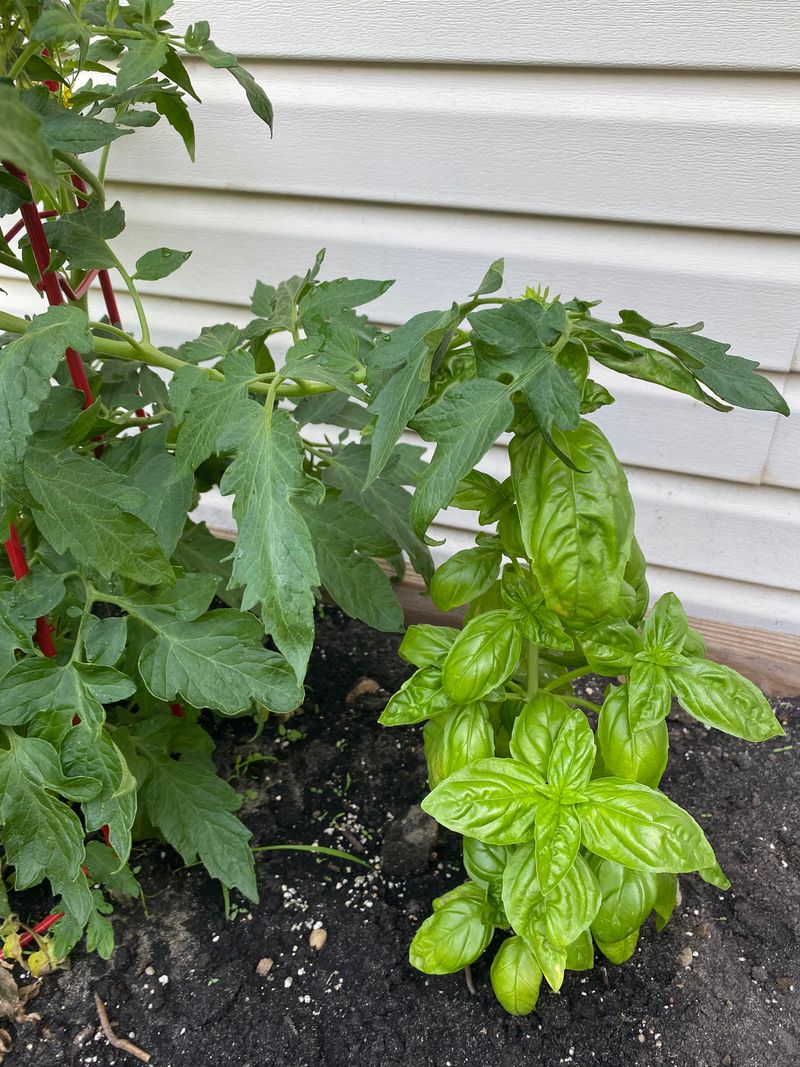
Crowding plants together might seem like a way to maximize garden space, but it actually creates problems that reduce your harvest. Tomatoes need room for their roots to spread and their branches to grow without competing for sunlight and nutrients.
Proper spacing also allows air to flow between plants, which reduces humidity around leaves and helps prevent fungal diseases that love Texas’s warm, moist conditions.
Give each tomato plant at least two feet of space in all directions, and position basil plants about twelve inches away from tomato stems.
This arrangement lets basil benefit from the light shade that tomato leaves provide during the hottest afternoon hours in Texas.
Your basil plants should sit between tomato plants rather than directly underneath them, ensuring they still receive plenty of morning and late afternoon sun.
Good air circulation becomes even more important during Texas summers when humidity can climb alongside temperatures. Fungal problems like early blight spread rapidly when leaves stay damp and plants grow too close together.
Spacing your companion plants correctly from the beginning prevents many common issues and makes garden maintenance much easier throughout the season.
Well-spaced plants also make watering more effective by allowing moisture to reach the soil evenly instead of being blocked by dense foliage.
This thoughtful layout helps tomatoes and basil grow stronger and healthier while reducing stress during Texas’s hottest stretches.
4. Water Deeply and Consistently During Hot Texas Summers
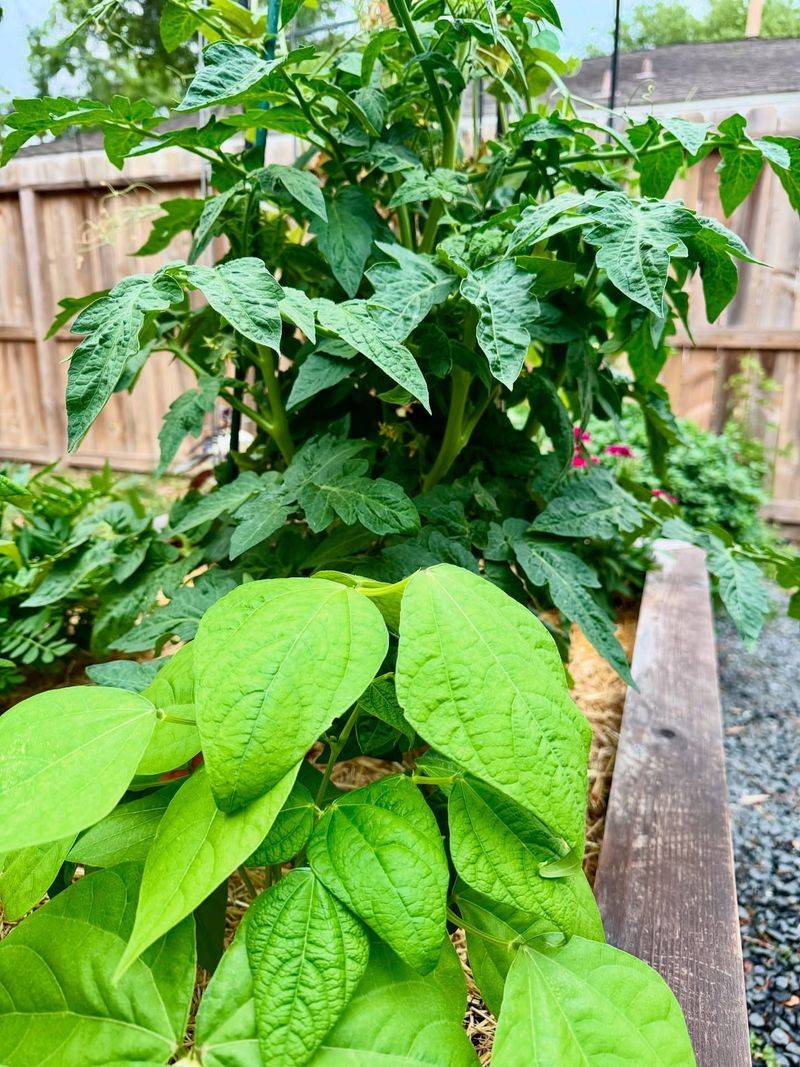
Both tomatoes and basil need regular moisture to develop properly, but Texas heat can dry out soil surprisingly fast. Shallow watering encourages roots to stay near the surface where they’re vulnerable to heat stress and drought.
Instead, water deeply so moisture reaches down eight to ten inches, encouraging roots to grow deeper where soil stays cooler and retains moisture longer.
Consistency matters more than the total amount of water you provide each week.
Tomatoes especially develop problems like blossom end rot and fruit cracking when watering schedules fluctuate between bone dry and soaking wet. Aim to keep soil evenly moist, checking it daily during the hottest weeks that Texas summers bring.
Your basil will signal when it needs water by wilting slightly, but you shouldn’t let it reach that point regularly.
Early morning watering works best in Texas since it gives plants moisture before temperatures climb and reduces the time leaves stay wet. Drip irrigation or soaker hoses deliver water directly to roots while keeping foliage dry, which helps prevent disease problems.
Mulching around plants, which we’ll discuss next, also helps maintain consistent soil moisture between watering sessions.
5. Apply Mulch to Regulate Soil Temperature and Moisture
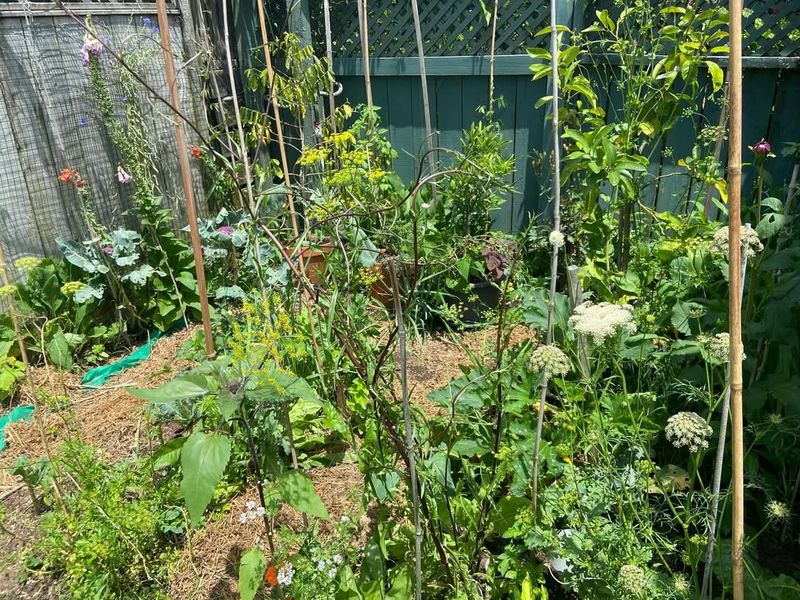
Bare soil around your plants heats up quickly under the Texas sun and loses moisture through evaporation at an alarming rate. A layer of organic mulch creates a protective barrier that keeps soil cooler during the day and reduces the amount of water you need to provide.
Mulch also prevents weeds from sprouting around your tomatoes and basil, which means less competition for nutrients and less time spent pulling unwanted plants.
Spread two to three inches of mulch around your plants, keeping it a few inches away from stems to prevent rot problems.
Grass clippings, shredded leaves, straw, and wood chips all work well in Texas gardens. As organic mulches break down over time, they add nutrients back into the soil and improve its structure, creating better growing conditions season after season.
Mulching becomes especially important during the brutal heat that arrives in Texas between July and September.
Soil temperatures can reach levels that damage plant roots and reduce nutrient uptake, but mulch keeps the root zone significantly cooler.
Your basil particularly appreciates this protection since its shallow roots are more vulnerable to temperature extremes than the deeper tomato roots growing nearby.
Maintaining this mulch layer also helps stabilize soil conditions overnight, preventing sharp temperature swings that stress roots during extreme Texas heat.
With moisture retained and roots protected, both tomatoes and basil can focus energy on steady growth and consistent production instead of survival.
6. Provide Afternoon Shade During Peak Summer Heat
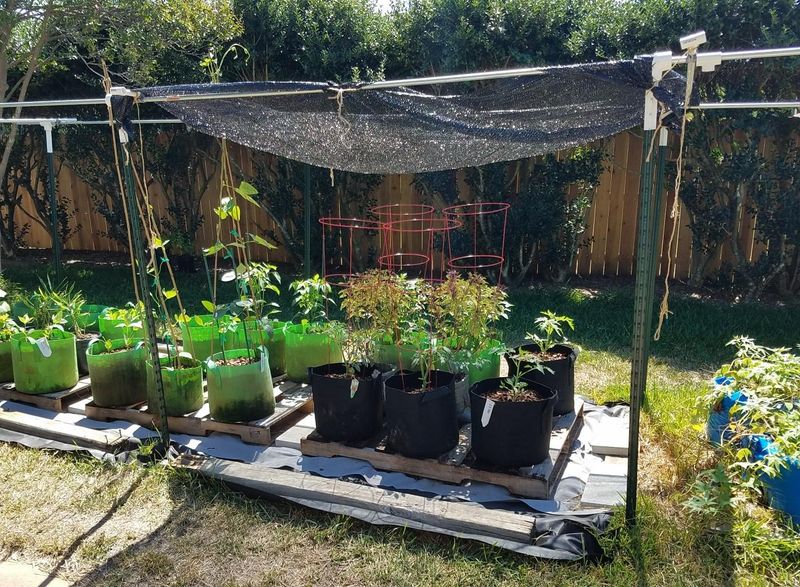
Even heat-loving plants like tomatoes and basil can struggle when Texas temperatures soar above one hundred degrees for days on end. Intense afternoon sun can scorch leaves, stress plants, and reduce fruit production on your tomatoes.
Creating some shade during the hottest part of the day helps both plants continue growing and producing instead of just trying to survive.
Shade cloth suspended above your garden blocks thirty to fifty percent of sunlight during peak afternoon hours while still allowing plenty of light for photosynthesis. Many Texas gardeners install temporary shade structures in June that stay up through August, then remove them when temperatures moderate in fall.
Position shade cloth so it blocks western sun primarily, since that’s the most intense light your plants face.
Interestingly, the tomato plants themselves provide natural afternoon shade for the basil growing beside them, which is one benefit of companion planting.
Strategic placement matters here – position basil on the east side of tomato plants so they receive full morning sun but get relief during the afternoon.
This arrangement works perfectly in Texas where morning sun energizes plants before the real heat arrives later in the day.
7. Feed Plants Regularly With Balanced Organic Fertilizer
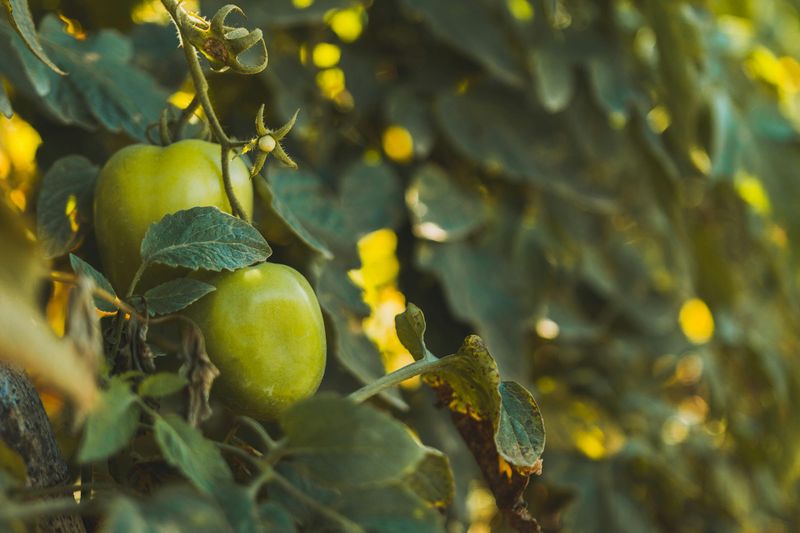
Tomatoes and basil are both hungry plants that need regular feeding to produce abundantly throughout the growing season.
Texas soils vary widely in natural fertility, and the nutrients present at planting time won’t last all summer long.
Regular fertilizing ensures your plants have everything they need to develop strong roots, healthy foliage, and plenty of tomatoes and basil leaves for your kitchen.
Organic fertilizers release nutrients slowly and improve soil health over time, making them ideal for companion planting situations.
Fish emulsion, compost tea, and granular organic blends all work wonderfully for tomatoes and basil grown together in Texas gardens. Apply fertilizer every two to three weeks during active growth, following package directions to avoid overfeeding which can cause more problems than underfeeding.
Tomatoes need extra potassium and phosphorus once they start flowering to develop quality fruit, while basil benefits from nitrogen to produce lush, flavorful leaves.
Balanced fertilizers with equal or similar numbers work well for both plants when grown side by side.
Watch your plants for signs they need feeding – pale leaves, slow growth, and reduced production all indicate it’s time for a nutrient boost in your Texas garden.
Feeding consistently also helps plants recover faster from heat stress and heavy harvesting during peak Texas summer conditions.
Well-nourished tomatoes and basil maintain better flavor, stronger growth, and more reliable production as the season progresses.
8. Prune and Pinch Back for Bushier Growth and Better Harvest
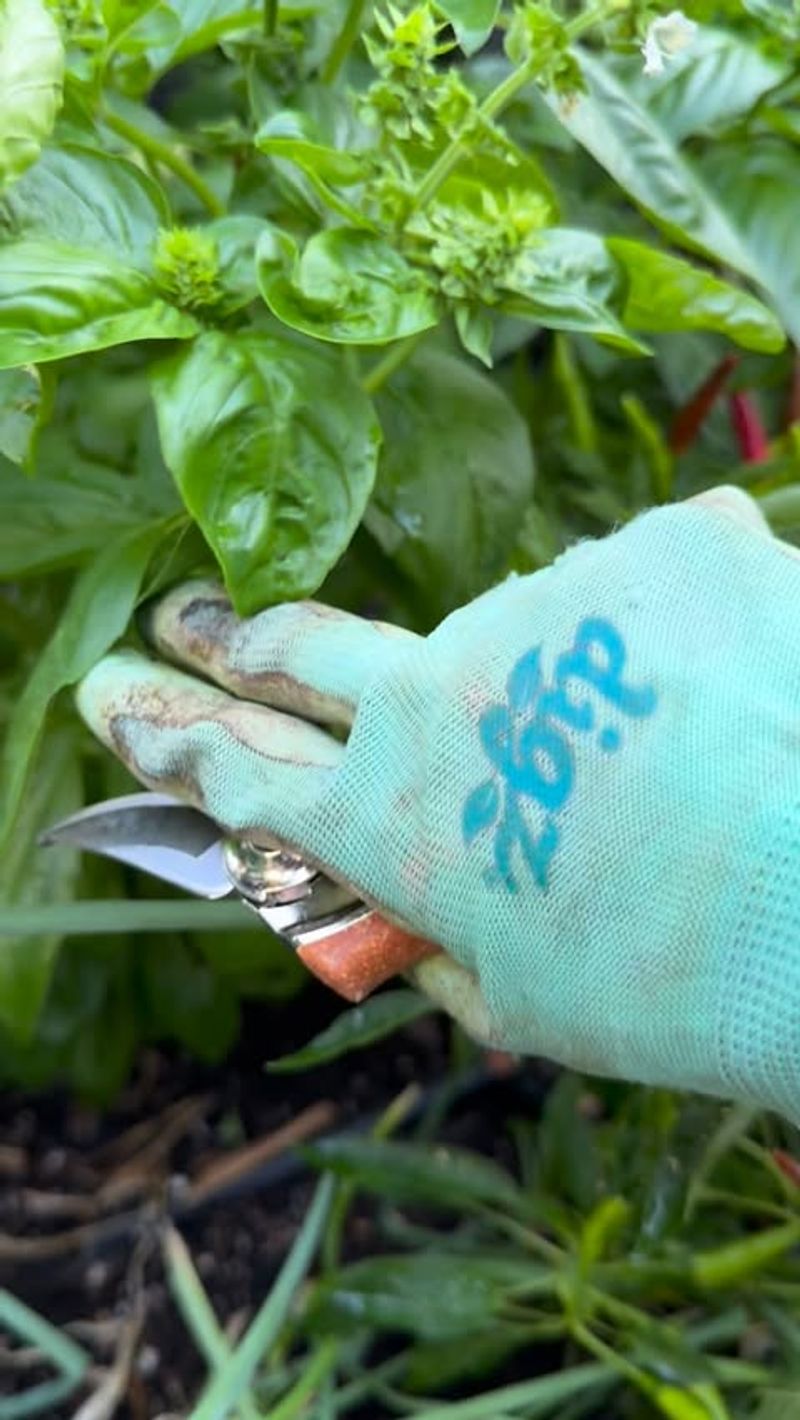
Allowing your plants to grow wild without any pruning leads to lanky, unproductive growth that disappoints at harvest time. Strategic pruning directs plant energy where you want it – into developing tomatoes and abundant basil leaves rather than excessive stems and foliage.
This practice becomes especially important in Texas where long growing seasons give plants plenty of time to become overgrown and unmanageable.
Remove suckers from tomato plants – those small shoots that emerge between the main stem and branches – to focus energy on fruit production. Pinching back basil regularly prevents it from flowering too soon, which happens quickly in Texas heat.
Each time you pinch off the top growing tip of basil, the plant responds by producing two new branches, creating a bushier plant with more leaves to harvest.
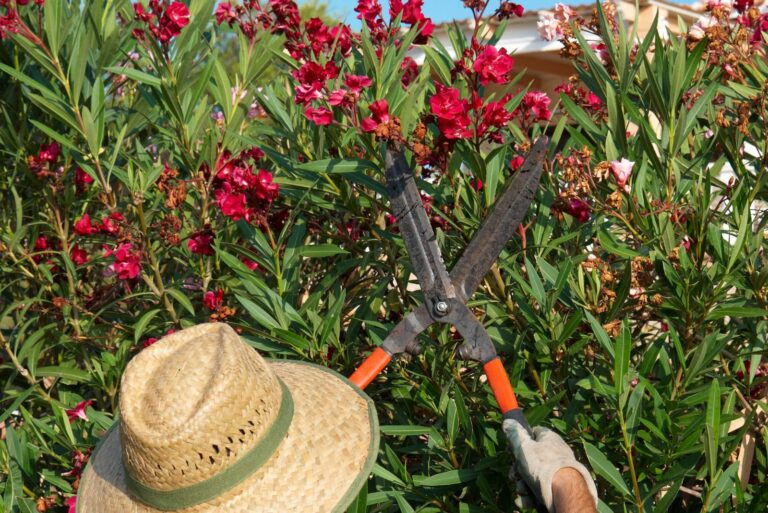
Make pruning a weekly habit during the main growing season, walking through your Texas garden with clean scissors or pruning shears.
Remove any yellowing lower leaves from tomatoes to improve air circulation and reduce disease pressure. Harvest basil leaves frequently, taking stems rather than individual leaves, to encourage continuous production.
Regular attention to pruning keeps both plants productive and healthy all season long in your Texas garden.
9. Monitor for Pests and Use Natural Control Methods
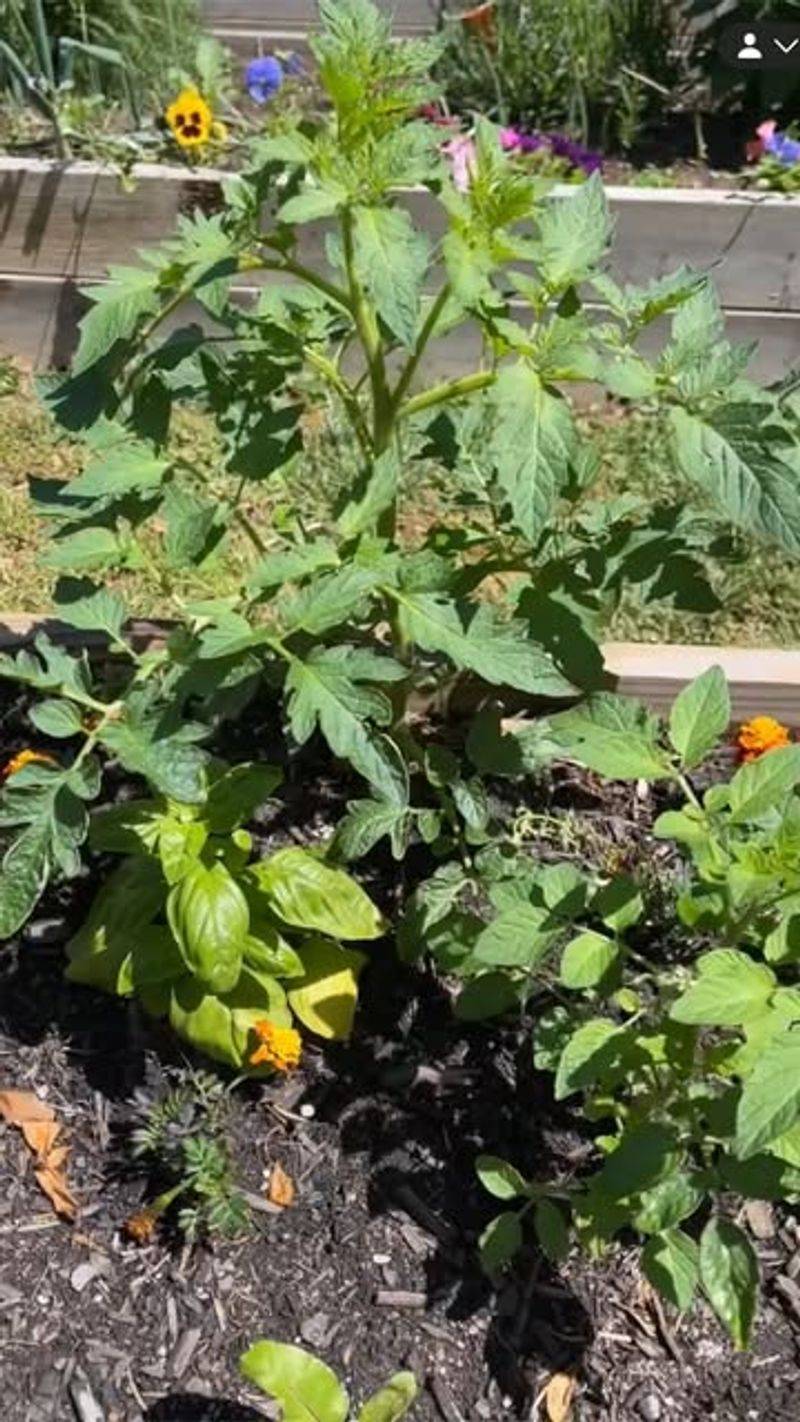
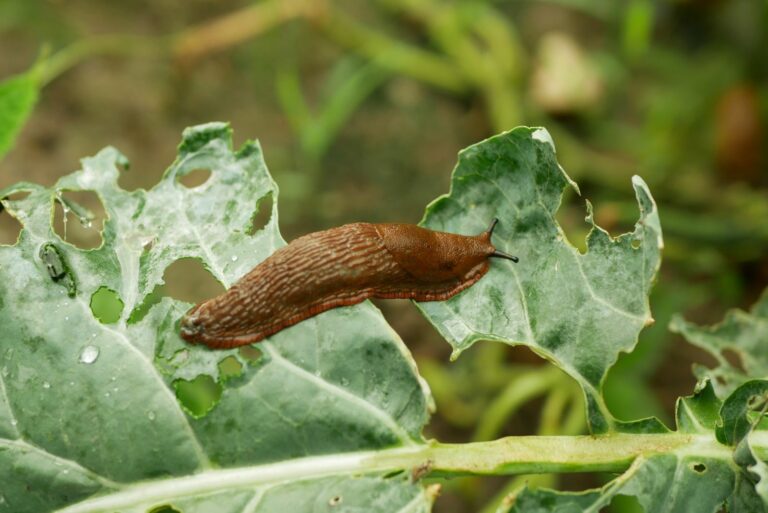
Healthy tomato and basil plants growing together in Texas gardens attract some unwanted attention from various insects and pests. Hornworms can strip tomato plants of foliage seemingly overnight, while aphids cluster on tender basil shoots and slow growth.
Regular monitoring helps you catch problems early when they’re easiest to manage with simple, natural solutions that won’t harm beneficial insects.
Walk through your garden every few days looking at the undersides of leaves where many pests hide during the day.
Handpicking larger pests like hornworms works surprisingly well and gives you immediate results.
Spraying plants with a strong stream of water dislodges aphids and other small insects, and doing this early in the day allows leaves to dry before evening when cooler temperatures and dew arrive in Texas.
Basil actually helps protect tomatoes from some pests naturally, which makes companion planting these two together so beneficial.
The strong scent of basil confuses and repels certain insects that would otherwise damage tomato plants.
For persistent problems, neem oil or insecticidal soap provides effective control without harsh chemicals. Encouraging beneficial insects like ladybugs and lacewings by planting flowers nearby gives you a natural pest control team working in your Texas garden.