Simple Tricks To Keep Geraniums Blooming Through The August Heat
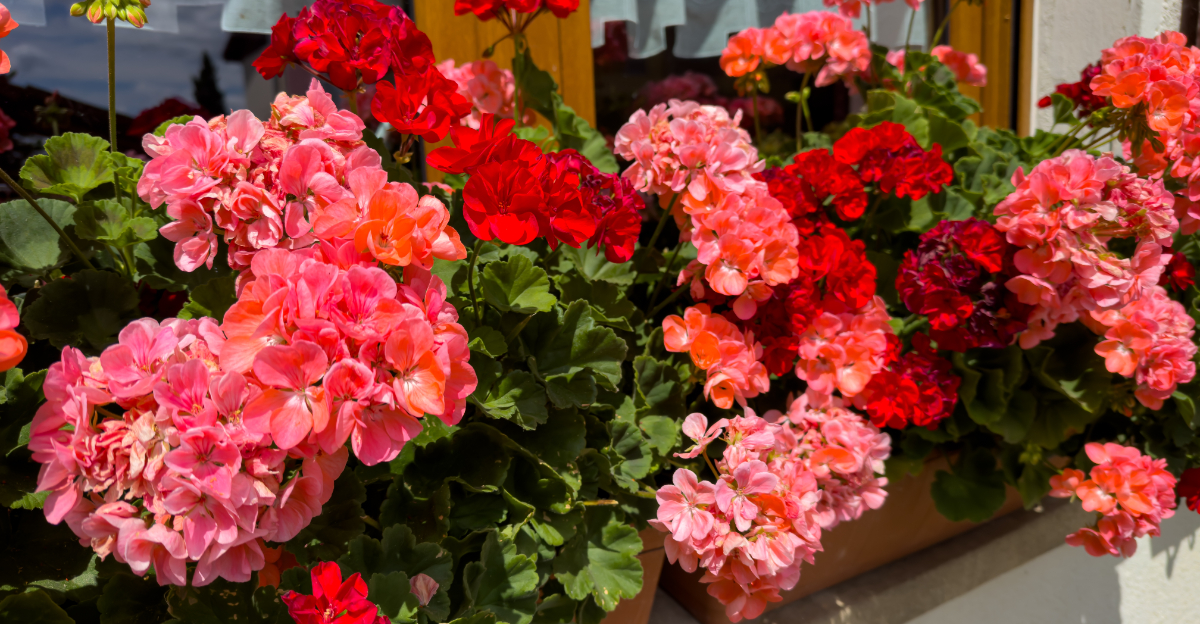
Pot of geraniums left untouched for two weeks in August tells its own story, and it’s rarely a happy one. Yet a few doors down, the same plant looks like it just walked out of a nursery ad.
The gap between those two pots usually comes down to a handful of small habits, not luck or a green thumb. Skip even one of them, and the heat finds its way in fast.
Most summer care advice treats geraniums like every other potted plant, missing what actually keeps them blooming this time of year. The details that matter are smaller, and easier, than people expect.
Eight simple shifts stand between wilting stems and a pot still turning heads in late August. None of them take more than a few minutes to put into practice.
1. Removing Spent Blooms Encourages Continuous August Flowering
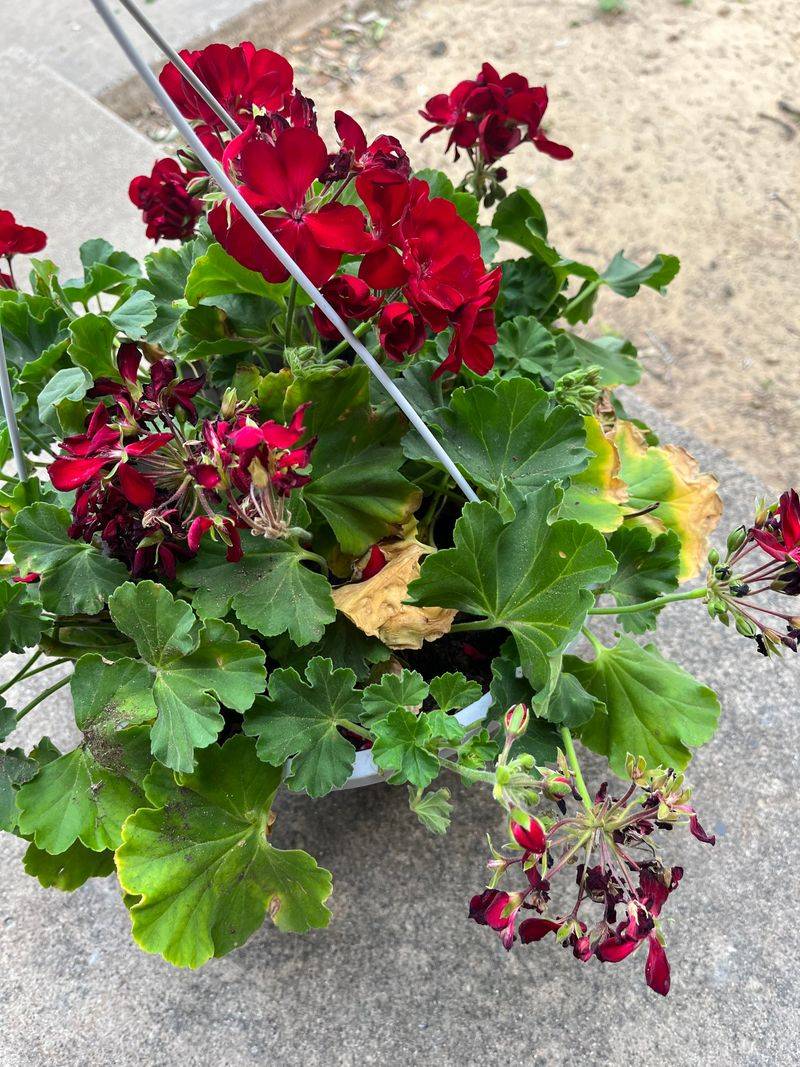
Removing spent blooms is one of the easiest wins in summer gardening. Pinching off old flowers tells your geranium to keep making new ones.
Think of spent flowers as tiny energy drains. Each faded bloom left on the plant pulls resources away from fresh buds forming below.
Grab the stem just below the spent flower head. Snap it off cleanly with your fingers or snip it with small scissors.
Do this every two to three days during August. The more consistently you remove old blooms, the faster new ones appear.
Some gardeners skip this step because it feels tedious. But even five minutes of this routine three times a week can noticeably boost your bloom count.
Look for flower clusters that have gone brown or papery. Those are your targets, and removing them takes seconds each. This small habit pays off fast, with fuller clusters appearing in just days.
New gardeners sometimes worry about hurting the plant. You are not hurting it at all, you are actually helping it focus its energy exactly where you want it.
Set a small reminder on your phone if you tend to forget. Making it a quick daily habit turns this chore into something almost meditative.
The payoff is real and fast. Your pots and beds will look lush and intentional all the way through the end of summer.
2. Morning Watering Helps Geraniums Handle Afternoon Heat
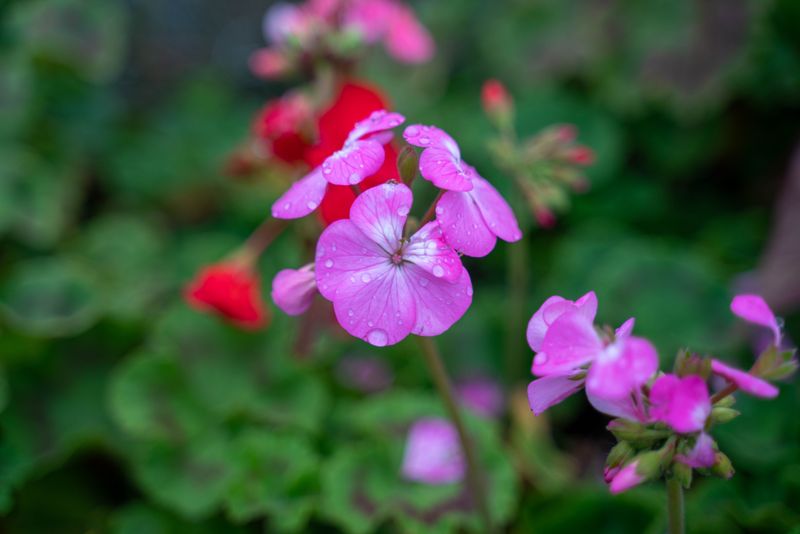
Watering at the wrong time of day can quietly sabotage your whole garden. Geraniums especially need moisture delivered before the sun gets aggressive.
Morning watering gives roots time to absorb water before midday heat arrives. By noon, the soil surface is already warm and evaporation kicks into high gear.
Aim to water before 9 a.m. whenever possible. That window gives the leaves time to dry out, which prevents fungal problems from taking hold.
Evening watering might seem convenient after a long day. But wet foliage sitting overnight is an open invitation for mold and rot.
Use a watering can with a long spout to direct water at the base. Keeping leaves dry is a simple habit that pays off big over a whole season.
Check the soil before you water by pressing one finger about an inch deep. If it feels dry down there, it is time to water thoroughly.
Geraniums prefer a good soak over a light sprinkle. Shallow watering encourages shallow roots, and shallow roots struggle hard during heat waves.
Water slowly until you see it draining from the bottom of the pot. That signals the root zone is fully saturated and ready to handle the afternoon sun.
During especially hot weeks, you may need to water daily. Adjust based on what the soil is telling you, not just the calendar.
Morning watering is a small shift with a huge impact. Your geraniums will show their gratitude in vivid, lasting color all August long.
3. Light Afternoon Shade Prevents Petal Scorch And Wilting
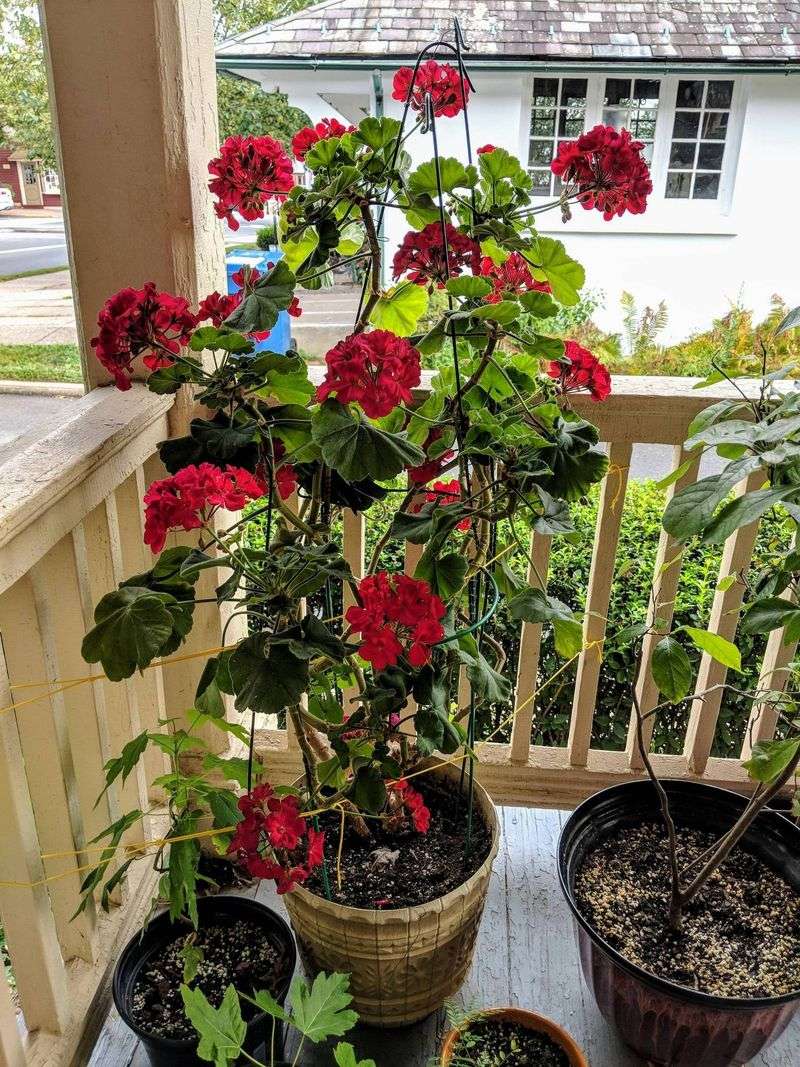
Full sun all day sounds ideal for flowers, but August is a different beast. Intense afternoon rays can scorch petals and leave your geraniums looking exhausted by evening.
A few hours of filtered shade between 1 p.m. and 4 p.m. makes a noticeable difference. That window is when temperatures peak and UV intensity is at its harshest.
You do not need to build a fancy shade structure to make this work. A patio umbrella, a sheer cloth draped over a frame, or a nearby tree all do the job.
Potted geraniums have a real advantage here because you can move them. Sliding a pot into a shadier spot for a few afternoon hours is all it takes.
Watch for wilting that happens even when the soil is moist. That is a classic sign of heat stress, and afternoon shade is usually the fix.
Scorched petals turn brown and papery at the edges. Once that happens, the bloom is done, so prevention is far better than trying to reverse the damage.
Shade cloth rated at 30 to 40 percent works beautifully for geraniums. It blocks enough harsh light while still letting in the gentle rays flowers need to thrive.
Garden centers sell inexpensive shade cloth by the yard. A small piece stretched over a hoop or frame turns any sunny spot into a manageable microclimate.
Think of afternoon shade as a midday rest for your plants. Geraniums that get that break come back stronger and brighter every single evening.
4. Balanced Fertilizer Keeps Blooms Coming Through Peak Summer
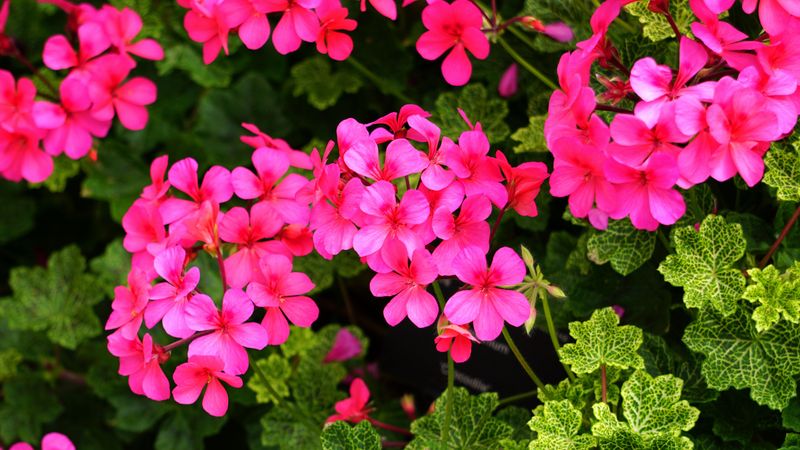
Hungry plants cannot bloom their best, and August is exactly when geraniums need steady fuel. A balanced fertilizer keeps the whole system running smoothly during peak heat.
Look for a fertilizer with equal or near-equal numbers on the label, like 10-10-10. That balance supports roots, stems, and flowers all at once.
Avoid high-nitrogen formulas during summer. Too much nitrogen pushes leafy green growth at the expense of the colorful blooms you actually want to see.
Liquid fertilizers work faster than granular ones because roots absorb them almost immediately. Mix according to package directions and apply every two weeks through August.
Slow-release granules are a great low-maintenance option for busy gardeners. Sprinkle them into the soil once a month and let them do the work quietly.
Fertilize right after watering, not on dry soil. Dry roots exposed to concentrated fertilizer can get burned, which sets the plant back significantly. Heavy flowering is energetically expensive for a plant, so replenishing nutrients matters.
Signs of nutrient deficiency include pale leaves and sparse blooms. If you notice either of those, a feeding boost usually brings color and density back within two weeks.
Do not over-fertilize hoping for faster results. Too much fertilizer causes salt buildup in the soil, which actually blocks the plant from absorbing water properly.
Feeding your geraniums on a schedule is one of the simplest power moves in summer gardening. Consistency here is what separates good blooms from truly spectacular ones.
5. Good Air Circulation Reduces Fungal Issues In Humid Heat
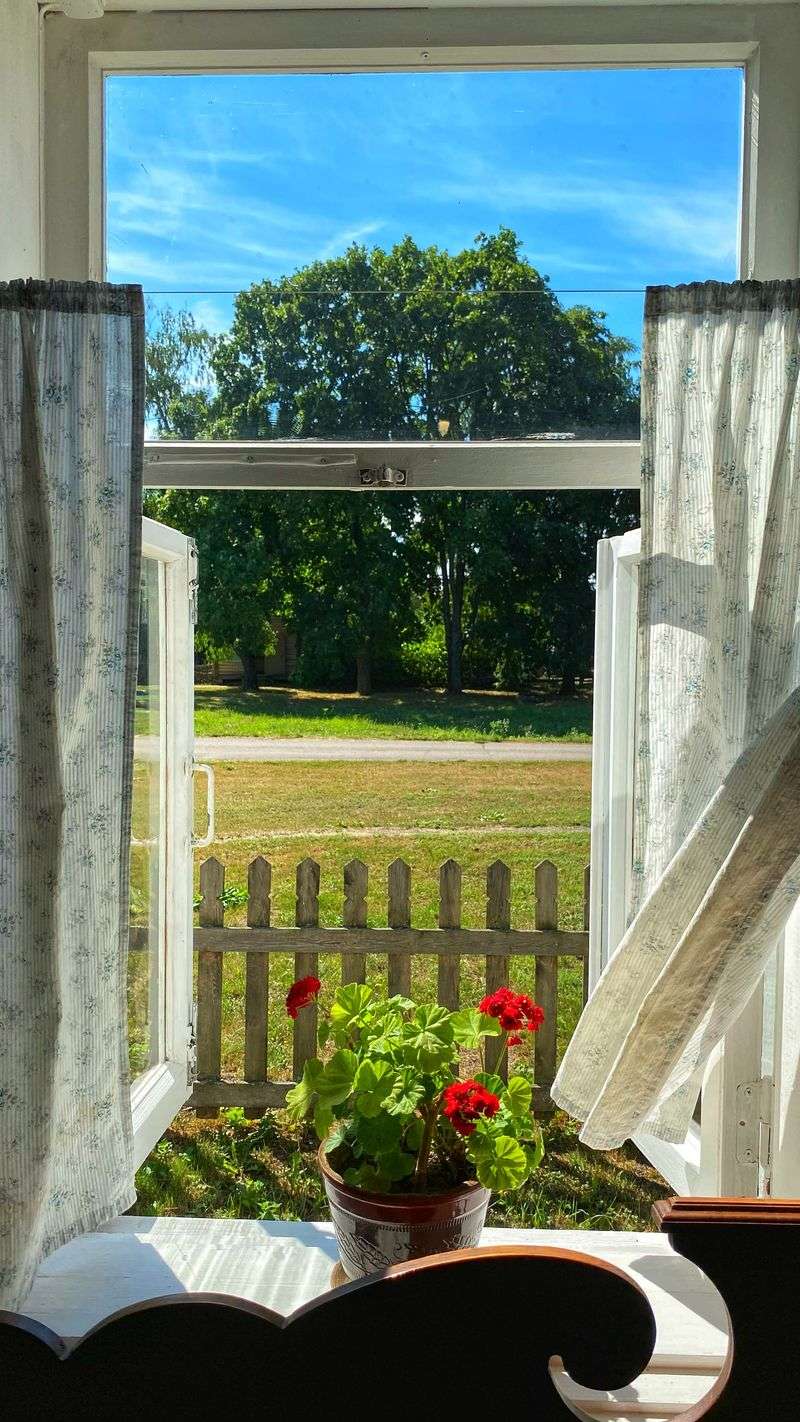
Crowded plants are stressed plants, and stressed plants get sick fast. When geraniums are packed too tightly together, humid air gets trapped between leaves and stems.
That trapped moisture is exactly what fungal spores need to take hold. Gray mold and powdery mildew are the two most common problems that show up in August.
Spacing matters more than most gardeners realize. Geraniums in containers or beds need at least 12 inches between them to allow air to flow freely.
If your plants are already crowded, do not panic. Thinning out a few stems or moving pots farther apart is a quick fix that works almost immediately.
Avoid placing pots directly against walls or fences. Those surfaces block airflow and create pockets of stagnant humid air that invite disease.
Trim off any leaves that touch the soil surface. Soil contact gives fungal spores an easy entry point into the plant’s system.
A small oscillating fan aimed at indoor or porch geraniums can mimic natural breezes. Even gentle artificial airflow dramatically reduces humidity levels around the foliage.
Check the undersides of leaves regularly during August. Early signs of fungal trouble show up there first, and catching them early saves the whole plant.
Remove any infected leaves immediately and dispose of them away from the garden. Leaving diseased material nearby lets spores spread to healthy plants nearby.
Good airflow is free, and it is one of the most powerful tools you have. Plants that breathe well simply bloom better and fight off problems more effectively.
6. Trimming Leggy Stems Redirects Energy Into New Buds
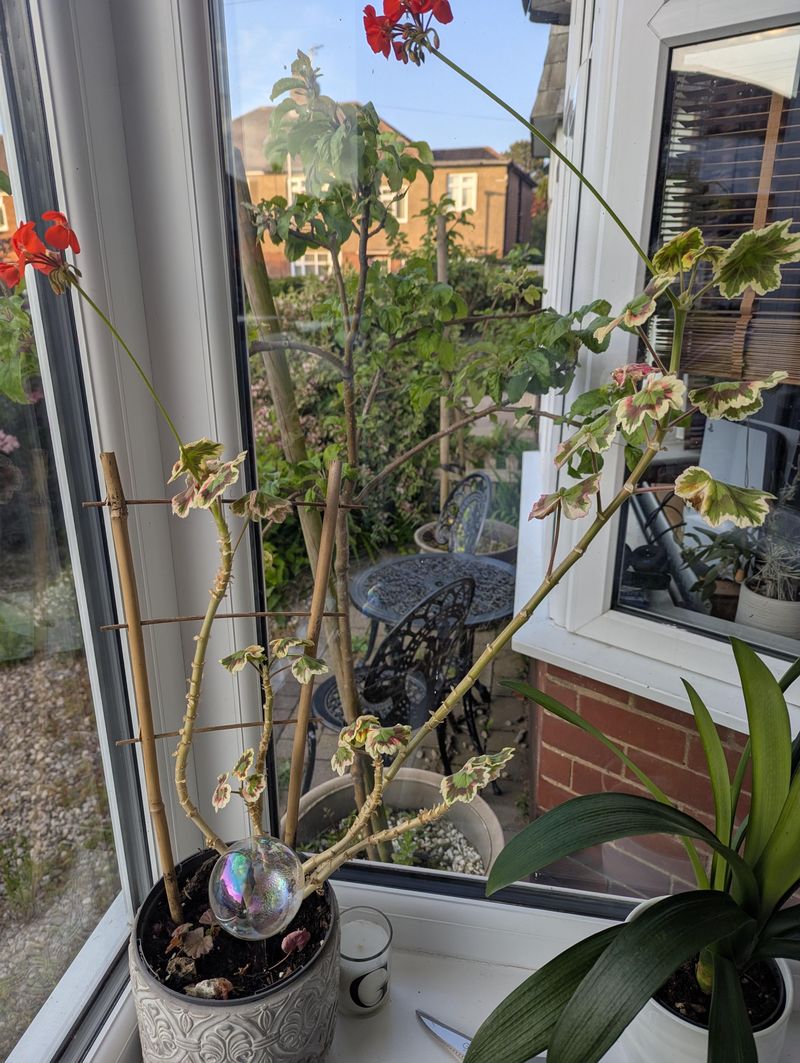
Long, bare stems with a single tiny bloom at the top are a sign your geranium needs a trim. Legginess happens when a plant stretches toward light or has not been pruned in a while.
Cutting those stems back might feel counterintuitive when you want more flowers. But removing the long growth actually wakes up the plant and triggers a flush of new bud production.
Cut leggy stems back by about one-third of their total length. Make your cut just above a leaf node, which is the small bump where a new stem or leaf will emerge.
Use clean, sharp scissors or pruning shears for every cut. Dull blades crush stems instead of cutting cleanly, which slows healing and opens the door to infection.
After trimming, give the plant a good drink and a light feeding. That combination jumpstarts the recovery process and encourages new growth within a week or two.
Do not trim more than one-third of the plant at once. Removing too much at one time shocks the root system and delays the very regrowth you are hoping for.
Geraniums respond to pruning with remarkable speed during summer. Warm temperatures and long days create perfect conditions for rapid regrowth after a strategic trim.
Some gardeners trim in stages, cutting one section each week. That approach keeps the plant looking tidy while never removing too much growth at once.
Leggy stems are not a failure, they are just a signal. Listen to what your plant is showing you, and respond with a clean, confident cut.
7. Consistent Soil Moisture Prevents Heat Stress And Bud Drop
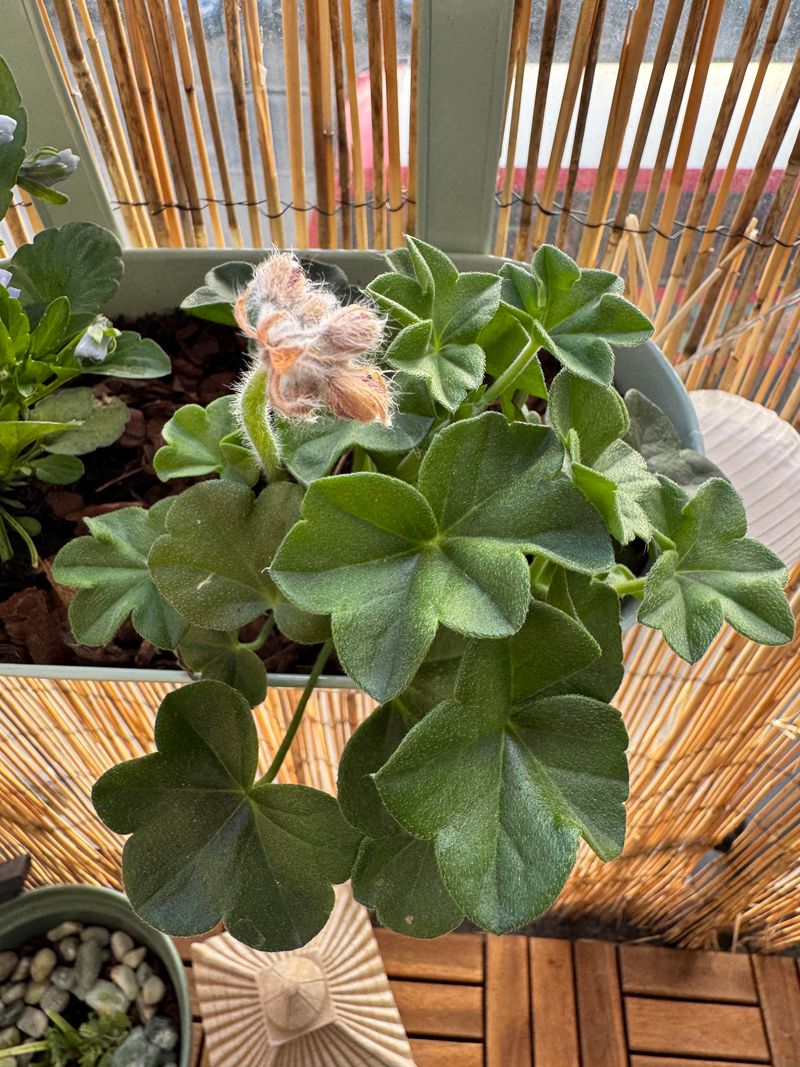
Bud drop is one of the most frustrating things that can happen to a summer gardener. You see fat little buds forming, and then one hot afternoon they just fall off.
Inconsistent watering is the most common cause of bud drop in geraniums. When soil swings between bone dry and soaking wet, the plant panics and sheds its buds to survive.
The goal is steady, even moisture in the root zone. Not soggy, not parched, just consistently damp like a wrung-out sponge.
Self-watering pots are a reliable option for keeping moisture levels stable. They hold a reservoir of water at the bottom that roots draw from as needed throughout the day.
For traditional pots, check moisture levels every single morning in August. Heat can dry out a container completely within 24 hours during a heat wave.
Group pots together to create a slightly cooler, more humid microclimate. Plants clustered together lose moisture more slowly than isolated pots sitting in full sun.
Terra cotta pots are beautiful but they dry out very fast. Switching to glazed ceramic or plastic containers during summer reduces how often you need to water.
Adding water-retaining crystals to your potting mix is another practical option. These tiny granules absorb water and release it slowly back into the soil as it dries.
What happens underground matters more than most gardeners realize. Healthy, consistent root moisture is the invisible foundation of every gorgeous bloom you see above soil.
8. Mulching Around Roots Keeps Soil Temperatures Stable
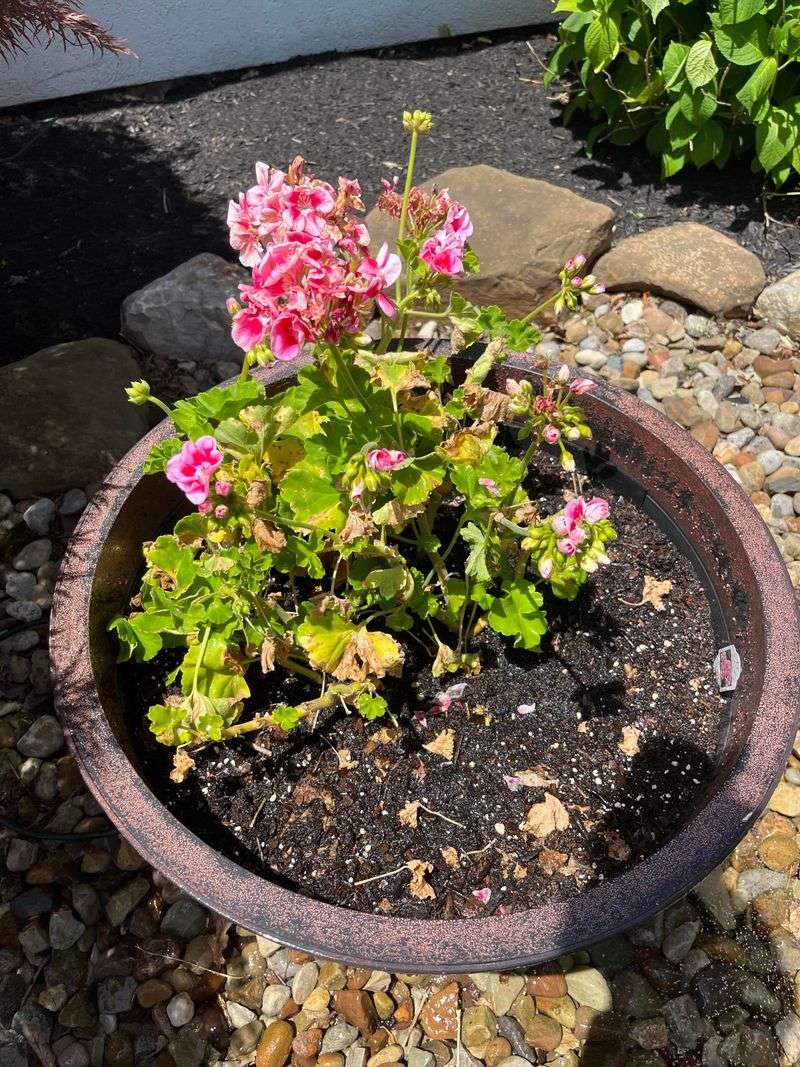
Bare soil in August acts like a frying pan sitting in direct sunlight. Soil temperatures can spike high enough to damage roots and shut down nutrient absorption entirely.
Mulch is the simplest insulation you can give your geraniums. A two-to-three inch layer spread around the base of each plant keeps things dramatically cooler underground.
Organic mulches like shredded bark, straw, or compost work beautifully for this purpose. They break down slowly over the season and actually improve soil quality as they decompose.
Keep mulch pulled back slightly from the main stem of each plant. Mulch pressed directly against stems holds moisture there, which encourages rot at the crown.
A good mulch layer also reduces how often you need to water. Mulched soil can lose moisture significantly more slowly than bare, exposed soil.
Apply mulch in the early morning when the soil is already cool and moist. Trapping that coolness under the mulch layer gives roots a comfortable environment all day long.
Inorganic options like gravel or landscape fabric also reduce soil temperature effectively. They do not improve soil structure like organic mulch does, but they last much longer between applications.
Refreshing your mulch layer mid-season keeps it effective as it compresses over time. A quick top-up takes about ten minutes and extends the benefits well into fall.
The real difference happens below the soil line, where roots do all the work. Stable, protected roots are the quiet secret behind every plant that thrives when others struggle.