The One Watering Habit That’s Wearing Out Your Calibrachoa
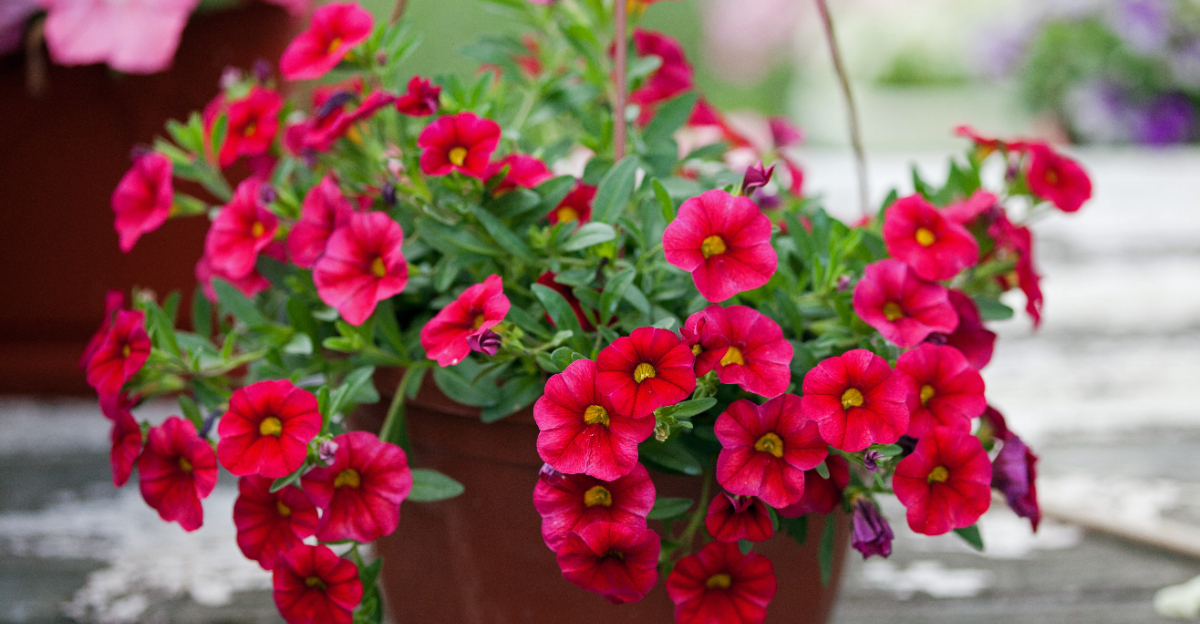
Calibrachoa is built to bloom nonstop, and most of the time it delivers. But one watering habit chips away at that performance so gradually that gardeners rarely connect the dots until the basket looks genuinely worn down.
Roots that never get a break between waterings stop functioning the way they should. Oxygen disappears from the mix, nutrient uptake slows, and the whole plant starts running on fumes while looking just tired enough to worry you.
Rocky South American hillsides do not stay wet for days. Neither should your hanging basket. Damp mix on a human schedule is not what calibrachoa roots signed up for.
Spotting the habit takes about thirty seconds. Fixing it takes even less. Here is what your calibrachoa has been trying to tell you.
The Fixed-Schedule Watering Trap
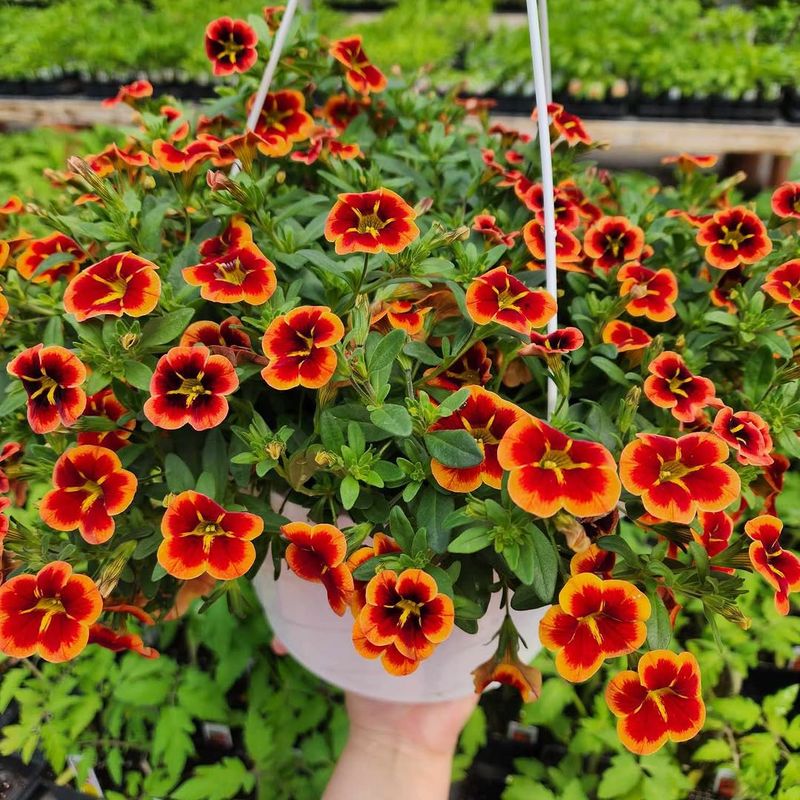
That calendar reminder feels helpful, but fixed-day watering slowly tires calibrachoa roots. Instead of sipping on cue, the plant sits in damp mix and starts losing its spark.
You might mistake that slump for thirst and add more water, which deepens the problem fast. Soggy roots cannot grab oxygen well, so baskets act tired.
Calibrachoa likes a small break between drinks because airy soil keeps roots active and branching. When potting mix dries slightly, growth stays balanced, flowers keep coming, and rot pressure drops.
Skip the schedule and check the container instead. Lift it, touch the top inch, and notice weight, texture, and leaf posture before reaching.
If the surface feels dry and the pot seems lighter, your calibrachoa is probably ready. If stems still look firm by morning, wait a bit longer and trust the plant.
When you water, soak thoroughly until excess drains out, then empty saucers and cachepots. That deep rinse reaches the root ball evenly and prevents those shallow, frequent sips.
Morning works best because foliage dries quickly and daytime warmth helps the mix reset. Night watering can leave everything cool and wet, which invites stress instead of steady blooming.
A huge pot, dense soil, or weak drainage can also keep roots soggy for days.
Once you drop the fixed-schedule habit, calibrachoa usually rebounds with cleaner growth and brighter color. The one watering habit wearing out your calibrachoa is simple, and changing it feels like relief.
What Overwatered Calibrachoa Looks Like
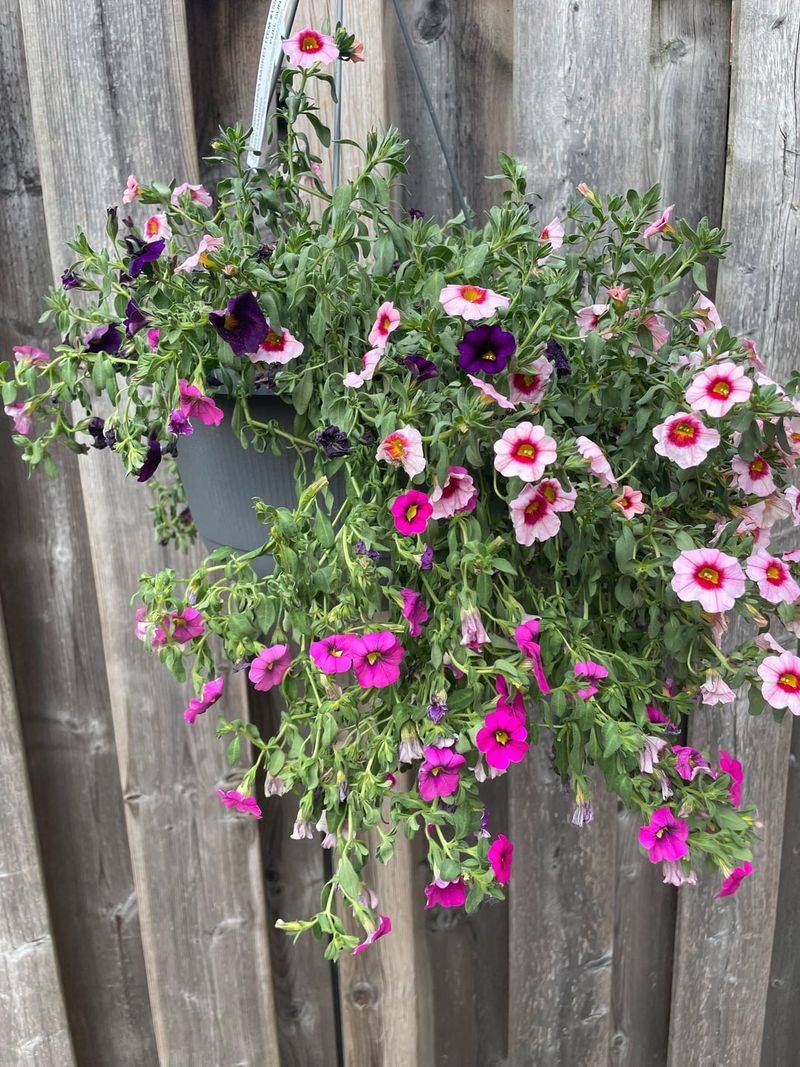
Overwatered calibrachoa does not always look dramatically sick at first. The early signs are subtle enough that most gardeners miss them for days, sometimes weeks, before the plant shows obvious distress.
Leaves may begin yellowing slightly at the edges while the rest of the foliage still looks green and normal. Flowers fade a little faster than expected, and new buds seem to pause just before they open fully.
Stems near the soil line can feel unusually soft when you press them gently. That softness is a warning sign worth taking seriously, because healthy stems should feel firm all the way down to the base.
The potting mix may smell faintly sour or musty when you lean in close, even if the surface looks fine. That smell comes from anaerobic bacteria thriving in waterlogged soil with little oxygen moving through it.
Growth slows noticeably even during warm stretches when calibrachoa would normally be putting out new shoots. The plant redirects energy toward damaged roots instead of pushing fresh blooms and branching stems.
In hanging baskets, you might notice the outer edges of the plant looking thinner or patchier over time. That pattern often signals root stress working inward from the most saturated zones of the mix.
Catching these signs early gives you a real chance to course-correct before root rot sets in. Ease off watering, improve drainage if possible, and give the mix time to dry out properly before the next drink.
Why Calibrachoa Needs To Dry Out Between Waterings
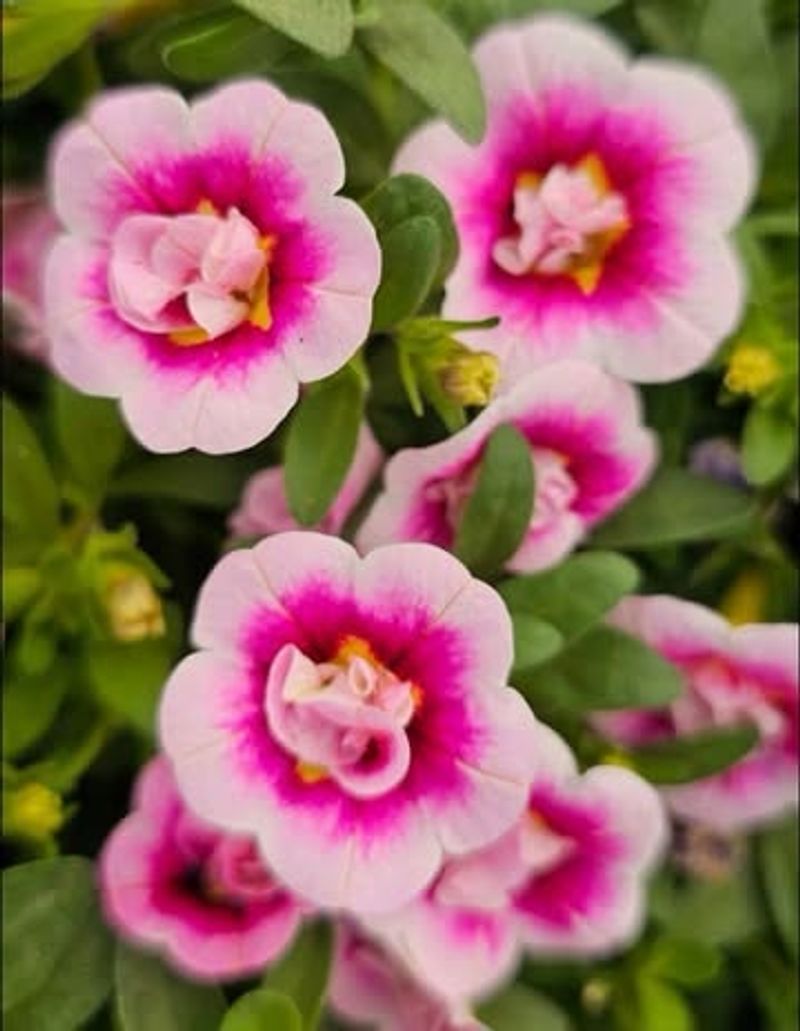
Calibrachoa originates from rocky coastal and mountain regions of South America, particularly Chile and Argentina. That native habitat shaped a plant that expects fast-draining, airy soil rather than consistently moist growing conditions.
In the wild, calibrachoa roots push through gravel and sandy soil that dries quickly after rain. Moisture moves through fast, air rushes back in, and the roots cycle between wet and dry without sitting in either extreme for long.
Container growing changes that dynamic significantly because potting mix holds water longer than rocky ground ever would. Without intentional management, a basket can stay damp for days longer than calibrachoa actually needs or tolerates well.
When roots sit in saturated mix, the tiny root hairs responsible for nutrient absorption start to break down. Waterlogged soil significantly reduces oxygen availability, and roots begin to suffer the longer saturation continues.
A brief drying period between waterings allows oxygen to move back into the root zone. That reset keeps roots active, healthy, and capable of pulling the water and nutrients calibrachoa needs for steady blooming all season.
Dry periods also discourage fungal pathogens that thrive in persistently moist conditions. Keeping the root zone slightly dry between waterings reduces disease pressure without stressing the plant at all.
Think of the drying cycle as part of the watering routine, not a gap in care. Calibrachoa genuinely performs better with that rhythm than it ever does with constant moisture.
How To Tell When Calibrachoa Is Actually Thirsty
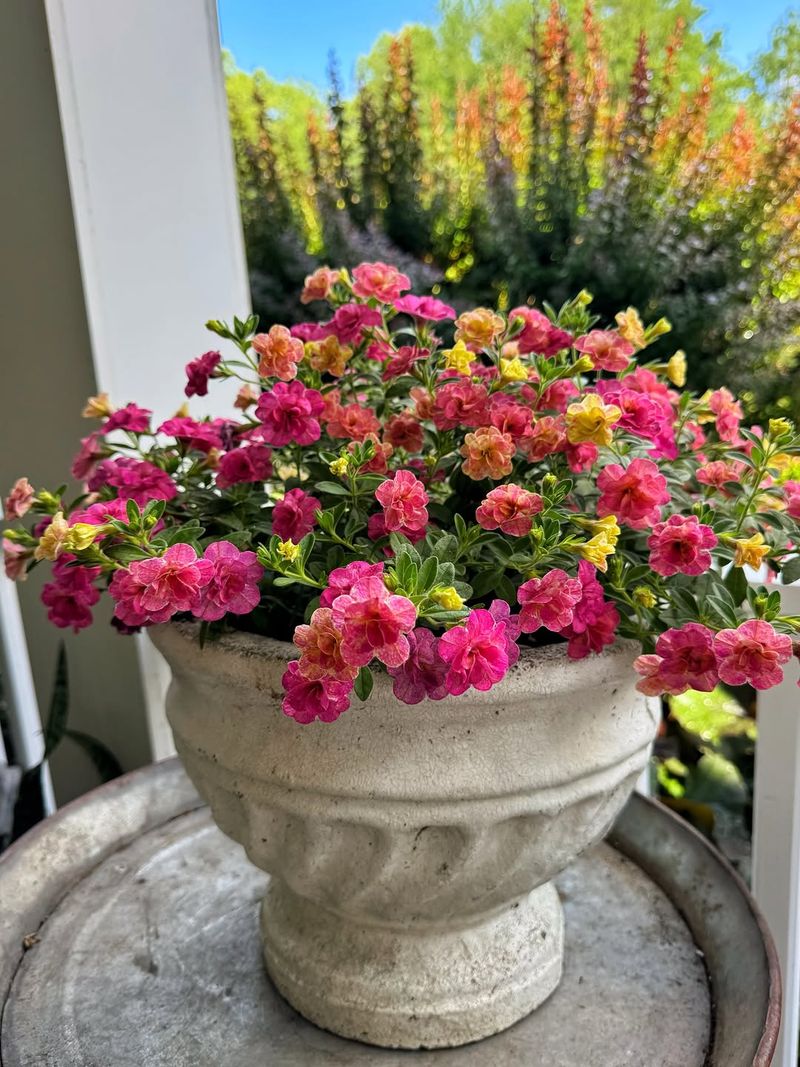
Reading your calibrachoa before reaching for the watering can takes only a few seconds once you know what to check. Building that habit replaces guesswork with information the plant is already giving you.
Start by lifting the container. A pot that feels noticeably lighter than it did right after watering has lost most of its moisture and is probably ready for another drink soon.
If the pot still feels heavy, set it back down and walk away. Weight is one of the most reliable indicators available, and it works regardless of weather, soil type, or pot size.
Next, press a finger about an inch into the potting mix and hold it there briefly. If the mix feels cool and slightly damp, roots still have access to moisture and do not need more water yet.
If your finger comes out clean and the mix feels dry and barely cool, that is a clear signal. Your calibrachoa is genuinely thirsty and will respond well to a thorough watering right now.
Look at the stems and leaves as well. Slight softness or a very subtle droop in the early morning, before heat builds, often means the plant is approaching thirst rather than sitting in stress.
Avoid waiting until leaves curl dramatically or flowers drop, because that level of stress takes a toll on overall plant health. Catching thirst just before it peaks keeps calibrachoa in steady, productive condition all season long.
The Watering Method That Keeps Calibrachoa Blooming
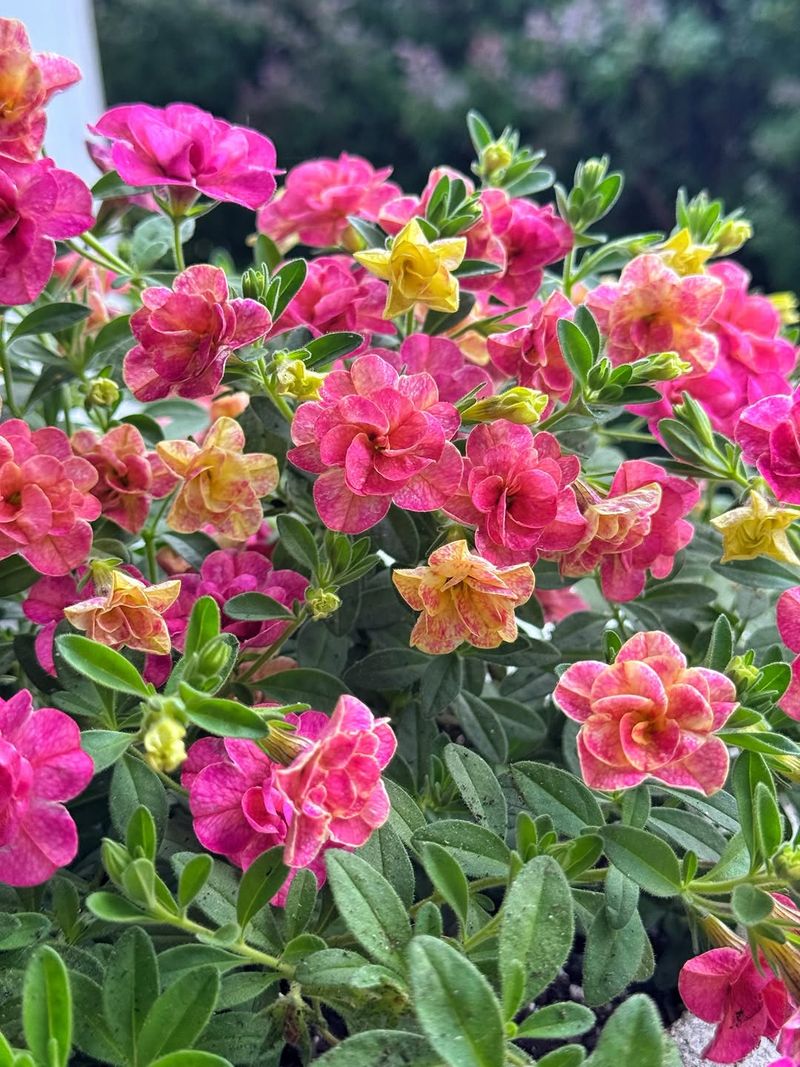
How you water matters just as much as when you water. A consistent technique protects the root zone and keeps calibrachoa producing flowers rather than recovering from avoidable stress.
Always water slowly and deeply, pouring directly onto the potting mix rather than splashing foliage. Continue until water runs freely and steadily from every drainage hole at the bottom of the container.
That steady runoff confirms the entire root ball received moisture, not just the top few inches. Shallow watering encourages surface rooting and leaves deeper roots dry, which weakens the plant over time.
Once drainage slows and stops, empty any saucers or cachepots within an hour. Standing water underneath a container keeps the bottom of the mix saturated and undoes the drainage you just created.
Morning is the best time to water calibrachoa because foliage dries quickly as temperatures climb. Dry leaves through the day means less fungal pressure and a healthier overall environment around the plant.
Avoid watering in the heat of the afternoon. Peak heat evaporates surface moisture fast and makes it harder to gauge how much actually reached the roots.
If your basket dries out unusually fast, consider moving it to a spot with slightly less direct afternoon sun. Slowing the drying rate gives calibrachoa a more stable root environment without changing your watering approach at all.
Other Watering Mistakes Worth Avoiding
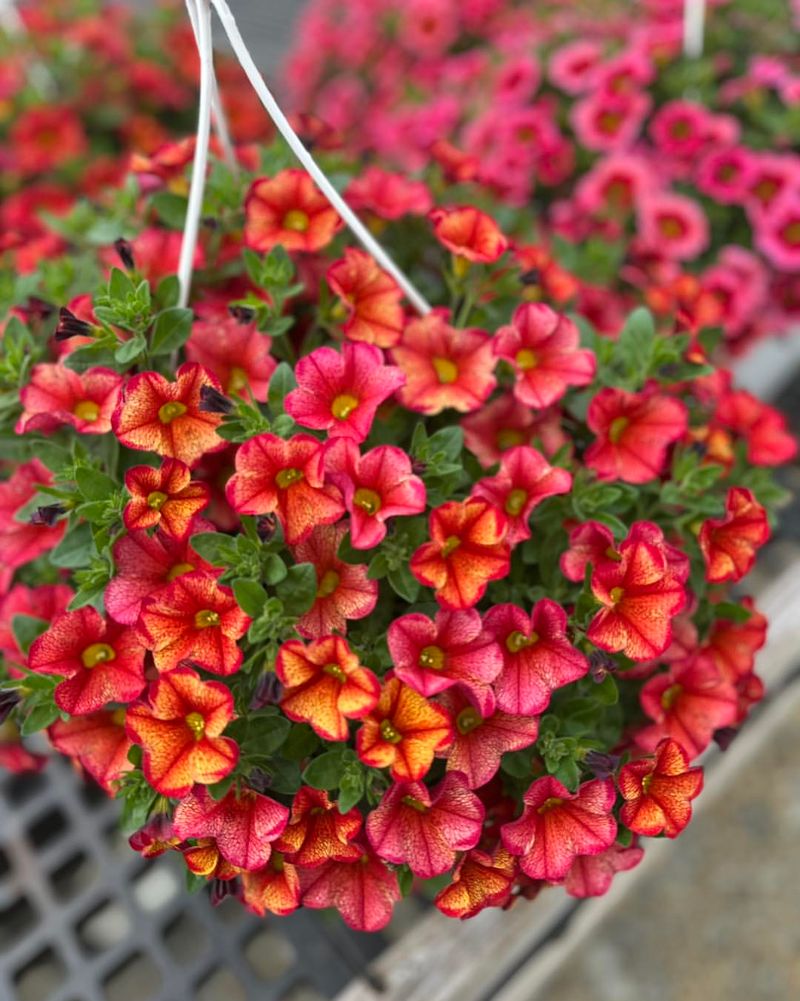
Fixed scheduling is the biggest watering mistake, but it is not the only one that quietly wears calibrachoa down. A few other habits are worth checking once you have the timing dialed in.
Misting the foliage instead of watering the soil is a common misunderstanding. Calibrachoa does not absorb meaningful moisture through its leaves, so misting does nothing for thirsty roots and adds unnecessary humidity around the stems.
Using a pot without drainage holes creates a problem that no careful watering can solve. Rot becomes increasingly likely when water has nowhere to drain, regardless of how carefully you water.
Compacted or exhausted potting mix that no longer drains freely is another issue worth addressing. If water pools on the surface for a long time before soaking in, the mix has broken down and drainage has been compromised.
Fertilizer buildup from frequent feeding can also affect how well the root zone manages water. Salt accumulation changes soil structure over time, so occasional deep flushing helps keep the mix balanced and draining properly.
Overcrowding multiple plants into one container can cause uneven moisture distribution. Some roots dry out while others stay wet, which creates stress pockets that affect bloom quality across the whole basket.
Small corrections here compound quickly, and the difference shows up fast.