Simple Wax Begonia Care Tips For North Carolina Flower Beds And Containers
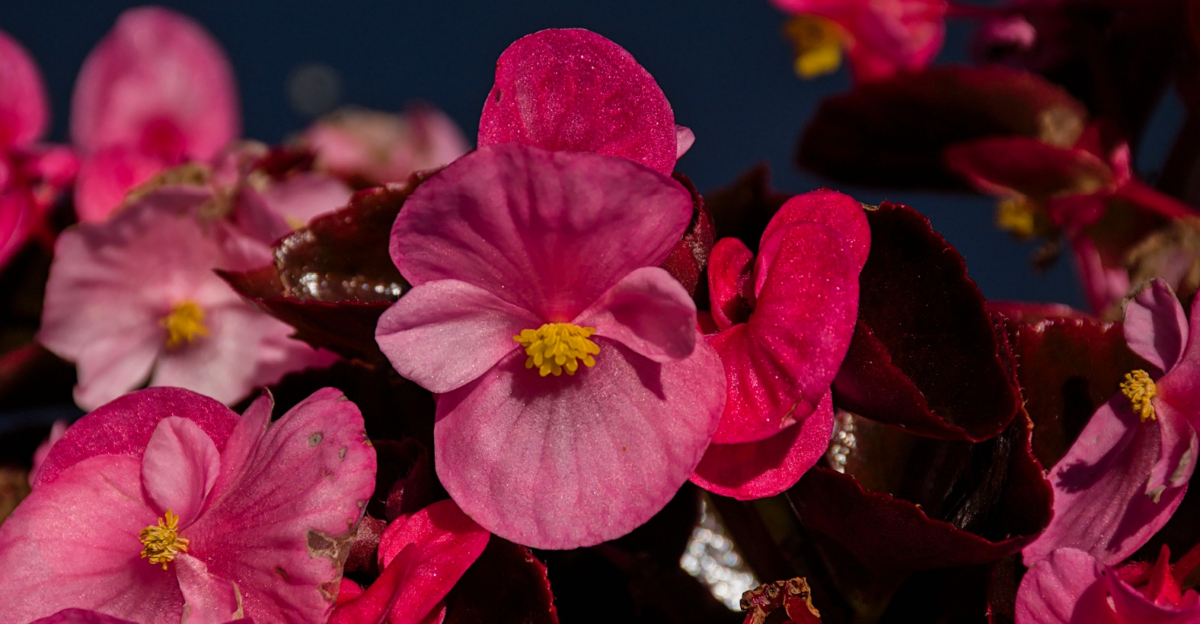
Some flowers fade fast once North Carolina’s summer heat settles in, but wax begonias tend to keep going like nothing changed.
Through humid afternoons and warm nights, they hold onto their glossy leaves and steady blooms in red, pink, and white.
That kind of reliability makes them a favorite for both flower beds and containers across the state. North Carolina’s climate can be tough on many annuals, yet wax begonias handle it with ease.
Whether you are gardening in the Piedmont, along the coast, or in the foothills, these plants offer a simple way to keep color going from late spring into fall.
1. Choose The Right Light For North Carolina Conditions
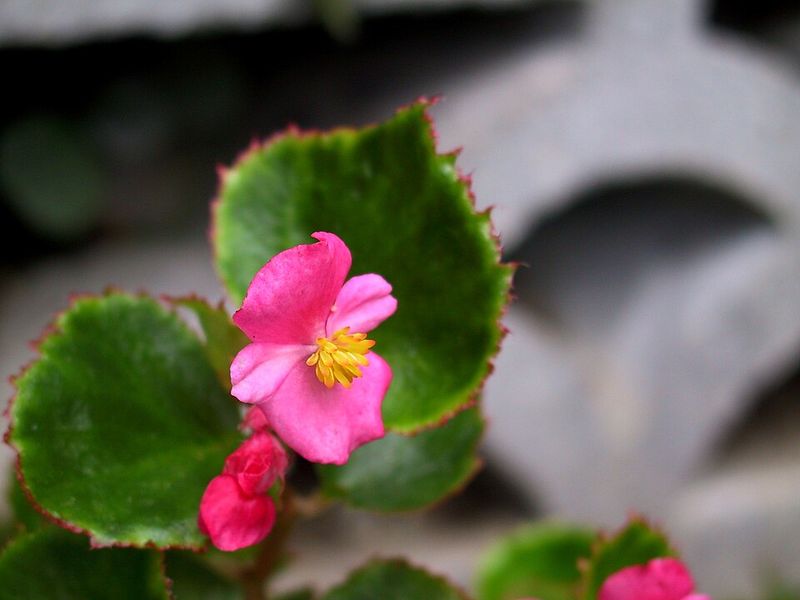
North Carolina summers can be brutally sunny, especially in the Piedmont and coastal plain regions where afternoon temperatures regularly push into the upper 90s.
Wax begonias handle a wide range of light conditions, but getting the balance right makes a noticeable difference in how well they bloom and how healthy their foliage stays throughout the season.
Green-leaved varieties tend to do best in partial shade, particularly in spots that get morning sun and some relief from the harsh afternoon rays.
Bronze-leaved varieties are more sun-tolerant and can handle fuller sun exposure without scorching as quickly.
Both types benefit from at least four to six hours of light daily to support strong, consistent flowering.
In the mountains of western North Carolina, where temperatures stay a bit cooler, begonias may tolerate more direct sun without showing stress.
Closer to the coast, where heat and humidity combine, a shadier spot helps prevent wilting and leaf scorch.
Paying attention to how your specific planting area heats up during the day gives you a head start on choosing the right location before you ever put a plant in the ground.
2. Plant After The Last Frost For Strong Early Growth
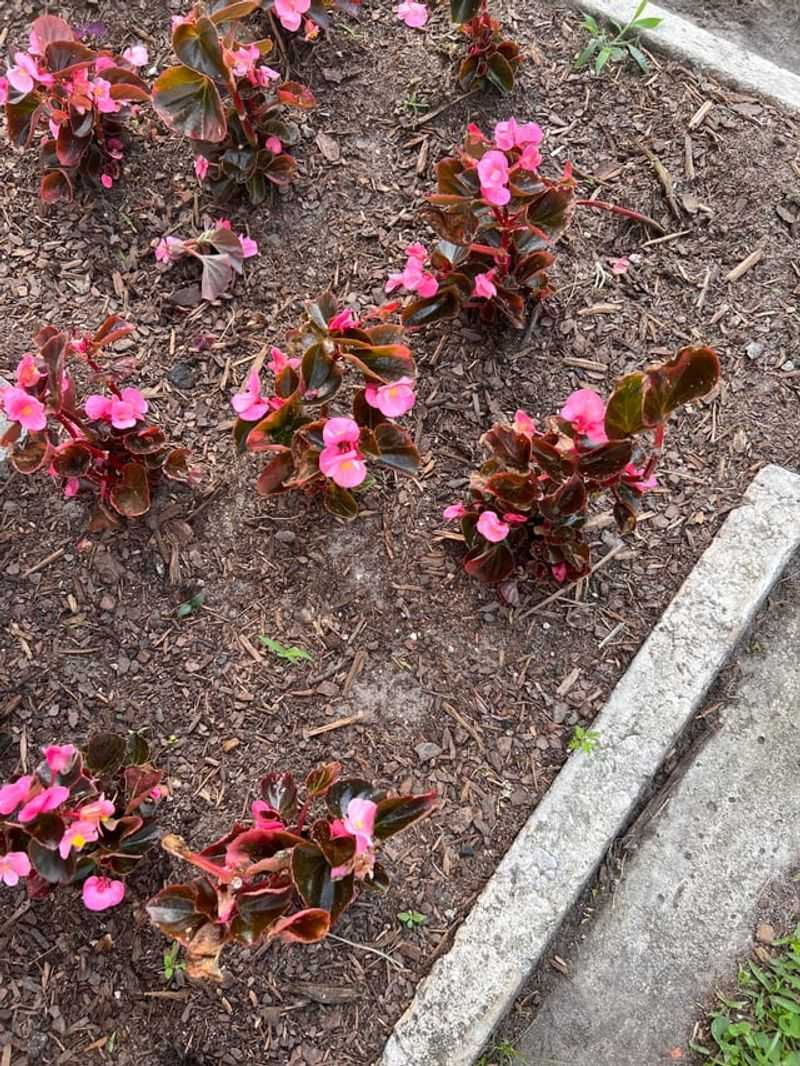
Spring weather in North Carolina can be unpredictable, with warm days in March sometimes giving way to a surprise cold snap in early April.
Wax begonias are frost-sensitive, and even a light frost can damage young transplants or set back seedlings significantly.
Waiting until nighttime temperatures hold steadily above 50 degrees Fahrenheit before planting gives your begonias the best possible start.
In the Piedmont and coastal plain, the last average frost typically falls between late March and mid-April, depending on the specific location.
Mountain regions in western North Carolina tend to see later frosts, sometimes stretching into May.
Checking local frost date records for your county helps you time planting accurately rather than guessing.
Starting transplants from a local nursery rather than growing from seed is a practical shortcut for most home gardeners.
Nursery-grown transplants are already hardened off and sized up, meaning they establish faster once they go in the ground.
Planting on a mild, overcast day rather than during a heat spike also reduces transplant shock and helps roots settle into their new home without unnecessary stress.
3. Use Well-Drained Soil To Prevent Root Issues
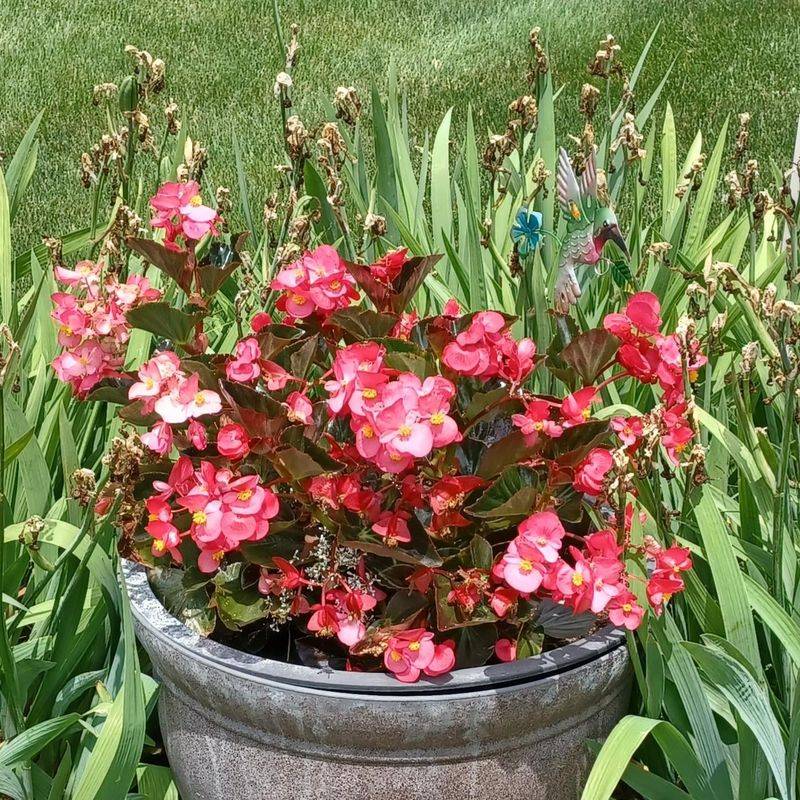
Soggy soil is one of the fastest ways to run into trouble with wax begonias. Their roots need consistent moisture, but they also need oxygen, and soil that stays waterlogged for extended periods creates the exact conditions where root rot thrives.
Your North Carolina Garden Changes Every Week. Your Plan Should Too.
Gardening in North Carolina changes quickly throughout the season. Every Friday you’ll receive a simple weekly plan showing exactly what to plant, prune, fertilize, harvest, and protect so you never miss the right timing.
Across much of North Carolina, native soils range from heavy clay in the Piedmont to sandy loam near the coast, and both extremes can cause problems if left unamended.
Working a few inches of compost or aged organic matter into your planting area before installing begonias improves drainage in clay soils while helping sandy soils hold moisture a little longer.
Raised beds are another practical option for gardeners dealing with persistently wet spots or compacted ground. The added elevation naturally improves drainage and warms up faster in spring.
For container plantings, choose a high-quality commercial potting mix rather than garden soil straight from the ground. Garden soil tends to compact inside pots, restricting drainage and root growth.
A mix designed for containers stays loose and airy, which keeps roots healthy and reduces the risk of fungal issues that North Carolina’s humid summers can otherwise encourage.
4. Water Consistently Without Keeping Soil Too Wet
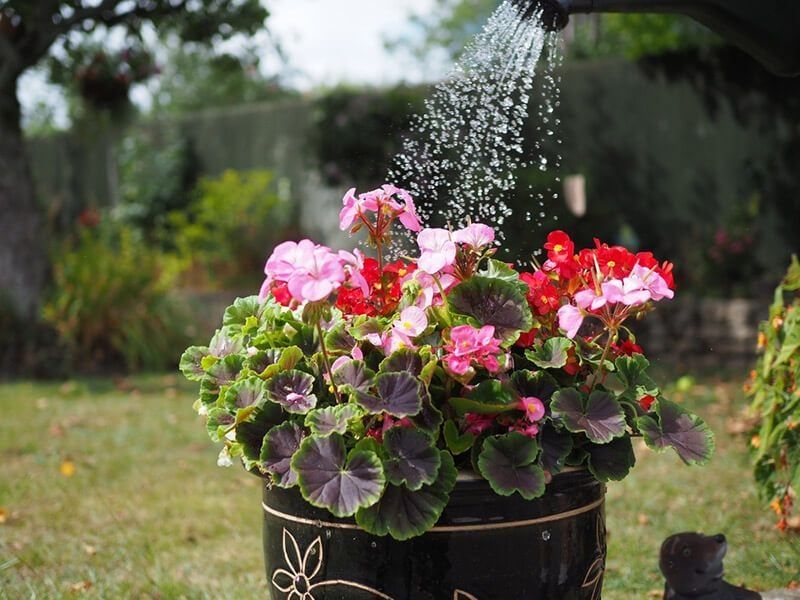
Finding the right watering rhythm with wax begonias takes a little practice, but it is easier than it might seem once you get a feel for your soil and climate. The goal is soil that stays evenly moist without ever feeling saturated.
During North Carolina’s hot summer months, that often means watering every two to three days, though sandy soils and containers may dry out faster and need more frequent attention.
Watering at the base of the plant rather than overhead helps reduce the chance of fungal diseases taking hold on the foliage.
North Carolina’s warm, humid summers create conditions where powdery mildew and other leaf diseases can spread quickly, especially when foliage stays wet for extended periods.
A soaker hose or drip irrigation system delivers water directly to the root zone and keeps leaves dry.
Morning is generally the best time to water, giving any moisture that does splash onto leaves a chance to dry off before evening.
Checking the top inch of soil with your finger before watering helps you avoid adding moisture that is not yet needed.
Overwatering is actually a more common mistake than underwatering with begonias, so when in doubt, hold off a day and check again.
5. Space Plants Properly For Better Airflow
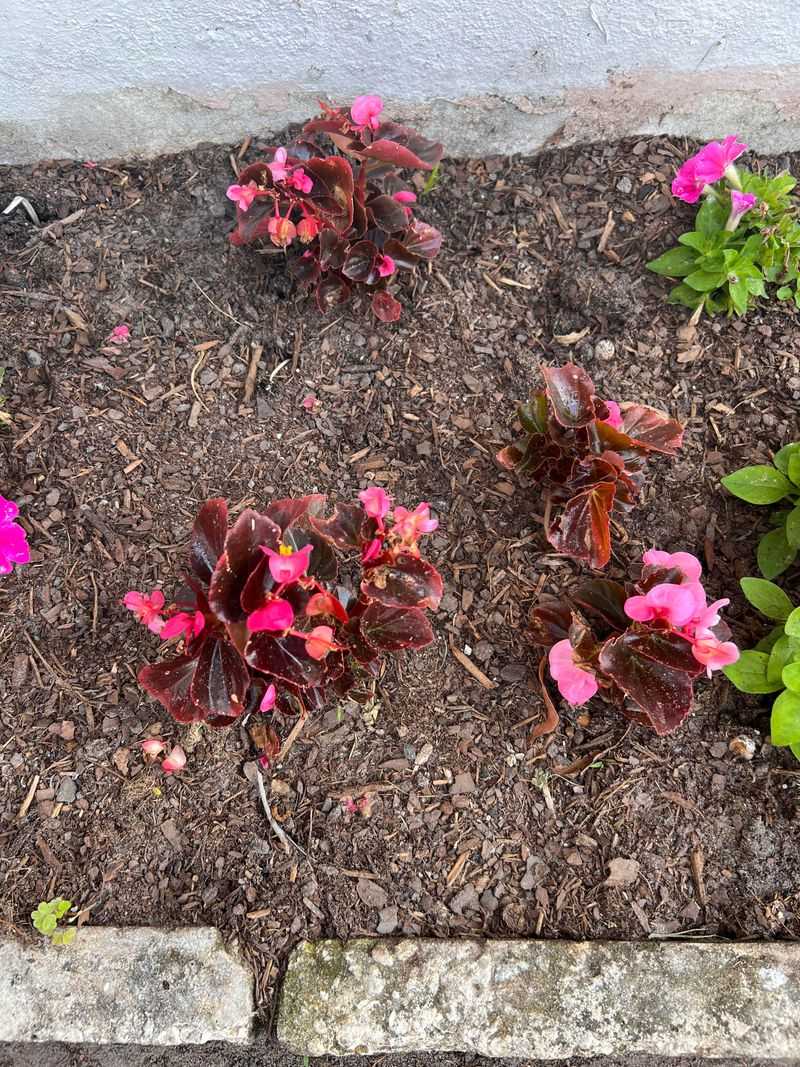
Crowding plants together might seem like a good way to fill in a flower bed quickly, but with wax begonias it tends to backfire.
When plants grow too close together, air circulation between them drops significantly, creating a warm, damp microclimate right at leaf level.
In North Carolina’s already humid summers, that kind of stagnant air is an open invitation for fungal diseases like botrytis and powdery mildew.
Most wax begonia varieties do well with about eight to twelve inches of space between plants, though larger compact varieties may need a bit more room.
Reading the plant tag at the nursery gives you a reliable starting point for your specific variety.
It might feel like the bed looks sparse at first, but begonias fill in quickly once they settle and begin actively growing.
Proper spacing also helps each plant get adequate light and reduces competition for water and nutrients in the root zone.
Beds that are well-spaced are also easier to maintain because you can reach in to remove any damaged leaves or check for pest activity without disturbing neighboring plants.
A little planning at planting time pays off through a healthier, cleaner-looking bed all season long.
6. Fertilize Lightly To Support Steady Blooms

Wax begonias are not heavy feeders, but a consistent, light fertilization schedule goes a long way toward keeping them blooming steadily from late spring through fall.
Going too heavy on fertilizer, particularly nitrogen-rich formulas, can push the plant toward lush leafy growth at the expense of flowers.
A balanced, water-soluble fertilizer applied every four to six weeks during the growing season tends to give the best results.
Slow-release granular fertilizers mixed into the soil at planting time offer a convenient alternative for gardeners who prefer a lower-maintenance approach.
These products release nutrients gradually over several weeks, reducing the need for repeated applications.
Just be careful not to over-apply at the start, since too much of a good thing can cause fertilizer burn on tender roots.
As North Carolina summers wind down and temperatures begin to cool in September and October, it makes sense to taper off fertilizing.
The plant naturally slows its growth rate as days get shorter, and pushing new growth late in the season with heavy feeding does not help the plant and can leave tender new shoots vulnerable to early frost damage.
Letting the plant ease into the end of the season is a simple but smart move.
7. Mulch Beds To Retain Moisture And Reduce Heat Stress
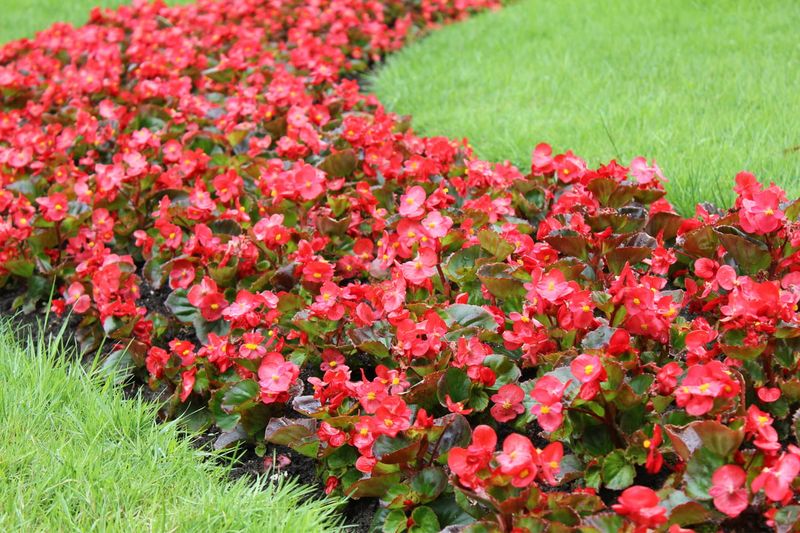
Summer heat in North Carolina can be relentless, and the soil in flower beds bakes quickly under direct sun.
Adding a two-to-three-inch layer of organic mulch around wax begonias helps moderate soil temperature, slow moisture evaporation, and reduce the frequency of watering needed to keep plants comfortable.
Shredded bark, pine straw, and wood chips are all commonly used options that work well in North Carolina landscapes.
Pine straw is especially popular across the state because it is widely available, inexpensive, and breaks down gradually to improve soil structure over time.
It also stays in place reasonably well even during heavy summer rainstorms, which are common throughout North Carolina from June through August.
Whatever mulch type you choose, keeping it a few inches away from the base of the plant prevents moisture from sitting directly against the stem, which can encourage rot.
Beyond moisture retention, mulch also suppresses weeds that would otherwise compete with begonias for water and nutrients. Fewer weeds mean less time pulling and more time enjoying your garden.
Refreshing the mulch layer mid-season if it thins out keeps the benefits going strong through the hottest stretch of the North Carolina summer without requiring much additional effort.
8. Watch For Common Pests In Warm, Humid Weather
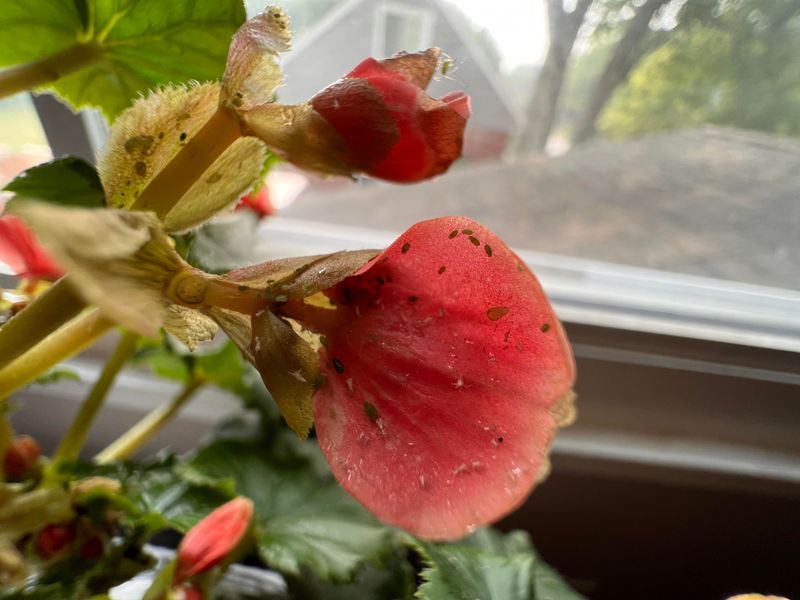
Warm, humid weather creates comfortable conditions for more than just flowering plants.
North Carolina summers bring out a range of insects and other pests that find wax begonias appealing, and catching problems early makes a big difference in how quickly you can get things back under control.
Mealybugs, whiteflies, spider mites, thrips, and slugs are among the most common issues to watch for during the growing season.
Spider mites tend to show up during hot, dry stretches and leave behind a fine webbing on the undersides of leaves along with a stippled, faded appearance on the foliage.
Mealybugs look like small tufts of white cotton clustered near stems and leaf joints. Both can be managed with insecticidal soap or neem oil sprays applied in the early morning or evening to avoid leaf burn during peak heat.
Slugs are more of a problem in shaded, moist areas and tend to feed at night, leaving irregular holes in leaves.
Reducing excess moisture around the base of plants and removing debris where slugs can hide during the day helps limit their numbers.
Checking plants regularly – especially after heavy rain – keeps you ahead of pest problems before they escalate into something harder to manage.
9. Grow Wax Begonias In Containers For Flexible Placement
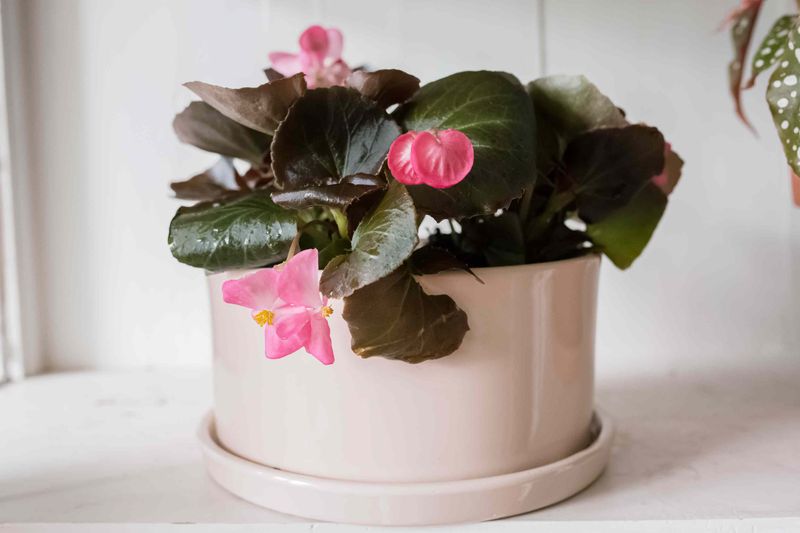
One of the most practical reasons North Carolina gardeners love wax begonias is how effortlessly they adapt to container growing.
Pots, window boxes, hanging baskets, and mixed planters all suit them well, and the ability to move containers around gives you control that in-ground beds simply cannot offer.
If a spot turns out to be too sunny or too shaded, you can relocate the container without disturbing the roots. Choosing the right container size matters more than many gardeners realize.
A pot that is too small dries out rapidly in North Carolina’s summer heat and can restrict root development.
A container with at least eight to ten inches of depth and good drainage holes at the bottom gives roots room to spread and helps prevent waterlogging after heavy rain.
Container-grown begonias also give you the option of bringing plants indoors before the first fall frost if you want to extend their life beyond the outdoor season.
Cutting the plant back by about a third, moving it to a bright window, and reducing watering allows it to rest through winter and potentially return to outdoor life the following spring.
It takes a little extra effort, but for a plant you have grown attached to over the summer, it is a rewarding option.