Simple Ways To Seal Your Home Before Stink Bugs Move In For Winter

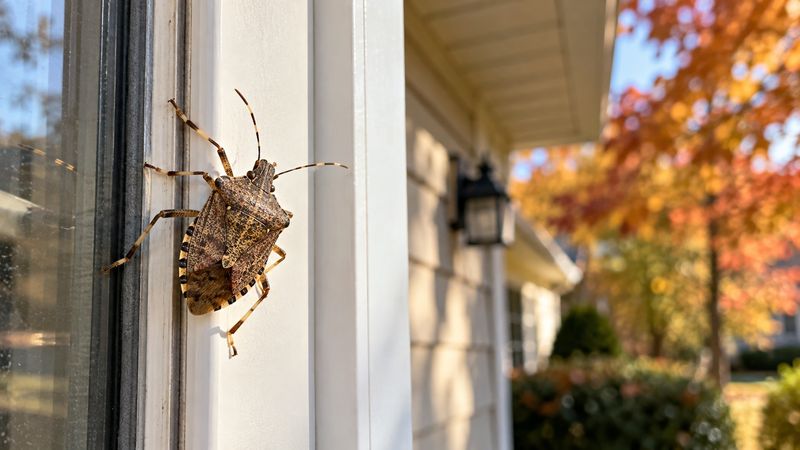
As autumn nights turn cool, flat, shield-shaped bugs start crawling along sunny walls in search of a winter hideout. They can slip through cracks far thinner than most people expect, especially around window frames and loose trim.
University extension services note that these insects do not breed indoors during the colder months. They simply tuck themselves into walls, attics, and window frames, then wait there until warmer weather returns in spring.
I like that the fix is mostly cheap hardware store work that fits into a free afternoon or two. Most of the supplies cost just a few dollars each, and the results can last for several seasons.
Early fall is the ideal window for these repairs, before the bugs settle into wall gaps for the season. Sealing later still helps, since it keeps new arrivals out and makes next autumn much easier.
These bugs pay zero rent, yet they still claim the coziest corner of the attic. Some even reappear in late winter, as if the lease quietly renewed itself.
1. Start With Cracks Around Windows
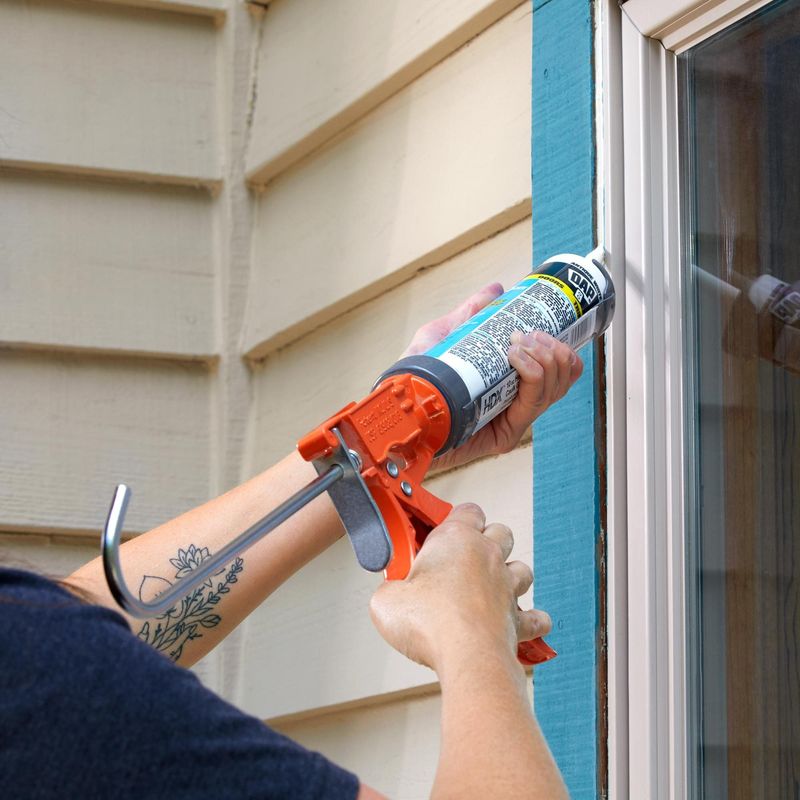
Walk around your house with a flashlight and check every window frame. Stink bugs love thin cracks where wood meets siding. Sunny walls attract them most in October.
South and west walls warm up fastest in the afternoon sun. Start there, since those sides usually draw the biggest crowds.
Remove old caulk that has shrunk or cracked before adding a fresh bead. A utility knife or caulk removal tool lifts most of it away.
Extension specialists often suggest silicone or acrylic latex caulk for these gaps. Choose an exterior-grade tube, and skip pure silicone if you plan to paint. Push the tip into the crack and pull steadily so the bead fills the space.
Dry weather helps the caulk set well. Try to work on a mild afternoon when the temperature stays above forty degrees. Cold or damp surfaces can keep the seal from sticking.
Check the trim boards too, because old paint often hides small splits. Press a fingertip along each edge and feel for loose spots. A little scraping first gives the caulk a clean surface to grip.
Do not forget upper floor windows, since bugs climb easily. A sturdy extension ladder and a helper to steady it make the job safer. Finish one side of the house before moving to the next so nothing gets skipped.
Once the caulk cures, run your hand across it and look for pinholes. Fix any thin spots right away. Tight seams here can block a large share of curious visitors.
2. Close The Gaps Around Your Doors
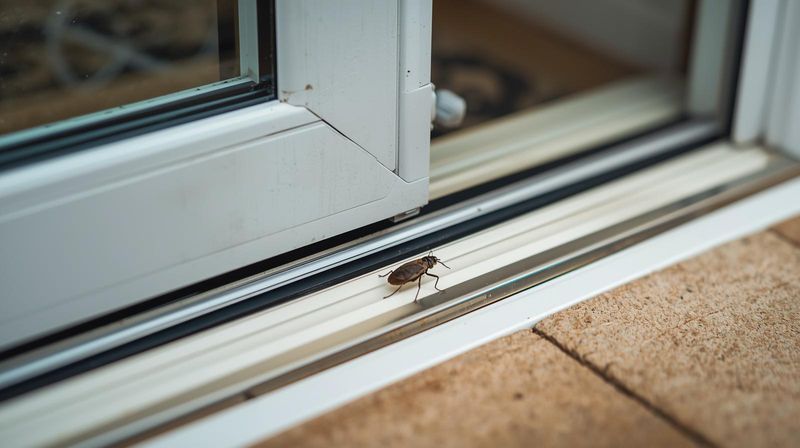
Check the bottom of your front door on a sunny day. If daylight shows under the edge, a bug can likely squeeze through. Many homes have a gap at the bottom that nobody notices.
A door sweep is an easy fix. Measure the width, trim the sweep with a hacksaw, and screw it along the base. The rubber edge should lightly touch the threshold.
Sweeps come in rubber, vinyl, and brush styles at most hardware stores. Brush sweeps handle uneven thresholds well, while rubber or vinyl suits smooth, flat surfaces.
Weatherstripping along the sides matters just as much. Close the door on a dollar bill and tug it gently. If it slides out easily, the seal needs replacing.
Garage doors deserve attention too. Rubber bottom seals wear out and crack after a few seasons. A new strip costs little and also helps keep out drafts, mice, and leaves.
Sliding patio doors have tracks where insects hide. Vacuum the track, then add a pile weatherstrip along the edges. Small steps like these often reduce the number of bugs near entry points.
Pet doors are easy to overlook during this check. A flap that hangs loose or curls at the edges leaves room for bugs to slip past.
Check everything again after the first cold snap. Wood shifts with temperature and moisture, which can open new gaps. A quick walk by each door keeps the barrier strong.
3. Give Your Screens A Close Look

A tiny tear in a window screen can feel like a front door for bugs. Hold each screen up to the light and look for holes or loose corners. Even small rips can let stink bugs crawl through.
Patch kits cost only a few dollars. Peel the adhesive backing, press the patch over the hole, and smooth the edges. For bigger damage, replace the mesh using a spline roller tool.
Aluminum and fiberglass are the two most common screen materials. Fiberglass is easier to work with, while aluminum resists tears a bit better.
Frames matter as well. If the screen bows away from the window, insects can slip along the edge. Bent frames can often be gently straightened by hand.
Window air conditioners leave gaps too. Fill the space around the unit with foam insulation strips, or remove the unit for winter if you can.
Attic vents, soffit vents, and chimney openings also need screening. Use fine metal mesh and secure it tightly with screws or staples. Many university guides point to these spots as common entry areas.
Remove screens one at a time so you stay organized. Label each frame with masking tape so it returns to the right window. Doing this on a dry fall weekend keeps the work simple.
Once repairs are done, keep windows closed on warm afternoons when bugs are active. Strong screens work best with that habit. Together they cut down on unwelcome guests.
4. Fill The Openings Around Utility Lines
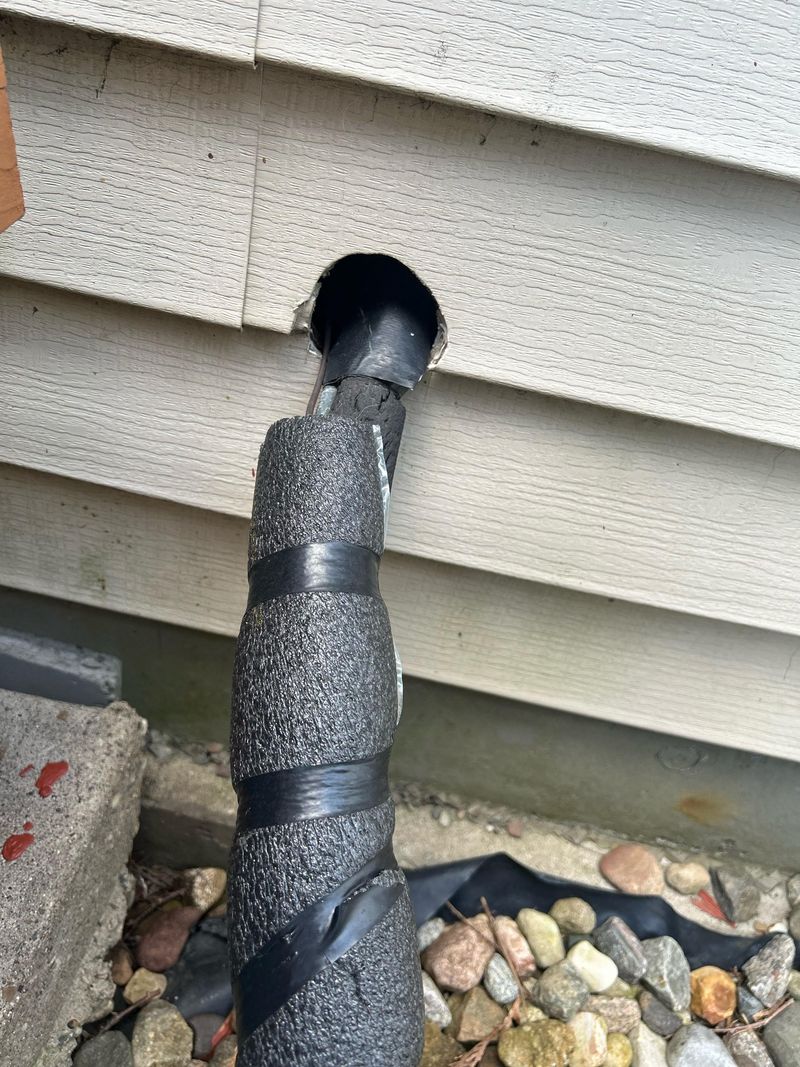
Cables, gas lines, and water pipes often enter your home through holes cut a bit too big. Those leftover spaces are perfect for stink bugs. Look low and high along the outer walls to find them.
Expanding foam sealant fills odd shapes quickly. Shake the can well, spray a modest amount, and let it grow. Trim extra foam once it hardens and paint it if sunlight can reach it.
For larger holes, stuff copper mesh into the gap first. Foam then holds it in place. Mesh also helps keep out mice, which makes the repair doubly useful.
Dryer vents and exhaust fans need working flaps or covers. Check that each flap closes snugly when the fan is off. Replace any cracked covers before the weather turns cold.
Skip mesh screens over dryer vents, since trapped lint blocks airflow and raises fire risk. A flapped or louvered cover helps keep bugs out without catching lint.
Outdoor spigots are another weak point. Look at where the pipe meets the siding and add caulk if you see a gap. Take a photo of each fix so you remember what you did.
Look for holes left behind by old cable or satellite dish wiring too. Those unused openings are easy to forget but just as easy to seal.
Wear gloves and eye protection when using foam. It sticks stubbornly to skin. A careful hand makes the job neat and long lasting.
5. Check Your Siding For Tiny Entry Points
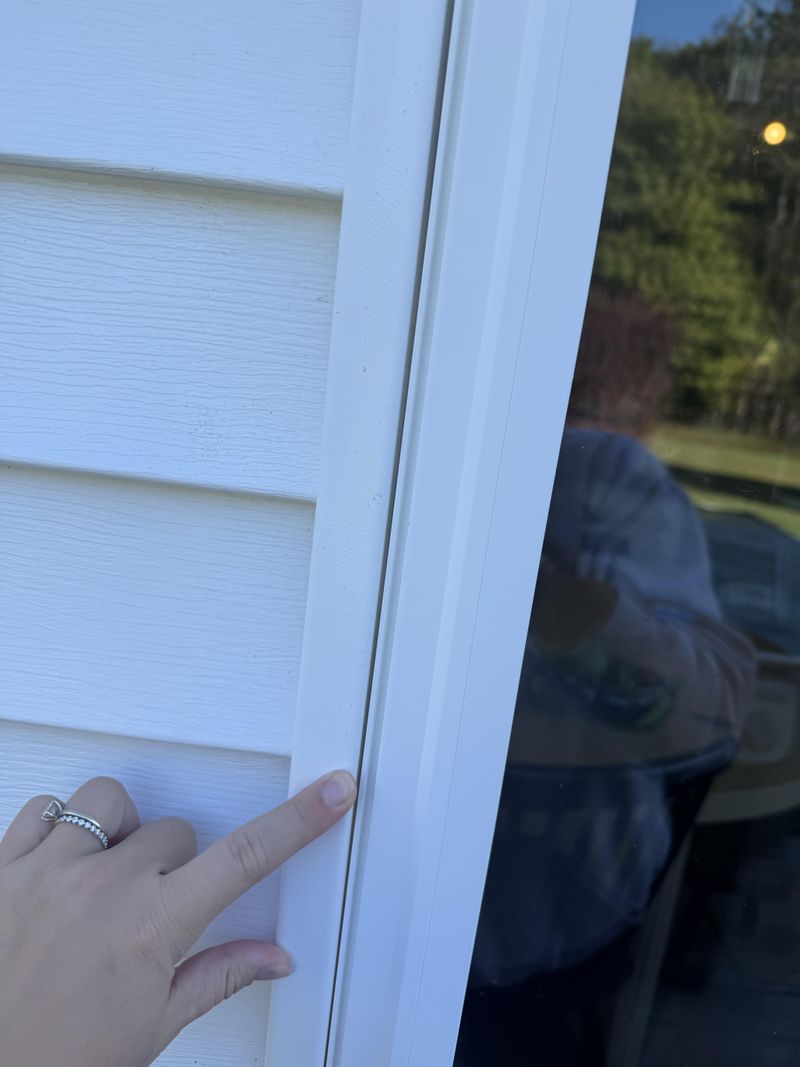
Stink bugs are flat, so they can slip behind loose siding or under trim boards. Check the corners of your house first. Those joints often shift as wood swells and shrinks.
Use a putty knife to test spots where paint is peeling. Soft or cracked areas can hide narrow openings. Fill small gaps with exterior caulk, and press foam backer rod into wider ones before caulking.
Outdoor light fixtures and outlet boxes on the siding can hide gaps behind their bases. Caulk the top and sides, but leave the bottom open so water can drain.
Fascia boards under the roofline deserve a look from the ground with binoculars. Bugs gather there on warm, sunny days. If you spot gaps, plan a ladder visit when the weather is calm.
Vinyl siding should lie flat. If a panel has popped loose, a siding zip tool can lock it back into place. Leave any new nails slightly loose so the vinyl can still expand and contract.
Skip caulk on the overlapping seams of vinyl siding, since those joints need room to move. They also let any water that gets behind the panels drain out.
Where the foundation meets the siding, look for crumbling mortar or sill gaps. Masonry caulk works well here. Press it in deeply for a lasting hold.
Mark each repaired spot with a bit of tape until you finish the job. That way you will not repeat your work. It also gives you a handy checklist.
6. Inspect The Attic Along The Roofline
Attics attract overwintering stink bugs because they offer dry, sheltered space. Roof vents, gable vents, and eaves are common entry points. A quick inspection this fall can save headaches later.
Look for vent covers that are loose or missing. Staple fine mesh over any open gaps. Make sure the mesh does not block airflow, since attics need to breathe.
Soffit panels can pull away from the fascia as the years pass. Refastening loose panels closes gaps along the underside of the roof edge.
On a sunny day, switch off the attic light and scan the rafters. Daylight spots away from the vents show where cracks lead outside. Seal those with caulk or foam from the inside if you can reach them safely.
If you find clusters of bugs already tucked into the attic, vacuum them up before sealing. Otherwise they may wander into living spaces when the weather warms.
Check the chimney flashing and the spot where the roof meets a wall. Metal can pull away over time. A roofer can fix serious gaps, while small ones may take only sealant.
Wear a dust mask and long sleeves in the attic. Step only on joists to stay safe. If the space feels too tight or hot, ask a helper to stand nearby.
Tidy repairs here protect your home from many pests. They also help hold in heat during winter. That means your effort pays off twice.
7. Tame The Yard Near Your Walls
Plants and clutter next to your walls give bugs a place to gather. Trim shrubs and vines so they do not touch the house. A clear strip makes it easier to spot problems.
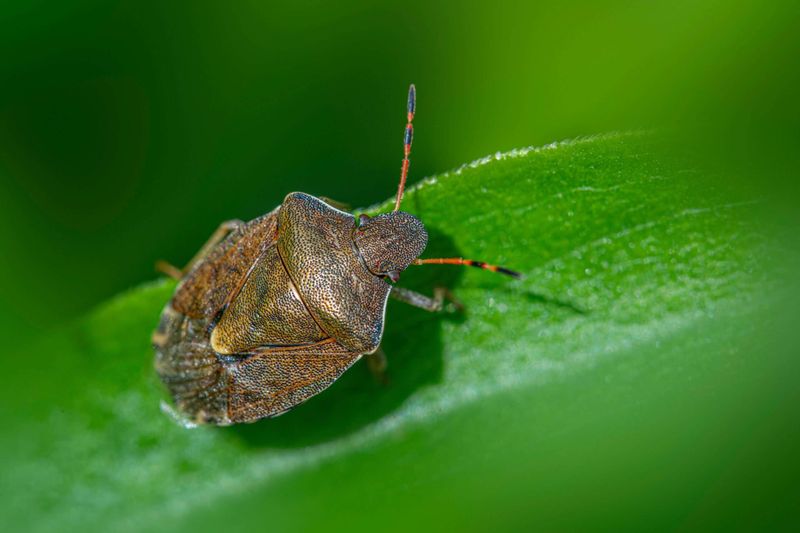
Gardens with late tomatoes, peppers, or fruit trees can draw stink bugs close to the house in fall. Harvest ripe produce promptly, and clear away fallen fruit near your walls.
Move firewood, boards, and stacked pots away from the foundation. Stink bugs like cozy hiding spots before they search for cracks. Keep wood piles several feet from your walls.
Shake or brush off each armload of firewood before you carry it inside. Stink bugs sometimes tuck themselves into loose bark and cracks in the logs, then wake up once the room warms.
Rake leaves and mulch back a few inches from siding. This also helps you see gaps near the ground. Dry soil along the foundation is less inviting for many insects.
Outdoor lights can draw bugs at night. Warm-colored or yellow bulbs attract fewer insects than bright white ones. Turn off porch lights when you do not need them.
Check trees with branches reaching the roof. Bugs can walk across those limbs to the eaves. Light pruning helps cut off that bridge.
Finish with a slow walk around the house. Look for anything leaning on the walls or hiding a crack. A tidy border supports every other sealing job you did.
8. Plan For The Few That Sneak In
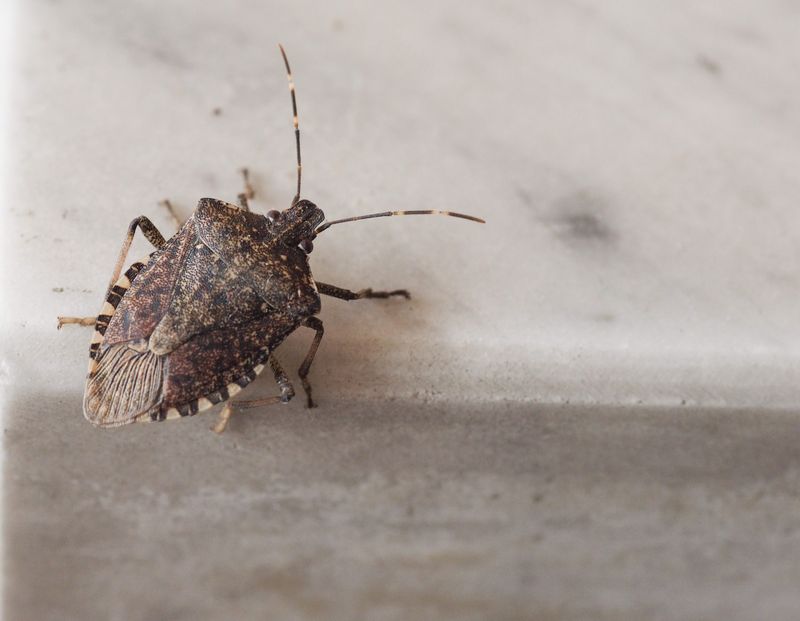
Even a well sealed home may see a few stink bugs. Do not panic when one lands on your curtain. Gentle handling helps keep the smell from spreading.
Stink bugs do not bite people or pets, and they do not harm furniture or the house itself. They are mainly a nuisance, which makes patient removal the sensible approach.
A vacuum is a handy tool for removal. Push a knee-high stocking into the hose, then fold its end over the rim and add a rubber band. Bugs collect in the stocking, which you can tie shut and toss in the trash.
Another method uses a jar of soapy water. Tap the bug into the jar and close the lid. Crushing them often releases an odor, so skip that step.
Extension services generally say indoor sprays are not needed for a few bugs. Insecticides can leave residue and may not stop new arrivals. Sealing is usually the better long-term plan.
Bugs hiding inside the walls often reach rooms through gaps around outlets, light fixtures, and baseboards. Caulk or foam outlet gaskets help close those indoor paths.
Check sunny windows on warm days in fall and again in late winter. Bugs sometimes wake and wander when rooms heat up. Gentle removal works well each time.
Keep a small kit by the door with a jar, stockings, and gloves. That way you can act fast and stay relaxed. Good habits matter as much as good seals.