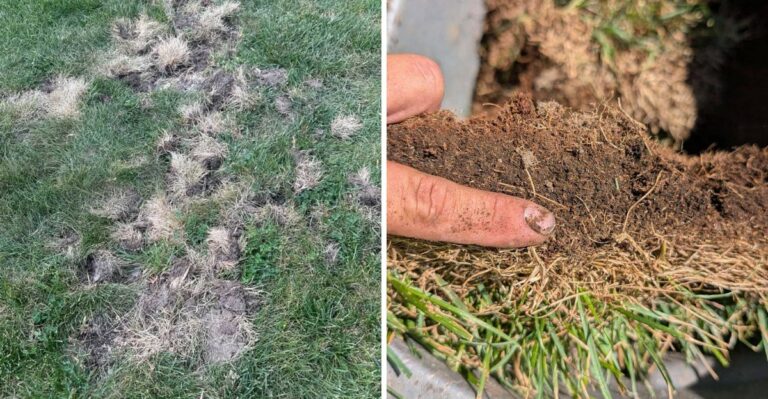
The Plants You Should Not Compost In A California Garden If They Were Sick
End-of-season cleanup brings a satisfying sense of order, and the compost bin often seems like the natural destination for every spent plant.
That instinct usually serves a garden well. In certain cases, though, it quietly sets the stage for next year’s problems.
Backyard piles rarely reach the sustained heat needed to break down every organism hitching a ride on sick foliage, roots, and fruit.
Cooler pockets along the edges can carry trouble straight into fresh beds come spring.
A few plants, and a few specific diseases, deserve a different exit from the garden entirely.
Knowing which ones protects the soil, the next crop, and sometimes the neighborhood’s trees as well. Clean tools play a role too.
1. Tomatoes With Late Blight Belong In The Trash
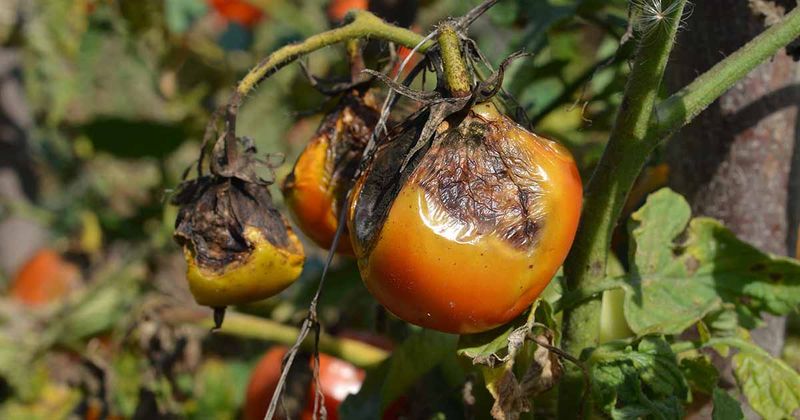
Greasy, dark blotches on the leaves offer the first warning. Stems soon turn brown, and green fruit develops firm, bronzy patches, leaving a healthy bed looking frost-struck within days.
Late blight comes from Phytophthora infestans, a water mold that thrives in cool, damp weather.
Along the California coast, foggy mornings and mild nights suit it perfectly, and on wet leaves it produces huge numbers of spores that drift on the wind to nearby gardens.
Composting creates the real problem. Infected vines and fruit can keep the pathogen going in a cool pile, and most home piles stay cool.
Rotting tomatoes tucked into a lukewarm bin can also sprout volunteer seedlings next spring, carrying the disease right back into the beds.
The bin is best skipped entirely. The whole plant, including fallen fruit, goes into a sealed plastic bag headed for the trash.
City green waste carts work only when the local program accepts diseased plants. Commercial composting sites run much hotter than backyard piles, which is why some programs take this material.
Washed hands and wiped tools keep spores off other plants. Household disinfectant works well on pruners and stakes.
Next season, resistant varieties, watering at the soil line rather than over the leaves, and wider spacing for airflow all help keep blight away.
Fall cleanup offers an ideal time to clear blighted vines, since cool coastal weather now favors the disease.
2. Potatoes With Blight Should Never Be Composted
A single forgotten potato left in the ground or tossed into a bin can quietly carry late blight through winter. Come spring, it sprouts, and the disease awakens with it.
Potatoes share late blight with tomatoes, passing it freely between the two crops.
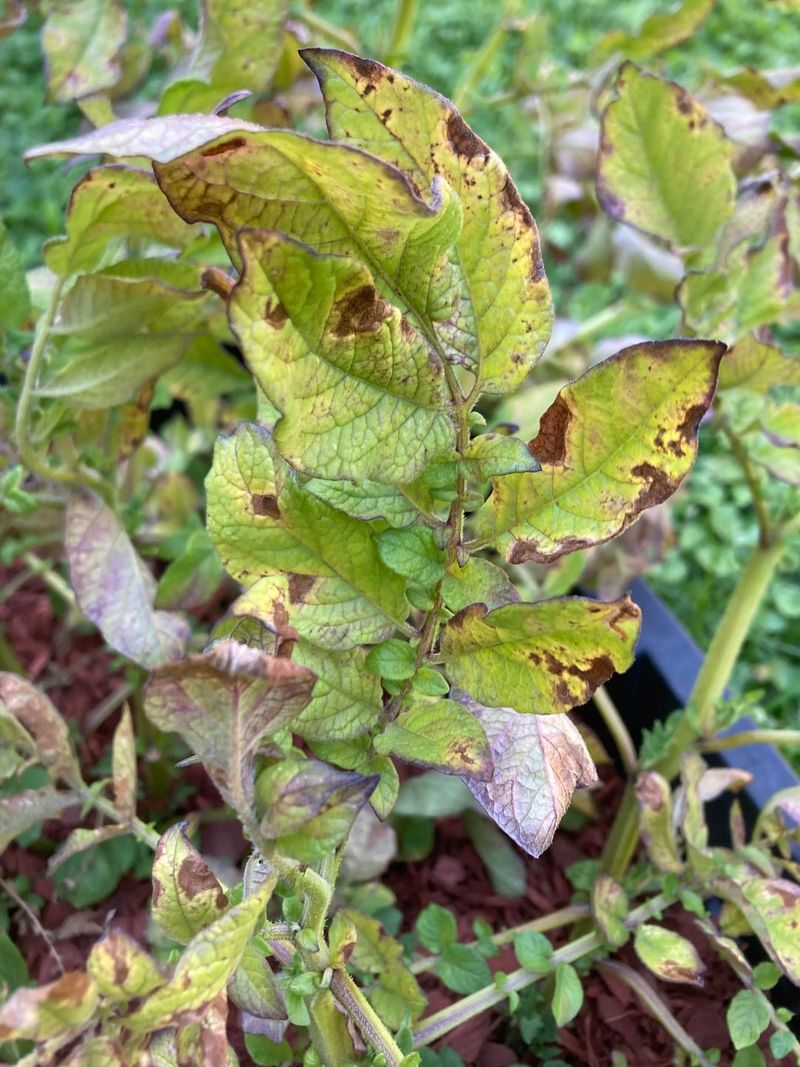
Leaves show dark, water-soaked spots, often with a pale fuzz underneath on humid days, while infected tubers may reveal reddish brown, slightly sunken patches beneath the skin.
Tubers explain why composting backfires here. Phytophthora infestans needs living plant tissue to persist, and a potato serves as a cozy little lunchbox for it.
A cool compost pile won’t cook it, and sprouting culls give the pathogen a fresh start. UC IPM lists infected tubers and cull piles as key sources of new outbreaks.
Thorough cleanup makes the difference. Blighted foliage comes out and goes straight into bags. Gloves help during this step, and tools deserve a wipe with household disinfectant afterward.
Your California Garden Changes Every Week. Your Plan Should Too.
Gardening in California changes quickly throughout the season. Every Friday you’ll receive a simple weekly plan showing exactly what to plant, prune, fertilize, harvest, and protect so you never miss the right timing.
Every tuber possible, including tiny ones, deserves digging, with damaged ones bagged as well. Those bags belong in the trash rather than the home pile.
Volunteer potatoes deserve close watching the following season, pulled early before they leaf out fully.
Certified seed potatoes make a far safer choice than sprouted grocery store spuds.
Rotating where potatoes and tomatoes grow each year also helps keep this troublemaker from settling in. A three-year gap between plantings in the same spot works well.
3. Peppers And Eggplants With Verticillium Wilt
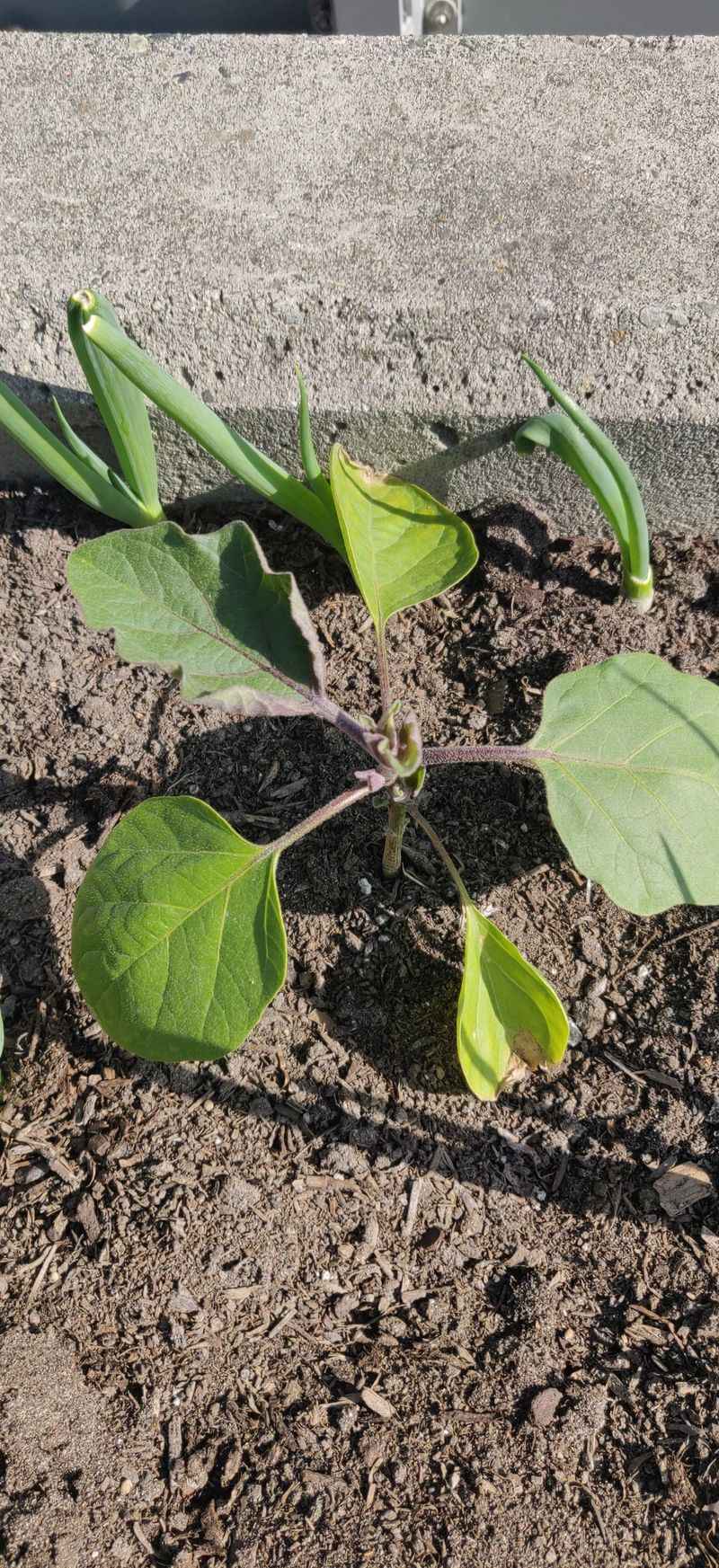
One side of an eggplant drooping in afternoon heat, with leaves yellowing from the edges inward and lower ones dropping first, often signals trouble that water won’t fix.
That lopsided slump marks a classic sign of Verticillium wilt. The fungus enters through roots and clogs the water-carrying tubes inside the stem.
A stem sliced lengthwise near the base may show brown or tan streaks inside. Peppers, eggplants, tomatoes, and strawberries all suffer from it in California gardens.
Verticillium proves a tough customer. It forms tiny resting structures called microsclerotia in infected stems and roots.
UC IPM notes these can survive in soil for years, even without a host plant nearby.
A home compost pile can’t match that staying power, and spreading finished compost simply scatters the fungus into clean beds.
Wilted plants come out with as much of the root system as possible, roots and stems bagged together and sent out with the trash.
Shaking soil from the roots onto other garden areas is best avoided.
Since the fungus lingers, susceptible crops do best in a fresh spot the following year.
In sunny inland areas, summer soil solarization can lower fungus levels in the top layer. Clear plastic over moist soil for four to six weeks lets sun do the work.
Resistant tomato varieties, often labeled with a V, offer added protection.
4. Cabbage Family Plants With Clubroot
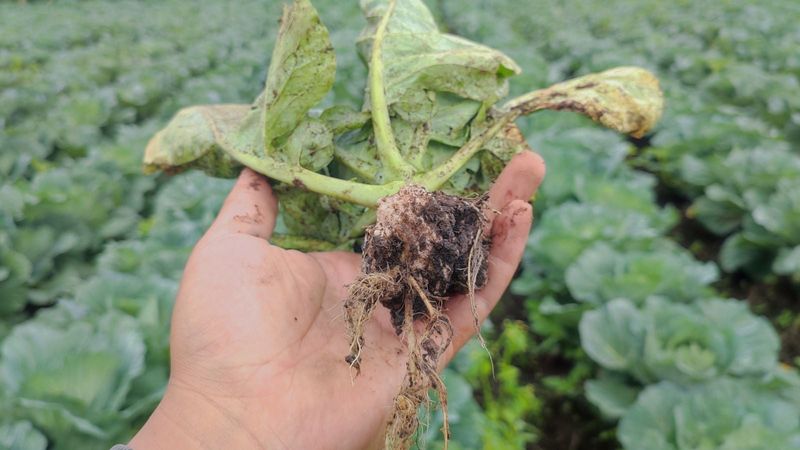
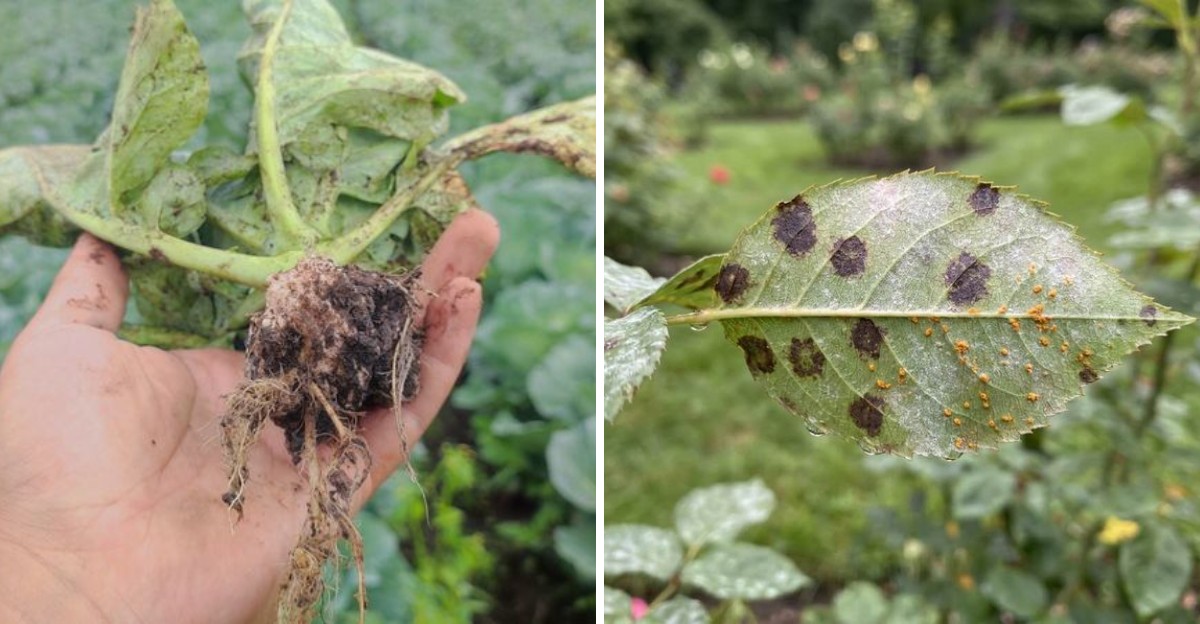
A stunted broccoli plant pulled from the ground can reveal roots resembling lumpy ginger. Instead of fine, threadlike roots, swollen knobs and twisted clubs appear, the hallmark of clubroot.
The culprit, Plasmodiophora brassicae, is a soilborne organism that attacks cabbage, broccoli, kale, cauliflower, turnips, and their relatives.
Fall and winter brassica crops make it a cool-season concern in many California gardens.
Infected plants often wilt on warm days, then recover at night. Growth slows, heads stay small, and leaves may turn yellow or purplish.
Those swollen roots work as spore factories. As they decay, they release resting spores into the soil that can survive for many years.
Roots tossed into compost could spread clubroot to every bed receiving a scoop, and muddy boots, wheelbarrows, and shared transplants can carry it too.
Careful cleanup matters. Infected plants come out with the root ball intact, and roots go straight into a bag destined for the trash.
Soil scrubbed from shovels, gloves, and shoes before moving to another bed keeps spores contained.
Clubroot thrives in acidic, soggy soil. Improved drainage, along with garden lime raising soil pH toward slightly alkaline, makes life harder for it.
Most California soils already lean alkaline, so a soil test before liming helps.
Rotating cabbage family crops far from the infected bed for several years helps, as do homegrown transplants started in clean mix rather than purchased plants of uncertain origin.
5. Roses With Black Spot Or Rust
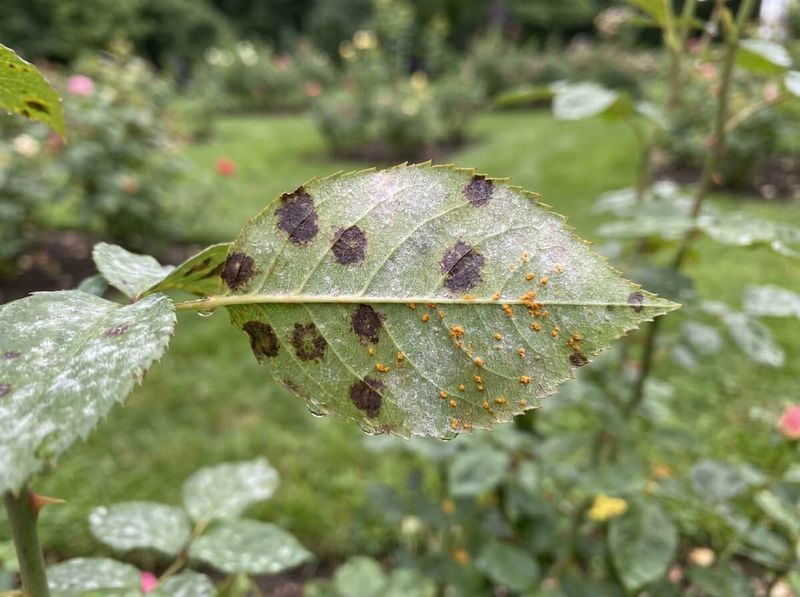
Rose lovers know the frustration. Round black spots with feathery edges appear on leaves that yellow and fall, or bright orange powdery bumps dot the undersides like a dusting of paprika.
Black spot is a fungus that spreads when water splashes spores from leaf to leaf.
Rose rust shows up as orange pustules beneath leaves, with yellow speckles on top. Both favor mild, moist conditions, making foggy coastal neighborhoods and rainy springs prime time.
Fallen leaves and infected canes help these diseases ride out the off season. UC IPM recommends raking up infected leaves and pruning out spotted canes during winter cleanup.
A cool backyard pile can let spores survive long enough to splash back onto the same roses next year.
Routine cleanup makes a difference. Spotted leaves can come off as soon as they appear, with fallen ones raked regularly and bagged for the trash or an approved green waste cart.
During winter pruning, canes with lesions come out, and pruners wiped with household disinfectant between bushes prevent spreading spores.
Prevention goes a long way. Morning watering at the base lets leaves dry quickly, while generous spacing improves airflow.
A refreshed mulch layer beneath the bushes helps limit splashing spores.
New roses labeled resistant to black spot and rust save plenty of effort over time.
October and November leaf drop make a natural moment to start this cleanup routine.
6. Apple And Pear Prunings With Fire Blight
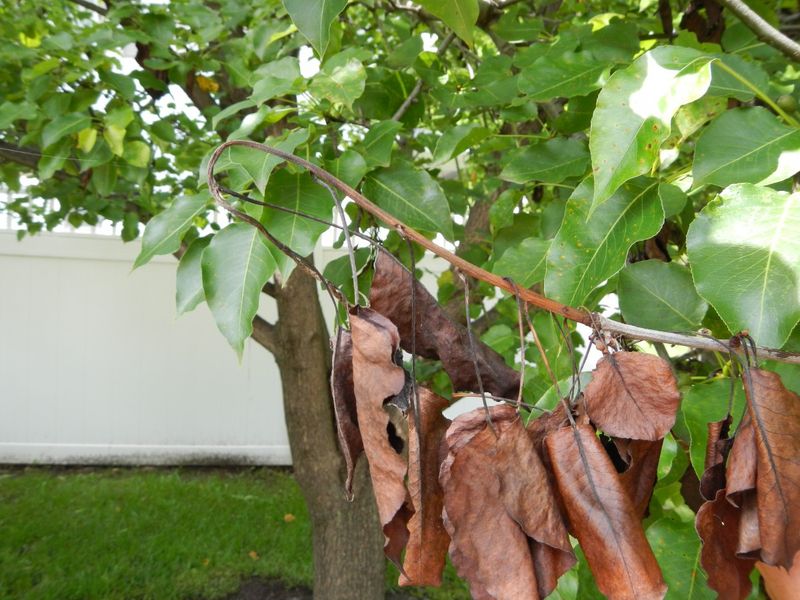
A pear branch that looks scorched, as if held to a torch, makes an unforgettable sight.
Leaves turn black or brown yet cling to the twig, and the shoot tip curls into what gardeners call a shepherd’s crook.
Fire blight is a bacterial disease caused by Erwinia amylovora. It strikes pears hardest, though apples, quince, loquat, pyracantha, and other relatives can be affected too.
Bees and rain spread the bacteria to open blossoms during warm, wet spring weather, and from there it moves down into twigs and branches.
Infected wood can ooze bacteria in sticky droplets, and branch cankers can harbor them into the next season.
UC IPM advises cutting infected branches well below visible damage, at least 8 to 12 inches into healthy wood.
Those prunings belong off the property rather than in a compost bin or chipped into mulch around the trees, following local disposal rules.
Timing matters. Major pruning works best during dry summer or winter weather, when the bacteria are less active.
Shears dipped or wiped in household disinfectant between cuts prevent spreading the infection with every snip, a step worth repeating every time.
Bagged cuttings go out with the trash. Burning, once common, is restricted in much of California, so local rules deserve a check.
A light hand with nitrogen fertilizer helps too, since tender new growth proves especially appealing to this disease. That cautious approach protects future harvests.
7. Plants With Ramorum Blight Symptoms
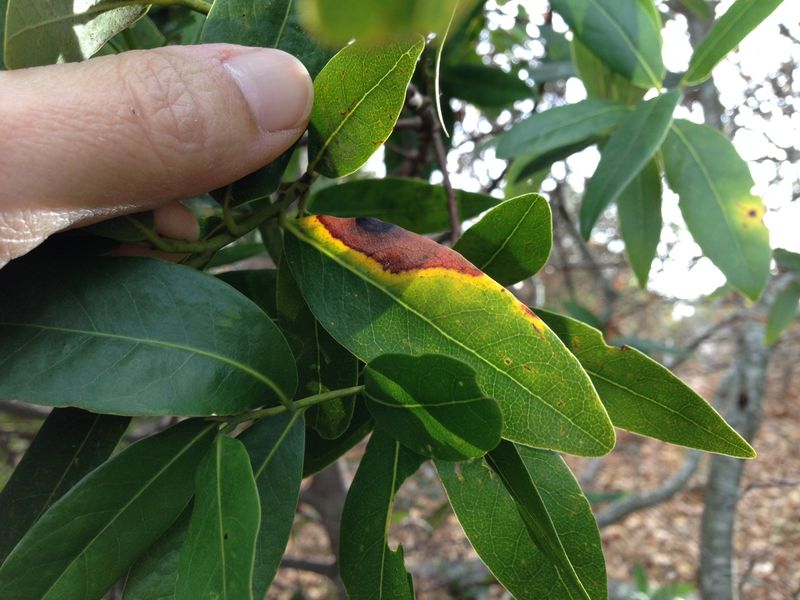
Brown leaf tips on a California bay laurel might seem minor. In parts of coastal Northern California, though, those marks can signal something with legal strings attached.
The organism behind ramorum blight, Phytophthora ramorum, infects a long list of plants, including bay laurel, rhododendron, camellia, viburnum, pieris, and tanoak.
Many hosts show dark leaf spots, browning leaf tips, or shoot decline.
Bay laurel and rhododendron leaves can produce spores that splash onto nearby oaks and tanoaks, which can develop serious trunk cankers.
Because of that risk, much of coastal California from Monterey to Humboldt County falls under state and federal quarantine.
UC ANR and the California Oak Mortality Task Force explain that host material, including leaves, branches, and firewood, shouldn’t move out of quarantined counties.
Composting it at home and sharing that compost could carry the pathogen into new areas.
Suspected ramorum blight calls for contacting the county agricultural commissioner or UC ANR before taking drastic steps. Lab testing offers the only way to confirm it.
Those officials can also explain the correct disposal steps for each county.
Meanwhile, infected leaves are best kept on the property or placed in the local green waste program when officials approve.
Cleaning soil and debris from shoes, tires, and tools after working around suspect plants helps, and buying nursery stock from certified sources keeps the pathogen from hitching a ride.
8. Plants With Root Rot Or Nematode Damage
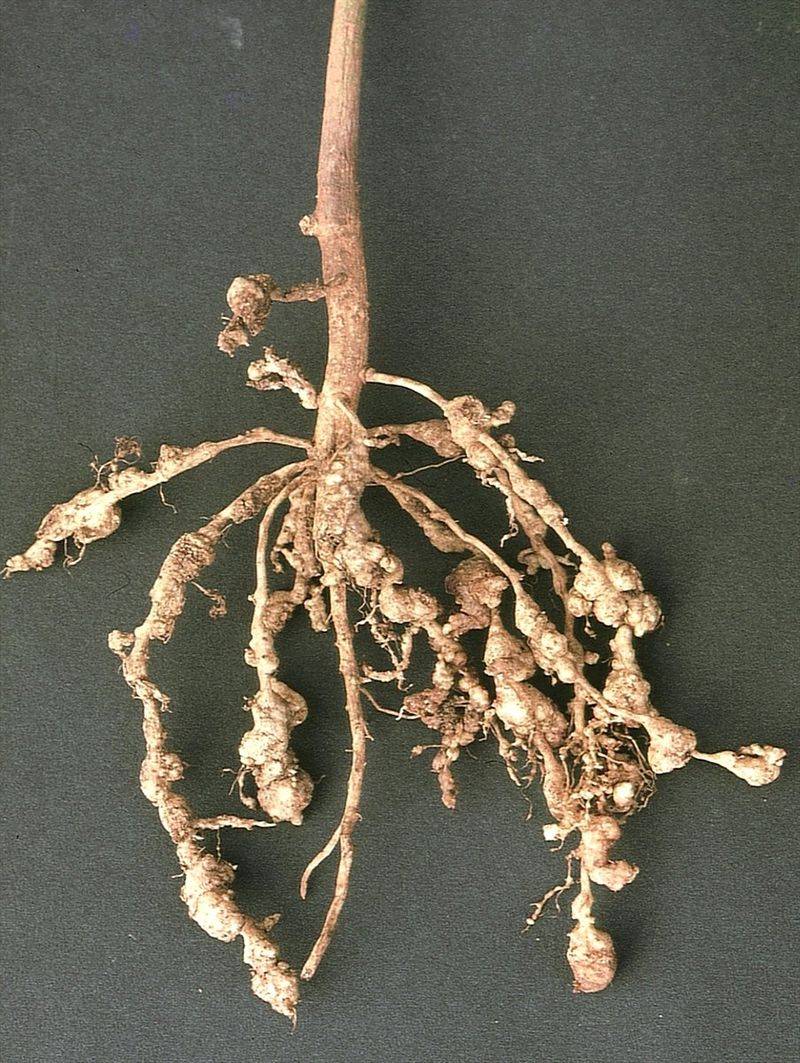
A plant wilting in moist soil signals trouble underground, and its roots tell the rest of the story.
Healthy roots look firm and pale, while sick ones appear dark, mushy, or oddly bumpy.
Root rots come from organisms such as Phytophthora, Pythium, and Armillaria, which thrive in soggy, poorly drained soil. Rotted roots slough off easily and often smell sour.
Root-knot nematodes are different troublemakers, tiny worms that cause knobby swellings called galls on tomatoes, carrots, melons, and many other crops.
Warm, sandy California soils suit them especially well.
Both problems live in roots and the soil clinging to them. Nematodes can hide in galls and survive a cool pile, while root rot organisms persist in infected tissue.
Composting that material risks scattering them throughout the garden.
Affected plants come out with the root ball and as much attached soil as possible, all bagged for the trash.
Rinsing soil from tools and boots before moving to another bed prevents carrying the problem along.
Fixing the conditions that invited trouble matters most. Better drainage, careful watering, and raised beds where soil stays wet all help.
For nematodes, crop rotation, resistant varieties marked with an N on the label, and summer bed solarization reduce populations.
Armillaria, sometimes called oak root fungus, deserves special mention, since it often follows overwatering near native oaks.
Addressing the cause now pays off for seasons to come.